By Annie Spaulding | EcoLogic Intern

Traditional payment for ecosystem services (PES) models are built around the concept of a monetary value assigned to a specific service, good, or product provided by the natural environment to the benefit of people—for example, water resources, carbon stored in biomass, and forest products. Through a PES scheme, communities or individuals receive monetary payment in exchange for conserving the ecosystems providing the services. It is a win-win with benefits for both the people who benefit from the service (e.g. the people downstream who are supplied with drinking water) and those who ensure provision of the service (e.g. the rural people who conserve the natural water source). PES is centered around a monetary value agreed upon by both sides. As such, it is a popular model receiving global attention among world leaders, policy makers, conservation organizations, and communities.
While the literature points to several successful examples of these traditional PES models, there is emerging research documenting cases of communities contesting or radically altering conventional PES or PES-like schemes. Community leaders in countries such as Mexico and Japan have expressed a range of concerns with PES, from exclusion of traditional knowledge to the commodification of a core source of spiritual and cultural identity: nature. Currently, greater discussions are emerging among community leaders, practitioners, and academics regarding “alternative conceptualizations” of PES. Additional documentation of communities who have contested or altered PES to meet their needs can help provide tools and insights required to ensure conservation programs reflect values, beliefs, and dignity of rural communities considering such programs.
During my time as an EcoLogic intern, I have had the dual role of working with EcoLogic staff Dave Kramer and Andrea Savage to adapt my research to make it an important contribution to EcoLogic’s projects in the area, while producing my own research in coordination with Duke University’s Nicholas School of the Environment for my Masters of Environmental Management degree. With the guidance of EcoLogic and my thesis adviser Liz Shapiro, I will be researching and assessing specific case studies of how communities have adapted PES-like programs to reflect their culture and needs. One of the principal variations is on how the value for the ecosystem service is represented, where cultural norms and beliefs permit value to be expressed in terms other than as monetary.
My research goal is to determine what cultural norms and beliefs are associated to nature and how they are valued by local people. This will help EcoLogic and other conservation practitioners to further understand how communities can participate in conservation of ecosystem services and resource exchange in ways that are aligned with and support their traditions and belief systems.

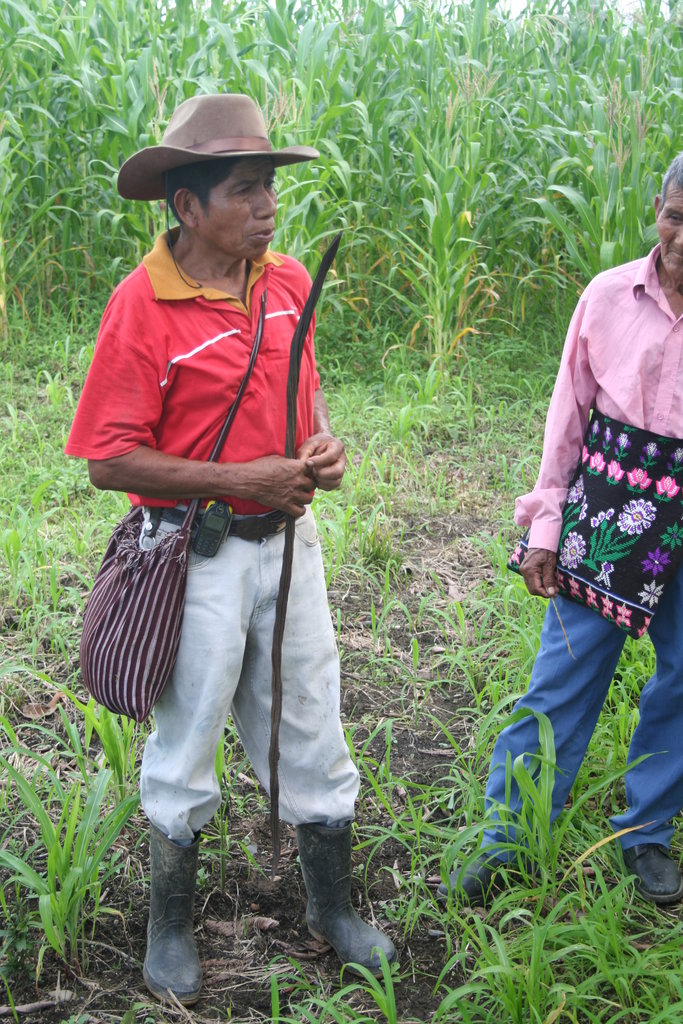
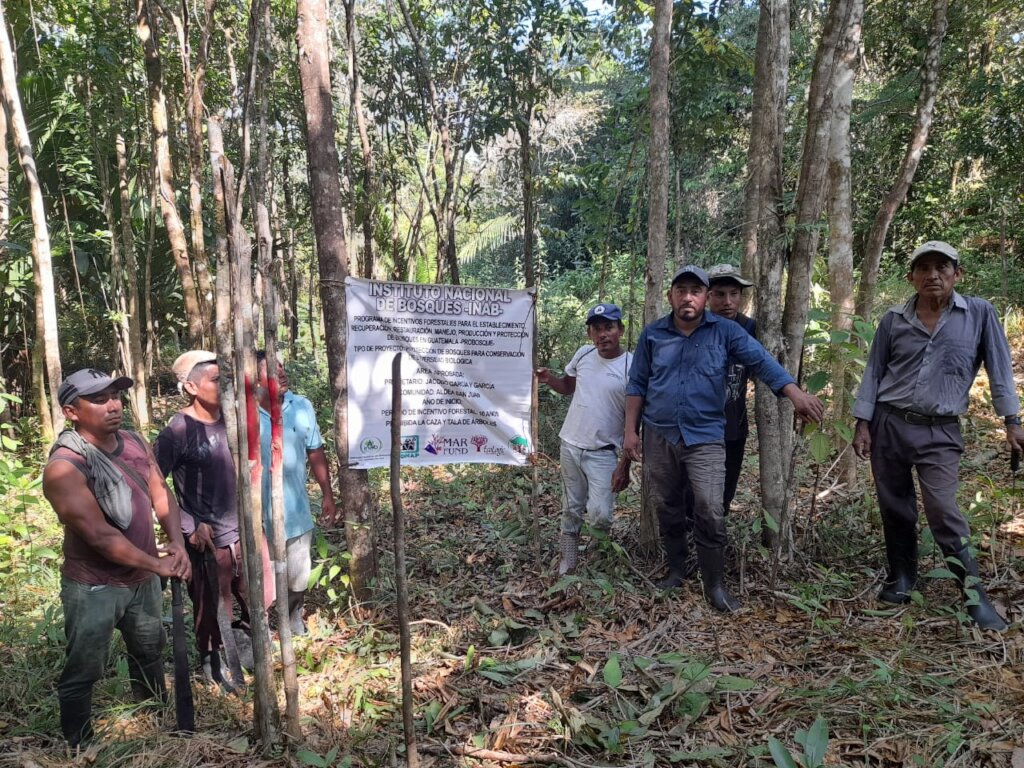
Annie Spaulding (left background) learning about sustainable farming in Guatemala
I will be sure to circle back to EcoLogic eNews readers with the results!
Project reports on GlobalGiving are posted directly to globalgiving.org by Project Leaders as they are completed, generally every 3-4 months. To protect the integrity of these documents, GlobalGiving does not alter them; therefore you may find some language or formatting issues.
If you donate to this project or have donated to this project, you can receive an email when this project posts a report. You can also subscribe for reports without donating.