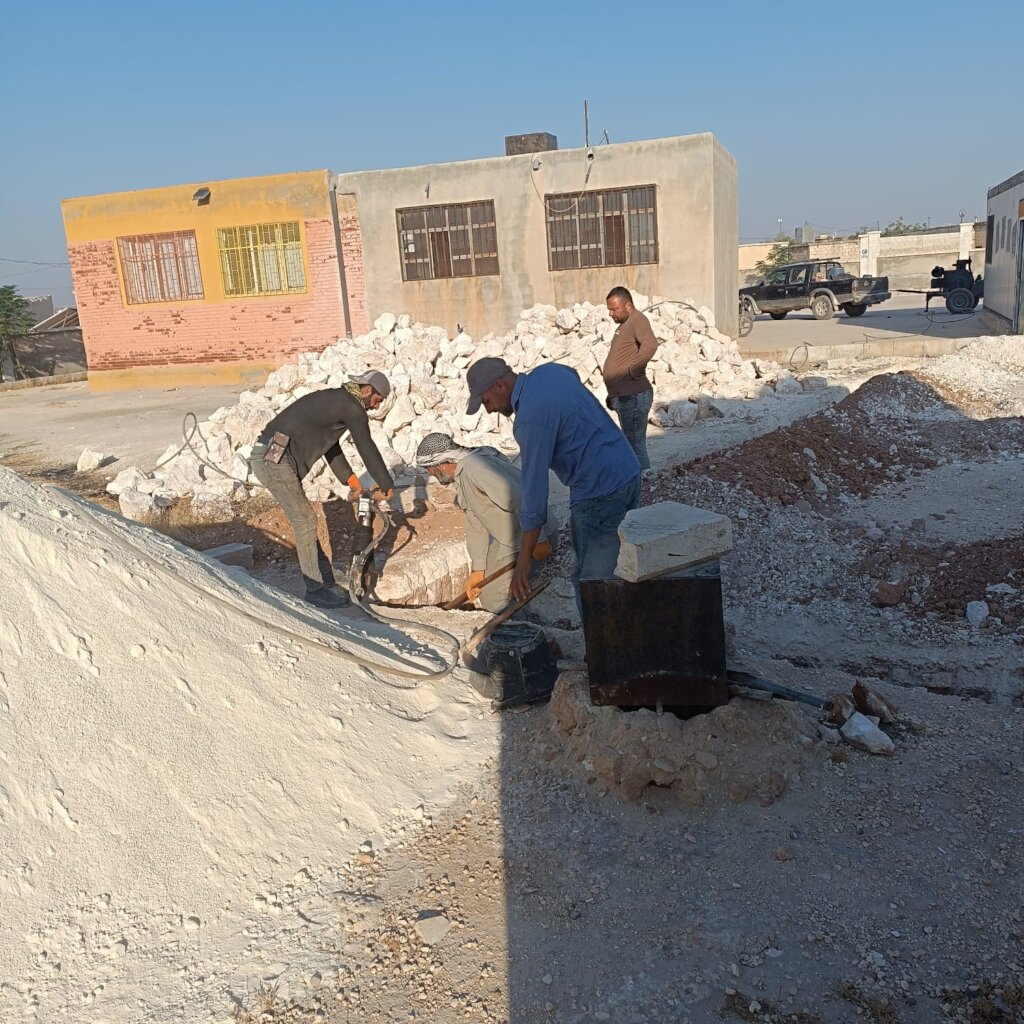
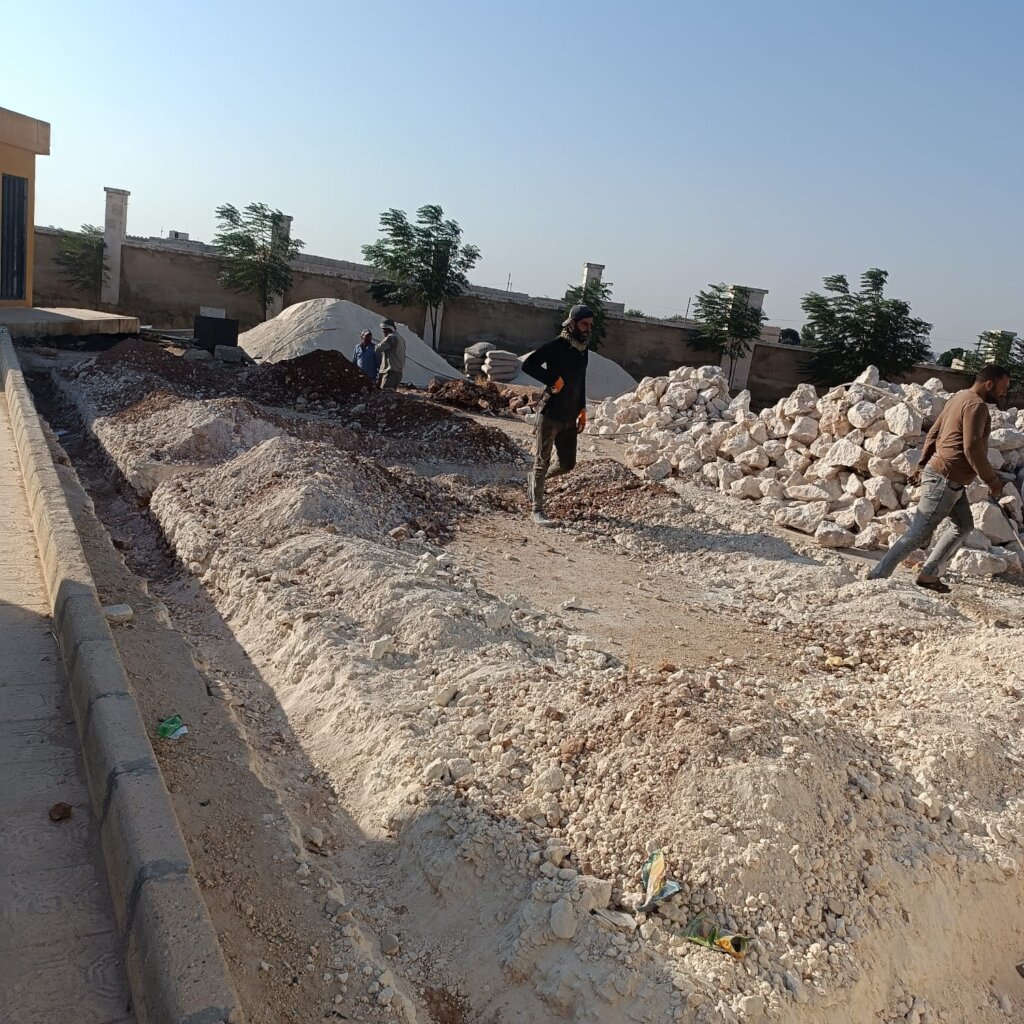
Across northern Syria, children still study in damaged, overcrowded or inadequate schools. SYCAC restores them one at a time: a technical assessment, a design agreed with the Education Directorate and the community, then the works: structure, finishes, water and sanitation, furniture and equipment. A community oversight committee follows each site, and every school is inspected and handed over to the education system, which then staffs and runs it.
More than a decade of conflict has left thousands of Syrian schools damaged or non-operational, and millions of children without safe classrooms. The obstacle is rarely the will to teach; it is usually space. Education directorates cannot assign teachers and an approved curriculum to buildings that do not meet basic requirements, so classes may not open and children either travel long distances or stop attending. Rural and displaced families are affected first, and girls are often kept home.
SYCAC works school by school. Communities identify the need, a technical assessment establishes what is required, and the design is agreed with the relevant Education Directorate before procurement. Works may cover structure, finishes, lighting, ventilation, water and sanitation, furniture and equipment. Community oversight committees including women and girls monitor quality, and each school is inspected and handed over to the public education system, which then staffs and runs it.
A restored school returns to the public education system, which then provides its teachers, curriculum and budget year after year: the cost is one-time, the service continues. Children learn closer to home, reducing transport costs, safety concerns and the risk of dropout, especially for girls and displaced students. Restored schools also provide shared spaces for resident and displaced families, and the oversight committees formed for the works remain as local accountability structures.


Support this important cause by creating a personalized fundraising page.
Start a Fundraiser