Provision of Physical Rehabilitation Services.

by Development & Ability Organization DAO
Provision of Physical Rehabilitation Services.

Project Report | Jun 23, 2026
FINAL NARRATIVE REPORT

By Jalaluddin Sajid | Project Manager DAO

DAO Activities Pictures


 FINAL NARRATIVE REPORT

Development and Ability Organization (DAO)

1st January 2025 to 31st December 2025  

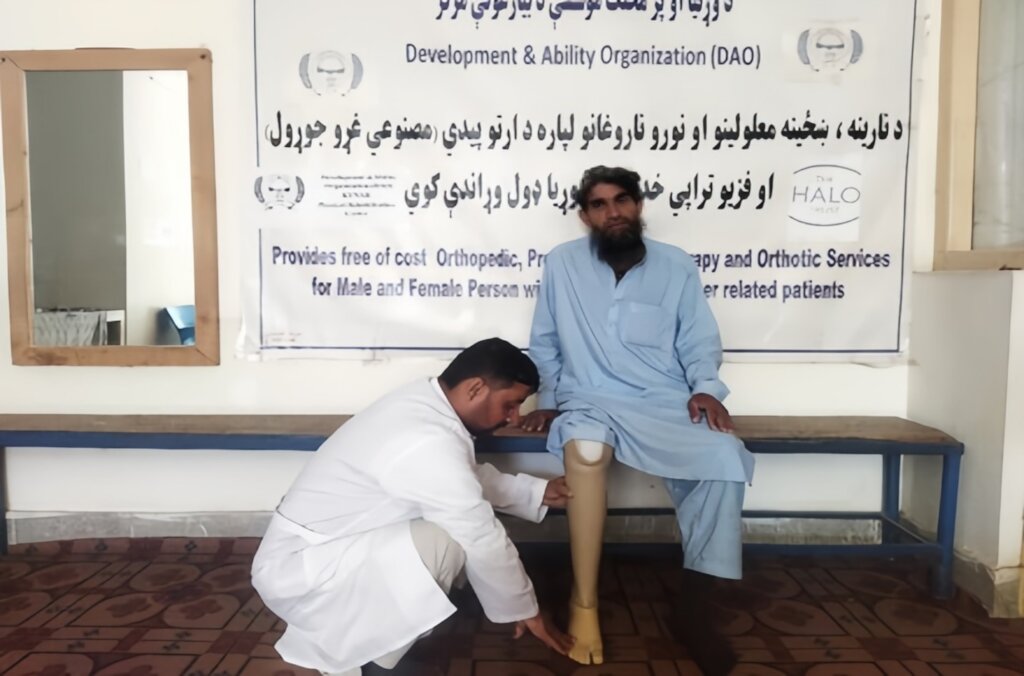
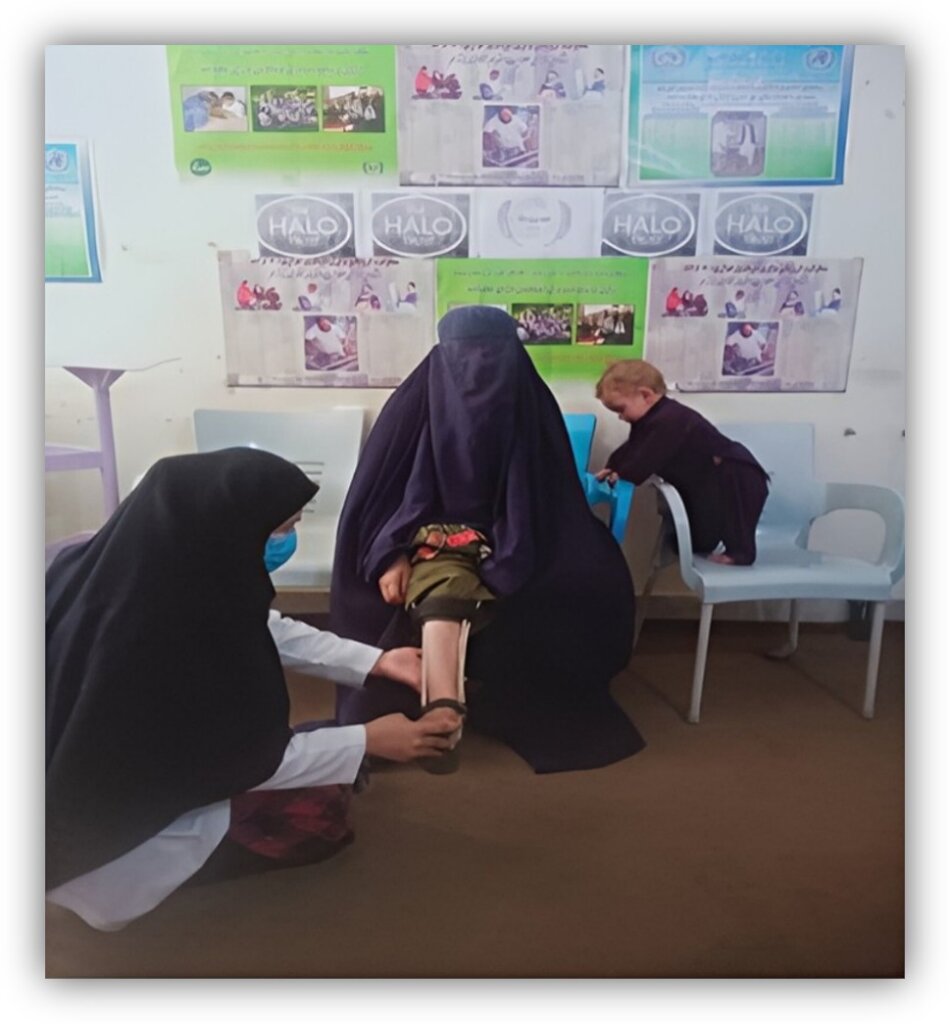
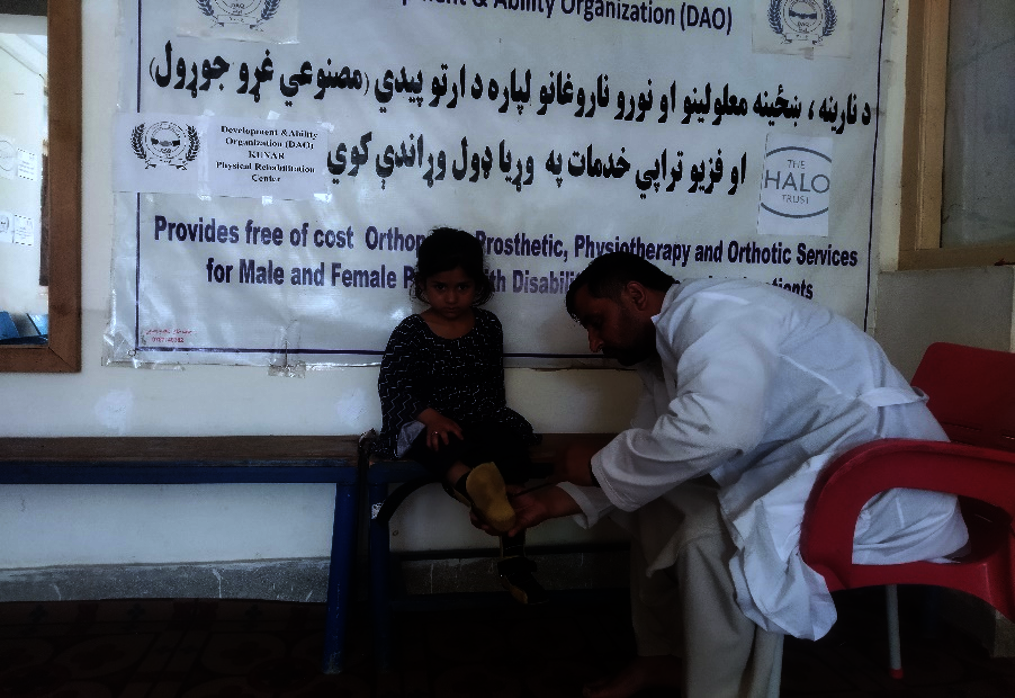
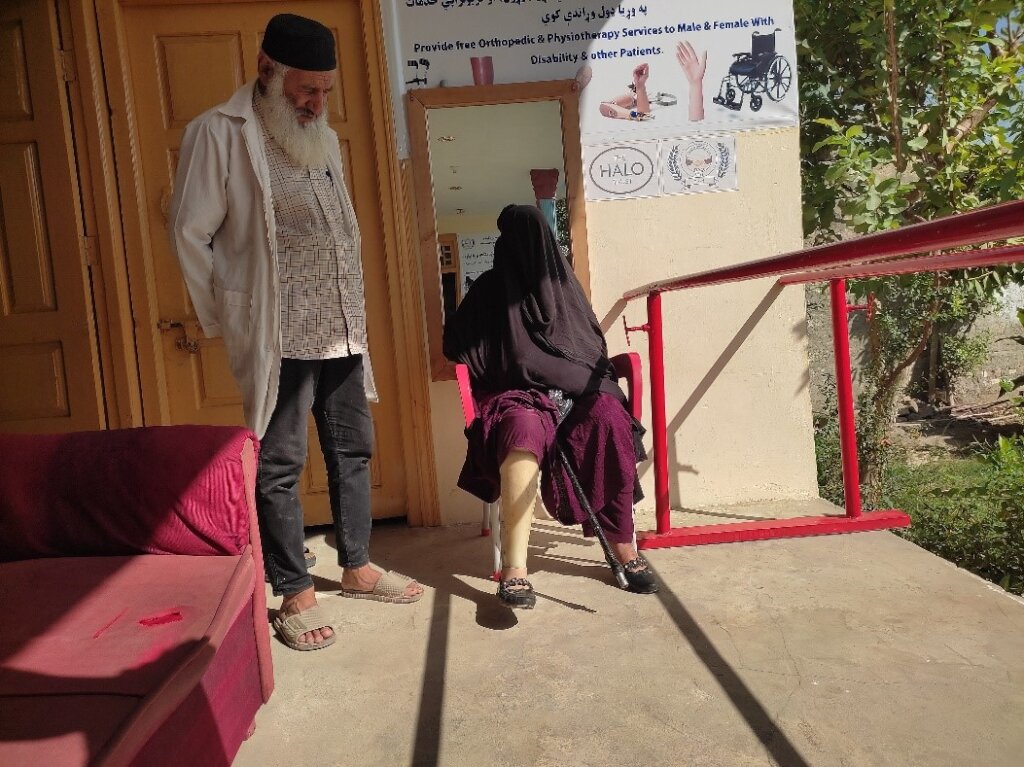
Photo: highlights the provision of physical Rehabilitation services, as a below-knee prosthesis (BKP) was crafted for this beneficiary on 06/10/2025.


  1. PROJECT DETAILS

Organization:

Development and Ability Organization (DAO).

Reporting Period:

1st January2025 to  31st December 2025.

Name of Project:

Provision of Physical Rehabilitation services to ERW victims, landmine Survivors & other Persons with Disabilities in Kunar, Nuristan, and Uruzgan provinces of Afghanistan.

Point of Contact:

Abdul Khaliq Atal Director of DAO Jalaluddin Sajid Project Manager,  dirctor@daoafghanistan.org /pm@daoafghanistan.ngo,

Cell phone:+93(0)700175759/ +93(0)767894876

Donor: HALO TRUST/GFFO-SO7. 

Implemented Partner: Development and Ability Organization (DAO)

  1. PROJECT SUMMARY:

This report aims to provide narrative and statistical information on the achievements of the "Provision of Physical Rehabilitation Services to ERW Victims, Landmine Survivors, and Other Persons with Disabilities in Kunar and Uruzgan Provinces of Afghanistan." DAO operates two physical rehabilitation centers. Additionally, the Kunar center accepts patients from Nuristan province who require victim assistance (VA).

Project Background:

This project supports fixed physical rehabilitation centers in Kunar and Uruzgan provinces to assist direct victims of conflict, mine explosive remnants of war (ERW), and all other persons with disabilities, including men, women, and children in their localities. The rehabilitation services provided include physiotherapy, the production of artificial limbs, counseling, psychosocial support, referral services, the preparation of orthotic assistive devices, and disability awareness and prevention sessions in our target areas of Kunar and Uruzgan. Furthermore, it is important to mention that the Kunar Physical Rehabilitation Center also provides services to persons with disabilities from Nuristan province.

The key activities of this project are as follows:

  • Physiotherapy services for ERW victims, landmine survivors, and other persons with disabilities.
  • Production and distribution of new artificial limbs for males, females, and children with disabilities.
  • Production of new orthotic devices.
  • Repair of prostheses and orthotic (P&O) devices.
  • Referral: War victims, along with other persons with disabilities, need to be referred to connected institutions/hospitals for secondary services, such as providing medicine, X-rays, etc.
  • Provision of counseling and psychosocial support to persons with disabilities.
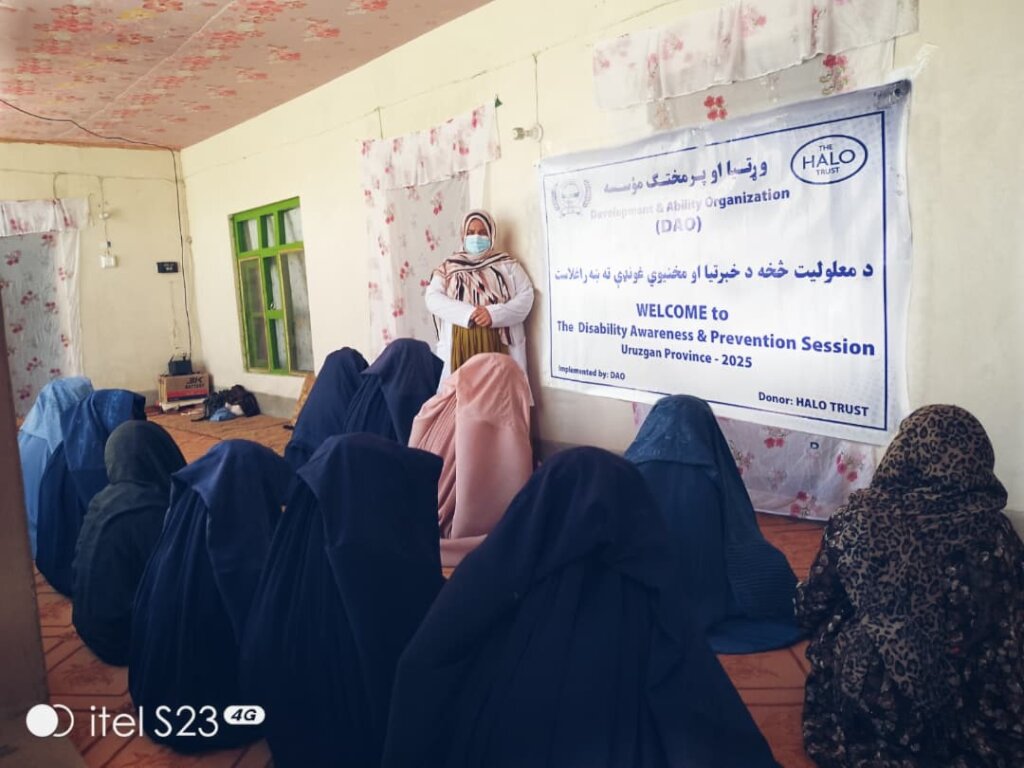
  • Provide disability awareness/prevention sessions to ERW/PWDs and the host community.


  1. SUMMARY OF PROGRESS VERSUS TARGET, JANURY-DECEMBER,2025

Activities

Contractual Targets

Achieved (Beneficiaries)

Beneficiaries Reached – MWBG

Services Delivered

 Progress (%)

Physiotherapy

925

759

Men 547, Women 135 Girls 25, and Boys 52

1242

82.0%

Orthotic New Service provided

230

222

(Men 85, Women 23, Girls 40, and Boys 74)

222

96.5%

Prosthetic New Service provided

60

103

(Men 88, Women 8, Girls 2, and Boys 5)

103

171.6%

Repair of Orthotic and Prosthetic Devices)

180

286

(Men 222, Women 21, Girls 11, and Boys 32)

286

158.8%

Awareness Campaigns Executed

145

210

(Men 91, Women 81, Girls 23, and Boys 15)

210

144.8%

Psychosocial Support and Counseling Service

100

84

(Men 73, Women 11, Girls 0, and Boys 0)

84

84 %

Referral Services

60

74

(Men 57, Women 7, Girls 2, and Boys 8)

74

123.3%

Total

1700

1738

(Men 1163, Women 286, Girls 103, and Boys 186)=1738

2221

102.2%

  1. EMERGING OR EVOLVING RISKS:

Nil

  1. INCIDENTS OR ACCIDENTS:

Nil

  1. CASE STUDIES:

Case Study of Explosive Remnants of War (ERW) Survivor

Beneficiary Profile (Personal Information):

Name: Sohail.

Father’s Name: Shahin.

Age: 25 years.

Gender: Male.

Place of Origin: Arazi Village, Khas Kunar District, Kunar Province, Afghanistan.

Age at Time of Incident: 10 years.

Type of Disability: Below-Knee Amputation (Left Leg).

Cause of Injury: Explosive Remnants of War (ERW).

Case Title:

A Childhood Shattered by War Remnants: The Case of Sohail, an ERW Survivor.

Case Identification/VA Sector:Physical Rehabilitation & Psychosocial Support.

Life before Disability:

Before the tragic incident, Sohail was a young boy growing up in a poor rural family in Kunar Province. Like many children in conflict-affected areas, his childhood was shaped by hardship. At the age of ten, he often accompanied his brothers to the mountains to collect firewood, which supported their family’s daily needs. Despite poverty, Sohail was innocent, full of life, and unaware of the deadly dangers hidden in his surroundings.

Description of the Incident:

While collecting firewood in the remote mountains, young Sohail and his brothers stumbled upon an object they did not understand, a remnant of war left behind, silent but deadly. As children, the danger was beyond their comprehension; all they felt was a mix of curiosity and excitement. They brought the object home, treating it like a toy, completely unaware that it was a weapon, a hidden legacy of conflict.

One fateful day, Sohail, hoping to earn some money, took the object outside and struck it with stones, intending to break it and sell it as scrap. In an instant, a deafening explosion tore through the air. The world went black. Sohail lost consciousness, and in that single, unimaginable moment, his life and the life of his family were changed forever.


Immediate Impact and Medical Consequences:

Several days later, Sohail regained consciousness in a hospital. He realized that his left leg had been amputated below the knee. The explosion had also caused devastating harm to his family:

One of his brothers permanently lost an eye. Another brother lost his life in the same incident. The emotional pain of surviving while losing a sibling was unbearable for a child.

Long-Term Impact on the Family:

The tragedy destroyed not only Sohail’s body, but his entire family structure:

His mother developed severe psychological illness and continues to suffer to this day. His father became addicted to narcotic substances and remains dependent despite repeated treatment attempts. The family’s economic situation had completely collapsed. Emotional trauma, grief, and instability became part of their daily life. This single ERW incident left lifelong scars on every family member.


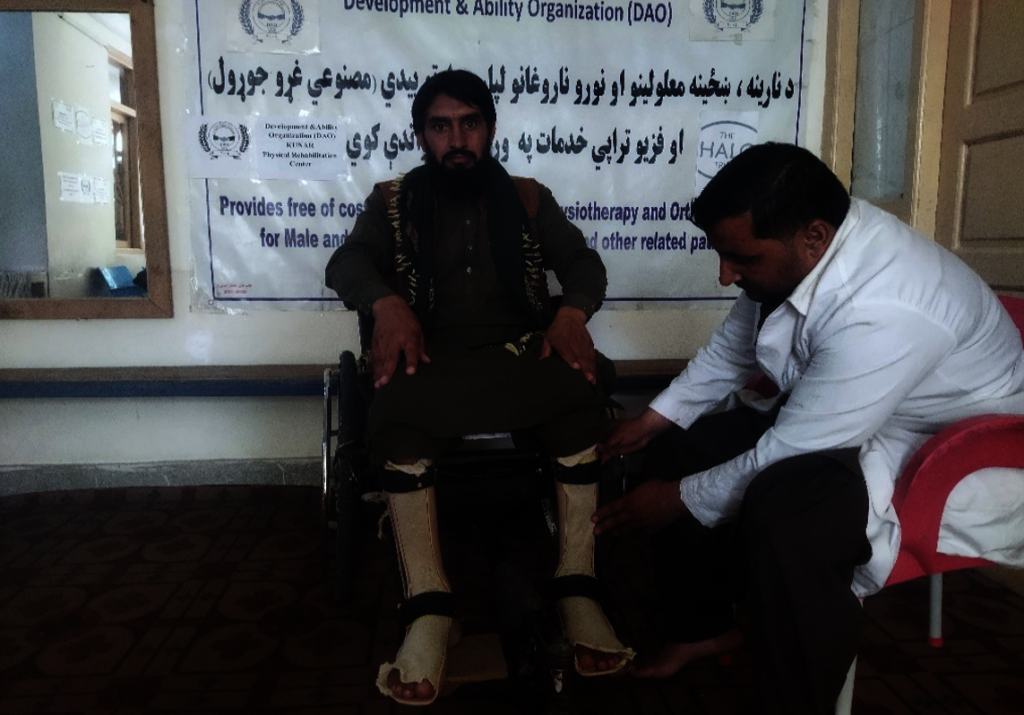
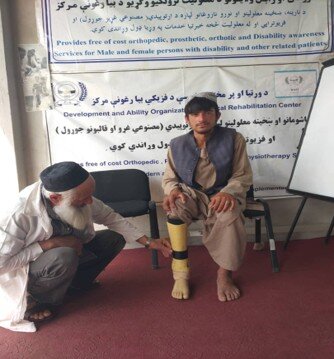
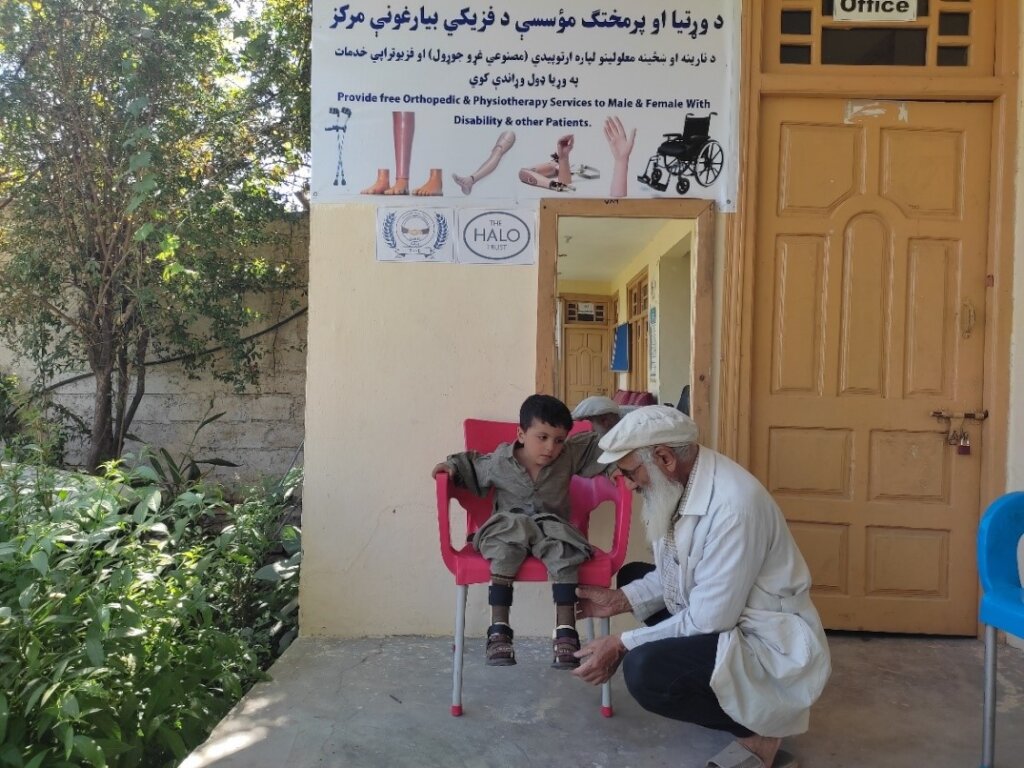
Photo: highlights the provision of physical Rehabilitation services, as below-knee Prosthesis (BKP) was provided for this beneficiary on (07/12/2025).

Life after the Incident:

Growing up with a disability in extreme poverty, Sohail faced overwhelming challenges. He struggled with mobility, education, and social inclusion. At times, despair surrounded him. However, despite everything he endured, Sohail refused to surrender to hopelessness.

Today, he continues his education in a religious madrasa, holding onto faith and resilience as his only sources of strength.


Victim Assistance Intervention:

Through the support of the Victim Assistance (VA) program, Sohail was assessed and provided with a Below-Knee Prosthesis by the Development and Ability Organization, in accordance with humanitarian and IMAS-aligned rehabilitation standards.

Life after Receiving the Below-Knee Prosthesis:

Receiving the prosthetic limb marked a meaningful improvement in Sohail’s life:

His mobility significantly improved. He regained a sense of dignity and independence. His confidence increased, and his hope for the future was renewed. Despite deep emotional wounds, Sohail expressed happiness and gratitude for the support he received.

Impact of VA Support:

The VA intervention contributed to:

  • Improved functional mobility
  • Reduced dependency on others
  • Enhanced psychological well-being
  • Increased participation in daily and educational activities
  • This assistance helped restore a sense of humanity to a life deeply affected by war.

Beneficiary Message and Acknowledgment:

War took my leg, my brother, and my childhood, yet it did not take away my hope or determination to live with dignity. Through the provision of a prosthetic limb, I am now able to move forward, continue my education, and rebuild my future. I respectfully extend my sincere gratitude to the Development and Ability Organization (DAO) and the donor HALO Trust for their generous and life-changing Victim Assistance support. Their unwavering commitment to standing alongside ERW survivors and persons with disabilities restores dignity, strengthens independence, and inspires renewed hope for a better future.

 Recommendation:

It is strongly recommended that Victim Assistance programs continue and expand to support:

ERW and landmine survivors, children affected by explosive remnants of war, and persons with disabilities living in extreme poverty all need ongoing VA support. This support is crucial to prevent further suffering and to help restore dignity, hope, and resilience in communities affected by war.

 Conclusion:

The story of Sohail reflects the painful reality of landmine victims in Afghanistan. Yet, it also highlights the transformative power of rehabilitation, hope, and community support. With a prosthetic limb, Mir Sohail not only regained his mobility but also his dignity, dreams, and future.


A Case Study of a Drone Strike Survivor

Introduction of the Survivor:

Name: Mir Rahimullah.

Father’s Name: Nek Mohammad.

Location: Tirinkot District, Uruzgan Province, Afghanistan.

Age: 33 years old.

Gender:Male.

Cause of Disability:Conflict-related incident (Drone strike).

Type of Disability: Right leg Above Knee amputation.

Services Provided: Above Knee Prosthesis (AKP).

Year of Incident: Year of Incident: 2019, which resulted in the amputation of his right leg.

Case Title:Restoring Mobility and Dignity through Victim Assistance.

VA Sector:Physical Rehabilitation Service.

Life before the Disability:

Before the incident, Rahimullah was economically active and self-reliant. He worked as a daily laborer and was the primary income earner for his household. Despite living in a conflict-affected environment, he maintained a stable livelihood and actively supported his family. His life before the incident reflected dignity, productivity, and social participation.

Description of the Incident:

In 2019, while working within his household compound, Rahimullah was seriously injured by an American drone strike. He sustained critical trauma to his leg, resulting in extensive tissue damage, severe infection, and systemic complications. Due to the life-threatening nature of the injury, medical professionals determined that above-knee amputation was the only option to save his life.

Immediate and Post-Incident Medical Response:

Rahimullah underwent three surgical operations at Uruzgan Provincial Hospital (URZ Hospital). Due to persistent infection and toxic complications, his recovery was prolonged. For an extended period, he was medically unfit to receive a prosthetic limb, leaving him immobile and dependent. This phase was characterized by intense physical suffering and significant psychological trauma.

 Impact and Challenges after Injury:

Following the amputation, Rahimullah faced severe and multidimensional challenges:

  • Loss of mobility and functional independence
  • Inability to return to work and loss of household income
  • Increased dependency on family members
  • Psychological distress, including feelings of hopelessness and social exclusion
  • Reduced participation in community and social life
  • These challenges significantly diminished his quality of life and sense of dignity.

Victim Assistance Intervention – Physical Rehabilitation:

After achieving medical stabilization, Rahimullah underwent assessment under the Victim Assistance (VA) program. He was fitted with an Above-Knee Prosthesis and provided with comprehensive guidance on its use and basic mobility training, ensuring full support for his physical rehabilitation and restoration of independence.

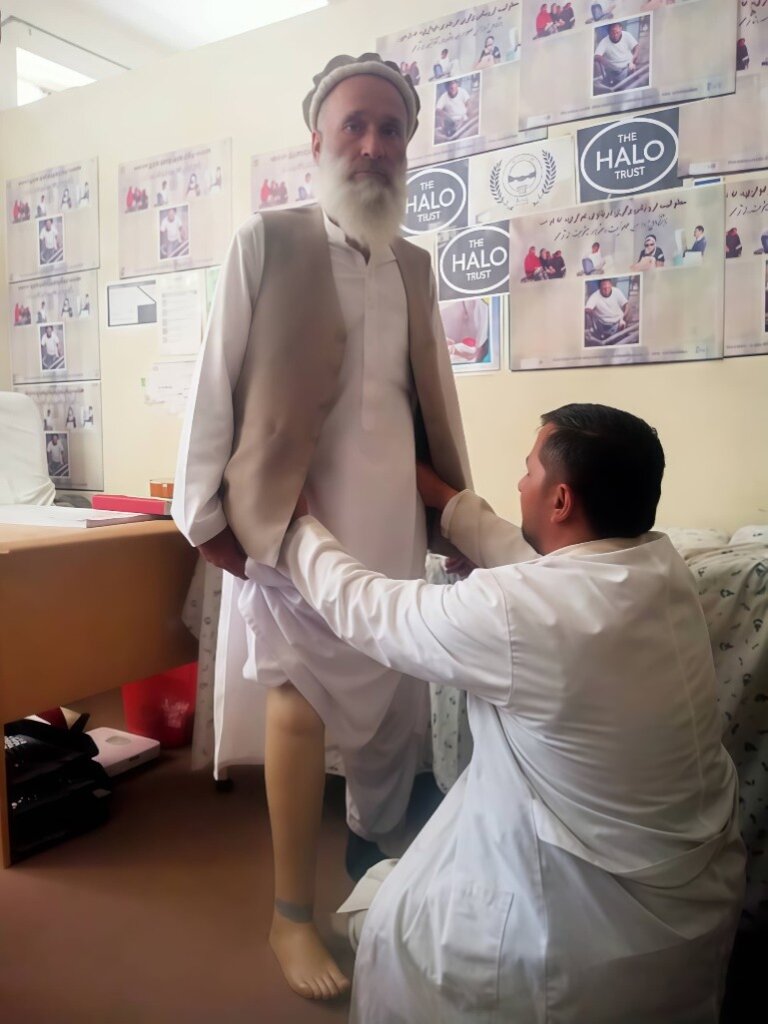
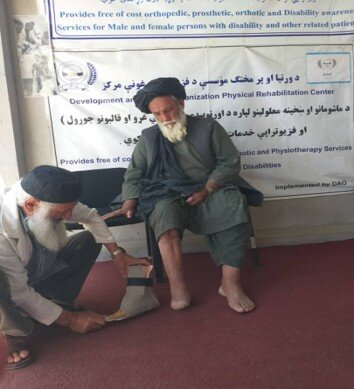
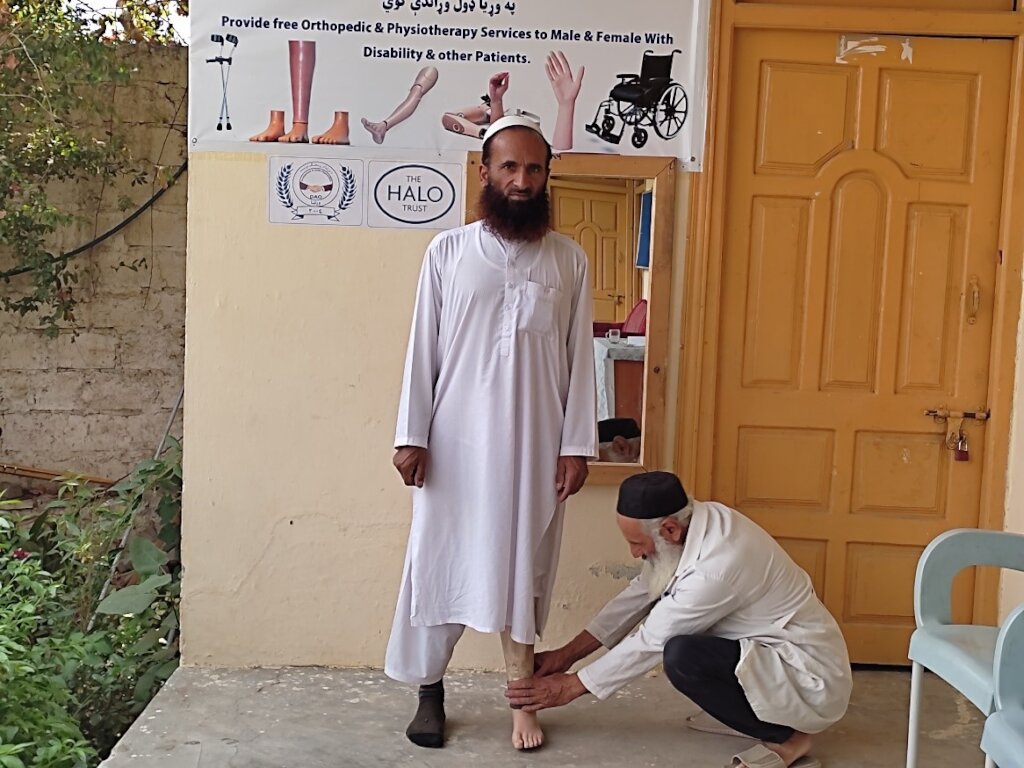
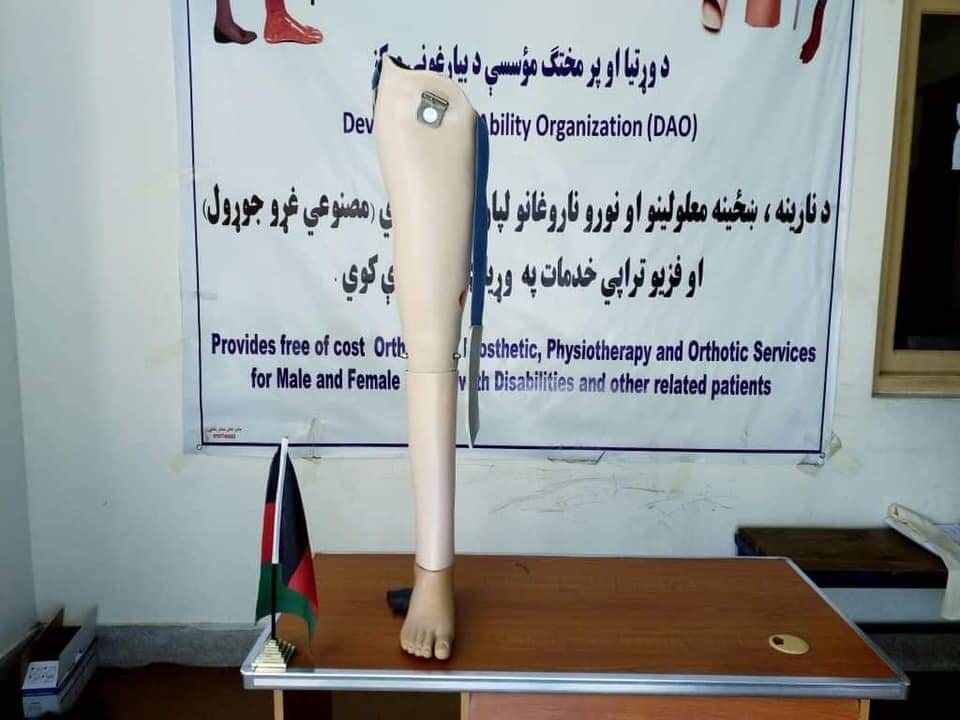
Photo: highlights the provision of physical Rehabilitation services, as Above Knee prosthesis (AKP) was crafted for this landmine survivor on 26/10/2025.

 Life after Receiving the Prosthesis:

The provision of the prosthetic limb marked a critical turning point:

Rahimullah regained mobility and functional capacity. His independence and self-confidence significantly improved. He was able to reintegrate into family and community life. His psychological well-being and motivation increased. The prosthesis restored not only physical movement but also personal dignity and hope.

Outcomes and Positive Impact of VA Support:

The VA intervention resulted in:

  • Improved physical functioning and reduced dependency.
  • Enhanced mental health and psychosocial stability.
  • Strengthened social inclusion and participation.
  • Increased potential for future livelihood engagement.
  • This case demonstrates the transformative impact of timely and comprehensive VA support.

Beneficiary Testimony:

After the accident, I believed my life was finished. Through the support I received, I can walk again and live with dignity. This assistance has given me hope and a reason to continue.

Acknowledgment:

Rahimullah expresses his sincere appreciation to the Development and Ability Organization (DAO) and HALO Trust (Donor Agency) for their commitment to humanitarian principles and for supporting war victims and persons with disabilities through quality Victim Assistance services.

Recommendations:

Mr. Rahimullah recommends that Victim Assistance (VA) services be sustained and expanded to reach a greater number of landmine and ERW survivors, particularly in underserved areas. Long-term physical rehabilitation and psychosocial support should remain core components of VA programs. Strengthening VA initiatives is essential to enhance reintegration, resilience, dignity, and independence of persons with disabilities and to restore hope within conflict-affected communities.

Conclusion:

Mir Rahimullah’s journey highlights both the enduring impact of landmines in Afghanistan and the life-changing value of victim assistance. With appropriate rehabilitation support, he regained mobility, dignity, and hope. His story affirms that sustained investment in victim assistance is essential to restoring lives and building resilient, inclusive communities.


  1. COLLECTION OF PHOTOGRAPHS:


Links:


Attachments: Share on Twitter Share on Facebook

About Project Reports

Project reports on GlobalGiving are posted directly to globalgiving.org by Project Leaders as they are completed, generally every 3-4 months. To protect the integrity of these documents, GlobalGiving does not alter them; therefore you may find some language or formatting issues.

If you donate to this project or have donated to this project, you can receive an email when this project posts a report. You can also subscribe for reports without donating.


Sign up for updates

Organization Information

Development & Ability Organization DAO

Location: Kabul - Afghanistan
Website:
Facebook: Facebook Page
X / Twitter: Profile
Project Leader:
Omara Khan Muneeb
Director
Kabul , Kabul Afghanistan
$22 raised of $243,840 goal
 
5 donations
$243,818 to go
Donate Now

Help raise money!

Support this important cause by creating a personalized fundraising page.

Start a Fundraiser

Learn more about GlobalGiving

Teenage Science Students
Vetting +
Due Diligence

Snorkeler
Our
Impact

Woman Holding a Gift Card
Give
Gift Cards

Young Girl with a Bicycle
GlobalGiving
Guarantee

Get incredible stories, promotions, and matching offers in your inbox

WARNING: Javascript is currently disabled or is not available in your browser. GlobalGiving makes extensive use of Javascript and will not function properly with Javascript disabled. Please enable Javascript and refresh this page.