By Kimberly Laney | Resource Development Officer
“One of our daily struggles is finding or buying enough clean water to drink and for general personal use. It seems like Yemen’s entire water system is at a standstill,” says Mohammed. The ongoing war in Yemen displaced Mohammed, his wife, and two-year old son, and they have moved four times since the conflict began in March 2015. As internally displaced persons, Mohammed and his family move to new places to remain safe. Mohammed goes on to recall, “Even before the war, we faced this problem because the pipe network was old and most of the water was lost through leaks. Now we have to buy water from trucks, which is expensive. Before the war, it would cost us $12 to buy 120 gallons. In October 2015, the same 120 gallons cost $70.”
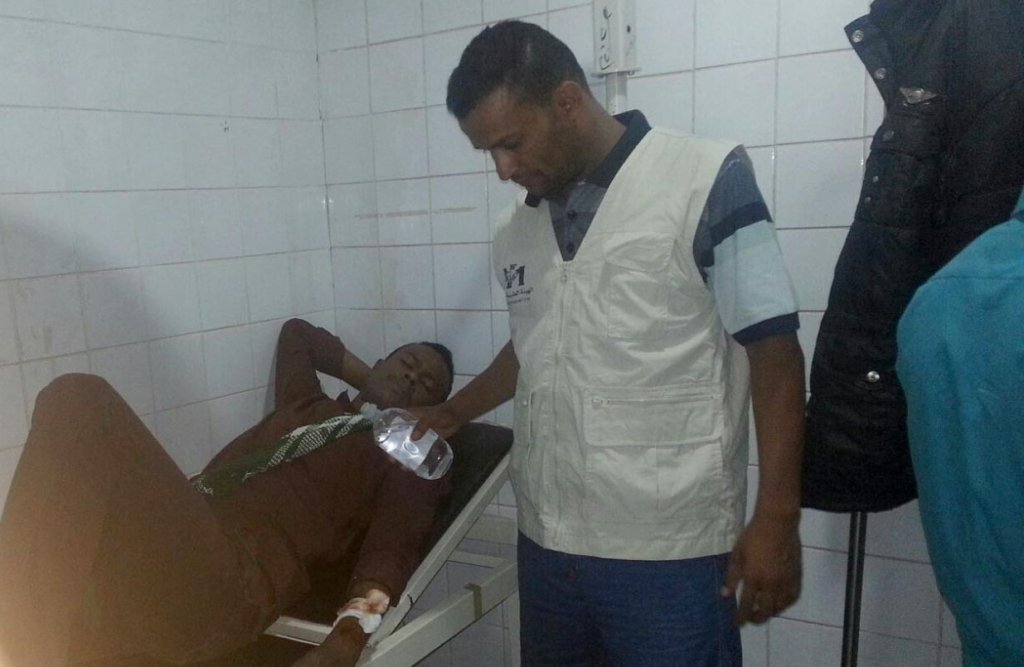
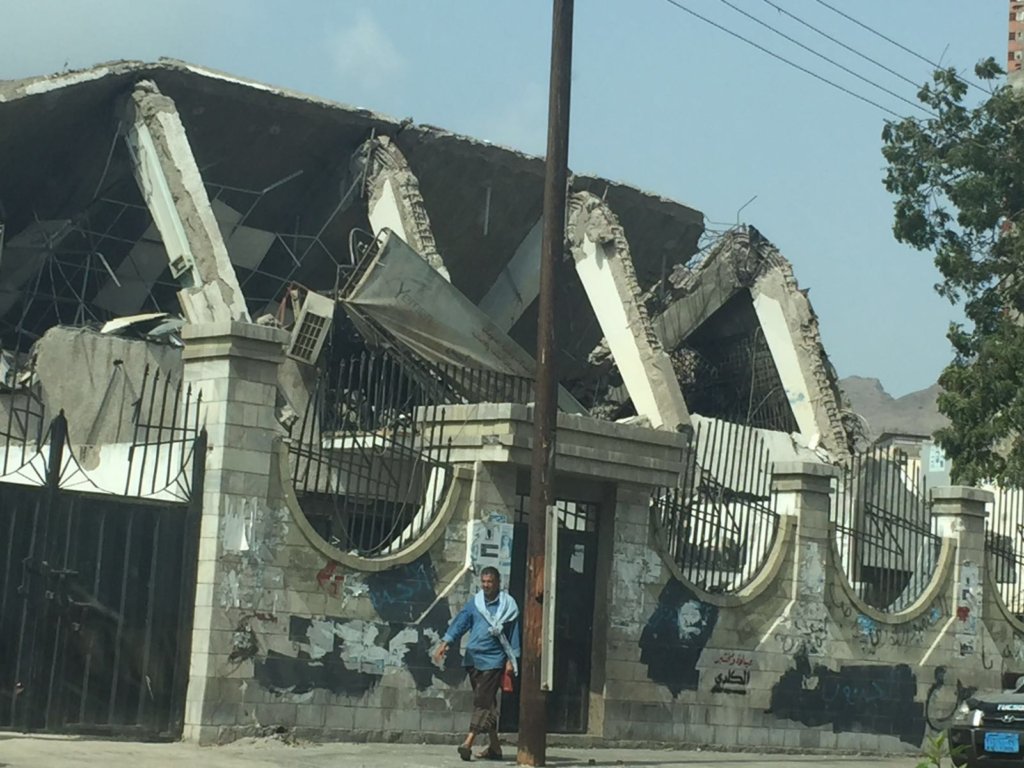
Water shortages persist in Yemen alongside the destruction of homes, health facilities, and roads, and fuel and electricity are hard to find. At times when water is available, prices are high and often, unaffordable. The shortages are not only placing additional burdens among the local people, particularly those who are internally displaced, but are also limiting health facilities and hospitals’ ability to deliver medical care.
Mohammed is one of the estimated 19,400,000 people, or 75% of the population in Yemen, who lack clean water and access to proper sanitation. A total of 9,800,000 people lost this access due to the ongoing conflict in Yemen. After nearly a year of renewed violence, airstrikes and bombings continue to devastate the country. Clean water—critical for drinking and to thwart the spread of disease—is among the most urgent needs.
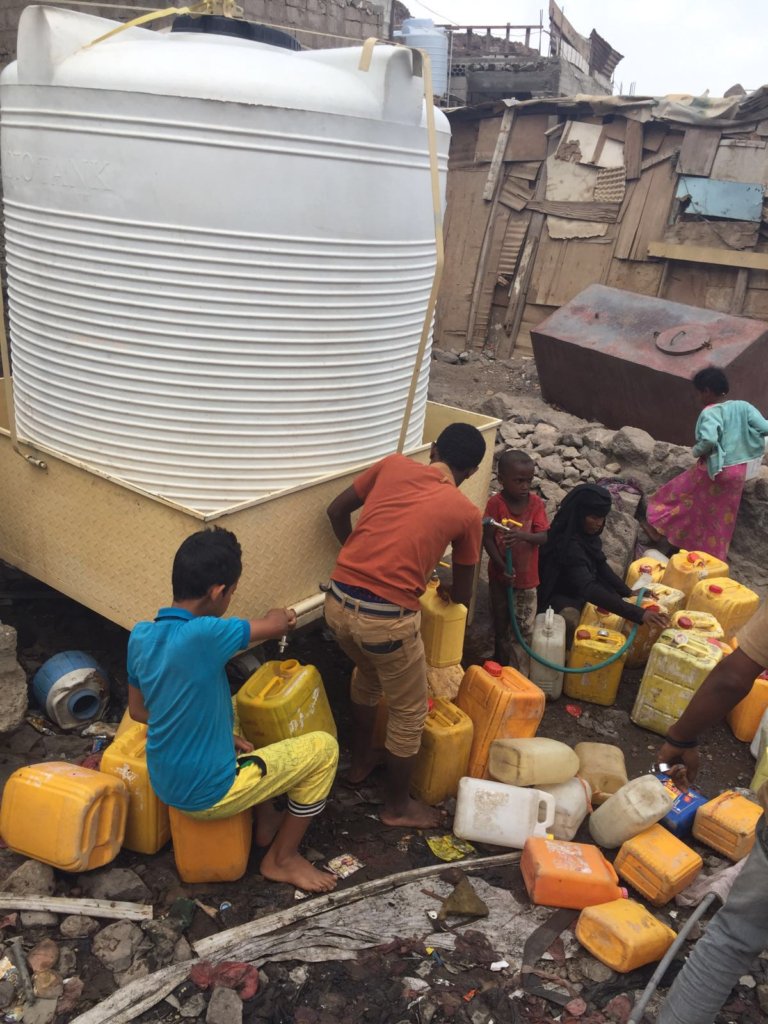
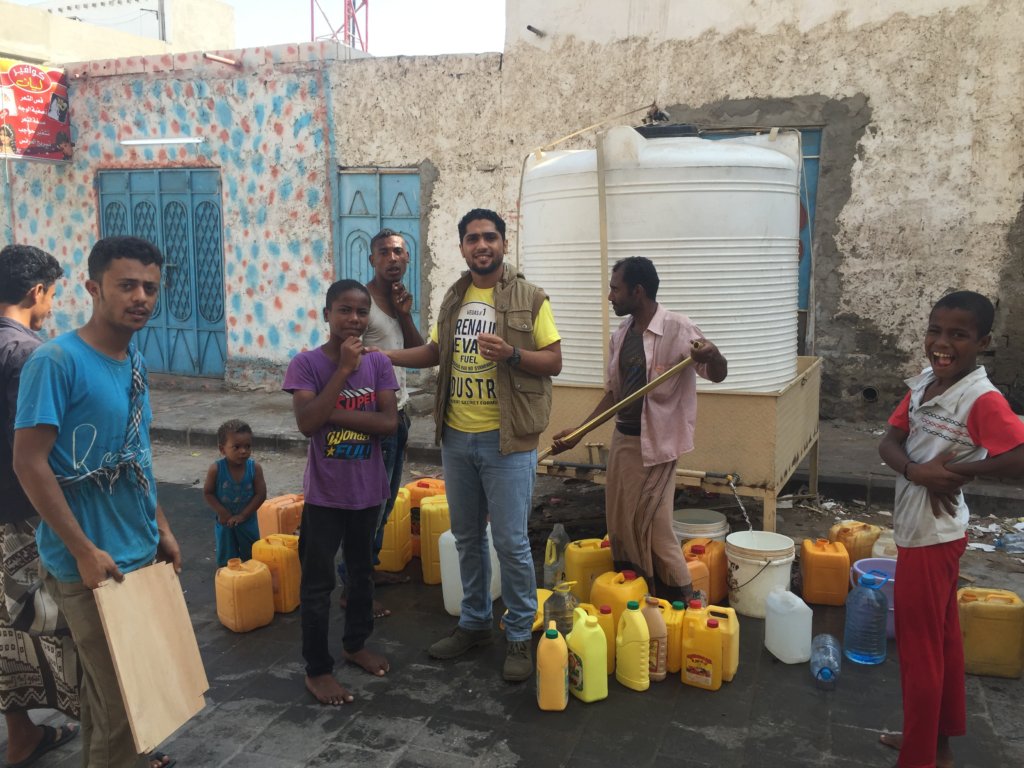
In response to the persisting water needs, International Medical Corps’ teams truck water to people and facilities, when other sources of water cannot be found. Given the increasing need, International Medical Corps expanded services and over a span of two months, teams provided nearly 1.4 million liters of water for an additional seven facilities and seven hospitals in in Sana’a, Taizz, Aden, and Lahj. Our teams on the ground continue to truck water for two more hospitals in Sana’a, three in Taizz, one in Ibb, and seven health facilities in Aden and Lahj. These services help keep the medical facilities operational in the conflict-affected areas.
With 1 in 10 individuals now displaced by the conflict in Yemen, the provision of water assistance is as crucial as ever. In Taizz, Ibb, and Aden, International Medical Corps established water storage tanks to provide individuals displaced by violence with clean drinking water. Alongside delivering critically needed water, International Medical Corps promotes proper hygiene behavior, like washing one’s hands, to prevent the spread of disease. In the coming weeks, International Medical Corps is planning to distribute hygiene materials, including items like soap, toothbrushes, and toothpaste, to help increase the communities’ resilience in the face of this disaster.
Today, Mohammed is working with International Medical Corps to address the many needs faced in his community. As he endures the conflict, he also trains health workers to manage the additional concern of malnutrition.
International Medical Corps thanks you and GlobalGiving for your timely and generous support, enabling Mohammed and other First Responders to provide urgent care and address the concerning water needs of those affected by the ongoing conflict in Yemen.
Project reports on GlobalGiving are posted directly to globalgiving.org by Project Leaders as they are completed, generally every 3-4 months. To protect the integrity of these documents, GlobalGiving does not alter them; therefore you may find some language or formatting issues.
If you donate to this project or have donated to this project, you can receive an email when this project posts a report. You can also subscribe for reports without donating.