![]()
A life-skills training, organized by HELPCHILD KARAMOJA (HCK) was conducted at the youth centre in Kotido from January 12th to 16th 2026 for the adolescent children in order to avoid the increasing number of child monthers in Karamoja. The age of enrolled children ranged from 10 to 18 years, and the close to 150 children were divided into three groups based on their age to allow tailoring of age-appropriate messages and approaches. Children aged 10-12 years were in one group, early teens aged 13-15 years were in another group, and those aged 16-18 were in a third group. A total of 150 children attended the training.
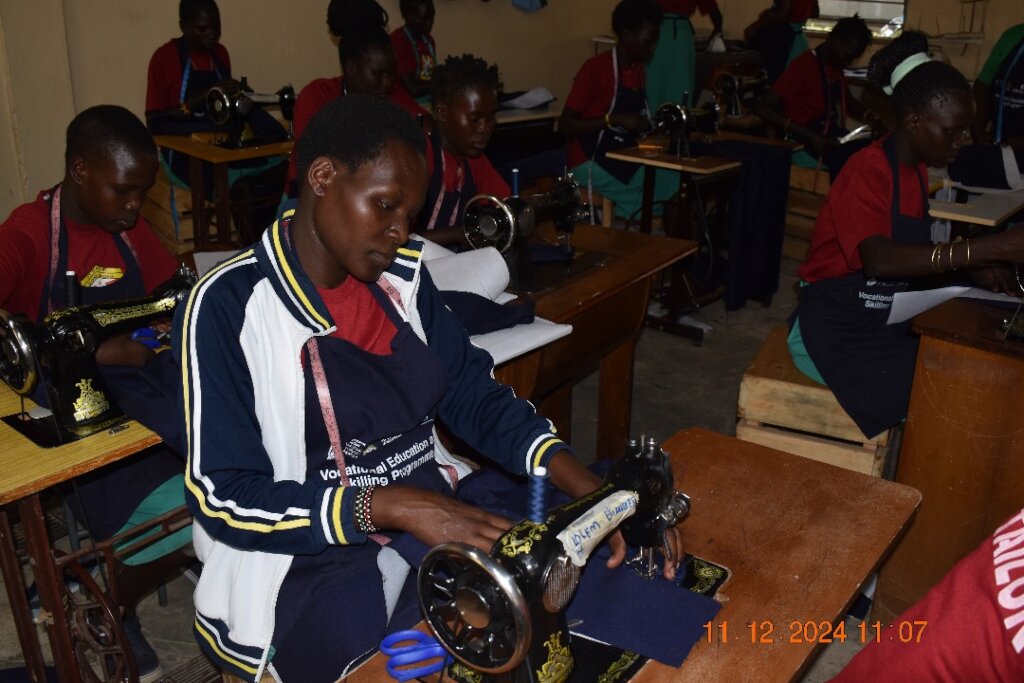
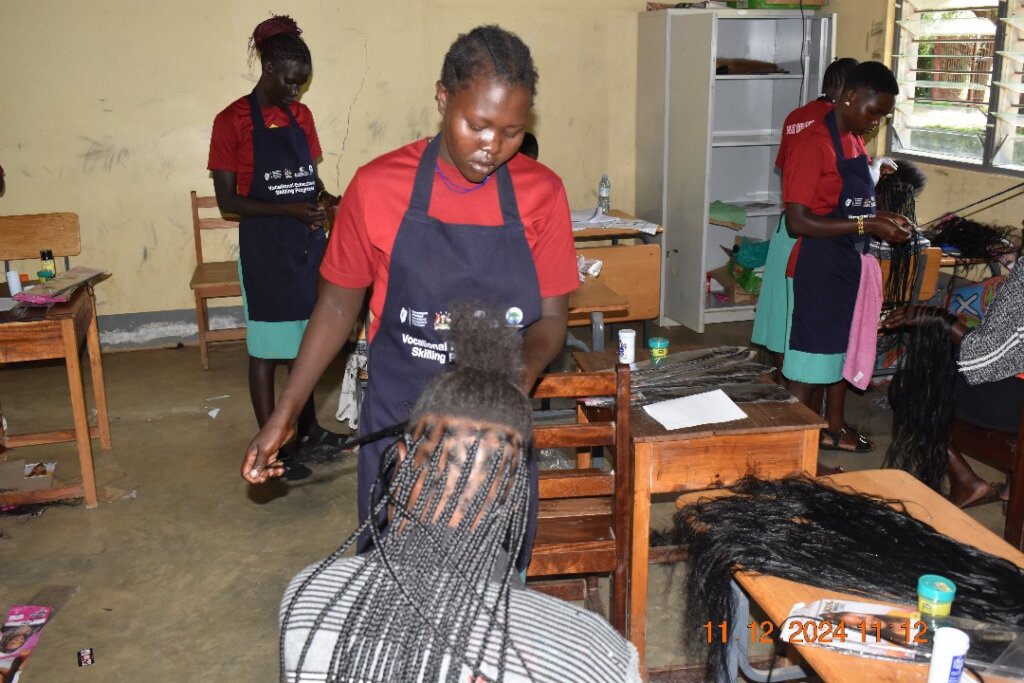
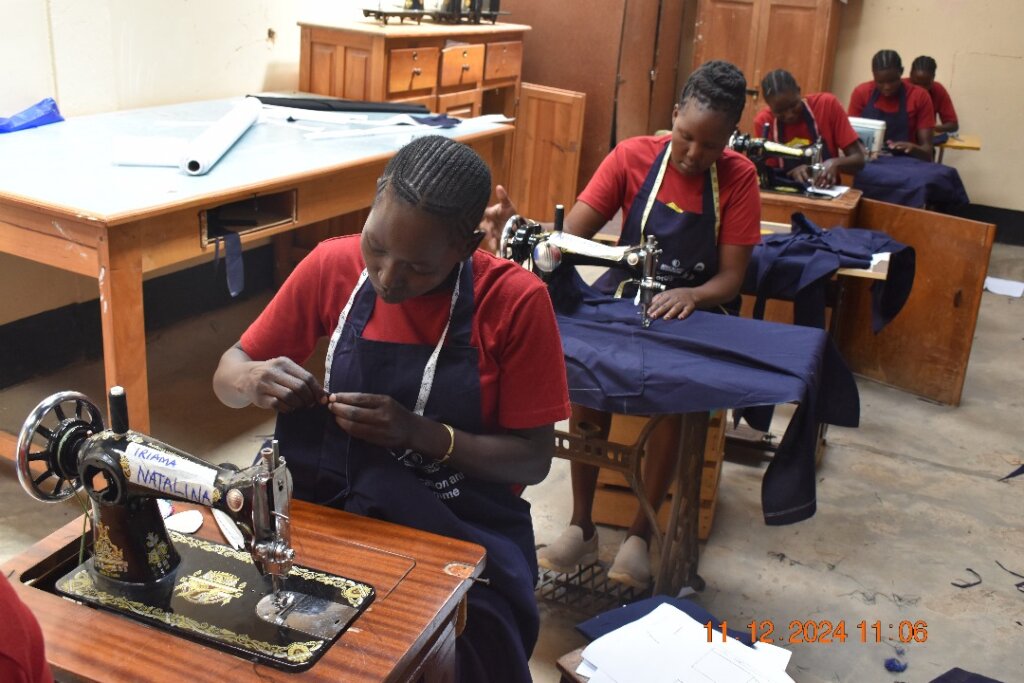
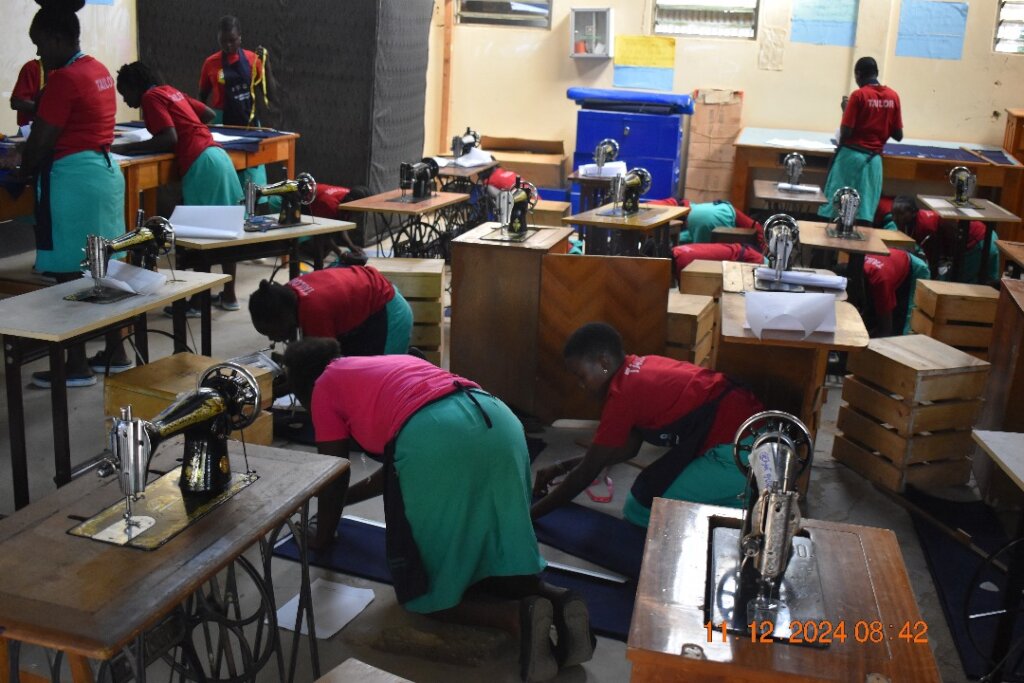
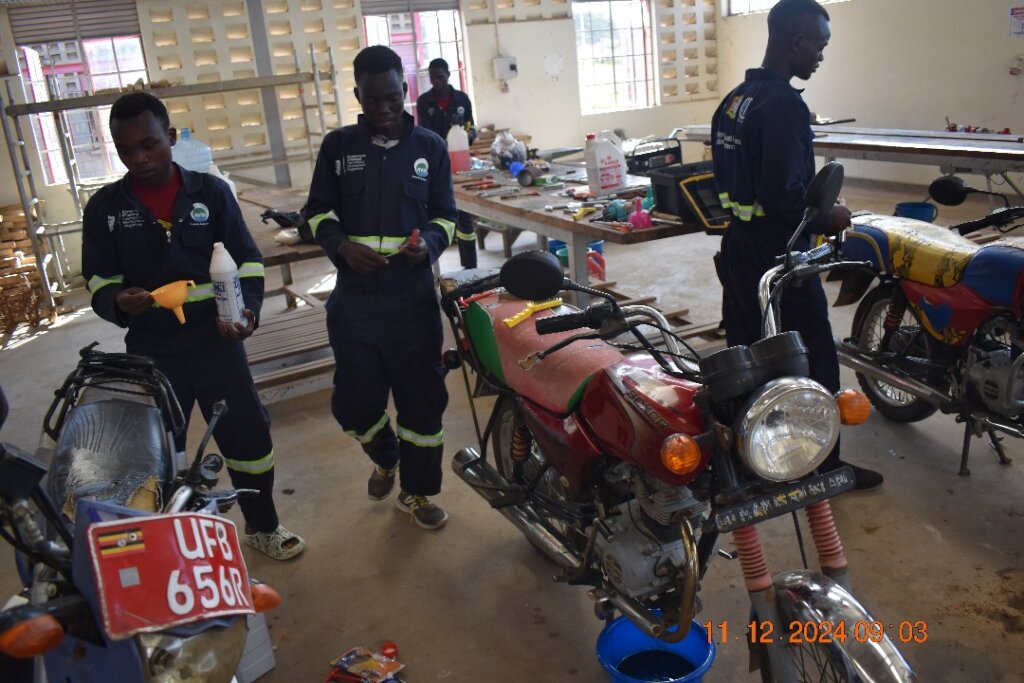
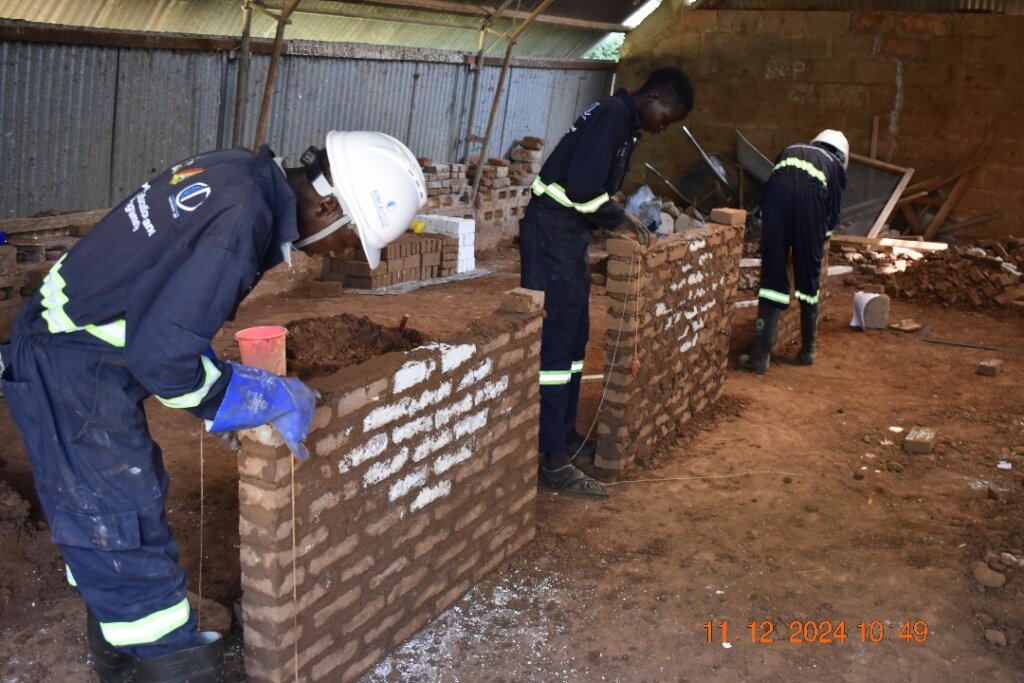
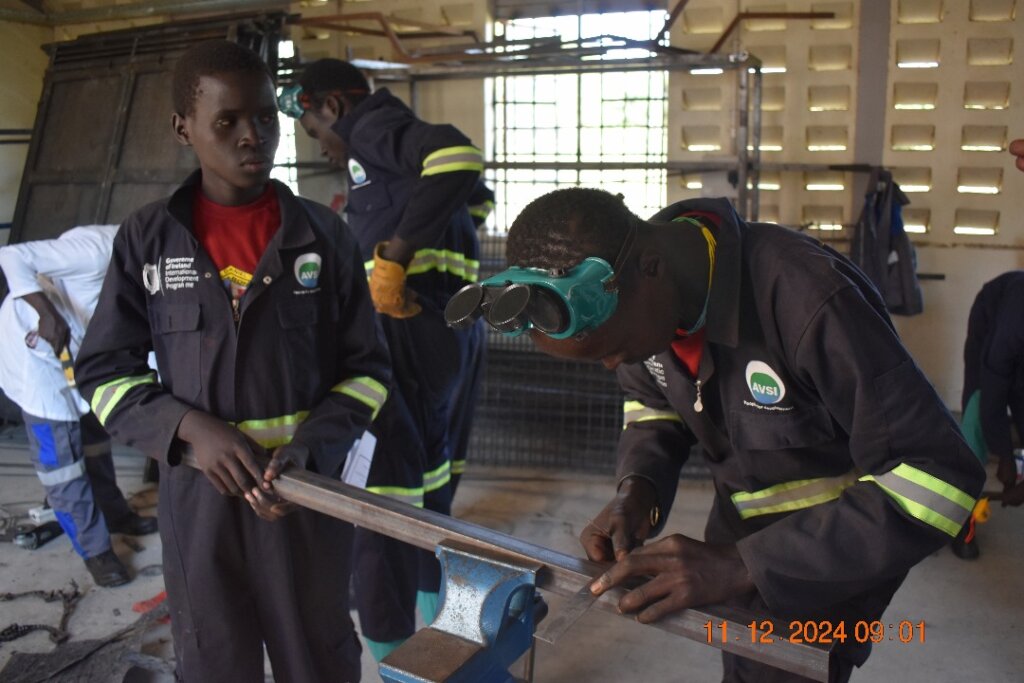
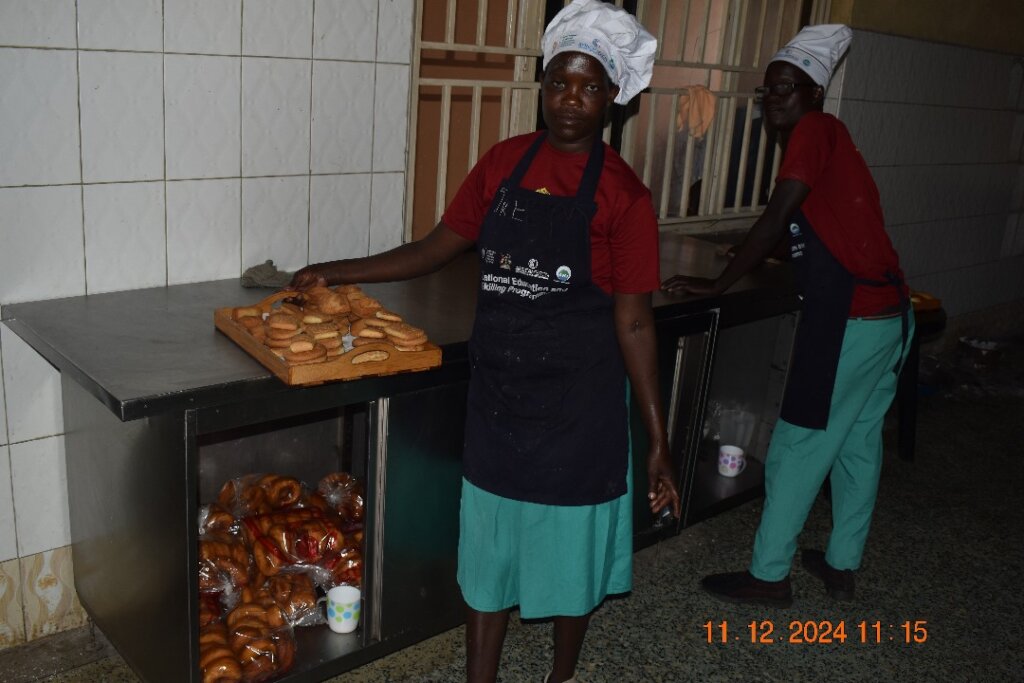
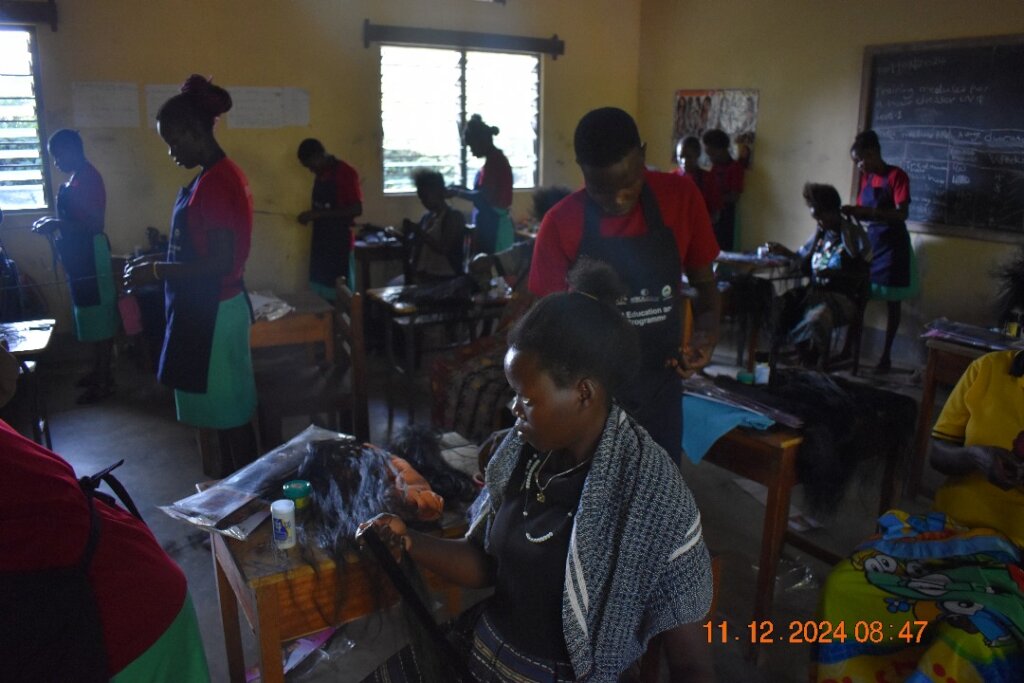
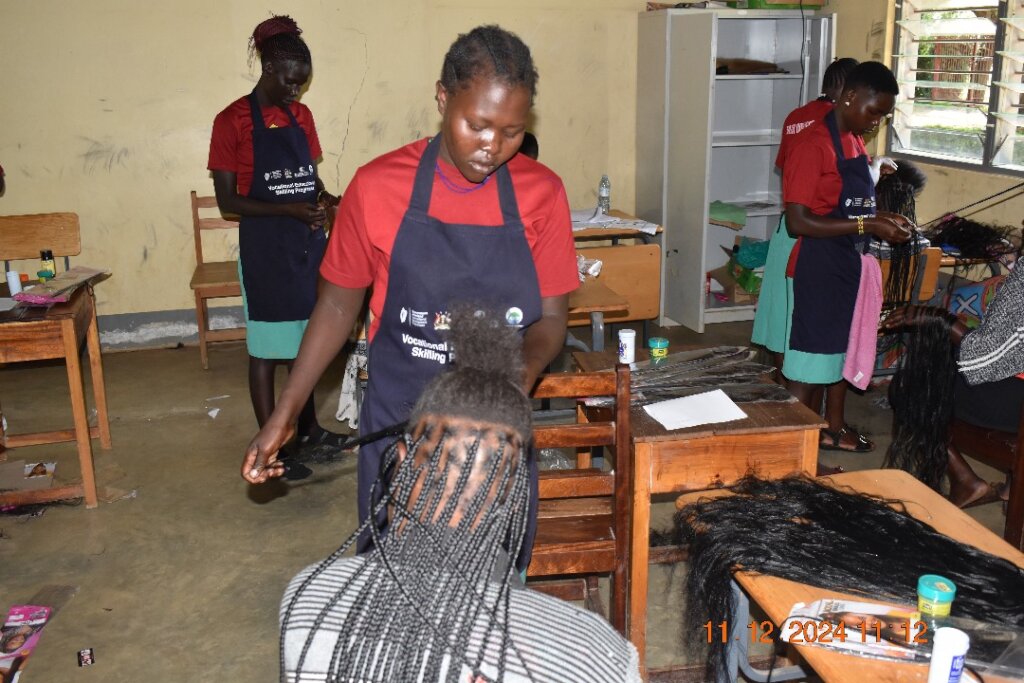
The training was conducted for five consecutive days from 8:30 to 5:00pm, using the UNICEF Life-Skill Training Manual. Self awareness, body language, communication (with peers, with parents), reproductive health, saying “no”, how to keep oneself and others safe from HIV, etc. were some of the topics covered during the five-day training. Specific subjects such as knowing and understanding our body parts (for the younger audience); making the right choices; healthy relationships with the opposite sex for the middle group; love versus attraction; and reproductive health – abstinence, condom use, protecting oneself from HIV in the older age group were openly discussed using illustrations and teaching aids. Children of age 15 to 18 years were also tarined on elementary skills such hair dressing, and were encouraged to undertake courses like tailoring, capentry, bakery etc.
During the course of the week, the training was also graced by the Chief Administrative Officer as a government representative, who went to each classroom to chat with the children, ask them important, reflective questions on health and on protecting themselves and their family. The children gave interesting answers, and generally immensely enjoyed the Chief Administrative Officer and his team; especially in the youngest age group, the team was warmly received with a standing-up greeting as is in the Karimojong custom, cheerful greeting calls from every corner, and conversations in Ngakarimoong speaking children. Inspired by their discussion with the Chief Administrative Officer, and when they heard that within the team, there was the District Health Officer who was a doctor, many said they wanted to be doctors too. One boy said he wanted to be a doctor so that he could help kids and child mothers have easy child delivery.
On the last day of the training, an official certification ceremony was held in the presence of HCK Executive Director, who spoke to the children and awarded certificates to representatives from each group. The children also had an opportunity to have group pictures with the Executive Director and HCK staff. As he spoke at the certificate awarding ceremony, the Executive Director congratulated the children and reminded them that they “represent the future of Uganda”. He emphasized that this initiative needs to be supported and continued so that the number of children attending could be doubled by the end of 2026, and expressed his hope that the children and youth who attended the training would put into practice what they had learned, as well as share their learning. The Executive Director also noted that the work isn’t over and parents need to help their children make informed decisions about their health and lives,and encouraged parents to talk about the training with their children, as well as the plans and life goals they have set during the week.At the ceremony, all trainers were complemented and applauded, and the event ceremony ended with the distribution of awards and certificates. Two representatives from each age group received the certificates on their classmates’ behalf.
The children gave frank and useful feedback to the training in informal interviews they had with two HCK Project Officers. Their comments ranged from, “This is great, please do it for ALL children, too,” to, “It was interesting but the sessions were too long and too formal; not fun enough.” Most said that they liked best the group work and presentations by their peers and expressed their wish that the training were a bit longer to allow everyone to share their views. Others said that the best thing was the opportunity to speak and share experiences with other children. There were a group of girls who said that the best part of the training was learning about body language and relationships, and others said that the sex education was “scary”, and that they were a bit uncomfortable when they were asked to draw their private parts.
![Girls of age 15-18 trained on practical Life skill]()
Girls of age 15-18 trained on practical Life skill
Links:
![Share on Twitter]()
![Share on Facebook]()