By ERIKA LOPEZ | ERIKA LOPEZ
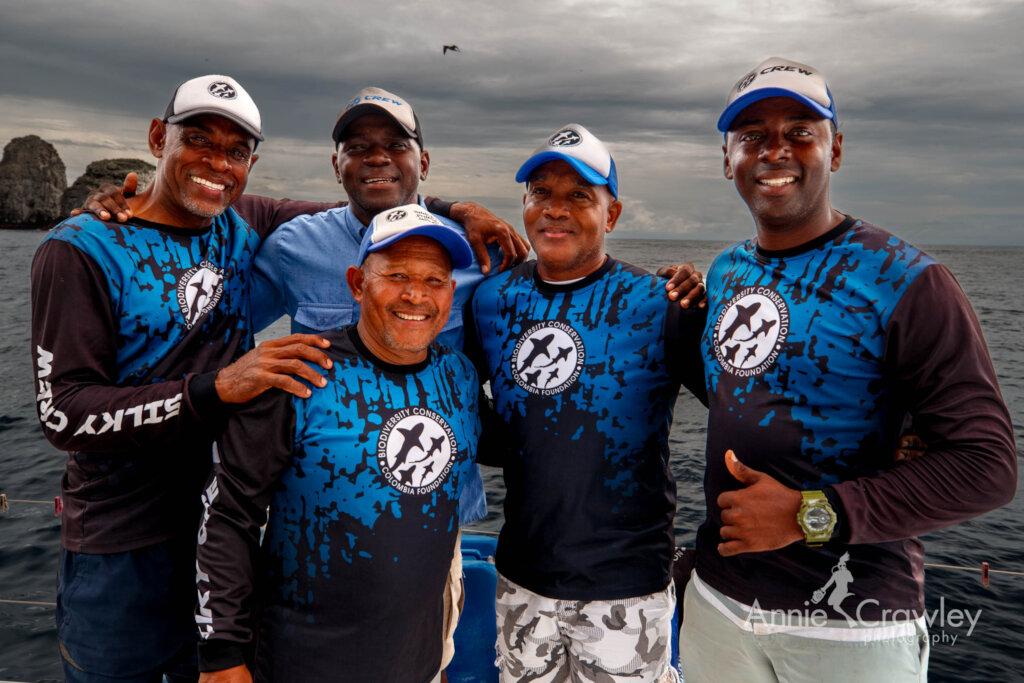
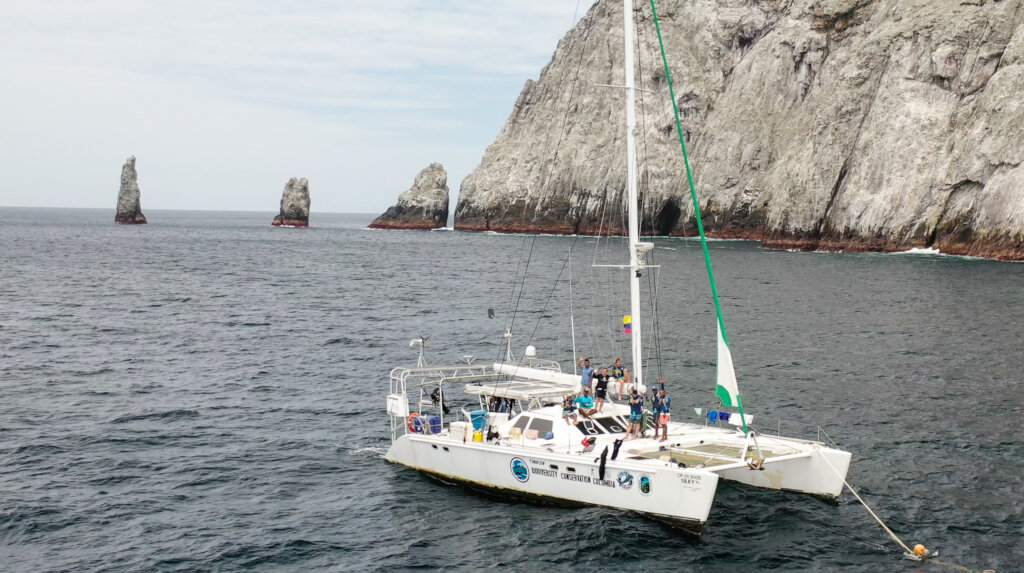
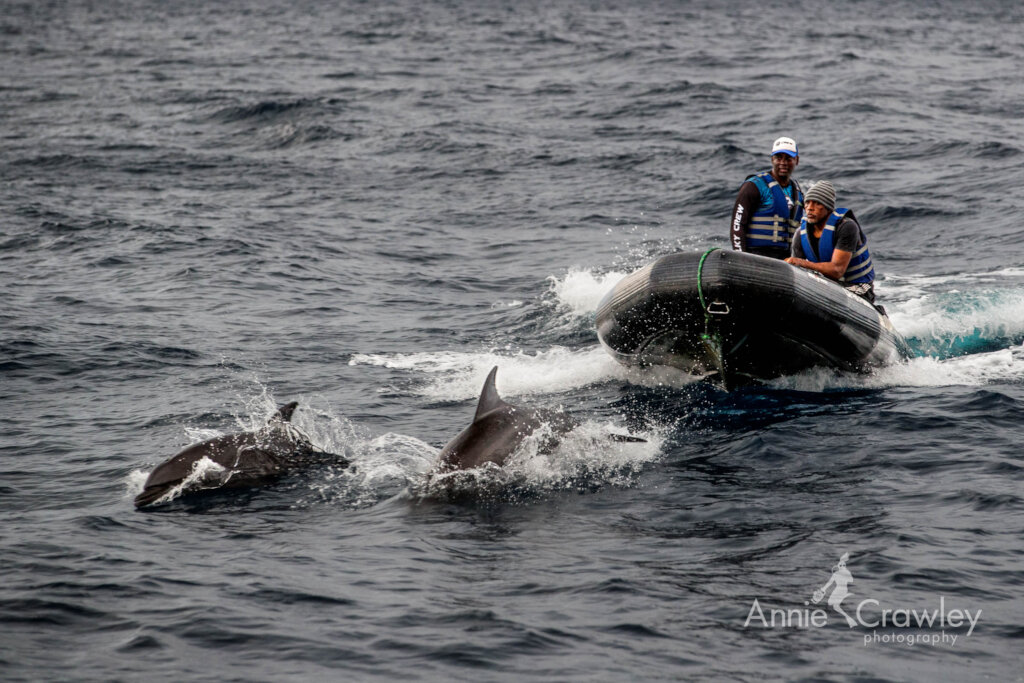
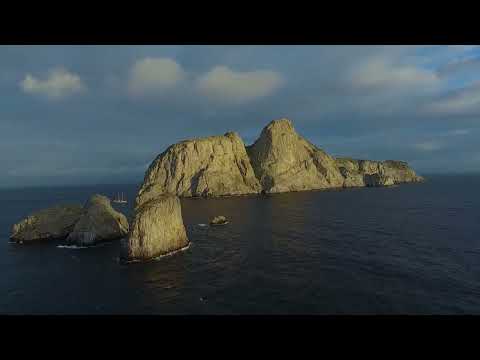
Every morning at Malpelo, our crew aboard SILKY begins with a familiar mission: go out and patrol. Later in the day, they do it again.
Two patrols a day, around one of the most remote islands in the Eastern Tropical Pacific.
Years ago, these patrols told a very different story.
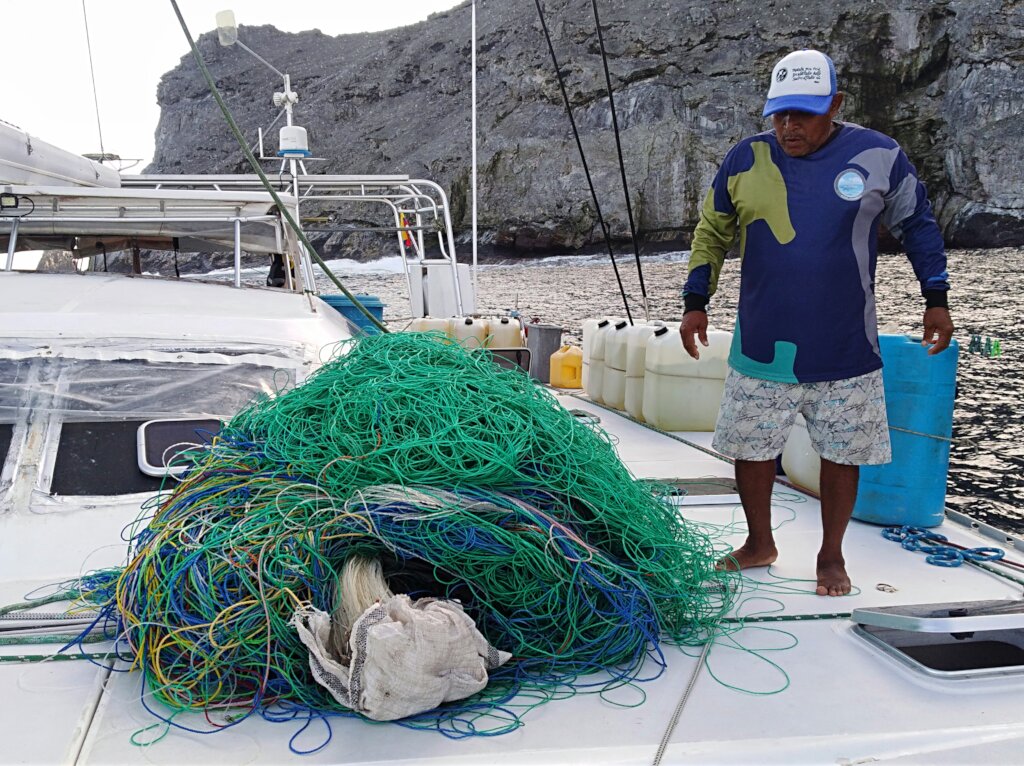
Our crew could encounter illegal fishing vessels regularly. On some of the most difficult days, dozens of Ecuadorian and Costa Rican fishing boats could be seen around the area. We also found longlines stretching through the ocean, sometimes with sharks, rays, turtles and large fish still alive on the hooks.
Our job then was often a race against time.
The crew would recover the lines and work animal by animal, removing hooks and returning survivors to the ocean. Historical field records indicate that approximately 85–90% of the animals encountered during these interventions could be released alive. Over the years, our consolidated records document 509 marine animals released and more than 70 kilometers of longline removed.
But today, something remarkable happens when SILKY goes out on patrol:
We usually find nothing.
No illegal fishing boats around the island. No longlines filled with sharks. No turtles waiting for us to remove a hook.
In approximately the last two and a half years, we have observed only two illegal fishing vessels in our immediate operational area.
That absence means something very important to us.
We have gone from rescuing animals from illegal fishing gear to helping prevent them from being caught in the first place.
And we have not stopped patrolling.
In 2026, SILKY has been outside the Malpelo operational area for only about 25 days through September 17. During the rest of that time, our team has continued conducting two patrols every operational day — approximately 470 patrols so far this year.
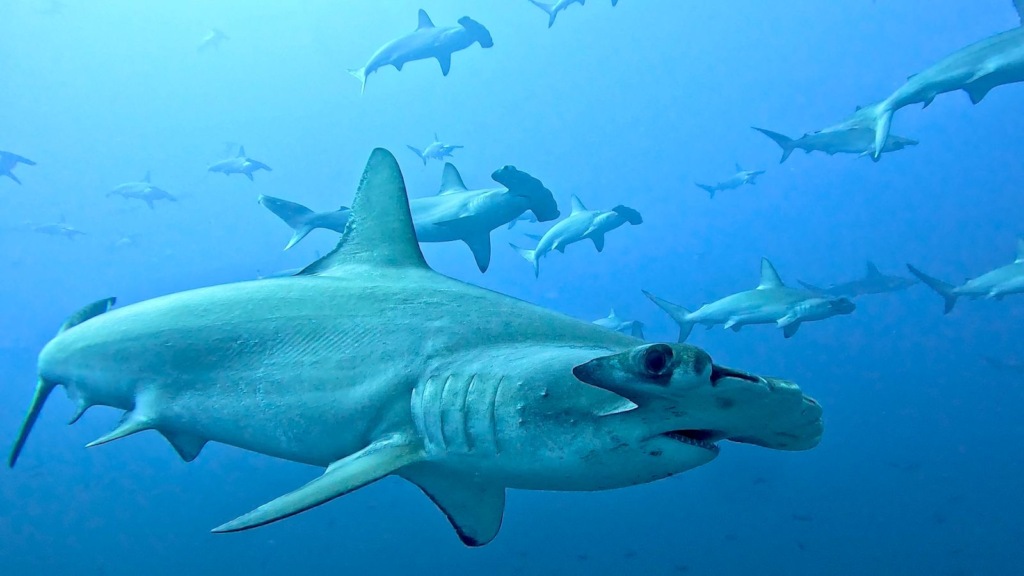
Beneath the surface, our crew is also seeing encouraging signs. Silky sharks are being observed again after several years when sightings had become much less frequent. We are seeing more tiger sharks and increasingly large schools of Galápagos sharks. These are field observations, not scientific population estimates, but for a crew that spends most of the year at Malpelo, they are wonderful sights to witness.
This is why our work cannot stop simply because we are seeing fewer illegal fishing vessels.
The absence of illegal fishing is the result we have been working for. Maintaining that absence is now the mission.
Every day that SILKY remains at Malpelo, every patrol around the island and its pinnacles, and every night our crew maintains a presence hundreds of kilometers from mainland Colombia sends the same message:
Malpelo is protected. Someone is watching.
To everyone who has supported our work through GlobalGiving, thank you for being part of this transformation.
Years ago, success meant freeing a shark from a hook.
Today, success can be an empty horizon — and sharks swimming freely beneath it.
Project reports on GlobalGiving are posted directly to globalgiving.org by Project Leaders as they are completed, generally every 3-4 months. To protect the integrity of these documents, GlobalGiving does not alter them; therefore you may find some language or formatting issues.
If you donate to this project or have donated to this project, you can receive an email when this project posts a report. You can also subscribe for reports without donating.



Support this important cause by creating a personalized fundraising page.
Start a Fundraiser