By Maritza Ambrosio Fernandez | Project Leader
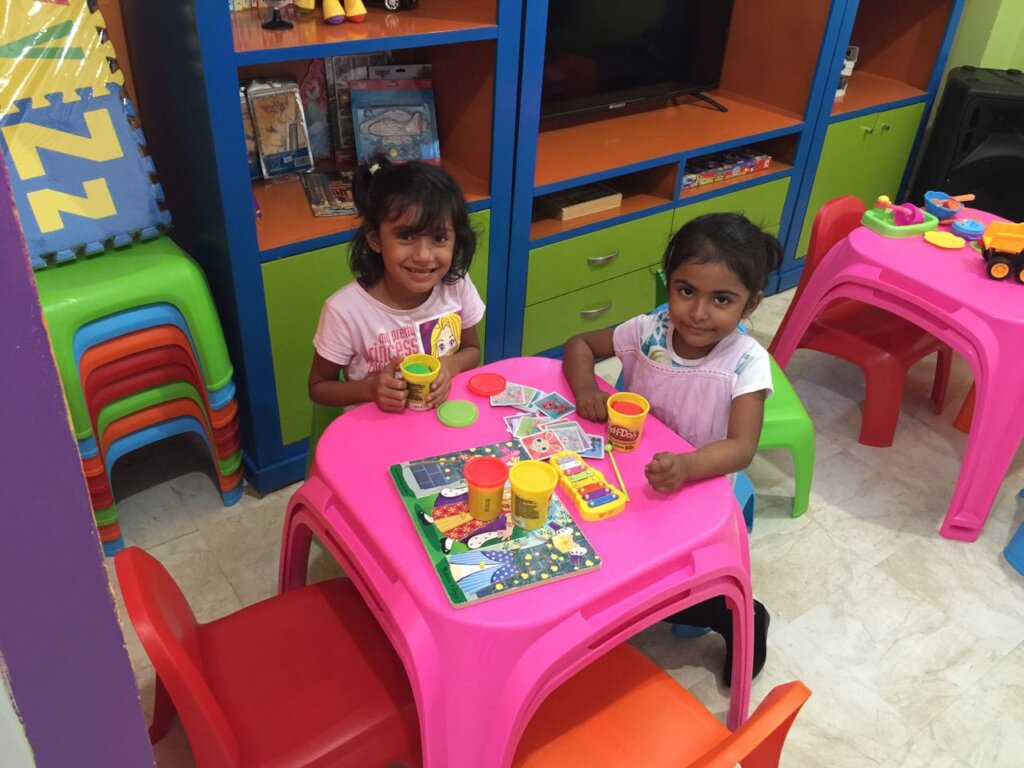
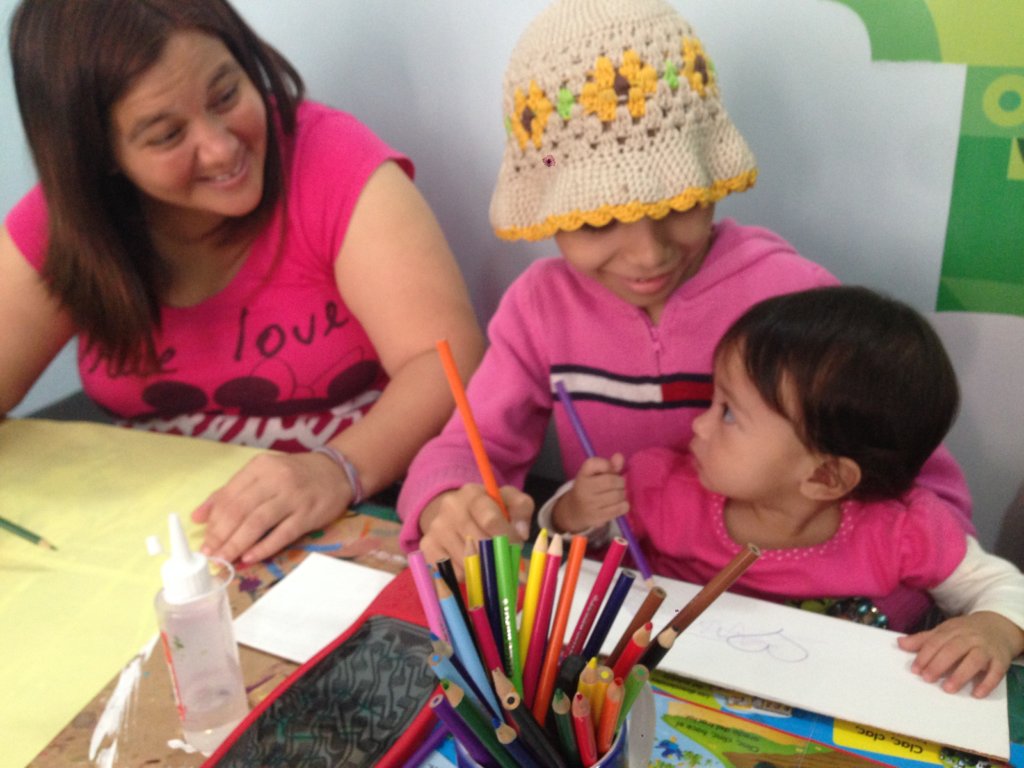
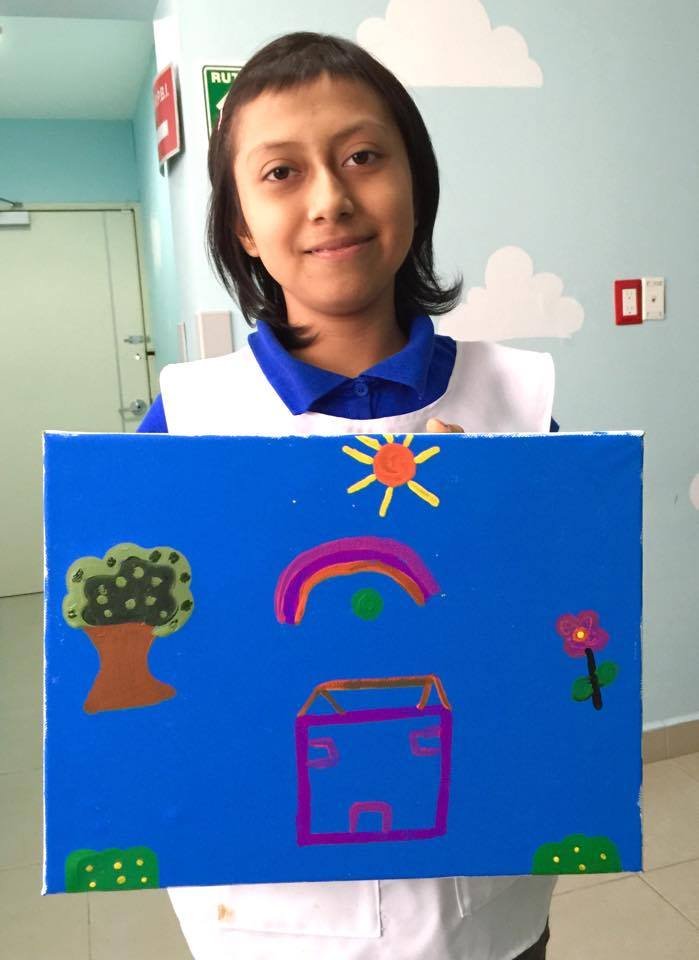
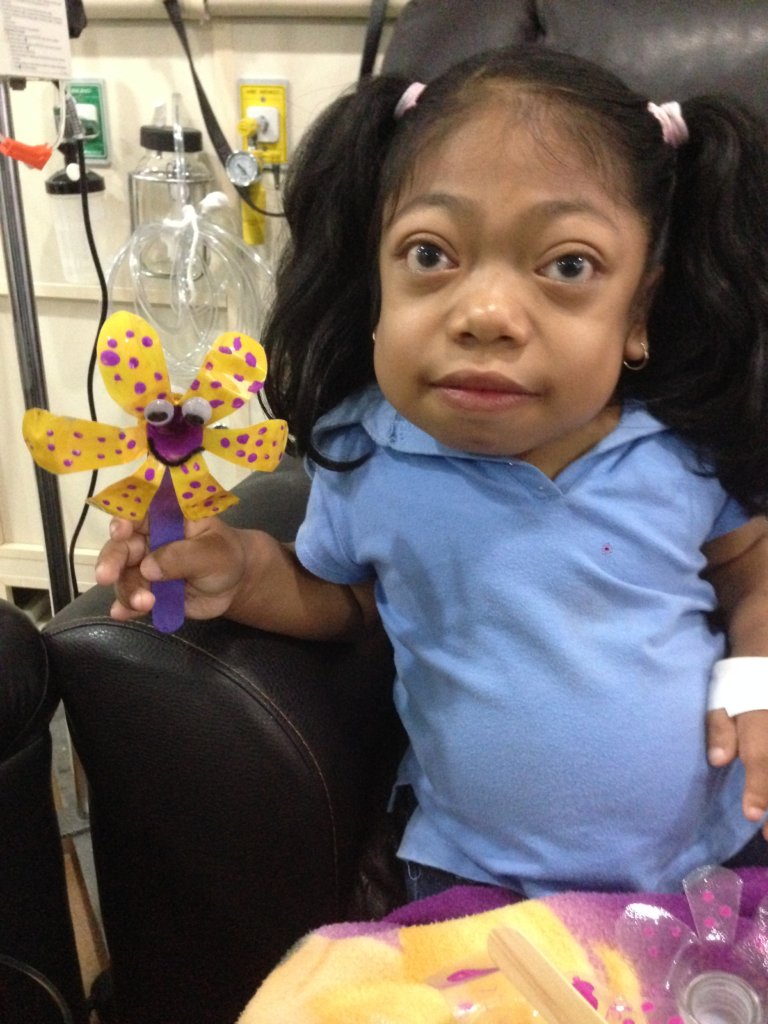
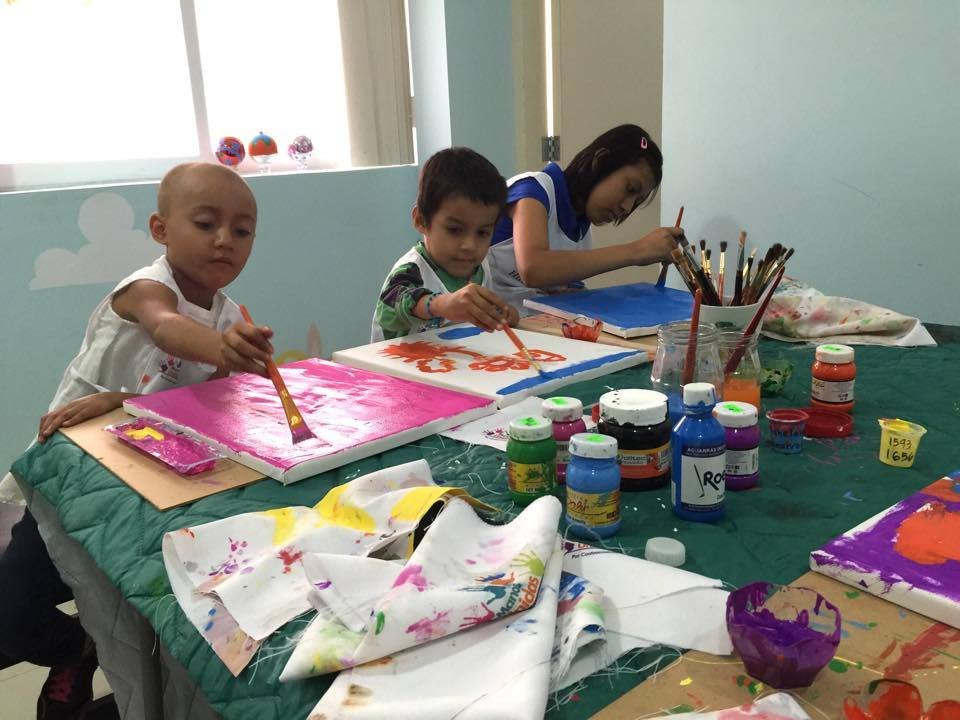
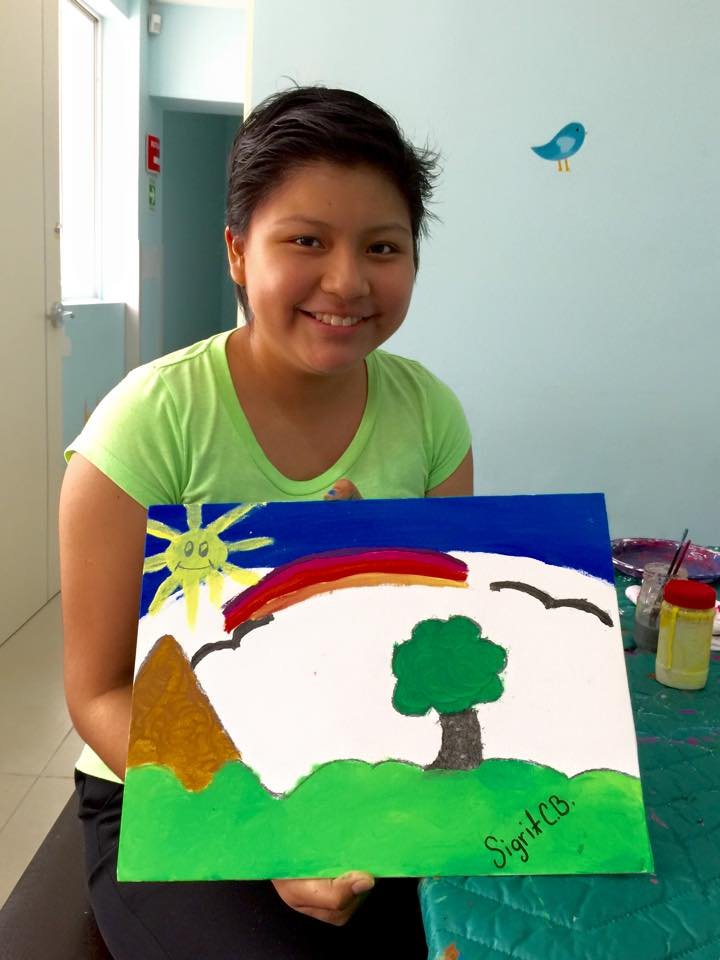
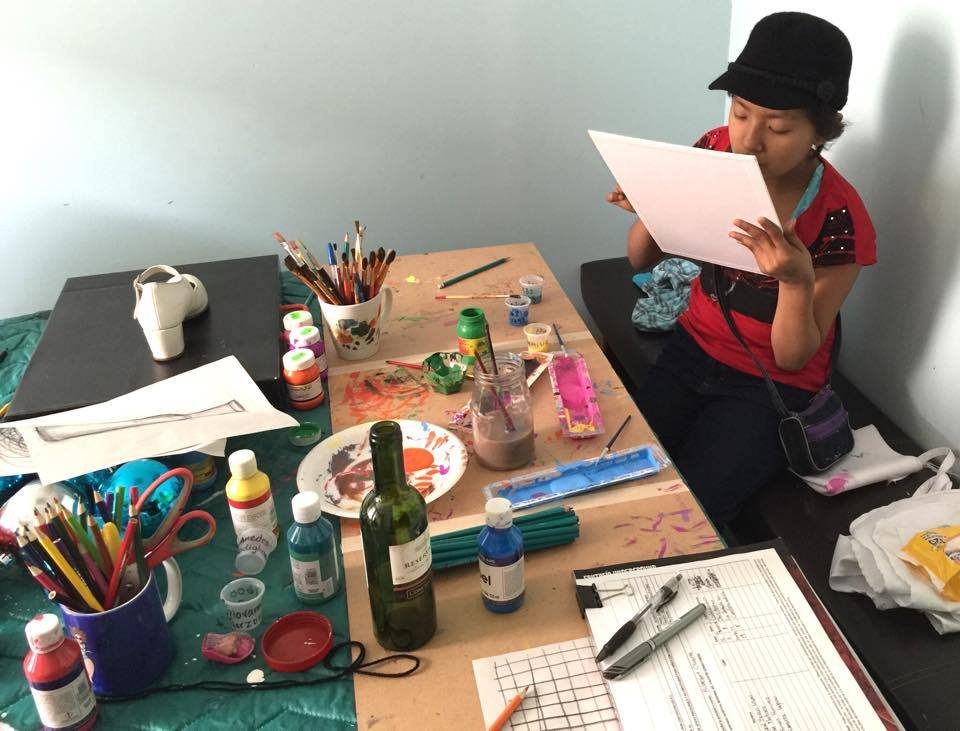
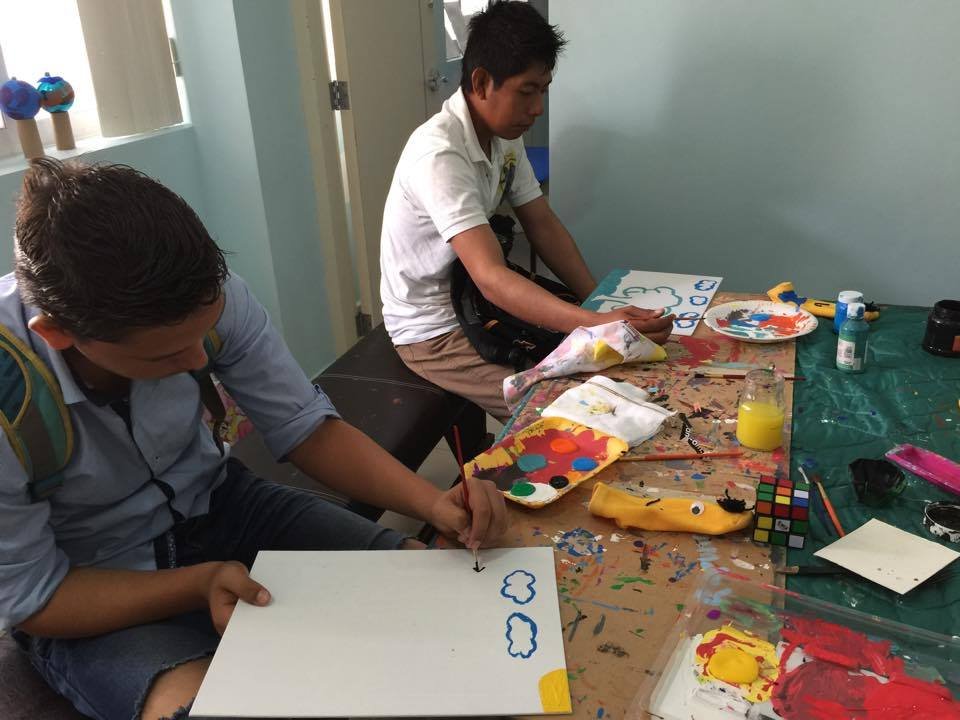
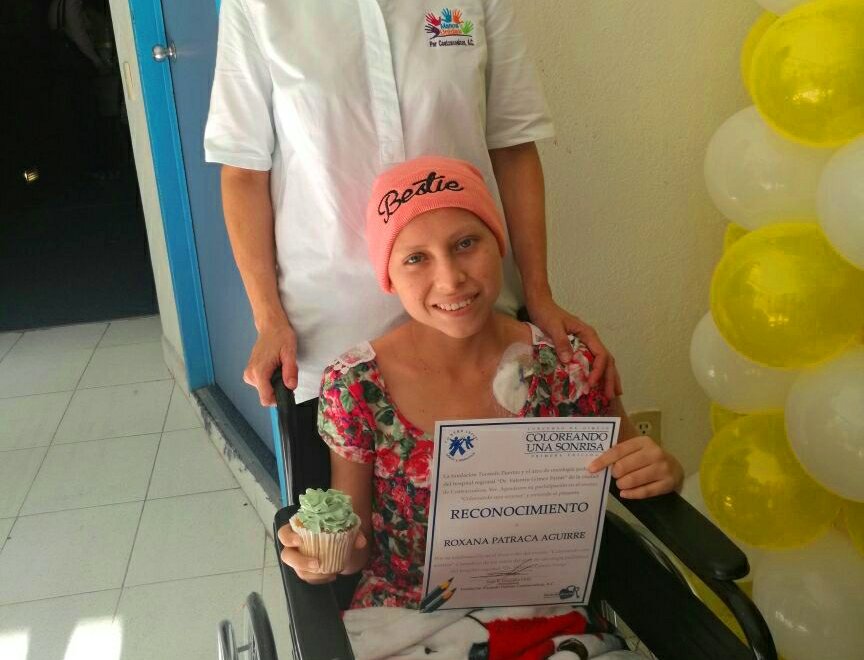
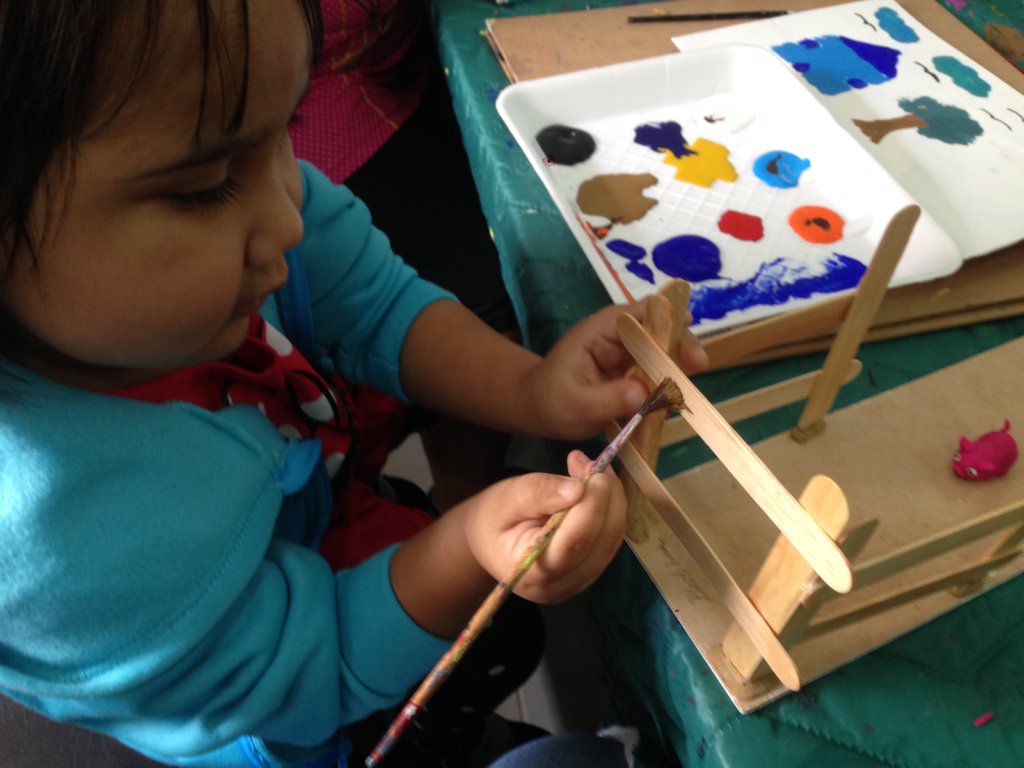
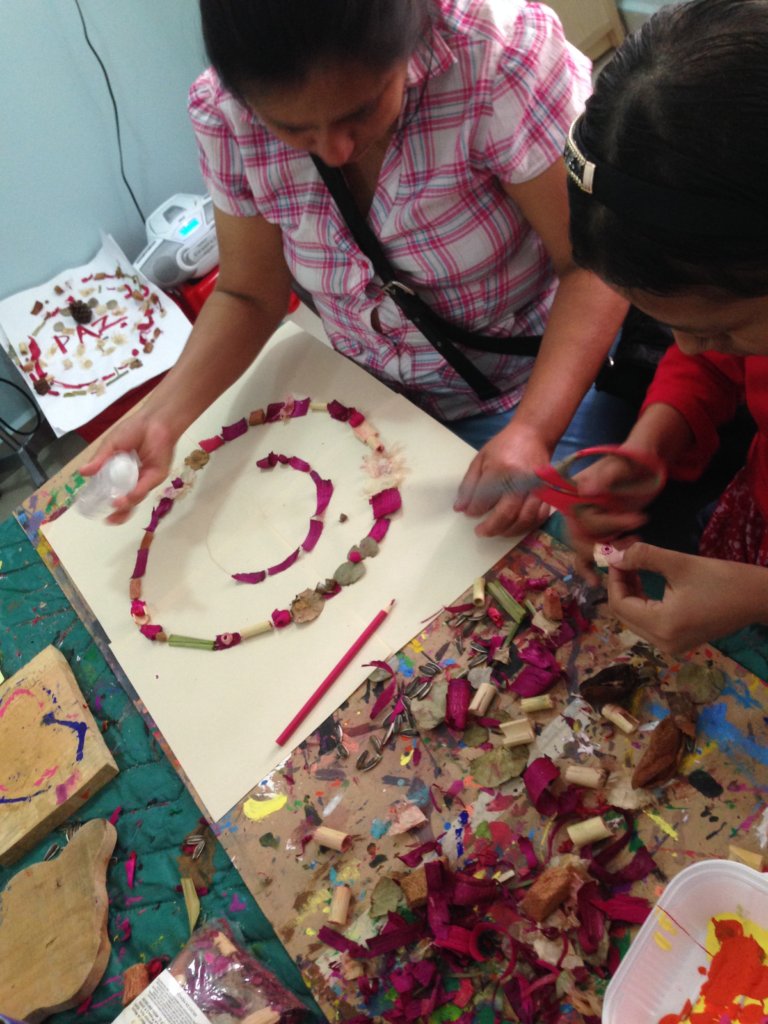
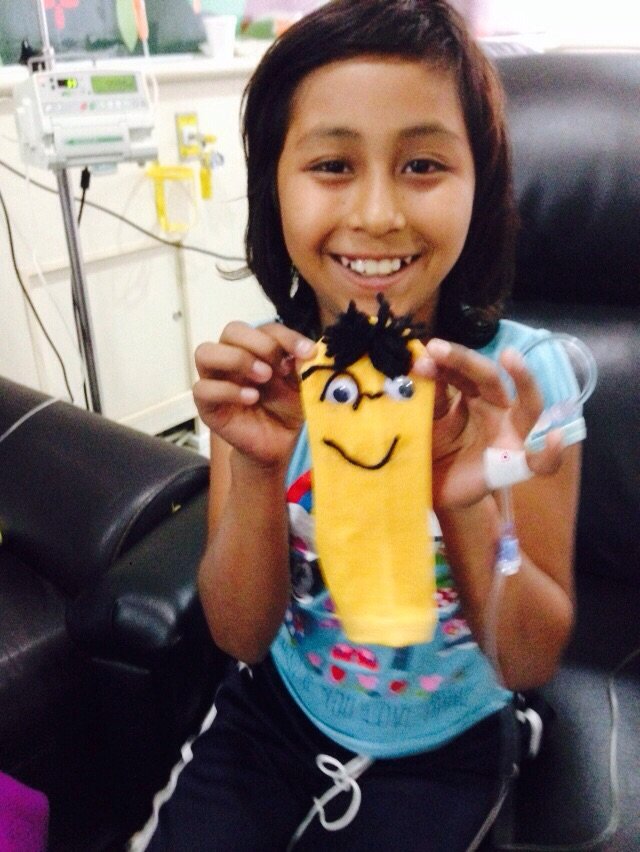
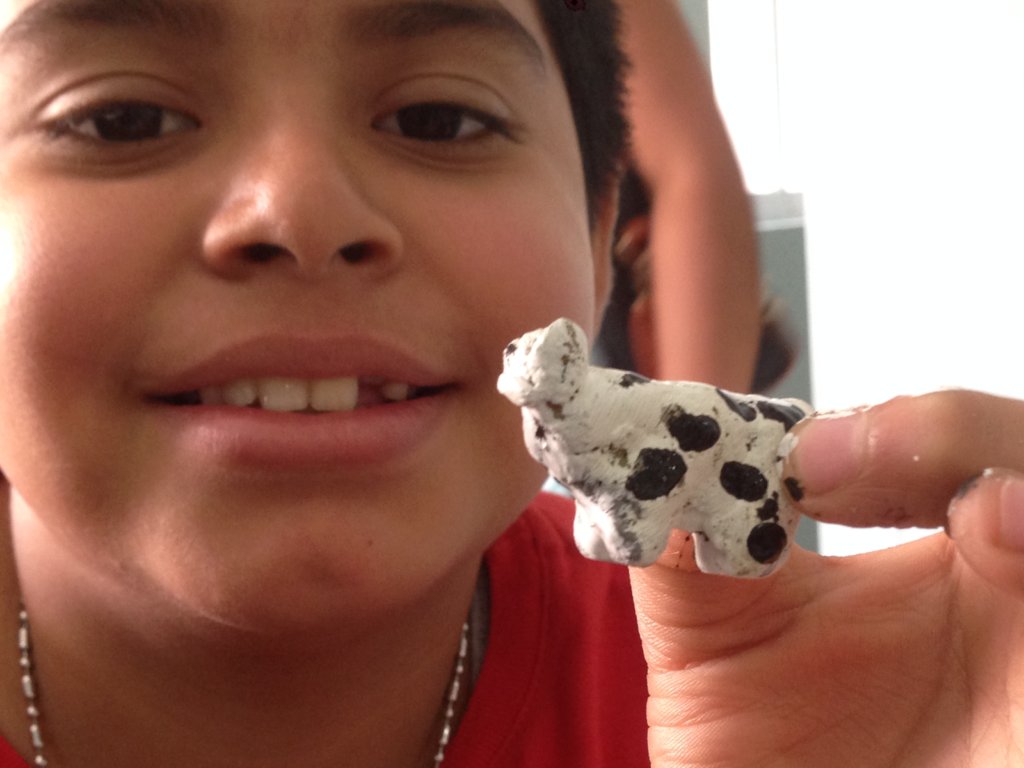
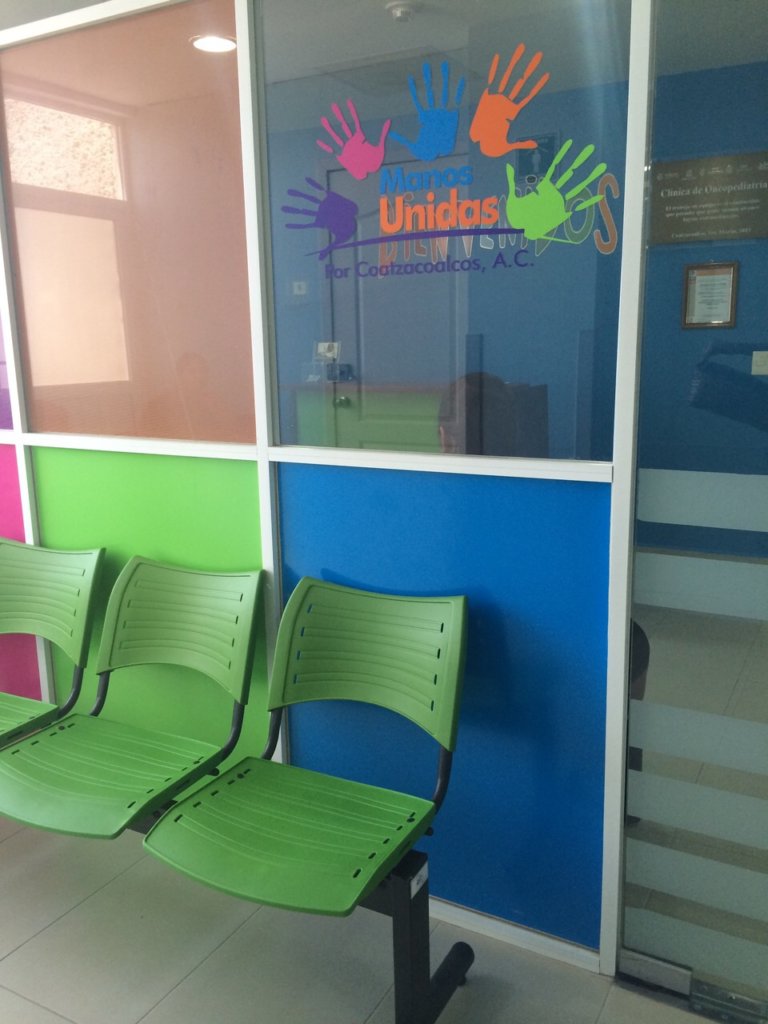
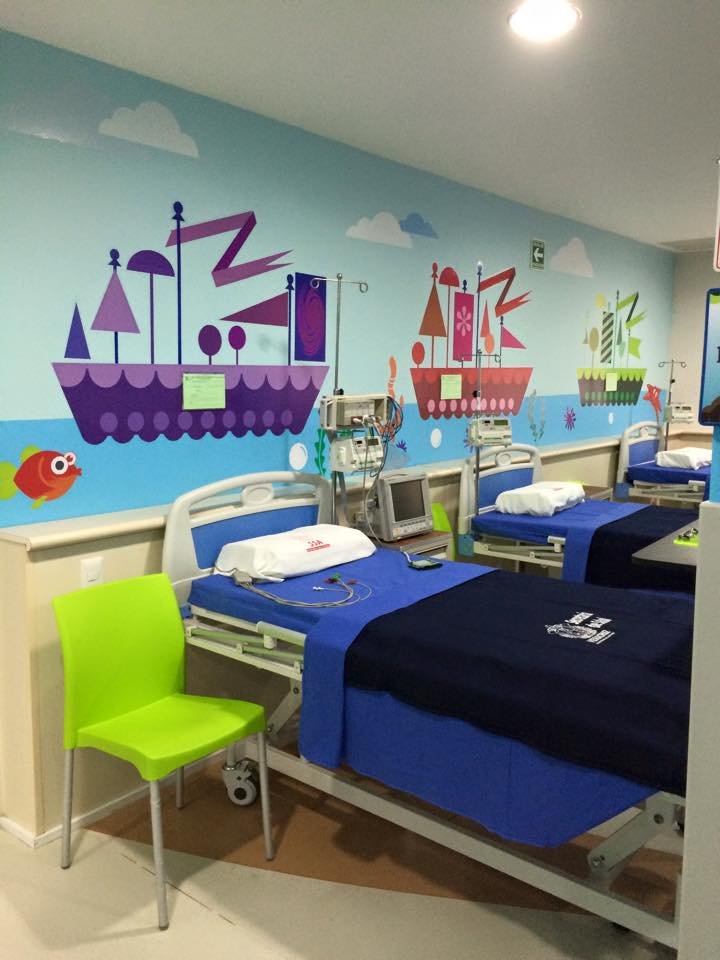
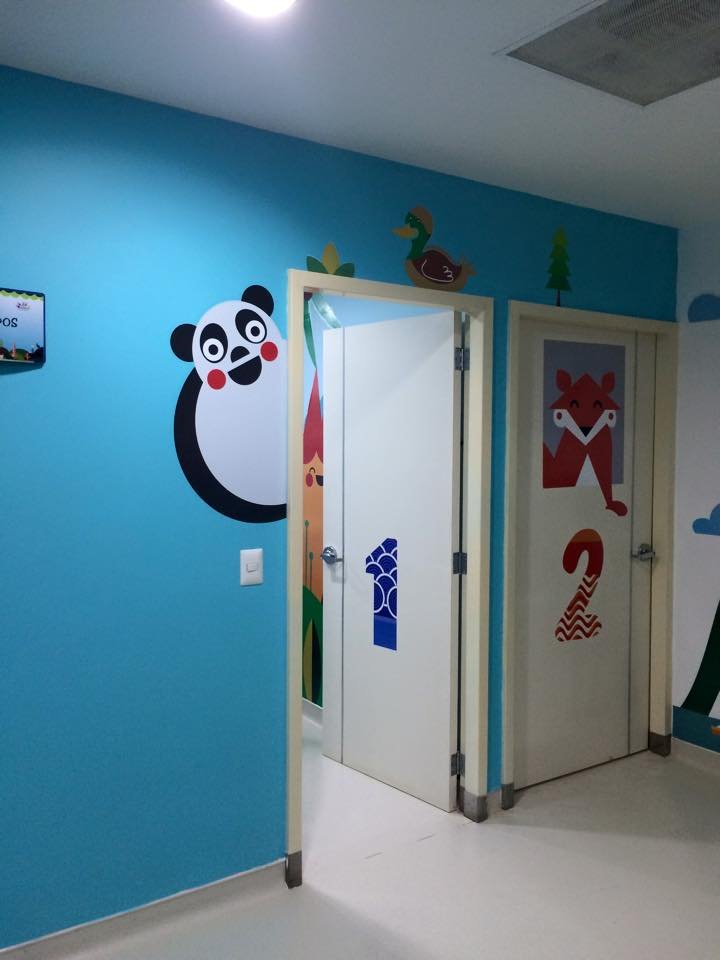
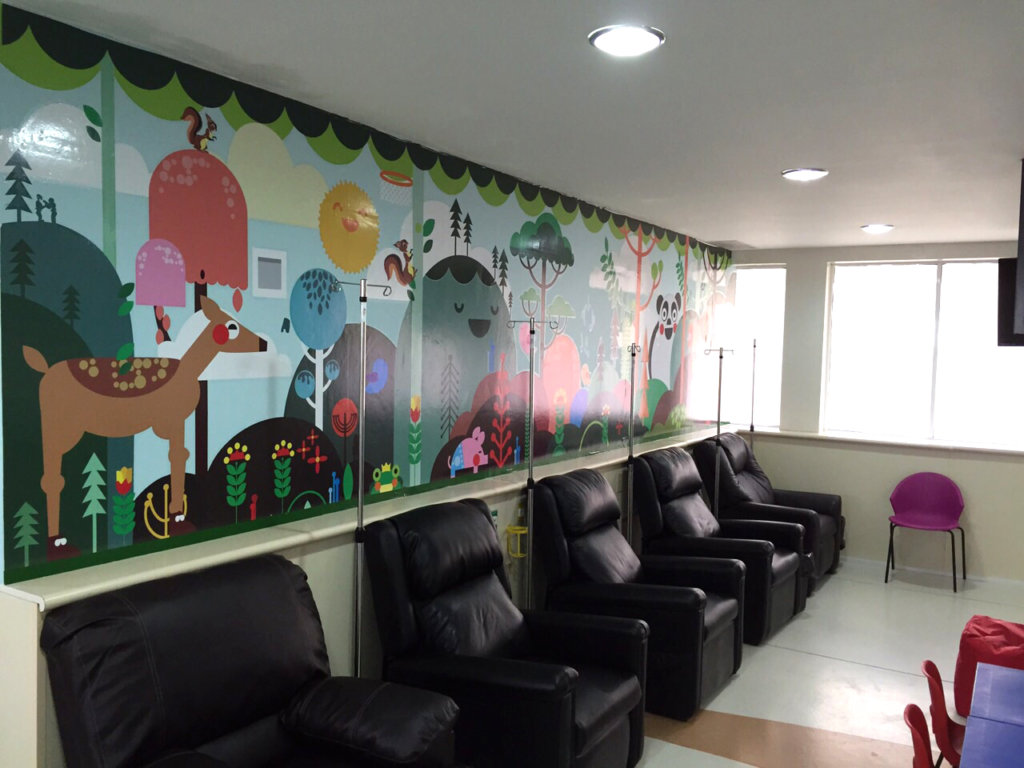
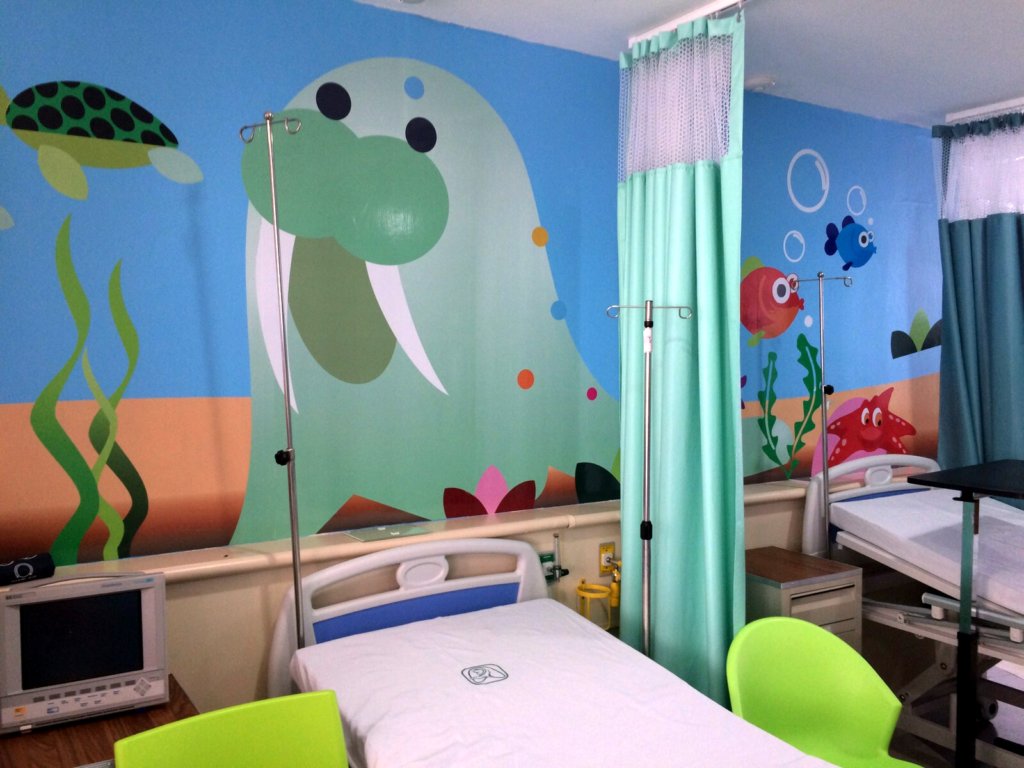
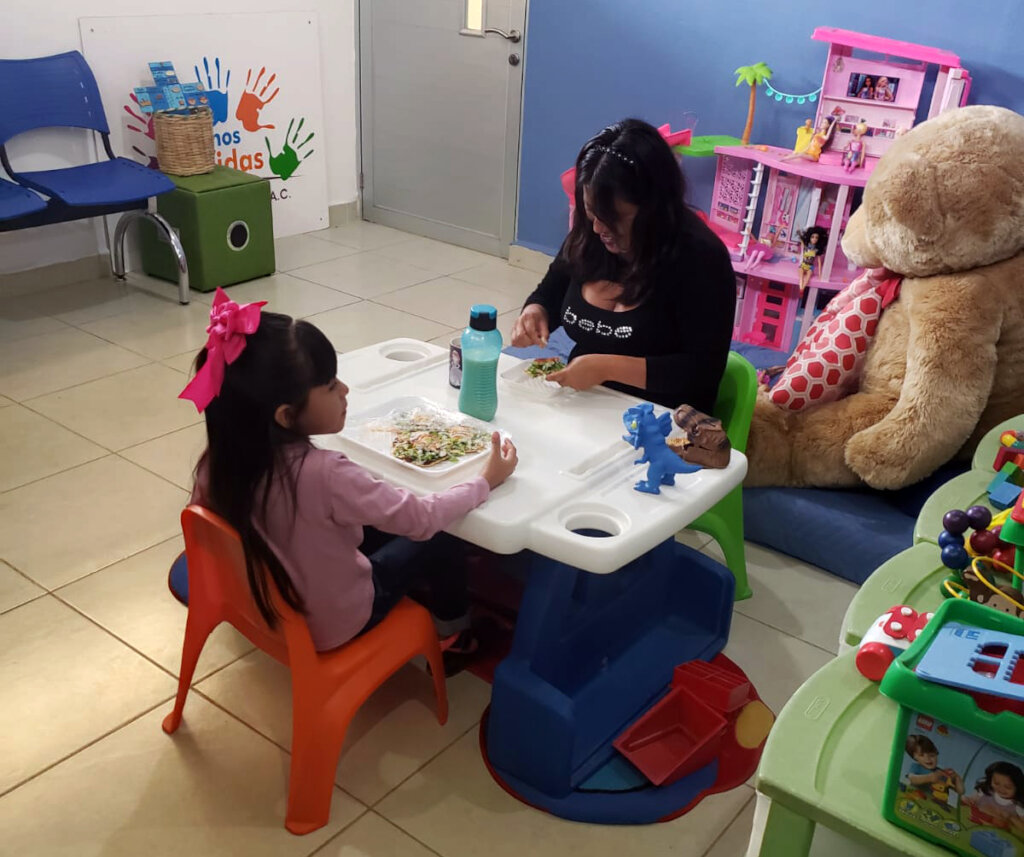
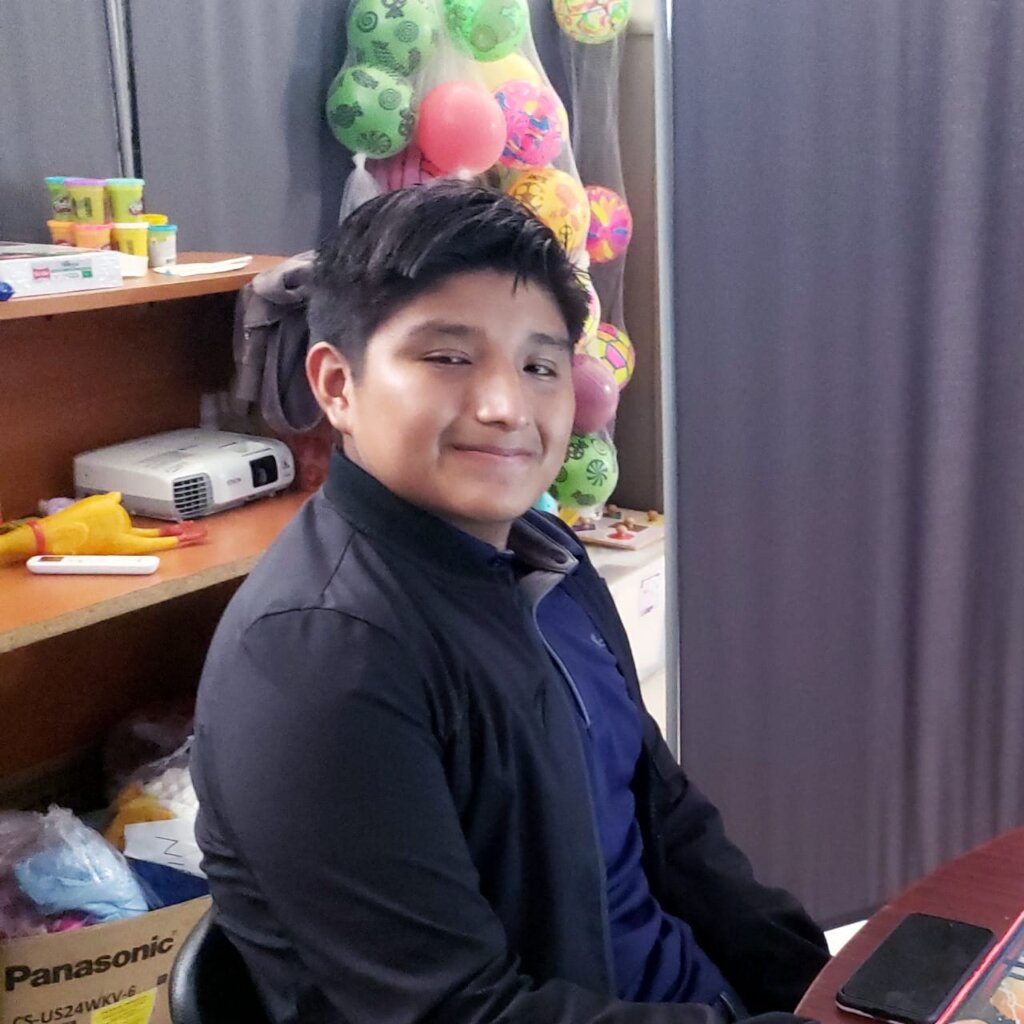
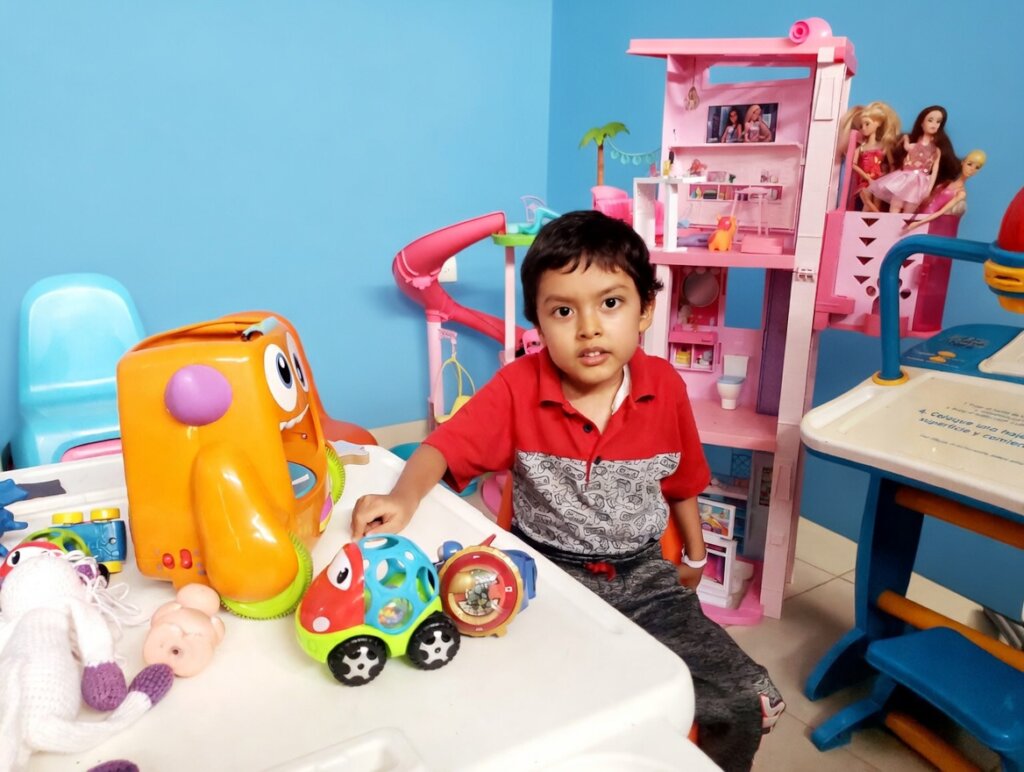
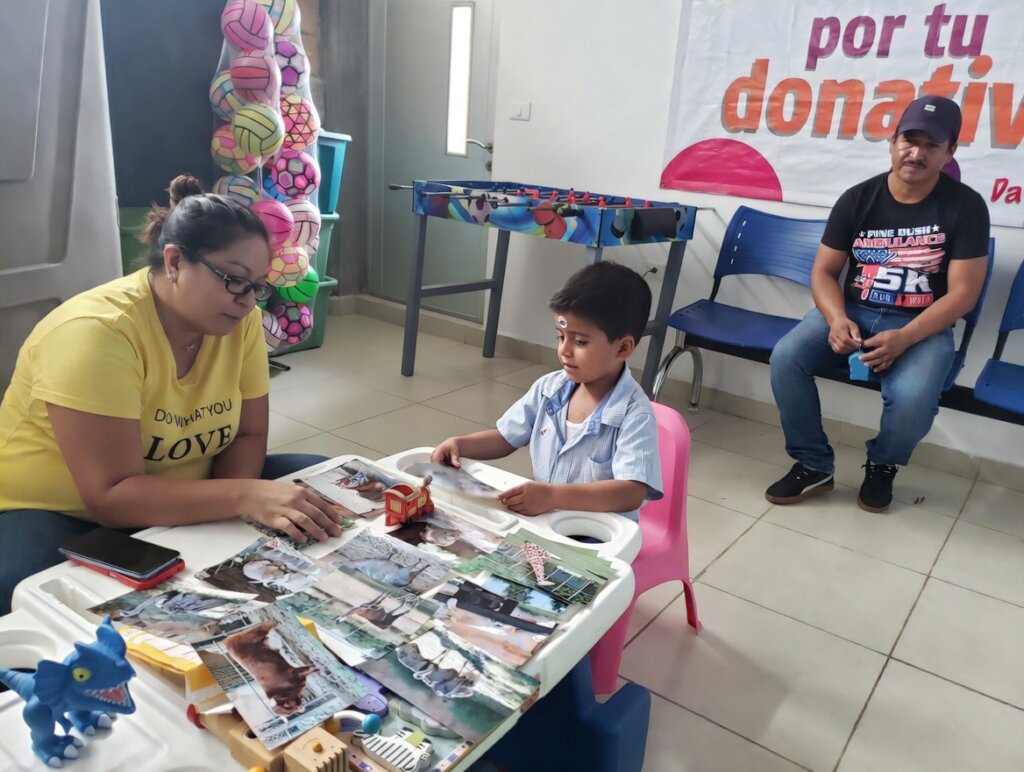
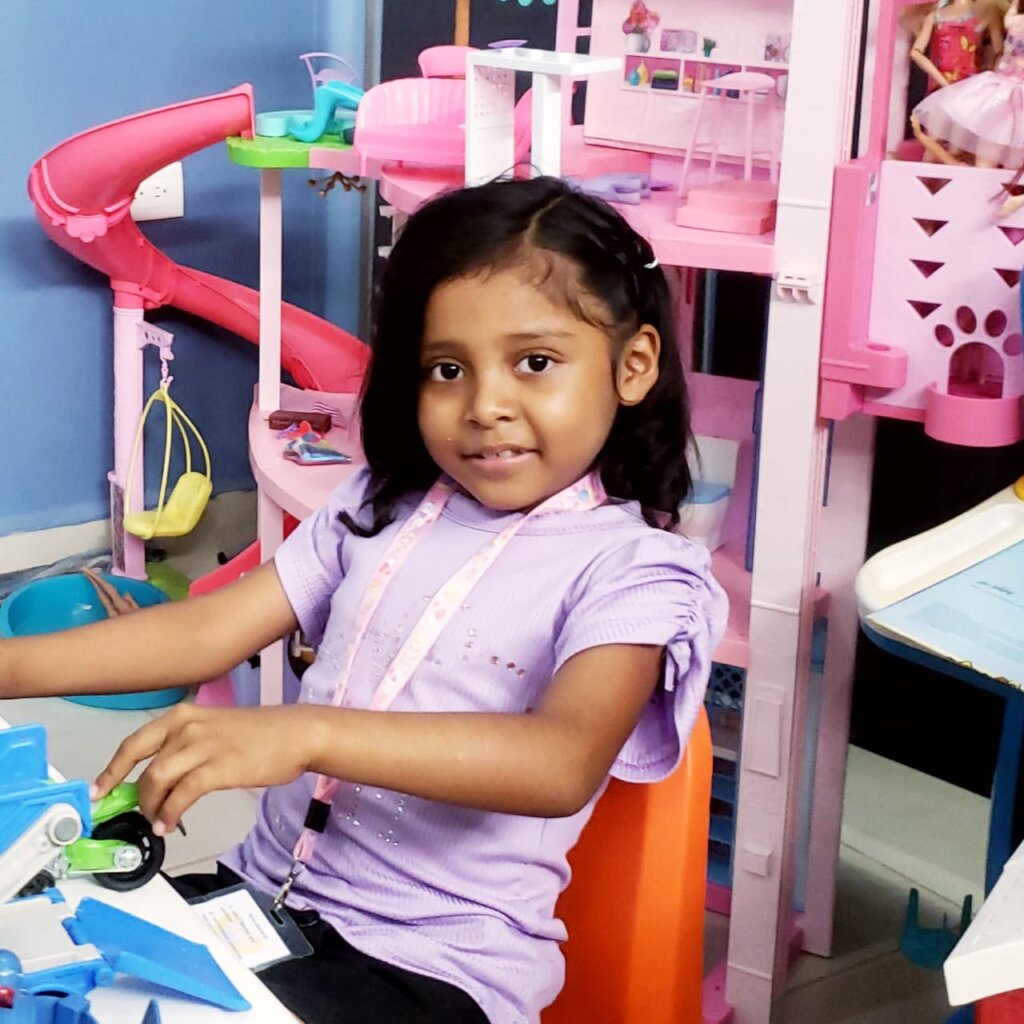
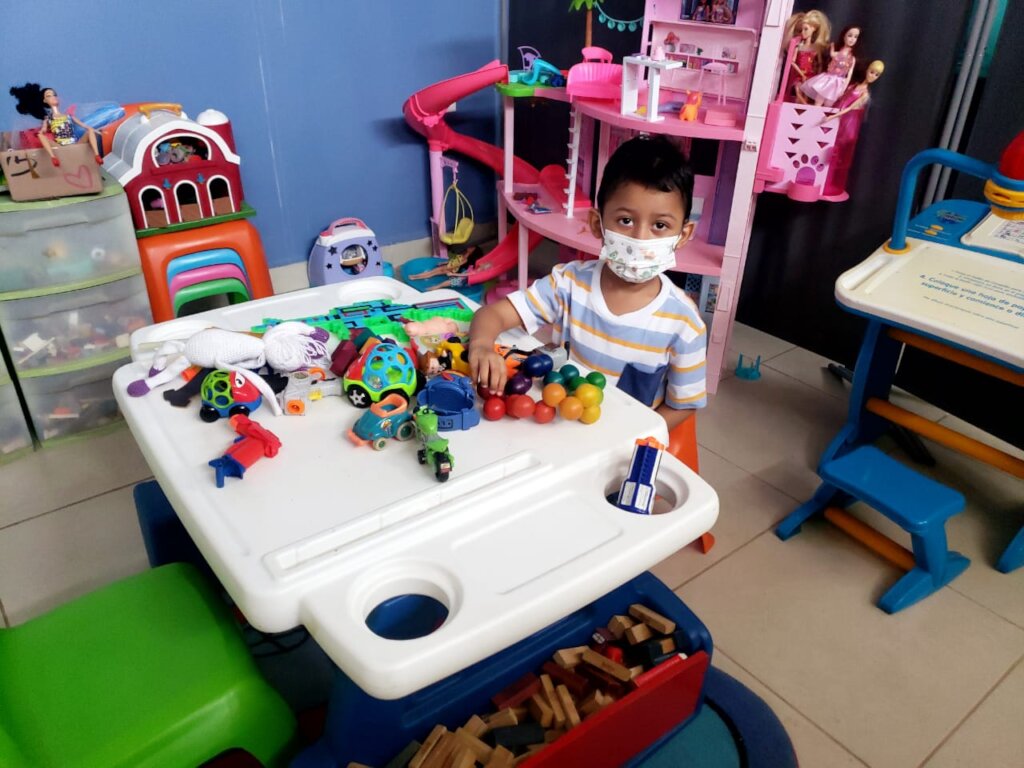
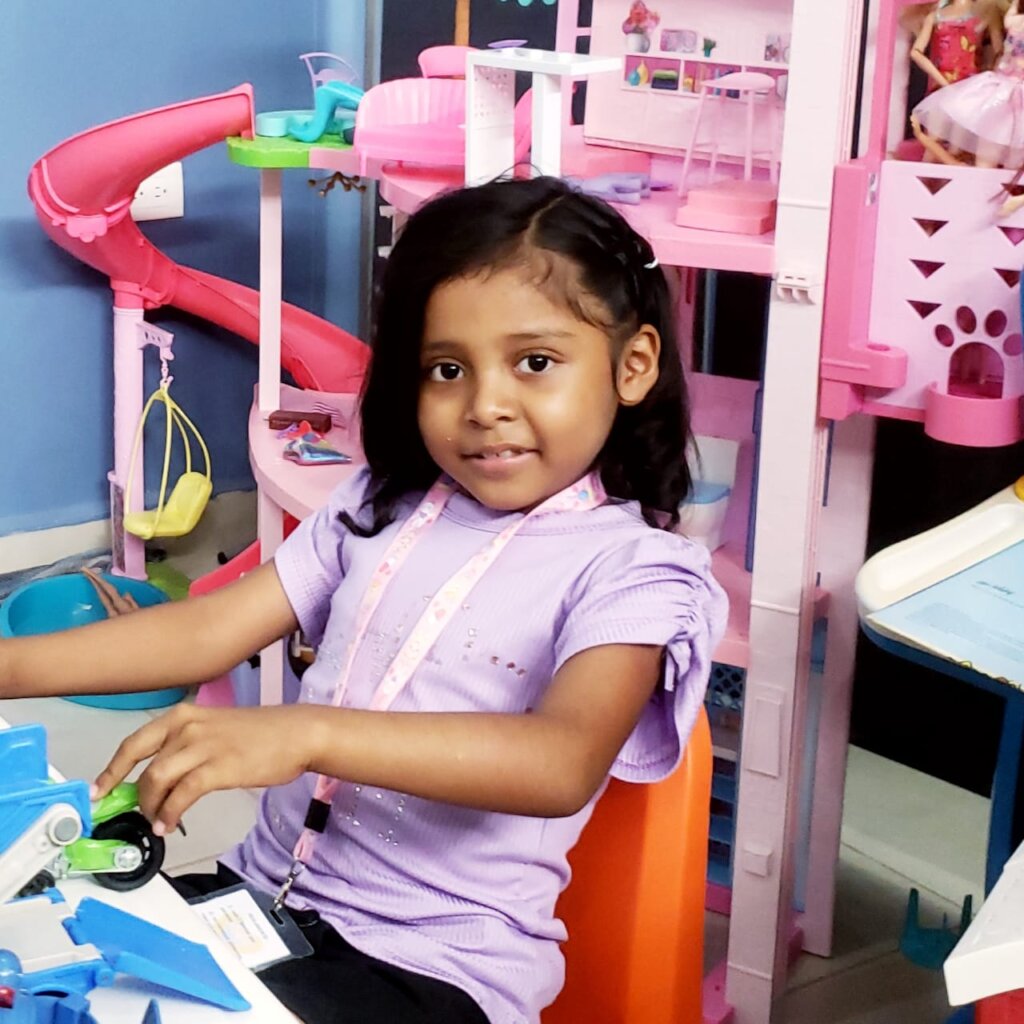
At Manos Unidas por Coatzacoalcos A.C., our Playroom is much more than a place to spend time while waiting for medical appointments. It is a safe and welcoming space where children and young people affected by cancer can continue to play, learn, interact, and simply enjoy being children during a very difficult stage of their lives.
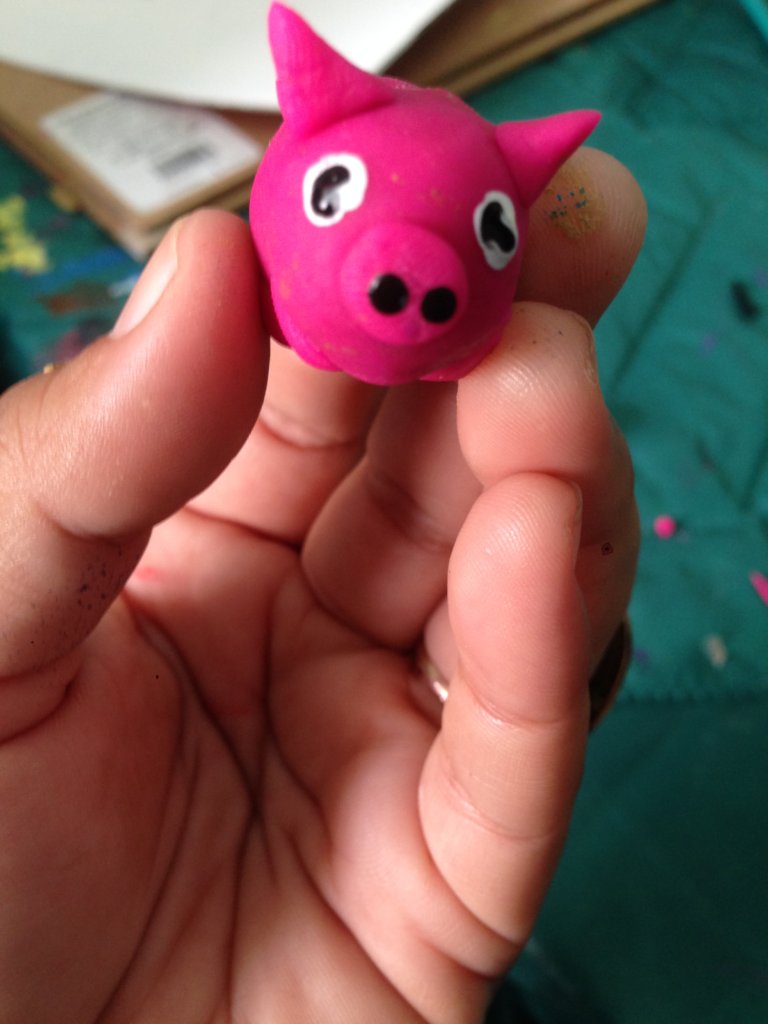
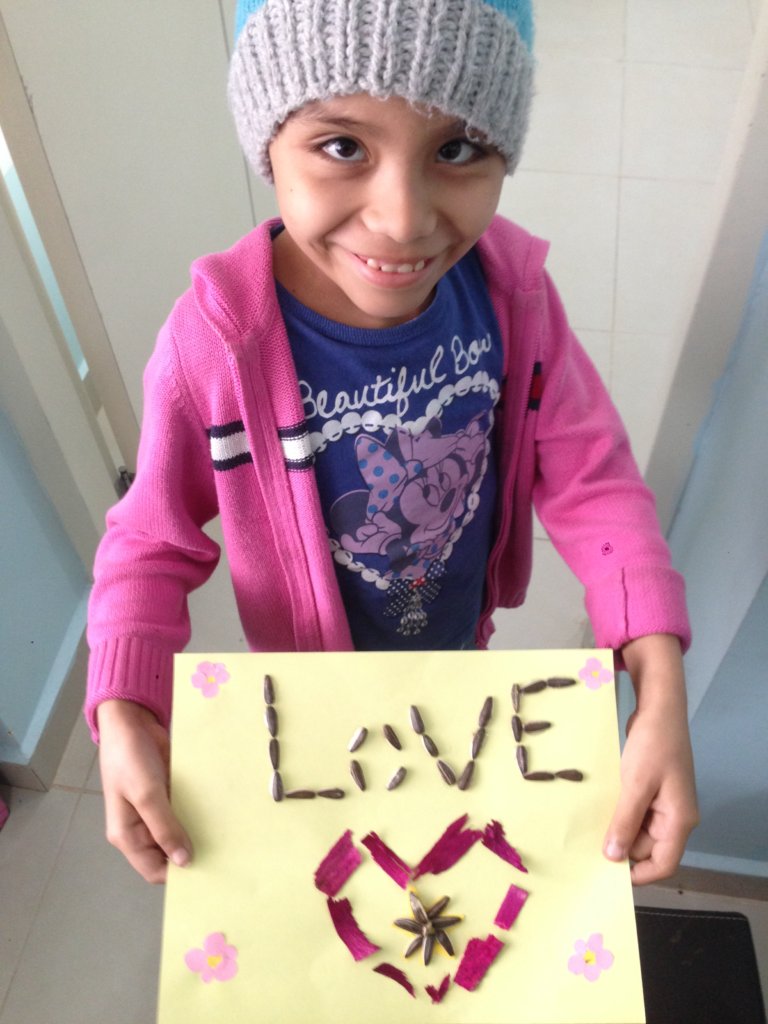
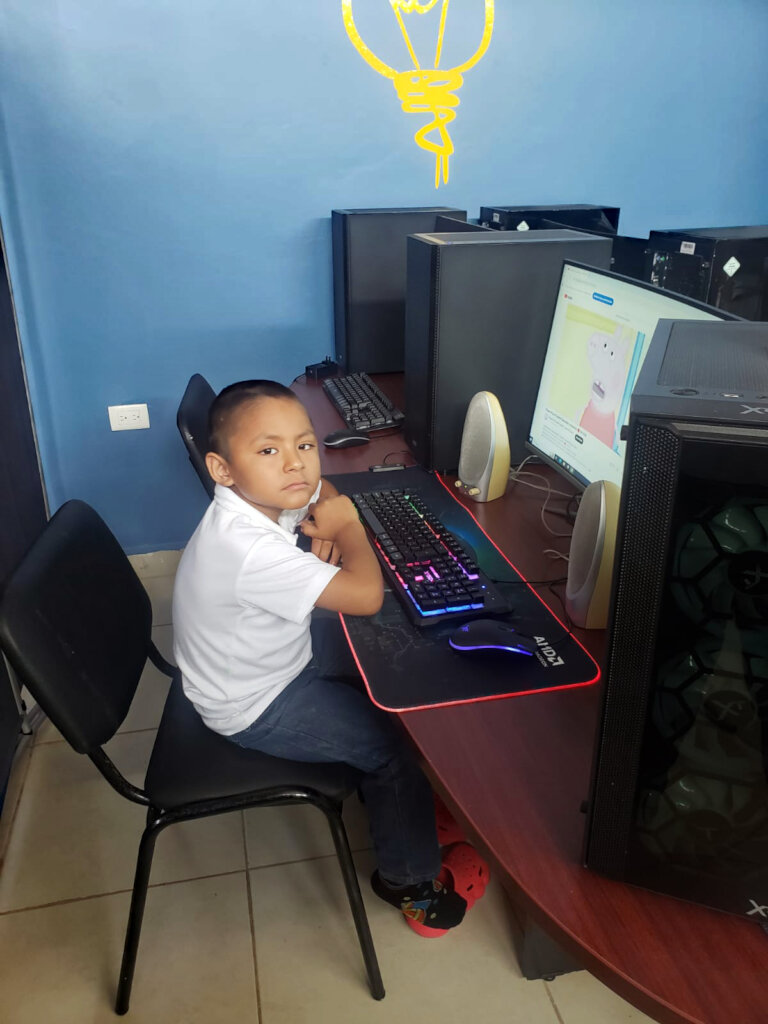
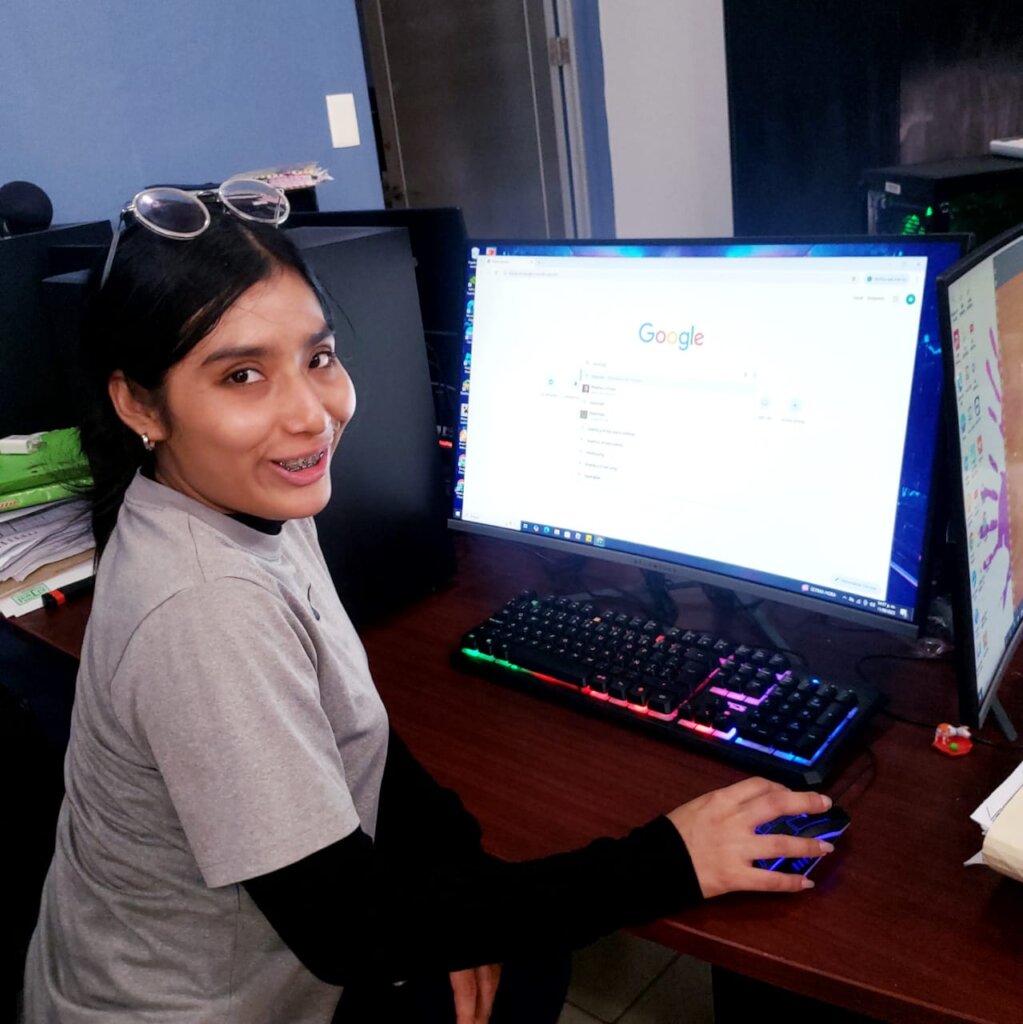
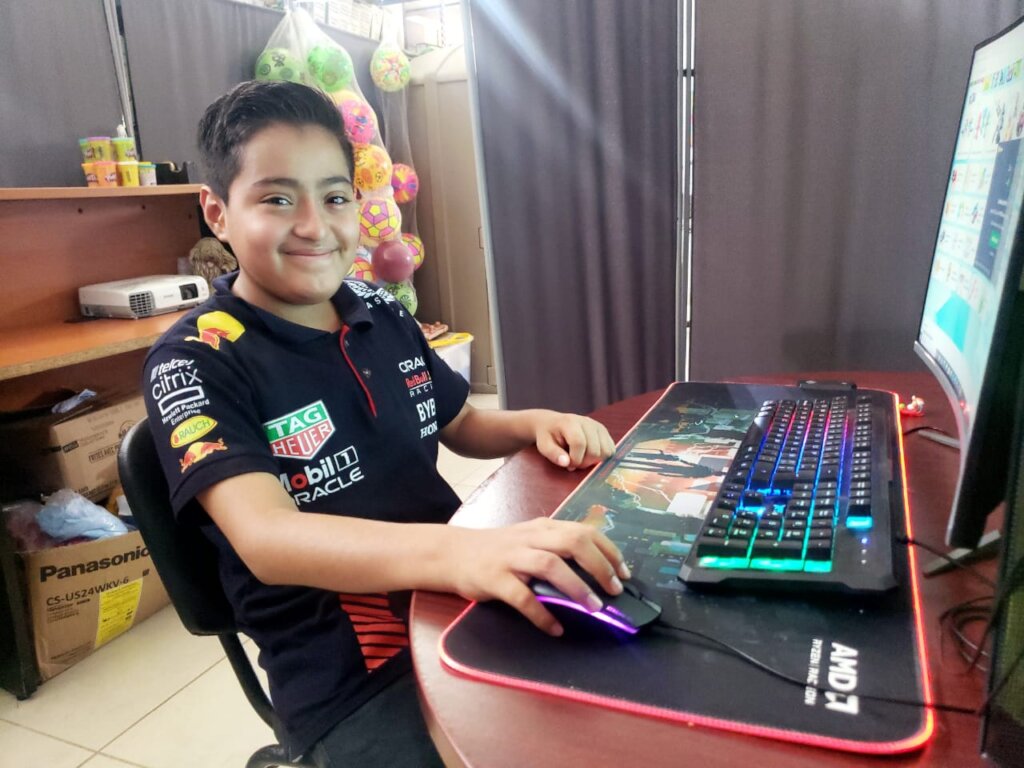
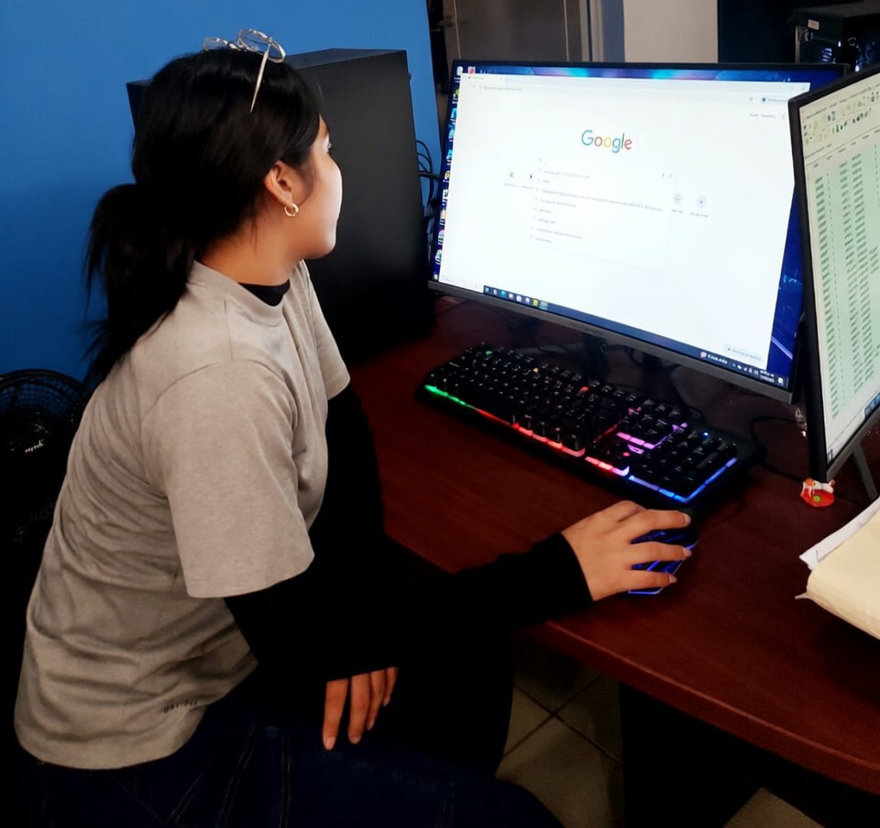
For younger children, games and recreational activities provide moments of joy, creativity, and social interaction. Playing allows them to temporarily step away from the stress of medical procedures and treatment. For our older children and teenagers, access to computers gives them opportunities to explore, learn, stay connected, and develop digital skills—helping them maintain a sense of normality and continue learning despite the interruptions caused by treatment.
The positive impact of the Playroom goes beyond the activities themselves. It provides emotional relief, social connection, and a sense of normal life for children and their families. It reminds them that cancer does not have to define every moment of their ch
For this reason, keeping the Playroom open and properly equipped is an important part of our mission. Continuity matters. Every toy, educational material, computer, and hour of operation represents an opportunity for a child to smile, learn, connect, and feel supported.
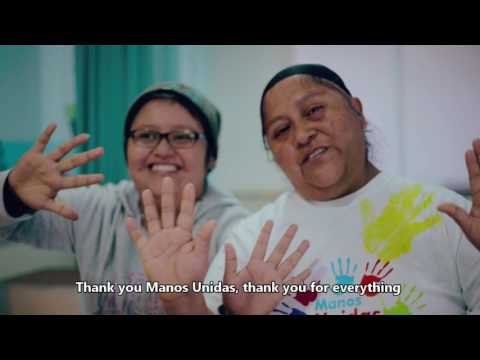
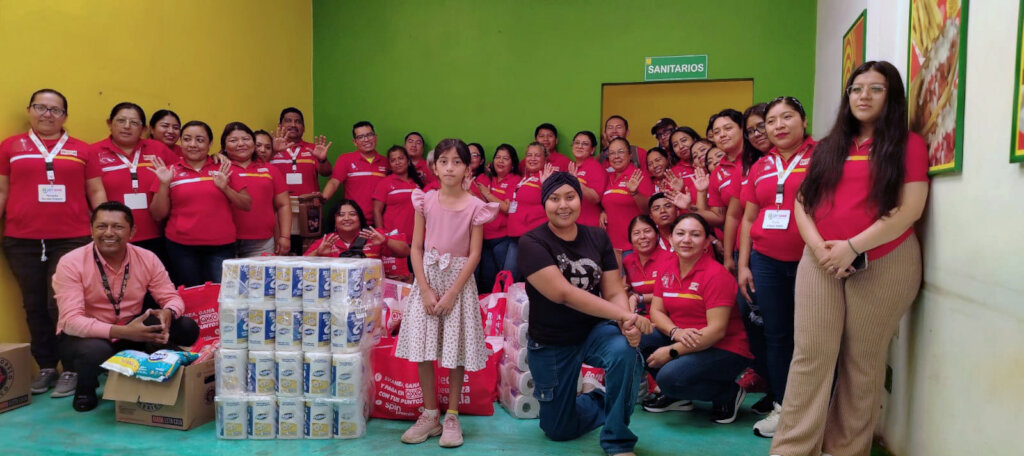
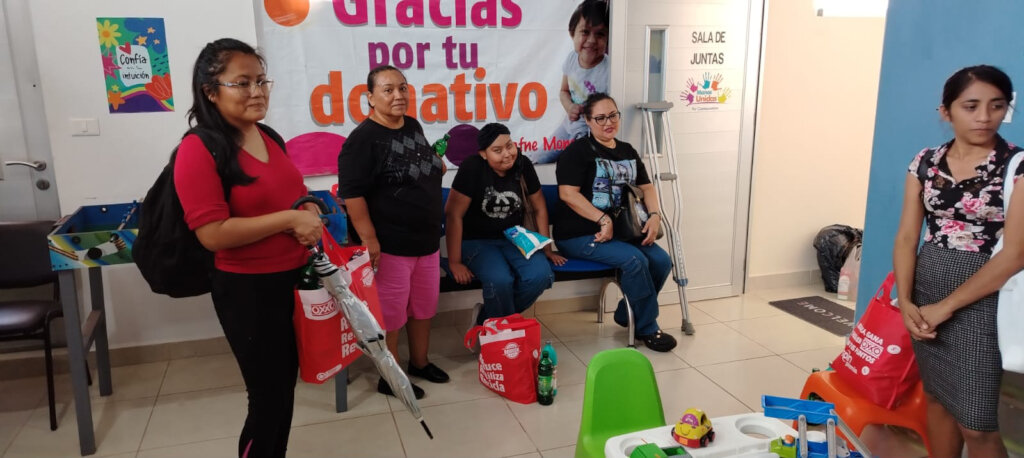
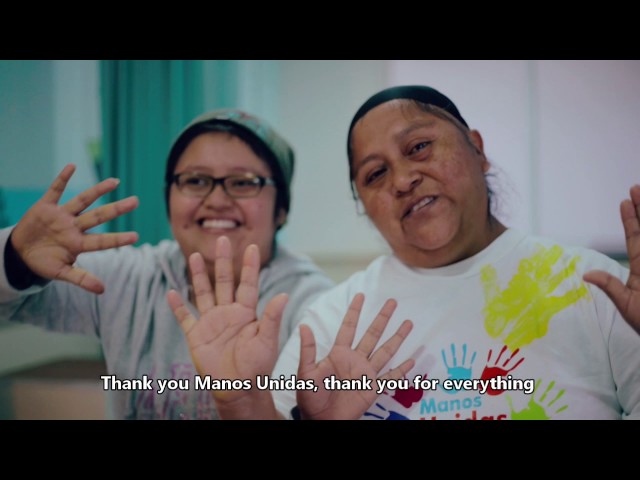
We are deeply grateful for every donation that helps us keep this space alive. Your support does more than provide resources—it allows us to maintain a place where children and young people can find moments of joy, dignity, and hope while facing their treatment.
From all of us at Manos Unidas por Coatzacoalcos A.C., thank you for believing in our mission, supporting our children and young people, and helping us keep the Playroom open. Your generosity makes this continuity possible, and every contribution becomes part of the positive impact we create together.
By Maritza Ambrosio Fernandez | Project Leader
By Maritza Ambrosio Fernandez | Project Leader
Project reports on GlobalGiving are posted directly to globalgiving.org by Project Leaders as they are completed, generally every 3-4 months. To protect the integrity of these documents, GlobalGiving does not alter them; therefore you may find some language or formatting issues.
If you donate to this project or have donated to this project, you can receive an email when this project posts a report. You can also subscribe for reports without donating.



Support this important cause by creating a personalized fundraising page.
Start a Fundraiser