By John Gumuan | Project Officer
PROJECT BRIEF
For decades, the rural community of Kuladhakni in Shani Local Government Area, Borno State, Nigeria, has lacked adequate access to basic healthcare services. Families have endured preventable illnesses, and mothers have faced the dangers of childbirth without medical support.
In 2017, MOLDEV brought a ray of hope with the establishment of a Community Health Care Centre, designed to serve over 5,000 residents of Kuladhakni and neighboring villages. The facility focuses on maternal and child health while also addressing common but deadly diseases such as malaria, typhoid, hepatitis, hypertension, and worm infestation.
Despite this progress, the need remains urgent and immense. Our findings reveal an alarmingly high rate of maternal and child mortality, largely due to limited access to timely care. In severe cases, residents travel nearly 60 kilometers to the nearest hospital, and tragically, some never make it.
Adding to this hardship, the lack of potable water continues to threaten both the health centre’s operations and the community’s well-being. To ensure safe water for medical use and daily life, we are seeking support to install a solar-powered borehole system — a sustainable solution that will provide clean, reliable water for generations to come.
Your support can save lives, empower families, and transform an entire community. Together, we can make health and hope a reality for the people of Kuladhakni.
PROGRESS RECORDED
We are delighted to share remarkable progress from the Kuladhakni Primary Health Care Project — made possible through the commitment and generosity of our supporters.
In our Quarter 2 Report, the clinic had been successfully roofed — a major milestone in our journey toward providing accessible healthcare for the 5,000+ residents of Kuladhakni and surrounding communities.
The people of Kuladhakni express heartfelt gratitude for every show of support. The visible progress — from foundation to roofing — stands as a testament to the power of partnership and shared purpose.
Yet, there is still work ahead. Completing the interior of the clinic, equipping the facility, and providing sustainable water access through a solar-powered borehole remain critical next steps. With your continued support, we can bring this life-saving facility fully to life.
Together, we are building more than a clinic — we are building hope.
CHALLENGES
A Call for Support: Restoring Hope to Kuladhakni Community Health Care Centre
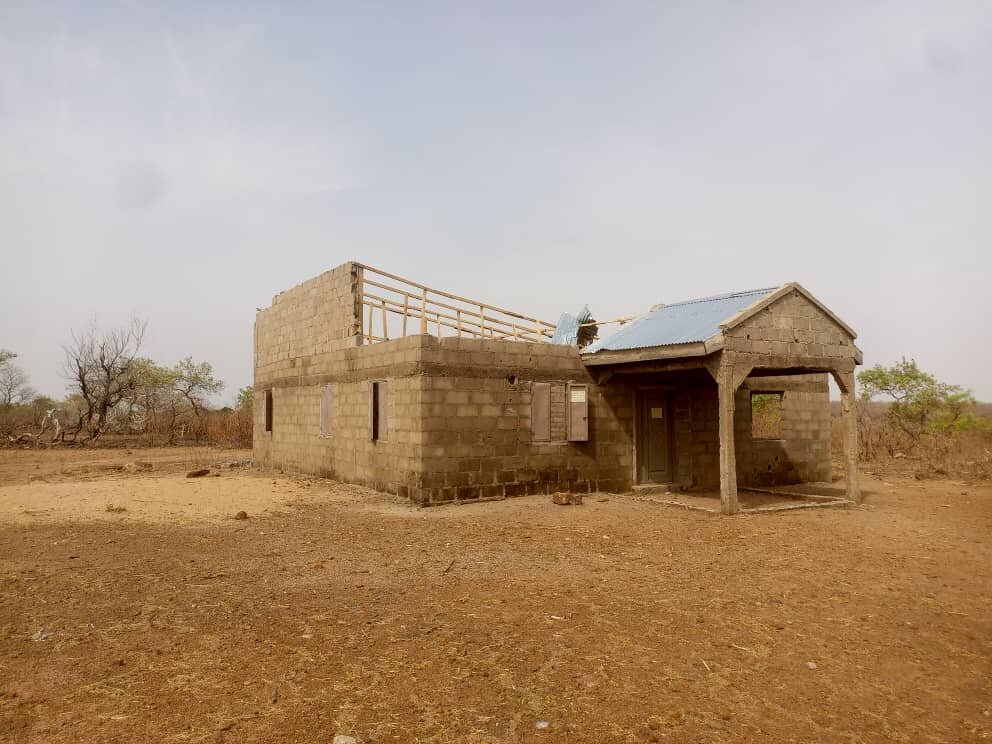
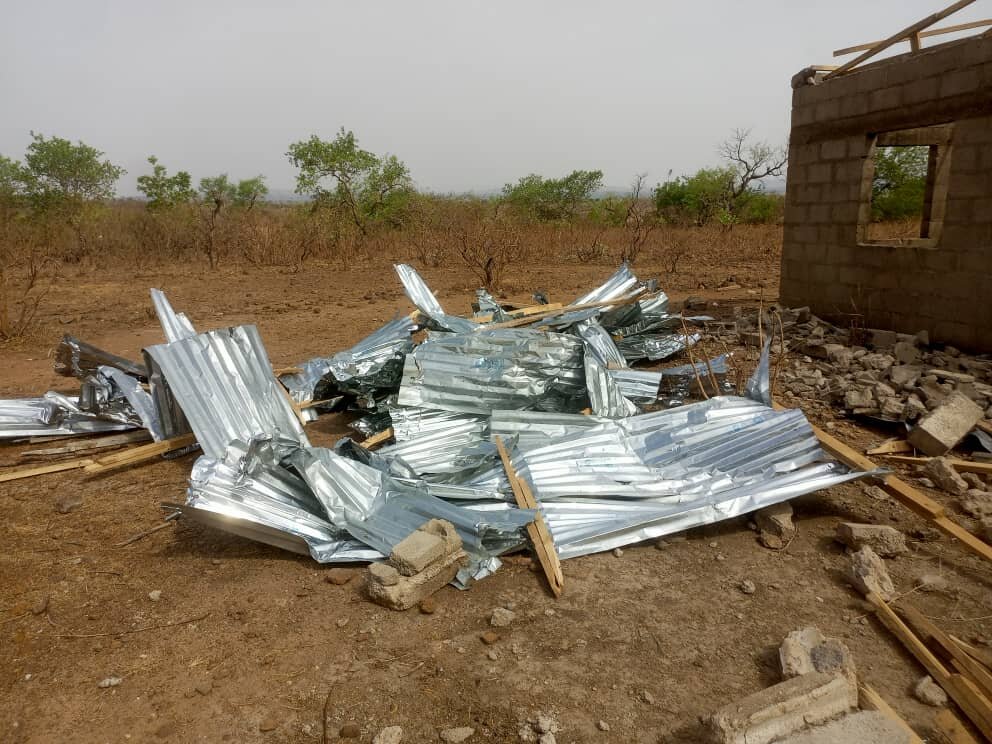
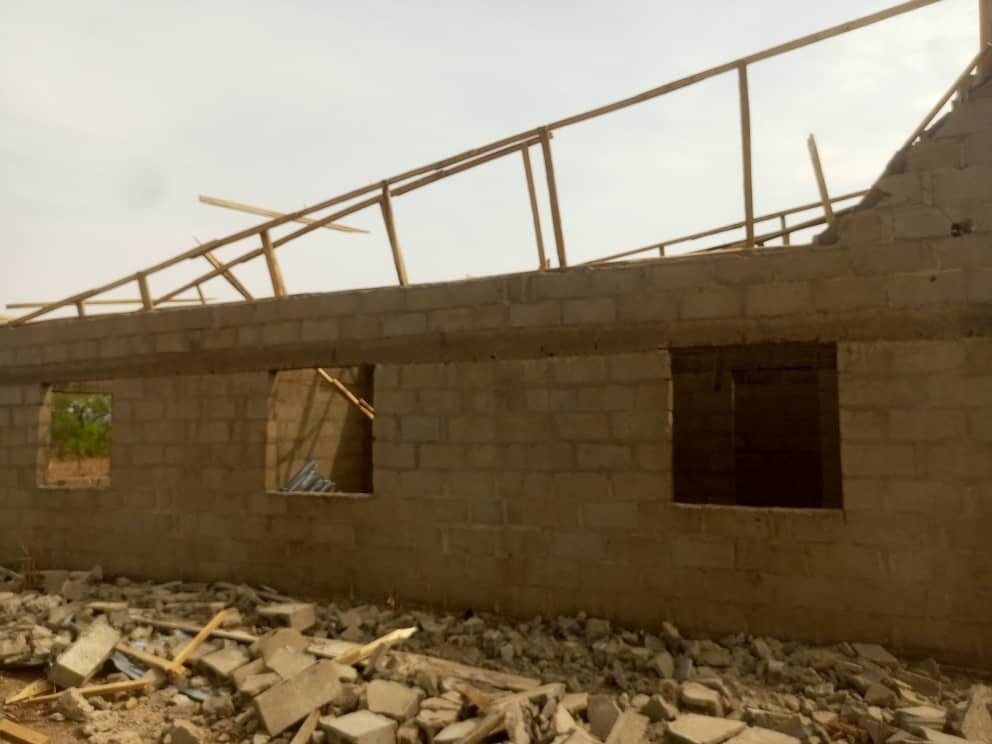
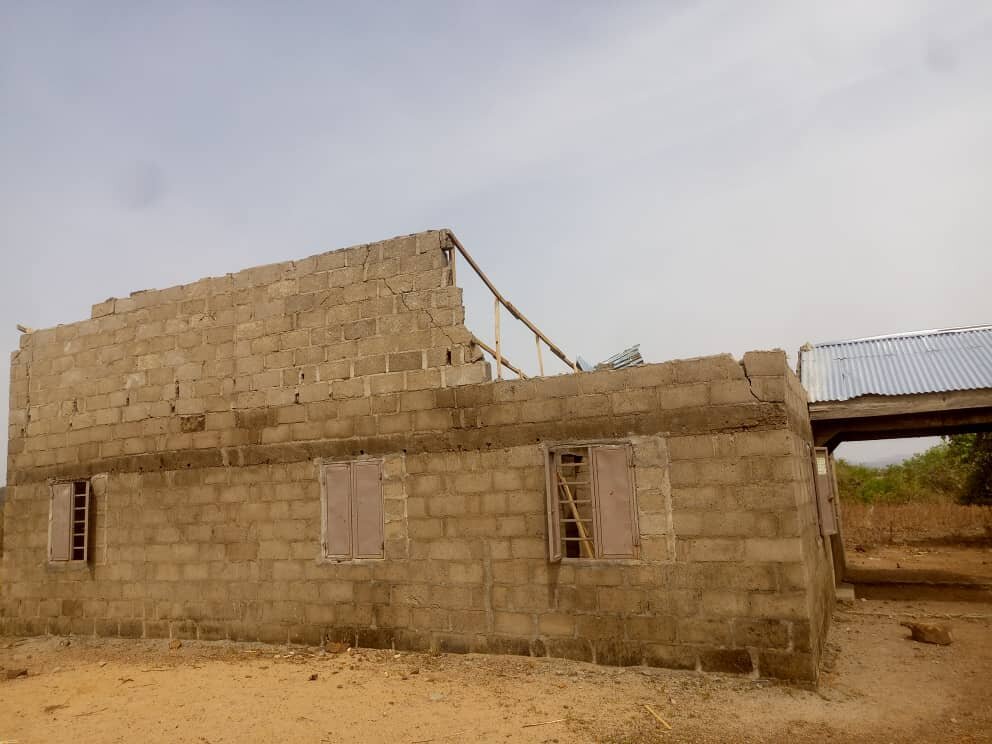
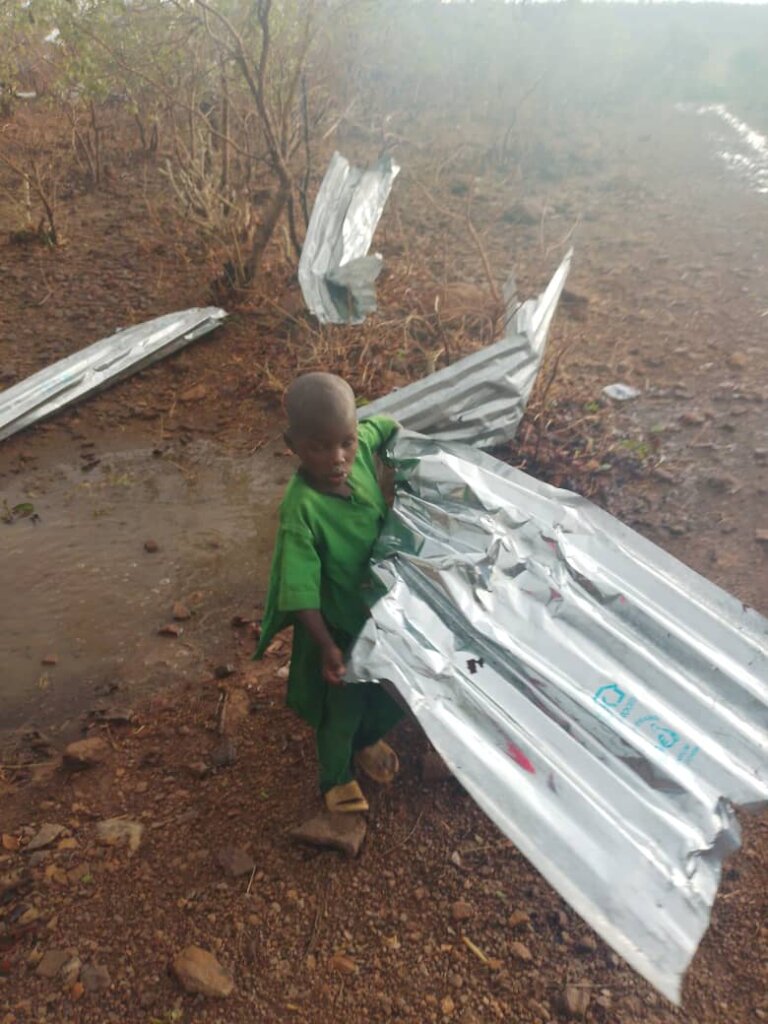
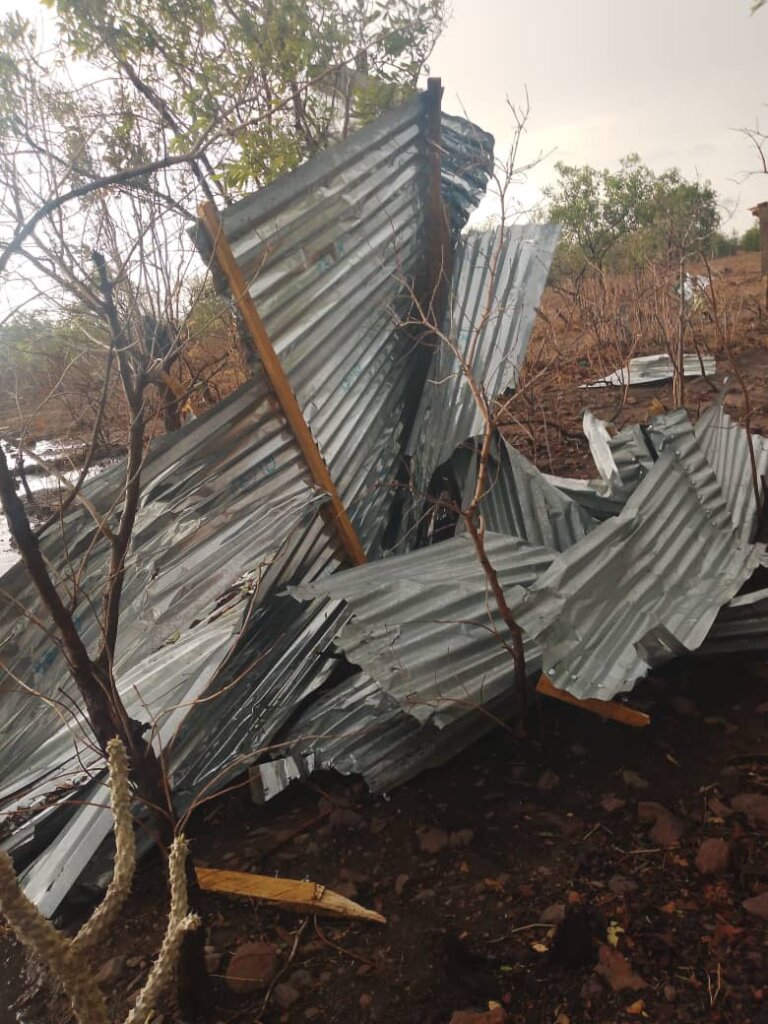
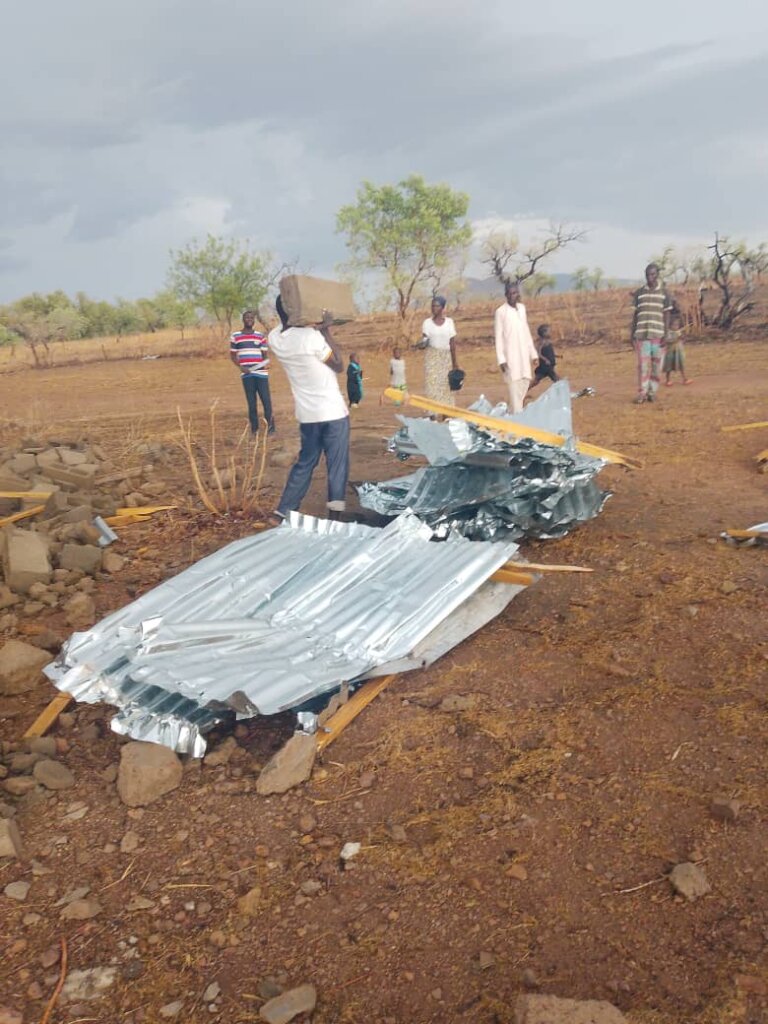
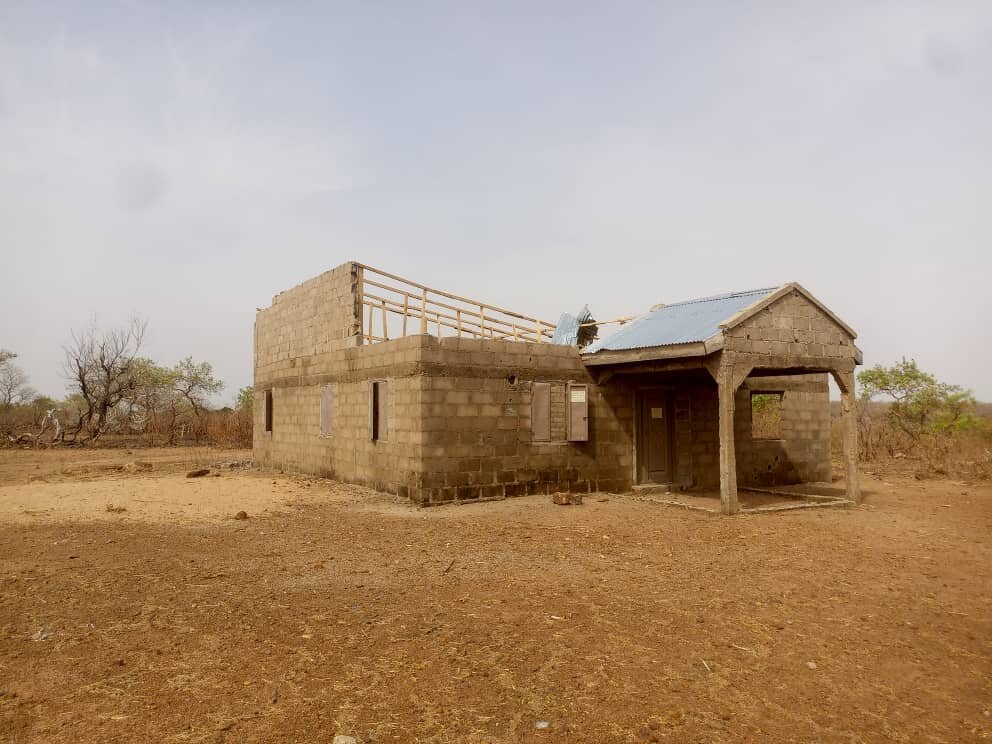
Tragedy struck recently when a severe windstorm tore through Kuladhakni Community, devastating the newly roofed community Health Care Centre, a project that has been a beacon of hope for over 5,000 rural residents.
The storm destroyed the roof and some parts of the building including that of the community people, leaving the structure exposed to rain damage and further deterioration. This unfortunate setback threatens to undo months of collective effort and delay the delivery of essential health services such as maternal care, malaria treatment, and emergency response services that the community desperately depends on.
Despite this challenge, our commitment remains unshaken. We are determined to reroof, restore, and equip the health centre to ensure that families in Kuladhakni have access to safe and quality healthcare close to home.
However, limited funding has slowed progress. To complete the next phase which includes re-roofing, equipping the facility, and installing a solar-powered borehole for clean water, we urgently need financial support.
Your support today will directly help us:
Reroof the damaged clinic roof.
Equip it to serve mothers, children, and families.
Provide clean water essential for health and hygiene.
With your partnership, we can turn this setback into a story of resilience and renewal. Together, we can ensure that the people of Kuladhakni never lose hope in the promise of accessible healthcare.
This achievement was made possible through the philanthropic leadership of our Founder and Executive Director, whose unwavering personal commitment has driven the project from inception to this stage. We also extend our sincere appreciation to the VMware Foundation for their generous contribution of $100 USD toward the project. Their contribution has boosted our morale, strengthened our budget outlook, and inspired renewed community optimism.
RISK AND DISASTER MITIGATION STRATEGIES
In view of the current challenges associated with the project, the following risk mitigation strategies are being implemented in collaboration with the community leadership to forestall future occurrences.
a. CHANGE OF ROOFING STYLE – Giving the direction of the wind to the clinic, it has been professionally recommended that, a flat roof style should be adopted in reroofing the clinic.
b. COMMUNITY COLLABORATION – We are collaborating with the community
security groups to help guard against vandalism and theft.
c. We are also planting 200 windstorm-repellent trees around the clinic structures. This will not only repel windstorms but boost environmental health
RESOURCE MOBILIZATION STRATEGIES
We have implemented some resource mobilization strategies to raise funds for the completion of the projects. These include;
a. Advocacy visits to philanthropic individuals and like-minded charity organizations
b. Fundraising appeal letters to potential donors
c. Partnership with GlobalGiving for crowdfunding
d. Partnership with benefitting communities
e. Flyer’s publication for public support
f. Fundraising Social Media Campaign
RESOURCE NEEDED TO COMPLETE THE PROJECT
Budget Breakdown
1. Repair and roofing: N 25,000,000(Naira) - $16,667 (USD)
2. Furniture and clinical Equipment: N 20,000,000(Naira) - $13,334 (USD)
3. Drugs and water supply N22,500,000(Naira) – $14,667 (USD)
4. Training of mothers (Capacity building on Preparing nutritional meal supplement
to support children growth in the community: N2,000,000(Naira) - $3,333 (USD) Total: N65,000,000 (Naira) - $43,333(USD)
EXPECTED LONG TERM IMPACT
Over 5,000 people residents in the community will no longer travel long distances to access the basic primary health care services and clean water thereby improving their productivity and wellbeing as an agrarian community. It will also:
1. Improved the health and well-being for 5,000 villagers.
2. Increased access to essential health services.
3. Enhanced emergency preparedness and response in the community
Thank you in continued anticipation of your support.
By John Gumuan | Project M&E Officer
By John Gumuan | Project Officer
Project reports on GlobalGiving are posted directly to globalgiving.org by Project Leaders as they are completed, generally every 3-4 months. To protect the integrity of these documents, GlobalGiving does not alter them; therefore you may find some language or formatting issues.
If you donate to this project or have donated to this project, you can receive an email when this project posts a report. You can also subscribe for reports without donating.



Support this important cause by creating a personalized fundraising page.
Start a Fundraiser