![Sport class]()
Sport class
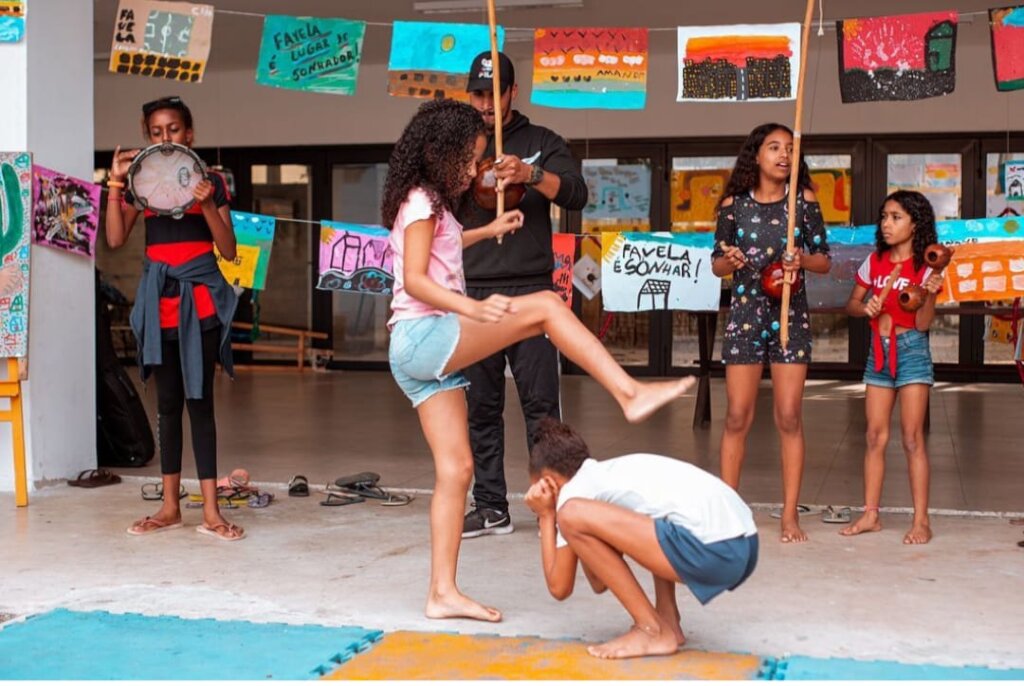
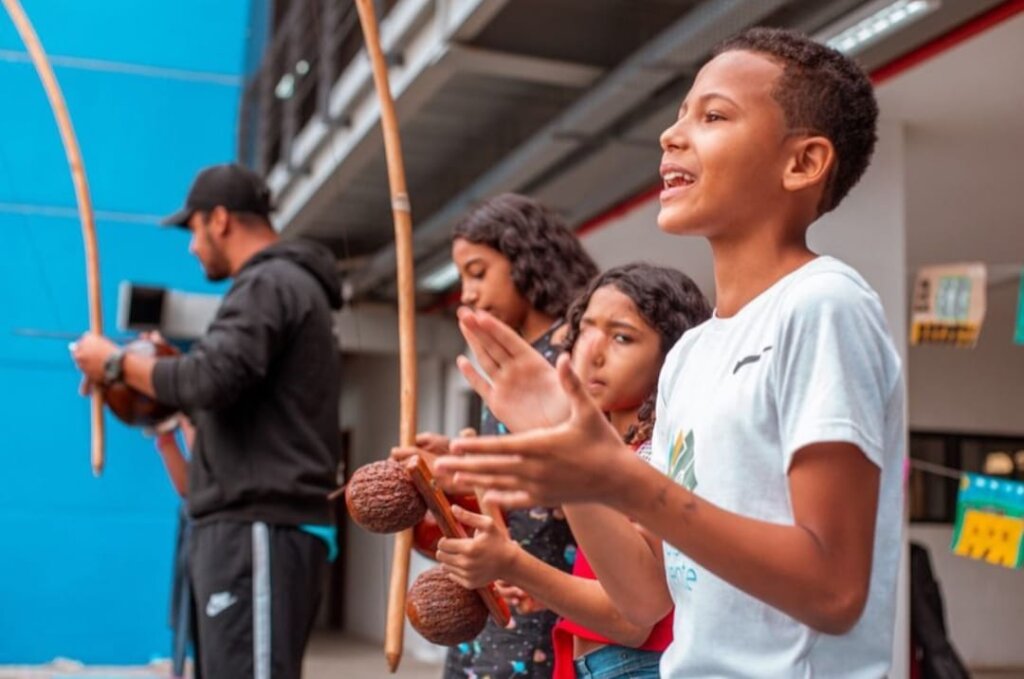
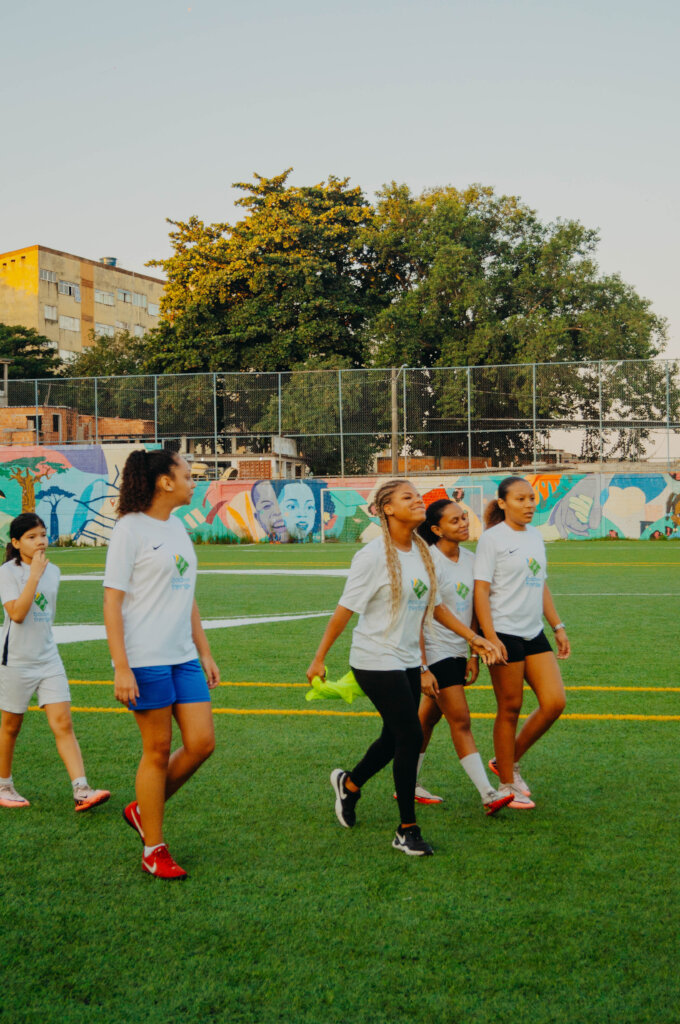
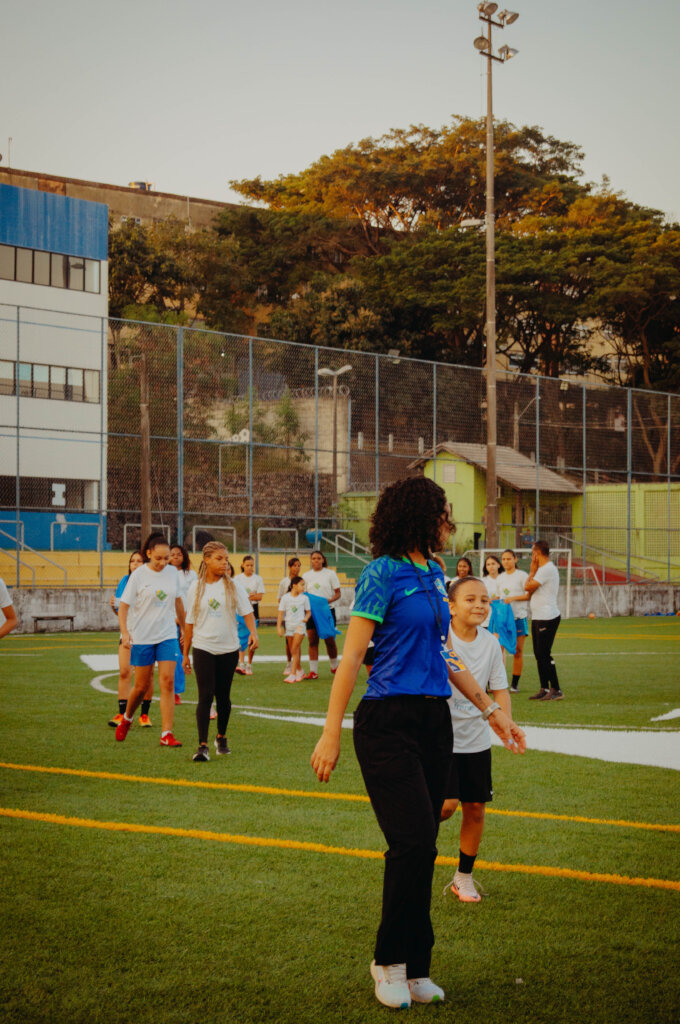
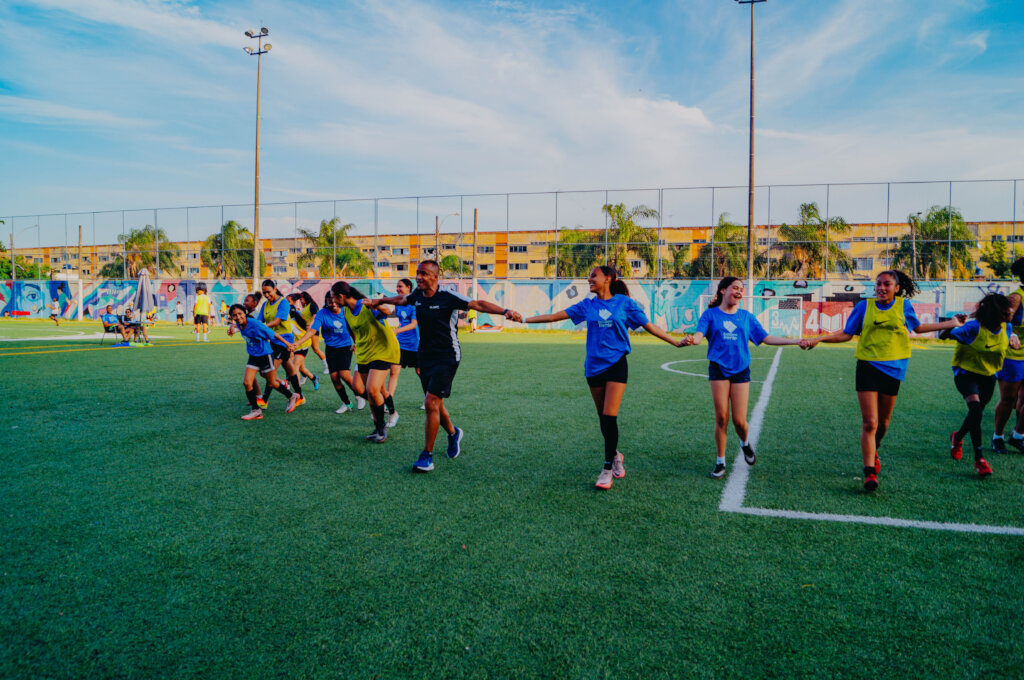
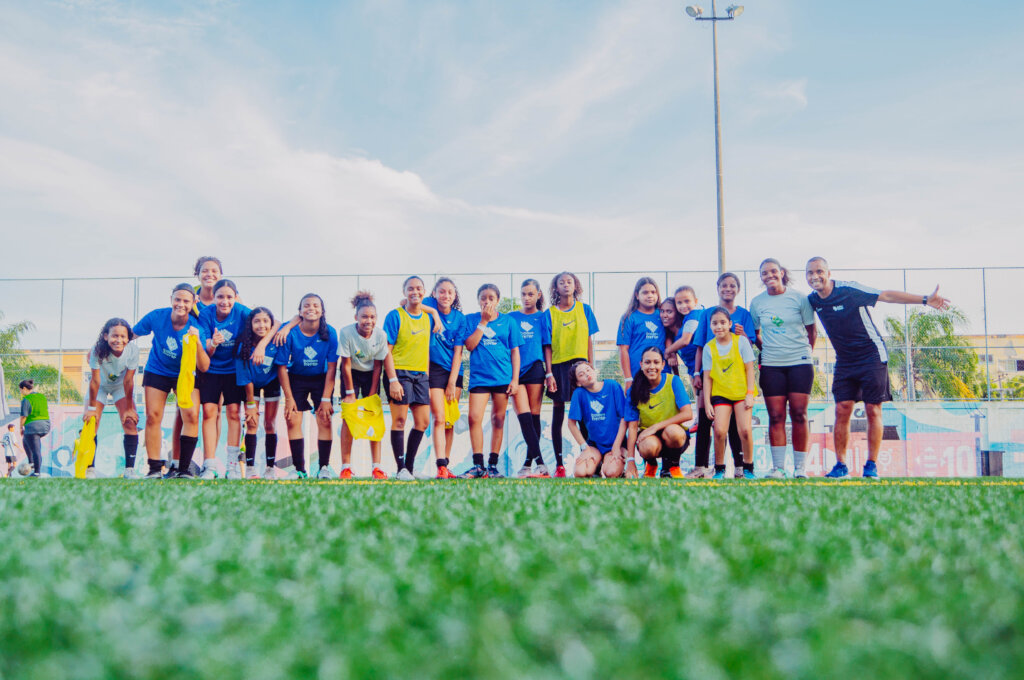
All activities planned in the project methodology have been carried out at the headquarters of the Bola Pra Frente Institute, located at Avenida Sargento Isanor de Campos, 401 – Deodoro, Rio de Janeiro/RJ. Throughout 2025, more than 540 students were served, as foreseen in the work plan.
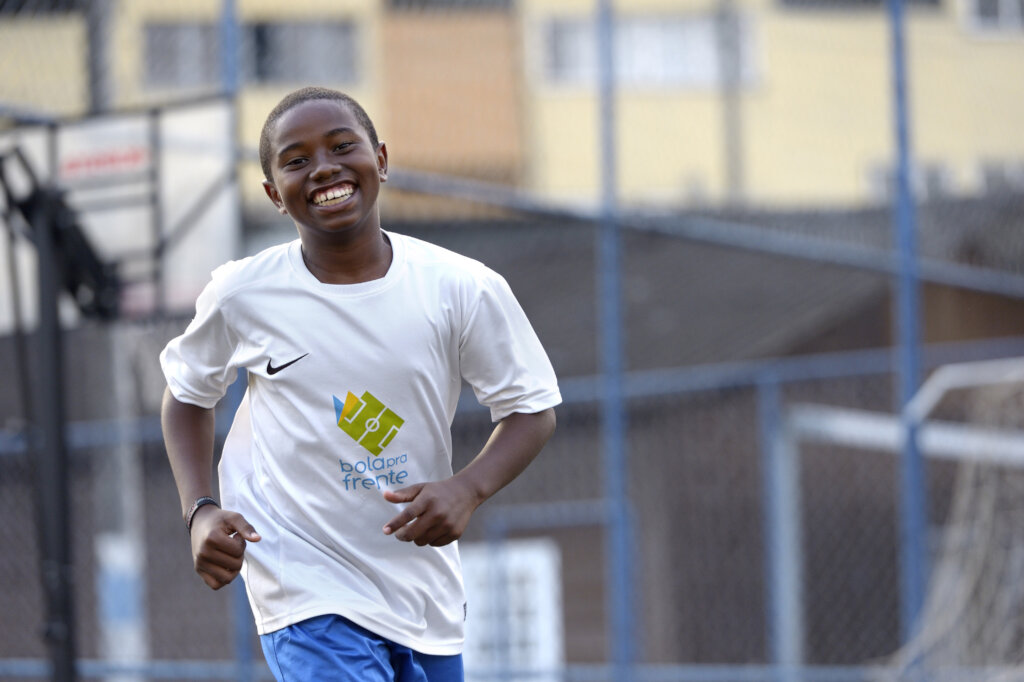
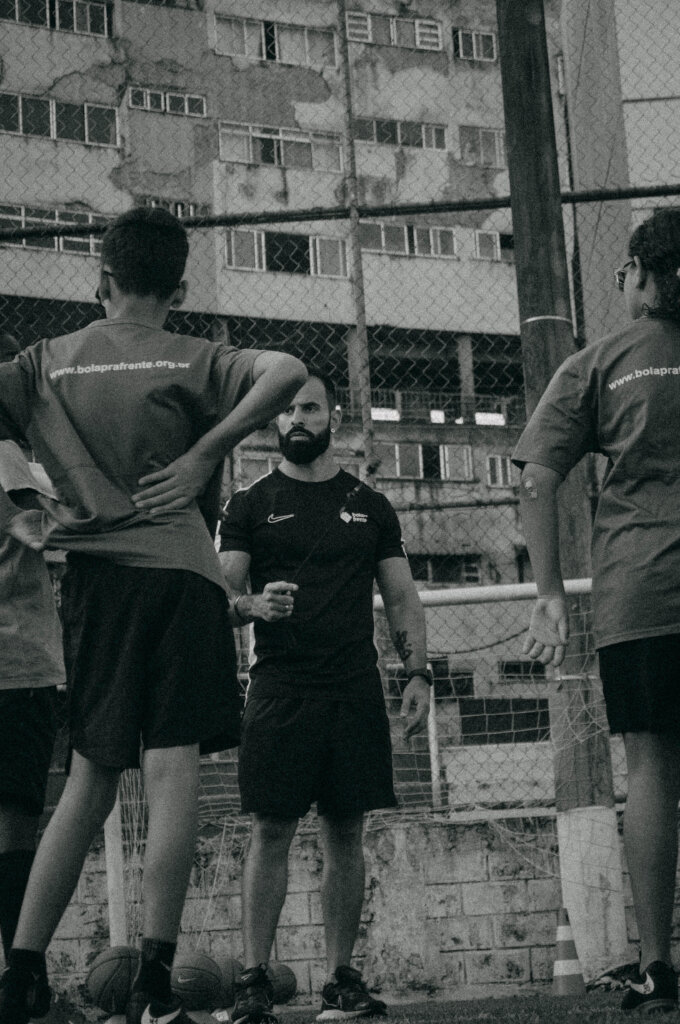
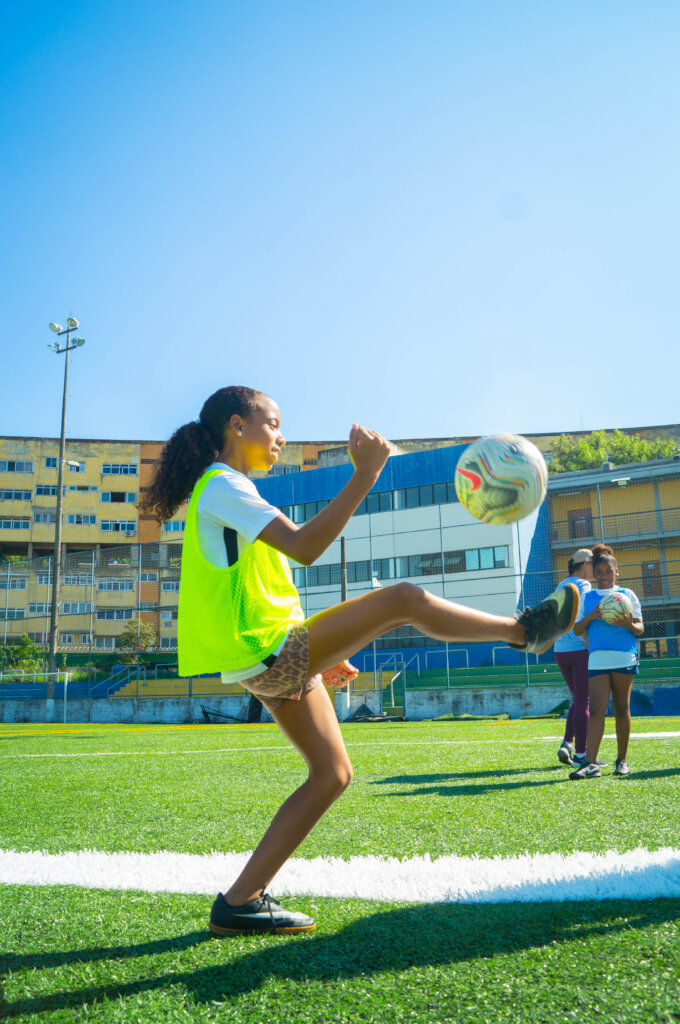
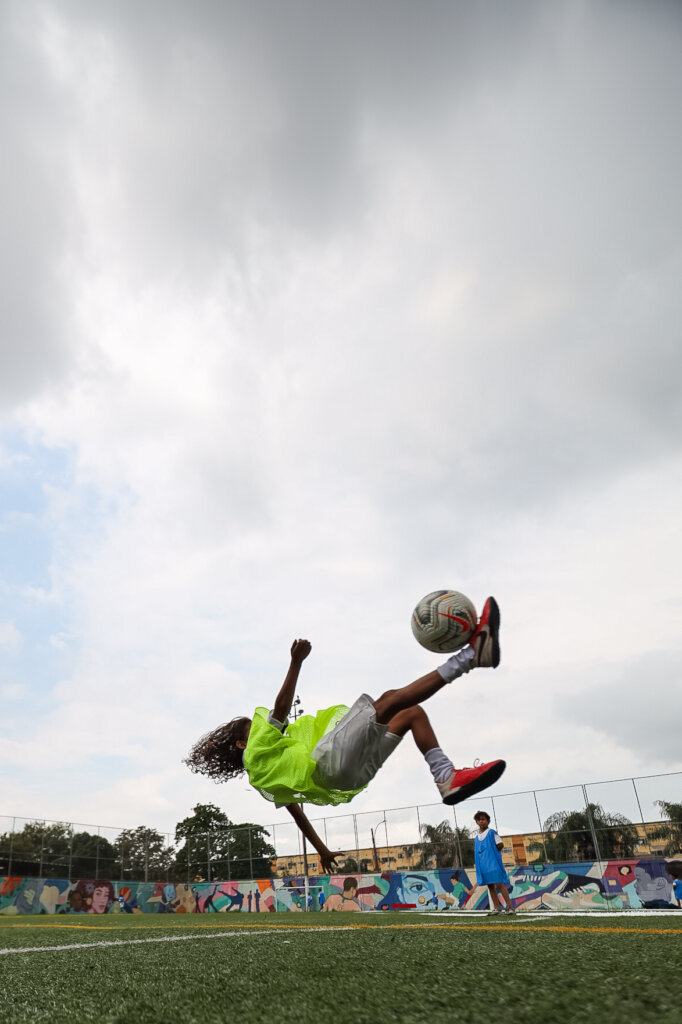
Regarding the activities described as “Sport” in the activity schedule, the project includes students in two phases: sports initiation and sports leadership.
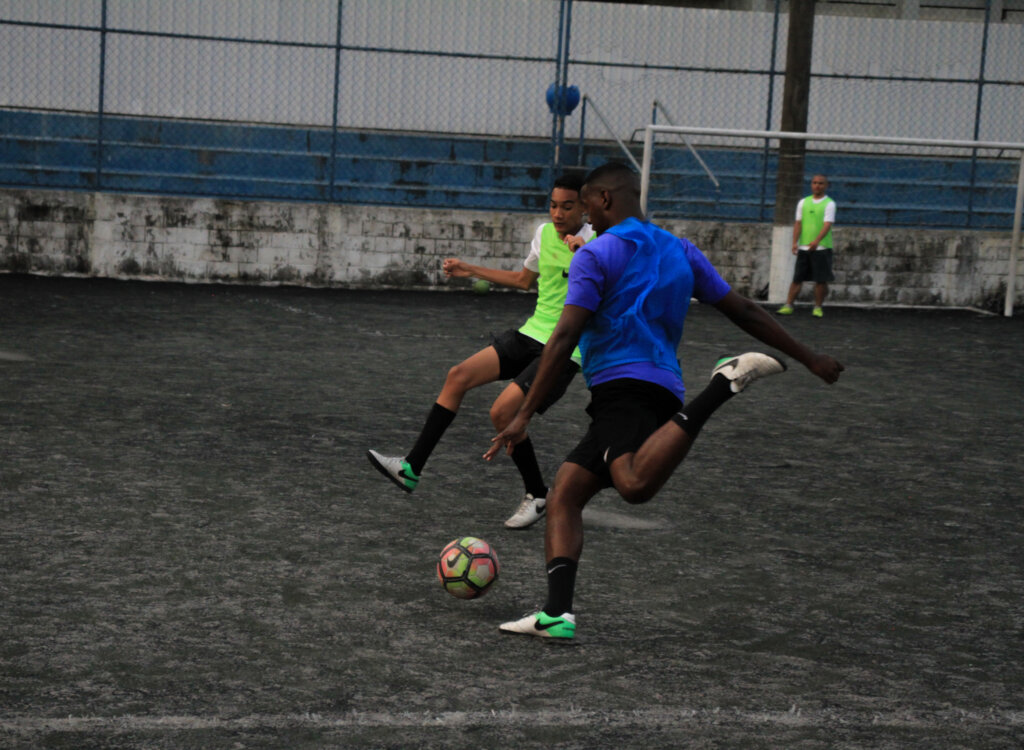
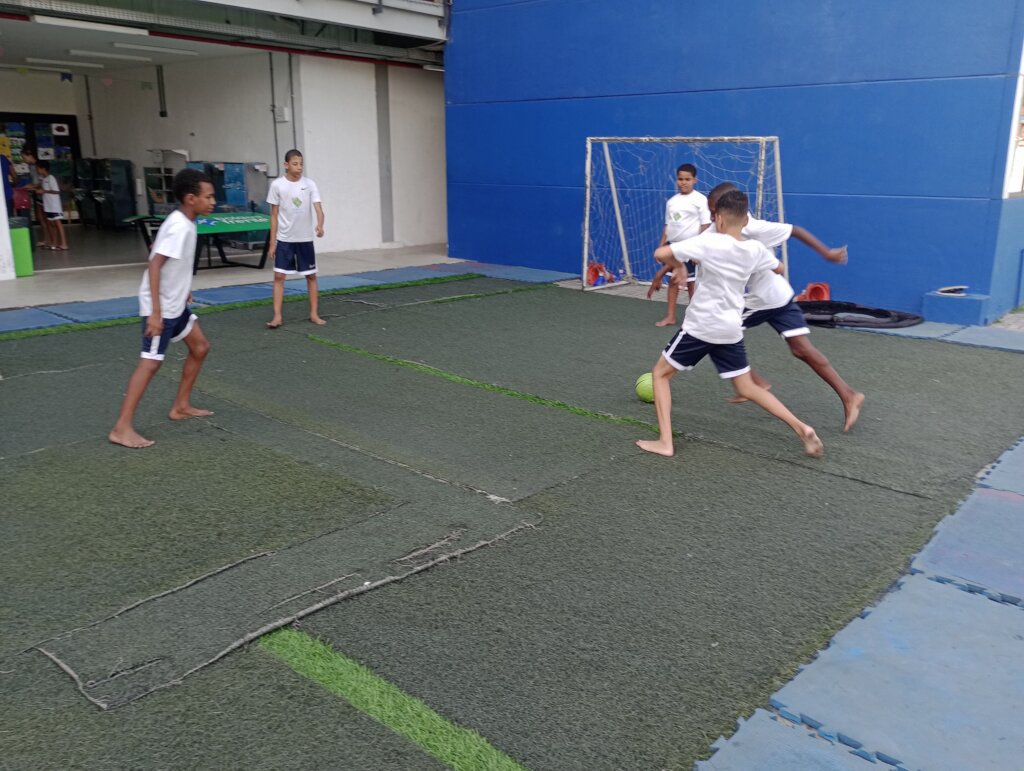
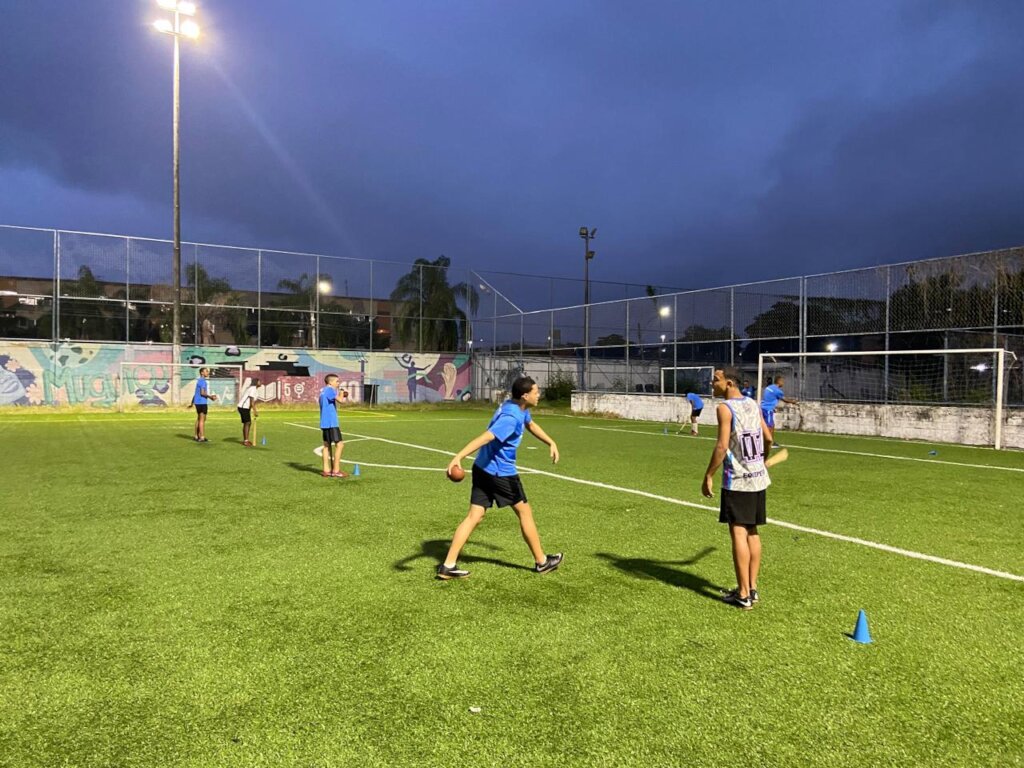
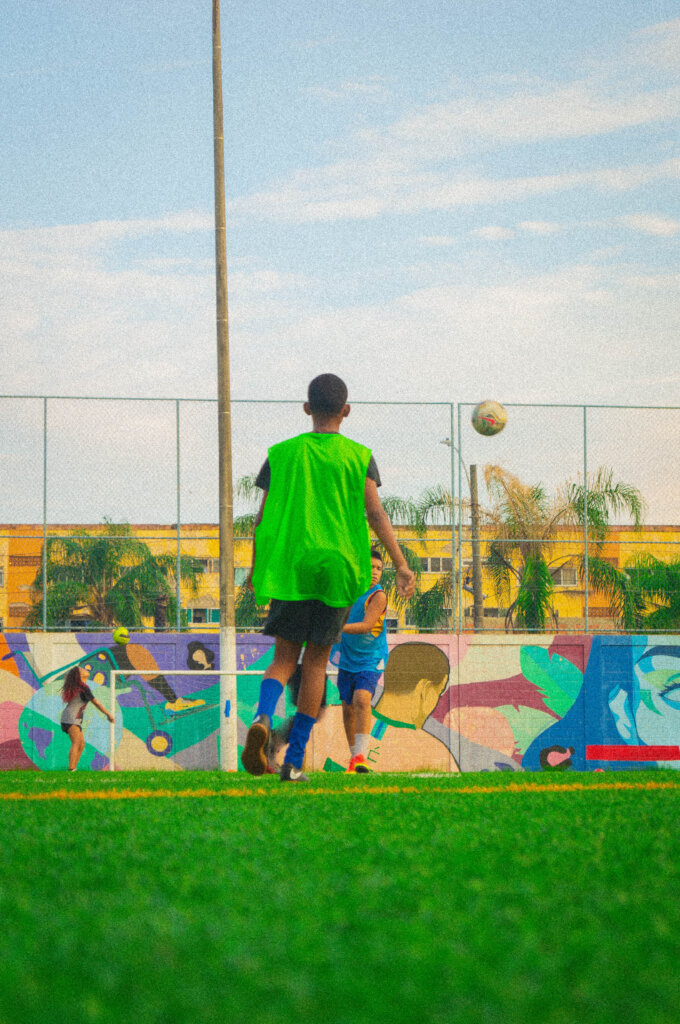
In the initiation phase, adolescents aged 12 to 13 participated in activities aimed at understanding the fundamental principles of the modalities, without early specialization. Less common practices were included, such as Rugby and Field Hockey, in addition to the modalities foreseen in the Work Plan, guaranteeing diversified experiences. The activities were structured around tactical fundamentals, using small-sided games to stimulate engagement, game interpretation, and enjoyment in collective practice, always reflecting on the relationship between cooperation and competition.
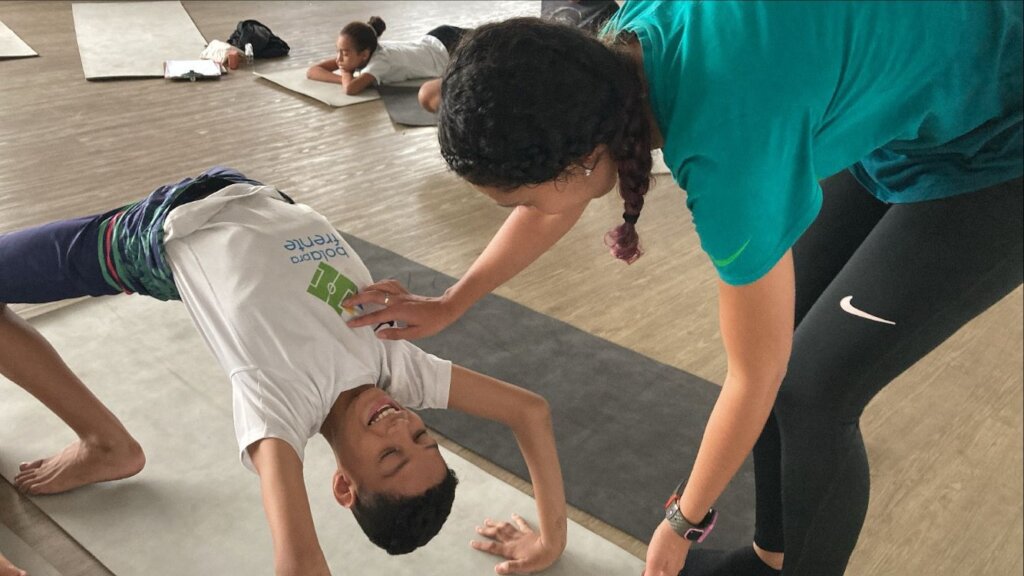
In the leadership stage, intended for students aged 14 to 17, the objective was to train individuals capable of practicing sports and physical activities aimed at health, as well as acting as multipliers in their community. The teaching sought to develop motor and cognitive skills, highlighting rules of action, spatial awareness, and communication between players. The teacher used methodologies that value autonomy, such as open classes, promoting conscious participation and critical choices about which sports to practice.
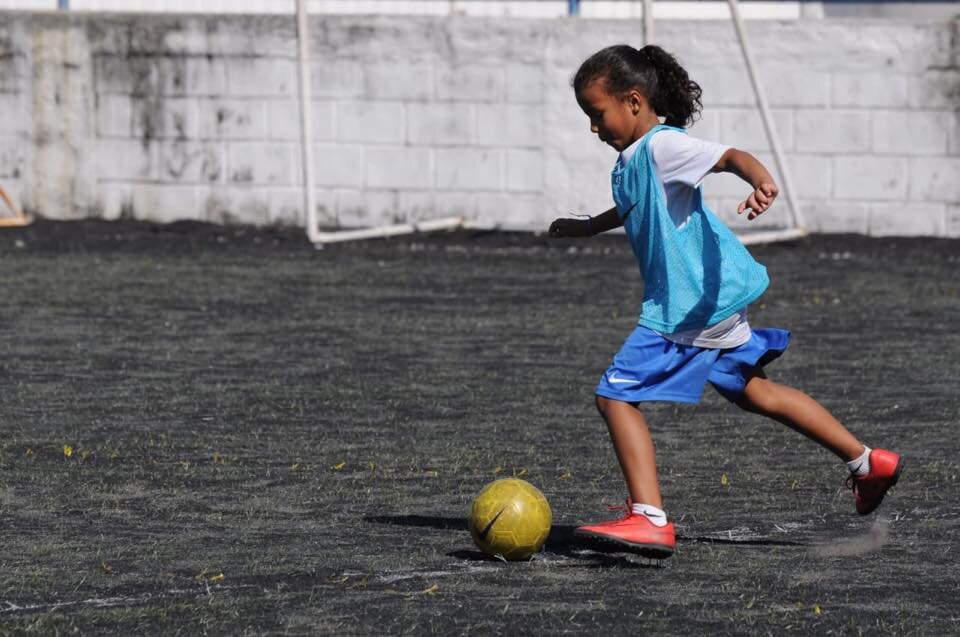
With this inclusive approach, the project offered a variety of modalities, from football, the flagship sport, to Olympic and non-Olympic sports, encouraging broad participation. In the first months, integration dynamics and cooperative games were prioritized for acclimatization in the sports space, creating bonds and strengthening team spirit. These activities explored locomotion and manipulation, using playfulness as a resource for socialization. Despite some initial resistance, there was good acceptance and involvement from most of the students. As the weeks progressed, sports practices and theoretical content were connected using the "Perfect Crossing" methodology. Topics such as the history of the Bola Pra Frente Institute and its founders were covered, relating sport, citizenship, and social responsibility. This approach included group discussions, material presentations, reflective activities, and even a treasure hunt within the Institute's premises. The goal was to inspire young people with stories of overcoming challenges and reinforce the recognition of the value of sport in civic education.
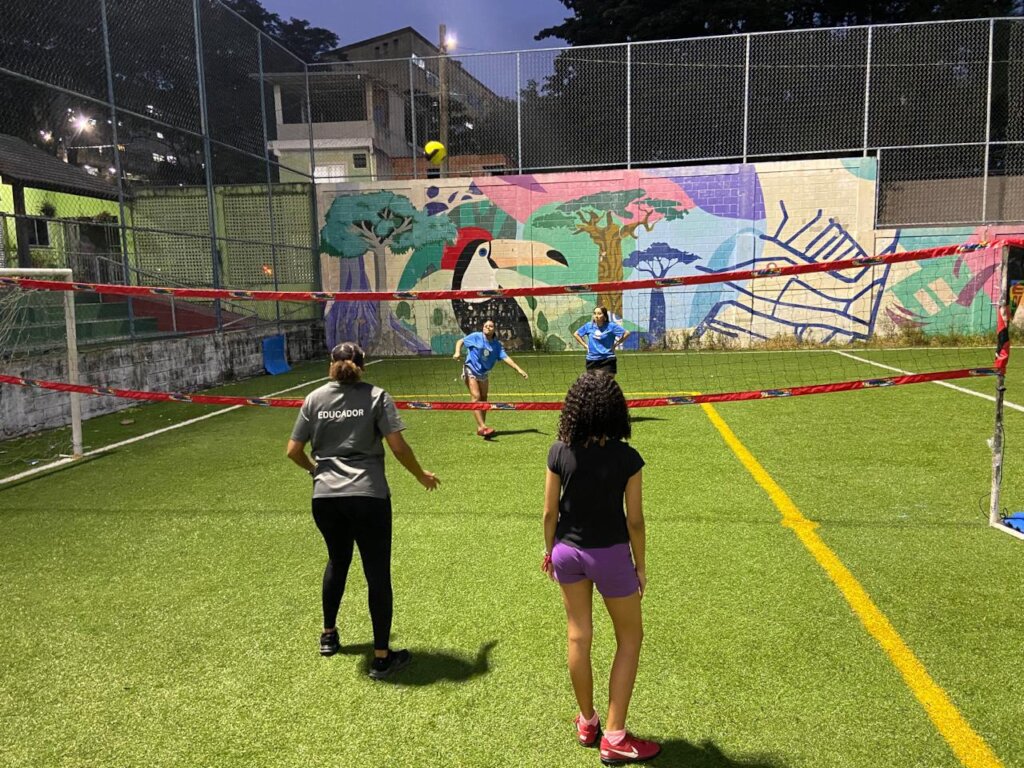
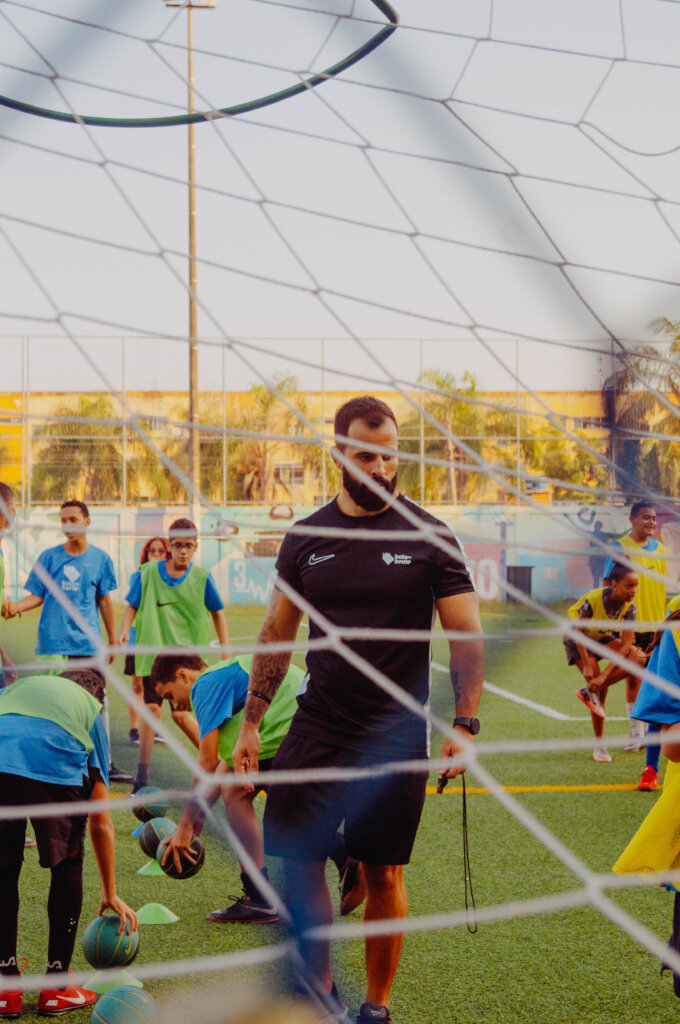
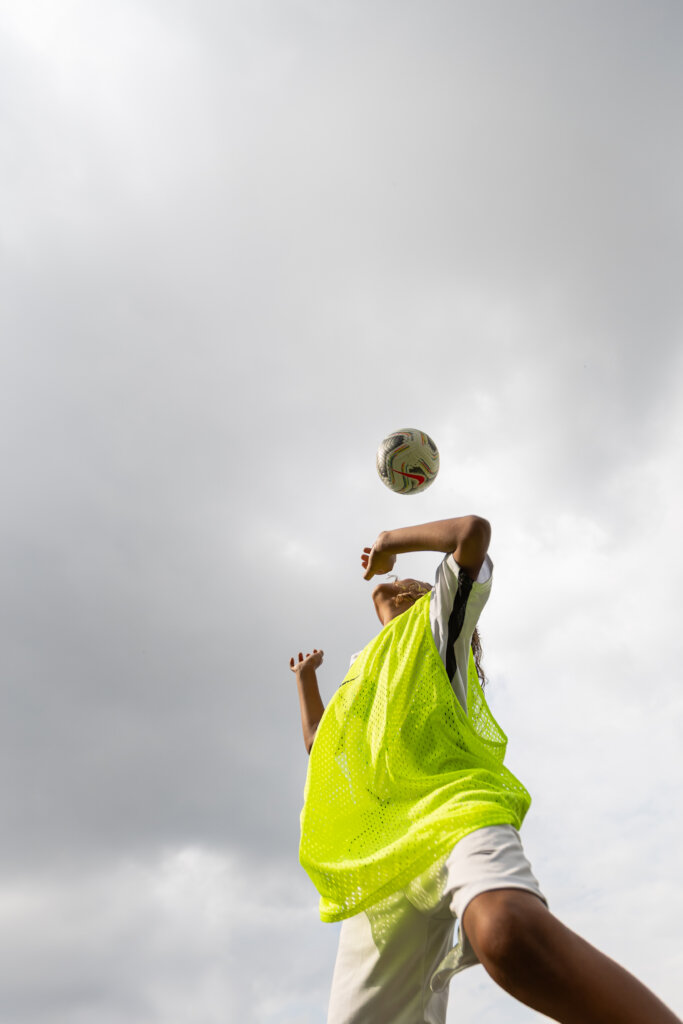
Other activities focused on the sense of community and the development of motor skills, with modalities such as soccer, volleyball, handball, and tag rugby. The work involved basic rules, simple tactical aspects, manipulation and stability, as well as attention and concentration in game situations. Motor circuits were also used, which worked on both basic fundamentals (passing, receiving, shooting) and movement without the ball (running, jumping, changes of direction). In these practices, a high level of engagement was observed, although some students showed initial difficulties, while others already demonstrated greater mastery. More competitive and more cooperative profiles were identified, which will guide future pedagogical planning.
Regarding the Citizenship activities, the project carried out activities focused on civic practice and reflection on the role of sport in the daily lives of the students, considering the context of the Muquiço Complex (a group of favelas where the students live) and the individual trajectories of the participants.
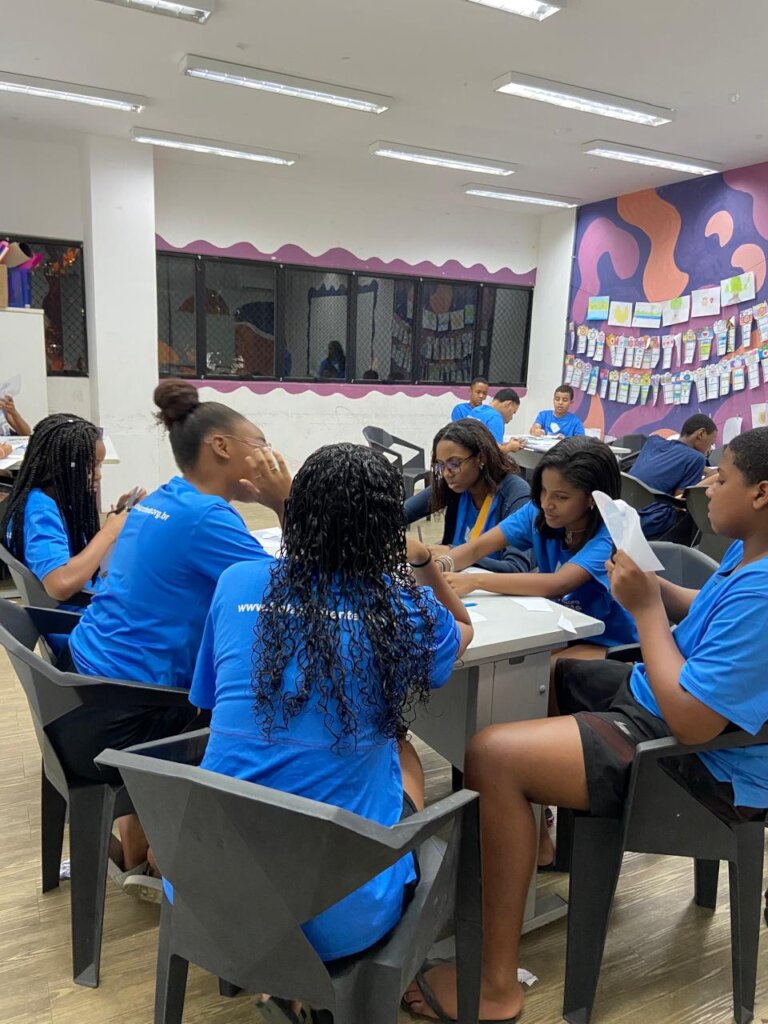
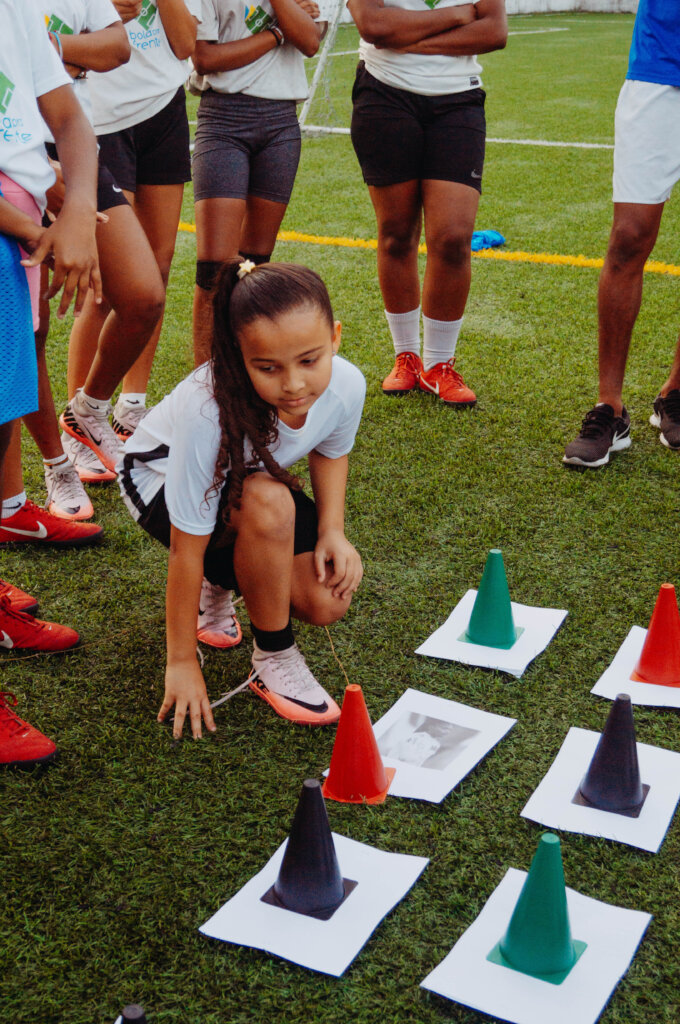
In this set of activities, the territory of the Muquiço Complex was one of the guiding axes of the first semester's curriculum. In the first months, activities were carried out about the territory, where the students identified the sports, commercial, and leisure spaces of the Muquiço Complex, marking the territorial boundaries of the region on a map. In these activities, it was possible to expand knowledge about the territory through classes that proposed thinking about Muquiço in an integrated way with the city of Rio de Janeiro. In these classes, the groups compared a map of Rio de Janeiro divided by zones and a drawing by an artist identifying the Deodoro neighborhood, with the aim of identifying which neighborhoods surround the Complex, understanding that the territory is on the border between the north and west zones (generating reflections on this), and finally, analyzing the importance of the region, considering the central place it occupies in the city's rail and road transport routes.
Activities were also carried out to develop the recognition of rights and duties, focusing on the values and attitudes of the public. Thus, the notion of rights and duties was presented with a focus on the right of access to sport. The artists who participated in the Cores do Brasil project (an initiative of the Rio de Janeiro City Hall that transformed Avenida Brasil into the largest open-air urban art gallery in Latin America, on a route that starts at the Gentileza Terminal and reaches Muquiço, at the Deodoro Bus Terminal) were also studied, especially the artist Igor Izy, who is a local artist and participated in the Institute's sports activities in the past.
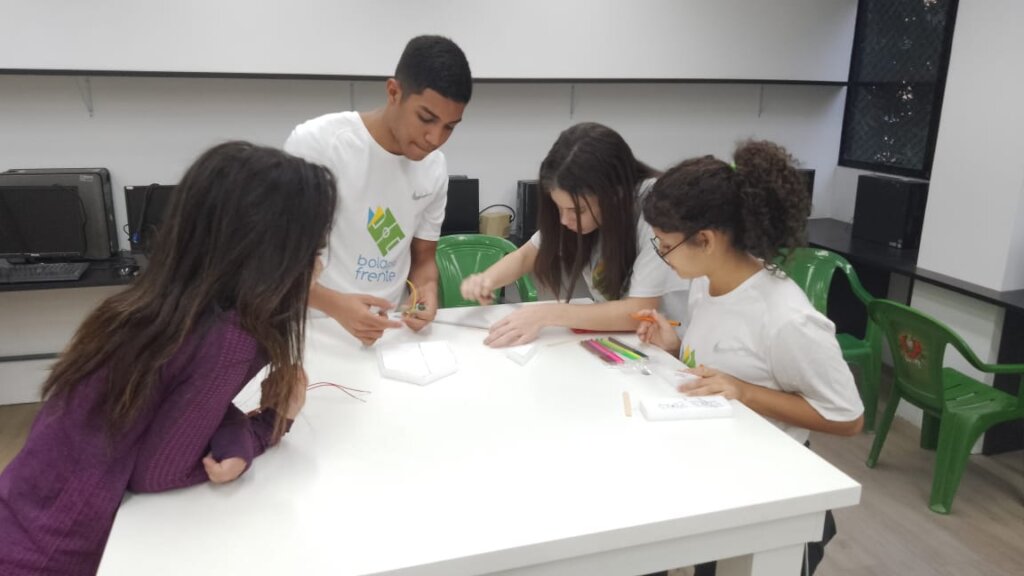
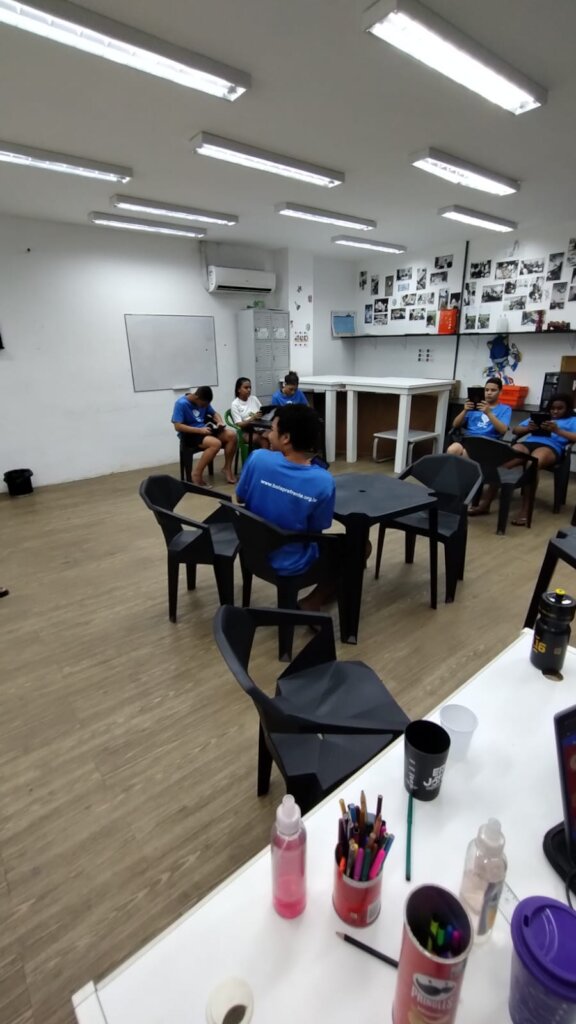
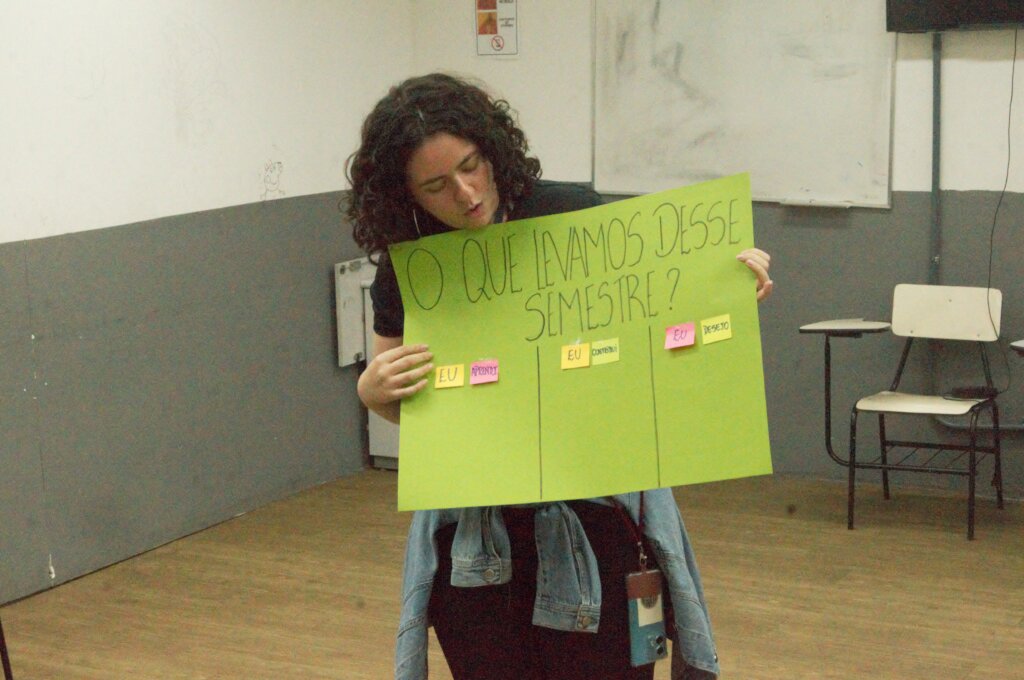
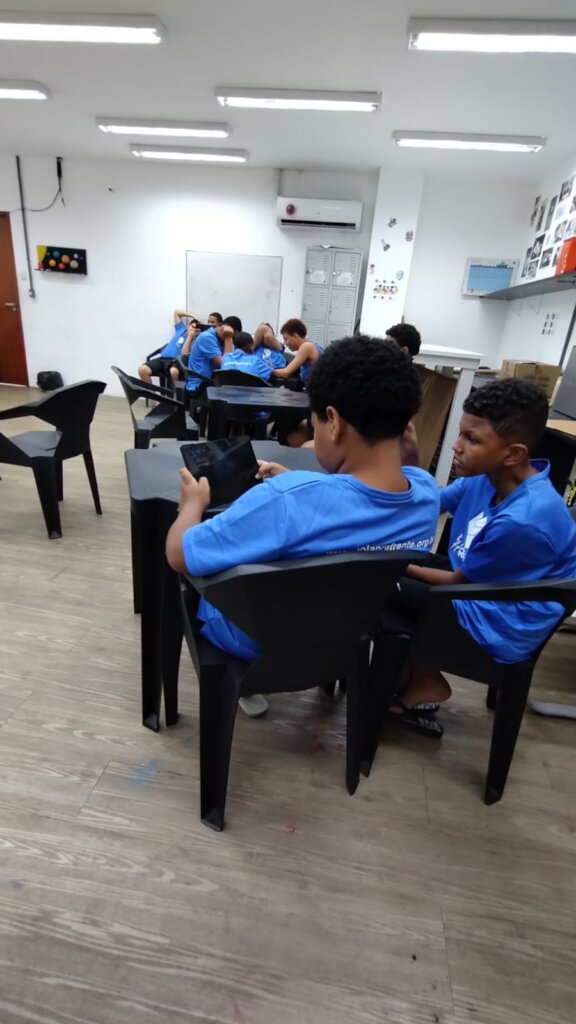
As for the technology activities, the planned actions were designed to address different activities in this first semester. Thus, some integrative games and playful activities were used. The project began with the use of Generative Artificial Intelligence, in which students created song lyrics in groups using tablets and watched the transformation of these lyrics into songs by AI, stimulating creativity and debate about technology and content generation. Another positive aspect of this set of activities was the focus on e-Sports games, in which students explored digital tools. This fostered motor coordination and familiarity with technology in a playful way. Another set of activities focused more on the functioning of technology. In these activities, the aim was to explain, quickly and playfully, the functioning of the binary system using dynamics with lamps and cards. The concept of physical components and computer programs was also addressed with everyday examples. Students identified the basic differences and functions of each part. In one of these activities, a data classification game was played. In this game, students were divided into groups and instructed to simulate the organization of data like a computer, using categories and logical rules. They learned about processes of information storage and retrieval.
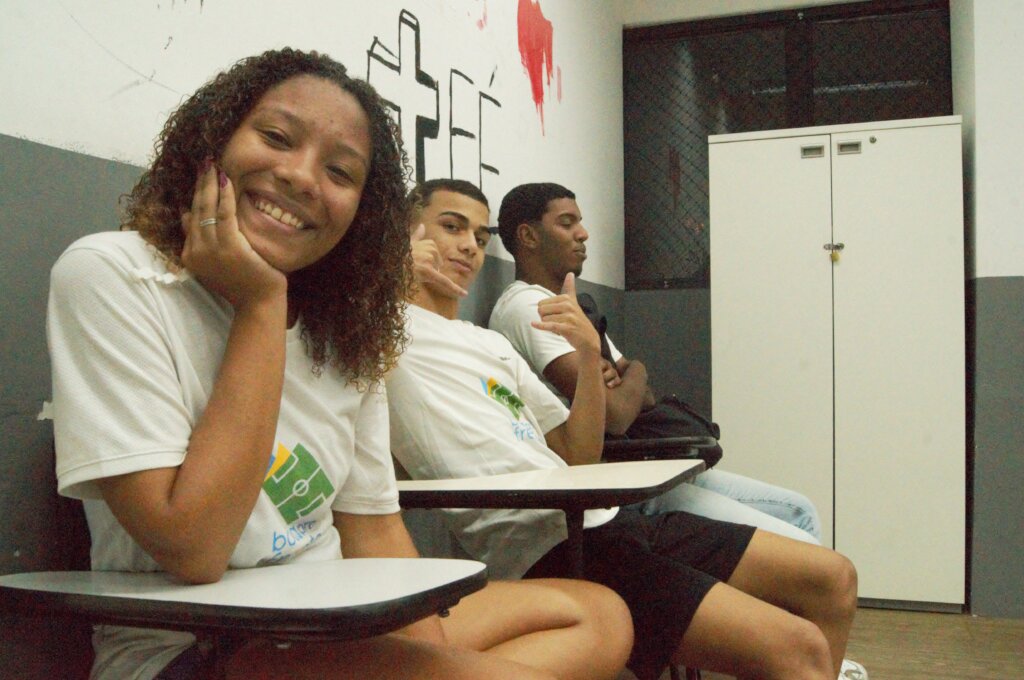
The project's 2025 activity calendar was planned to accommodate the provision of in-person activities at the Institute for all students. In a total of thirty-eight weeks of activities, the content was distributed in the course plans organized for each cycle. Classes always take place outside of regular school hours, and students attend the Institute twice a week.
All students participate in the training tracks of the three areas – educational sports, technology, and citizenship. Weekly, students participate in a sports class, a digital literacy activity, and a citizenship class.
In addition to the regular activities, the pedagogical calendar includes activities in partnership with the project's technical team – composed of a social worker, a psychologist, and a nursing technician.
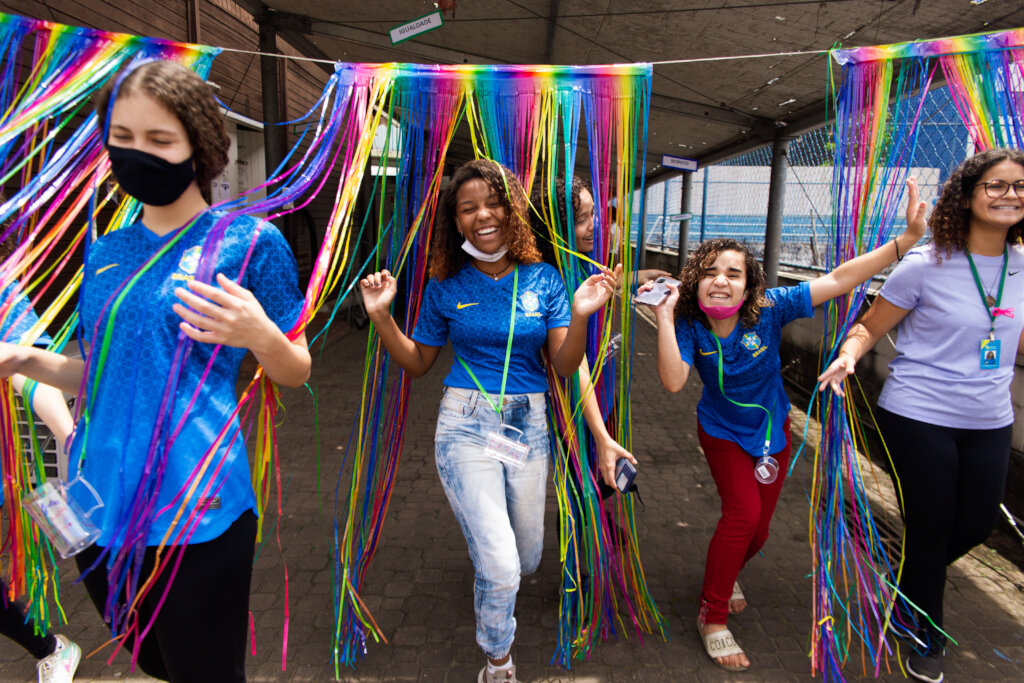
In the field of psychology, the main activity carried out so far was the "Orange May" campaign – which focused on raising awareness and addressing the importance of caring for mental health. This activity was developed by the psychologist who works with the project, in conjunction with the coordination and educators, as we understand that these are issues that need to be addressed with sensitivity and care, because as these issues are raised by the students, it is necessary to provide support. Furthermore, some situations reported by the students, and later investigated by the technical team, require that the students seek more individualized care, due to the complexity of the issues they present and demand in the field of mental health. At this point, the technical team guides the students' guardians to seek help from the nearest and most accessible public health and psychology services in the area.
We understand that this type of articulated pedagogical action, even if it does not fully meet the demands of those served, is fundamental in the learning and development processes of the students, as it helps to diagnose cases of students with special educational needs who require continuous and specialized care.
We can also highlight an activity organized by the nursing technician that enabled the training of all Institute collaborators. Before the start of activities, the nursing technician and the psychologist presented the First Aid Protocol to the team. This protocol was developed taking into account the specificities and needs of the Institute. This training, focused on first aid and protocols to be adopted according to specific situations, was fundamental to further qualify the work of educators and other professionals who work directly in pedagogical activities (inspectors, coordination), as well as those who work indirectly (cleaning staff, security guards, and others).
Throughout the academic year, activities promoted by the social service were carried out, such as access to the issuance of documents and social benefits that cover students enrolled in high school.
In addition to these activities, sporting events focused on educational development, without a focus on performance, were held, such as the Fair Play Tournament, the Bola Volleyball Super League and the Bola Brazilian Championship, as well as the practice of various sports, and visits to cultural centers and museums.
As positive points in this second monitoring report, we highlight the sports activities developed in the project so far, which have proven to be an important instrument for promoting the physical and emotional health of the children and adolescents served. More than just promoting physical fitness, sports practices have significantly contributed to the development of socio-emotional skills, such as emotional control, self-care and care for others, and the constructive resolution of conflicts. These experiences strengthen the participants' autonomy and contribute to the formation of more balanced, resilient, and socially conscious individuals.
Another positive aspect of the project is the constant encouragement of reading activities, which have also stood out for their impact on expanding the creativity and critical thinking of the students. Through reading circles, text analysis, and original productions, the project stimulates imagination and contact with different realities, favoring the understanding of multiple points of view. By encouraging debate and reflection, the reading activities have been consolidating fundamental skills for oral and written expression, as well as for the full exercise of citizenship.
Another highlight is the adoption of active methodologies, especially the use of games and gamification elements in the pedagogical process. These strategies have made learning more engaging and interactive, stimulating logical reasoning, curiosity, and the ability to solve problems. By experiencing challenges and experiments, students assume the role of protagonists in their own learning, strengthening motivation, autonomy, and a love of knowledge.
However, based on the observation and monitoring of the activities and the students, we can highlight four aspects that require the attention of the pedagogical and technical team in order to improve the effectiveness of the project and the students' progress in the training pathways.
Among them is the irregular attendance of the students. One of the main challenges observed is the irregular attendance of the students at the activities proposed at the institute. Many of them are absent without justification, which significantly hinders consistency in the learning process. We know that irregular attendance compromises the assimilation of content, the development of skills, and the strengthening of the connection with the project. To mitigate this situation, the following measures will be taken: guiding and talking directly with the students to encourage a sense of self-responsibility and management of their activities; contacting the families of students who are absent without justification to reinforce the importance of attendance and also to bring families closer to the Institute so that they can contribute to this educational process; and creating channels for listening to students to identify issues such as demotivation and disinterest in the proposed activities.
Another area for improvement is adherence to guidelines regarding cell phone use. Despite clear rules, some students, especially teenagers aged 14 to 17, insist on using their phones during classes, which interferes with concentration and the quality of learning. It should be noted that Law No. 15,100 of January 13, 2025, establishes restrictions on the use of portable electronic devices by students in public and private basic education schools. The Bola Pra Frente Institute works to reinforce this legislation and promote educational actions that raise awareness among students about the impacts of improper cell phone use.
Another negative point observed is the insufficient support from families for students in their educational journey. Generally, families only come to the Institute in situations related to disciplinary problems, which demonstrates limited participation in monitoring the learning process. To strengthen this partnership, it is important to promote actions to bring families closer and engage in dialogue with them, clarifying the importance of continuous family involvement in the activities offered at the Institute.
In conclusion, we emphasize that identifying these areas for improvement is fundamental to guiding actions that promote the enhancement of the project. Investing in regular attendance, awareness of responsible cell phone use, activity management, collaboration with the school, and strengthening the bond with families are essential steps to create a more conducive environment for the holistic development of the students.
![Student in sport class]()
Student in sport class
![Student in sport class]()
Student in sport class
![Educational class]()
Educational class
![Educational class]()
Educational class
![Technological class]()
Technological class
Links:
Attachments:
![Share on Twitter]()
![Share on Facebook]()