By Margaret Mac Sems | Project Director
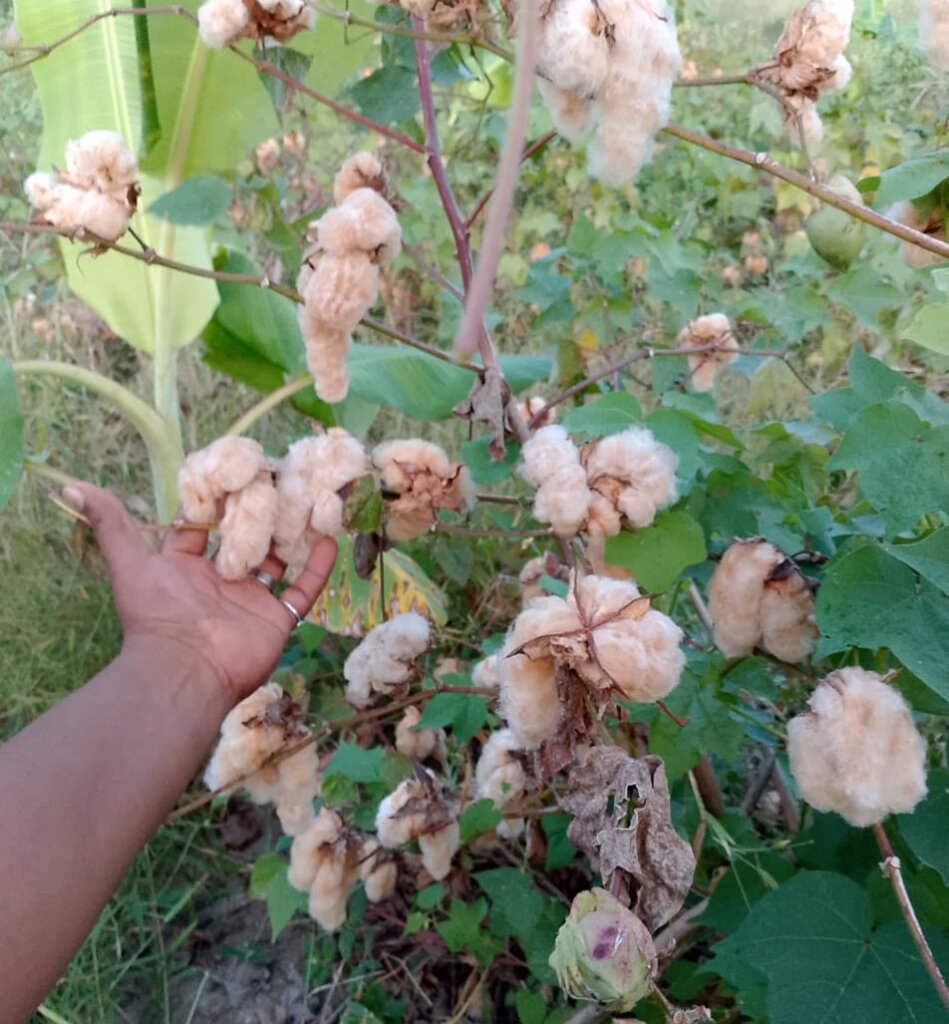
We have good news! Most of the 963 kilos of cotton harvested in 2026 was GMO-free. That is because, this past planting season (2025) we had produced enough clean seeds from the Clean Seed Program to share with most of the Ñu’u Ndito farmers! Which is a direct result of support for this project!
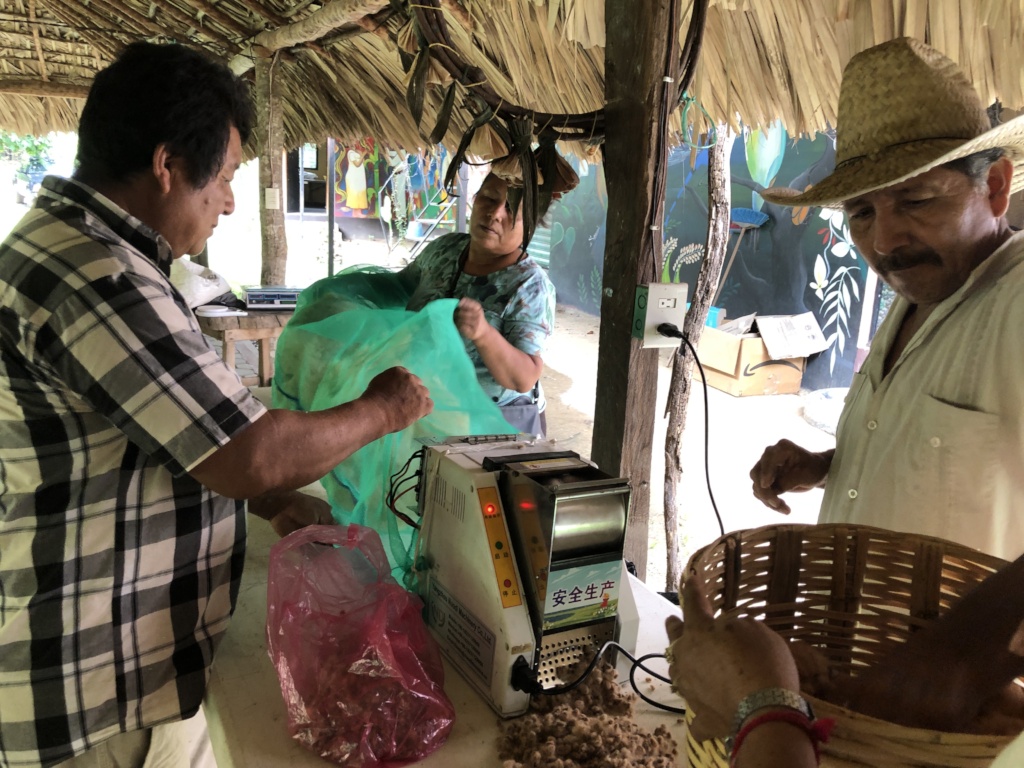
This year was the first time that the farmer’s production of cotton also yielded clean seeds, which we can now redistribute within the group. This means that the farmers have more seed to plant this year, which should lead to a larger harvest of fiber and clean seeds. Not only that, but already we have enough clean seeds to share with new participants, which will most likely also result in a larger cotton harvest in January 2027.
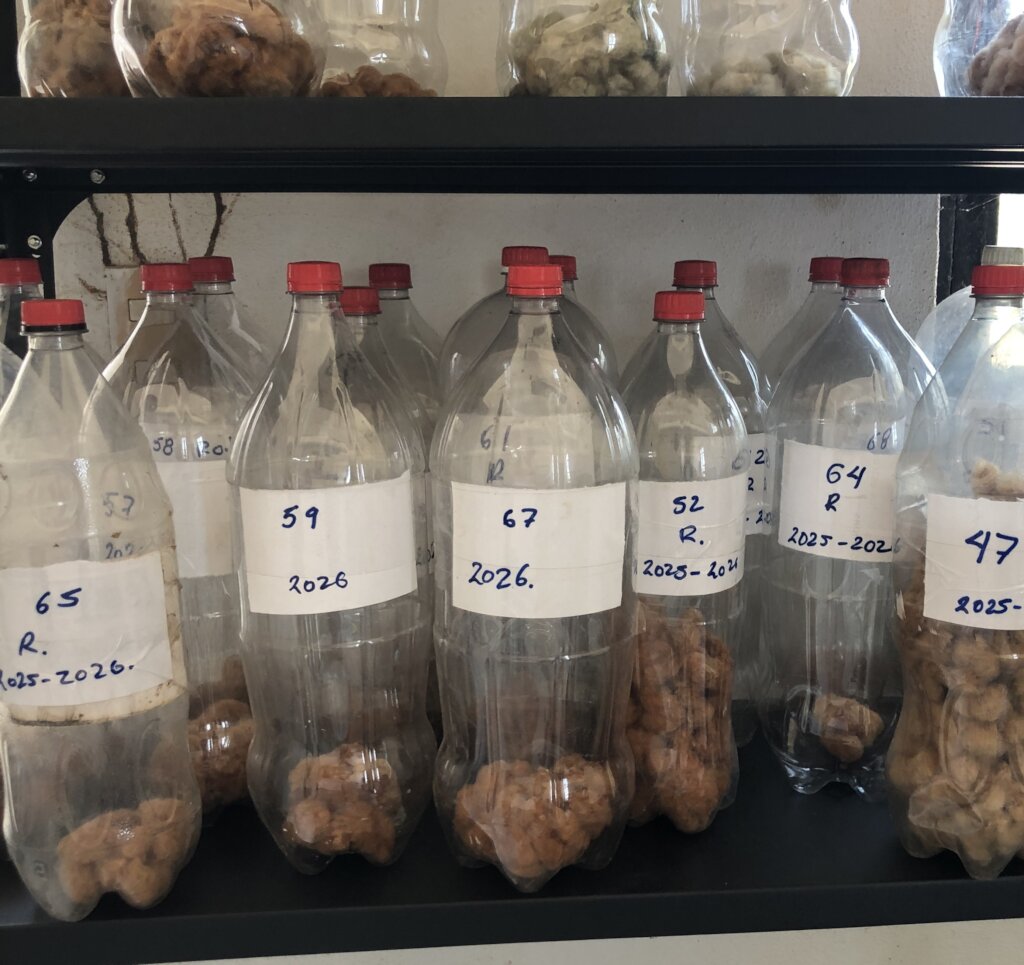
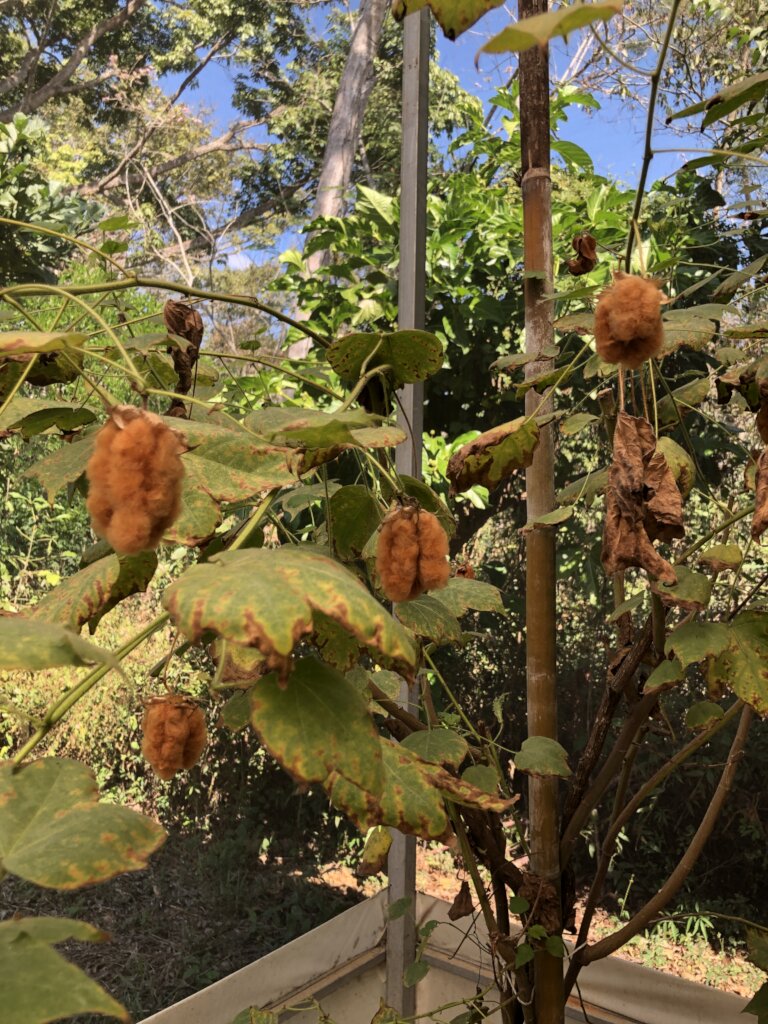
The maintenance of the program is, in essence, the maintenance of a living seedbank of GMO-free, native, colored cotton plants. Whereas it is true that we produced many clean seeds this year, they won’t stay clean forever. The potential for recontamination is very high, which means that we need to continue producing clean seeds that have been protected and then tested and thus are guaranteed to be GMO free.
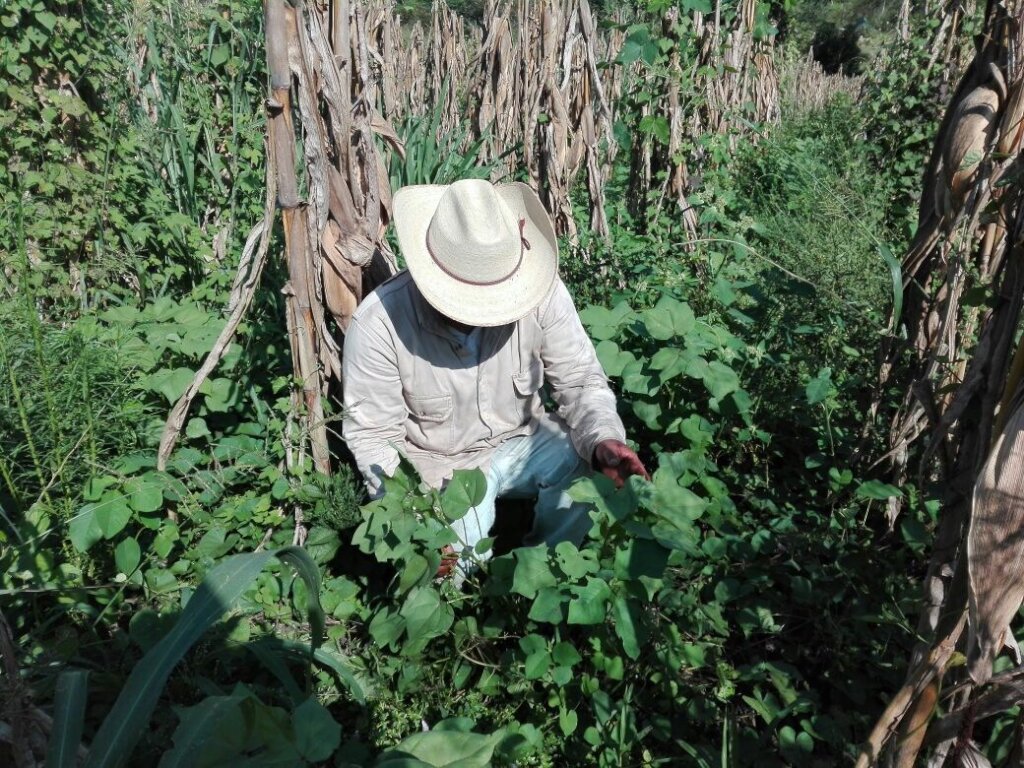
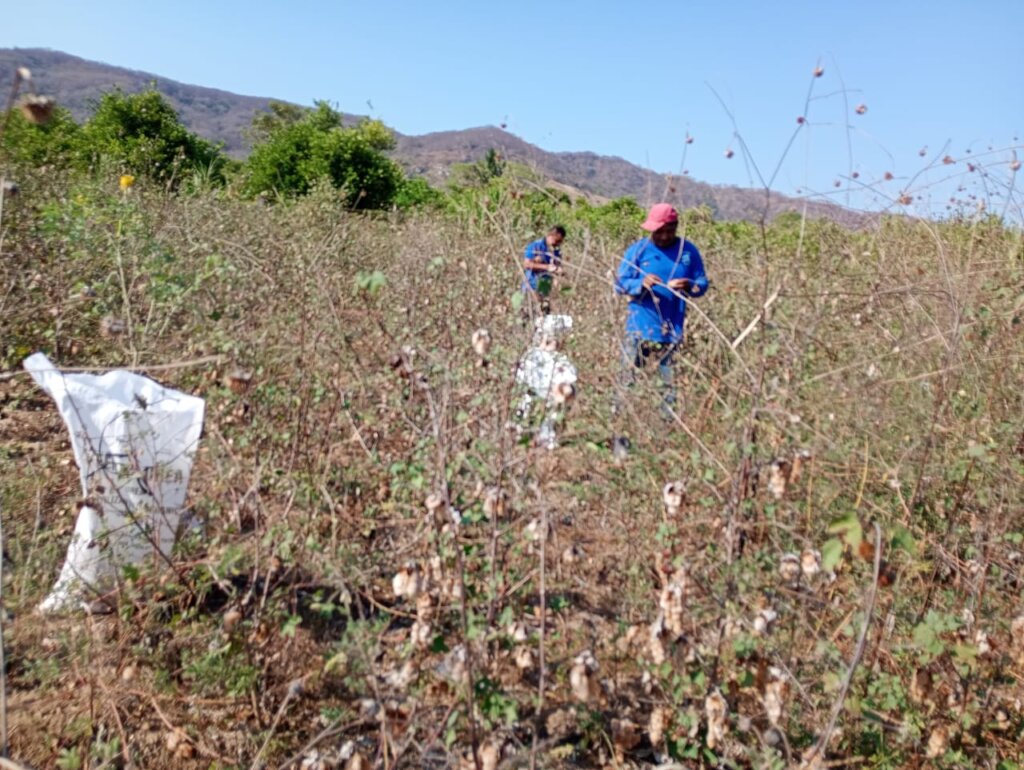
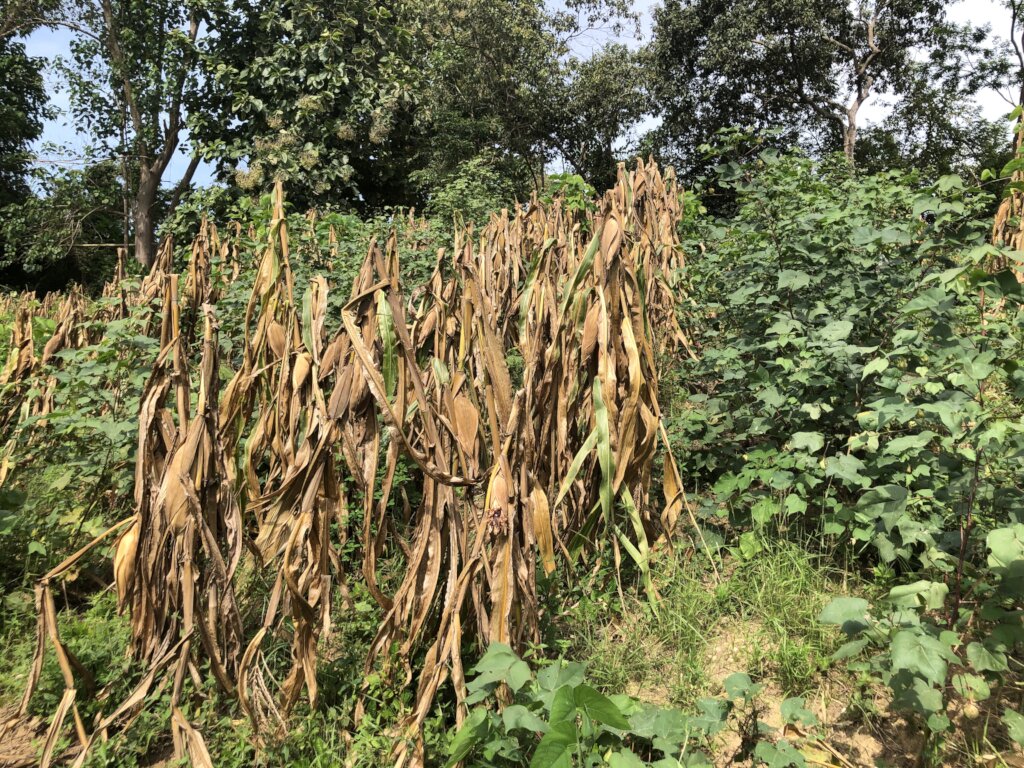
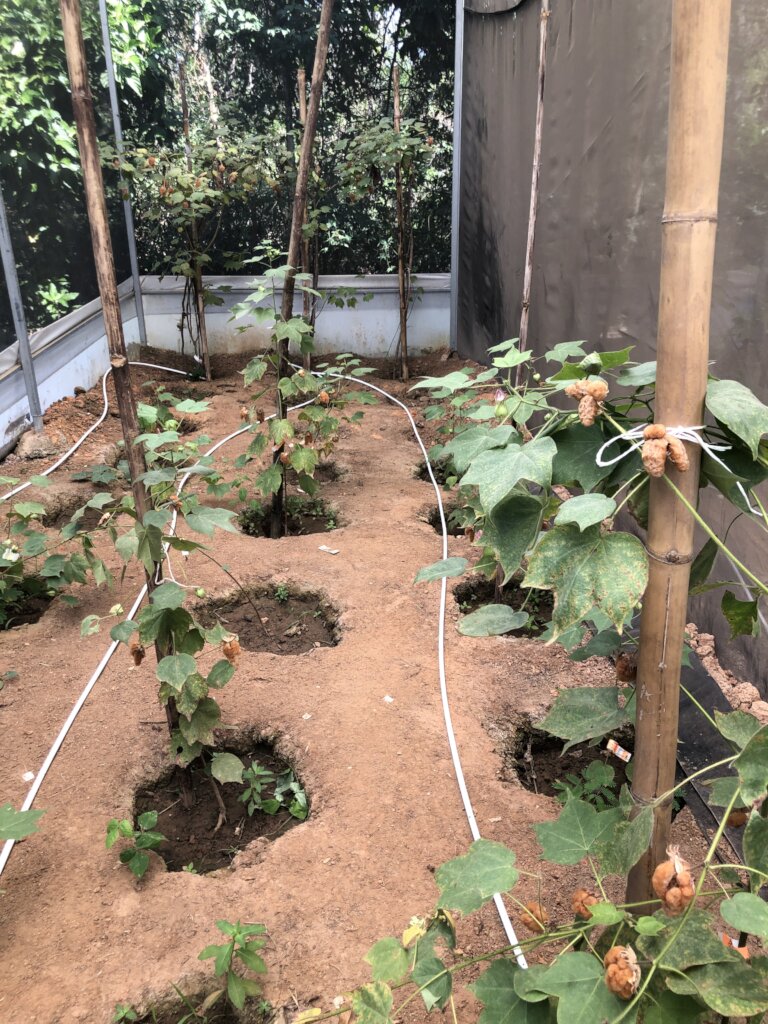
The CATA field station is also a place we can experiment with different ways to manage cotton in the field. Kevin Santiago, a student at the Pinotepa Nacional Institute of Technology, conducted an experiment with brown cotton (coyuchi) at the CATA during the 2025-26 crop cycle. He planted a 10 x 10-meter plot and a control plot, both featuring cotton intercropped with corn. The hypothesis was that the corn would help mitigate damage caused by the boll weevil—and that is exactly what happened. Two kilograms of cotton were harvested from this 10 x 20-meter area (despite a cow wandering in). In contrast, the perennial and annual plots without corn yielded zero cotton due to boll weevil damage.
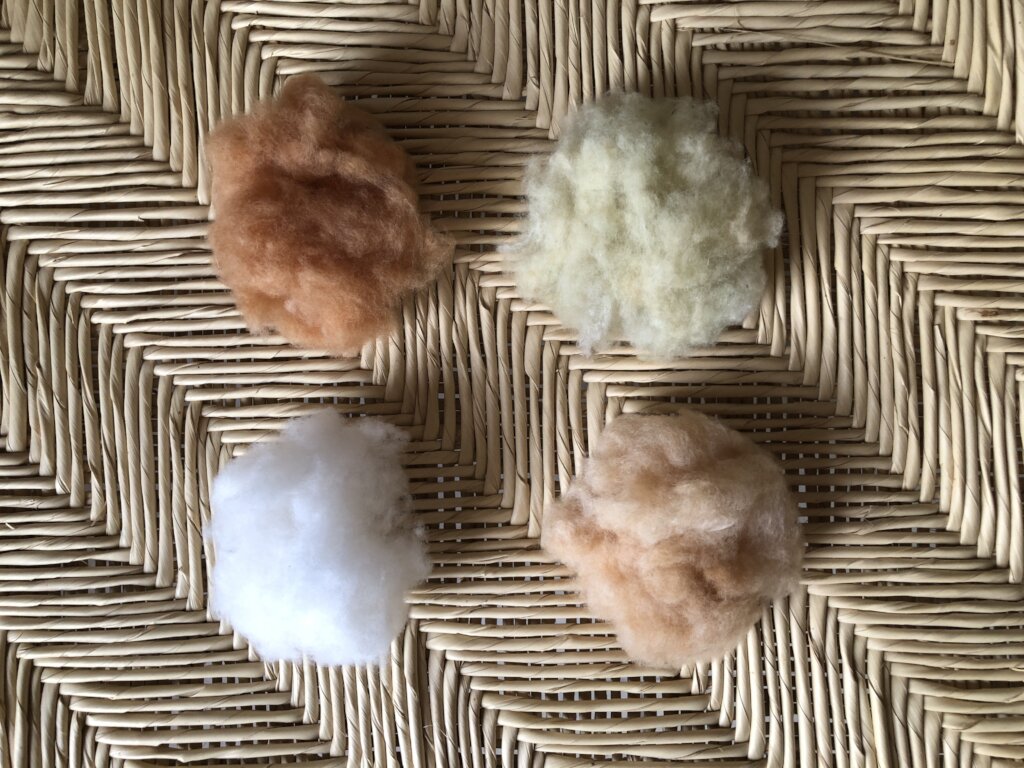
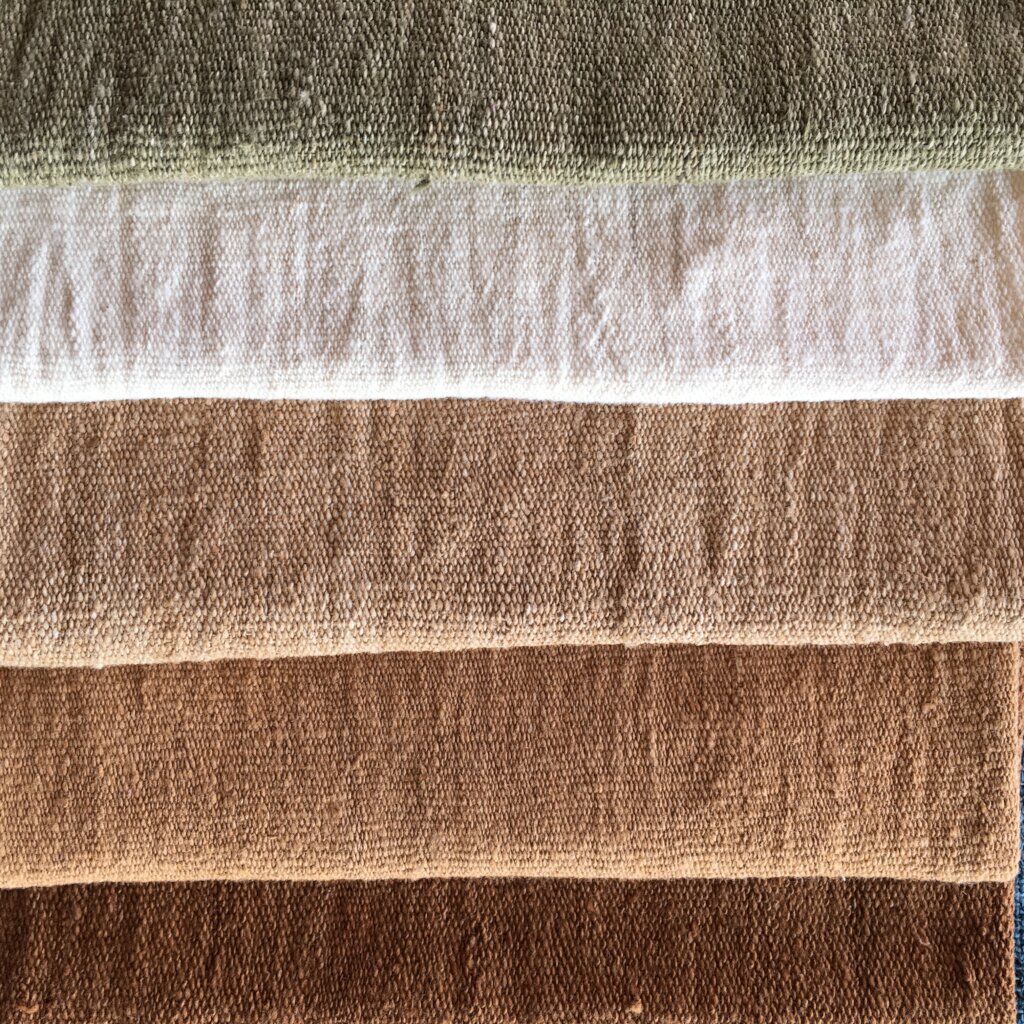
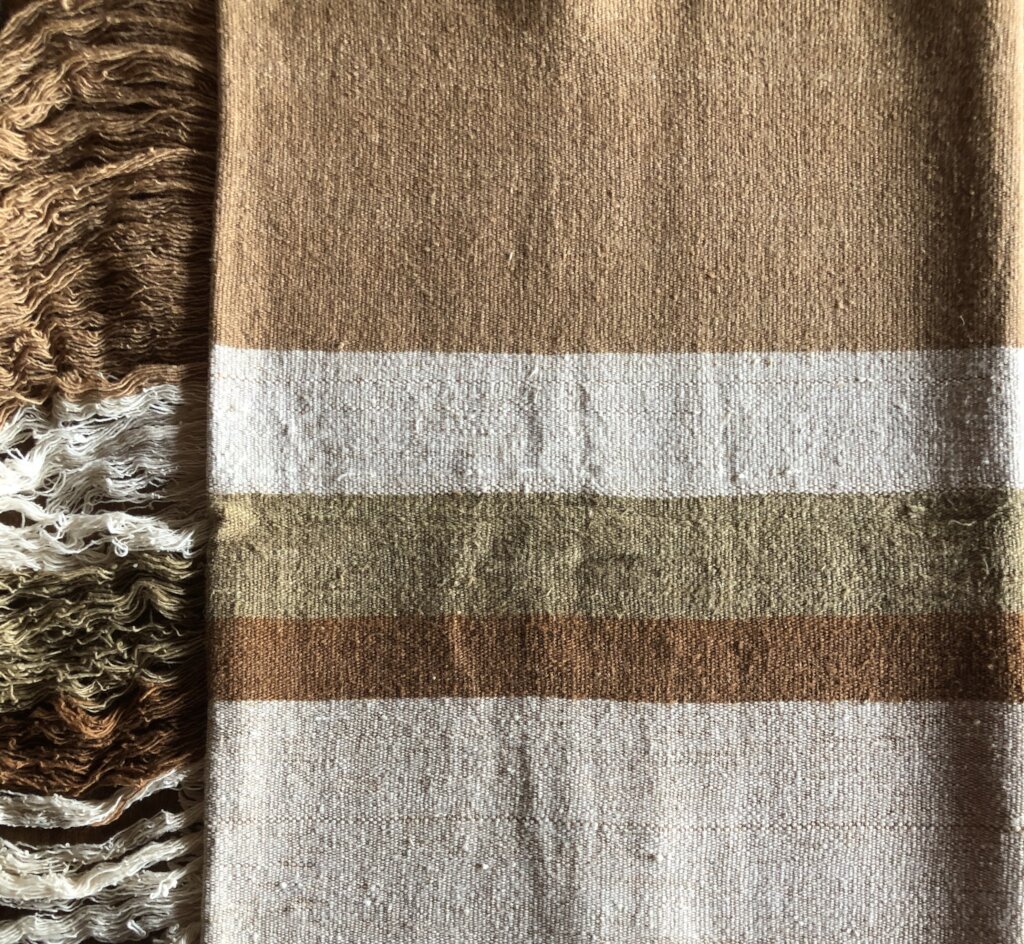
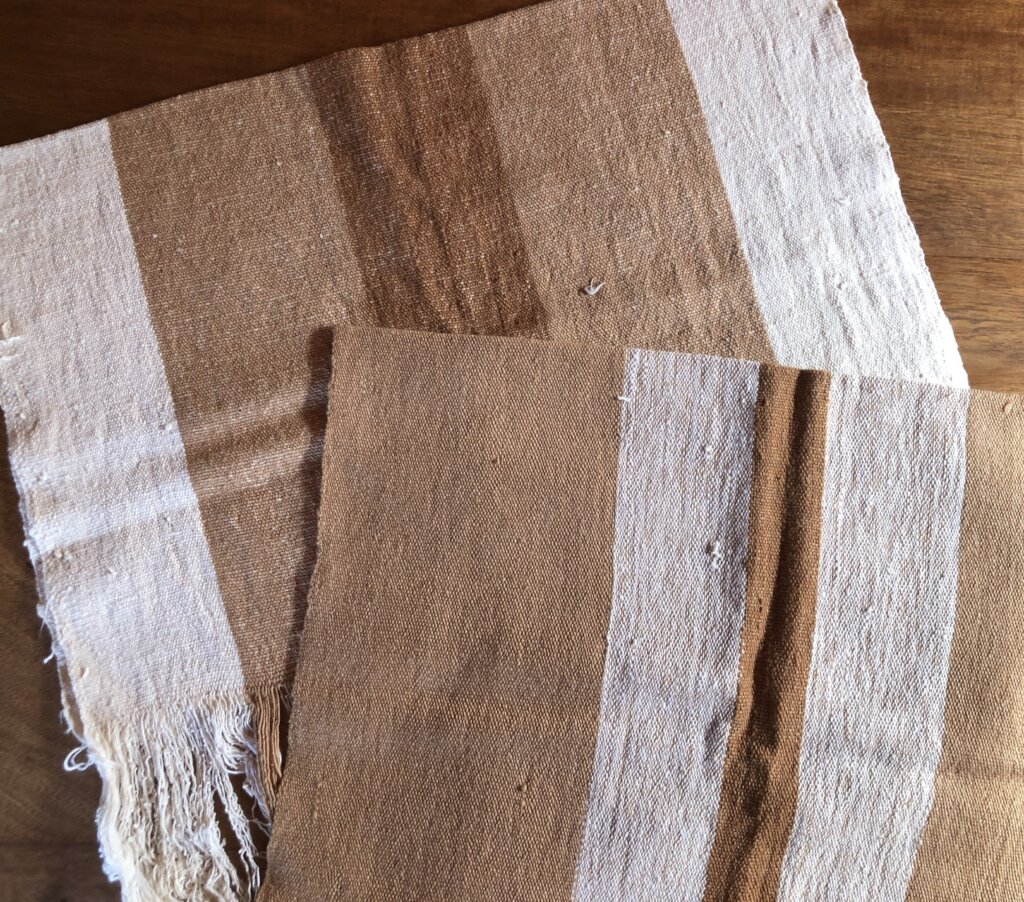
Earlier this year the first two GMO-free textiles were spun and woven from cotton fiber from this project. They were made by the Katyi Ya’a native cotton textile collective in San Juan Colorado. Early members of Katyi Ya’a were integral to the initial rescue of native colored cotton in the region.
Please help us to conserve this endemic species of cotton in its site of origin, for the benefit of humanity, for the protection of local insect populations and for the cultural heritage of regional artisans who hand spin it.
By Margaret MacSems | Project Director
Project reports on GlobalGiving are posted directly to globalgiving.org by Project Leaders as they are completed, generally every 3-4 months. To protect the integrity of these documents, GlobalGiving does not alter them; therefore you may find some language or formatting issues.
If you donate to this project or have donated to this project, you can receive an email when this project posts a report. You can also subscribe for reports without donating.



Support this important cause by creating a personalized fundraising page.
Start a Fundraiser