By Surojit Mondal | Project Coordinator
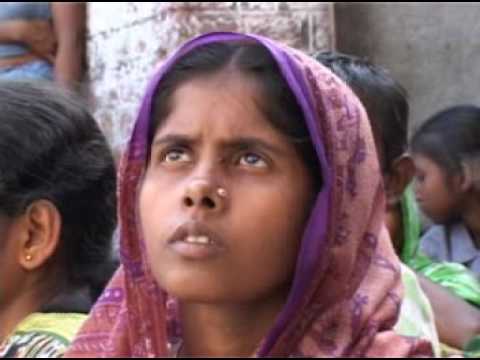
In the Sundarban area, there are several islands; the people living in this area are extremely vulnerable in regard to education facilities, health care, mode of communication, livelihood, civic amenities like road, electricity etc. The deltaic region of Sundarbans is very much prone to natural calamities like tidal surge, breach of river embankments, cyclone, flood etc. The inhabitants mostly living in abject poverty, are struggling for survival and combating against natural calamity. People in this Gram Panchayat, where the school is situated mostly depend on agriculture and daily labour. As alternative source of earning many have to work as day labourer in metropolitan cities in India Kolkata, Delhi leaving behind their family and children whose basic education often remains unattained. Even many of the modern school goers are virtually, first generation learners as education as an important component of upbringing has been neglected owing to involvement of children into income generation activities to supplement the handful income of their abjectly poor parents their infancy are over and remain deprived of the minimum rights of children not to mention about their education. The condition of girls is more pitiful than the boys.
The rural agglomeration of the population in the Nandakumarpur area, Sundarban, South 24 Parganas, West Bengal, India consists both of the communities namely Hindus and the Muslims. Many of the Hindu families belong to Scheduled Caste (SC), Scheduled Tribe (ST) and Other Backward Class (OBC) categories. As have already been mentioned, literacy rate here is also poor which is affecting the awareness level of the population.
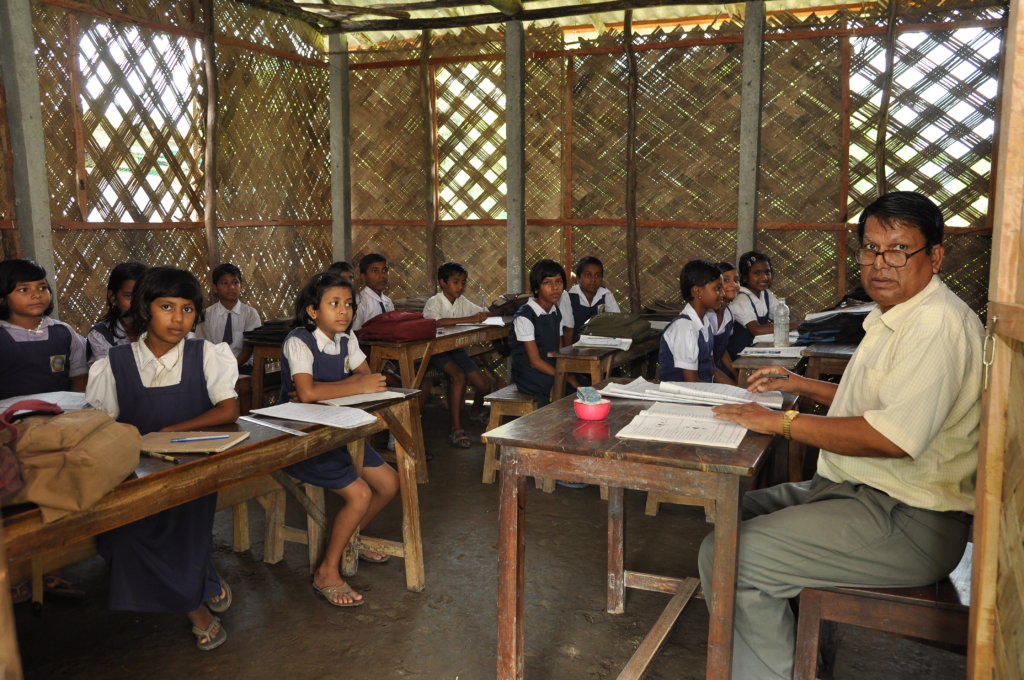
In general, in Sundarban region the teaching–learning environment and quality of education is unsatisfactory. If possible and affordable, parents prefer to send their children to private schools. However, marginal groups are not in an economical position to enroll children in private schools. As such, they are forced to rely on the public school system which is inadequate and ill-equipped. The stakeholders of these public schools are unable to ensure accountability of the system for quality education. Therefore; there is need of a school of quality education, which will create opportunity for those deprived children allowing them to alleviate themselves from poverty.
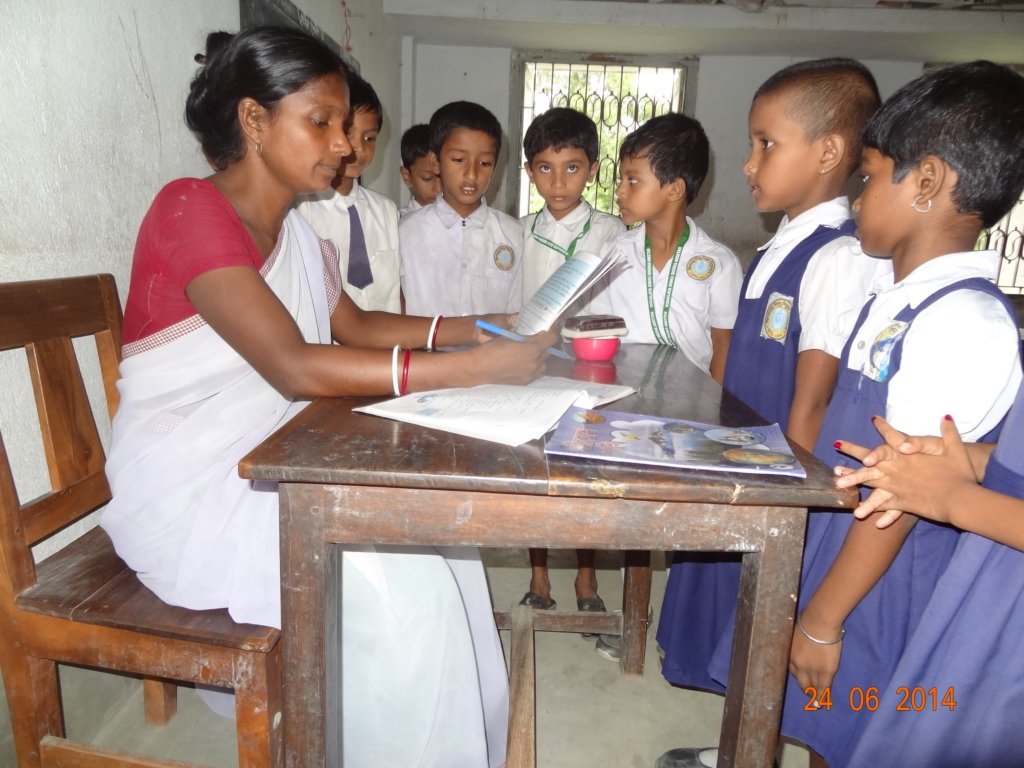
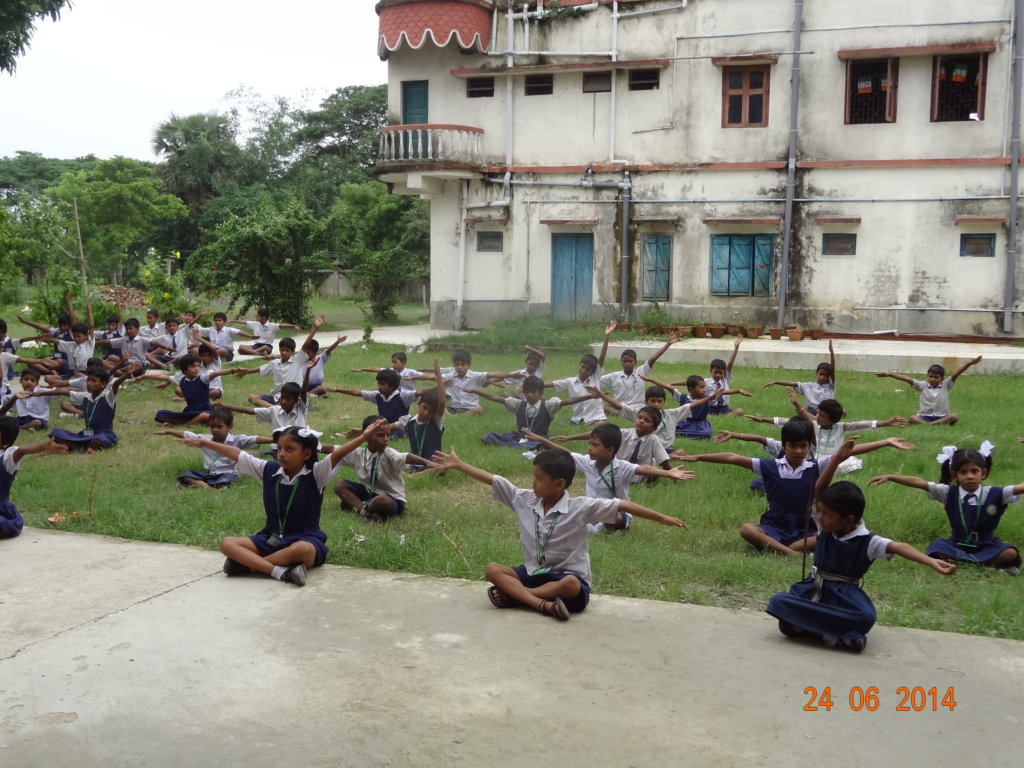
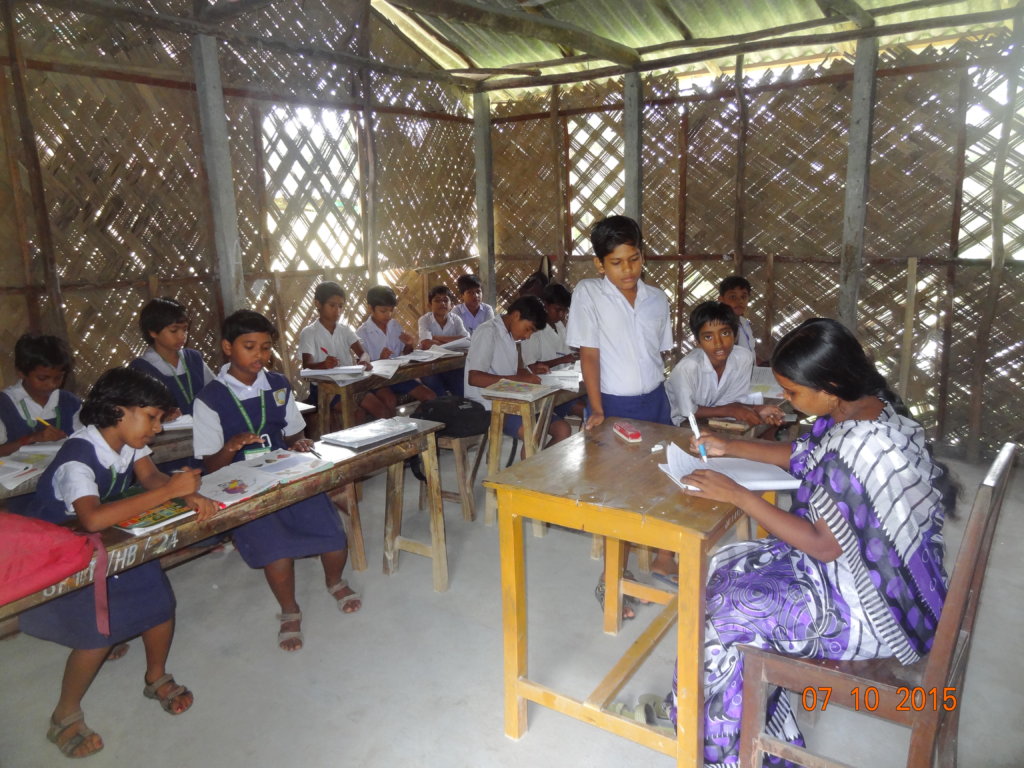
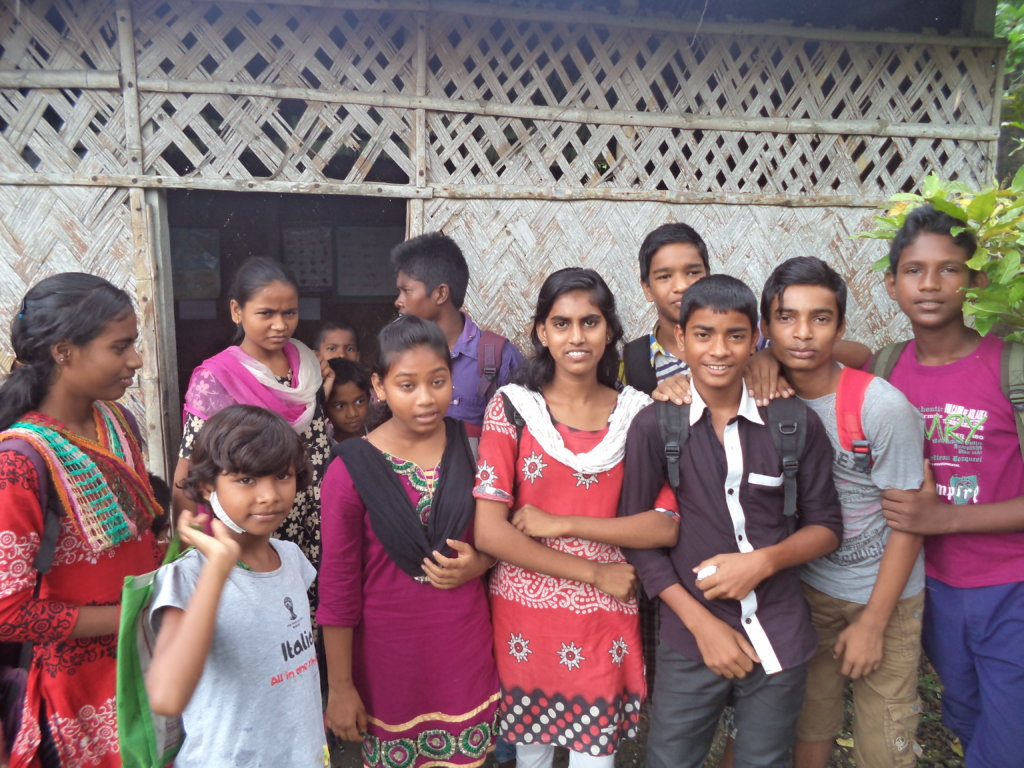
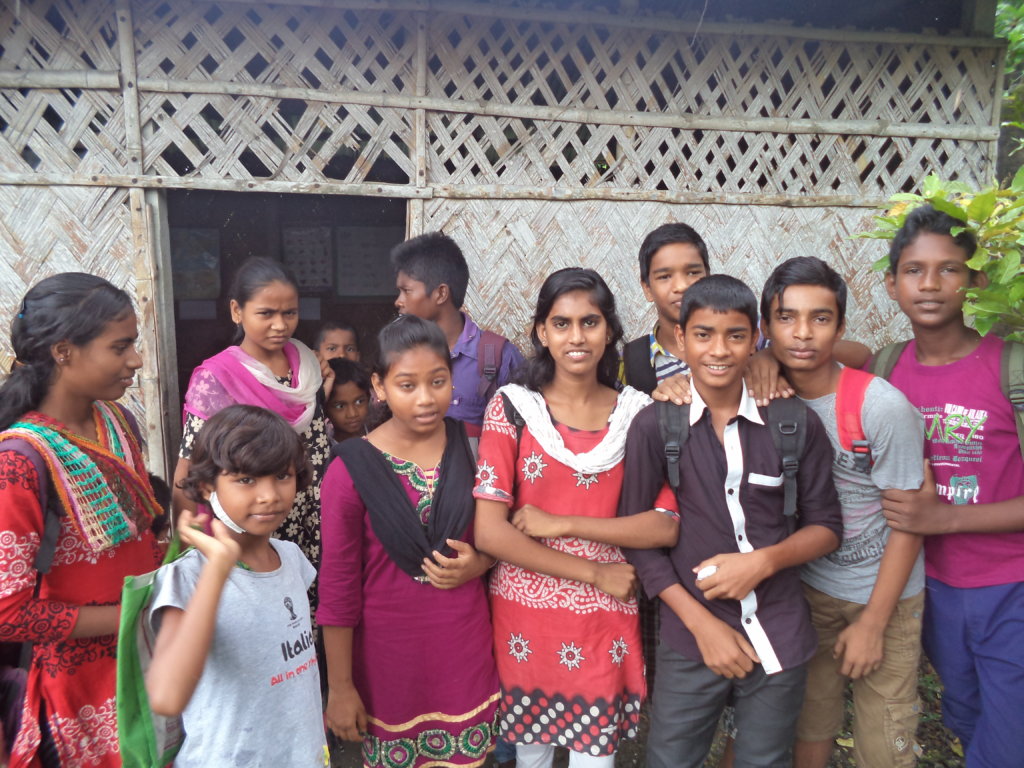
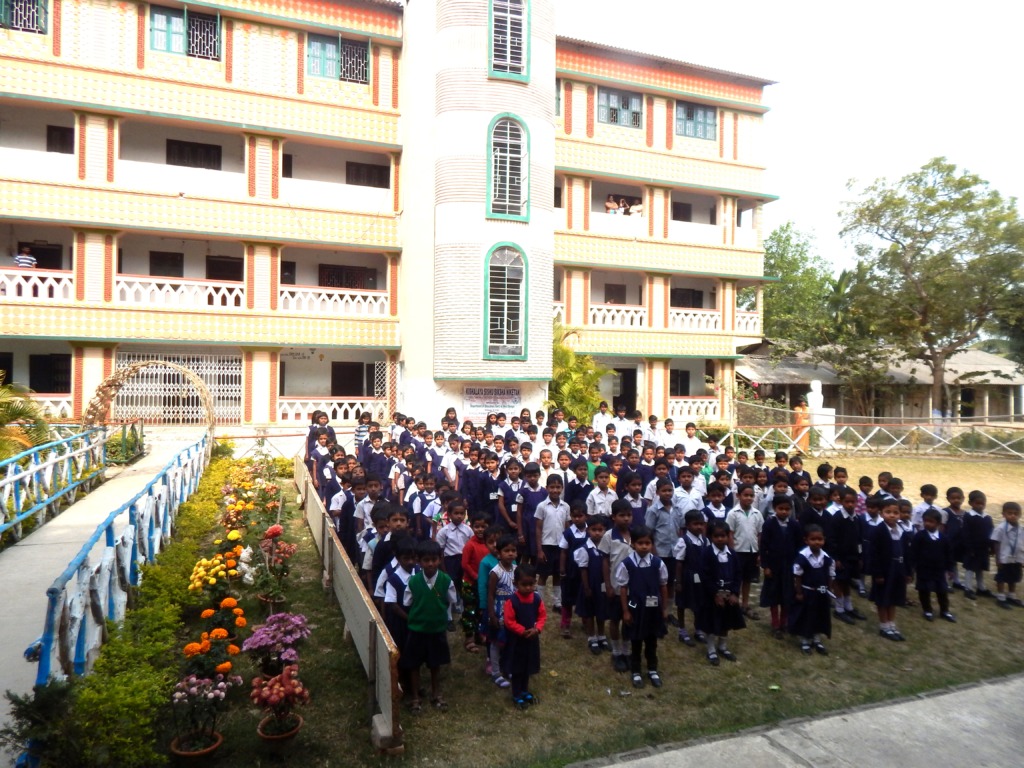
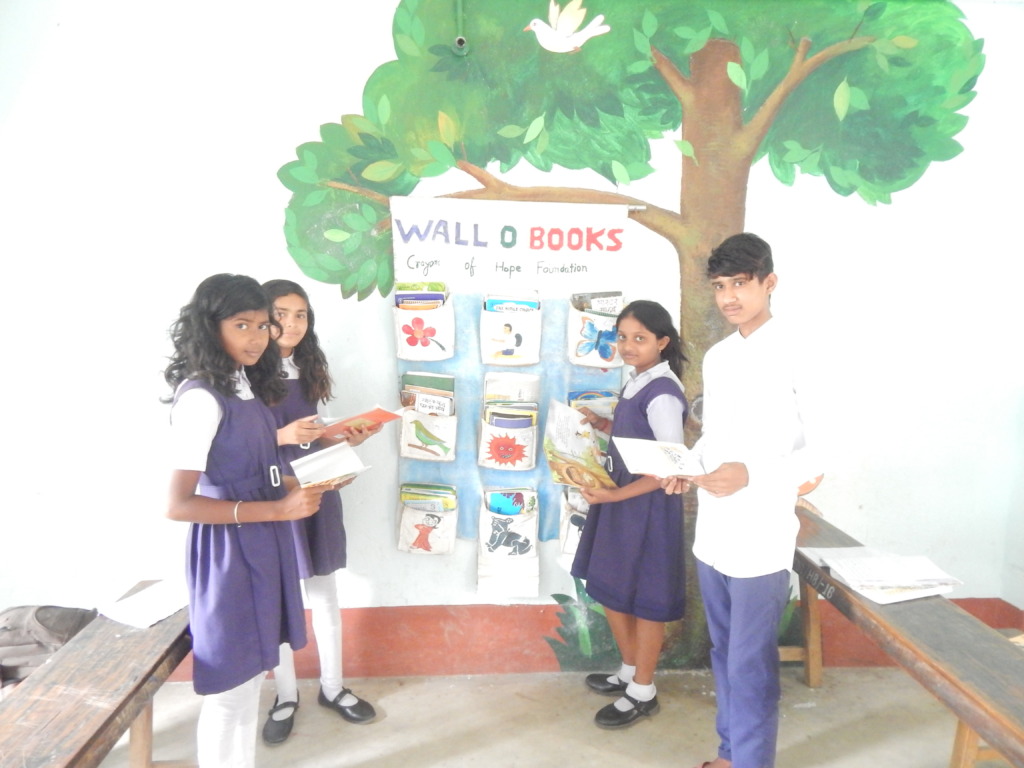
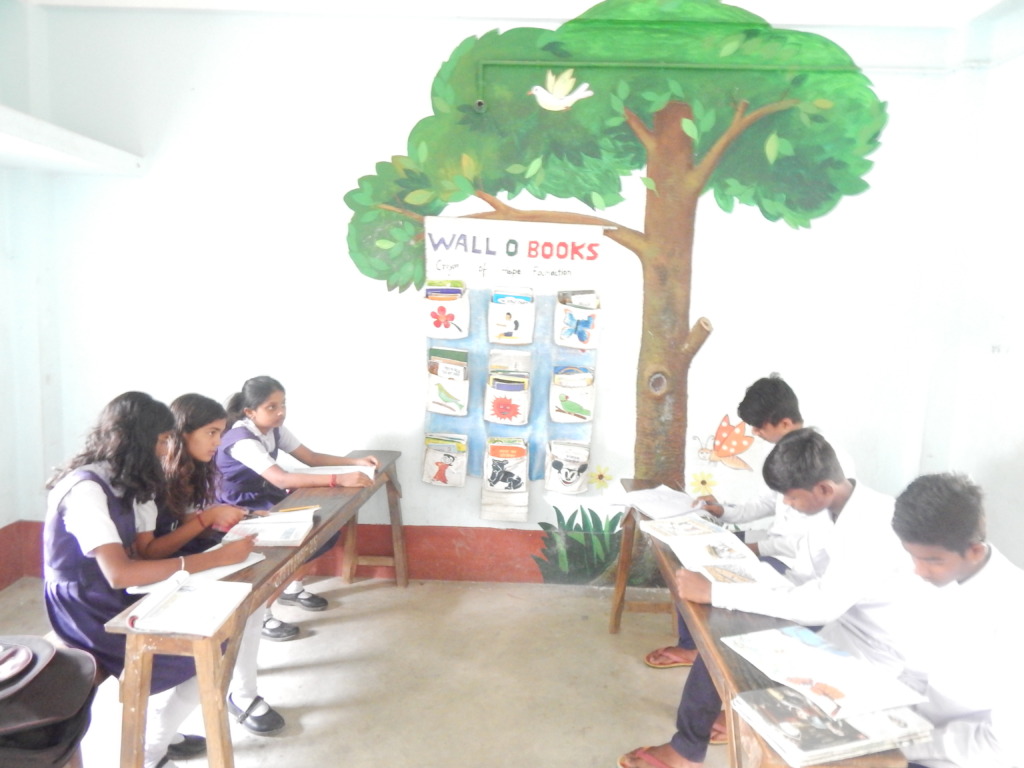
Kishalay Sisu Siksha Niketan (KSSN), an educational initiative runs by Sabuj Sagha has been acting to provide educational opportunities among disadvantaged children of Sundarban, since 2000. After spending a decade and half with success a new theme was designed recently with new hope and enthusiasm titled “knowing is fun.” The key components are many namely the students are directed to take books from open library and learn themselves. It is also ornamented with a picnic and distribution of winter garments among all the students. To keep the students healthy, the monthly health check up is going on regularly. A number of 14 enthusiastic teachers with the help of modern TLM and LED facilities classes working hard to make learning joyful and promote children friendly environment. Initiatives like learning science through rhyme, knowing while watching movie are taken to create spontaneous atmosphere. Gradually the number of students is increasing and this year 202 students have taken admission. Almost all of the 202 students (Boys: 119, Girls: 83) have taken part and performed extraordinarily well in various activities like Annual sports, Republic day celebration and other Observation Days. Students’ attendance, academic performance as well as mental growth have been changed positively. Sabuj Sangha is there to ensure quality education for vulnerable children of rural area.
KSSN has tried and ensured parents’ involvement in the running of the school. The ‘School Management Committee’ consists of teachers, parents and organizational representatives both male and female. They visit school and every class periodically; observe how teaching methodology is followed, whether children are enjoying lessons, condition of classroom environment etc. They also talk to children as well as teachers, take their opinion on various issues, discuss among committee members and share findings to organizational staff in charge and Management also put their recommendations. In addition to education through KSSN, Sabuj Sangha made arrangement for monthly health check up by doctors and paramedic staff of its own Health Centre.
Over the years the school has been popularized in the communities for its teaching methodology, children friendly classroom environment, close attention to students etc. and thus, number of parents being interested enrolling their children in the school. There is an increasing trend of student’s enrollment every year.
By Surojit Mondal | Project Coordinator
By Surojit Mandal | Project Coordinator
Project reports on GlobalGiving are posted directly to globalgiving.org by Project Leaders as they are completed, generally every 3-4 months. To protect the integrity of these documents, GlobalGiving does not alter them; therefore you may find some language or formatting issues.
If you donate to this project or have donated to this project, you can receive an email when this project posts a report. You can also subscribe for reports without donating.