By Leslie Montgomery | Project Leder
Progress Report No. 4: October 13, 2016
Medicine and Care for 2500 Ugandan Orphans
Leslie D. Montgomery, Project Leader
David Ssagala, Project Field Manager
Global Giving Report.
Bega Kwa Bega, with funding from Global Giving, has been able to treat a total of 3958 patients in 15 villages of Kakiri Subcounty, Wakiso district. Of these 2702 were children while 1256 were adults – above the age of 18 years.
Amongst the diseases that were treated in order of severity were, malaria, cough, worms, backache, wounds, pregnancy related ailments, urinary tract infections, eye infections, toothaches, diarrhea, sexually transmitted diseases, ulcers, arthritis and anemia. There were 46 referrals made to seek further specialized treatment due to the severeness of their complications.
Apart from general treatment of ailments, patients received sensitization in hygiene and sanitation, family planning and antenatal advise, drug administration and dietary issues.
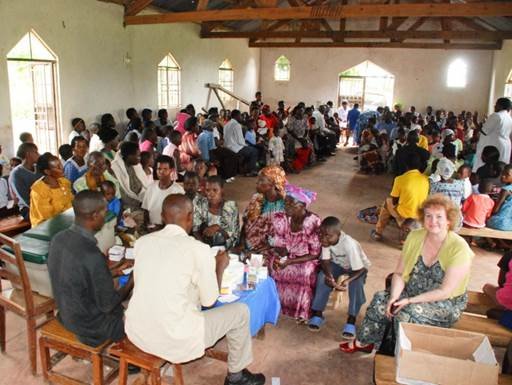
The efforts being made by BKB have been strained by the increasing number of patients ever since the government stopped distribution of drugs to Village Health Teams. Usually these would help in the provision of free government basic drugs to communities. However it’s close to eight months since their activities were halted with a promise to train another set of health personnel. This has made the demand for health services to double. The demand is overwhelming, evidenced by the huge turn ups plus the numbers that don’t get treatment at the end of each clinic session due to the lack of medicine.
BKB has tried to check this situation by introducing sustainable health solutions of integrating delivery, for example the health team has introduced traditional treatment methods using known herbs, fruits and other medicinal plants with healing capabilities.
We hope to have enough medicine in the future to help all who need medical attention. Your donations to this project, through Global Giving, will help make this possible. Please consider making another donation to this project – they are very appreciated.
A Mobile Clinic Success Story — A Community Responds
The little girl with the baby on her back and a four-year old yanking at her skirt walked up the hill to the mobile clinic. Her brother followed. He too carried a toddler on his back. All three little ones were crying. The nurse examined the children and prescribed malaria medicine. From her records she noticed that this was the third time in four months that the children were being treated for malaria. The nurse wanted to talk to the parents of the five children.
The village chief, our home visitor, the nurse and a woman from the children’s village talked about the children. With horror they realized that, because the children still had both their father and mother, they were never considered as needing help. The neighbor explained that the father was dying of TB. Mom is crippled and has no wheel chair. The oldest son ran away from home when he turned 14. The next boy has some brain damage and he is deaf and does not talk. The 11 year old girl is the oldest most able care giver in the family. She is stressed, angry, confused. She is not smiling.
After the mobile clinic our medical team drove the children to their home. The family lived in a small mud house. In the kitchen shed there was a pot with three boiled sweet potatoes for the children to share. The mid afternoon meal is a sure sign that the family eats one meal a day. Everybody sleeps in one room on the floor. The small garden does not have enough crops to feed the family through the “hungry season”. Clearly the family needs help.
Here is what our joint response team came up with:
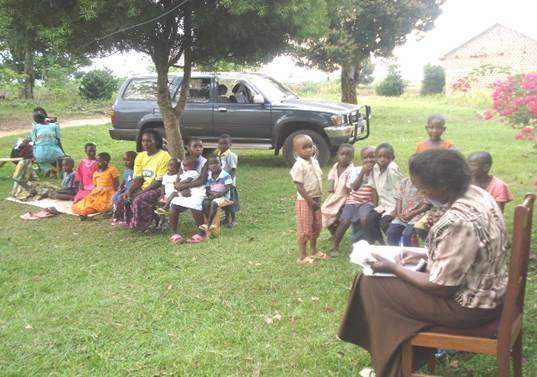
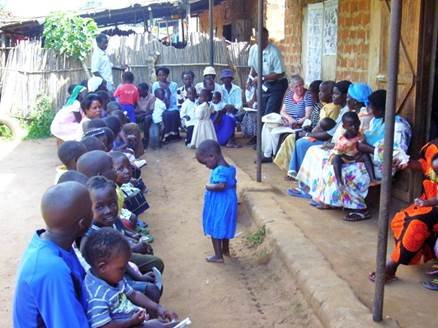
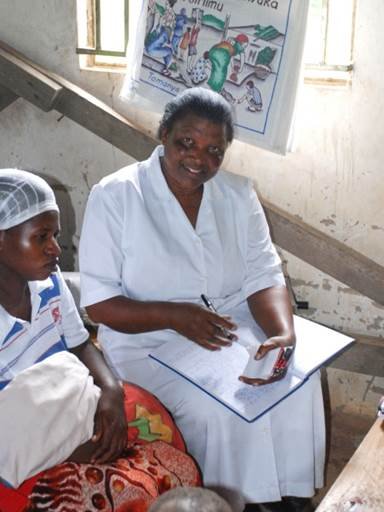
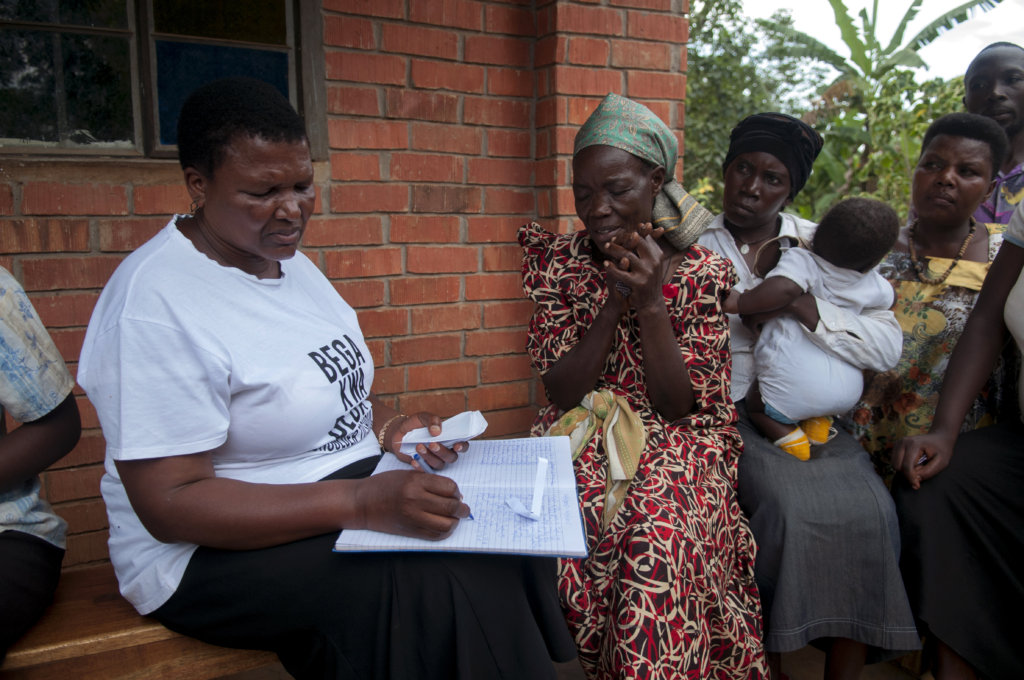
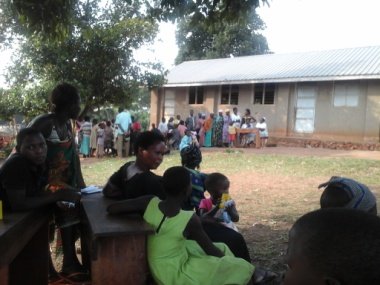
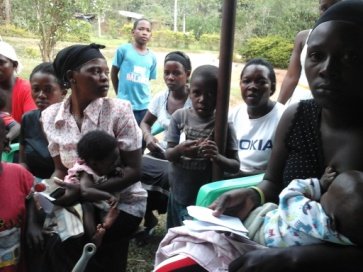
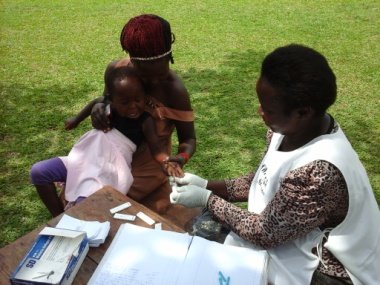
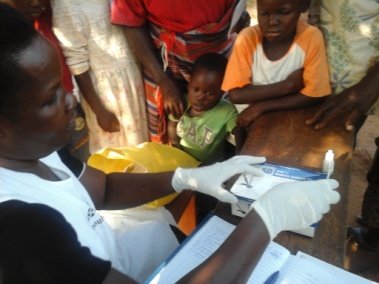
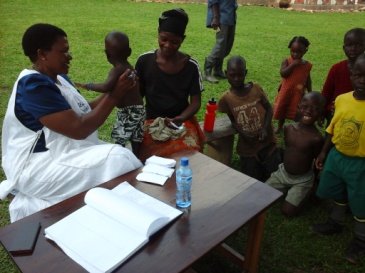
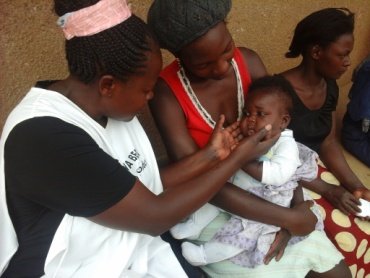
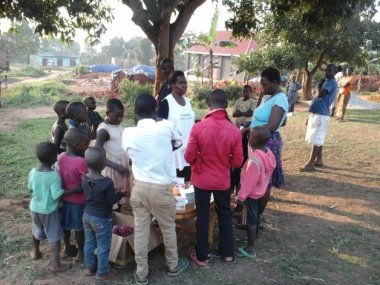
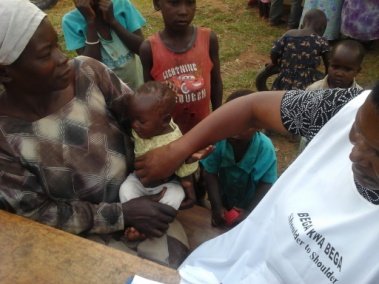
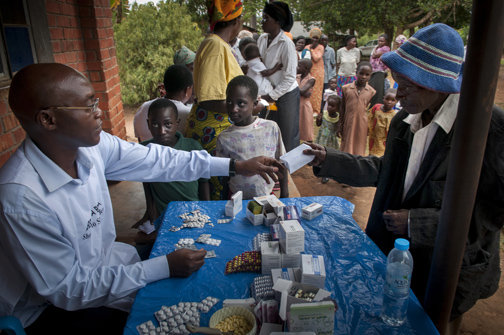
This is a typical result of our overall program and in particular of our health care projects. The photos below will show you the various activities that take place during one visit of our mobile health clinic to a rural village in Uganda.
Please visit the websites below to obtain general information and a complete description of our programs and activities:
www:BegakwaBegaUgandaOrphans.org
http://bambiugandaorphans.org/
By Leslie Montgomery | Project Leader
By Leslie D. Montgomery | Project Leader
Project reports on GlobalGiving are posted directly to globalgiving.org by Project Leaders as they are completed, generally every 3-4 months. To protect the integrity of these documents, GlobalGiving does not alter them; therefore you may find some language or formatting issues.
If you donate to this project or have donated to this project, you can receive an email when this project posts a report. You can also subscribe for reports without donating.