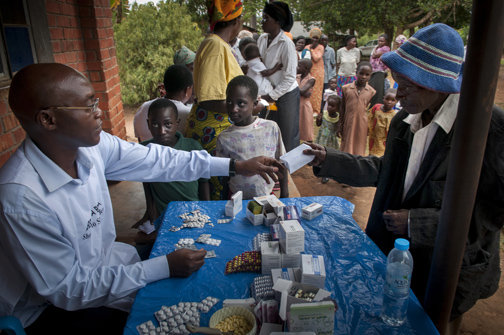
![Dispensing Medicine in Uganda]()
Dispensing Medicine in Uganda
Progress Report No. 6: April 16, 2017
Medicine and Care for 2500 Ugandan Orphans
Leslie D. Montgomery, Project Leader
David Ssagala, Project Field Manager
Global Giving Report.
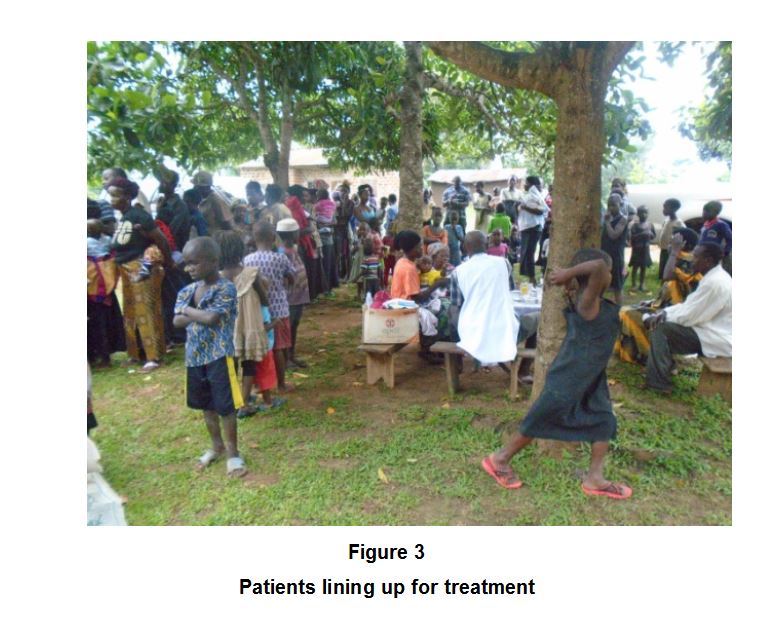
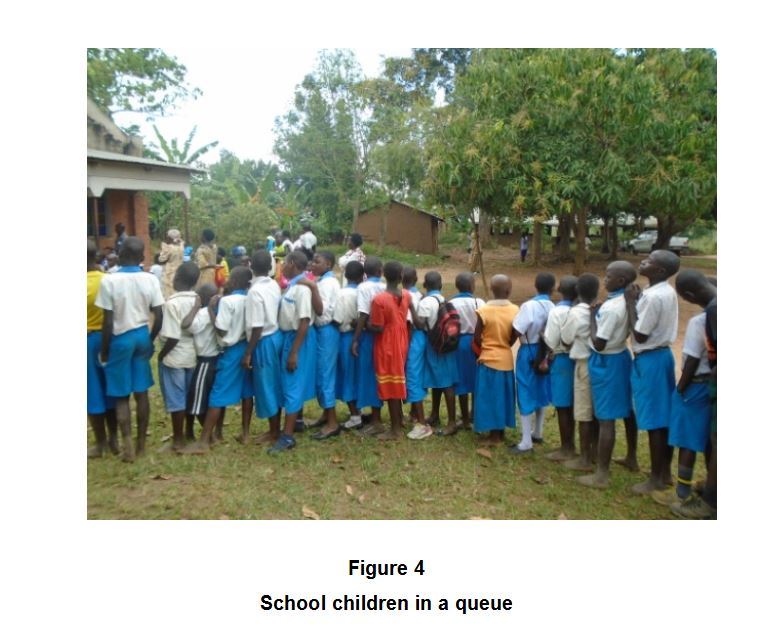
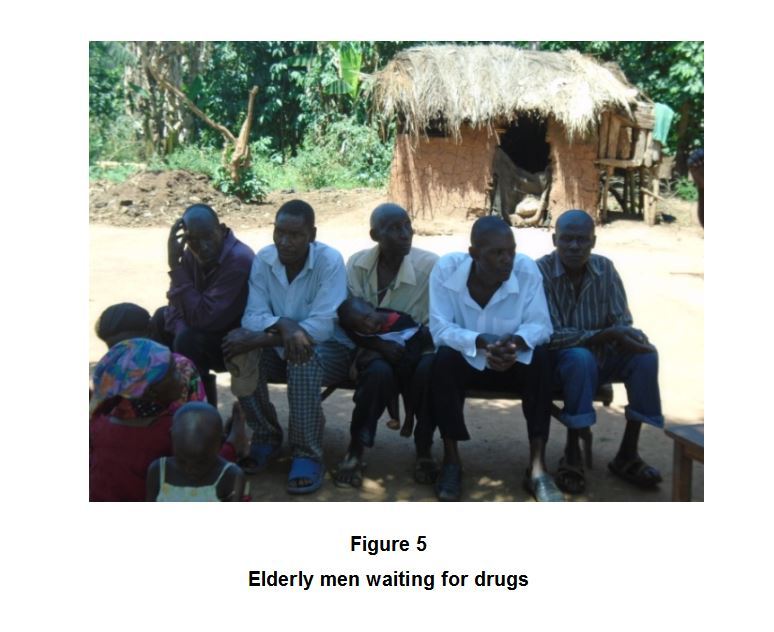
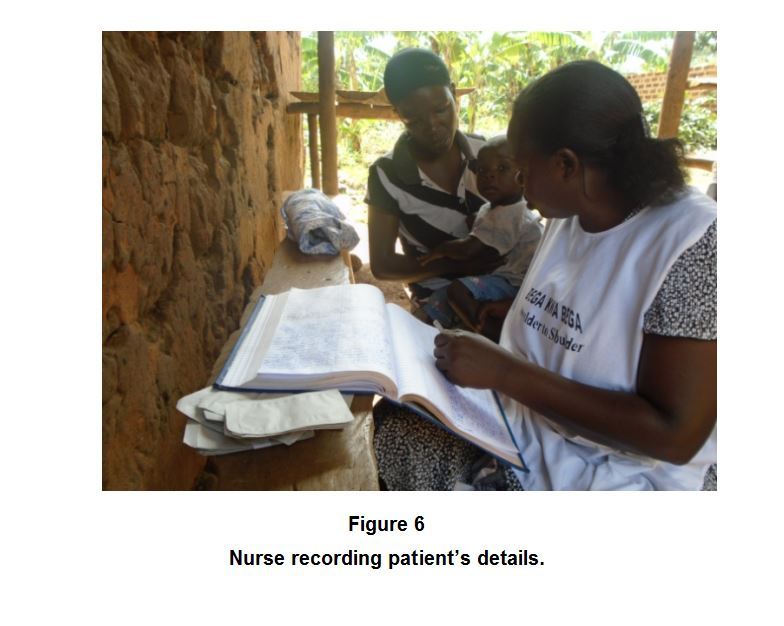
Bambi Uganda Orphans (Bambi), with funding from Global Giving and other sponsors, has been able to provide health care to patients in 15 villages of KakiriSubcounty, Wakiso district of Uganda. Amongst the diseases that were treated in order of severity were, malaria, cough, worms, backache, wounds, pregnancy related ailments, urinary tract infections, eye infections, toothaches, diarrhea, sexually transmitted diseases, ulcers, arthritis and anemia. Apart from general treatment of ailments, patients received sensitization in hygiene and sanitation, family planning and antenatal advise, drug administration and dietary issues.
We have taken the opportunity, through this Progress Report, to further explain how your sponsorship for medication fits within the overall health related work crried out in Uganda by Bambi Uganda Orphans. We hope that you will find this information helpful when considering continued Global Giving Project support.
This project is one component of the assistance that Bambi Uganda Orphans/Bega kwa Bega provides in Uganda. Please visit our websites, www.bkbuganda.org or www.bambiugandaorphans.org, for a more detailed description of our Health and other projects that provide support to orphans and vulnerable children in remote Ugandan villages by working with the whole community.
We hope to have enough medicine in the future to help all who need medical attention. Your donations to this project, through Global Giving, will help make this possible. Please consider making another donation to this project – they are very appreciated.
Health Status in Uganda
Uganda’s rural villages face numerous health concerns that erode people’s ability to improve their lives. HIV/AIDS, malaria, childhood illnesses such as measles and tetanus, parasitic diseases and malnutrition continue to devastate communities. HIV/AIDS in particular has caused immeasurable damage. Large numbers of HIV/AIDS-related illnesses and deaths have resulted in overburdened community resources, high levels of absenteeism from work and school, and increasing labor shortages. Constant ill health has slowed development in the education and agriculture sectors, and has disabled the capacity-building efforts of communities. In order to confront these issues Bambi runs a MOBILE HEALTH CLINIC (MHC) which visits remote villages taking professionals to the communities.
The Clinic provides treatment, vaccinations, and health education to rural communities. Currently 70 villages receive health services from the Mobile Clinic, including targeted trips to vulnerable areas. Our goal this year is to improve and expand these services to more communities, as well as provide additional services. These include HIV testing and counseling, which is critical for rural communities where HIV/AIDS knowledge and prevention is limited and where HIV/AIDS rates are extremely high.
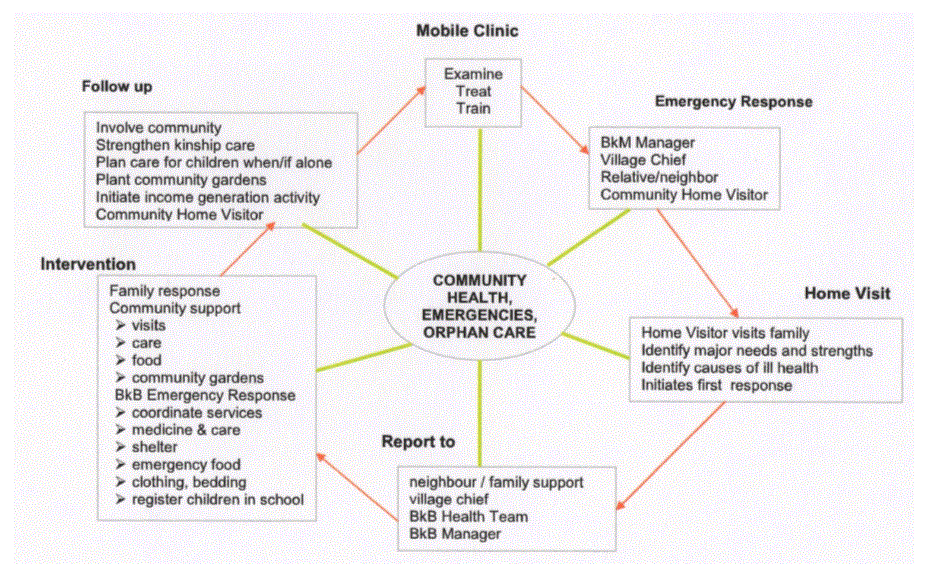
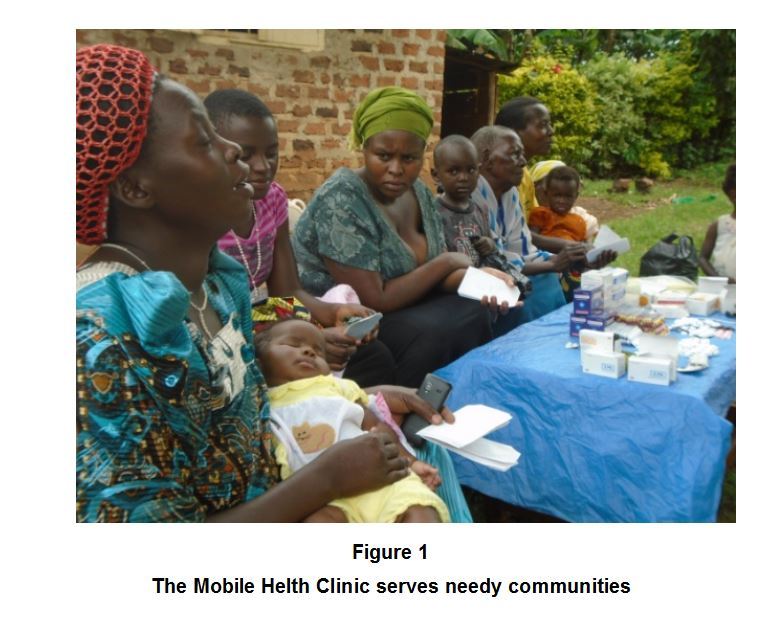
Specific health related activities that were undertaken during the past year are summarized in Figure 1, below.
At Bambi, we confront rural health issues with the following initiatives:
- We provide small village clinics with medical supplies so that they can offer basic health services to rural communities.
- We help orphans with special needs improve their mobility by providing wheelchairs and tricycles.
- We fund community health education workshops to address health and life skills topics. These include basic and preventative health care, HIV/AIDS prevention and treatment, childcare, nutrition and hygiene.
- We support programs that train health workers to address rural health concerns.
- We support a rural Mobile Health Clinic, which travels to 70 remote communities to provide basic health services.
Mobile Health Clinic Activities
The Mobile Health Clinic delivers trained health professionals to regions hit hard by malnutrition, malaria, HIV/AIDS, parasitic diseases and other health concerns.
The Clinic has three main components: treatment, vaccinations and health education.
Treatment
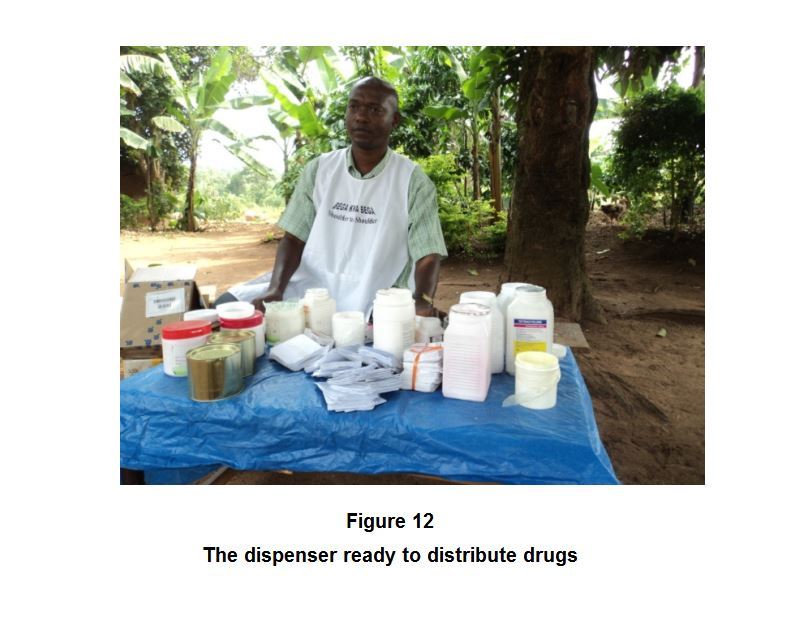
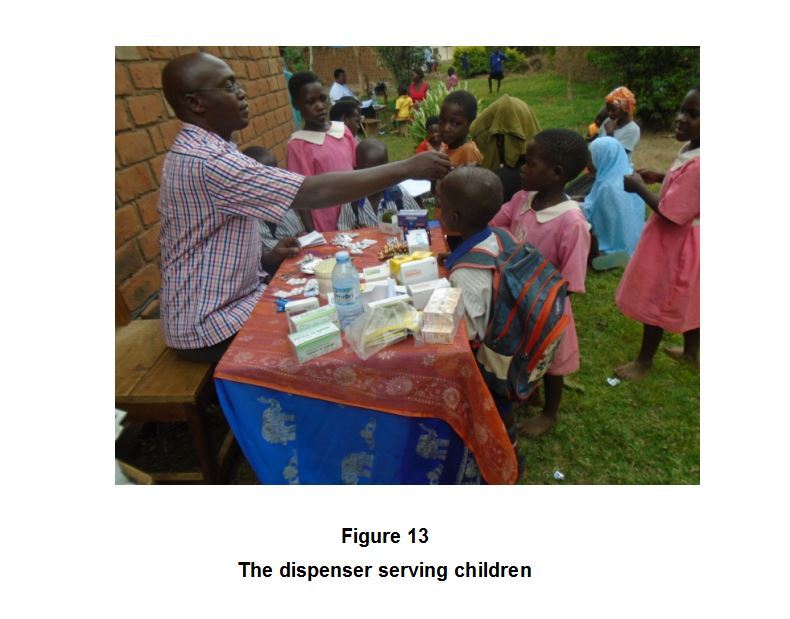
The treatment phase ranges from providing simple drugs such as pain medications and cough elixirs to prescribing medications that battle more complicated conditions. These include antibiotics, anti-virals, anti-inflammatories, anti-parasitics, anti-fungals, and topical steroids. The teams treat communicable childhood diseases as well as opportunistic HIV infections, malaria, and other tropical maladies.
Vaccinations
Vaccinations address one of the most troubling health issues in Uganda – the mortality of children from preventable diseases. The Clinic answers this problem by following the Ugandan Ministry of Health’s vaccination protocol. Vaccinations not only save young lives, they give health professionals a chance to educate mothers and caretakers about general child health issues.
Health Education
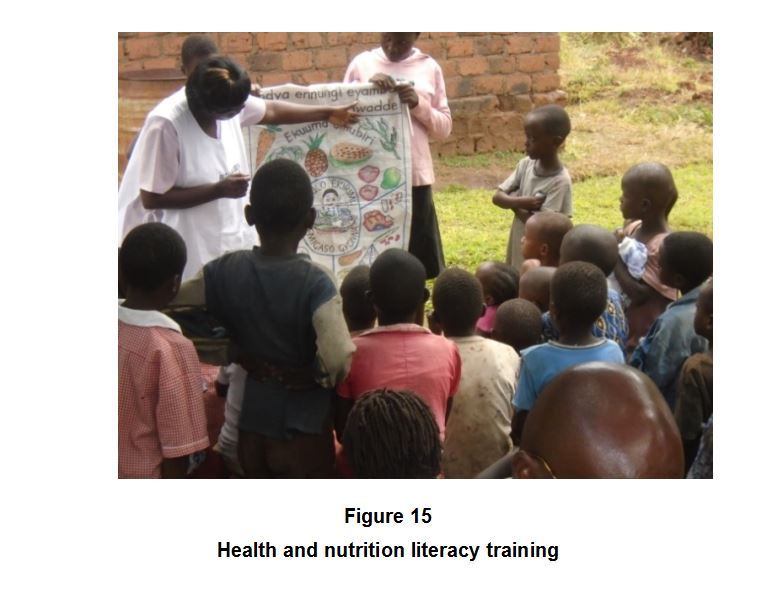
Health education plays a critical role in the work of the Mobile Health Clinic. This area follows closely with our general philosophy of providing sustainable training to communities. The Clinic’s health personnel train counterparts, who then extend this knowledge to their communities through health education workshops. Counterparts also plan community Health Education Days to provide instruction in the areas of nutrition, hygiene, healthier farming techniques, and general prevention and wellness practices.
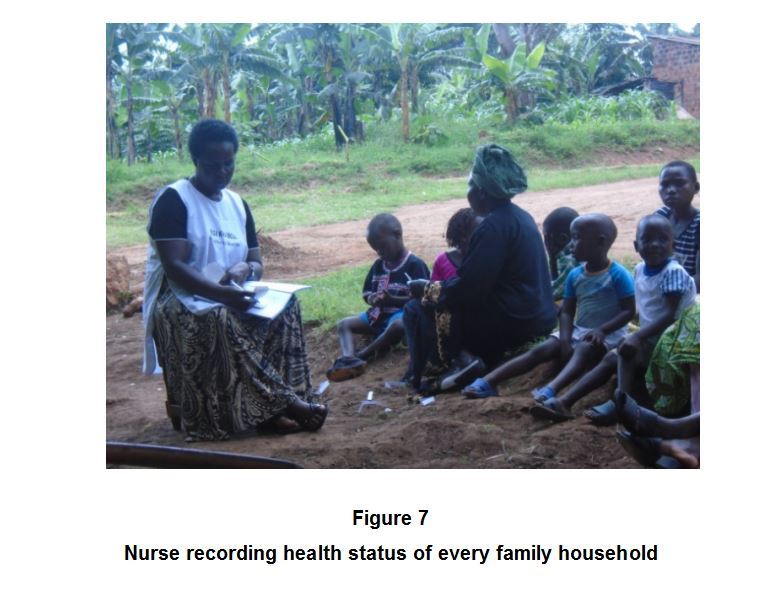
The HOME VISITOR Project, operated by a health care professional, through our Mobile Clinic and Health Education program, engages with families who have multiple health issues. She teaches families of orphans how to install hand washing stations near latrines, how to cover latrines, plant vegetable gardens and plan nutritious meals When possible she gives the family a small gift such as seed packets, mosquito nets, tree seedlings . .
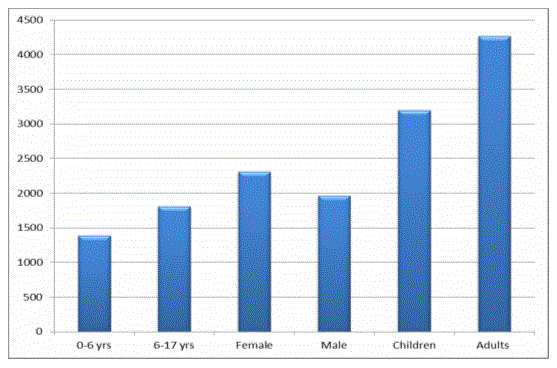
Bambi Uganda Orphans with funding from Global Giving and others has been able to treat a total of 7466 patients in 15 villages of KakiriSubcounty, Wakiso district. Of these 3197 were children while 4269 were adults – above the age of 18 years.
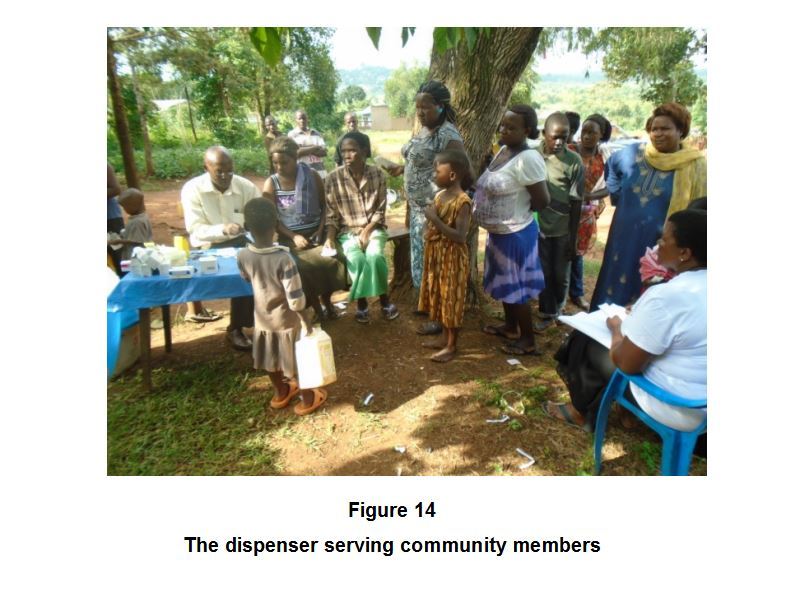
The efforts being made by Bambi have been strained by the increasing number of patients ever since the government stopped distribution of drugs to Village Health Teams. Usually these would help in the provision of free government basic drugs to communities. However it has been a while since their activities were halted with a promise to train another set of health personnel. This has made the demand for health services to double. The demand is overwhelming, evidenced by the huge turn ups plus the numbers that don’t get treatment at the end of each clinic session.
Bambi has tried to check this situation by introducing sustainable health solutions of integrating delivery, for example the health team has introduced traditional treatment methods using known herbs, fruits and other medicinal plants with healing capabilities.
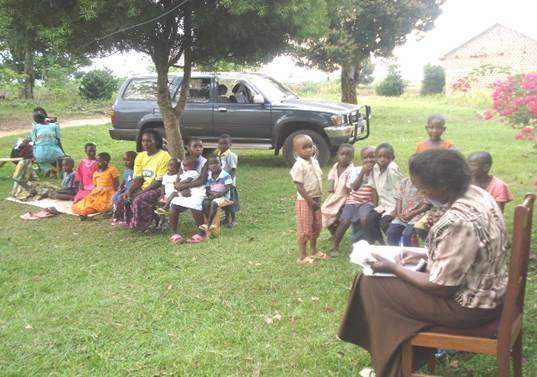
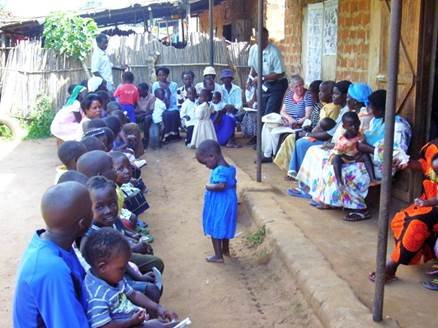
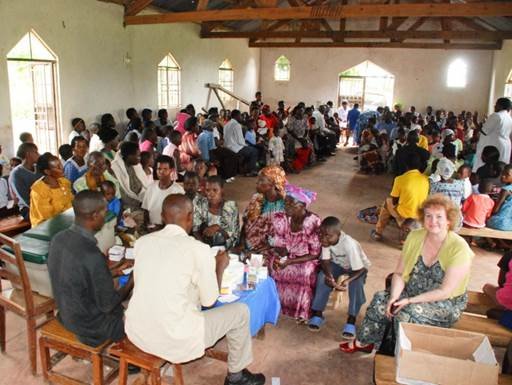
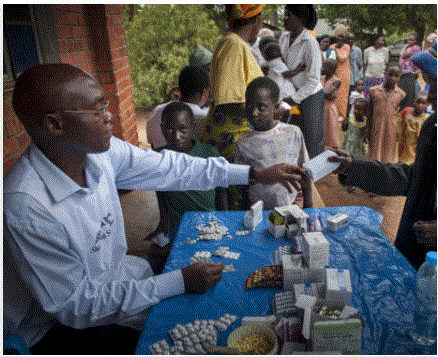
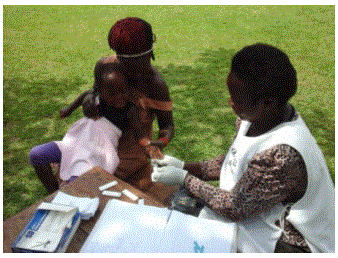
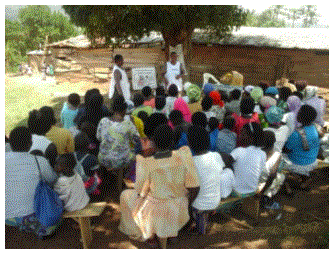
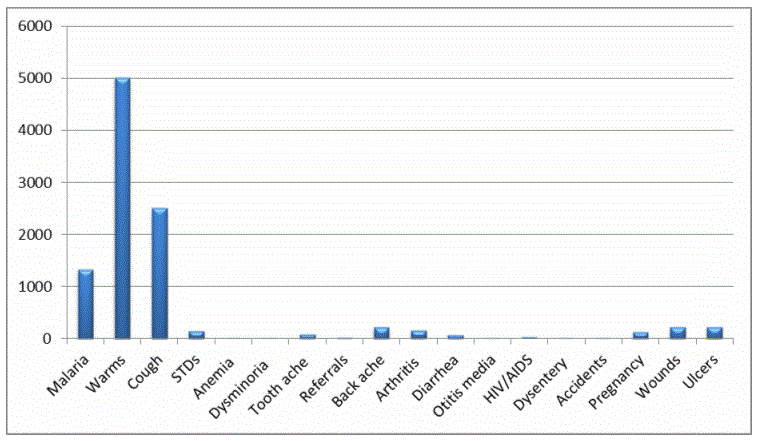
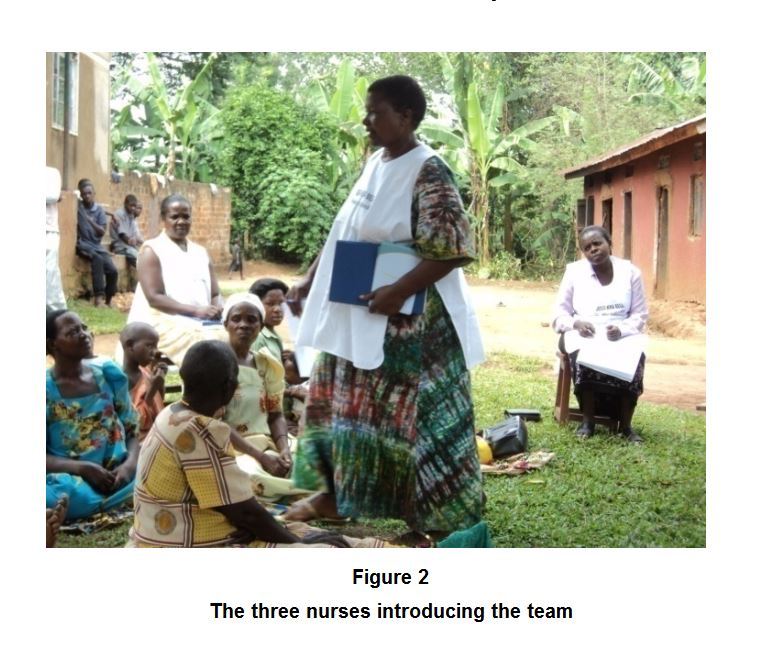
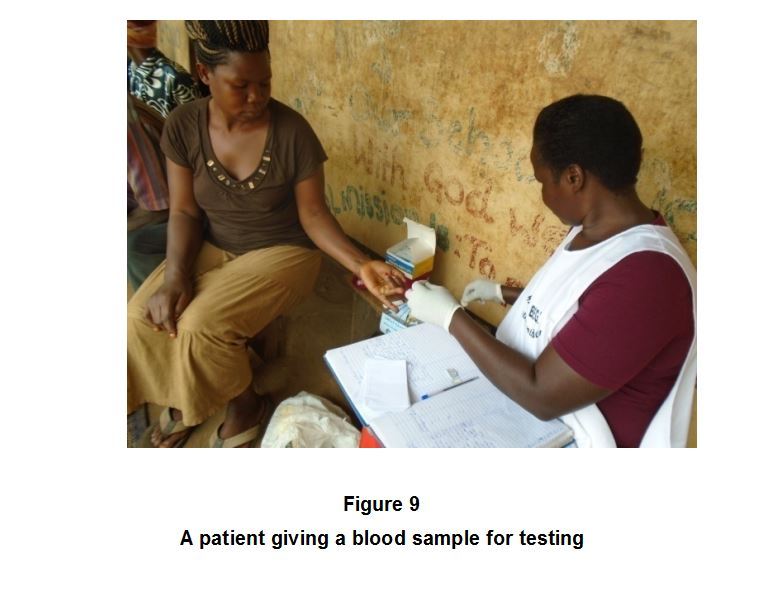
The Mobile Health Clinic has delivered health services (Figures 2 and 3) to marginalized communities in KakiriSubCounty, Wakiso district since 2003. Kakiri is part of the Luwero Triangle, an area ravaged by the 1986 guerilla war that brought the current government into power. We extend our great appreciation to Global Giving for their support of this program. During the past 12 monthsMHC held 45 (including 23 Global Giving) clinics. Worms, cough and Malaria are still prevalent in these communities, asillustrated in Table 1 and Graph 1, below.
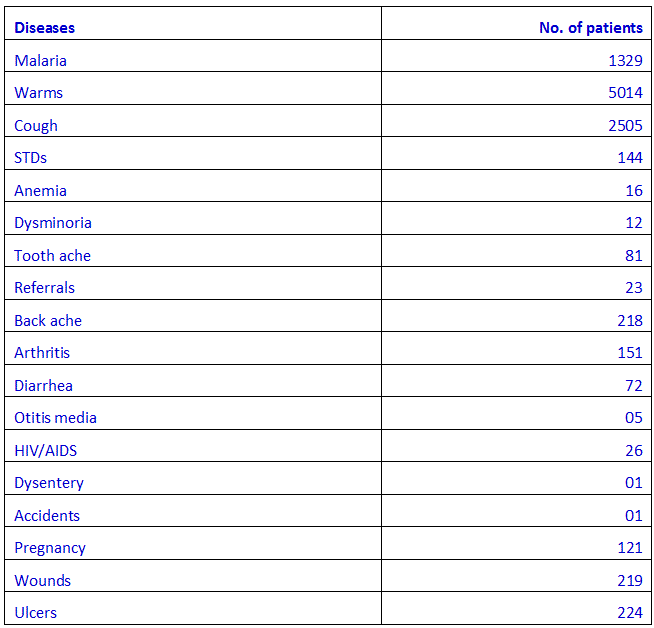
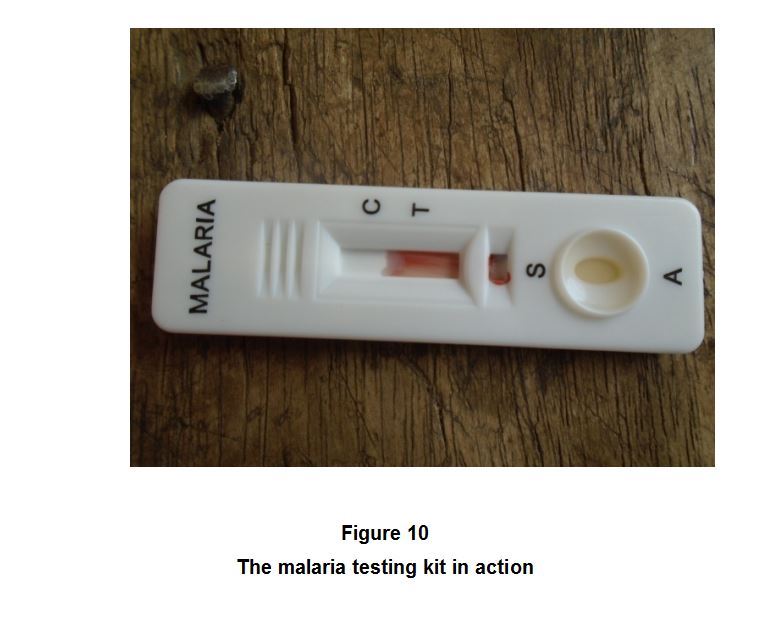
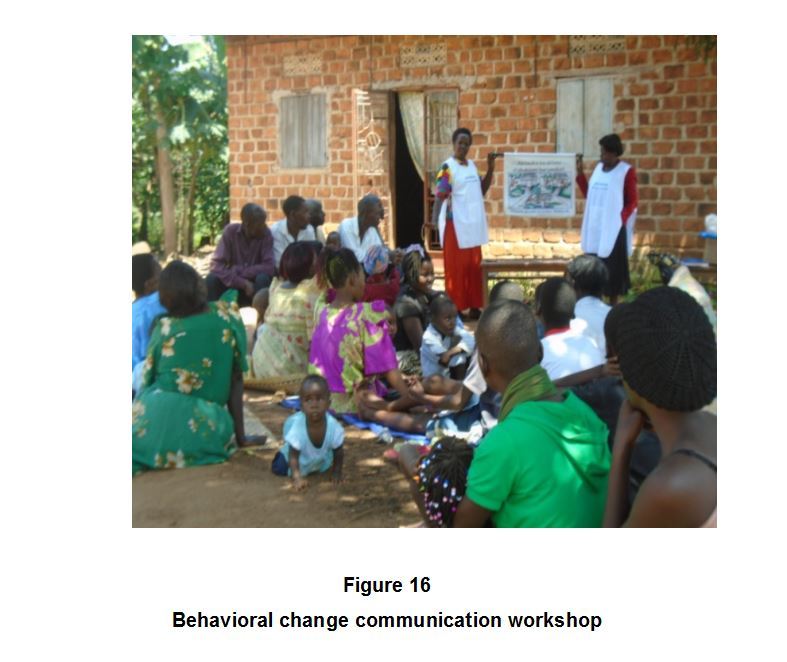
Malaria, the number one killer disease registered a total of 1329 patients (see Table 2 and Graph 2).The persistence of these diseases is largely due to poor hygiene and feeding styles; smoke from the cooking stoves and lamps and; low adaption levels on proper mosquito net usage, handling and treatment despite continuous education and sensitization by the MHC staff. Changing habits and behavior among adults takes quite a while. It is a gradual process that requires patience, constant reminders (could be visual or audio messages) and encouragement. At times our messages have to be supported with handouts especially to the very poor and vulnerable if we are to achieve results.
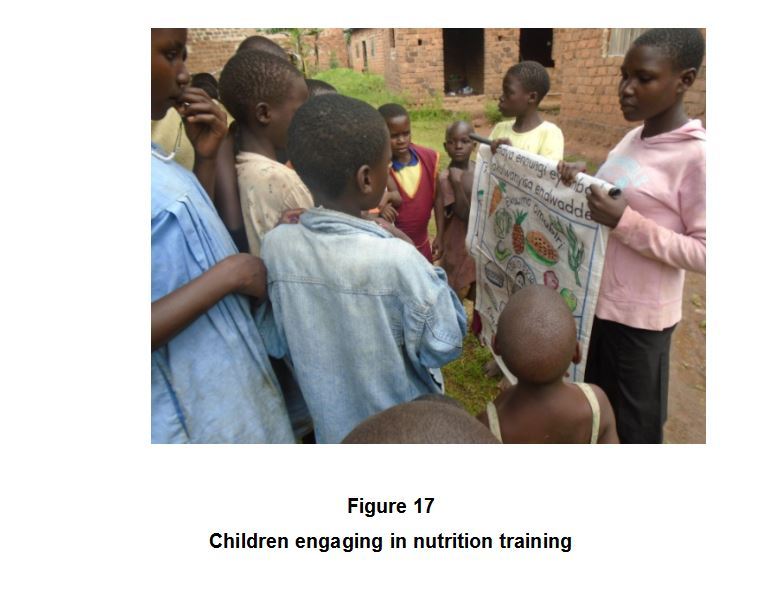
Besides administering drugs, the MHC carried out sensitization on antenatal care, drug use, behavioral change communication, family planning and available options, food and nutrition and balanced diet, HIV and AIDS. As a result there has been a noticeable appreciation in the growing and consumption of fruits and vegetables as a preventive measure to malnutrition, airborne diseases like cough, influenza and boosting the immune system.
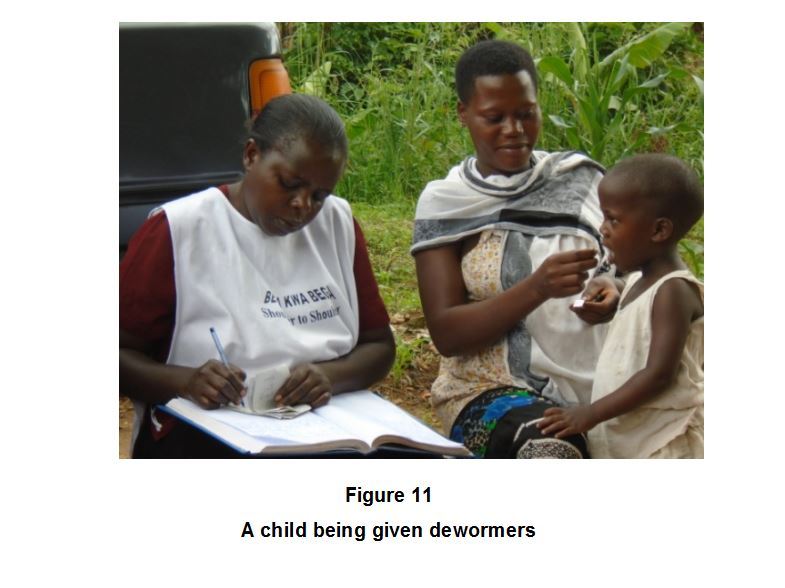
On a happy note married men have also embraced the clinic in terms of allowing their wives and children to attend something they had previously opposed. For sustainability, the clinic is emphasizing and encouraging the use of traditional curative plants and herbs to cure various ailments because the herbs and plants are known to the locals and grow in their back yard and bushes around. On each visit messages are disseminated on their usage for instance the use of papaya seeds for deworming is increasingly being accepted. Nevertheless there is still high demand for drugs especially for ailments with no local alternatives. Due to the rising demand and awareness about local herbs, the MHC is planning to produce manuals for local herb usage. It is our hope that the MHC attendees will put the best practices acquired into practice.
One of our sucess stories:
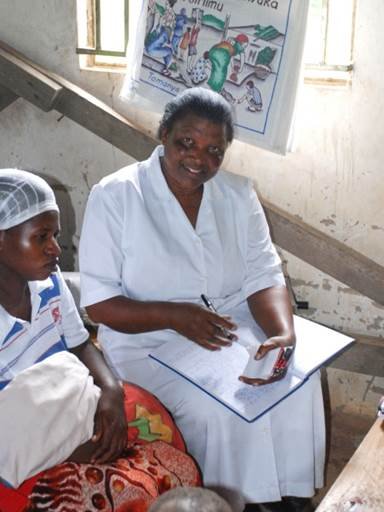
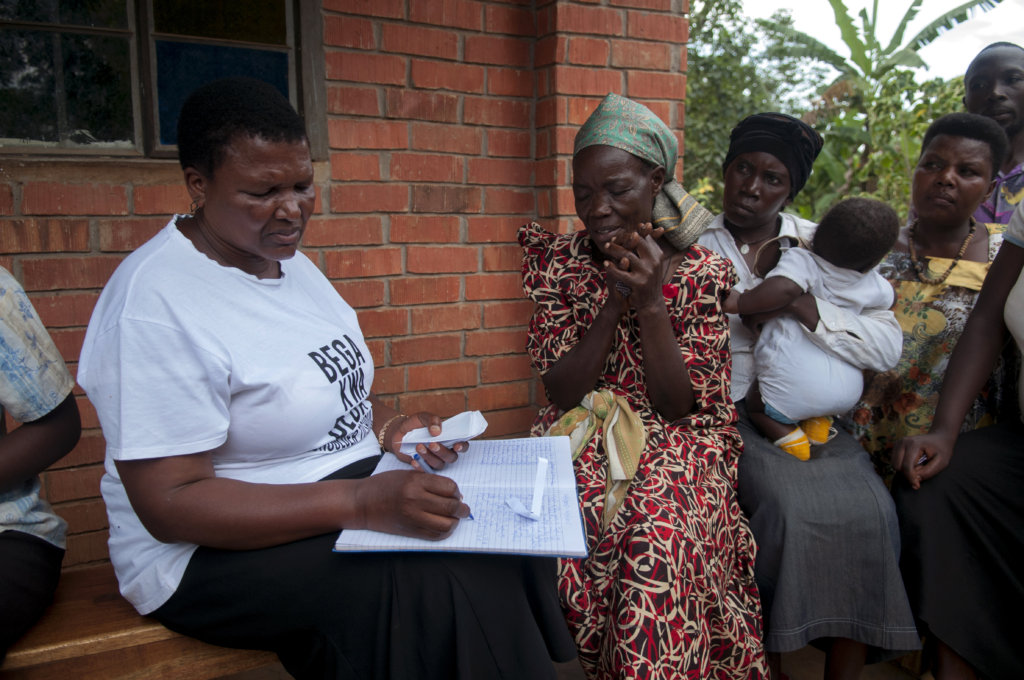
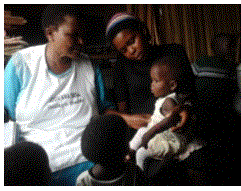
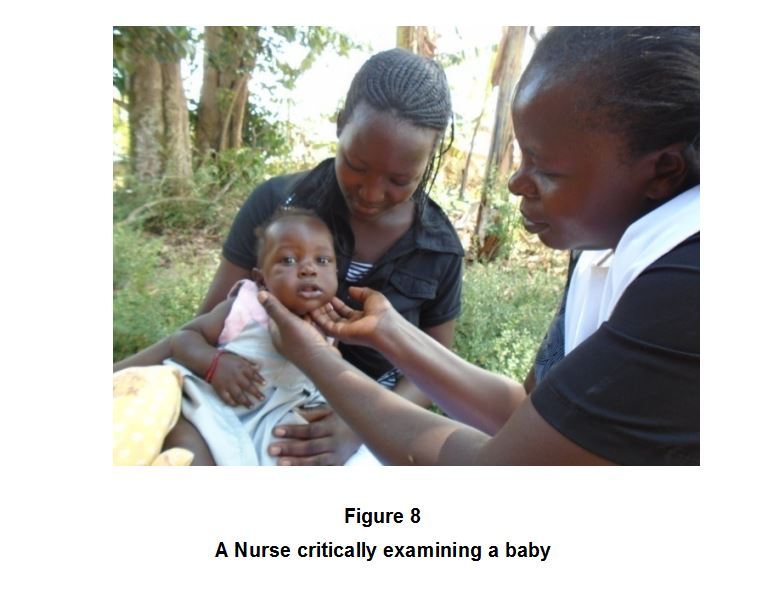
Namanda Afuwah ( shown in Figure 4 below) is a 24 year old mother of 5. She is one of the beneficiaries of the MHC. Her story struck us in a touching way. Trouble started when her husband learnt that she was expecting triplets. He wasn’t happy at all and on giving birth the husband fled home abandoning her, her two sons of 4 and 7 and the triplets. “He ran away from responsibility. I can no longer manage. The burden is too much for me…. Treating the kids and feeding them….paying for rent is all too much for me “lamented the tearful Afuwah. On 6th April last year one of the triplets who are now short of two years had severe fever and was admitted in Francisca, a medical facility in Kakiri. The child was diagnosed with a bacterial infection and on examining the remaining two it was discovered that the 3 had a bacterial infection caused by eating dirty things or food. The mother was advised to critically monitor her young ones as they exit the oral stage. Bega Kwa Bega helped with meeting the hospital dues which amounted to $ 75 for the three children.
Challenges
- Overwhelming number of people seeking mobile health services viz visa the available drugs. On all occassions scores of people remain unattended to.More drugs are needed to cater for numbers that never get treated at the end of each clinic and also meet the increased cost of drugs due to the depreciation of the shilling against the dollar.
- Encouraging traditional medicine alongside the use of modern drugs is still a big challenge. For as long as there are modern medicine some people are very reluctant to use/look for local herbs.
- Transportation for the home visitors remains a challenge as they have to move long distances on foot, and lack competence in advanced and contemporary data collection methods and analysis.
![Fig. 1 Activities of the Mobile Health Clinic]()
Fig. 1 Activities of the Mobile Health Clinic
![Fig. 2 A nurse getting blood samples for malaria]()
Fig. 2 A nurse getting blood samples for malaria
![Fig. 3 Health sensitization session for patients]()
Fig. 3 Health sensitization session for patients
![Fig. 4 Namanda Afuwah, a 24 year old mother of 5]()
Fig. 4 Namanda Afuwah, a 24 year old mother of 5
![Table 1. MHC attendees Feb. 2016 to Feb. 2017]()
Table 1. MHC attendees Feb. 2016 to Feb. 2017
![Graph 1. Graph of patients in age categories]()
Graph 1. Graph of patients in age categories
![Table 2. No. of patients per ailment 2016 - 2017]()
Table 2. No. of patients per ailment 2016 - 2017
![Graph 2. Patients per ailment 2/2016 - 2/2017]()
Graph 2. Patients per ailment 2/2016 - 2/2017
![Share on Twitter]()
![Share on Facebook]()