By Katie Dyas | Communications Lead
Madhesh Province, Nepal
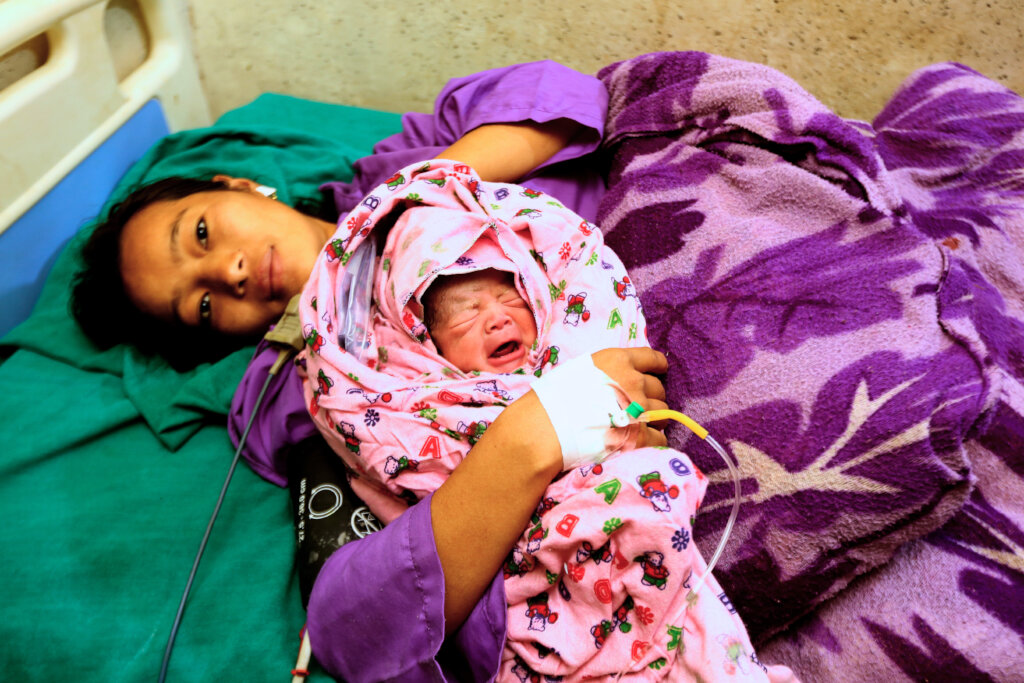
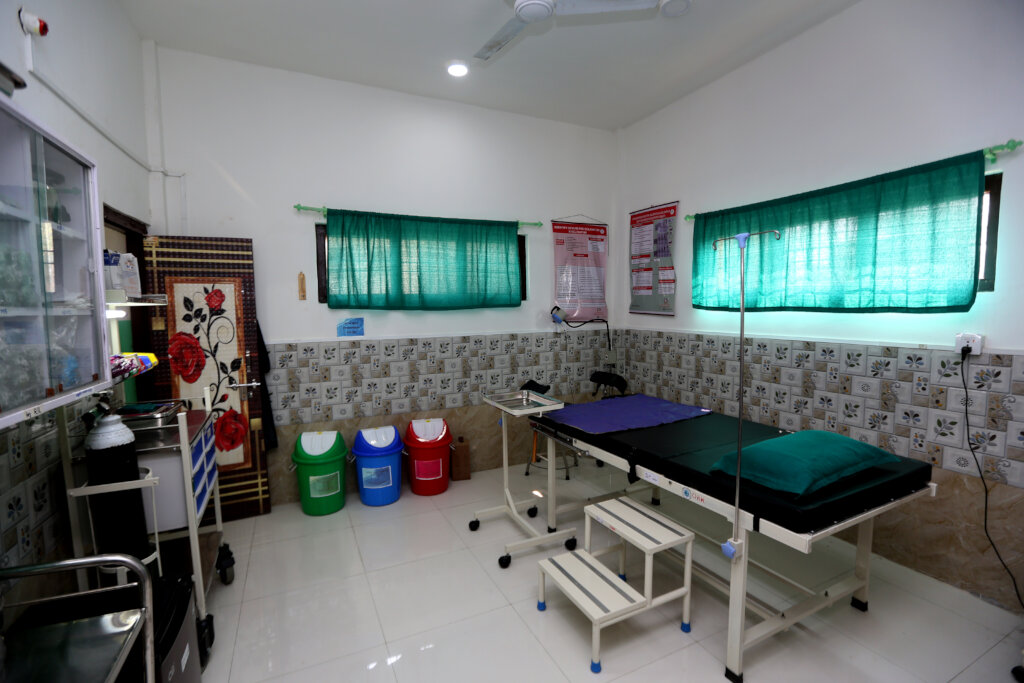
In Madhesh Province, health facilities are within reach for many communities, but quality of care and cultural practices often shape maternal healthcare.
For many women, it is shaped by awareness, support, and the information they receive during pregnancy.
In Mahottari District, in a small community called Chepkat Tole, many mothers were not receiving the care they needed. Antenatal and postnatal visits were often missed. Nutrition during pregnancy was limited. Important information about maternal health was not always reaching families.
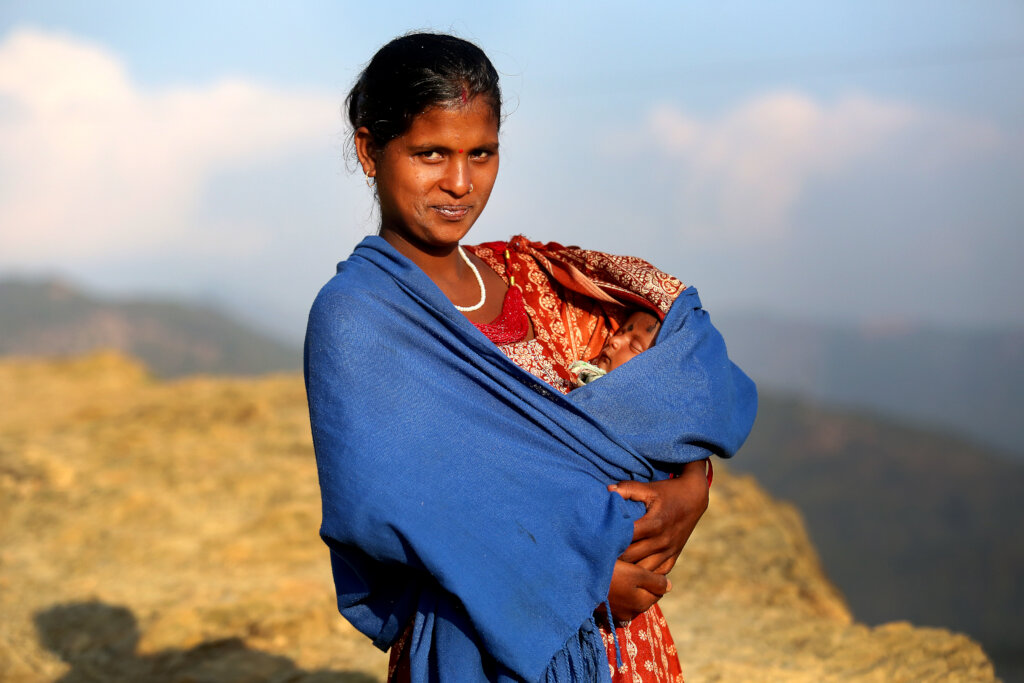
For Ranju, this was her reality.
Where It StartedFor many women in Ranju’s community, pregnancy often meant giving birth at home, where trust in health facilities was low, and information about available care was limited.
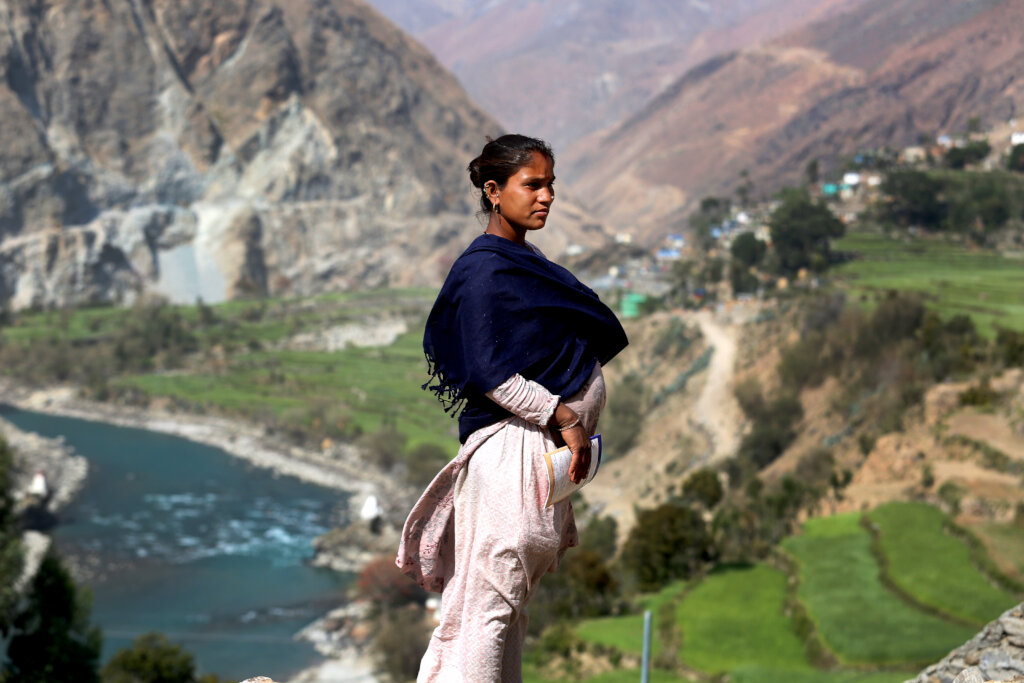
Ranju was living in difficult conditions. Reliable transportation was unavailable, food at home was limited, and support from her family was not always available. Because of this, she often missed her antenatal care visits.
This left her feeling uncertain about her pregnancy and unaware of the warning signs to look for in case of complications.
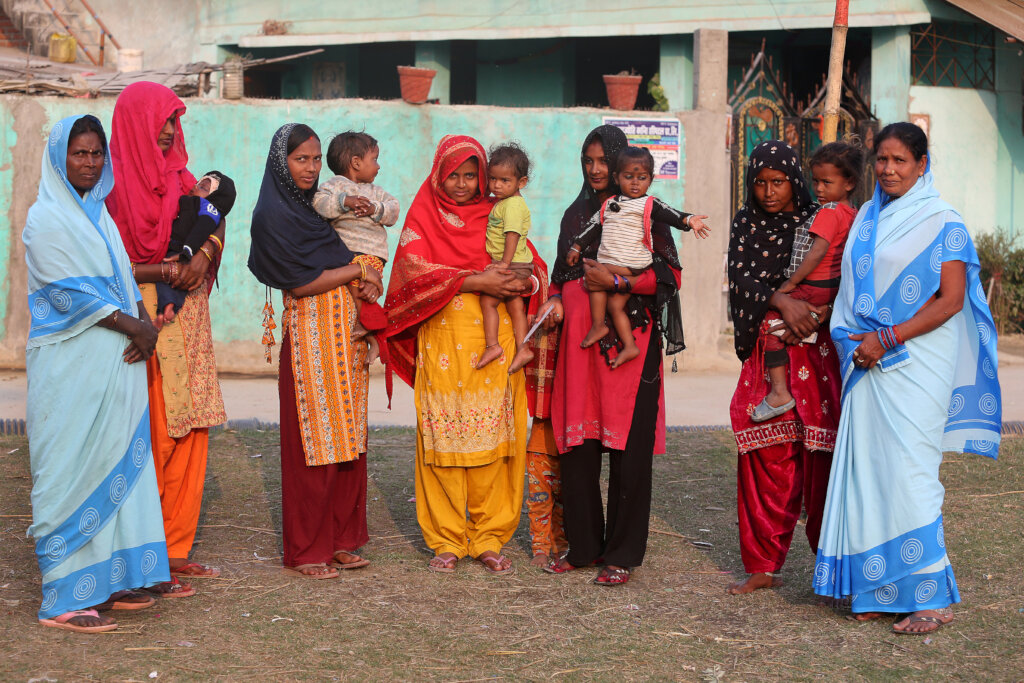
Many women in Chepkat Tole missed routine checkups and went through pregnancy without consistent guidance or support. Maternal and newborn health complications were common, often due to delays in seeking care at nearby health facilities.
Due to past experiences, Ranju did not participate in community-level events, believing that such programs brought no real change to her life.
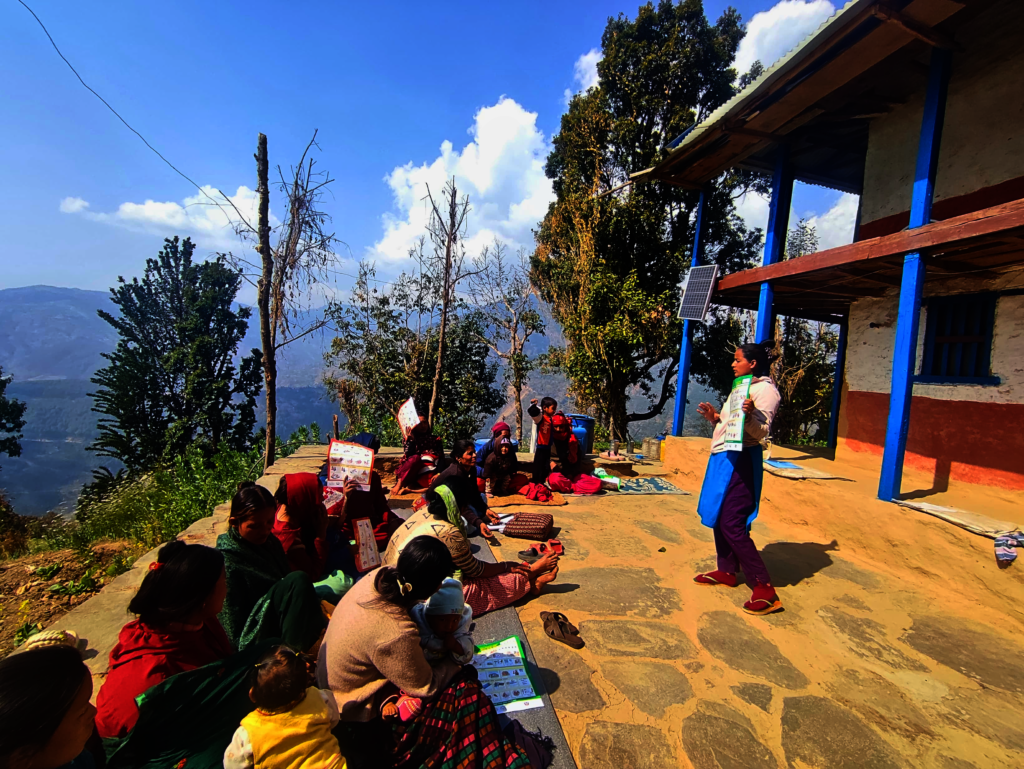
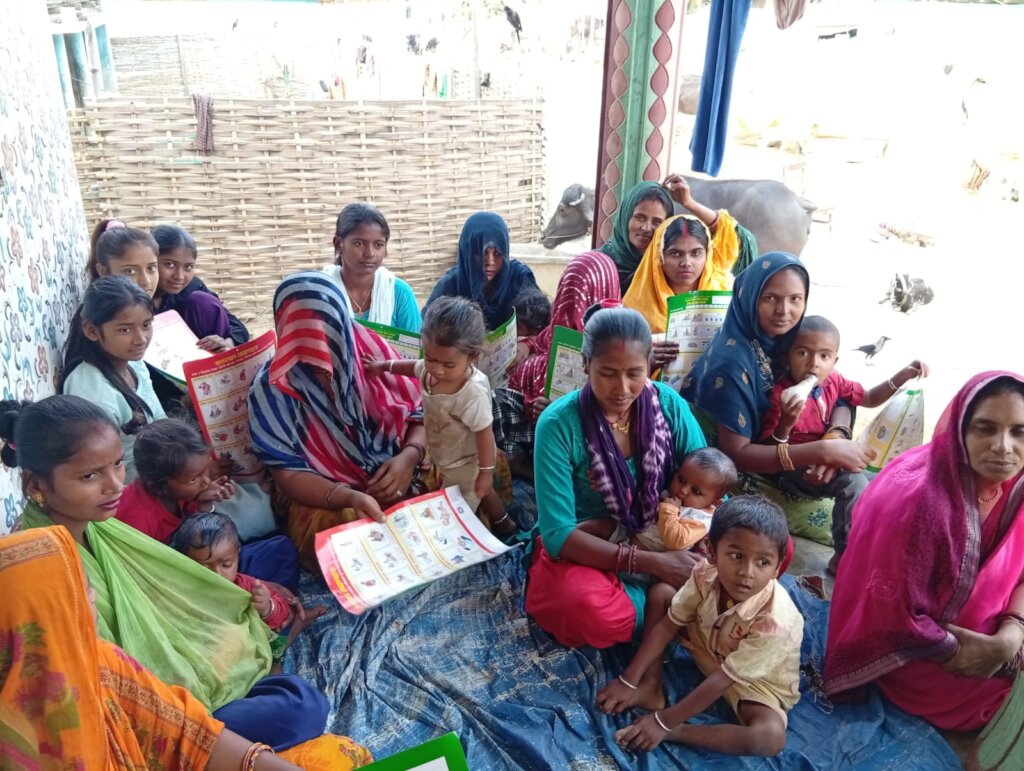
A Turning PointAt first, Ranju was hesitant to participate. But over time, through conversations with Female Community Health Volunteers (FCHVs) and other women in her community, she began to engage.
Over time, she gained a clearer understanding of when to attend checkups, where she learned about proper nutrition during pregnancy and when it was important to seek care.
Most importantly, she began to feel supported.
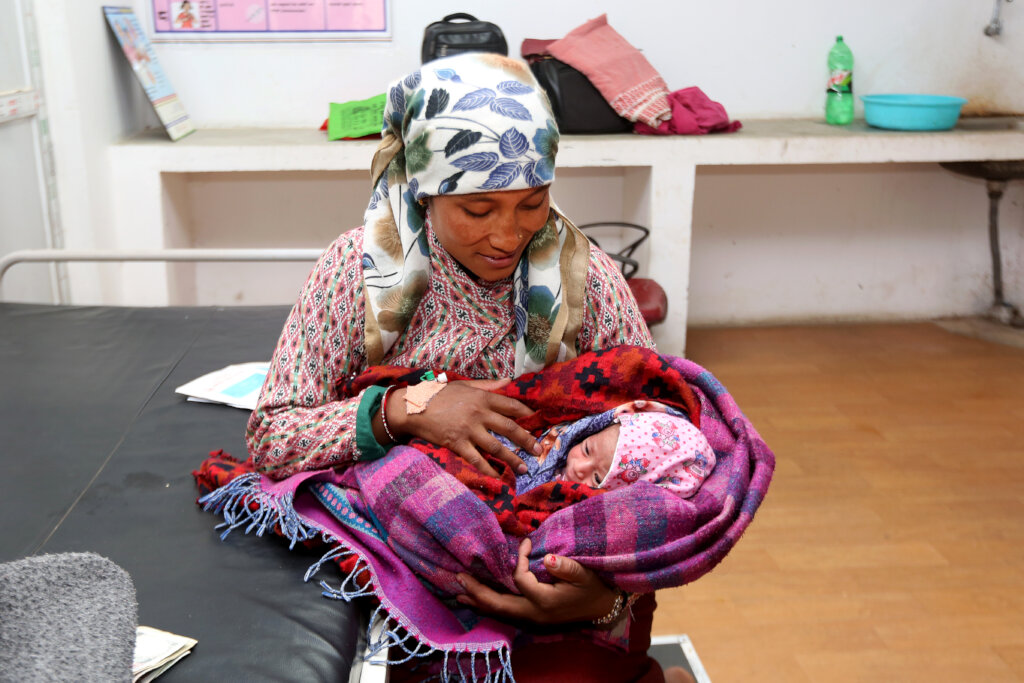
What ChangedBy attending health services regularly, Ranju became more confident in her decision and more aware of how to care for herself and her baby.
Her family also became more involved, helping ensure she could access care when she needed it.
In Chepkat Tole, similar changes began taking shape. Families became more supportive of pregnant women and more engaged in seeking care at health facilities.
FCHVs also took on a stronger role and are now recognized as trusted sources of information and guidance within the community.
Why This MattersCommunity awareness programs are just one part of efforts to strengthen maternal healthcare in Madhesh.
It’s not only about upgrading the health facilities. It’s about ensuring that mothers have the knowledge and support they need to feel confident throughout their pregnancy.
When women are informed, that knowledge does not stop with them. It is shared with families and neighbors, creating a ripple effect across their community.
Lasting change comes through partnership with communities and local governments, building trust and ensuring that progress is owned and sustained locally. When mothers and their communities are informed and invested, care becomes something families can rely on with confidence, today and into the future.
Project reports on GlobalGiving are posted directly to globalgiving.org by Project Leaders as they are completed, generally every 3-4 months. To protect the integrity of these documents, GlobalGiving does not alter them; therefore you may find some language or formatting issues.
If you donate to this project or have donated to this project, you can receive an email when this project posts a report. You can also subscribe for reports without donating.



Support this important cause by creating a personalized fundraising page.
Start a Fundraiser