By El Hadj Abdou Sy | Maison de la Gare Communications Coordinator
Behind every child, there is a team at Maison de la Gare that never gives up
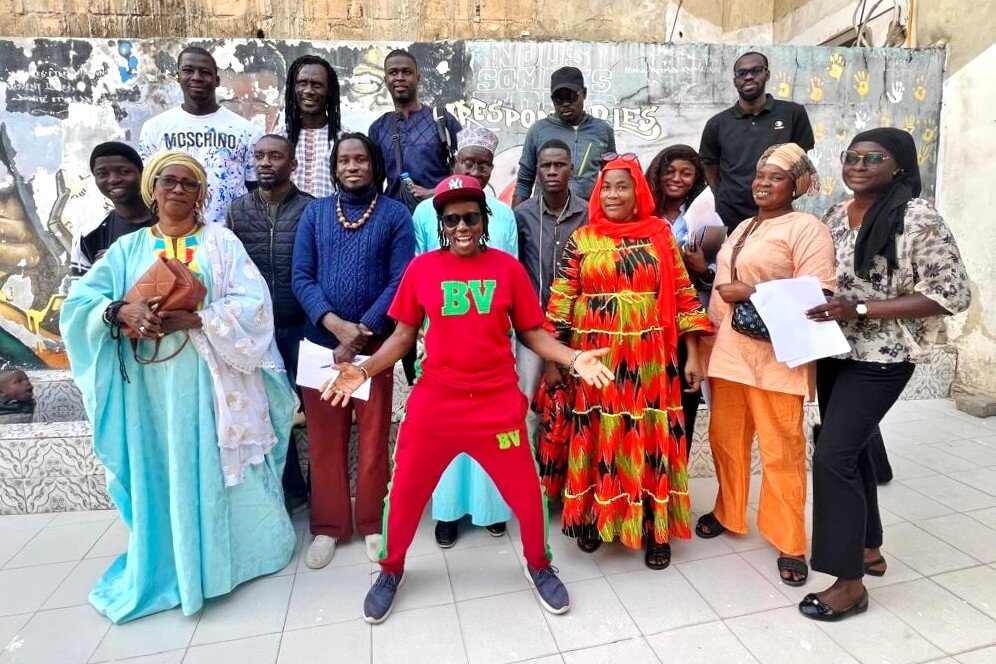
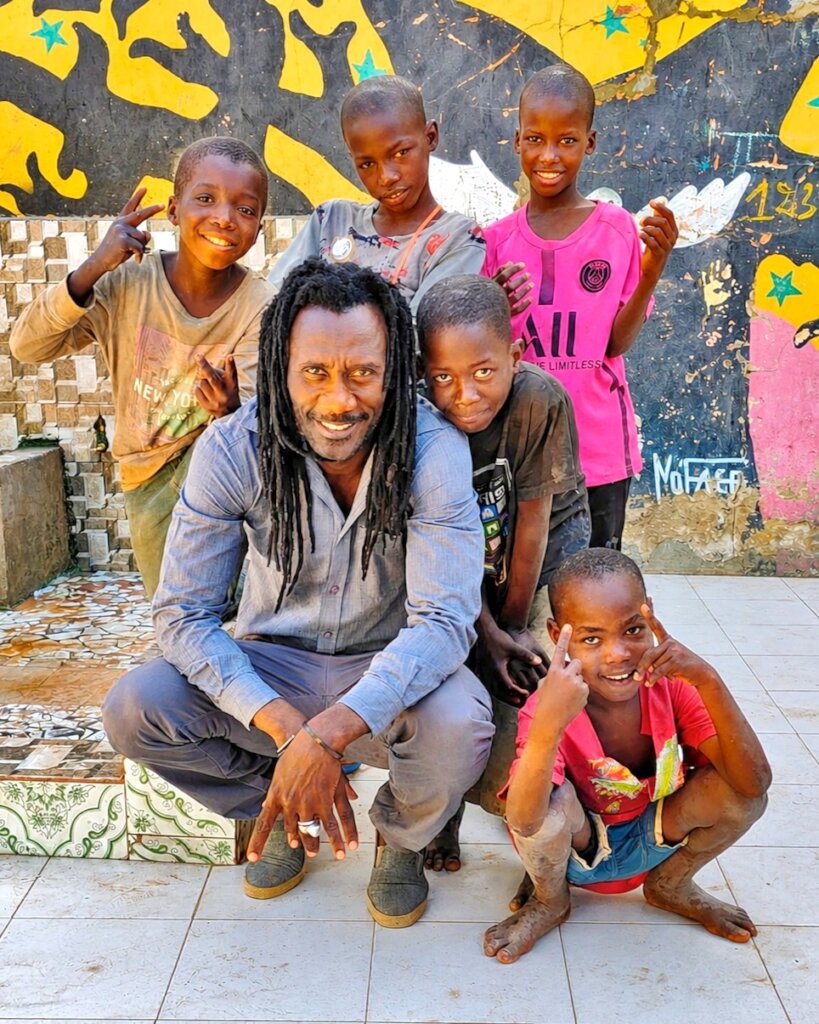
At Maison de la Gare, every child we accompany is supported by a team whose commitment goes far beyond daily routines.
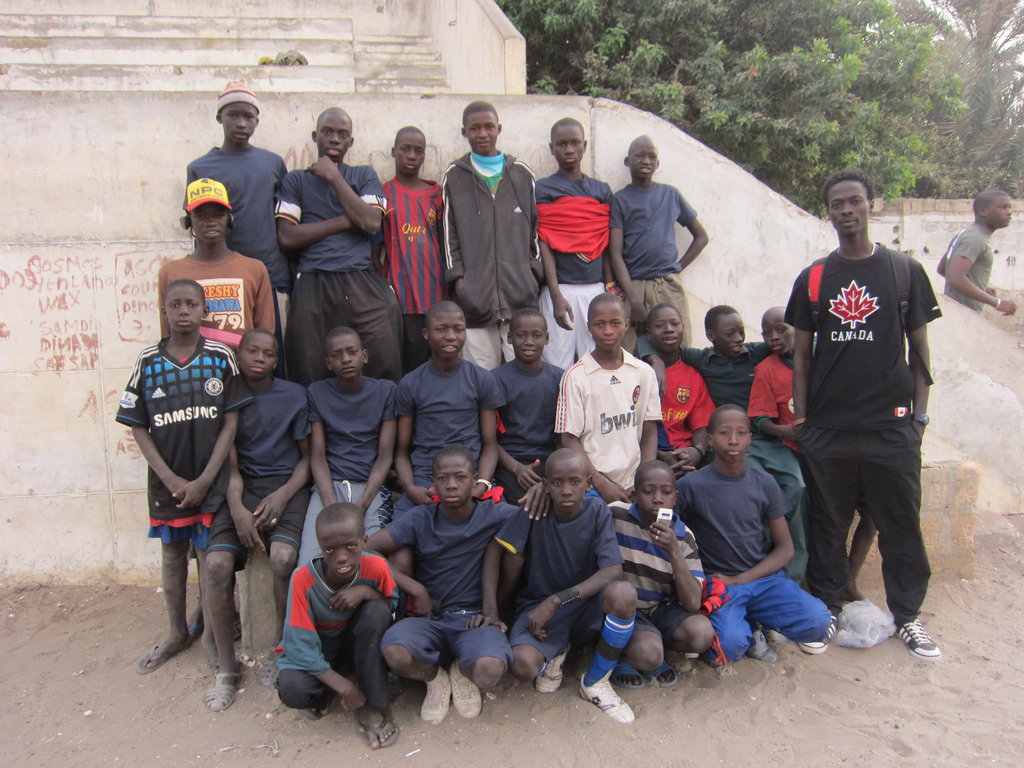
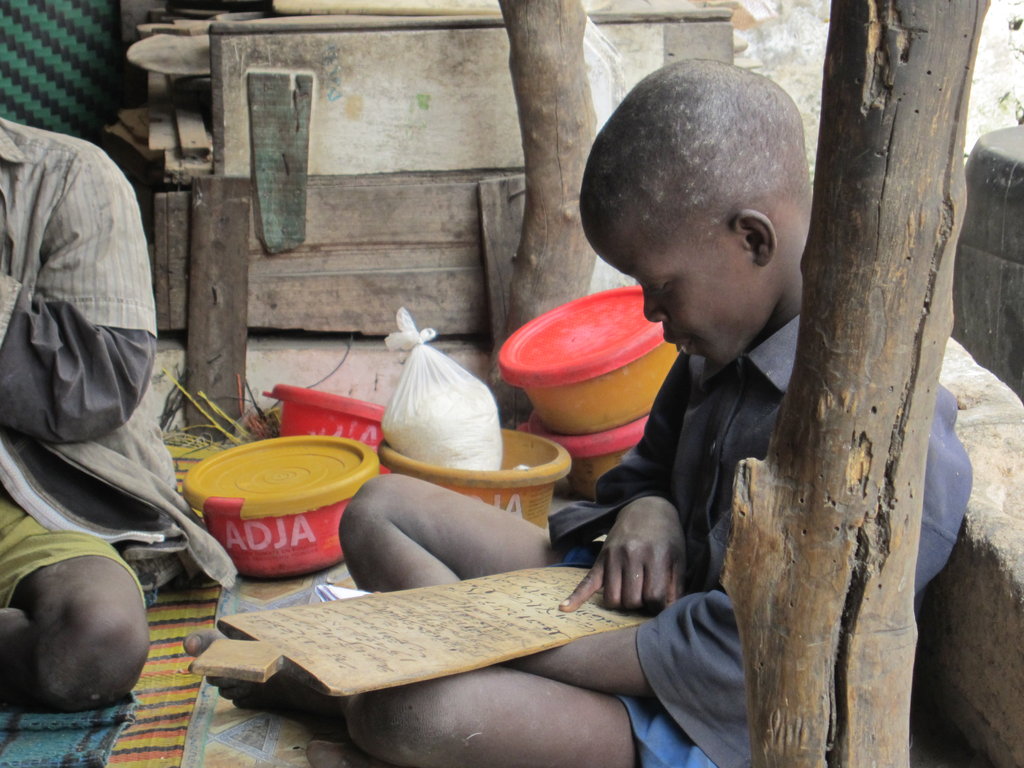
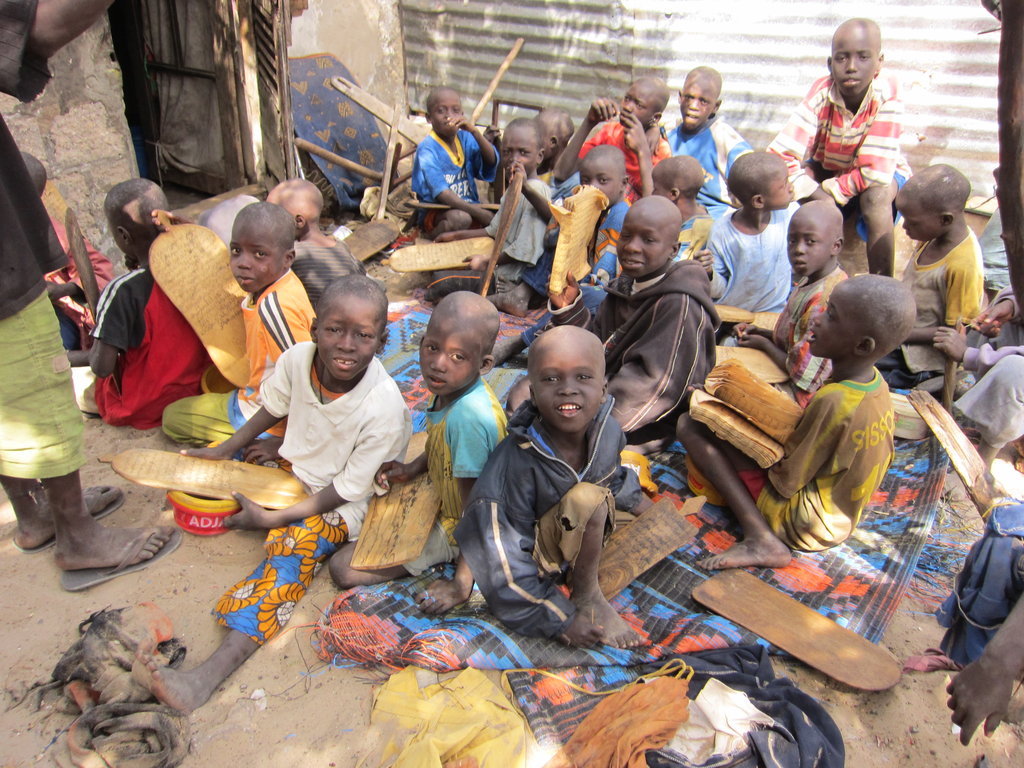
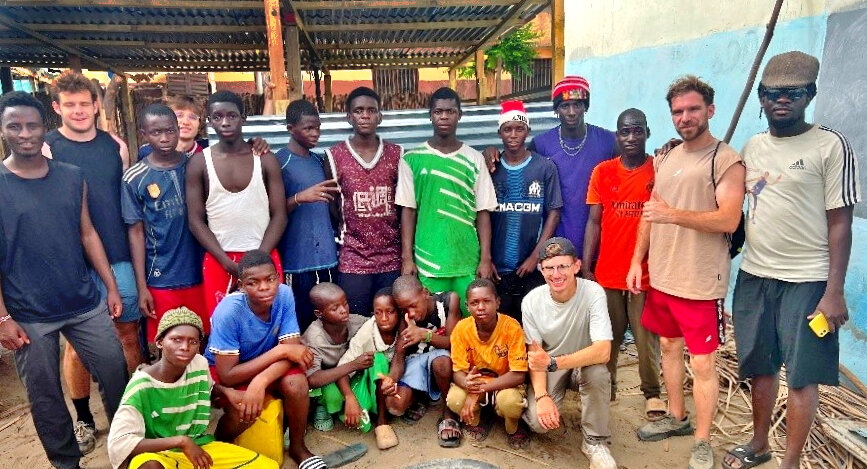
Educators, street outreach workers, teachers, health staff, program leaders, and support personnel all work together to offer talibé children protection, education, care, and a path toward a safer future. Their work is collective, patient, and grounded in the belief that every child has potential — even when life has pushed them to the margins.
Meeting the children where they are
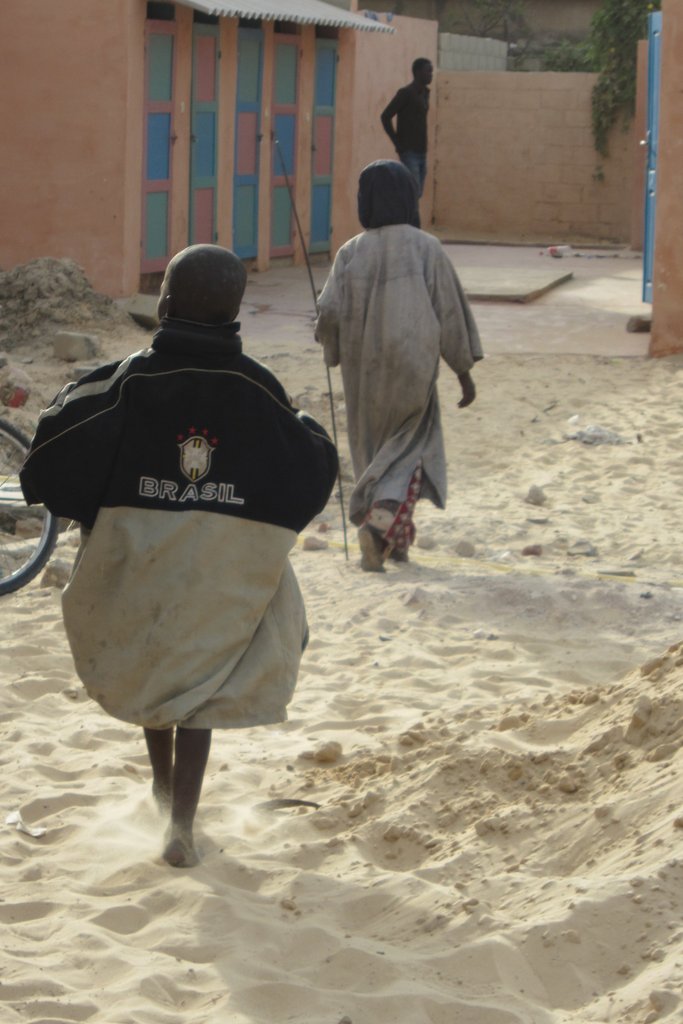
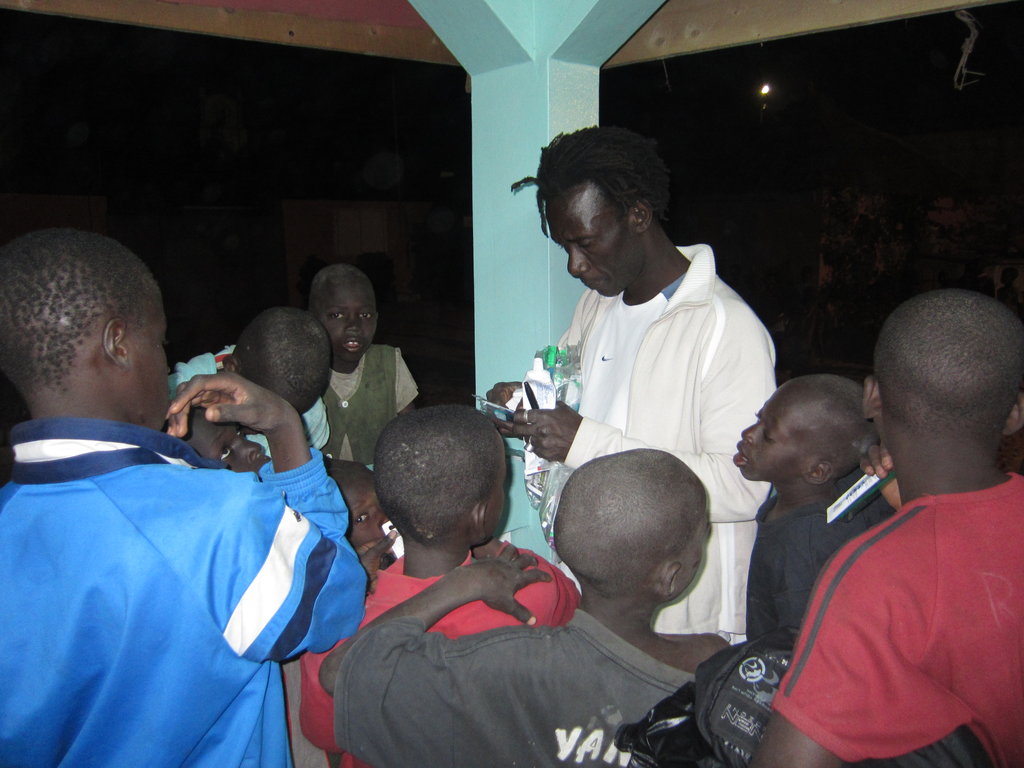
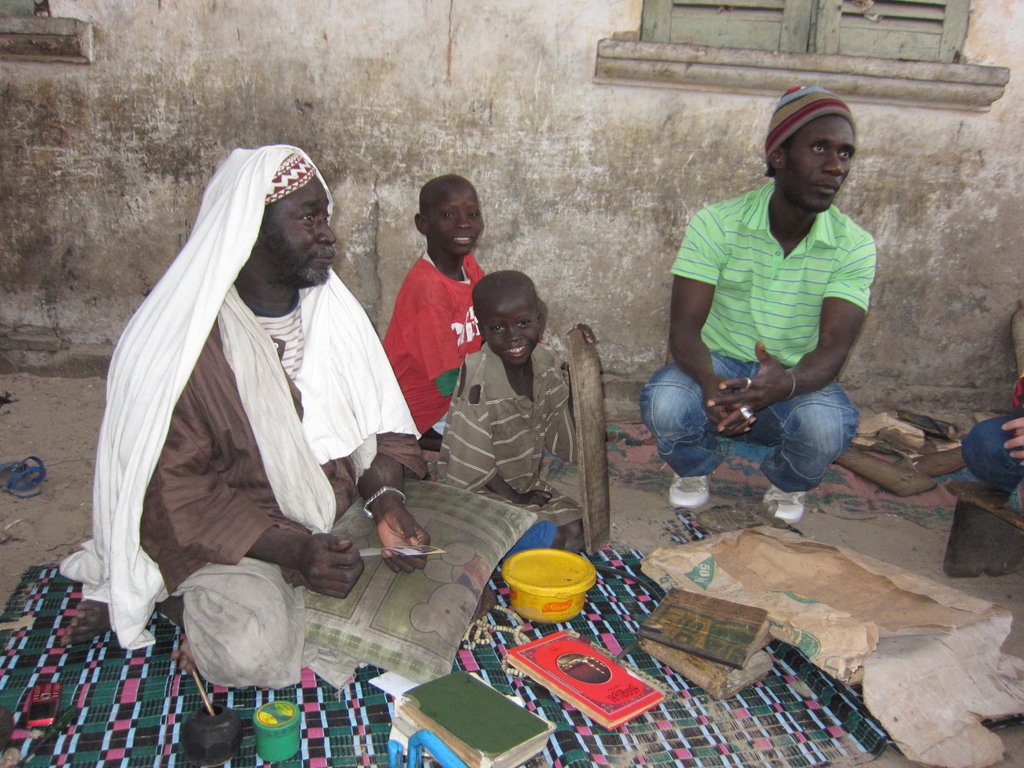
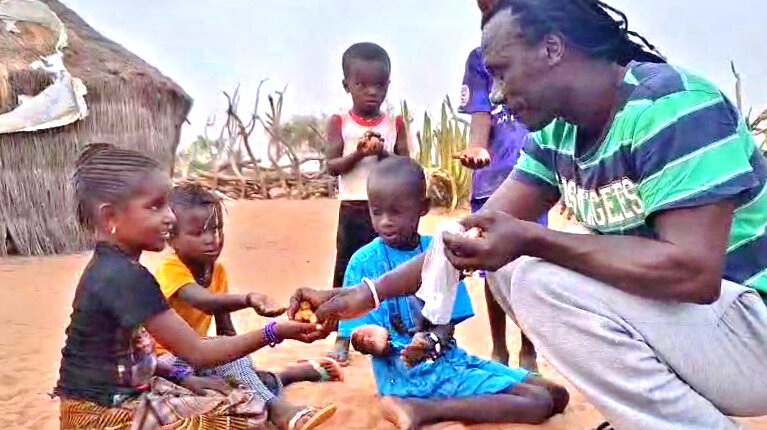
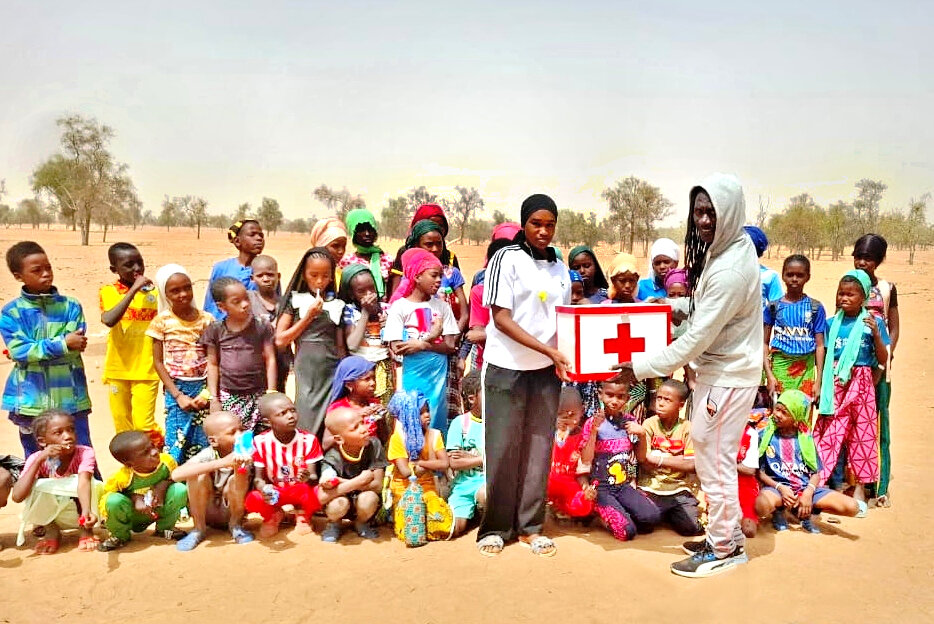
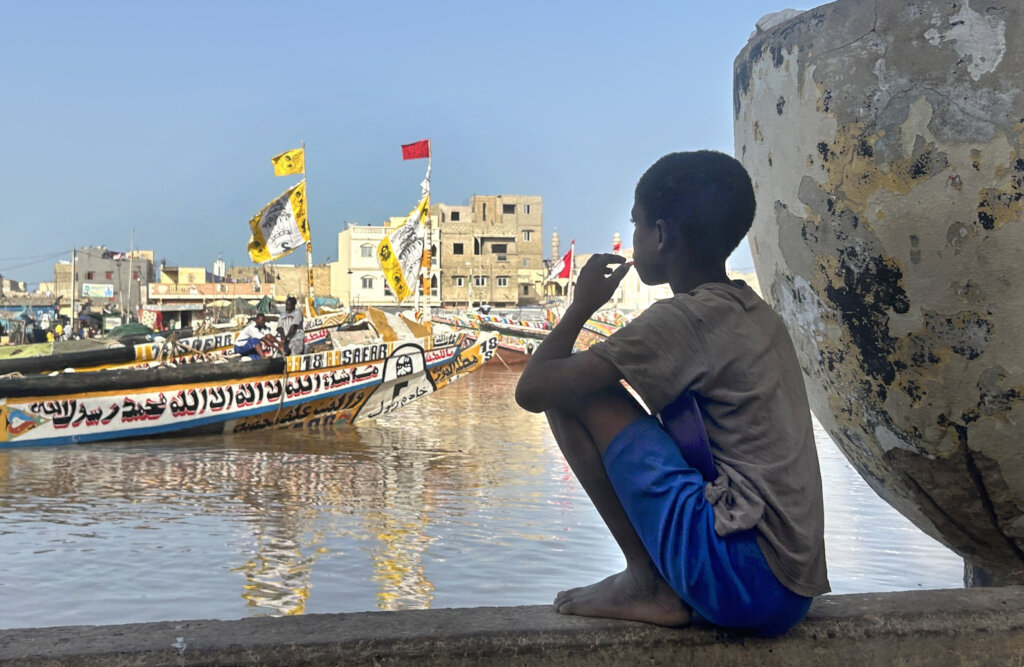
For many children, the journey begins in the street. Street educators Mamadou Gueye and Abou Sy seek out children living in extreme vulnerability — sleeping outside, begging for survival, or fleeing abusive daaras. During daytime and nighttime rounds, they establish first contact, listen without judgment, identify urgent needs, and offer a safe path forward. This proximity work is often the first step toward lasting protection.
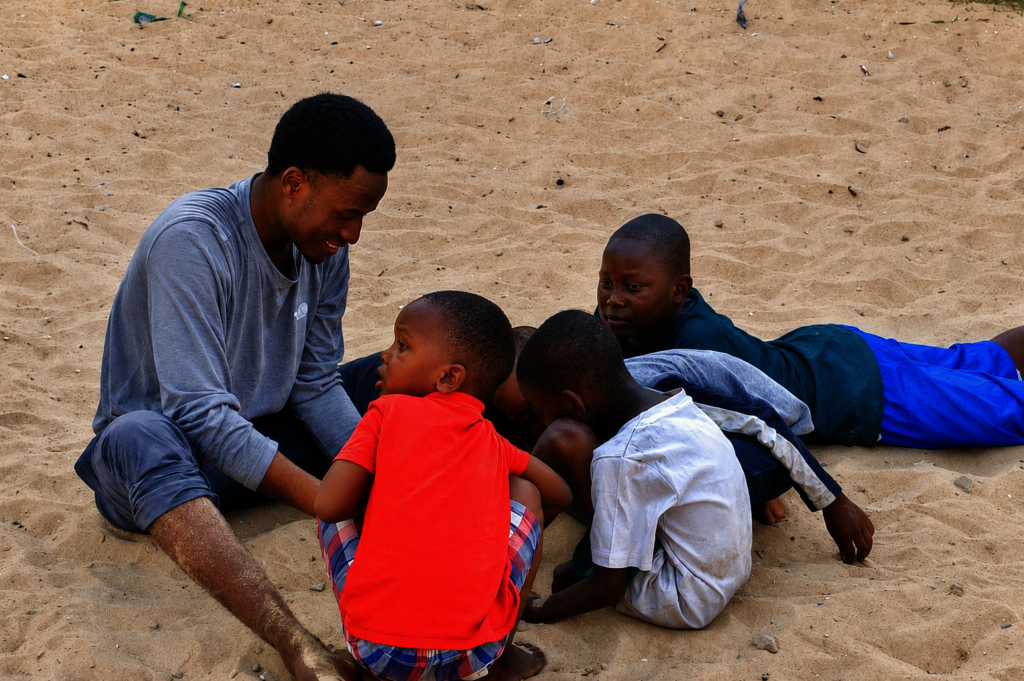
When a child enters the emergency shelter, the work continues with care and patience. Educators Ndèye Aby Bâ and Ndèye Aïssa Sarr welcome each child and take time to understand their story, their family ties, and the reasons that led them to the street. This relationship of trust helps the child regain stability and imagine a safer future.
Once children are safe, the work of rebuilding begins.
Building the path forward
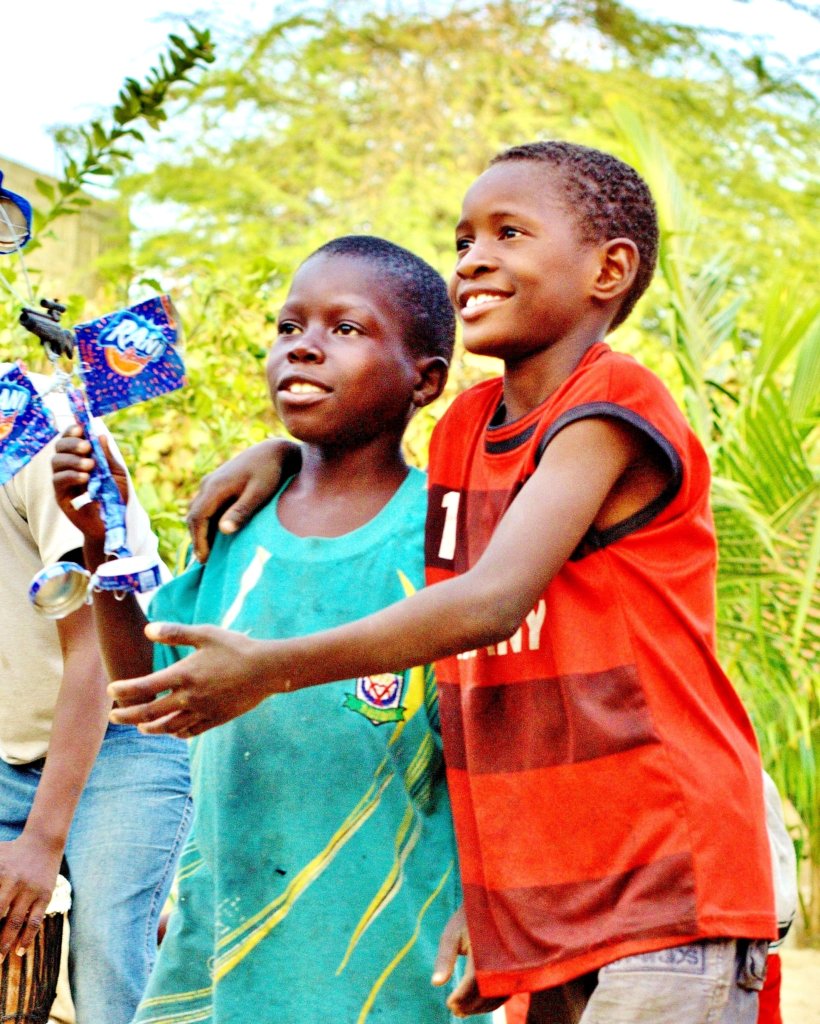
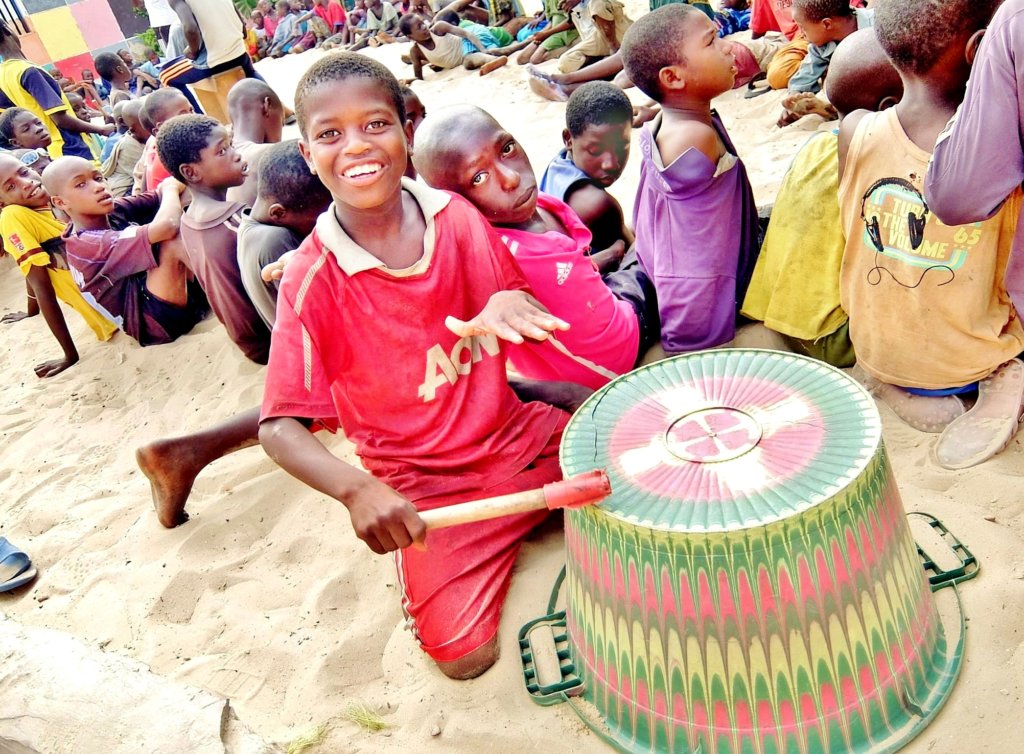
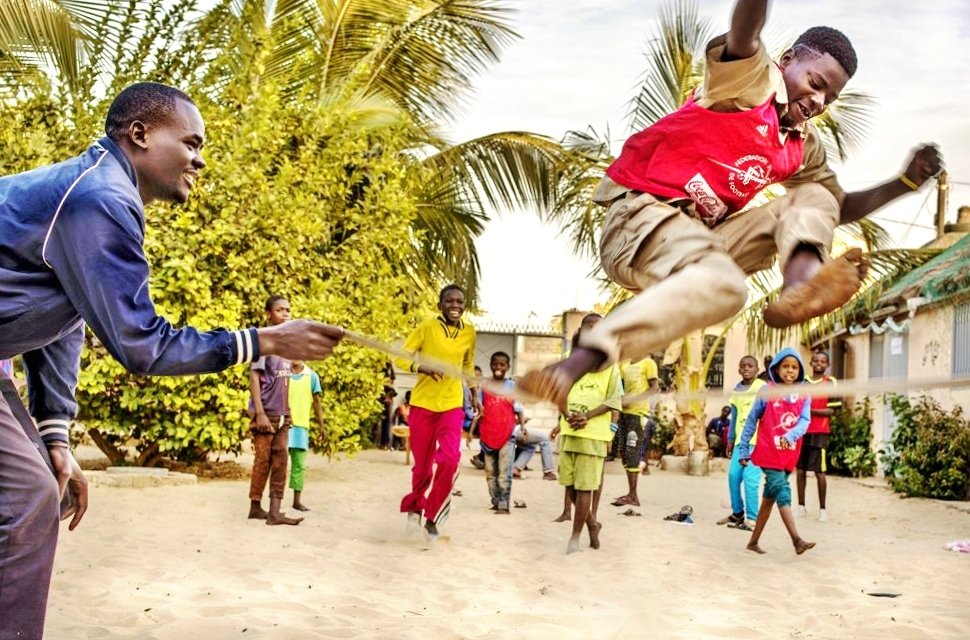
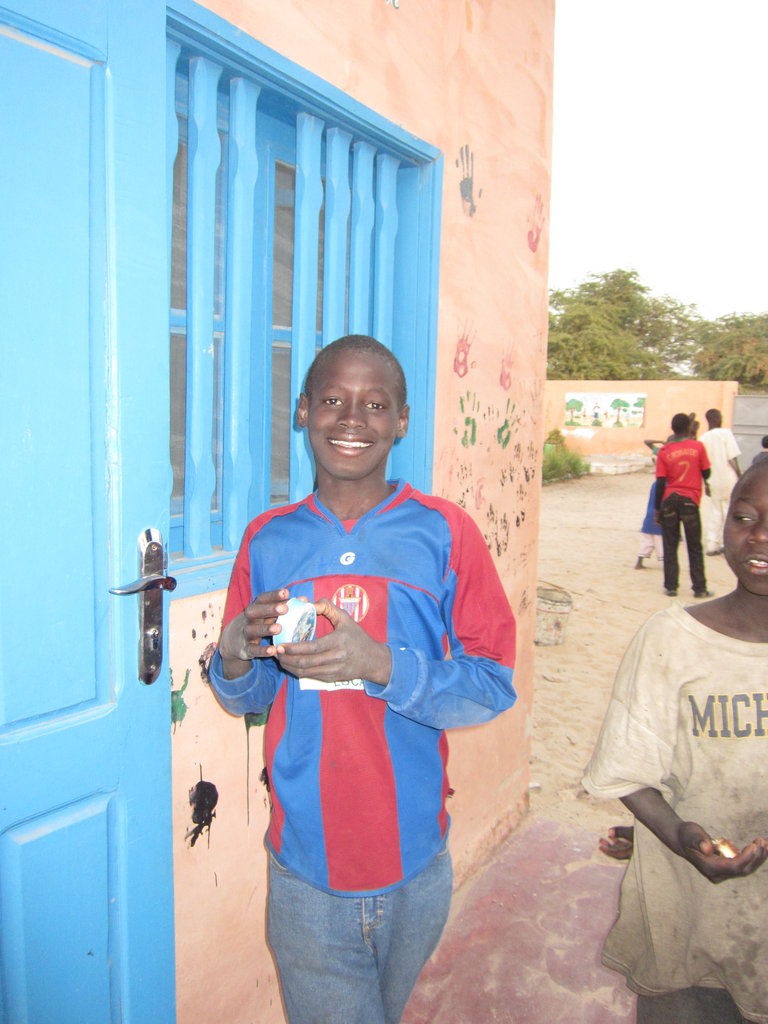
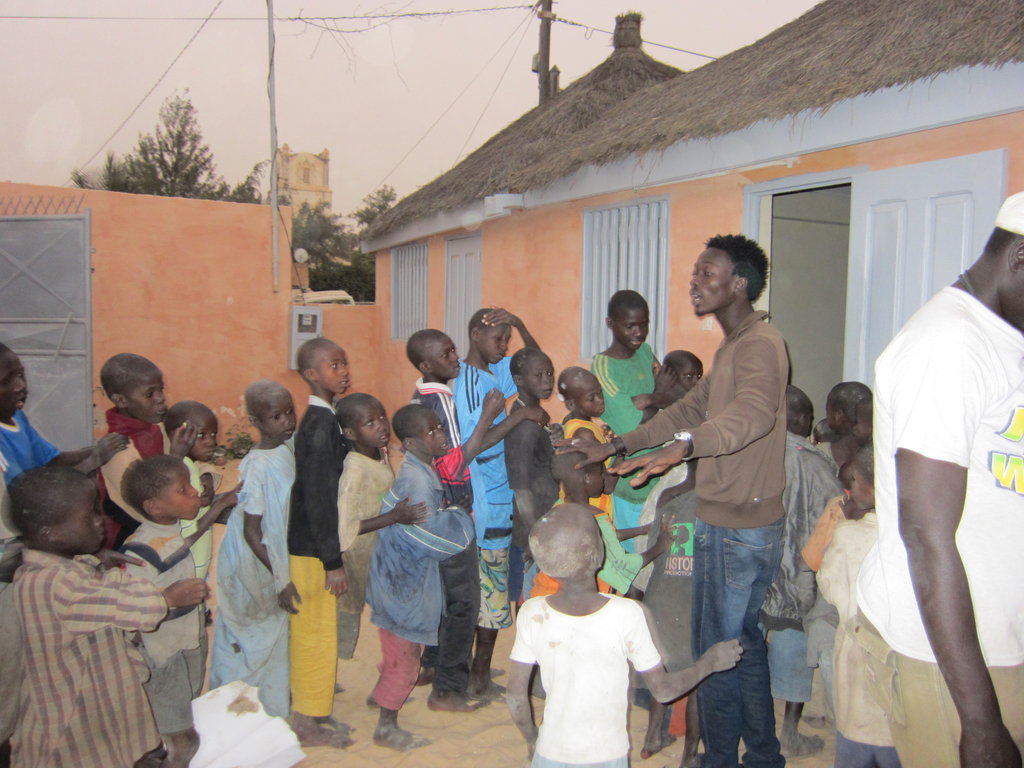
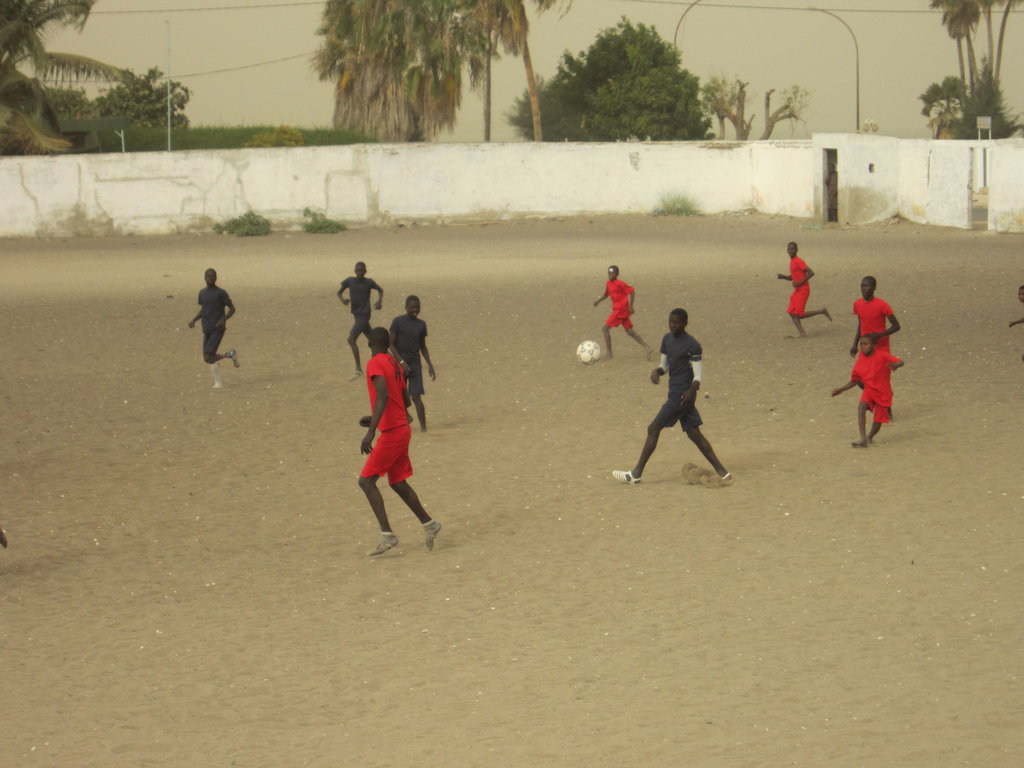
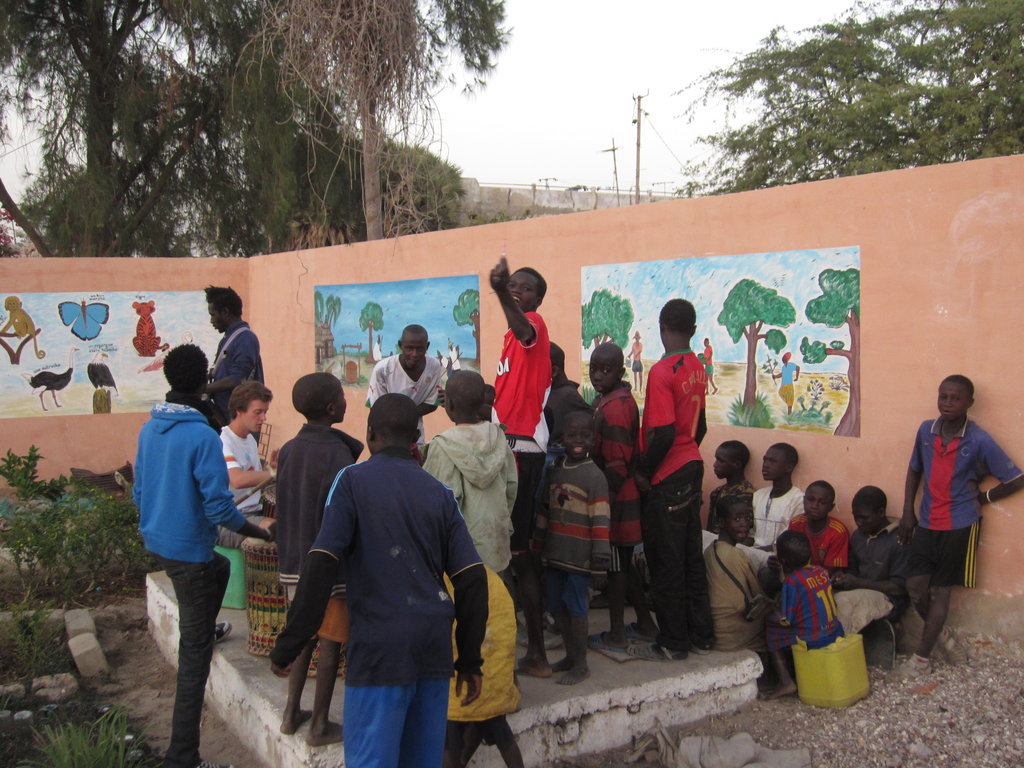
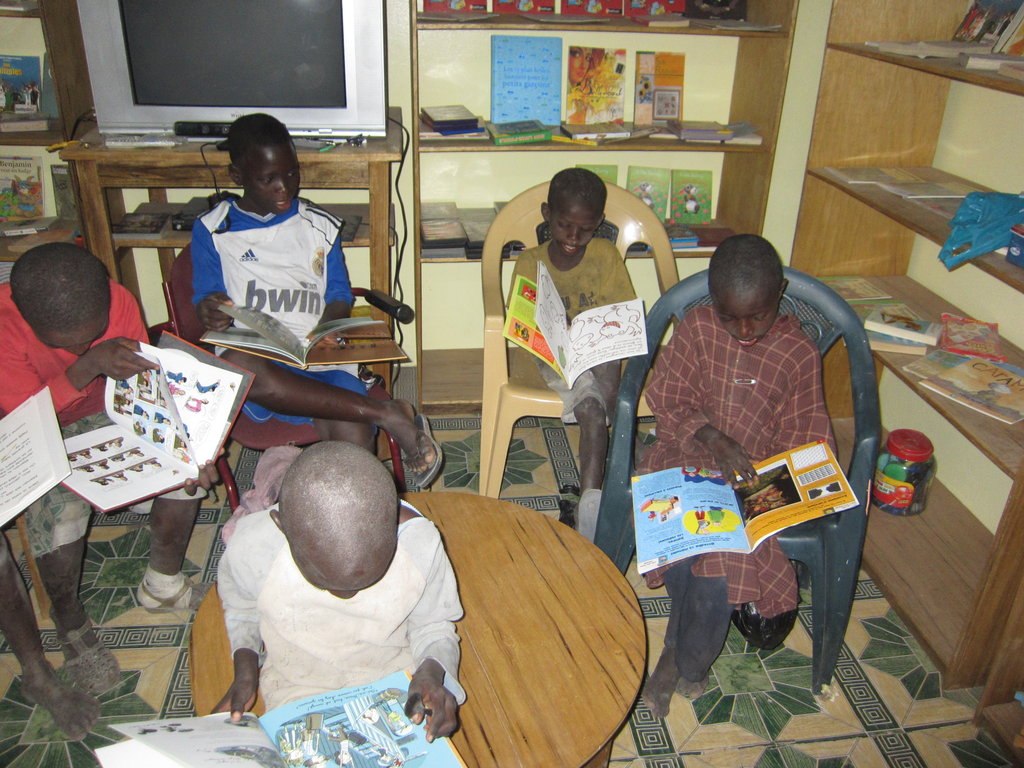
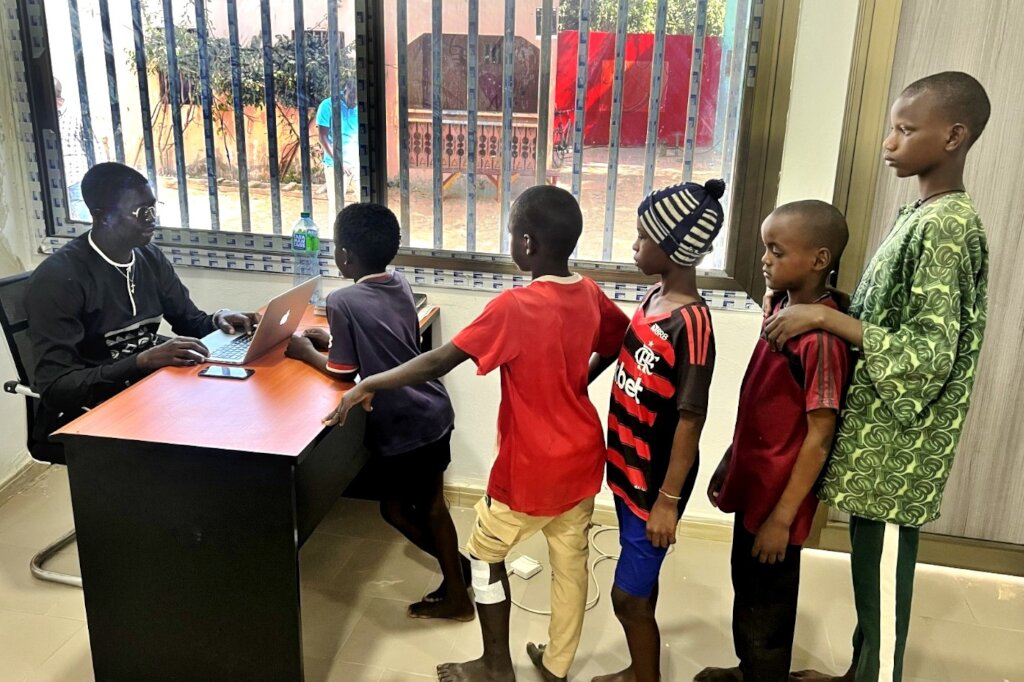
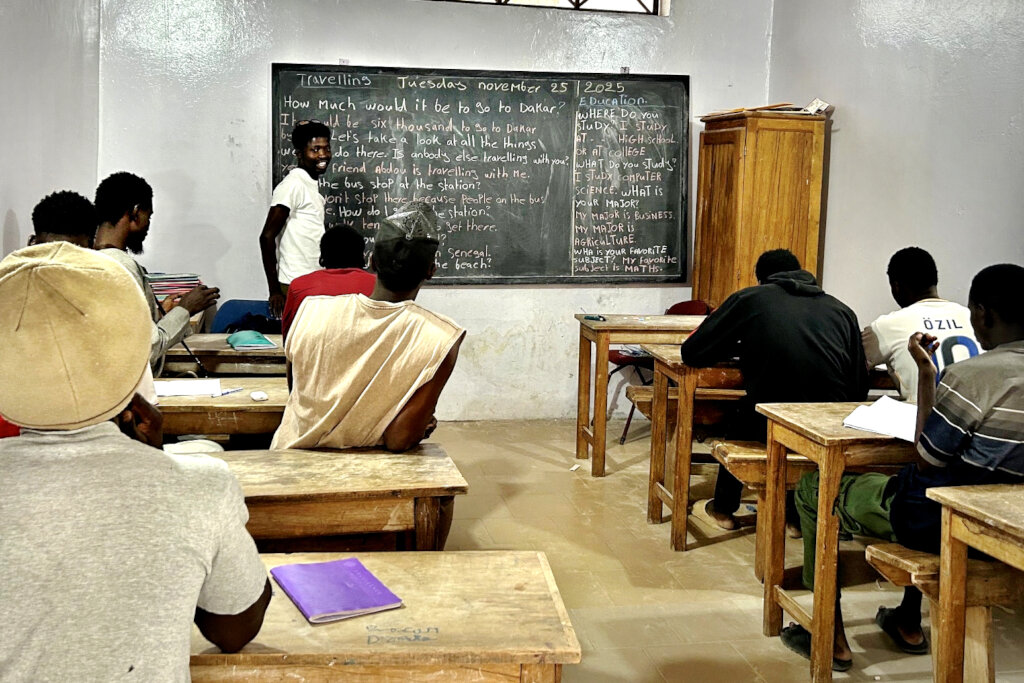
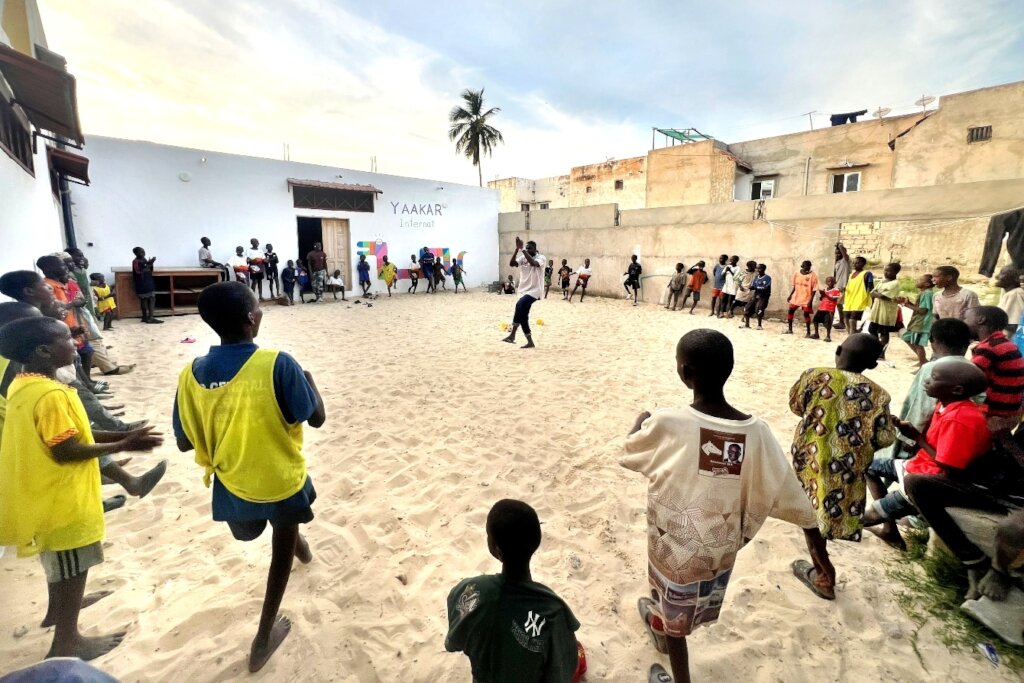
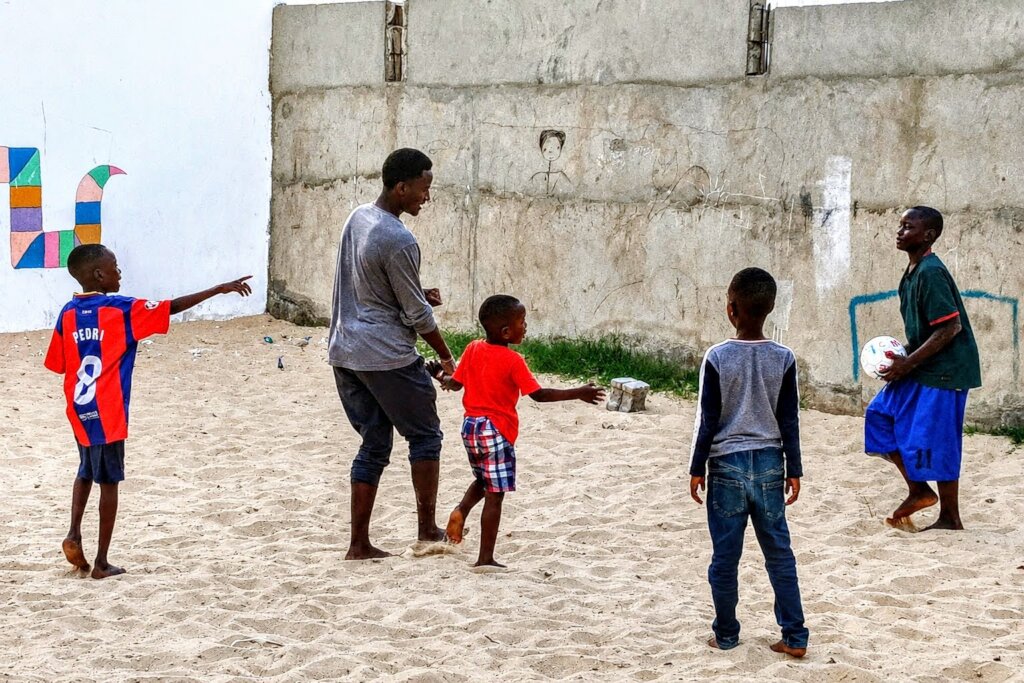
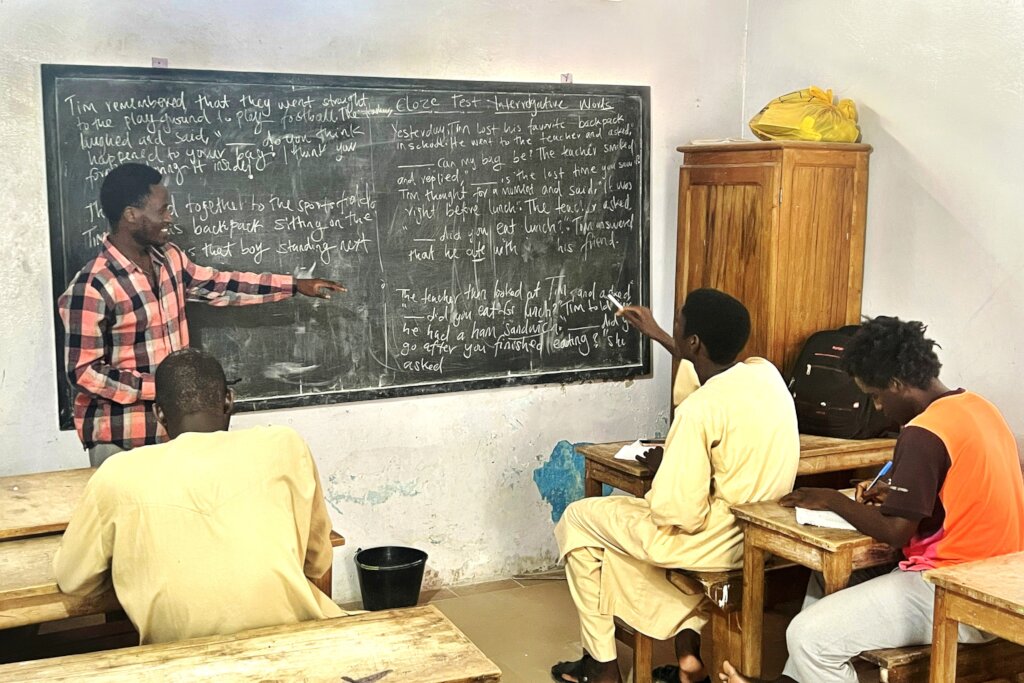
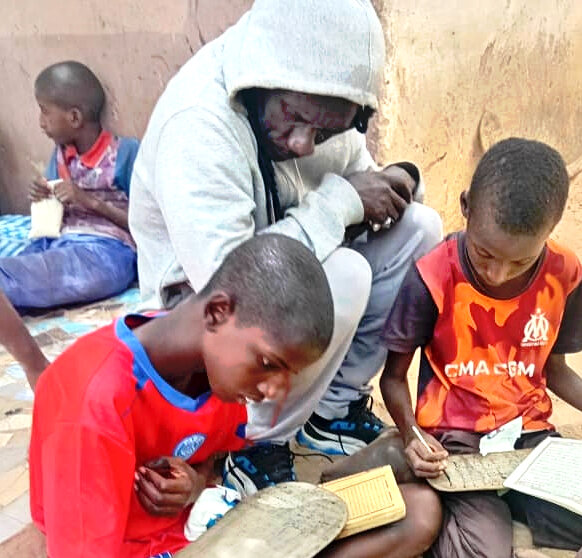
At our welcome center, Noël Coly registers the hundreds of children who come through our doors each week. Animators Kalidou Baldé and Lalla Sène accompany children through daily educational, cultural, sports, and recreational activities. Their constant presence helps children rebuild confidence, learn respect for shared rules, and rediscover joy. A former talibé himself, Kalidou is a living example of resilience and hope. He also teaches English to children and youth, opening new horizons and strengthening their sense of possibility.
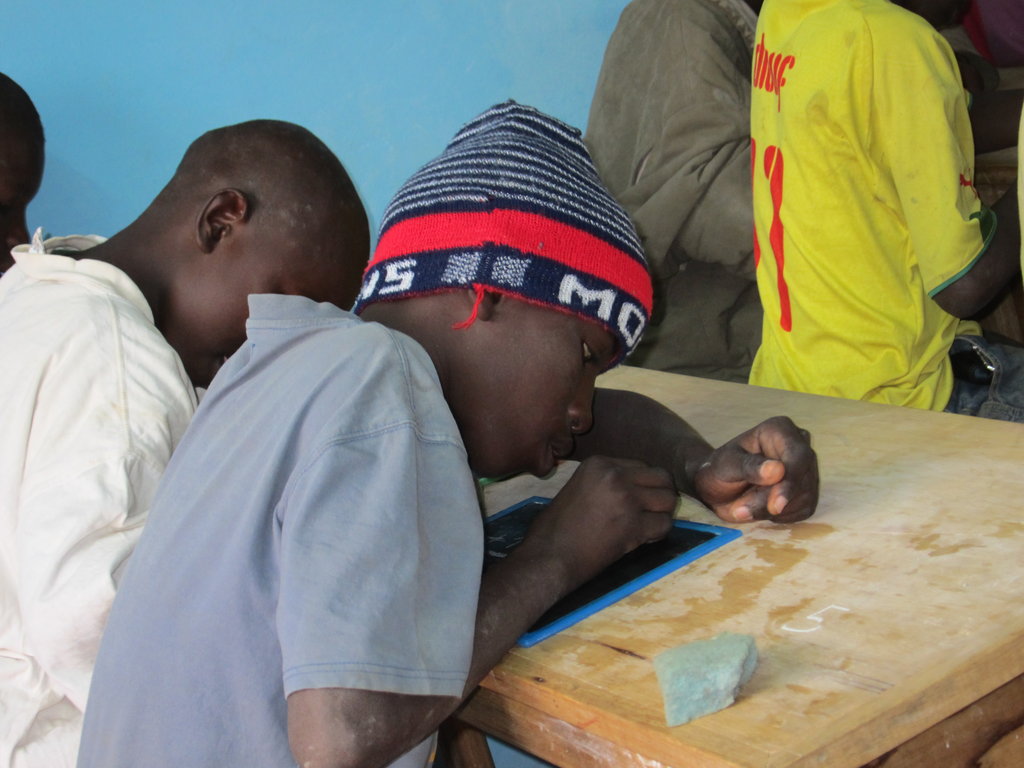
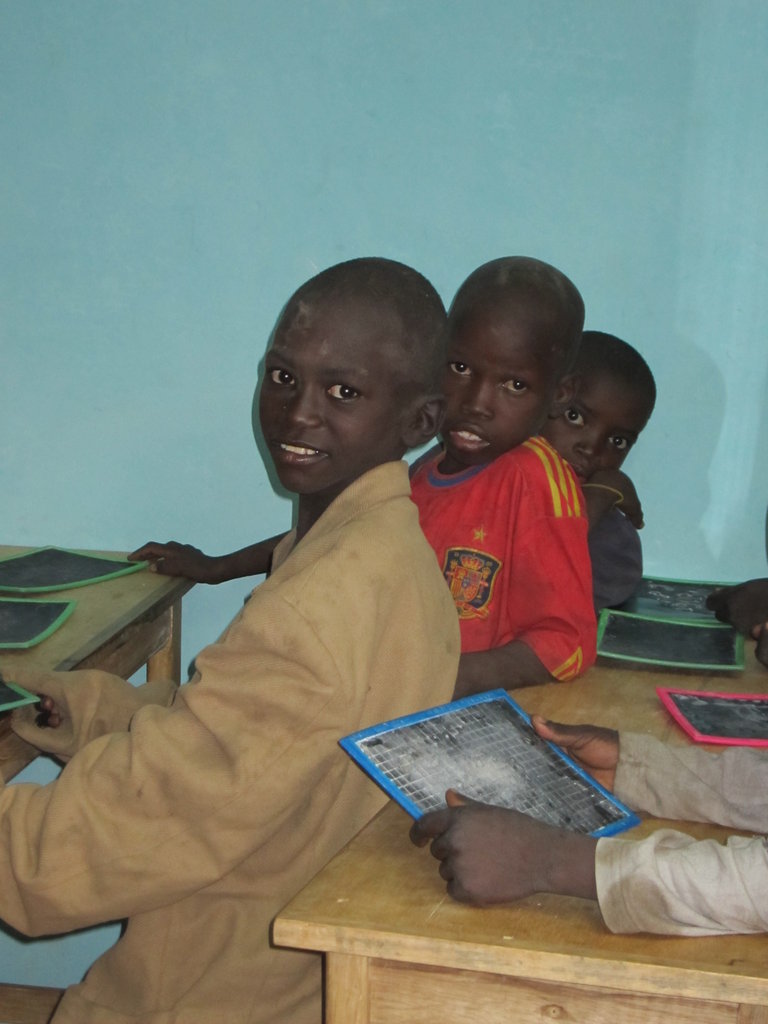
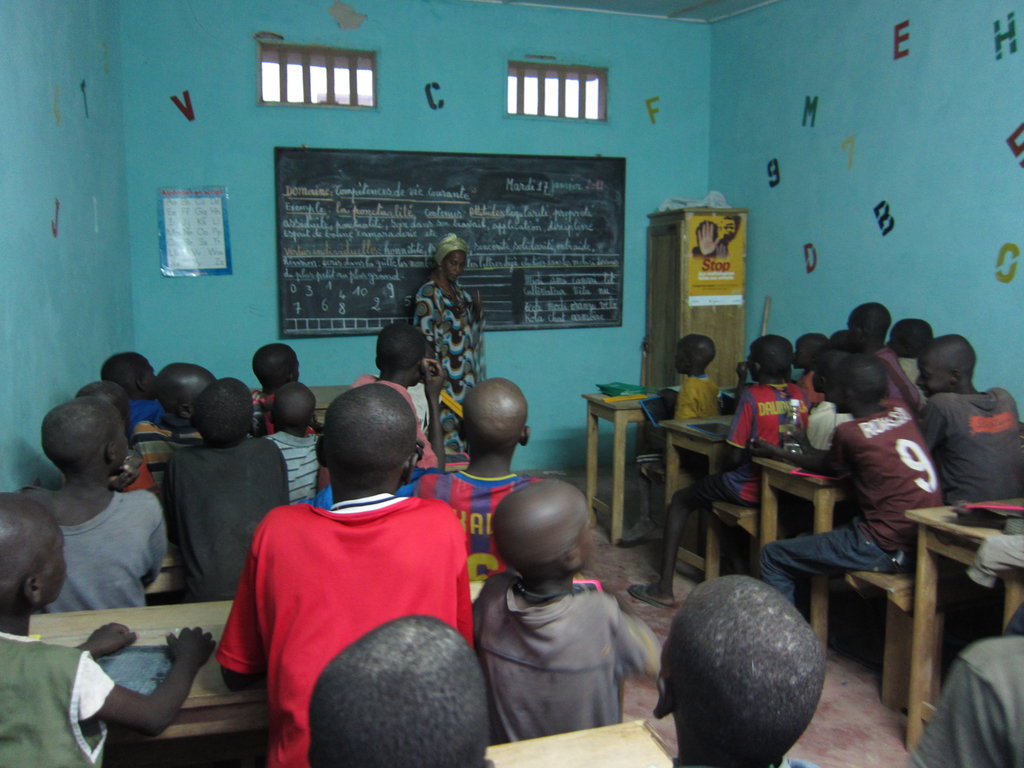
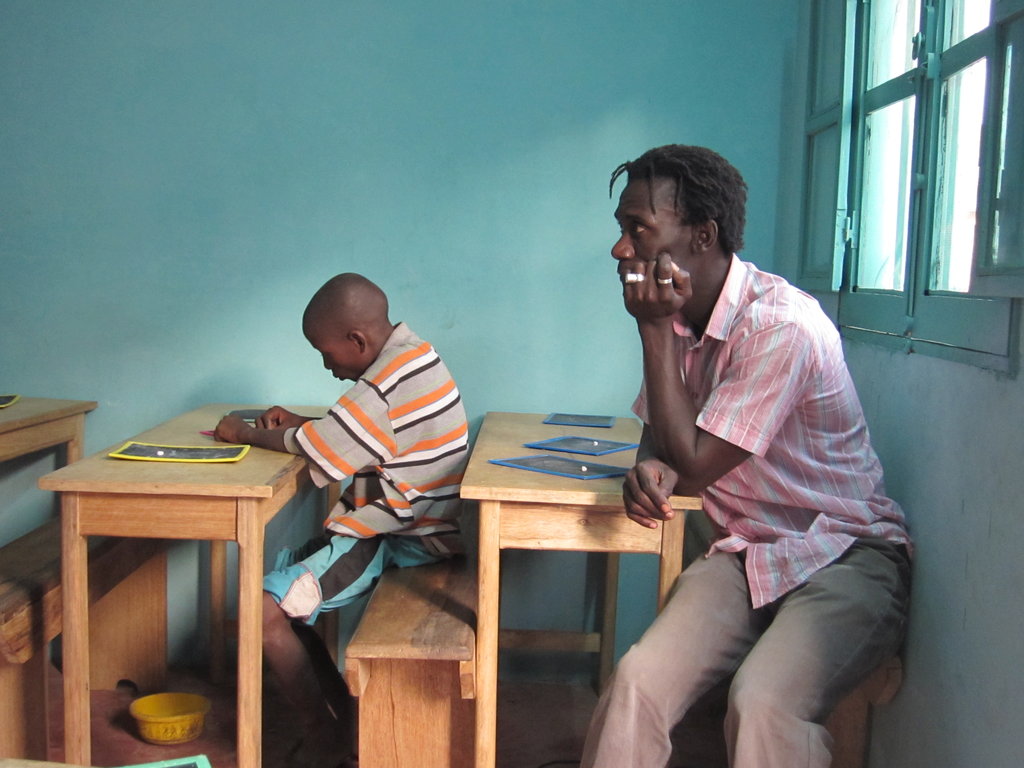
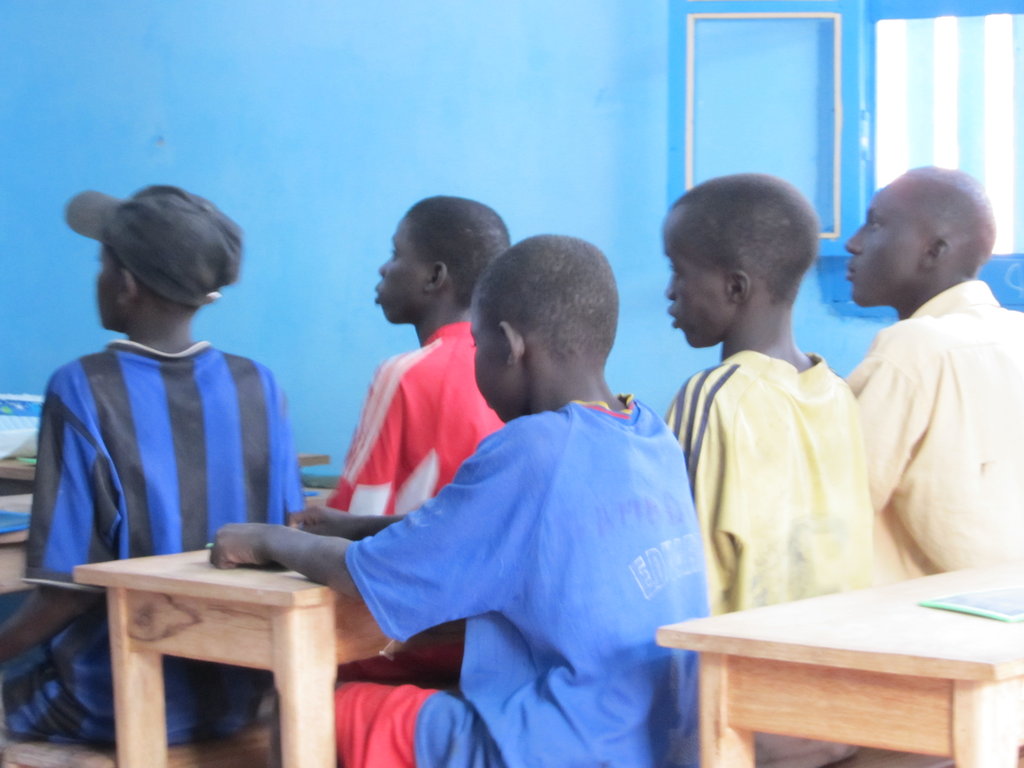
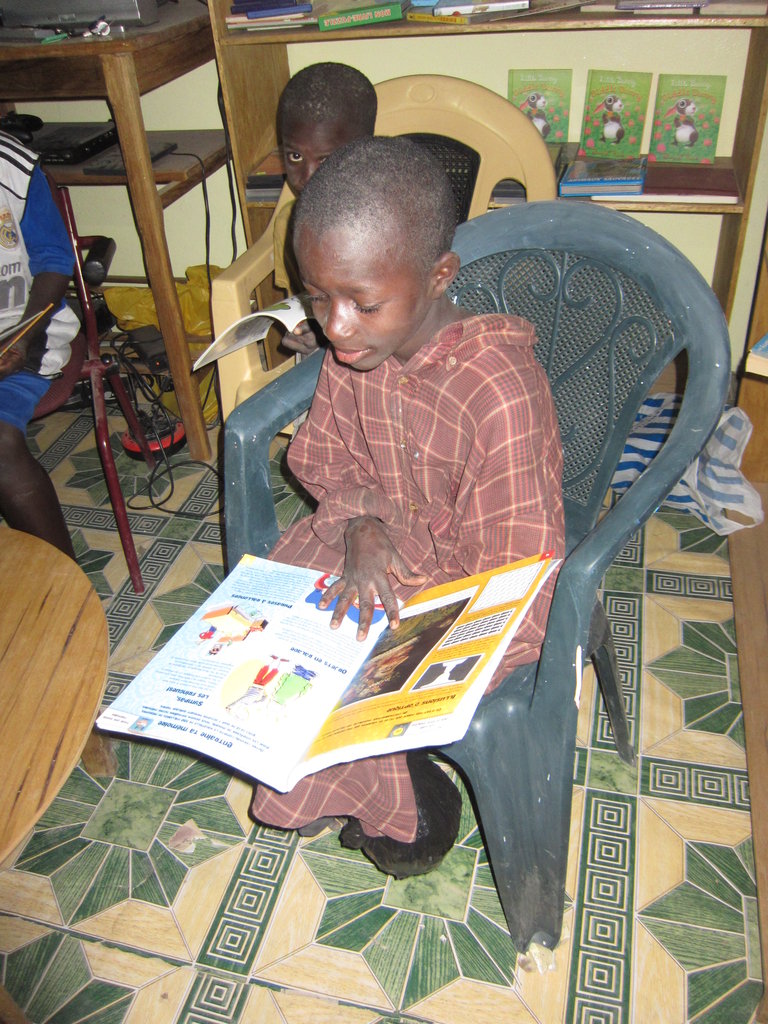
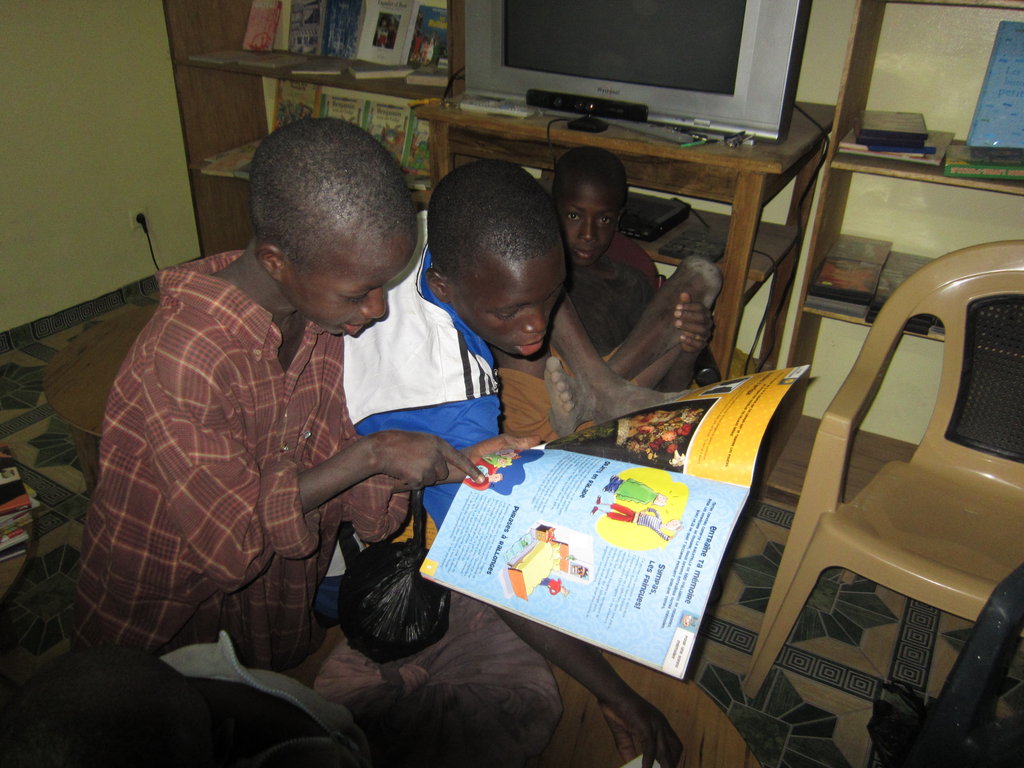
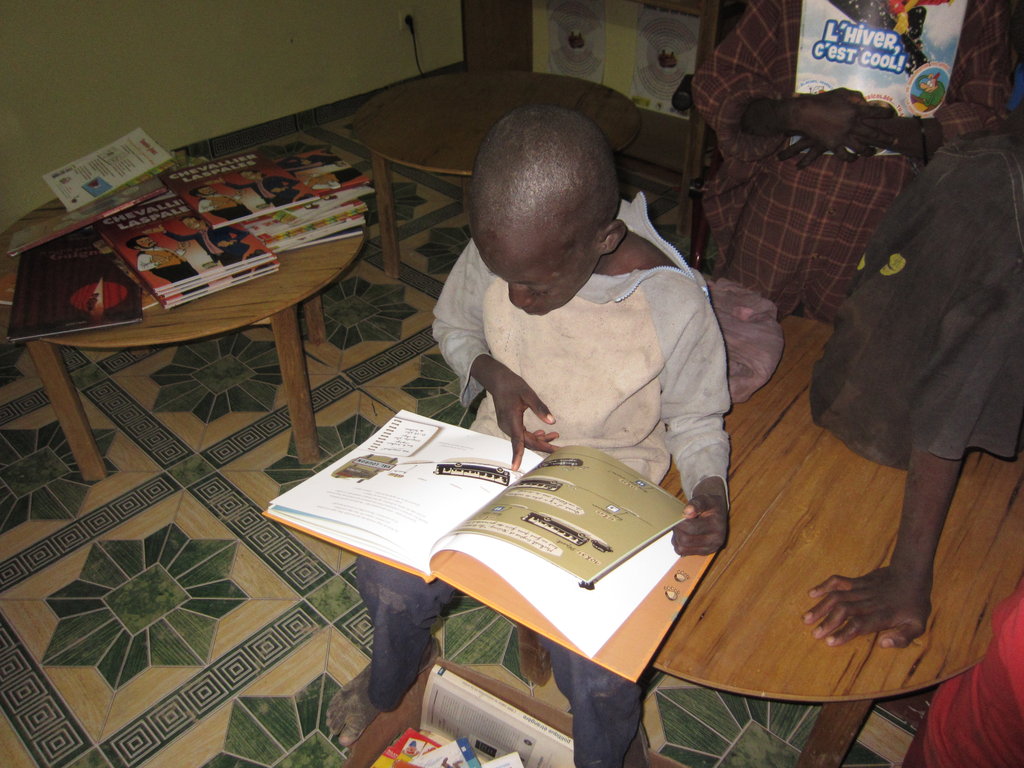
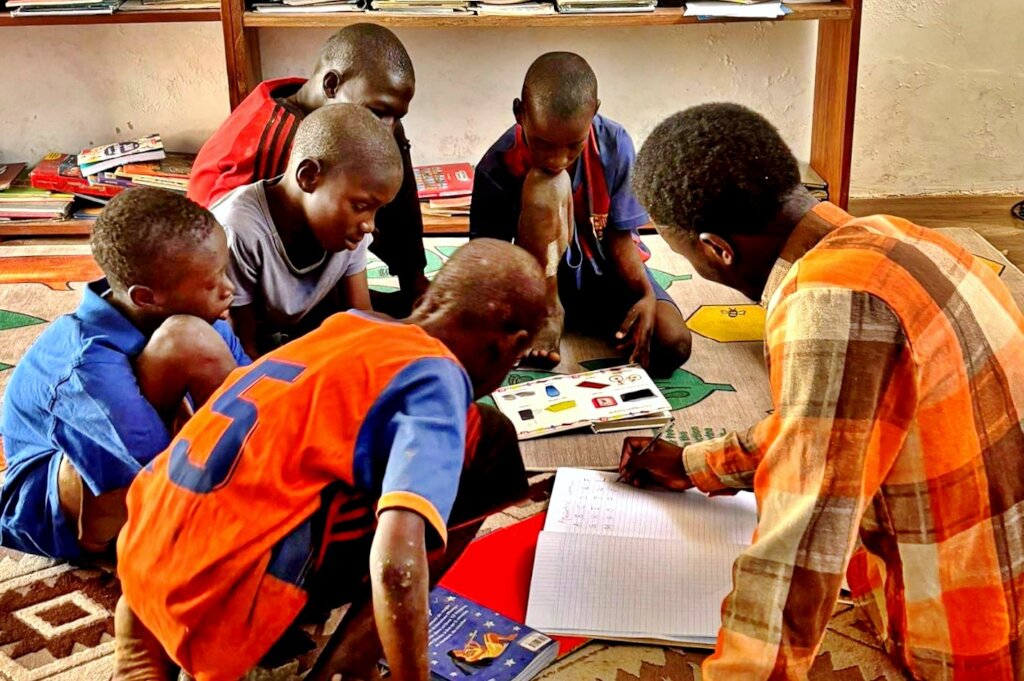
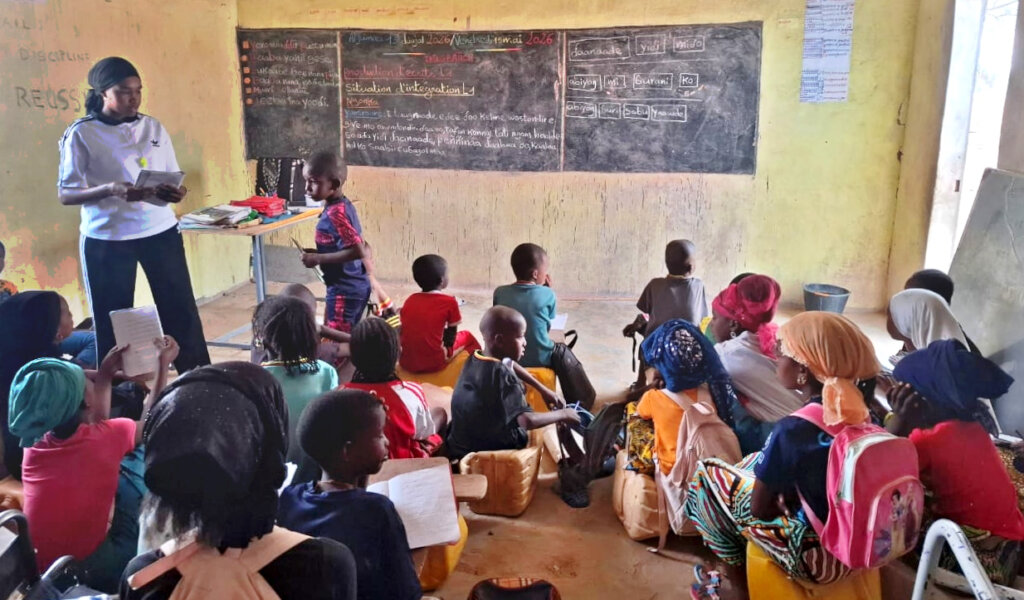
Education is one of Maison de la Gare’s core pillars. Teachers Aïda Dieng and Bouri Mbodj provide literacy and basic education adapted to each child’s level. Thanks to their dedication, children acquire essential skills in reading, writing, and numeracy — a foundation for autonomy and, for some, integration into formal schooling.
For older children, vocational training offers a path toward independence. Cheikh Abdoulaye Ndiaye leads the poultryfarming apprenticeship program, while former talibé Samba Diao mentors apprentices and helps them develop practical skills. These programs give these youth real opportunities to build a future beyond the street.
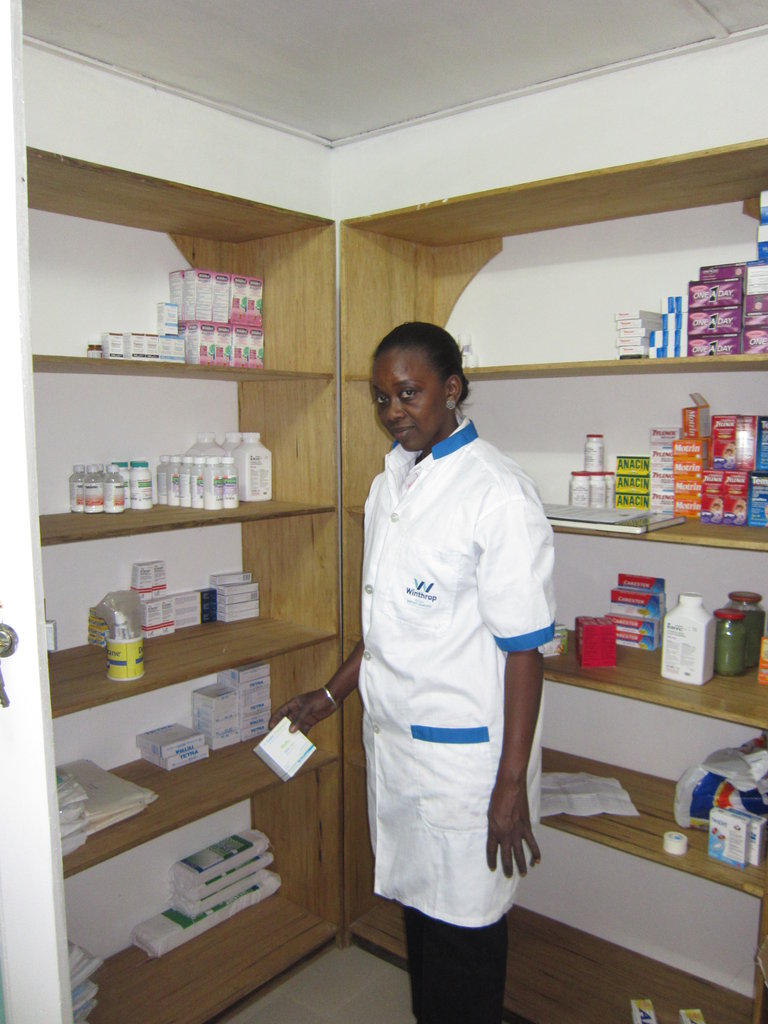
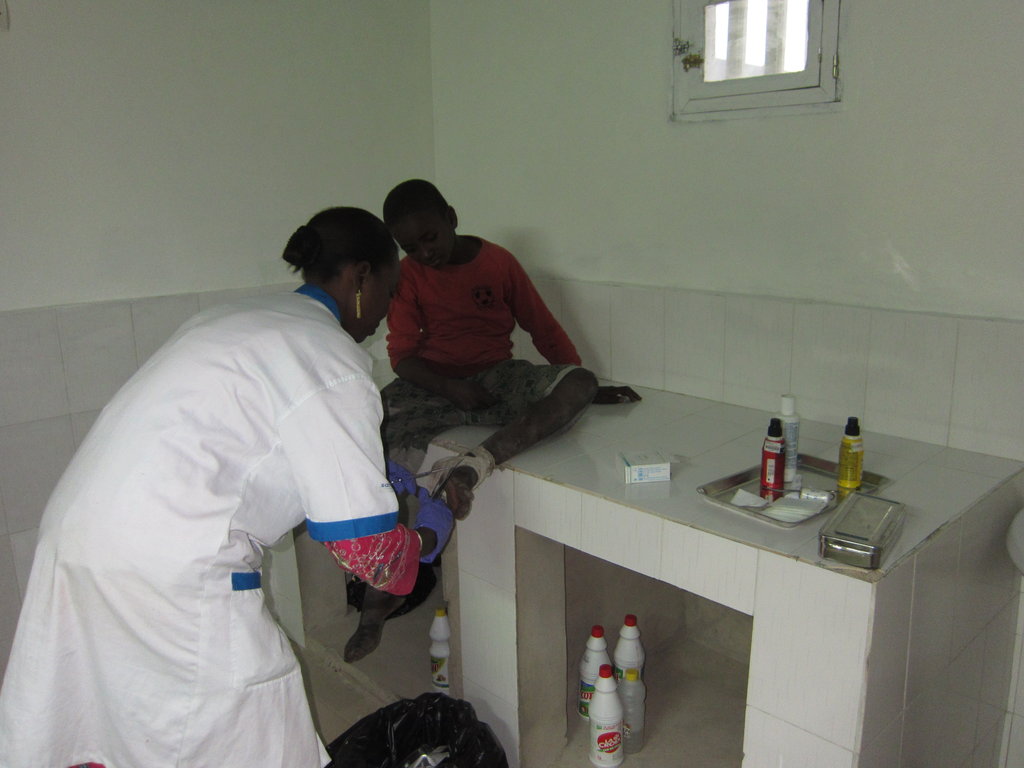
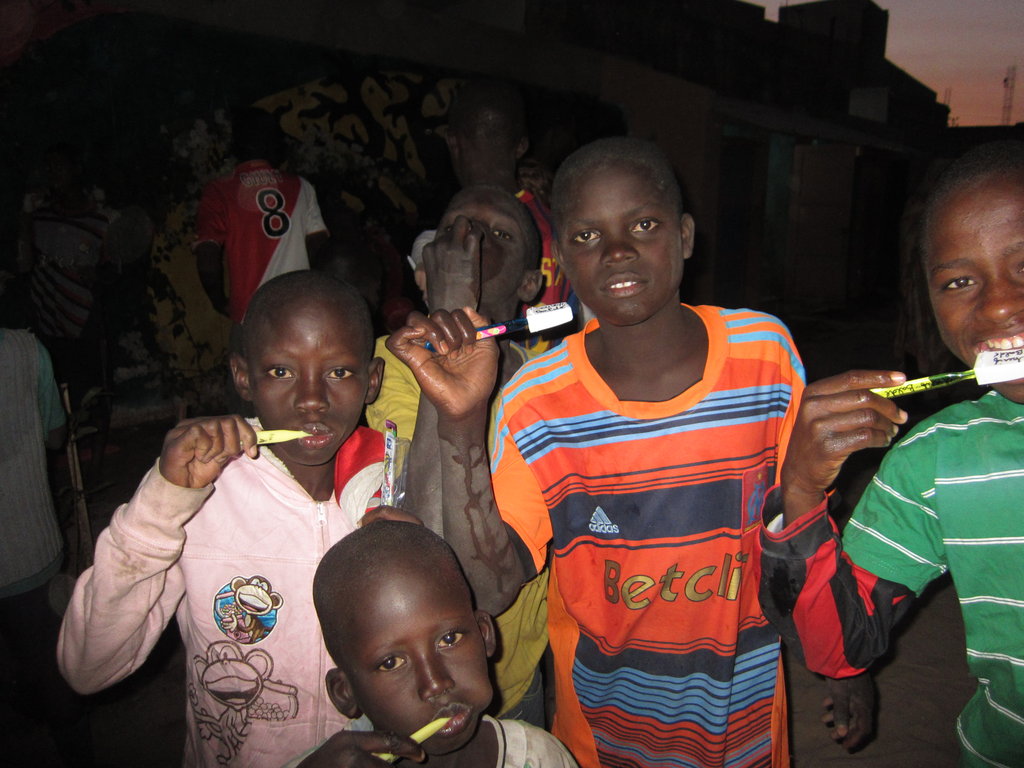
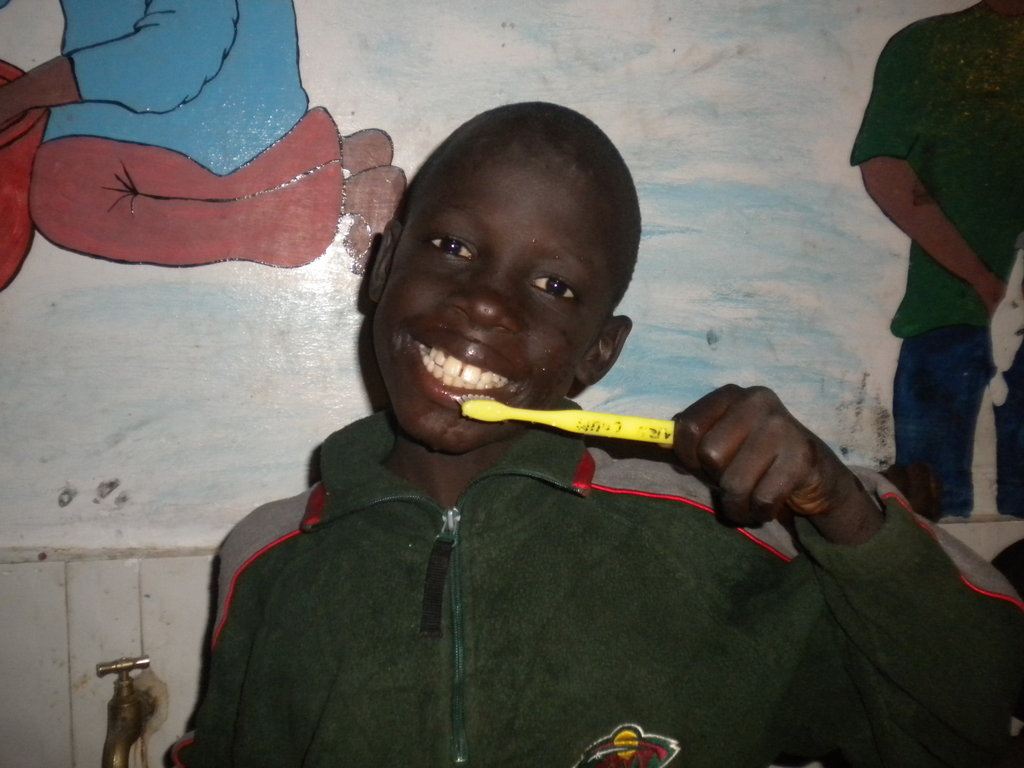
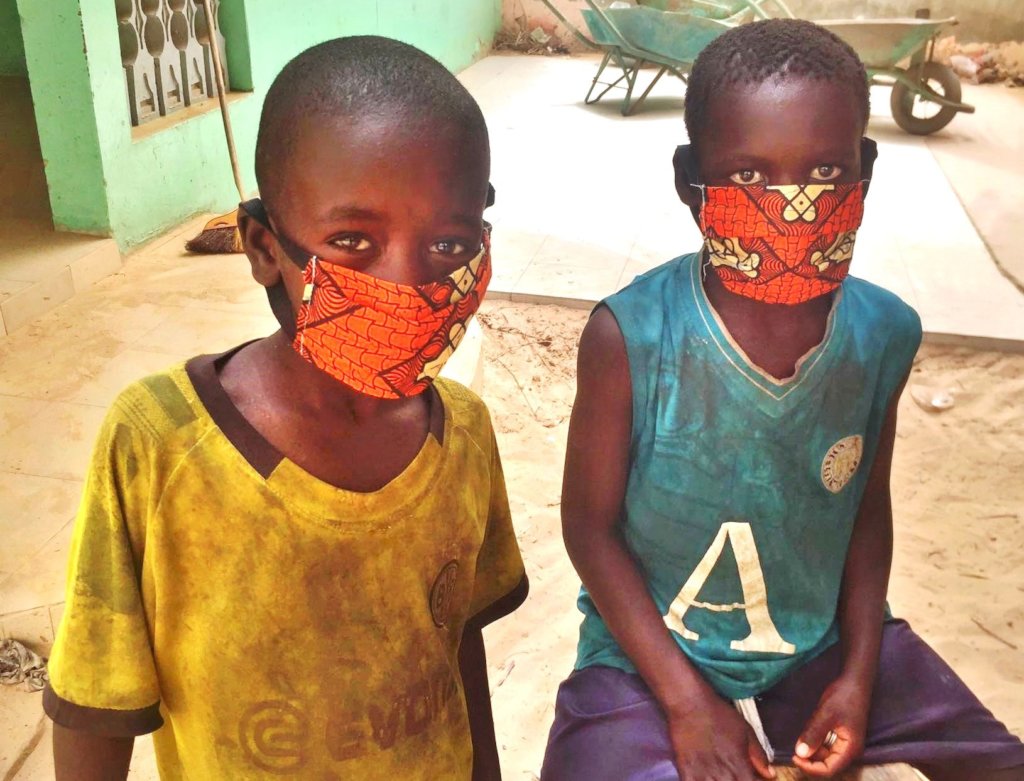
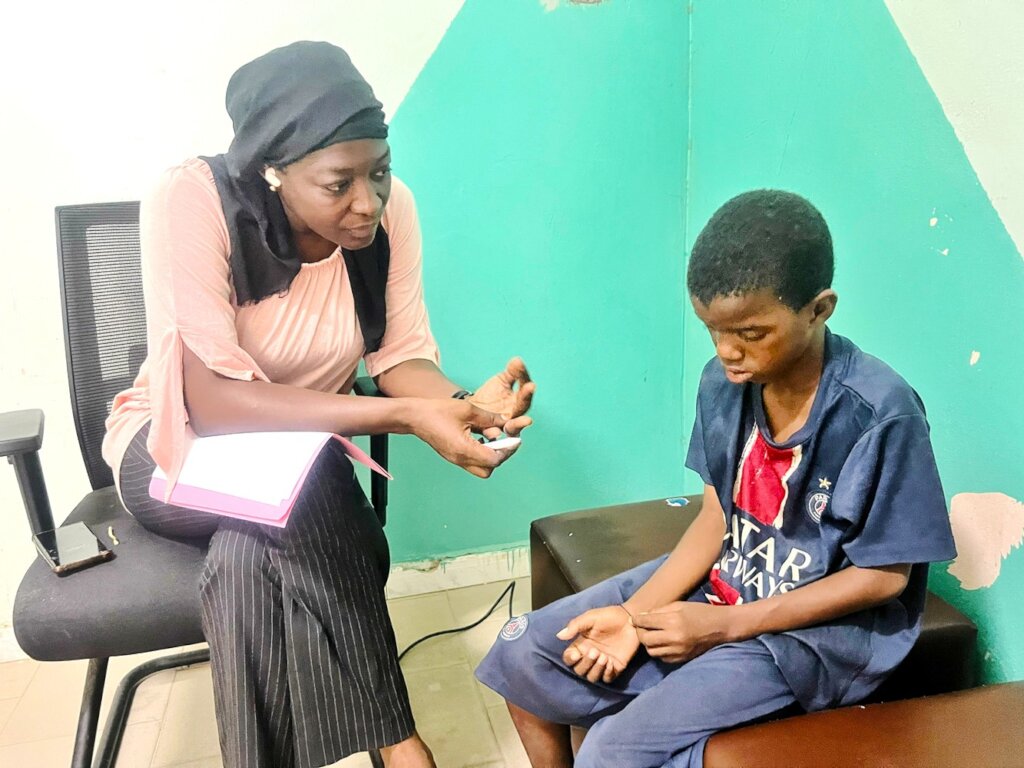
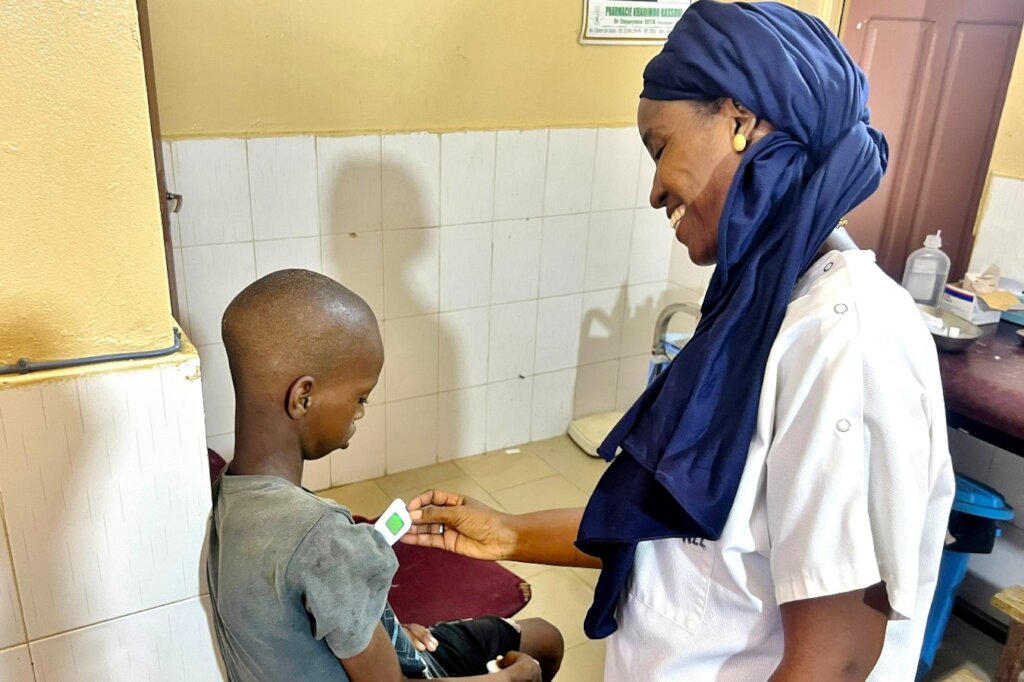
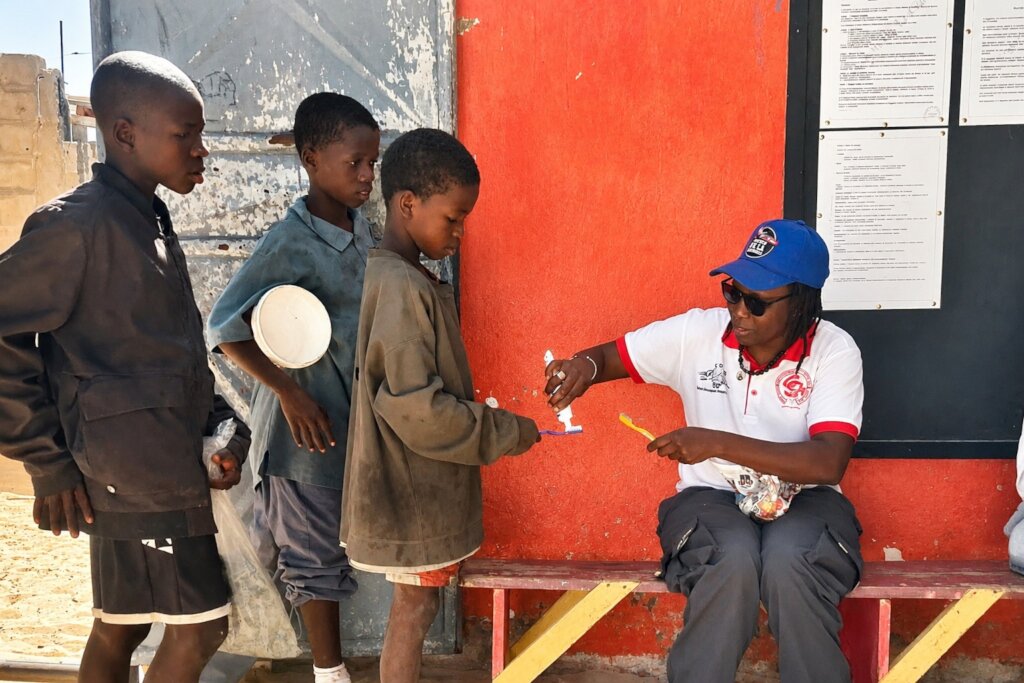
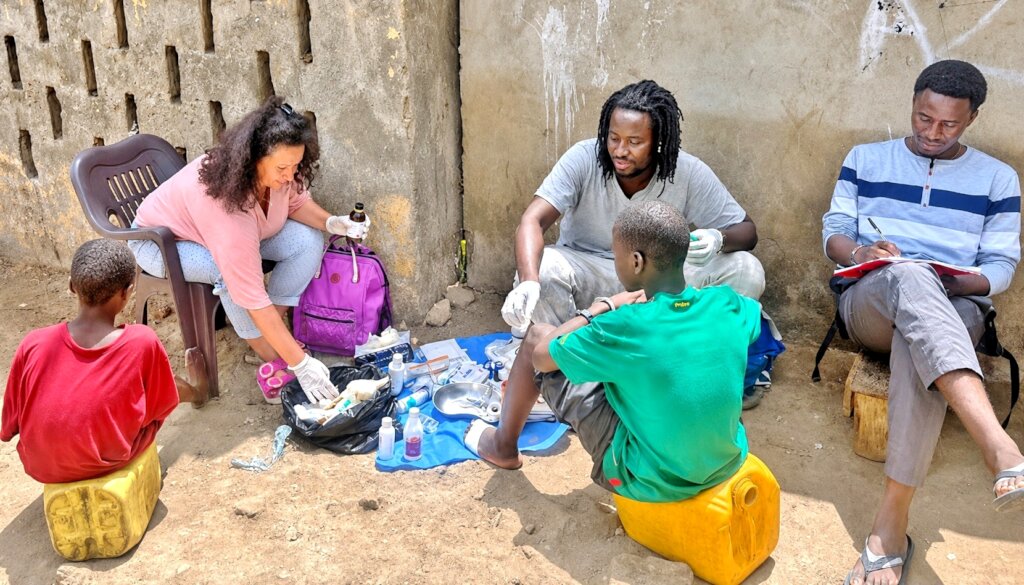
Health is central to every child’s wellbeing. Awa Diallo and Alagie Jallow provide consultations, medical care, and preventive actions both at the center and in the daaras where the children live. Their work improves the longterm health and hygiene conditions of the children we serve.
Baye Ndaraw Diop leads the microfinance program, helping families strengthen their economic autonomy — an essential step in reducing child vulnerability, and a pathway for some older talibés to support themselves with sustainable small businesses.
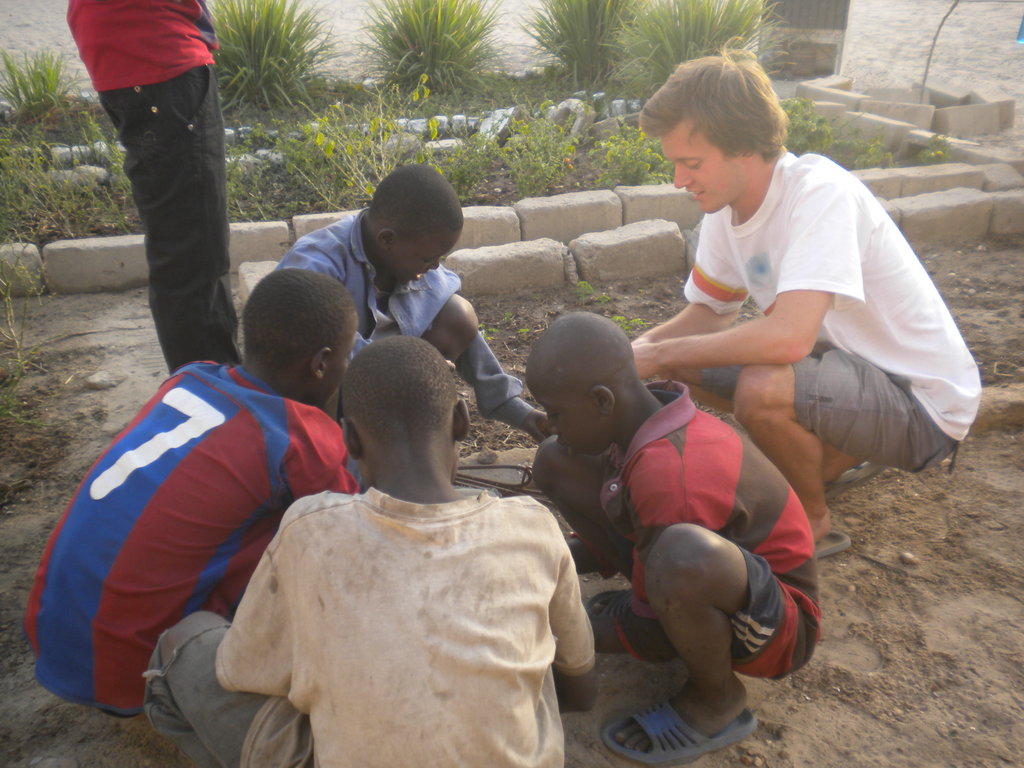
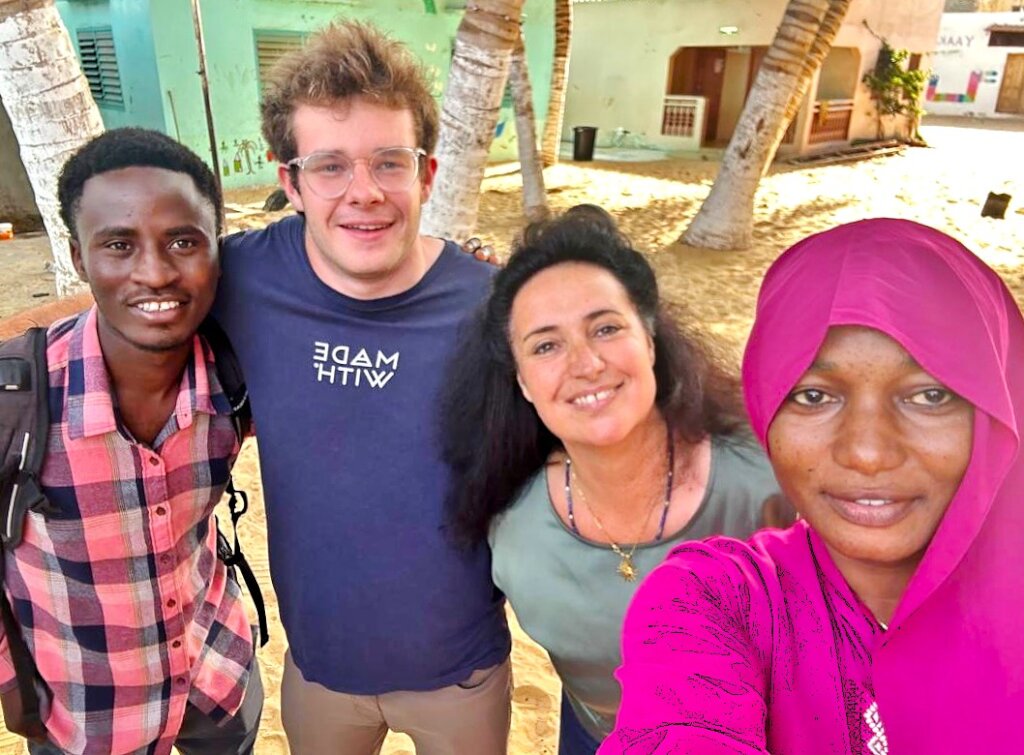
All these activities are supported by our dozens of amazing international volunteers, who bring their skills, caring, and respect for the children.
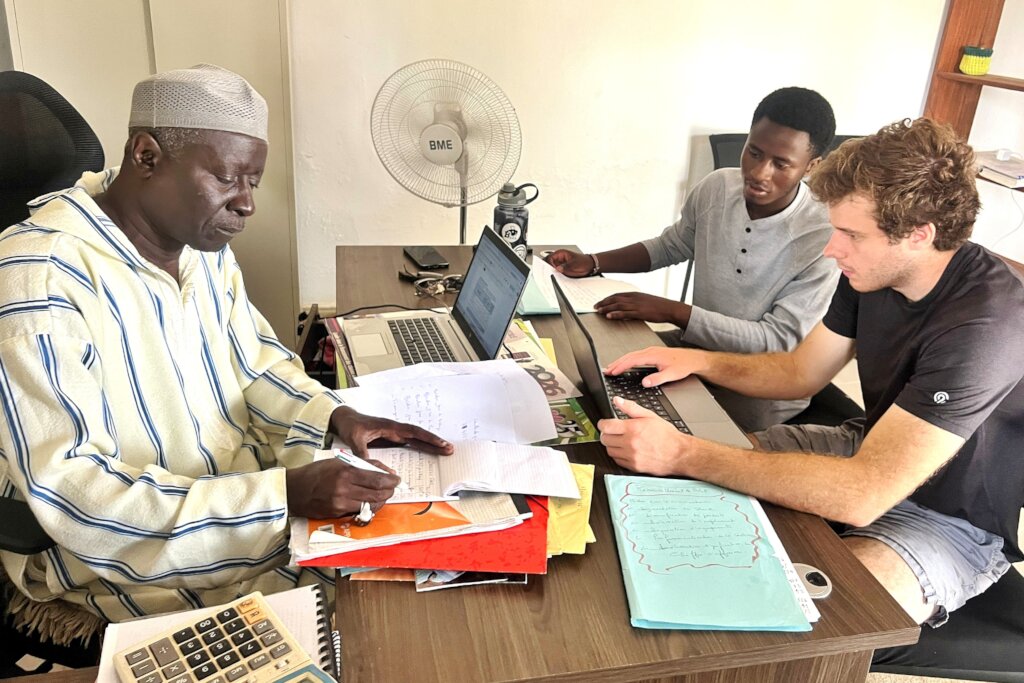
Behind the scenes, many others ensure that our mission runs smoothly. Adama Diarra manages finances and coordinates volunteers. Momar Mbaye oversees daily operations and ensures that programs are implemented effectively. Cook Oumou Samb prepares balanced meals every day, and housekeeper Aminata Ndiaye maintains a safe, welcoming environment.
All this happens under Issa Kouyaté’s leadership. Since 2007, he has championed a vision rooted in child protection, human rights, and the search for durable solutions to end forced begging and support social reintegration.
A collective commitment that never gives up
At Maison de la Gare, being an educator means believing in every child’s potential. It means listening without judgment, accompanying without pause, and building — day after day — the conditions for a better future.
Behind every protected child, every regained smile, and every rebuilt path stands a collective commitment: a team convinced that every child deserves to be safe, heard, and guided toward a dignified life.
Links:
By Peter Kiarie | Kenyan volunteer with Maison de la Gare
By Issa Kouyate | President of Maison de la Gare
Project reports on GlobalGiving are posted directly to globalgiving.org by Project Leaders as they are completed, generally every 3-4 months. To protect the integrity of these documents, GlobalGiving does not alter them; therefore you may find some language or formatting issues.
If you donate to this project or have donated to this project, you can receive an email when this project posts a report. You can also subscribe for reports without donating.



Support this important cause by creating a personalized fundraising page.
Start a Fundraiser