By Emily Coppel | Marketing and Development Associate
In mid-November, Liberia's president, Ellen Johnson Sirleaf, lifted the country's state of emergency imposed to control the Ebola outbreak that had devasted the country. In the months since, the Liberian government, multilaterals, and aid groups have channeled resources into direct response efforts. Now, the situation is largely under control and treatment centers are equipped with more than two beds per person suspected, reported, and confirmed to have Ebola. As the health threat diminishes, the hardest hit countries in West Africa look to rebuild.
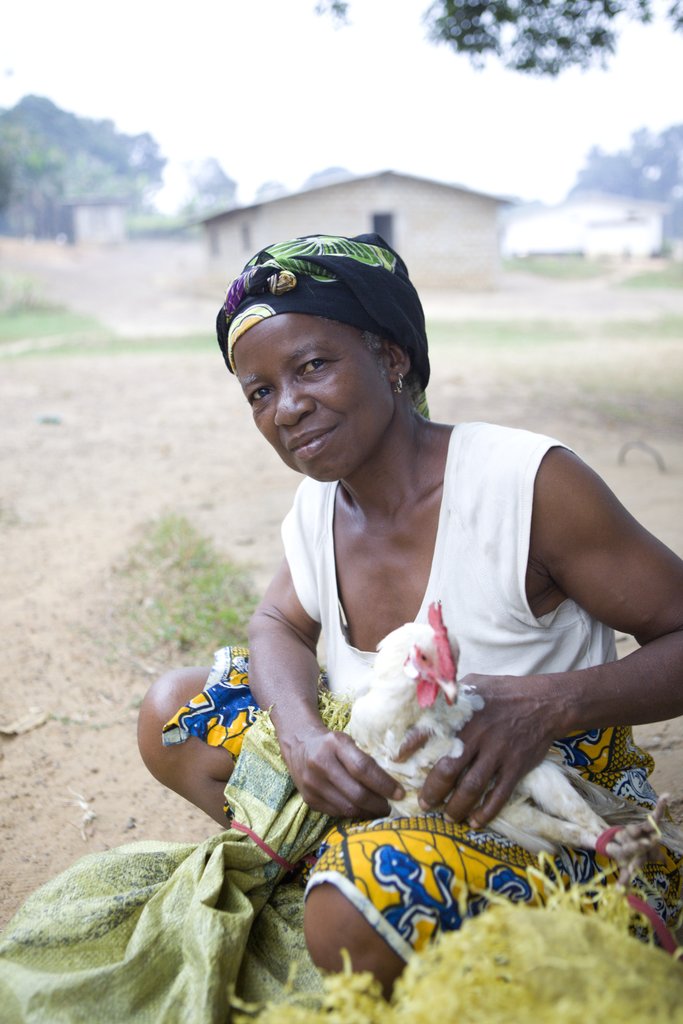
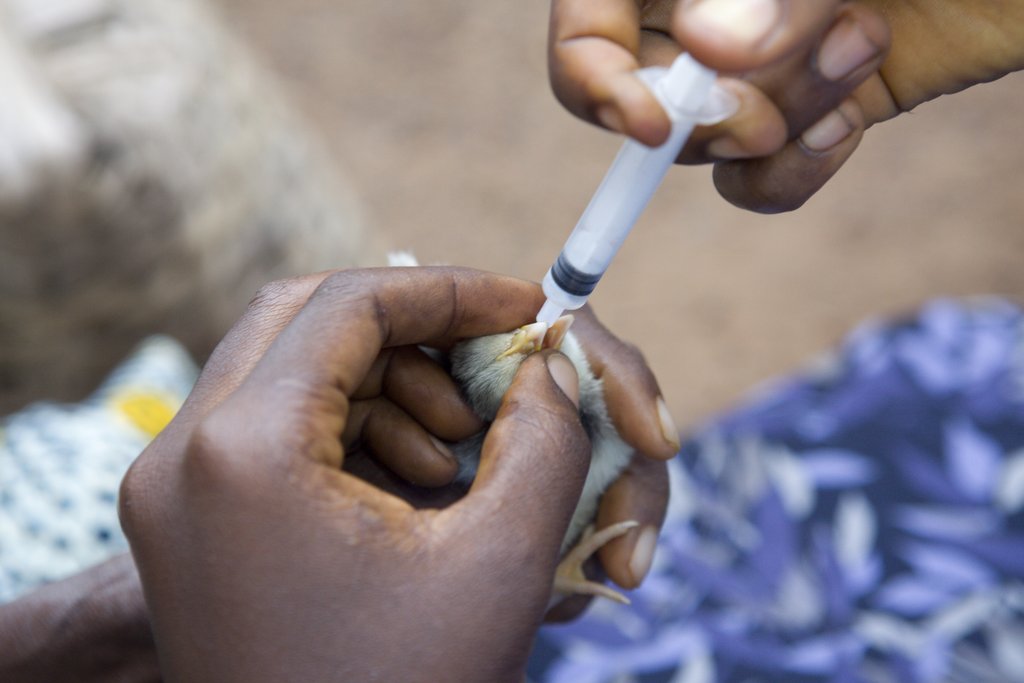
Although BRAC's hatchery and feed mill is still operational, the disruption in the country's food supply chain has been catastrophic. Poultry farmers who survived Ebola returned to their coops to find missing, stolen, dead, or starving chickens. Feed prices have shot through the roof and with more than half of the country living on a dollar or less per day farmers face the harrowing decision of whether to feed their chickens to help their business or feed themselves. Stigmatization of survivors has also compromised their ability to sell and many are struggling to keep themselves afloat.
Before the outbreak, BRAC farmers had 10,000 chickens. Now, there are only 6,000. Due of travel bans at the border, feed supplies have dried up. Chickens are producing one forth the eggs they should because they're malnourished.
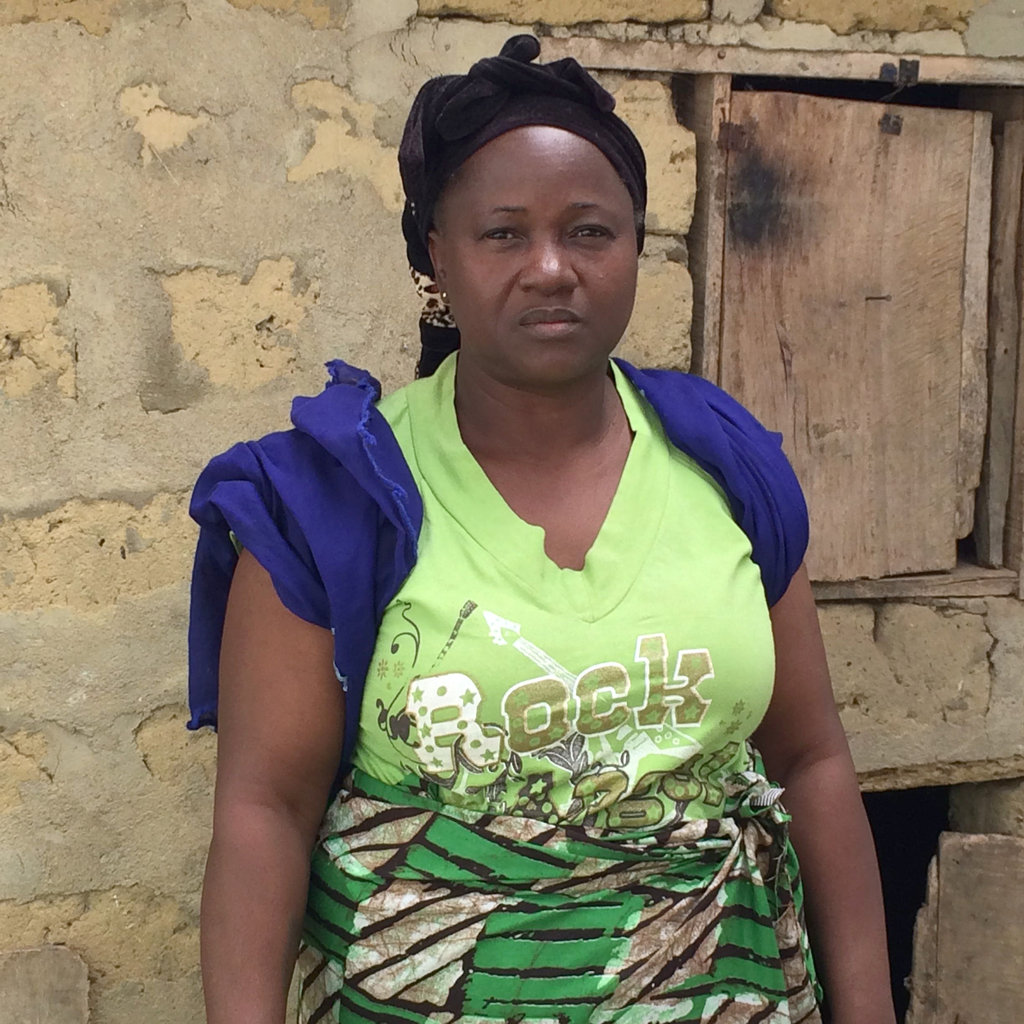
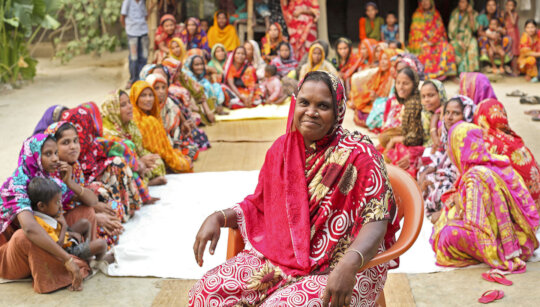
One of BRAC's poultry rearers, Miatta Kromah has been a BRAC microfinance client since the organization opened it's Liberian country office. Her daughter, Tina, is the president of their village group and together, they host microfinance meetings in their yard in Kakata. In August, before Ebola warnings had seeped into public consciousness, Miatta's son-in-law came home sick and was misdiagnosed as having typhoid fever. He passed it on to his wife and they both died three days after showing initial symptoms of Ebola. Soon after, Miatta's husband fell sick and died before the family could take him to the closest ETU. When Tina, her sister, and Miatta's four-year-old grandson got sick, the family took a cab to an MSF clinic. Tina survived, the others did not. Miatta also went to the clinic when she got sick. She and her daughter are now the care-takers of six children orphaned by the disease.
The family is recovering together. Aissatou Diallo from BRAC USA. recently visited and watched the children play together in the yard. "If they do not tell you, you could not guess at the level of grief and loss they are dealing with," she said.
Thank you for supporting this program at a time when the country and its people need it the most.
Project reports on GlobalGiving are posted directly to globalgiving.org by Project Leaders as they are completed, generally every 3-4 months. To protect the integrity of these documents, GlobalGiving does not alter them; therefore you may find some language or formatting issues.
If you donate to this project or have donated to this project, you can receive an email when this project posts a report. You can also subscribe for reports without donating.