![]()
Computer Science in English: Season7 - 2nd Session - Participate in the Hour of Code® at CS in English
On Dec. 14 (PST), we hosted an event in conjunction with the "Hour of Code®" campaign, a global initiative led by the U.S. non-profit organization Code.org to promote computer science education worldwide.
We were particularly honored to welcome special guest Kazuma Jinnouchi, who took home the Japan Academy Film Prize for Outstanding Music for his work on the animated film "Suzume no Tojimari" (Suzume). Mr. Jinnouchi graced our event with his presence, adding a unique perspective to our programming education initiative.
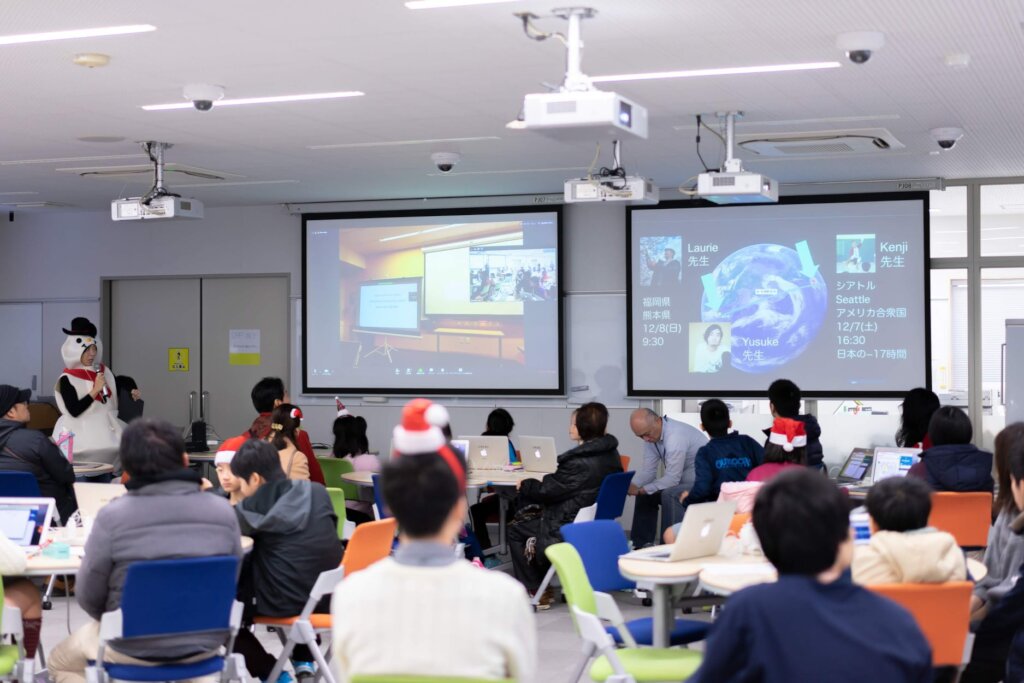
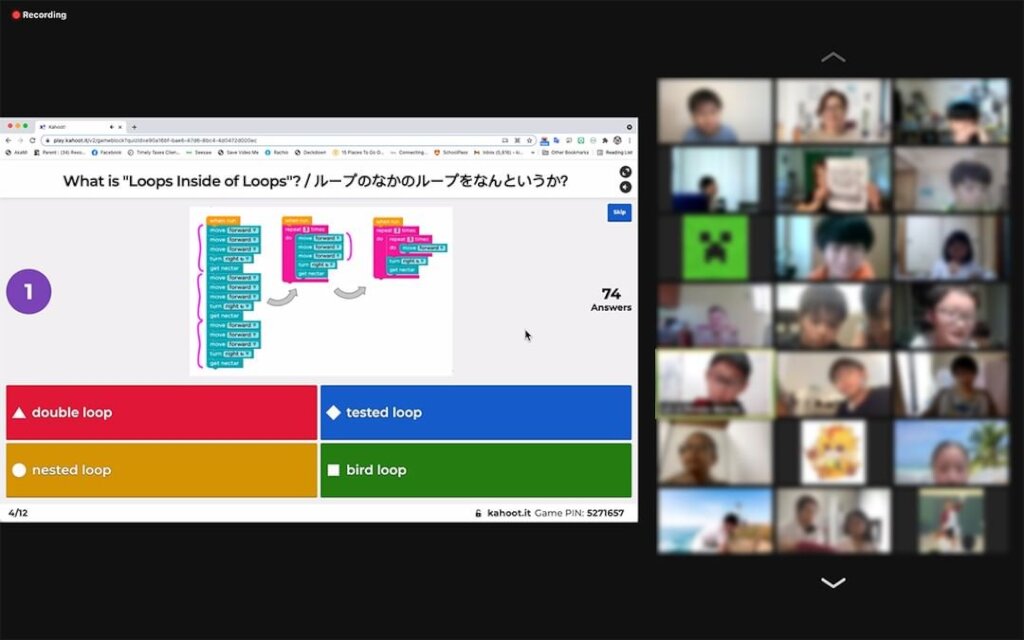
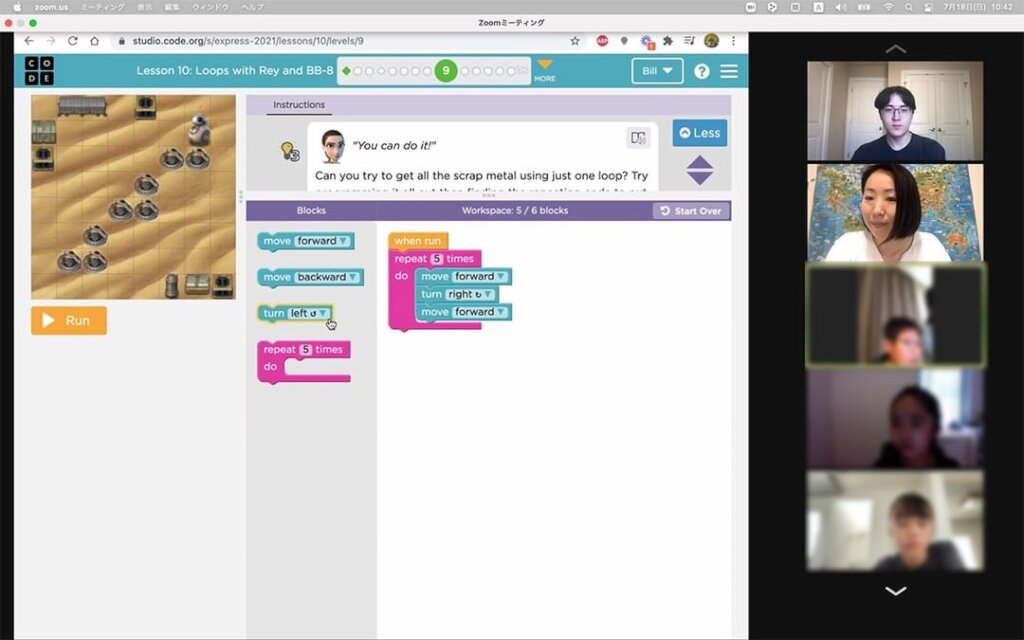
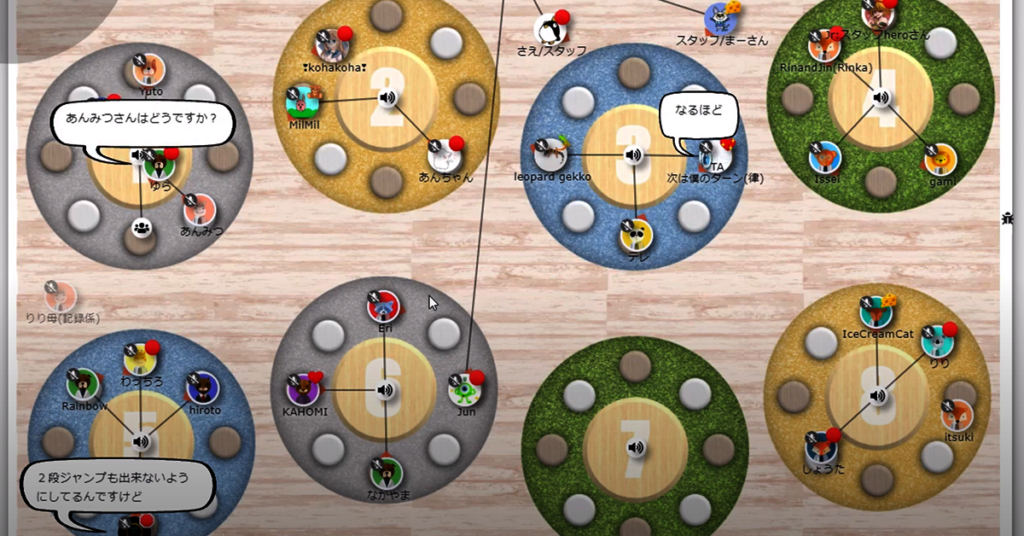
We utilized Zoom video conferencing to bring in teaching assistants from leading tech companies, including Google engineers based in Seattle. The event drew a total of 125 participants and staff members from across Japan as well as three other countries - the United States, Malaysia, and Canada.
Ecent Contents
Act 0: Zoom open
Act 1: Breakout room 1 (Self-introduction, Code.org preparation)
Act 2: Main Lecture
Act 3: Breakout room 2Music production
Act 4: Q&A with Kazuma
Act 5: Presentation
<Breakout Room Structure>
Participants will be divided into teams of 4-6 based on English proficiency and homework completion. Each team will be assigned a Teaching Assistant (TA) who can provide support and answer questions.
<English Proficiency Levels>
When registering, participants select their preferred level (L1-L3):
Level 1 (L1) - Primarily conducted in Japanese with English keywords and basic vocabulary incorporated. Suitable for beginners or those with basic school-level English proficiency.
Level 2 (L2) - Equal mix of Japanese and English. Designed for those wanting to challenge themselves or improve their English skills. Recommended for participants with EIKEN Grade 4 or equivalent proficiency.
Level 3 (L3) - Conducted entirely in English. Suitable for participants who can understand and engage in everyday English conversation.
Act 0: Zoom open
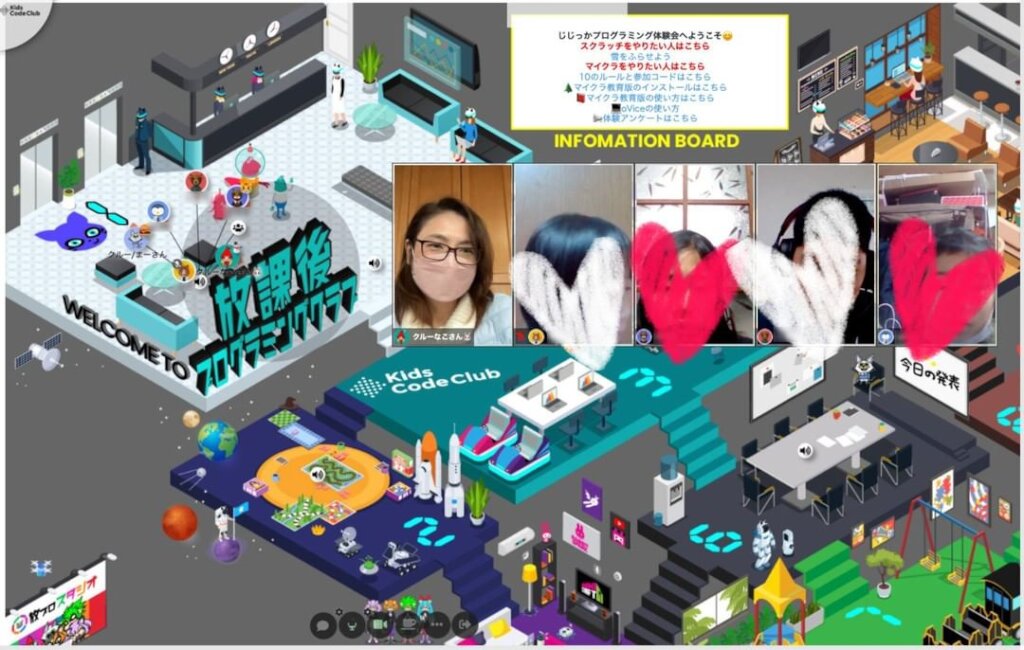
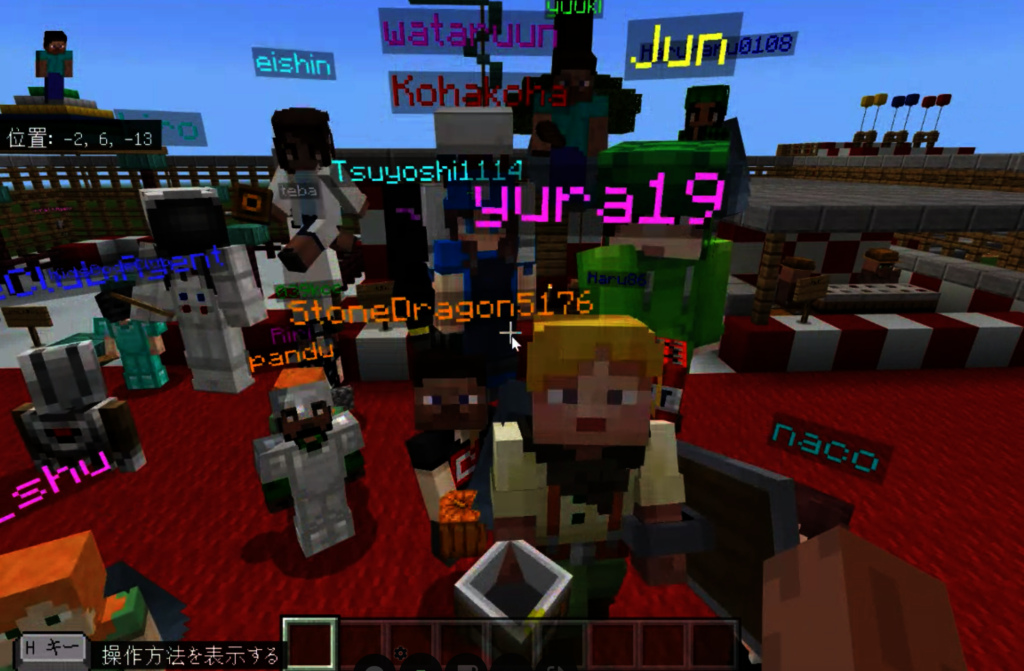
One by one, participants began joining the Zoom call, their smiling faces filling our virtual gallery. The chat box quickly came alive with warm greetings in both English and Japanese, creating a welcoming atmosphere right from the start. Once the initial round of introductions subsided, we moved everyone into breakout rooms for more intimate conversations.
Act 1: Breakout room 1 (Self-introduction, Code.org preparation)
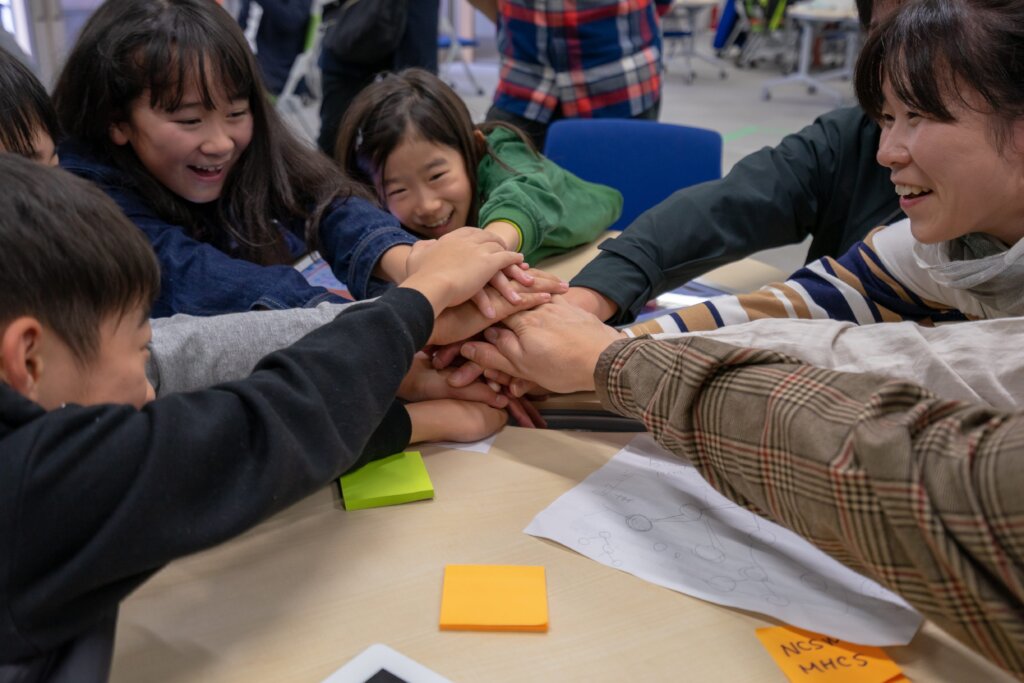
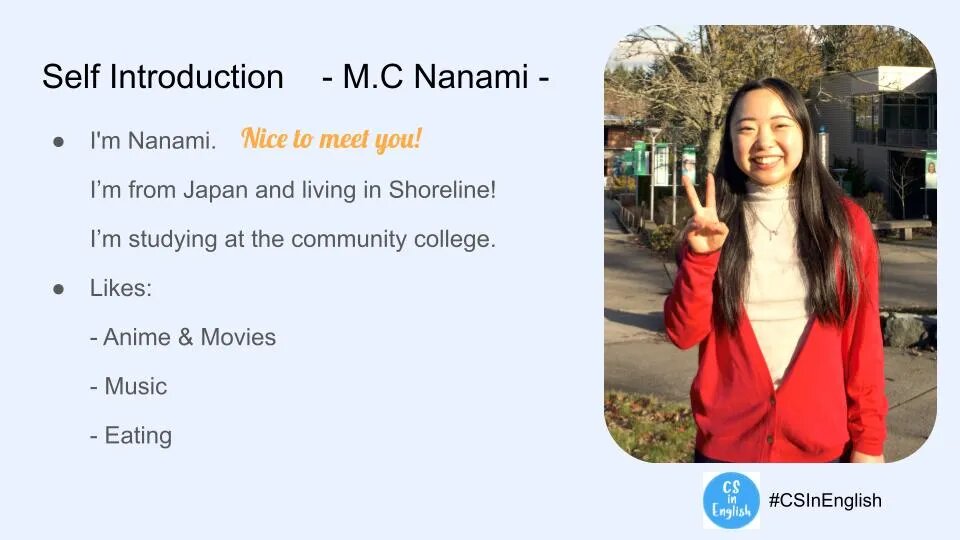
As we moved into breakout rooms, the teaching assistants and children began introducing themselves. Following the day's theme, everyone enthusiastically shared their favorite music, artists, and the instruments they could play. Mr. Jinnouchi also joined the breakout sessions, and the children's eyes lit up as they listened intently to stories they rarely get to hear.
After all teams completed their self-introductions, participants reconvened in the main room for the keynote lecture.
Act 2: Main Lecture
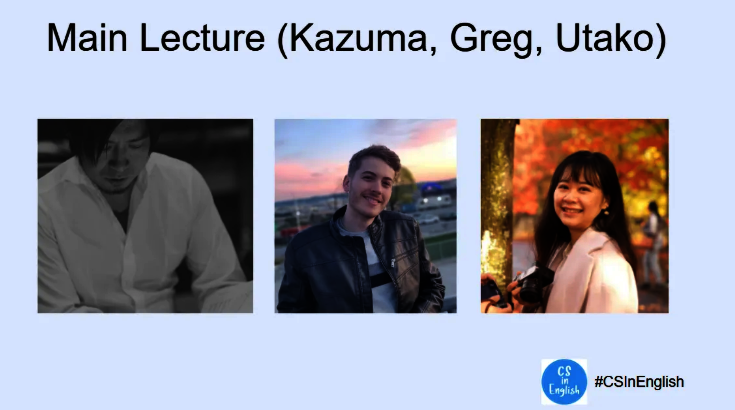
The dynamic duo of Greg (English) and Utako (Japanese) once again delivered seamless coordination as hosts, guiding us through today's program featuring Code.org's Music Lab. The session was further enriched by Mr. Jinnouchi who offered fascinating insights into the behind-the-scenes process of music composition.
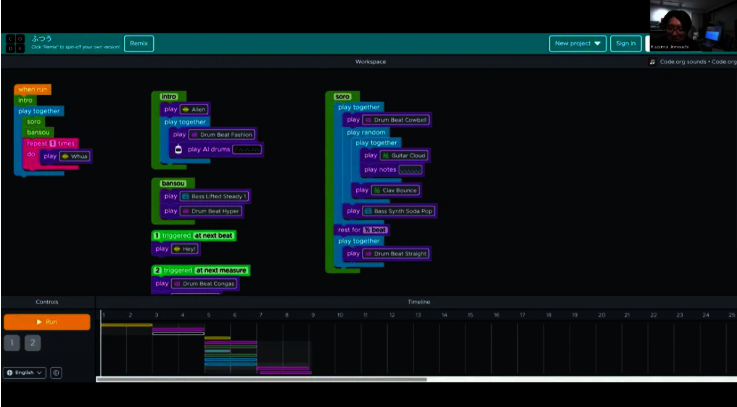
As we dove into Code.org's Music Lab, participants were first introduced to the fundamentals of the platform. The session began with a comprehensive walkthrough of the basic operations, guiding us through the creative process of music composition. What makes this tool particularly engaging is its versatility – users can layer multiple instruments, employ repetition features, and incorporate chorus effects to craft their original pieces. The interface proved to be quite intuitive, making it an accessible entry point into digital music creation.
Following a thorough review of the basic operations, Mr. Jinnouchi walked us through specific techniques and key points of music production, using the chord progressions from his original compositions as practical examples.
Here is Mr. Jinnouchi's work:
Title: Kazuma - Song Form Example
After learning the basic operations and key points of music creation, we moved back into our breakout rooms. Now came the exciting part - it was time for the children to try their hand at composing their own music! The creative energy was palpable as they dove into their musical endeavors.
Act 3: Breakout room 2Music production
Prior to the event, participants were instructed to complete the "MUSIC LAB Jam Session" tutorial as homework. On the day of the session, attendees split into two groups: those who had already completed the tutorial moved straight into music production, while others began by working through the tutorial exercises. The clear division allowed everyone to engage at their appropriate skill level.
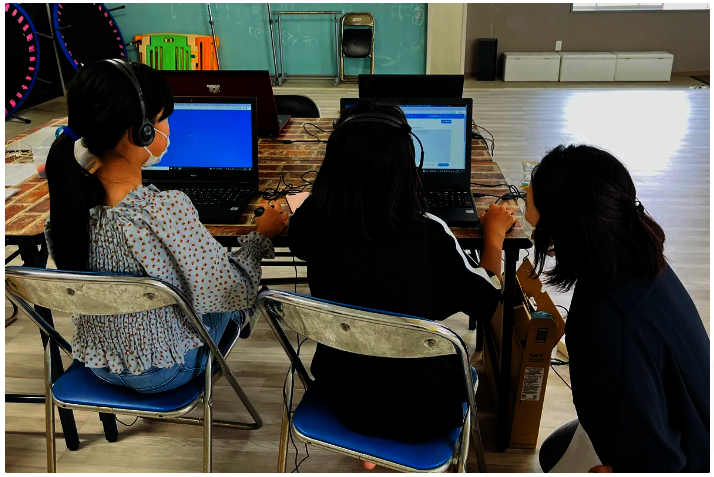
The breakout rooms were buzzing with excitement as students dove into their creative process, brainstorming potential arrangements and opening sequences alongside their TAs. As time progressed, the collaborative spirit grew stronger - team members began sharing their compositions with one another, offering thoughtful feedback and suggestions. It was inspiring to watch as each piece evolved and transformed based on these peer interactions, with students eagerly incorporating new ideas to enhance their work.
Act 4:Q&A with Kazuma
Back in the main room, we proceeded with a Q&A session with Mr. Jinnouchi. The questions were based on those submitted in advance by the children, with Mr. Jinnouchi thoughtfully addressing each inquiry.
In a captivating session, Jinnouchi shared insights into his musical journey, work principles, and creative values. His thoughtful and detailed responses to each question painted a vivid picture of his character and approach to music. The audience was particularly drawn in when he discussed his innovative use of generative AI in music production and his methodical workflow optimization techniques. The young attendees were especially attentive during these technical segments, leaning forward in their seats as he explained his creative process.
Act5: Presentation
As the program drew to a close, we dedicated time for the children to share selected musical pieces they had created with the entire group. Mr. Jinnouchi offered thoughtful critiques for each composition, providing specific suggestions on how to enhance their pieces - from melodic development to rhythmic combinations. The young composers listened intently as they received this valuable feedback from a professional musician.
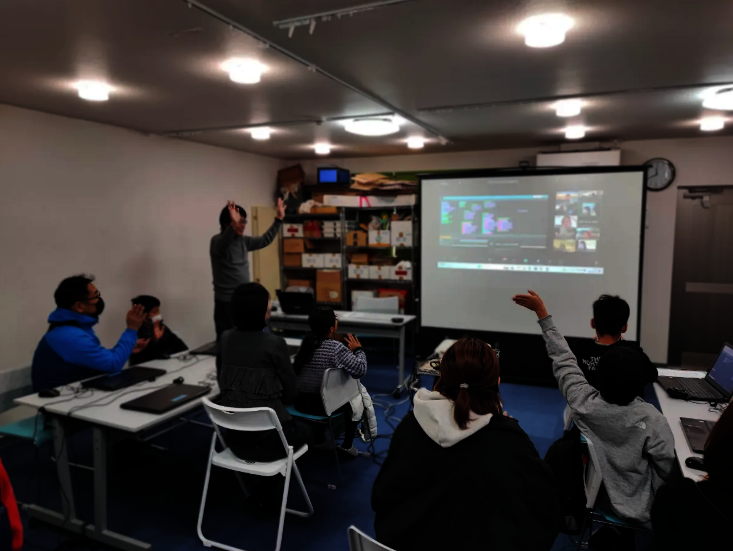
The enthusiasm from the Kumamoto venue was palpable, even through the screen. Despite joining remotely, participants appeared thoroughly engaged and the energy in the room was electric.
Despite being held online, the program concluded on a heartwarming note as all participants waved cheerfully at their cameras, creating an intimate atmosphere that transcended the virtual setting. Throughout the event, we witnessed a noticeable increase in the children's enthusiasm for music and their creative drive.
We extend our sincere gratitude to all participants who joined us today. We are also deeply thankful for the support of the families and their cooperation in ensuring the smooth operation of the event.
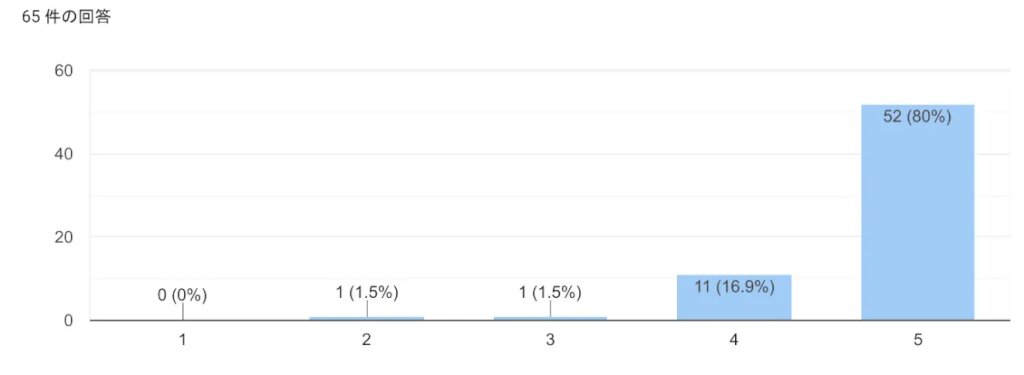
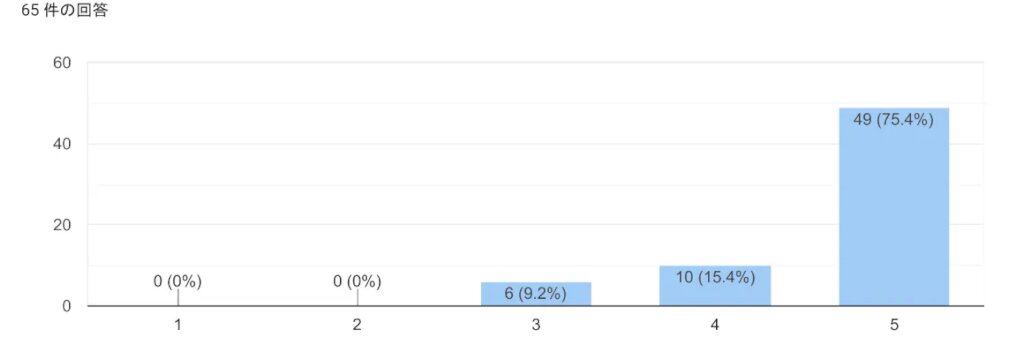
Voices from Participants
Please share any happy moments, positive experiences, changes in feelings, or episodes from this event that you'd like to mention
[Children's Responses]
- I had so much fun and would absolutely love to participate again!!!!
- Mr. Jinnouchi's talk was very interesting and I learned a lot!
- I really enjoyed creating music together in the breakout room.
- I got to learn about different functions, and it was easy to understand because it was similar to Scratch.
- There was English I knew and English I didn't know, so it made me curious to learn more about different types of English.
- I liked how they brought in a guest speaker!!
- It was very fun and I was very happy because I got to know about Kazuma-san.
- I got to create music code, and it was like a show-and-tell. It was so much fun. I would love to participate in something like this again!
[Parents' Responses]
- I was moved watching my daughter's excited face as she looked at the screen. She was thrilled to tell me that the teachers were amazing engineers. It was a wonderful experience. We would love to participate again.
- We were deeply moved by "Suzume no Tojimari" at the cinema, so it was wonderful to hear Mr. Jinnouchi's talk!
- Although we only listened to music, I'm glad my child learned about the joy of creating it.
- My son's eyes were sparkling when we listened to the improvised music Mr. Jinnouchi created. He seemed to really enjoy creating his own music afterward. Living in America, we're grateful for this valuable opportunity to learn coding in Japanese.
- At first, they said "I prefer in-person classes because I can meet friends," but then they realized "It's amazing we can have online lessons because people from Google, Microsoft, and Amazon don't live in the same neighborhood." My child knew that GAFAM companies lead the world, so they were impressed to be taught directly by these people. They also learned for the first time that some people make a living composing game music. Their world definitely seemed to expand. Thank you for providing this opportunity.
- After Mr. Jinnouchi listened to the music they created and gave feedback, they improved their work based on his comments. It was a very meaningful time.
- Since leaving Japanese language school, they've had fewer opportunities to use Japanese, so this was a great experience. They seemed to relate to other children in similar situations. They keep saying how much fun it was, so I'm glad we let them do something they enjoyed.
- Thank you very much for what you do to teach kids about computer science. They are looking forward to attending the next session.
- Creating songs using coding was a new experience for me and it helping my child in a fun way!
- My kids had a really good time learning about making music with coding. Inviting the special guest inspired them and was a great experience.
<TA>
What were the things that went well at the event?
- This time, I was able to convey things to the children while being aware of what I didn't know about music myself.
- Timing, process is very clear, special guest is a plus!
- Well the composer had some cool things to say. I think having cool guests and Q&A is fun!
- Having the special guest was very cool and I think helped the kids to stay engaged and interested.
![]()
![]()
![]()
![Share on Twitter]()
![Share on Facebook]()