By Lovemore Mupaza | MEAL Coordinator
Introduction and background
Since 1979, Island Hospice & Healthcare (lsland) has been a pillar of compassionate care in Zimbabwe, providing holistic palliative and bereavement support to patients and families. Island delivers palliative and bereavement care services through several models, namely: (i) home-based care, (ii) hospital-based care, (iii) rural and community outreach, (iv) roadside clinics, and (v) virtual consultationsthrough branches in Bulawayo, Harare, Marondera, Masvingo, Lupane and Mutare. These models are tailored to meet the diverse needs of patients and clients based on their individual circumstances and settings. Each approach is designed to ensure that care remains accessible, flexible, and responsive, whether in the comfort of a home, within a healthcare facility, or through remote engagement.
Intervention and Outcomes: June–August 2026
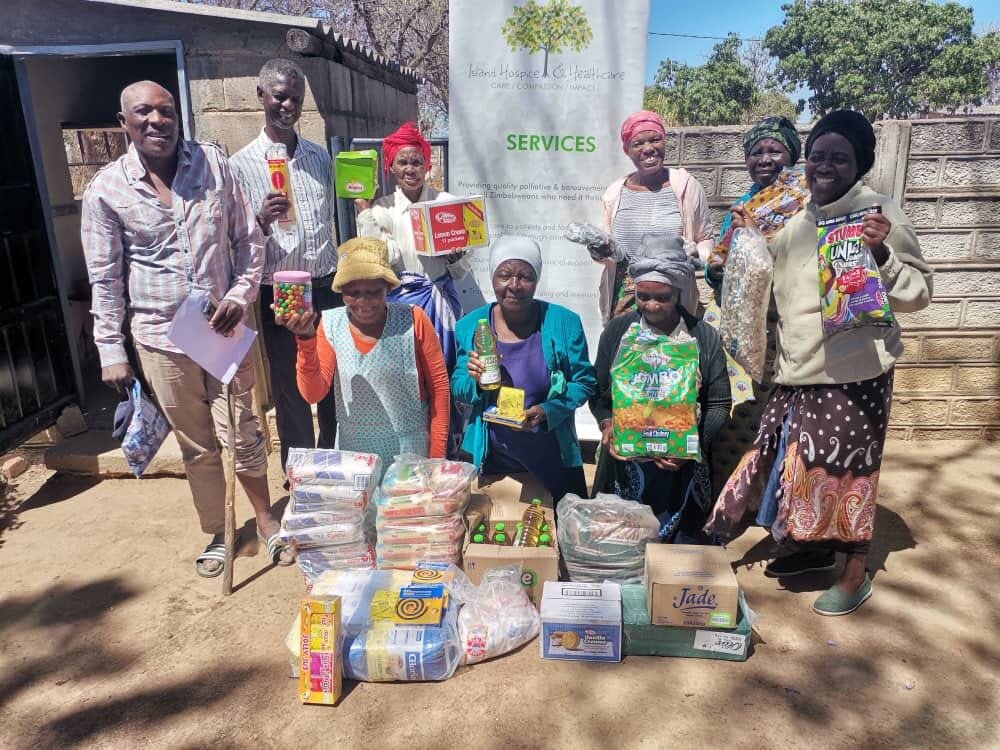
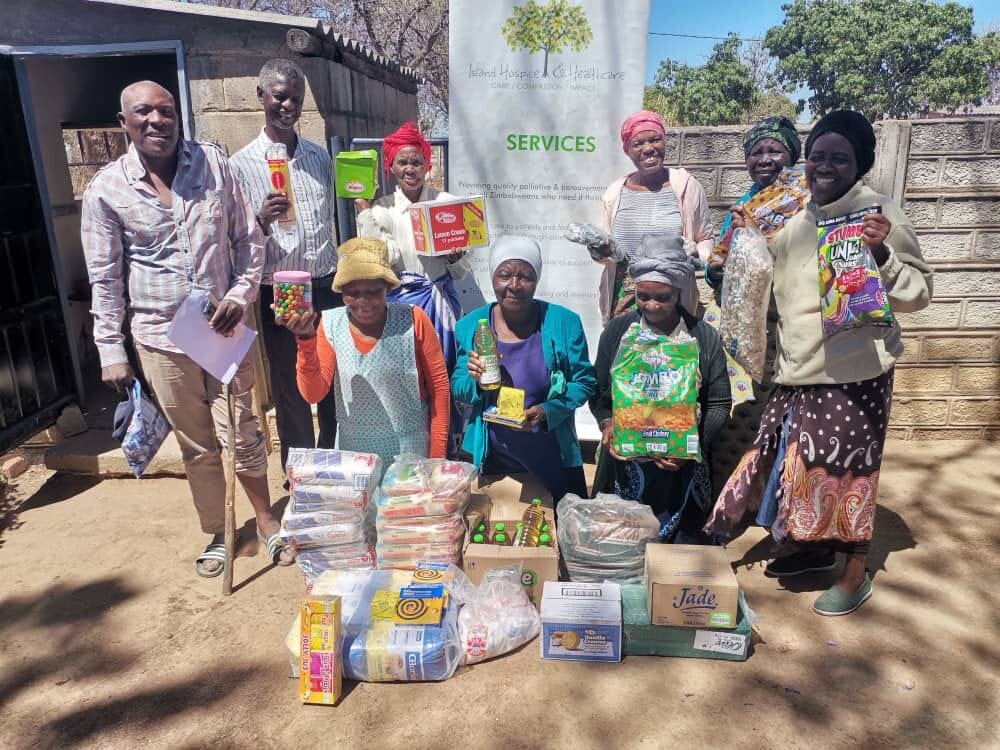
During the reporting period, Island reached 1,413 (985Females :428 Males) patients, through its palliative and bereavement support. A total of 2,692 patient contacts were recorded across its branches, comprising 1,486 home visits, 384 virtual consultations, 366 hospital ward rounds, 98 office consultations,295 roadside clinic and 63 hospital visits. These services reflect Island's continued provision of care across community, healthcare facility and remote settings.
Island continued strengthening caregiving capacity through its ongoing caregiver modules and specialised nurse aide palliative care training. A total of 22(4 Male,18 Female) participants attended the caregiver modules, while 23 (2 Males,21 Female) nurse aides received training covering symptom management, compassionate communication, psychosocial support and safe caregiving practices. These initiatives supported the development of knowledge and practical skills needed to provide compassionate, holistic care to people living with life-threatening and life-limiting illnesses.
Complementing its capacity-building efforts, Island promoted men's health and wellbeing through a series of awareness initiatives, including the Strength in Wellness Men's Health Breakfast, Men's Fair and Gentlemen's Evening. These engagements created opportunities for discussions on physical health, mental wellbeing and the importance of seeking timely medical attention. Island further participated in POSB's Staff Health Awareness Day, supporting men's health education and prostate cancer screening, with referrals made for further assessment where necessary. Together, these initiatives helped raise awareness of preventive healthcare and encouraged greater openness around men's health and wellbeing.
Workplace health promotion was another area of engagement, with Island participating in a health and wellness exhibition hosted by Arup, an international engineering and professional services company. The engagement provided an opportunity to introduce employees to Island's palliative and bereavement care services, distribute information materials and facilitate discussions on mental health and wellbeing. The exhibition generated interest in further collaboration, with Arup's Human Resources team requesting information about extending similar awareness sessions to its partners.
Community engagement also extended to schools through Takkie Week initiatives at Westridge Primary School and Wise Owl. These engagements provided opportunities to educate learners and school communities about cancer, palliative care and the importance of supporting individuals and families affected by life-limiting illnesses. Beyond raising awareness, the Westridge Primary School initiative mobilised US$560 in donations towards Island's palliative care work, demonstrating the contribution that school communities can make towards supporting compassionate care.
Alongside these awareness initiatives, Island engaged with civil society organisations, healthcare stakeholders and professional networks through participation in the Hospice and Palliative Care Association of Zimbabwe (HOSPAZ) Coordination Meeting, the National Association of Non-Governmental Organisations (NANGO) Eastern Region Winter School and the Mutare District Stakeholders Meeting. These platforms provided opportunities for knowledge sharing, stakeholder engagement and discussions on challenges affecting health and social care services. In particular, the HOSPAZ meeting highlighted shortages of essential palliative care medicines and weaknesses in referral pathways between provincial and district hospitals, underscoring the need for stronger coordination among service providers. Stories of change below demonstrate the impact of Island’s work on individuals and families.
Story of Change 1: Robson’s Journey Back to Independence
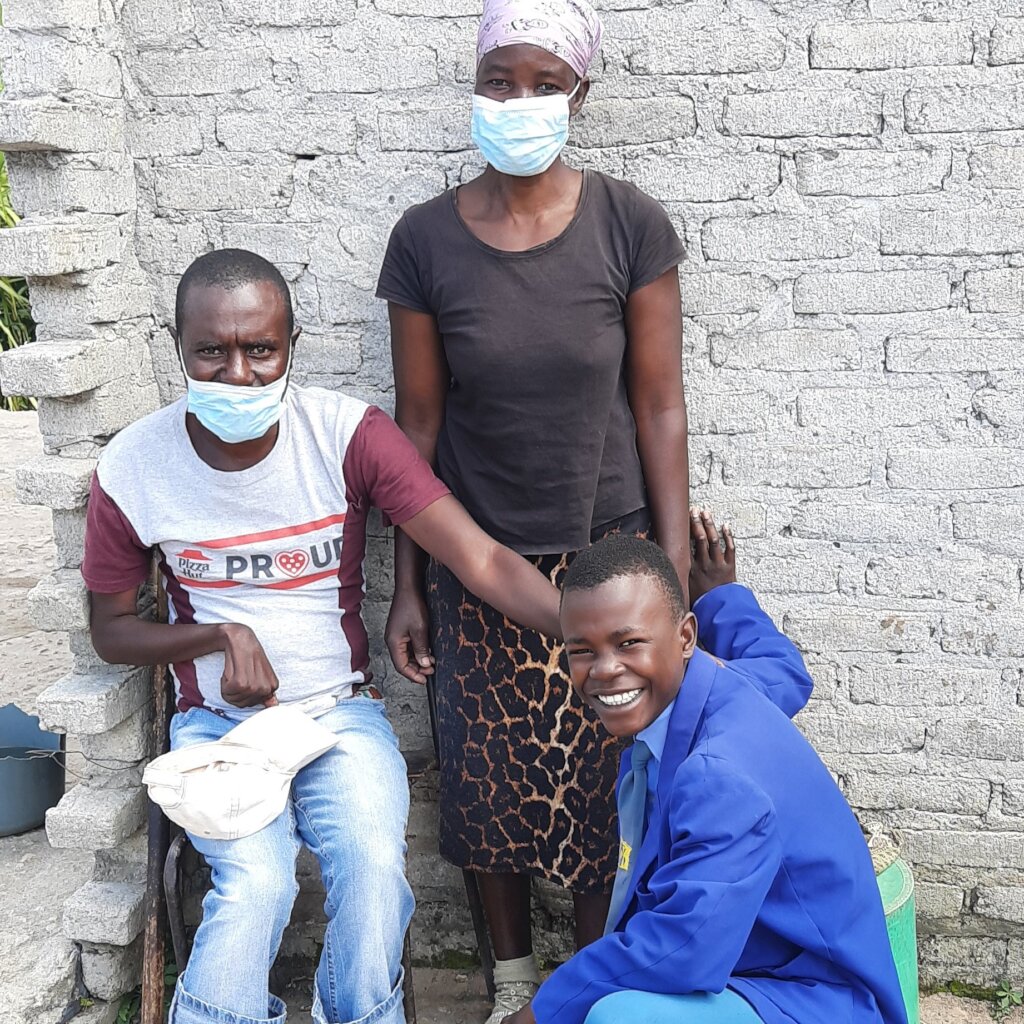
At 63, I have lived with epilepsy for many years. But in 2021, an accident changed my life even further when I sustained severe burns on both legs. Like many people living in rural communities, I did not seek medical attention immediately. By the time I sought help, the wounds had become infected, making walking painful and increasing the risk of serious complications.
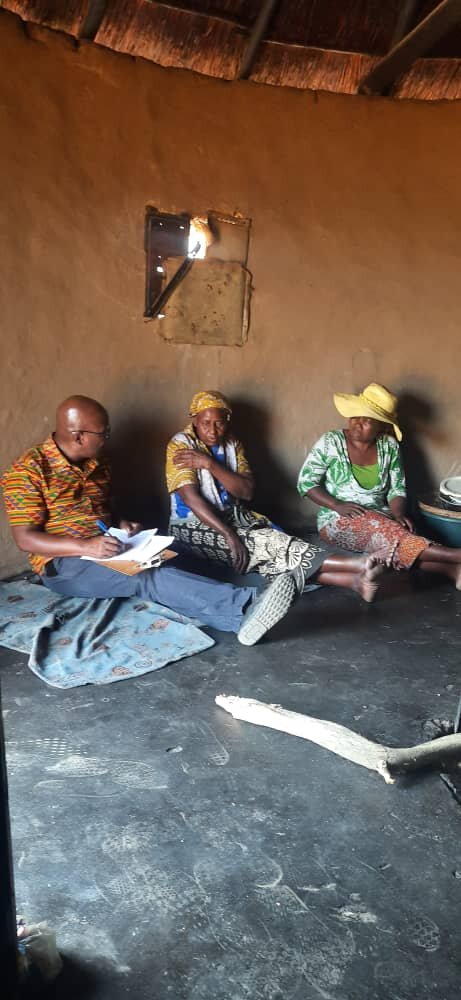
Fortunately, a Village Health Worker working under Island identified me during a routine home visit. Recognising the severity of my condition, she immediately referred me to the local clinic, where I received emergency treatment before being transferred to Mahusekwa District Hospital for specialised care. That marked the beginning of a long recovery journey.
My lifestyle presented an additional layer of challenges. I frequently moved between Marondera, Chinhoyi and Gweru, making it difficult to attend regular review appointments and maintain continuity of treatment. Each time I relocated, my recovery was interrupted.
When I returned from Chinhoyi after missing many clinic visits, my wounds had deteriorated significantly. Village health workers once again referred me to Mahusekwa District Hospital, where I resumed treatment. Gradually, my condition began to improve. Soon, I was able to walk using crutches and even ride a bicycle, an important milestone that demonstrated my healing progress.
However, another move to Gweru interrupted my treatment once more. Without regular follow-up care, my condition worsened again. I was admitted to Gweru Provincial Hospital before being referred to Harare, where specialists performed a skin graft that finally allowed my wounds to heal completely.
Throughout the journey, healthcare workers and Village Health Workers never gave up on me. My recovery took time because movements often interrupted treatment but the nurses remained patient and continued encouraging me to come back for care. Today, l am happy to see that l have healed well and l am doing much better."
The nurse says my story reflects the importance of community-based palliative care, where Village Health Workers continue checking on patients even after they leave the clinic. Without the Village Health Worker working under Island who first found me during a home visit, l might never have received the care l needed. Their follow-up, together with the support from the clinic and referral hospitals, made a real difference.
My determination has been matched by the generosity of those around me. Members of my church donated a wheelchair and crutches, giving me greater independence and making it easier for me to move while recovering. Their support complemented the medical care provided by the clinic and the regular home visits by Village Health Workers. Furthermore during their visits, they identified a strained relationship with my mother that had forced me to live outside the family home.
Recognising how this affected my wellbeing, the team engaged the village head and councillor to help resolve the misunderstandings between us. We are now going for counselling with my mother and it has been helping us so much. Guided by nurses from Island, they taught me how to clean my wounds correctly, apply medication and mother, my prescribed tablets consistently. This support has enabled me to actively participate in my own recovery. I am now much better, I say with a smile. I want to go back to work. I am grateful to everyone who has walked this journey with me and helped me regain hope for the future.
Story of Change 2: Finding Strength, Dignity and Hope
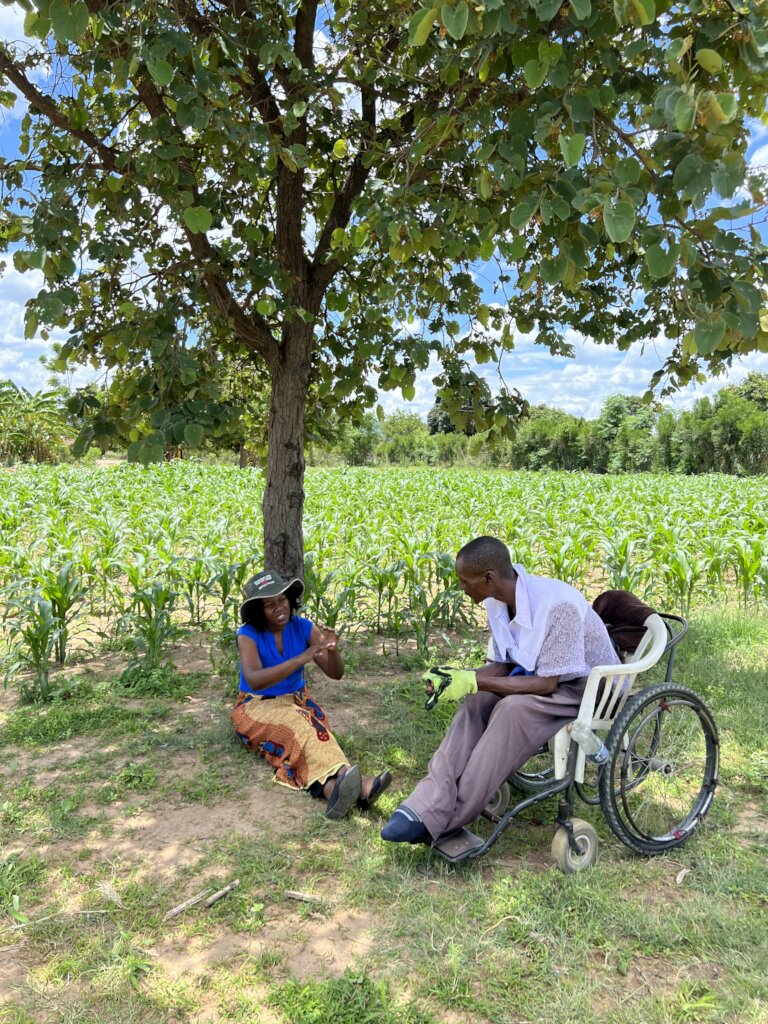
My name is Mr Gumede**. When I was diagnosed with advanced prostate cancer, my life changed dramatically. One of the hardest things for me to accept was losing my ability to walk. The change happened so suddenly that I found myself confined to a wheelchair, feeling frightened, confused, and uncertain about what was happening to me. I was not even sure I fully understood my diagnosis, and I did not want any treatment or care. I refused to eat and did not want to take the herbal remedies my family was trying to give me. More than anything else, I wanted to return to my rural home.
At the time, I believed that my condition might have been caused by witchcraft because of how suddenly I lost the use of my legs. For a long time, I placed my hope in prophets who had been supporting me through my illness journey. I believed they would help me regain my mobility and return to my normal life.
When the clinical social worker from Island Hospice and Healthcare first visited me, I felt overwhelmed by everything that was happening. During our conversations, I was able to openly share my fears, frustrations, and hopes. I appreciated having someone who listened to me without judging me or trying to force decisions on me. One of the biggest challenges I faced was feeling that others were making decisions for me. My children wanted me to take herbal treatments to boost my immunity, but I did not want to. Through the family sessions facilitated by the social worker, my family came to understand that I still had the capacity to make my own choices. Although these conversations were not always easy, I felt relieved and happy that someone was advocating for my right to decide what I wanted for my life and my care.
Gradually, my family began to respect my wishes. I was allowed to eat what I wanted, refuse medicines I did not want to take, and make decisions about where I wanted to live. This restoration of my independence brought me great comfort and dignity during a difficult time. As I continued meeting with the social worker, I began to reflect on what worried me most. I realized that I was not afraid of dying because I had lived a long life. What troubled me deeply were my two grandchildren who lived at my rural home and depended on me for their care. Their mother lives outside the country, and I did not know who would look after them when I was gone.
With the support of the social worker, I found the courage to discuss this concern with my daughter-in-law and my son. During one of our sessions, I shared my wish that they take responsibility for my grandchildren after my death. To my great relief, this conversation led to understanding and agreement within the family. Knowing that my grandchildren would be cared for lifted a heavy burden from my heart. Over time, I also came to accept that being in a wheelchair was likely a permanent result of my illness. This was not easy, but I reached a point where I no longer focused on what I had lost. Instead, I focused on what was still important to me: being surrounded by people I trusted, having my choices respected, and returning to the place I called home. Eventually, my wish to return to my rural home was fulfilled. My caregiver, who had come to understand my needs and how I liked to be cared for, accompanied me so that my care could continue in a familiar and comforting way. This gave me great peace of mind.
Today, I look back and see how far I have come. I have accepted my condition, my family respects my decisions, and I am no longer worried about the future of my grandchildren. I returned to my rural home with renewed hope, dignity, and peace. The support I received from Island helped me feel heard, respected, and empowered to make choices about my own life. My journey with Island continues virtually, and I now face it with greater acceptance and confidence, knowing that I am not walking it alone
By Lovemore Mupaza | Monitoring, Evaluation and Research Coordinator
By Lovemore Mupaza & Elias Masendu | MEAL Coordinator and Head of Programmes
Project reports on GlobalGiving are posted directly to globalgiving.org by Project Leaders as they are completed, generally every 3-4 months. To protect the integrity of these documents, GlobalGiving does not alter them; therefore you may find some language or formatting issues.
If you donate to this project or have donated to this project, you can receive an email when this project posts a report. You can also subscribe for reports without donating.


Support this important cause by creating a personalized fundraising page.
Start a Fundraiser