By Lovemore Mupaza & Elias Masendu | MEAL Coordinator and Head of Programmes
Introduction and background
Island Hospice & Healthcare (Island) delivers palliative and bereavement care services through several models, namely: (i) home-based care, (ii) hospital-based care, (iii) rural and community outreach, (iv) roadside clinics, and (v) virtual consultations. These models are tailored to meet the diverse needs of patients and clients based on their individual circumstances and settings. Each approach is designed to ensure that care remains accessible, flexible, and responsive, whether in the comfort of a home, within a healthcare facility, or through remote engagement.
Intervention and Outcomes: October 2025 - January 2026
Between October 2025 and January 2026, Island provided palliative and bereavement care to individuals living with life-threatening conditions, as well as to those experiencing grief and loss. The organisation delivered a wide range of mental wellness services, including bereavement support, trauma-focused debriefing sessions, and partner loss support groups, tailored to support the emotional well-being of clients.
Island conducted multiple training sessions and workshops to strengthen the capacity of healthcare workers, caregivers, and community volunteers. These programs strengthened participants’ practical skills, knowledge, and attitudes, enabling them to deliver high-quality, compassionate, and culturally sensitive palliative and bereavement care.
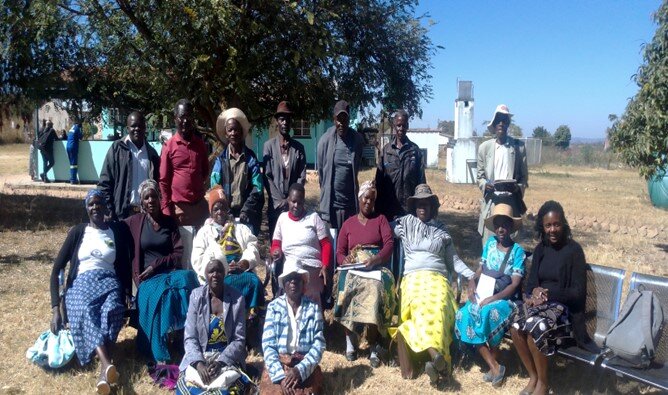
In addition to capacity building, Island engaged in extensive community outreach and awareness activities to raise awareness of palliative care, strengthen stakeholder collaboration, and promote early referral and service integration. Key initiatives included Men’s Health events, such as the Gentlemen’s Evening and the Men’s Fair, which addressed men’s health challenges and cancer power walks to raise awareness on breast and prostate cancers. Other activities included wellness days, radio programs on bereavement and grief, exhibitions, and participation in national and international forums, all of which enhanced public awareness, fostered partnerships, and increased the visibility and influence of Island within both community and professional networks.
Between October 2025 and May 2026, Island provided care to 628 patients and clients, resulting in 2,853 total care contacts. Most services were delivered virtually (1,108 contacts), followed by home visits (739) and roadside clinic (453). Additional engagements included hospital office consultations (264), ward rounds (213), and hospital visits (76).
The stories below demonstrate typical changes to patients’ and clients’ lives because of Island’s interventions.
My journey with Island Hospice
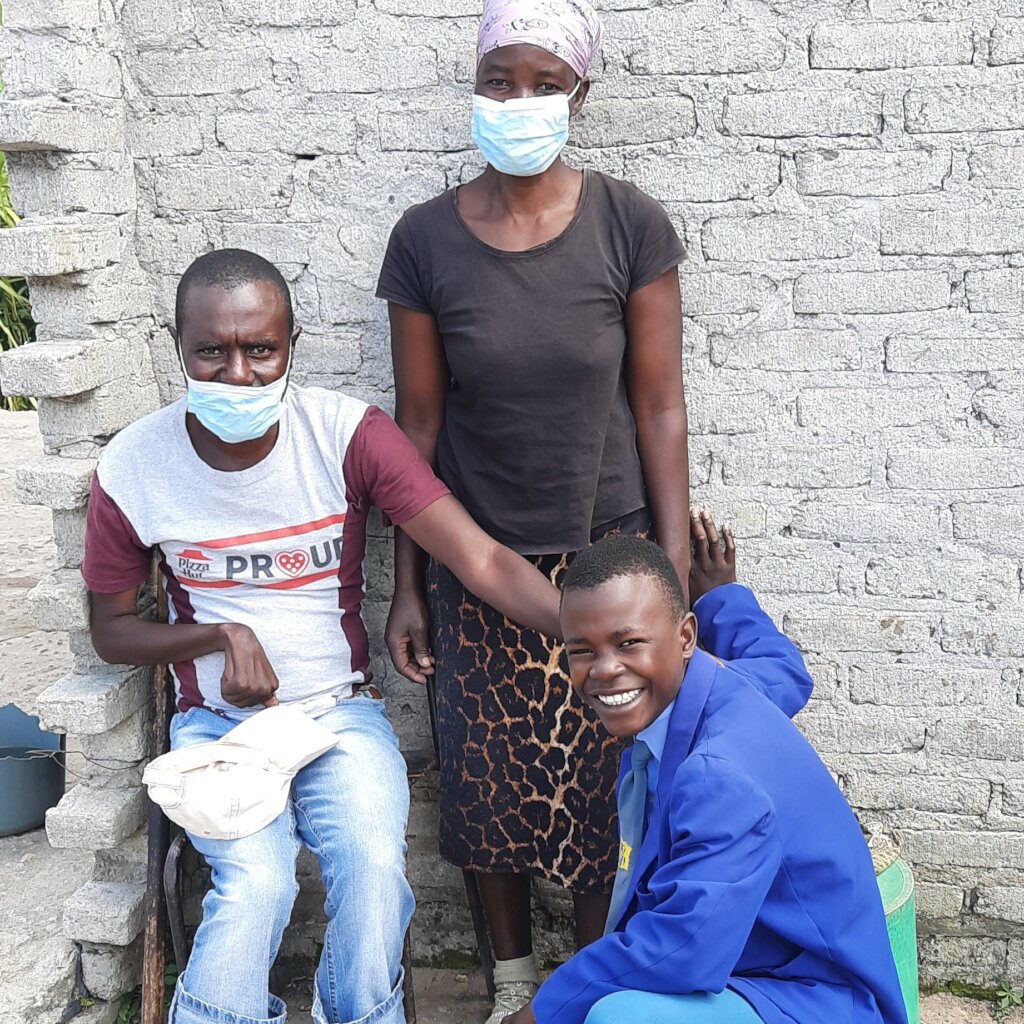
My name is Gugulethu (pseudo name), and I am 49 years old, living with stage 4 cervical cancer and HIV. I used to work for myself in South Africa, but when the cancer came, I had to return home to Zimbabwe. Now I live with my mother, who is a widow and works as an Island Hospice Community Home Based Carer, and my 29-year-old son. My son recently got a girl pregnant, so most of his money goes there. He doesn't have steady work either—but survive on piece jobs.
When Mpilo Hospital gave me an appointment, I was so afraid that I turned to traditional medicine instead and abandoned the hospital completely. The traditional medicine helped me, and I felt some relief, but the pain was still there, gnawing at me. And worse than the physical pain was the bitterness consuming my spirit. I was angry at everything—angry that I had cancer, angry that I had HIV, angry that my life had come to this.
That's when Island Hospice truly changed everything for me. They give me painkillers for pain management. Combined with the traditional medicine, the relief is profound—I could finally sleep, finally think clearly instead of being consumed by agony every moment. Then their social worker came to counsel me. He listened to all my anger and helped me work through the bitterness that was destroying me from the inside. Slowly, I began to accept my situation and find peace. He showed me that my life still has value.
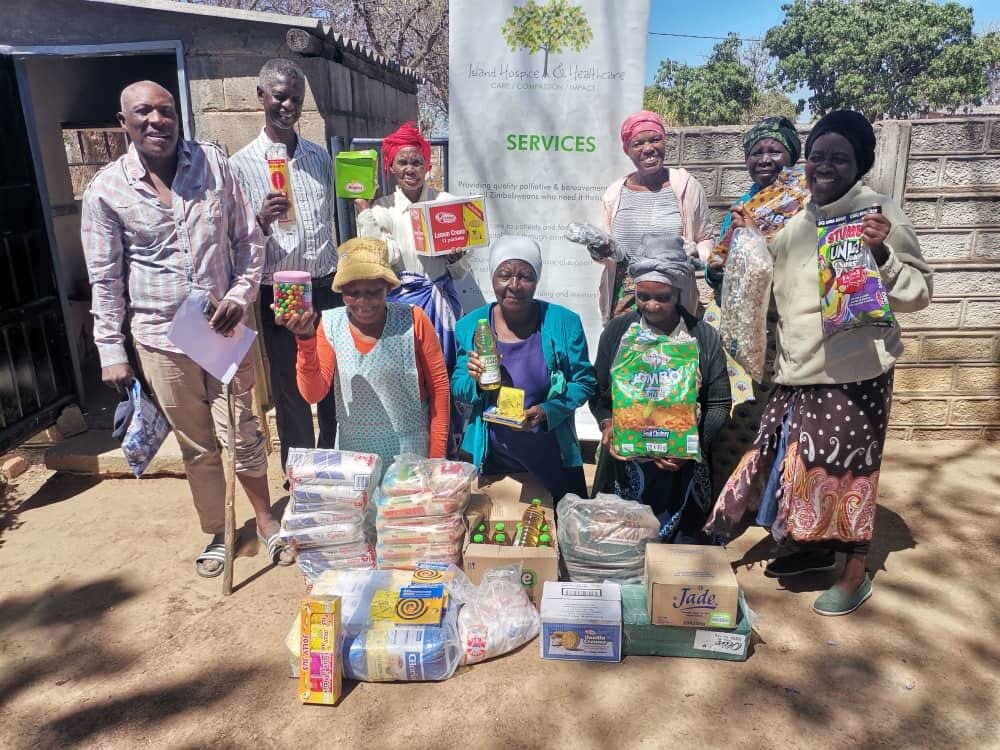
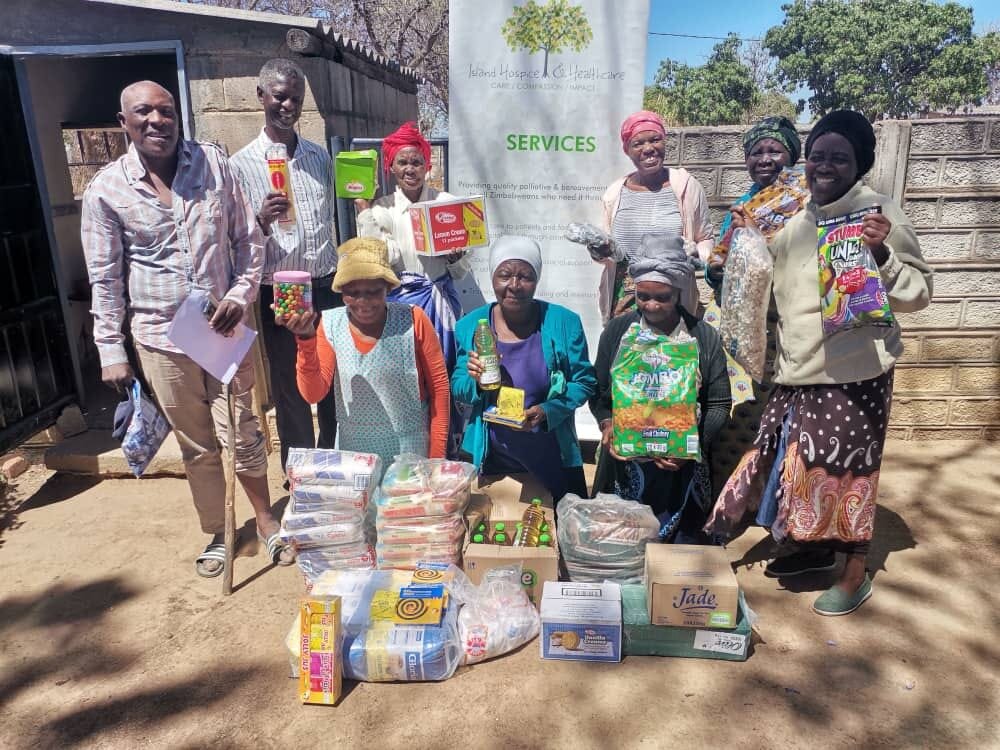
In October 2025, Island Hospice gave us a food hamper. With no steady income in our house, that food meant we could eat with dignity. It wasn't just groceries—it was hope. The other Island Hospice CHBCs visits me regularly to check on me, monitor my condition, and remind me that I'm not forgotten. Through my mother's work with them, I've been embraced by an entire community of care.
Today, I'm stable, though I'm still not strong enough to work. But I'm no longer bitter. I'm no longer in constant pain. I'm no longer alone in this fight. Island Hospice didn't just help me manage my illness—they gave me back my dignity, my peace of mind, and my will to keep living. I am deeply grateful.
Story of Change 2: Family connection restored
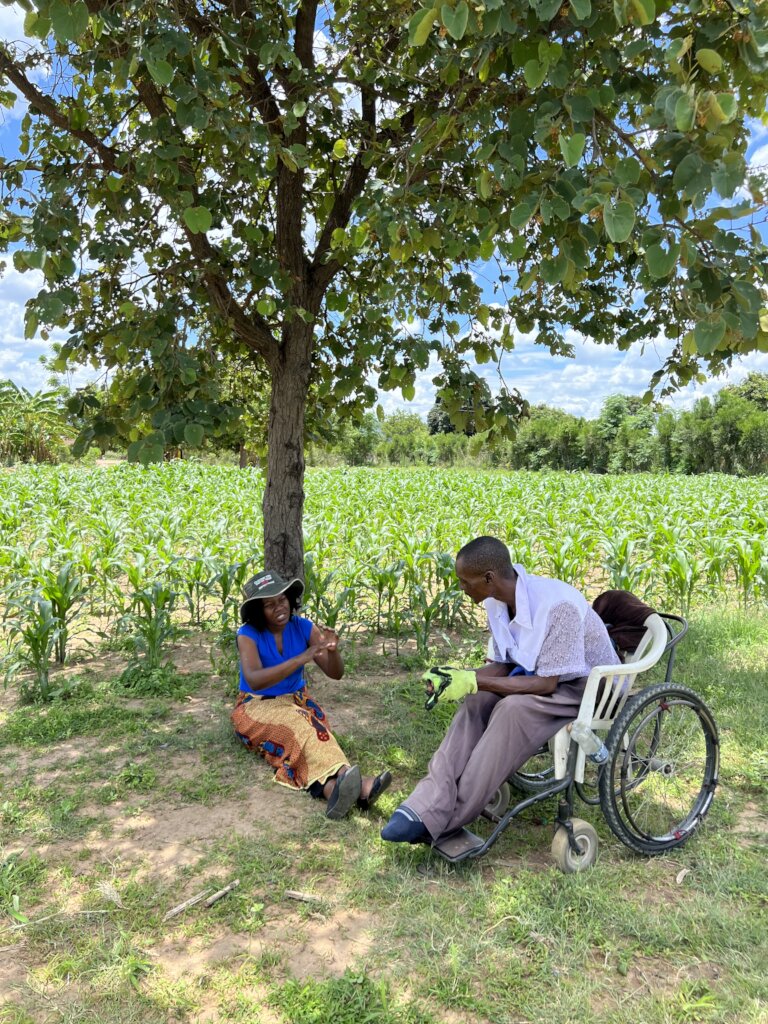
My name is John (not real name), and I serve as a pastor at a local church here in Mutare. In 2022, I received news that would forever change my life: I was diagnosed with rectal cancer. At first, I tried to face it on my own, relying on faith and the support of my family, but as the months passed, the illness gradually took more from me. By 2025, I had also begun experiencing symptoms of a stroke. I became bedridden, unable to walk independently, and I needed assistance with almost every aspect of daily life, eating, bathing, even turning in bed.
Watching my wife and our two daughters struggle to care for me was one of the hardest things I have ever experienced. The emotional and physical weight of my illness pressed heavily on them. My eldest daughter, still in O-Level, began to withdraw into herself. She became isolated, avoiding interactions and quietly shouldering the fear and sadness of seeing her father in pain. Her schoolwork began to suffer, and I could see the light in her eyes dimming under the burden of worry.
Back in 2022, Dr. Kitkat had referred me to Island Hospice and Healthcare (Island) for colostomy supplies. At that time, I was not ready to embrace full palliative care services, so I only accepted the supplies and kept going. But by September 2025, as my condition deteriorated further, one of my church members reached out to Island on my behalf, noticing the urgency of my situation.
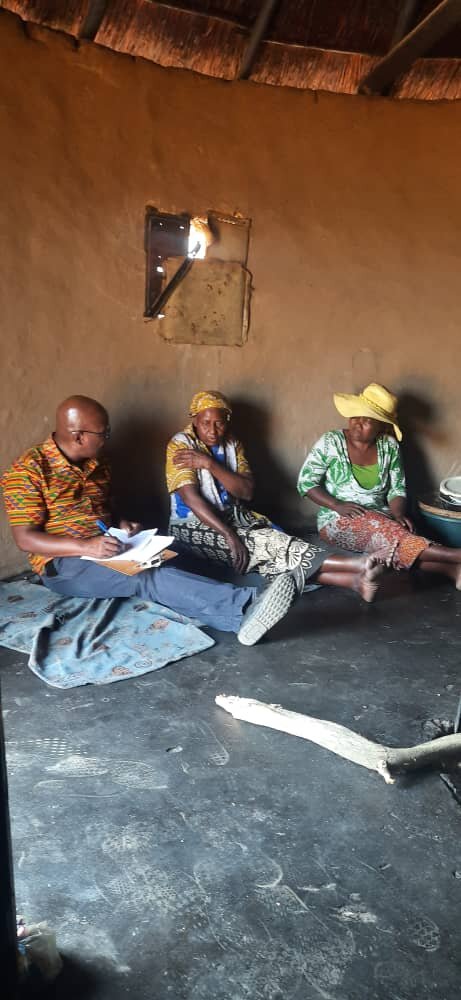
The Island team visited our home to assess my needs and those of my family and they addressed not only my medical condition but also our emotional and psychological wellbeing. They offered counselling and support that went beyond treatment of the body, reaching into the heart of our family life. Special attention was given to my daughter. She revealed her fear that being near me might somehow worsen my suffering. The social worker gently guided her to understand that her presence could bring me comfort, reassurance, and emotional strength, a gift far more powerful than she had realised.
With guidance, encouragement, and consistent support from Island, my daughter slowly began spending more time with me. She assisted with small tasks, shared moments of conversation, and offered companionship. In these simple yet profound ways, the warmth and connection in our family were restored. The fear, silence, and emotional distance began to give way to togetherness, understanding, and hope.
Today, even as I continue to live with illness, I feel deeply supported, not just medically, but emotionally and spiritually. My family and I have learned that even in the most challenging circumstances, care, presence, and love can restore a sense of normalcy, hope, and closeness. Island did not just care for me; they helped care for our family, helping us find light even in a time of great darkness.
In conclusion, these stories demonstrate the profound impact Island Hospice and Healthcare continues to make in the lives of patients and families through compassionate, high-quality, patient-centred care. They reflect not only improved symptom management, dignity, and comfort, but also restored hope and strengthened support systems for those facing life-limiting illnesses.
With increased support, we can expand these programmes to reach more underserved communities, broaden access to essential palliative care services, and ensure that no patient suffers needlessly due to lack of care.
We extend our heartfelt gratitude to our donors and partners who have entrusted us with their support. Your generosity has translated into meaningful, life-changing impact for the patients and families we serve across Zimbabwe.
Project reports on GlobalGiving are posted directly to globalgiving.org by Project Leaders as they are completed, generally every 3-4 months. To protect the integrity of these documents, GlobalGiving does not alter them; therefore you may find some language or formatting issues.
If you donate to this project or have donated to this project, you can receive an email when this project posts a report. You can also subscribe for reports without donating.



Support this important cause by creating a personalized fundraising page.
Start a Fundraiser