By Lovemore Mupaza | Monitoring, Evaluation and Research Coordinator
Introduction and background
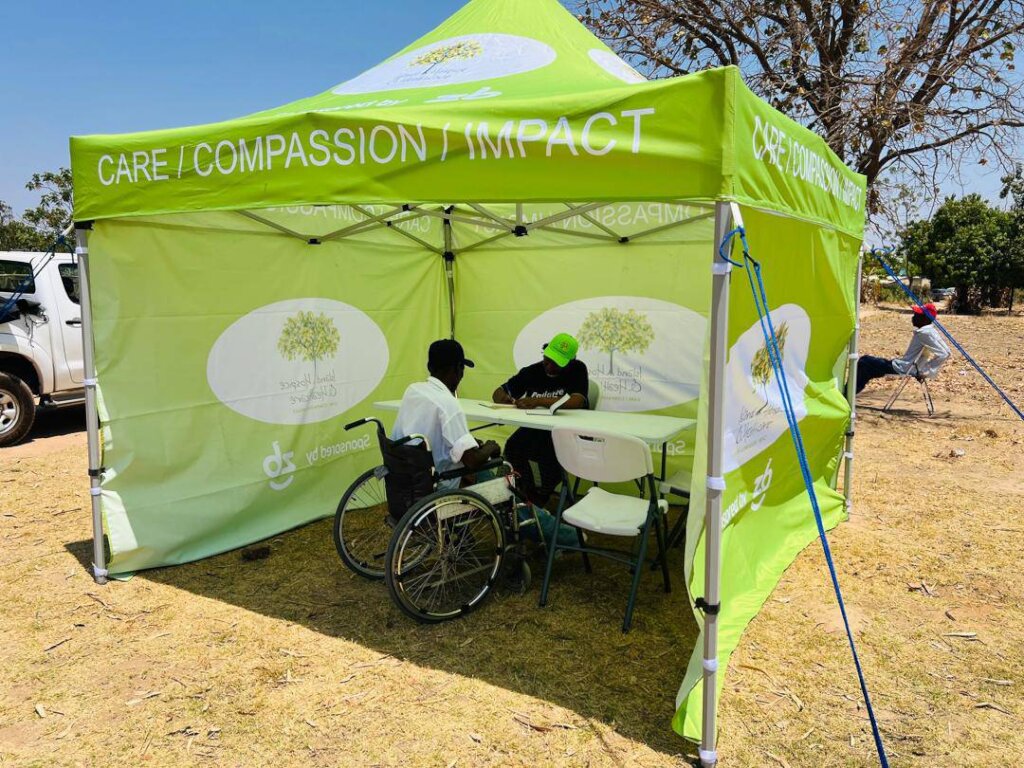
Island Hospice & Healthcare (Island) delivers palliative and bereavement care services through several models, namely: (i) home-based care, (ii) hospital-based care, (iii) rural and community outreach, (iv) roadside clinics, and (v) virtual consultations. These models are tailored to meet the diverse needs of patients and clients based on their individual circumstances and settings. Each approach is designed to ensure that care remains accessible, flexible, and responsive, whether in the comfort of a home, within a healthcare facility, or through remote engagement.
Intervention and outcomes
From January to May 2025, Island provided compassionate care to individuals facing life-threatening conditions, as well as to those experiencing loss and grief. The organisation offered a broad range of mental wellness services, including bereavement support, trauma-focused debriefing sessions, and partner loss support groups, each designed to support the emotional well-being of clients.
In addition to direct service delivery, Island conducted various training sessions and workshops across its branches and partner organisations. These included nurse aide training and caregiver modules training, which equipped participants with the knowledge, skills, and attitudes necessary to deliver high-quality palliative and bereavement care.
Island commemorated World Cancer Day by raising awareness about cancer and the role of palliative care. Activities included educational presentations to staff at the University of Zimbabwe and to students from the Leo Club Region 1 in Mutare. As part of its Women's Month commemorations, Island hosted a vibrant High Tea event, which brought together women from diverse backgrounds to engage in meaningful conversations, share personal experiences, and celebrate the strength of sisterhood. In addition, Island launched the first edition of the Island Women in Loss Support Group, a dedicated space for women navigating grief. This initiative was designed to provide emotional support, encourage open dialogue, and build a sense of community among women experiencing various forms of loss.
Island also supported professional development by enrolling oncology and palliative care students for clinical attachments, fostering practical learning in real-world care settings. Additionally, Island introduced the 9-Cell Bereavement Tool to caregivers in Bulawayo, equipping them with a structured approach to understanding and supporting those experiencing grief.
Between January and May 2025, Island provided care to 431 patients and clients (158 males and 273 females), resulting in 3,031 total care contacts. The majority of services were delivered virtually (1,381 contacts), followed by home visits (760) and office consultations (289). Additional engagements included hospital ward rounds (284), roadside clinics (254), and hospital visits (63).
The stories below demonstrate typical changes to patients’ and clients’ lives because of Island’s interventions.
Story of Change 1: Renewed hope for brighter days
Lying bedridden, alone and unable to wake or move a muscle, my mind crept into depths of hopelessness and despair where suicide became a possible option to end my suffering. With no family and friends on my side to care and support me, I was on the verge of surrender until I found renewed hope through support from Island. And today, I continue to rewrite the story of my life, a life of renewed hope and resilience.
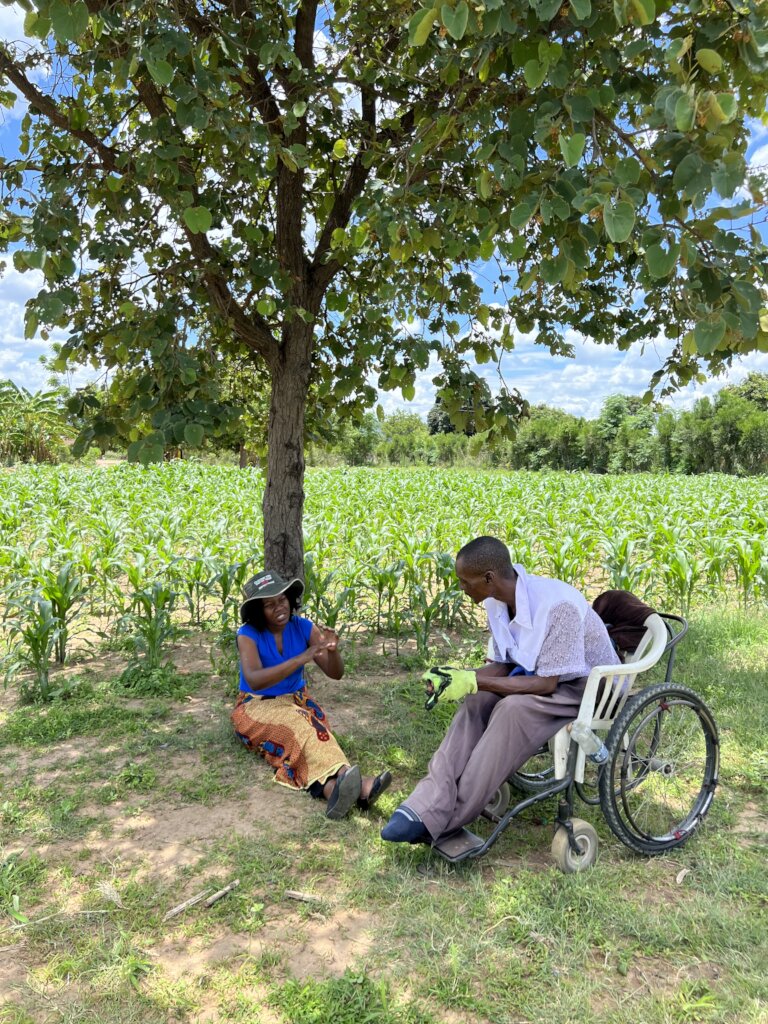
Raymond sharing his recovery story
My name is Raymond Masocha (not real name). I am 53 years old, four years ago, a minor pain in my right leg seemed like a trivial concern, but it was only the beginning. I turned out to be HIV-associated vascular myelopathy, a neurological disorder that affects the spinal cord and is associated with advanced HIV infection which is characterised by weakness in the legs, gait disturbances, and sensory changes. Part of my treatment included a lumbar puncture at one of the local hospitals.
The lumbar puncture was supposed to provide clarity, but something went terribly wrong, I was trapped in a body that wouldn’t respond, I couldn’t turn my head or move my hands. This was the beginning of a journey that would see me lose family, friends and purse.
As the burden of caring for an invalid husband overwhelmed my wife, she slowly started neglecting me. She would go out for long hours, at times the whole day, leaving me all alone and hungry. When I couldn’t take the pangs of hunger anymore, I would drag myself to the perimeter wall and shout for my neighbours to bring me food. The moment I'd hear their footsteps approaching, I'd feel a mix of gratitude and humiliation. It was a harsh reminder of my dependence on others for even the simplest needs. Eventually, my wife went away and never returned up to this day. Even my relatives had lost hope and were silently awaiting the day of my demise. At one point I overheard my sisters discussing funeral policy arrangements, just in case I don’t make it. Left alone, without family and friends, I lost all hope and started entertaining dark thoughts of ending my pain through suicide. I had become a burden even to myself, the agonizing pain in spinal cord was nothing compared to the pain I felt inside… the pain of knowing I can’t move on my own, I might never visit my favourite spots in town or go watch soccer with my peers. The emptiness and pain was too much, I felt it had to end! I tried suicide three times, but I failed, took some rat poison, it didn’t work, I even tried overdosing the tablets I was taking, tried the rope but it could not work because someone walked in.
Through support from Island, Raymond can now walk with an aid, he even drives to town
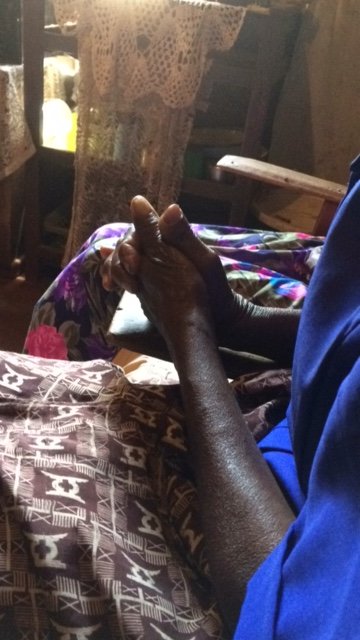
My Damascene moment came when I was introduced to the Island team and this new relationship was a lifeline. Their social workers and nurse would sit with me, listen to my stories, and offer words of encouragement. For the first time in a long period, I felt seen and heard. They helped me find ways to manage my pain, and more importantly, they helped me find a reason to keep going. They reignited hope and a passion for life that had been extinguished due to poor health, loneliness and shame. Today, I am on my recovery path, able to walk with the aid of a walker. Island continues to support me with painkillers and routine counselling sessions.
Story of Change 2: A Story of Hope and Transformation: The Impact of the SOPP in Chiparawe Community, Marondera
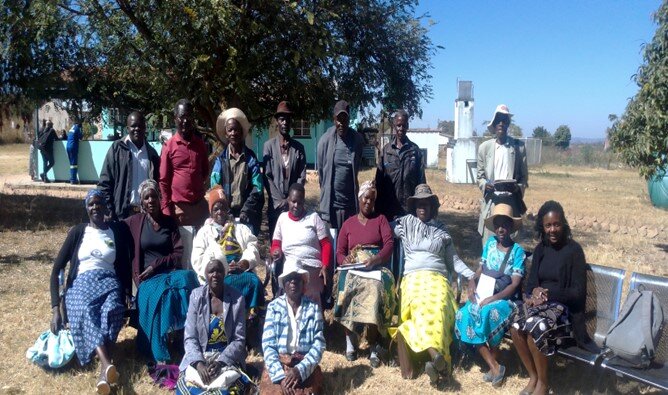
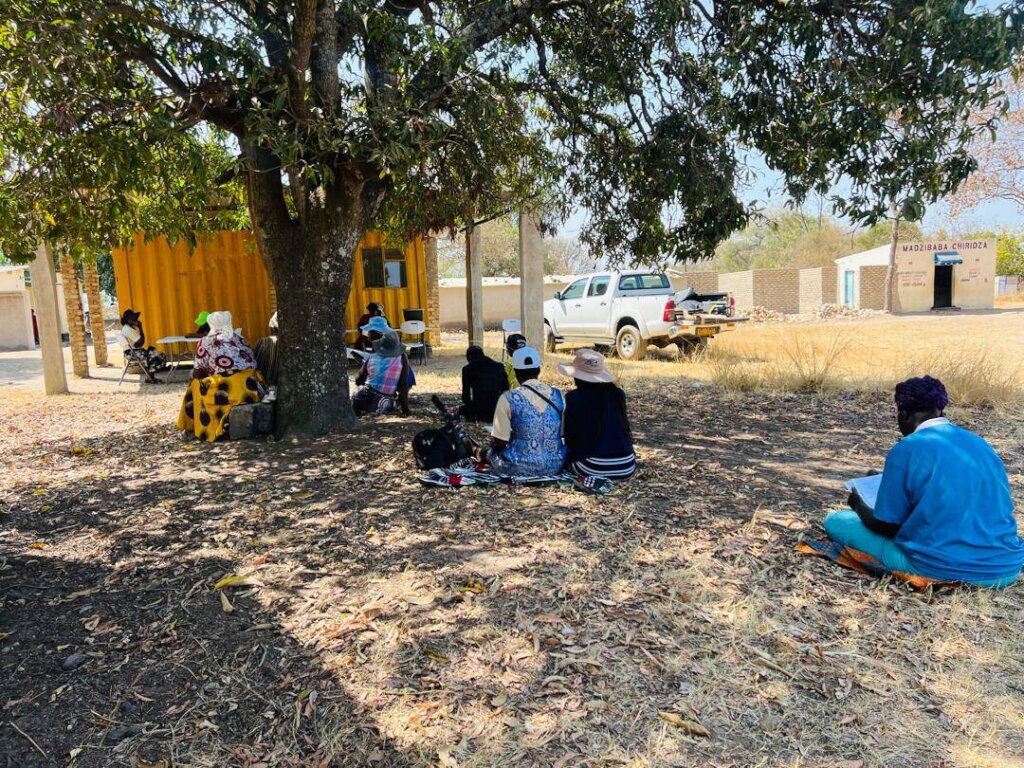
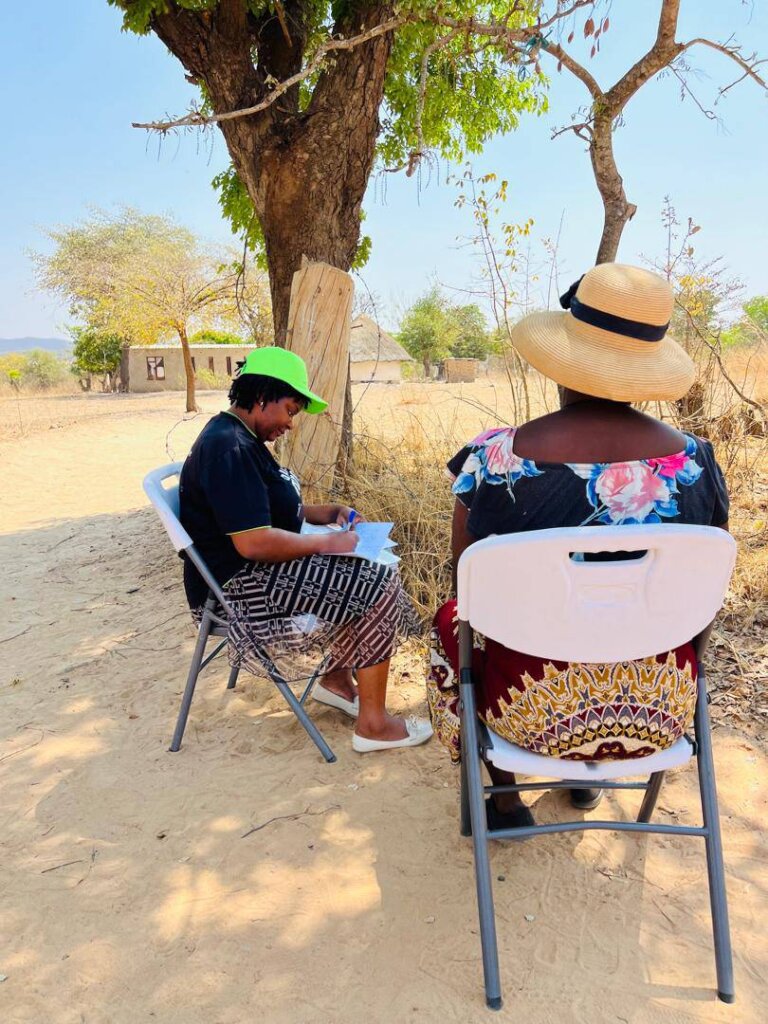
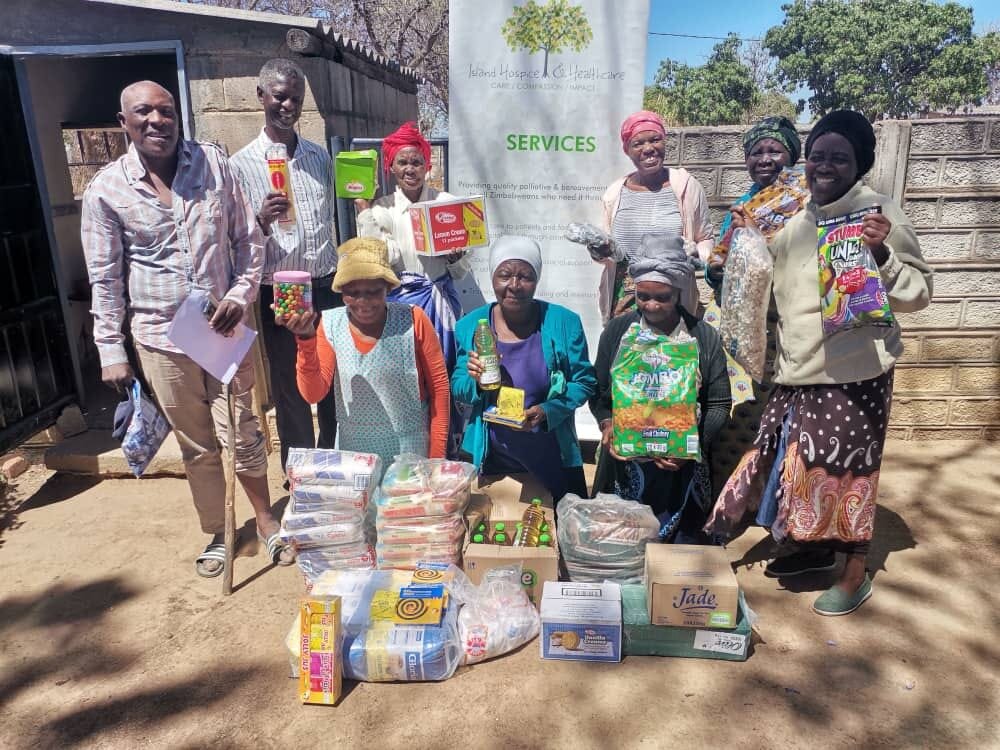
In the rural communities of Marondera,the Chiparawe Champions have emerged as beacons of hope and pivotal agents of positive change for older persons(OPs) in the region.These dedicated volunteers,often comprising both local leaders and ordinary OPs, work tirelessly to monitor care delivery and actively engage with the Island, resulting in remarkable transformations in the lives of OPs,bringing not just relief but also dignity and renewed hope.
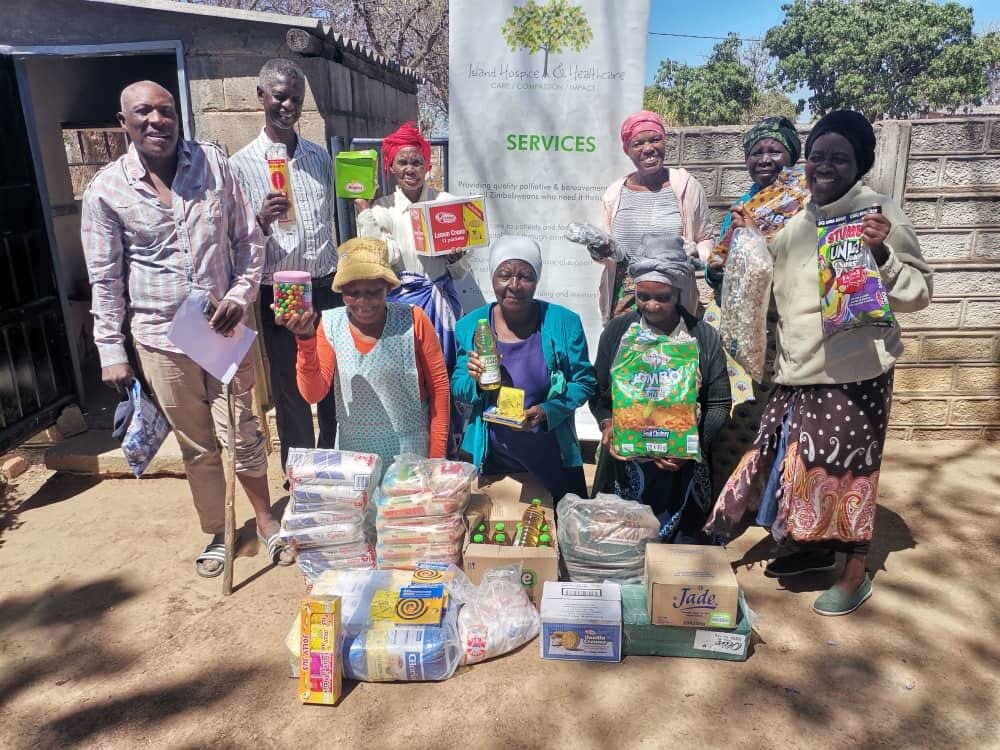
One of the most significant improvements has been in access to essential medication. Prior to the intervention, many OPs faced daunting challenges in affording the often-exorbitant costs of medicines critical for managing chronic illnesses, such as diabetes, hypertension, and arthritis. These individuals frequently had to deplete their life savings or forgo necessary treatments altogether due to financial constraints. Now, thanks to the organized distribution of medication facilitated by Island,along with the support from Champions,OPs can obtain their medications either free of charge or at significantly reduced prices.This access has not only improved health outcomes—leading to increased energy, mobility, and overall quality of life—but it has also alleviated the financial burdens placed on their already struggling families.One OP poignantly expressed, “I used to worry every month about how I would pay for my prescription medication,but now I get my pills without spending my last coin.It has brought a profound peace to my life.”
Beyond health, the initiative has cultivated a spirit of unity and compassion among families. As family members become better informed about palliative care and the specific needs of OPs, they are more empathetic and supportive of their elders.The stigma that previously led to OPs being abandoned or labeled as witches due to baseless superstitions is now diminishing.Families are increasingly coming together to care for their elders, recognizing their invaluable contributions to the community and affirming their right to love and support in their later years.
Moreover,the initiative has empowered OPs economically,granting them a renewed sense of purpose and independence.Many OPs who participate in the ISALs platform are seizing this opportunity to enhance their livelihoods.Through ISALs,they can purchase essentials such as cooking pots,blankets,fertilizers for their small gardens, and food supplies, as well as pay for their grandchildren’s school fees. This newfound economic empowerment has equipped many OPs to contribute meaningfully to their households rather than feeling like burdens to their families,bolstering their sense of self-worth and community belonging.
A prominent Champion in the initiative,remarked,
“This program has not only improved our health and strengthened family ties,but it has also empowered OPs to regain their independence.Many are now using ISALs to purchase their necessities and support their grandchildren's education. It’s a genuine change for the better—one that uplifts us all.”
The inspiring story of the Chiparawe Champions and Island Hospice in Marondera exemplifies the profound effects of targeted,community-driven interventions in transforming lives.Through ensuring access to vital healthcare, fostering unity among families, and promoting economic independence, they are creating a ripple effect of positive change that uplifts the dignity of older persons while simultaneously fortifying the very fabric of the community.
Story of Change 3: Island Hospice Transformed my personality
The social support and counselling I received from Island Hospice gave me a new lease of life, a life of calm, empathy and understanding and a whole new life’s view on living with a chronically ill spouse. This is my story…
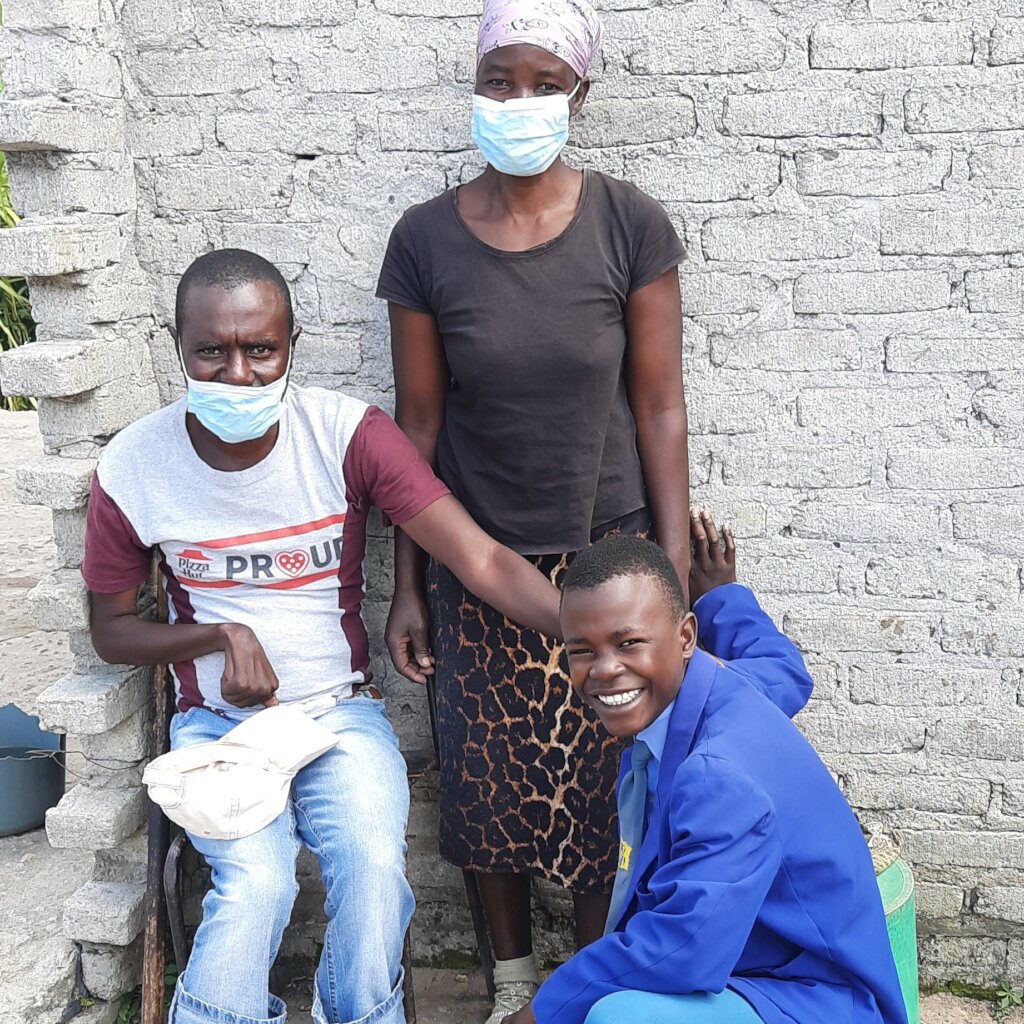
My name is Merjury Mungofa, and I’m 44 years old. I’ve been caring for my husband since he suffered a stroke in 2023. We are staying with our three children in a small, two-room rented cottage in Marondera’s Cherutombo high-density suburb. Before the stroke our family survived from my husband’s plastic recycling work. Before the stroke, our family relied on my husband's income from collecting and selling plastic waste to recycling companies. It wasn't a lucrative job, but it provided for our basic needs. However, on September 9, 2022, everything changed. After a long day at work, he went to bed to rest while I attended to a few household chores. When I joined him in bed, he was unable to speak or lift his hands, the stroke came out of nowhere and overnight, our lives were turned upside down!
Caring for two adults…
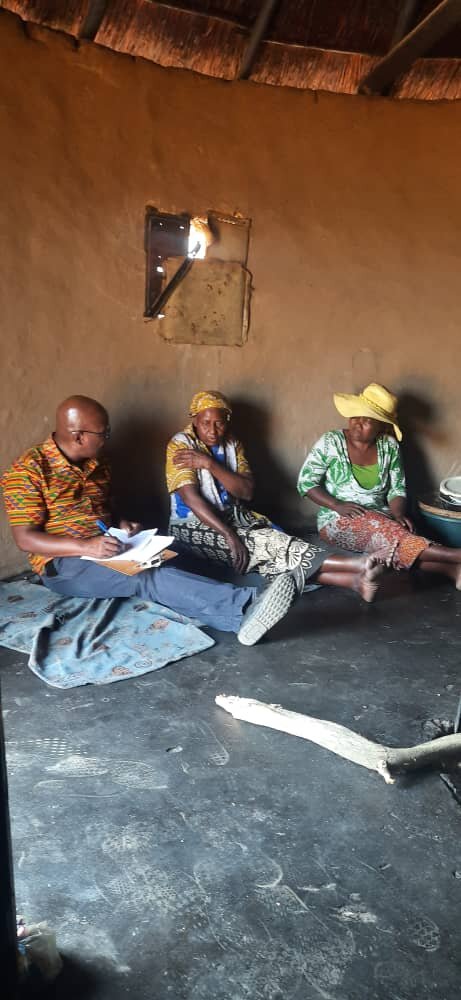
Suddenly switching roles to taking care of the man that used to provide and lead the family was heavy on me. I was caring not only for him but also for my bedridden mother-in-law, managing their daily needs, medication and care. Making sure they are well fed, clean and are taking their medication. Sadly, my mother-in-law passed in October that year. Fortunately, a community home-based caregiver's timely intervention connected us with Island Hospice. This was a turning point in our lives. Island nurses regularly visited, monitoring my husband's health, managing his hypertension, and providing medication. The community home-based caregiver's frequent visits ensured adherence to his treatment plan and exercise schedule. With Island's support, my husband's condition has steadily improved...
Temper and patient care...
The support from Island Hospice went beyond my husband's medication and physiotherapy. The counselling sessions also helped me cope and transformed my old perception of caring for unwell spouse or family member. As someone who is naturally short tempered and easily gets angry or frustrated, I often struggled to cope with the challenges of caregiving. I'd get frustrated and angry, lashing out at my husband and his mother when they had accidents or needed extra care. Looking back, I see I wasn’t fair to my husband and his mother. But the social worker's guidance taught me valuable communication skills, empathy, and the importance of putting myself in my husband's shoes. I learned to understand his feelings and needs and respond with compassion instead of anger. This has changed my life and how we are living as a family right now.
Working on the deeper issues…
As my husband continues to improve each day, the family is ecstatic and hopeful for a complete recovery. However, as a married couple, we've come to realize that recovery encompasses more than just physical milestones – intimacy is a crucial aspect of our relationship that we've had to navigate. My husband continues to struggle with his new reality, he feels he has lost his place as a man to initiate and go through with intimacy. We have been receiving counselling from Island on how best we can revive our intimacy and have ‘complete’ recovery as a couple. They have also referred us to specialists who can handle such issues.
The assistance we are receiving from Island Hospice have seen the physical improvement of my husband’s condition as well as strengthen my capacity as a primary caregiver to provide adequate care and maintain a healthy husband/ wife relationship. Island Hospice's holistic approach has truly made a difference in our lives. I am grateful!
By Lovemore Mupaza | Monitoring & Evaluation Coordinator
By Lovemore Mupaza | Monitoring, Evaluation and Research Coordinator
Project reports on GlobalGiving are posted directly to globalgiving.org by Project Leaders as they are completed, generally every 3-4 months. To protect the integrity of these documents, GlobalGiving does not alter them; therefore you may find some language or formatting issues.
If you donate to this project or have donated to this project, you can receive an email when this project posts a report. You can also subscribe for reports without donating.



Support this important cause by creating a personalized fundraising page.
Start a Fundraiser