By Carolina Martinez Ceja | Communications Coordinator
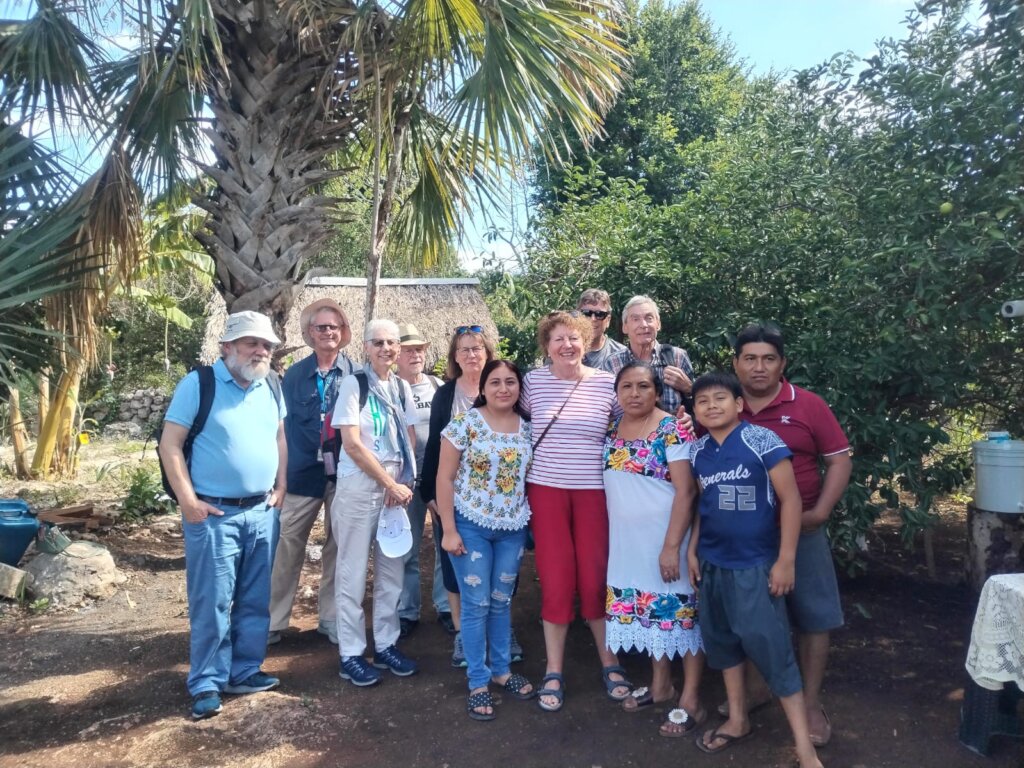
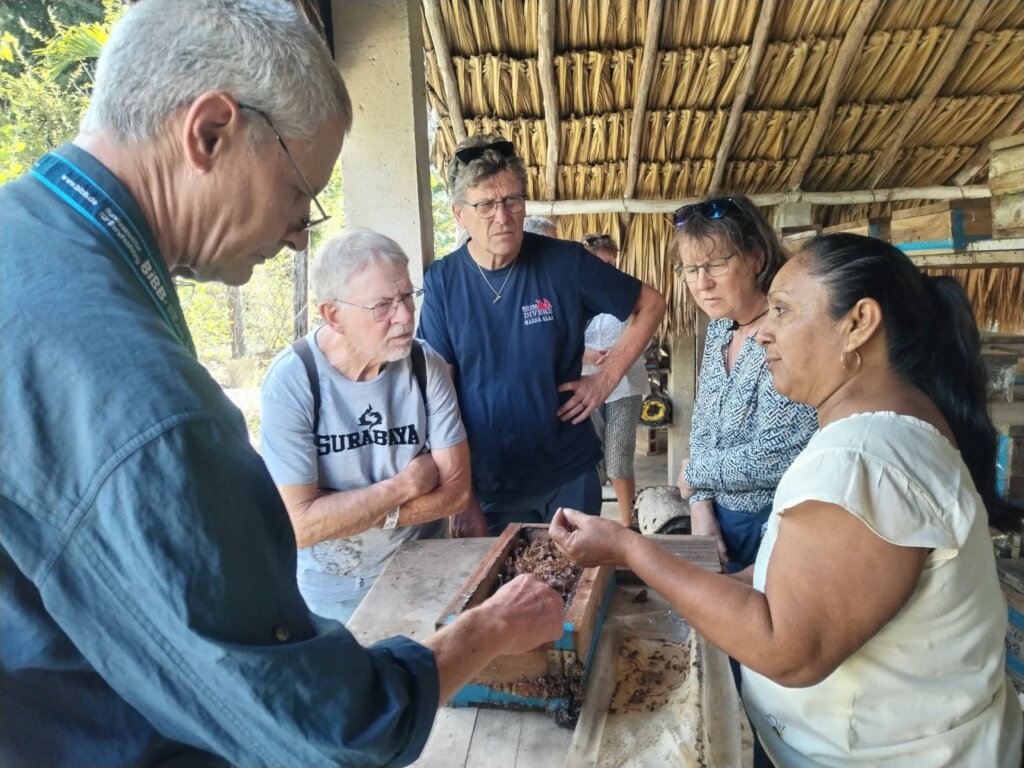
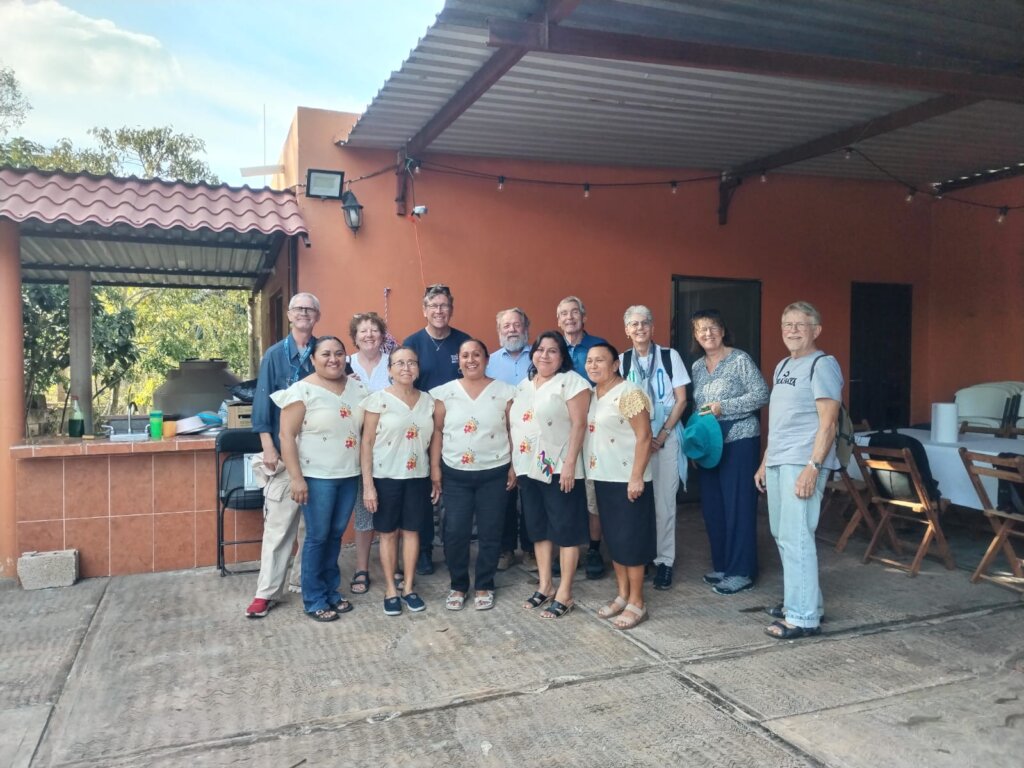
The Chan Xunan Kab and Kuxtalil groups welcomed the year's first visitors to their meliponaries: a group of Swiss tourists who came through an alliance between Educampo and a tourism company. It was the first time these groups had opened their doors to tourist visits, an experience that is becoming a new source of income for the region's meliponiculturist women.
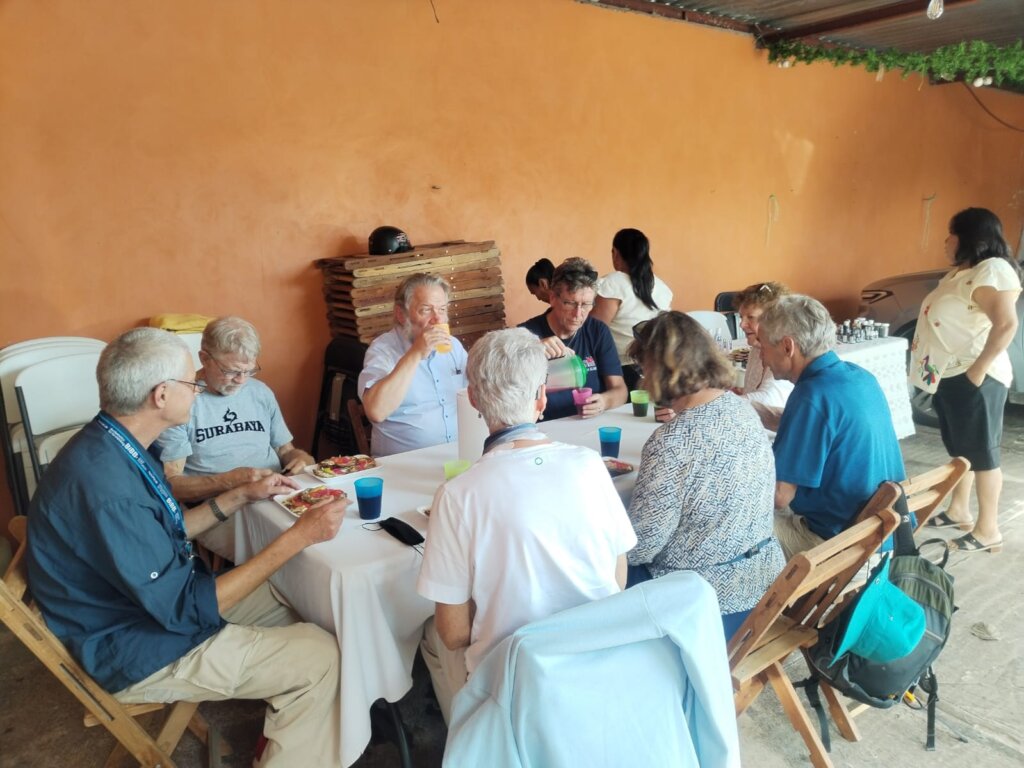
During the visit, the tourists learned firsthand about the process behind melipona honey: how the bees are cared for, how the honey is harvested, and what makes it special. Afterward, they prepared artisanal creams with natural ingredients made by the producers themselves, and learned to cook the region's traditional brazo de reina, a recipe that is part of the culinary heritage of the Maya communities of the peninsula.
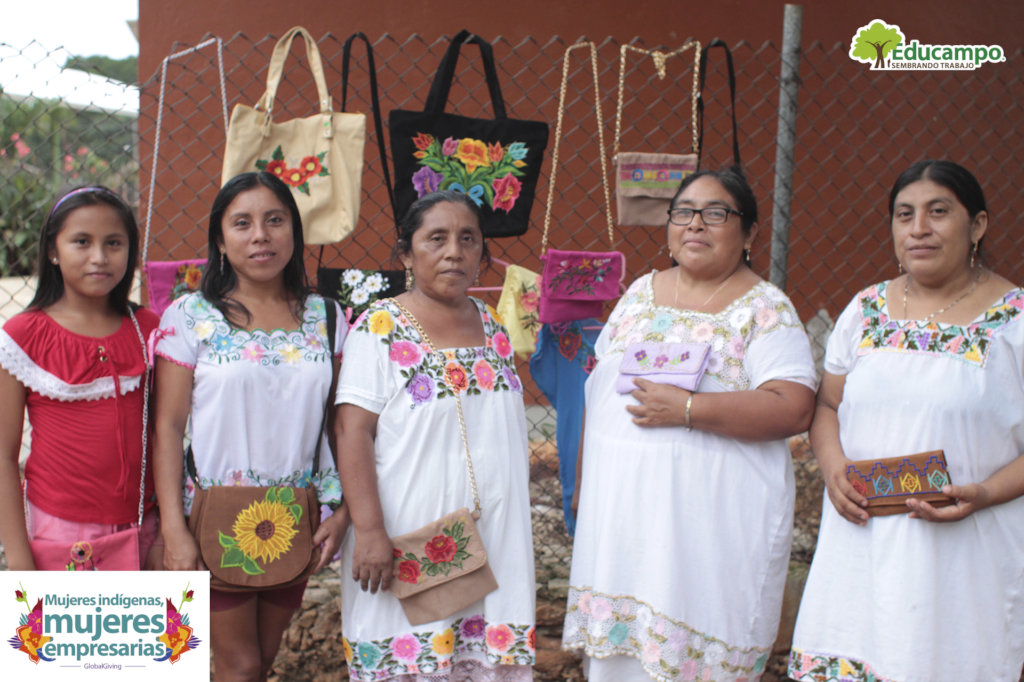
Beyond tasting local dishes, the visitors purchased cosmetics made by the women of the groups, generating direct sales of their products. This kind of encounter does more than bring people from other parts of the world closer to the traditions and knowledge of the meliponiculturist communities — it turns that knowledge into concrete income: every visit represents sales of honey, cosmetics, and food, plus the tourism experience itself.
This complementary income adds to what the producers earn from selling their honey. At the "Lool Xaan" meliponary, for example, producers achieved a larger harvest this year than the year before, meaning more product available to sell and, with it, more income for their productive units. Together, these two sources — community tourism and honey and honey-derived product sales — show how strengthening the meliponaries translates into a stronger economy for the women who care for them.
These alliances that Educampo builds with the tourism sector also open the door for more groups of producers to receive visitors in the coming months, further diversifying their income sources and introducing their work to new audiences.
At Educampo, thanks to your support, the peninsula's meliponiculturist women continue finding new ways to generate income from their work and their traditions.
Project reports on GlobalGiving are posted directly to globalgiving.org by Project Leaders as they are completed, generally every 3-4 months. To protect the integrity of these documents, GlobalGiving does not alter them; therefore you may find some language or formatting issues.
If you donate to this project or have donated to this project, you can receive an email when this project posts a report. You can also subscribe for reports without donating.



Support this important cause by creating a personalized fundraising page.
Start a Fundraiser