By Jyoti Patil | Secretory (Executive Head)
summary
Arogya phase III aims to strengthen community-driven processes that will enable households to increase control over and improve the health of mothers and children. The project is currently being implemented in 35 villages of Okhalkanda block, covering a target population of12,497 in 2,030 households. Project is being implemented inDholigaon area only. The frame-work of project is designed in such a way that after 3 years older clusters of 35 villages will be dropped out so we have successfully phased out from Khansyu area and Patlot areas.
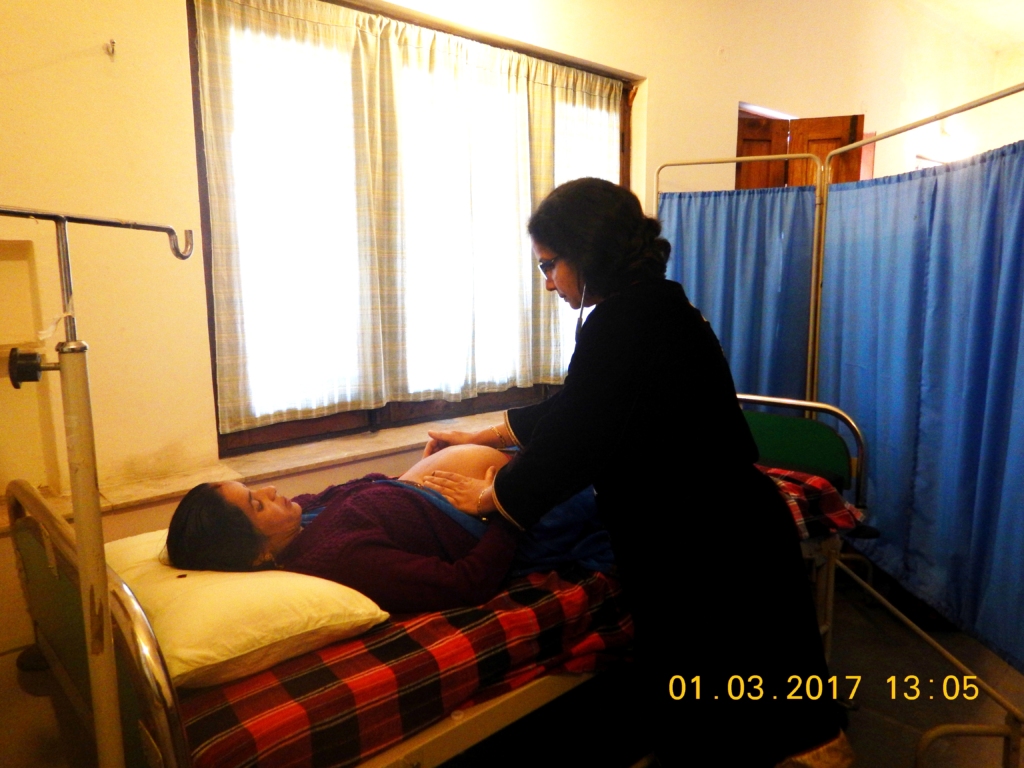
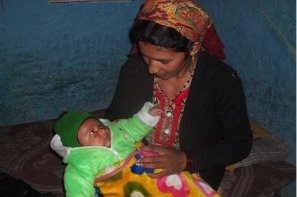
Program overviewMaternal health Antenatal care
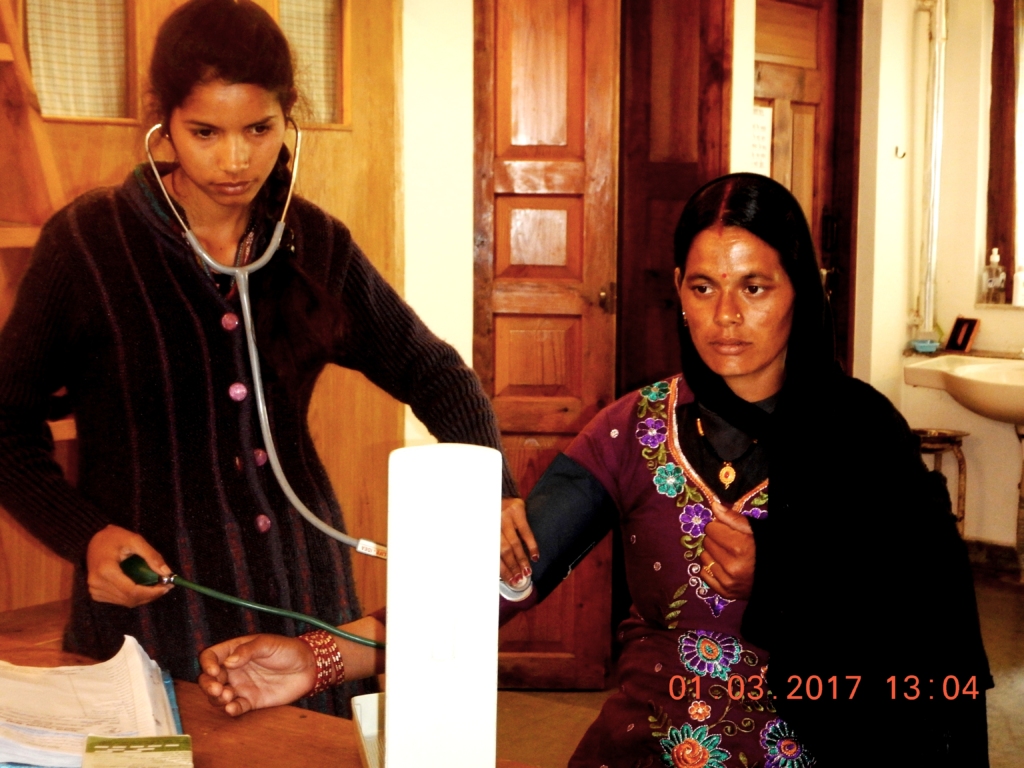
A total of 172pregnant women were given care in this six month period.Antenatal coverage in the project area is 85% (i.e. about 85% of pregnant women undergone at least one examination by a skilled care provider and 48% women undergone all 4 ANCs).25% of women had complications during pregnancy of which 65% women were referred for treatment.According to the monthly data the rate of early registration of pregnancy was 84% in last six months. Prevalence of anaemia during pregnancy was found about 55% in which 53% pregnant women were moderately anaemic and 2% women were severely anaemic according to the last six monthly survey held in June 18 in the project area.
Postnatal care
Postnatal coverage is 82%, which means 82% women, were followed for postnatal checkups within 48 hours after delivery.Proportion of women receiving all 7 postnatal checkups is 21%. Most of the frontline workers are doing at least 4 visit and women who had undergone any intranatal or postnatal complication are being given care by making all scheduled 7 visits. Total number of women undergone hemoglobin test after delivery has increased to 39% from 29% in the previous six monthly report. 8% of these women were identified with problems in the postnatal period, of which 100% were referred and received treatment for their problems.68% of women breastfed their babies within 30 minutes after birth which is about the same as 67% in the last six monthly report.
Achievements
According to monthly progress report, rate of early registration in Dholigaon area continues to be more than 80%. All pregnant women are being encouraged to register their pregnancies within 16 weeks of gestation, and still there is some delay in registration due to unavailability of ANMs in the villages.
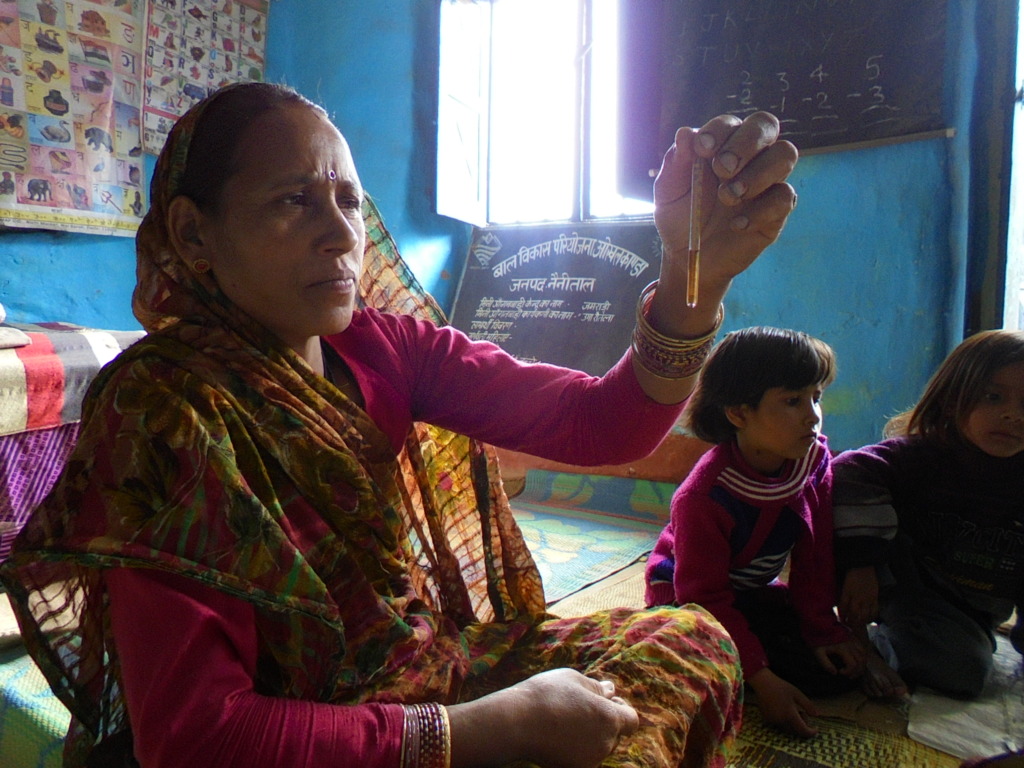
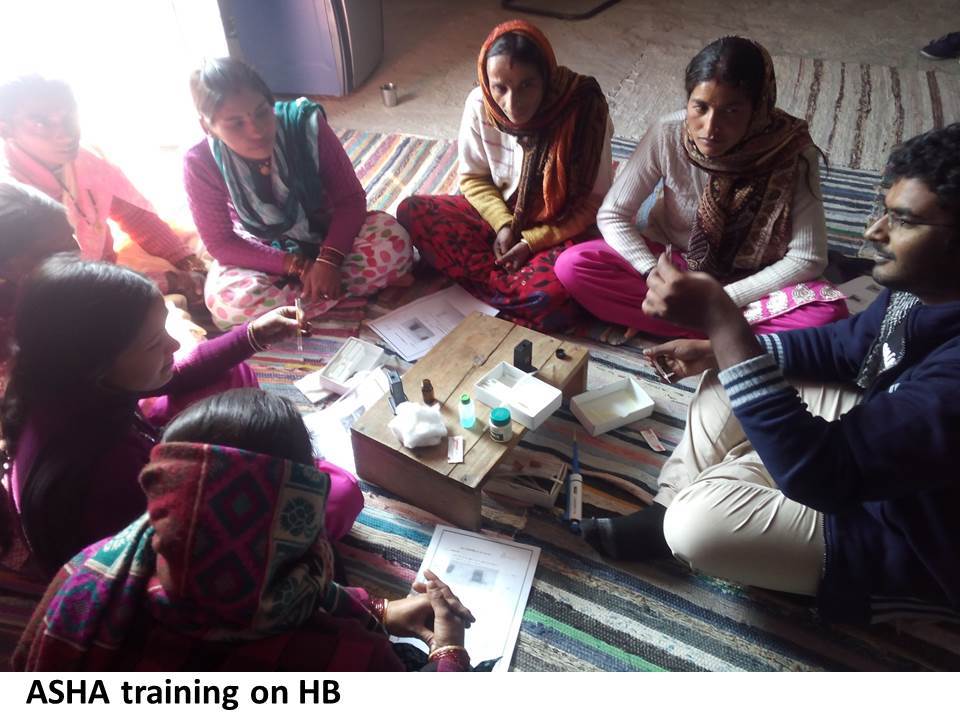
Postnatal coverage continues to be more than 80% in the reported five months period. Number of delivered women tested for hemoglobin has increased to 39% which was 29% in last six monthly report. Adoption of Hemocheck color scale for estimation of hemoglobin is one important reason for the increase. Frontline workers are more comfortable with color scaling than Sahlil’s method.
68 % of home deliveries are attended by Aarohi trained TBA’s in last six months.
All high risk pregnant women are being referred to the hospital for regular check-up and are being motivated for institutional delivery.
CHILD HEALTH
100% neonates being breastfed within 24 hours is a tremendous cultural change over many years of consistent effort. One neonate failed to breastfed as the mother underwent a caesarian section and was kept in the ICU.
Maternal deaths
Child deaths
Community mobilization
in community meetings, we continue to show videos through tabs on several health topics like water and sanitation, growth monitoring, complementary feeding, complications during pregnancy, institutional delivery, immunization, importance of antenatal checkups, family planning, menstrual hygiene, and diarrhea. A total of 133 Mother’s meeting was conducted during this period and 1648 mothers were benefited in the meetings.
Eleven health fairs were organized in different villages through which the community was made aware of the issues related to maternal and child health. Importance of institutional delivery, post partum complication such as post partumhaemorrhage, importance of taking iron folic acid during pregnancy, importance of antenatal checkup and danger signs during pregnancy were discussed during these health fairs.
Menstrual hygiene management
The Menstrual Hygiene Management Project (MHM)was initiated in July 2017, as a one-year pilot project targeting adolescent girls and women of reproductive age. The aim was to get the conversation on menstruation started, give them vital information on the subject, facilitate access to good quality, and eco-friendly absorbents in the region and promote their proper use and disposal.
3 high schools and 3 inter colleges are selected under project area for MHM campaign. Sessions on MHM are being taken on monthly basis. The topics covered in last five months are health problems related to menstrual hygiene, changes during and after puberty, making of cloth sanitary pads, balance diet and nutrition are covered.
Smokeless chullah
Our research on smokeless chullahs has been driven by the need to improve the crude stoves and methods used in the region to heat homes and cook food, using wood as fuel. On an average, women spend 2-3 hours every day collecting fuel wood and in the Okhalkanda Block of Nainital District - our target area. The stoves used are virtually the same as those used by cave men. These burn wood inefficiently and fill the house with hazardous smoke, which after a lifetime of inhalation, causes a compromised respiratory function and early death. A total of 1,347 chullahs are constructed from August 2013 to June 18. Currently, a total of 1341 (99%) chullah’s are in use.
Specialist Health Camps
In March we conducted our annual reconstructive surgery camp, which was combined with a Urology camp. The highlight of Urology was that we have now introduced the use of lithotripsy machine for the management of the rampant ureteric and renal stones found amongst the local population. This is a huge benefit to the local population, who are getting such advanced surgical procedures at highly subsidized rates.
DrGnanaraj, a surgeon from SEESHA, Coimbatore and also the President of ARSI (Association of Rural Surgeons of India), has the distinction of a super-specialization from CMC Vellore. He has also widely used the technique of Gasless Lift Laparoscopic Surgery through a lift apparatus to do laparoscopic surgery in resource poor rural locations. We have used this technique in our Satoli camps for vaginal hysterectomy and also for cholecystectomy. The addition of DrGnanaraj has taken our surgcial work in the small village of Satoli to a new level.
Outreach Medical Camps
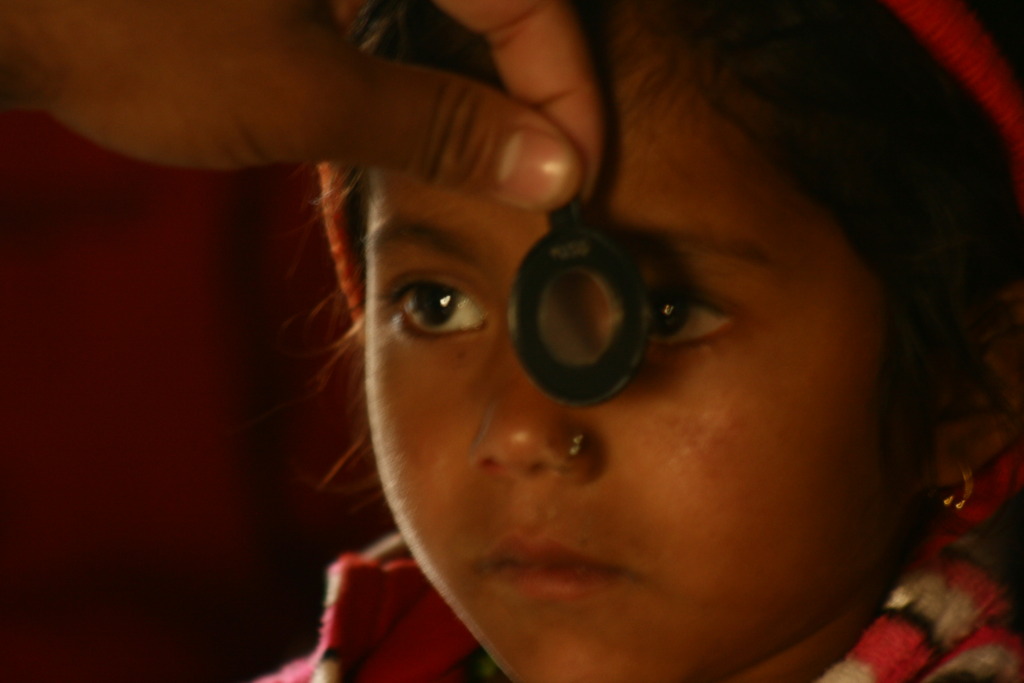
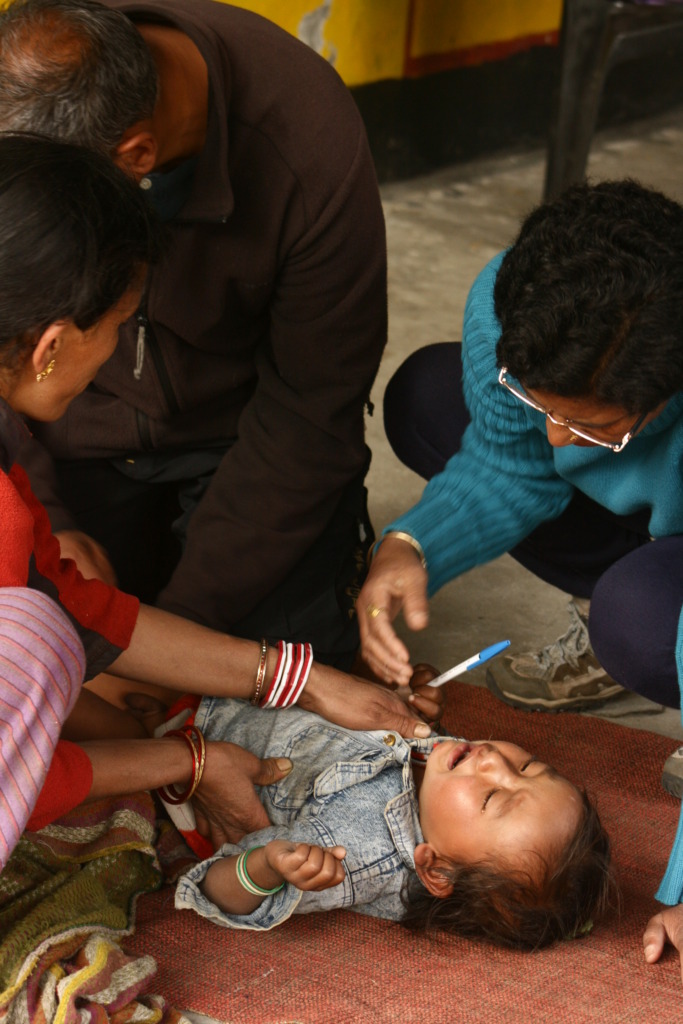
There was a slight shift in the locations of the medical camps conducted biannually in the higher and remote villages of the Central Himalayas with 5 new villages selected in the Namik valley region. The camp was done from 21 – 28 April, 2018 in the villages of Kimu, Namik, Rantir-Kethi, Malka Dungarcha and Gogina. The villages are far off and scattered and these camps are an effective way of providing Primary health care in these areas.
The participating team comprising of Doctors, Paramedics and other Volunteers trekked for100 to 120 kms over a period of 6 days conducting camps in 5 village schools where medical check-ups/ screening for students and locals were done and patients were dispensed free medication.
By Jyoti Patil | Secretary, Executive Head
By Jyoti Patil | Secretary, Aarohi
Project reports on GlobalGiving are posted directly to globalgiving.org by Project Leaders as they are completed, generally every 3-4 months. To protect the integrity of these documents, GlobalGiving does not alter them; therefore you may find some language or formatting issues.
If you donate to this project or have donated to this project, you can receive an email when this project posts a report. You can also subscribe for reports without donating.