By Jyoti Patil | Secretary, Aarohi
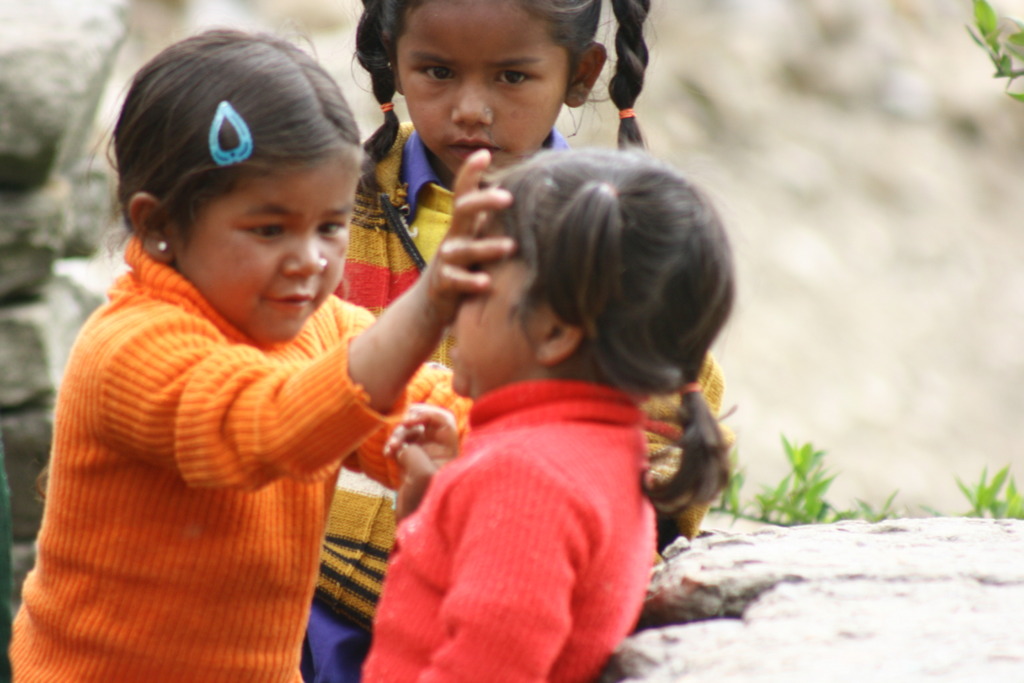
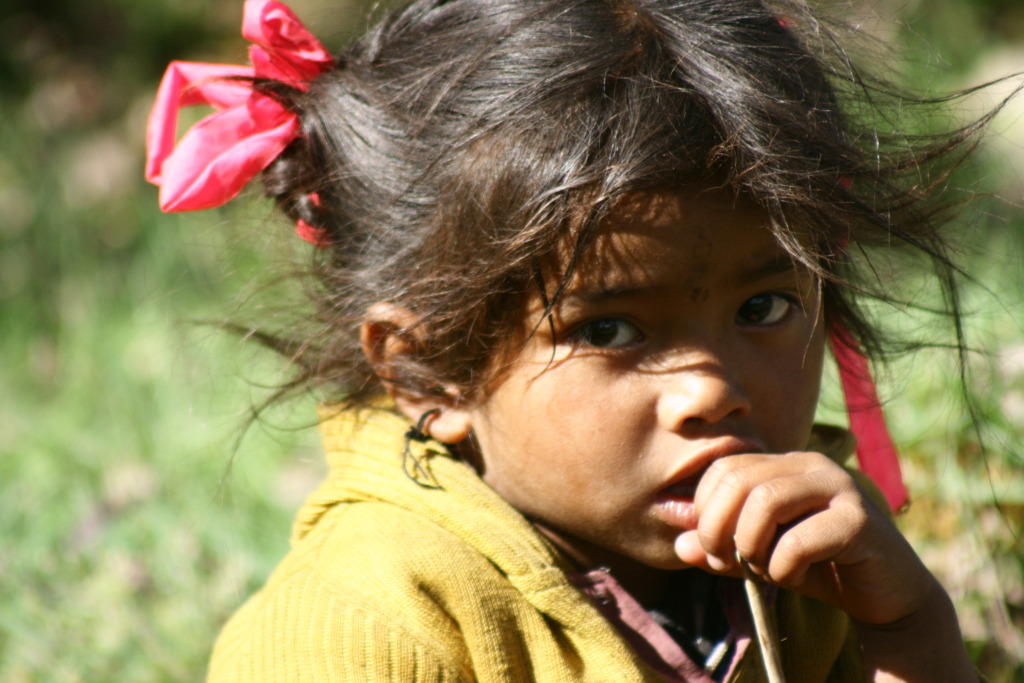
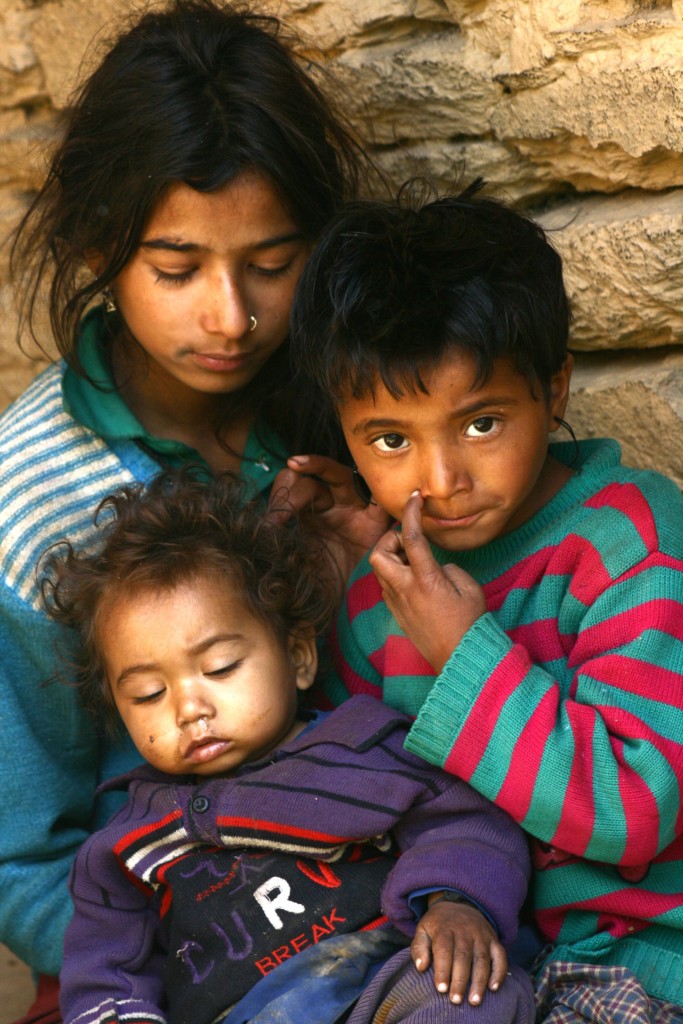
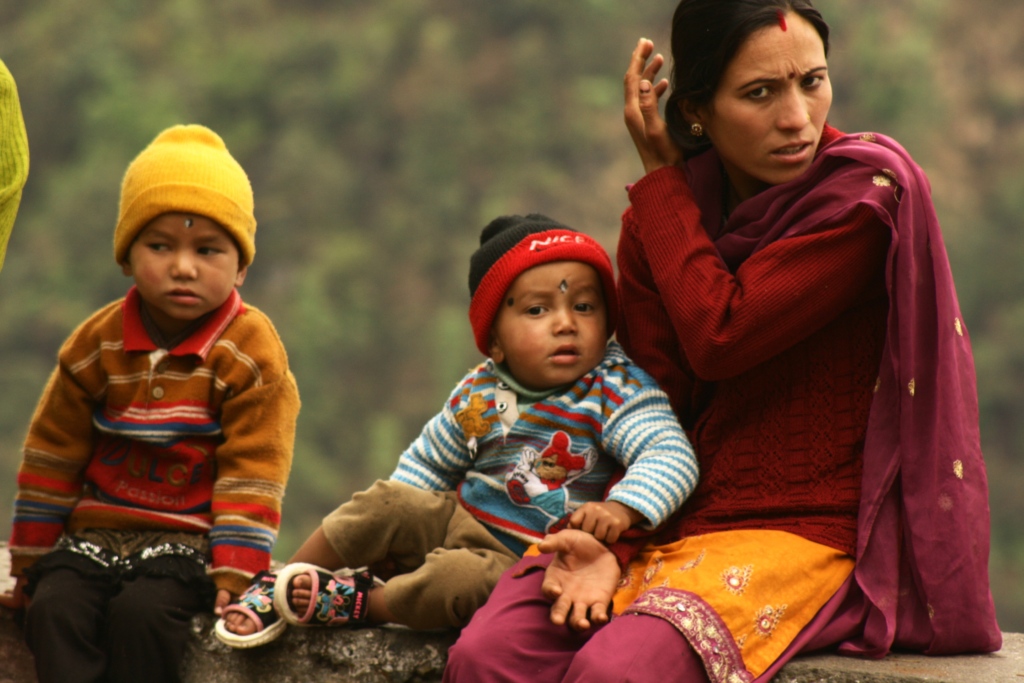
Committed to providing quality healthcare services to the rural communities from the Himalayas, Aarohi’s health programme caters to the health needs of 70 (currently working) villages, covering a population33,882
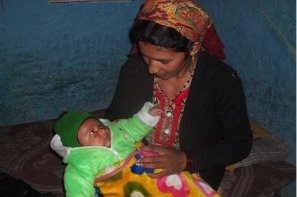
With the focus on improving infant and maternal health in the region, Aarohi has further strengthened and consolidated its Aarogya project, in70 villages in the Okhalkanda block. The project currently has a well- trained cadre of 24 village supervisors who are leading the project at the village level covering every pregnant woman in the area. A grassroots’ team constituting 76 village health workers (ASHA/ SK) and 89 traditional birth attendants, trained by Aarohi on all aspects of maternal and child health, are reaching the remotest parts of these mountains.
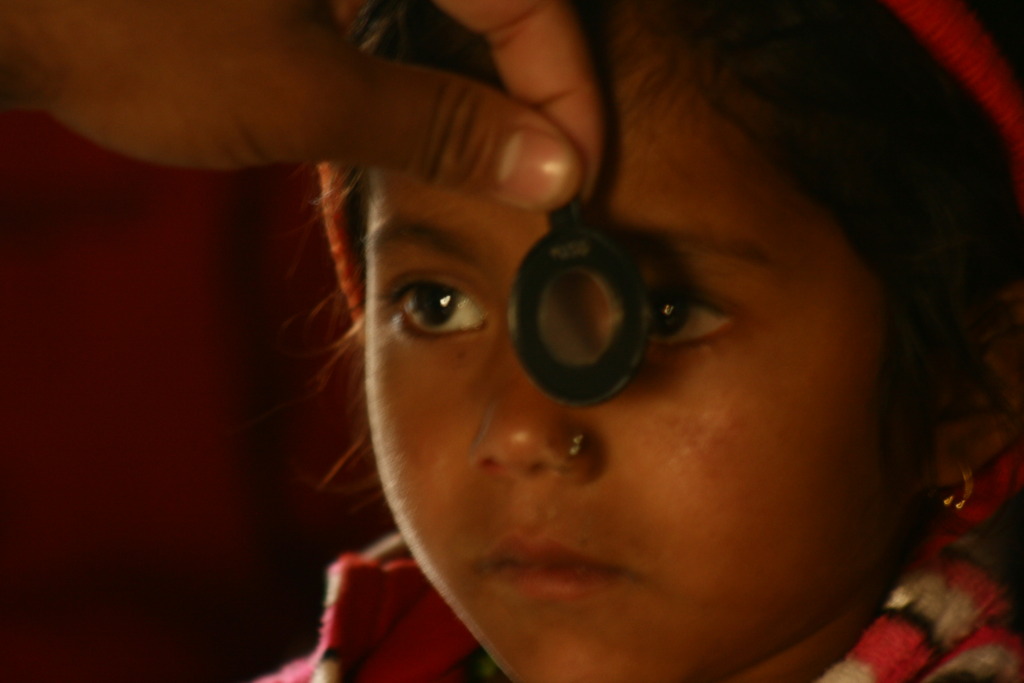
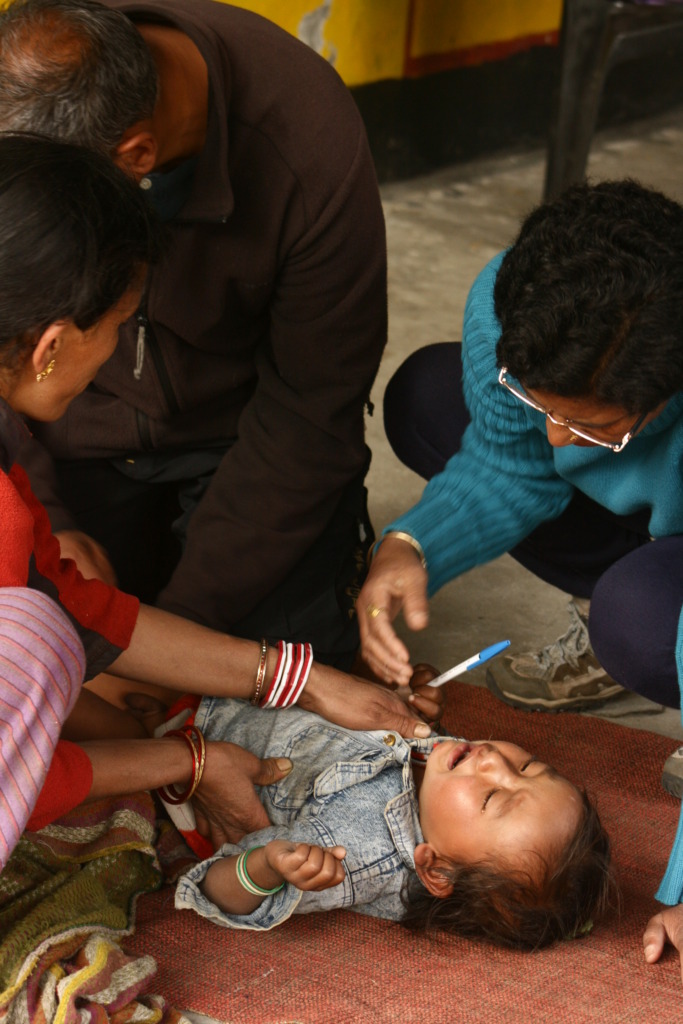
The Aarohi Arogya Kendra (AAK), continues providing the state of art clinical facilities. A total of 5,715 patients benefited from the services provided through AAK, the specialist medical camps and the mobile health unit during the period July to December, 2016.
There is still a long way to go considering the six neonatal deaths and two maternal deaths which were reported during the period. The challenge still is about providing timely interventions in these remote mountain villages, with limited infrastructure and low human development index.
2. Maternal Health
3. Child Health
4. Community Awareness and Mobilization
Community meetings like the Mothers’ group meeting and general awareness camps are more interesting now with projection of health videos. 405 mother’s group meetings were organized where total 4357 people participated.
We started organizing a village health fair in which large numbers of people are made aware on selected themes by role plays and games. Till December, we organized 7 health fairs and our themes were safe drinking water, waste disposal, and the importance of institutional delivery.
5. Vital Events
Six neonatal deaths were reported during period July to December, 2016, of which five were early neonatal deaths and 1 was late neonatal death. Three infant deaths and three child deaths were also reported in this period. Two maternal deaths were reported for the priod which were due to postpartum haemorrhage.
6. Case study
Women in the mountains are often subjected to frequent pregnancies – all towards fulfilling the family’s desire of having a male born. On a cold mid-November morning, Neema delivered a healthy baby girl and soon after, her placenta was also removed. However, this being her seventh pregnancy, her uterus was weak and hence did not contract well. This led to postpartum hemorrhage and continuous bleeding in the form of large blood clots.
When Sangeeta, Aarohi’s health co-ordinator arrived on the scene, she noted that the gunnysack on which Neema had delivered her baby girl was soaked in lood. On recognizing the symptoms, Sangeeta advised Neema’s family to take her immediately to the hospital. Met with resistance at first, Sangeeta administered Neema with Oxytocin, uterotonic drug, and simultaneously gave her a uterine massage to help her uterus contract. As the next step, she called for the Gram Pradhan’s (village head) intervention to counsel the family into taking Neema to a hospital. After much coaxing, the family relented and called for the ambulance.
On knowing that the ambulance was a good distance away and seeing Neema’s condition deteriorating, it was decided that she be taken in Aarohi’s vehicle till it met the ambulance on the way. Eventually, she was rushed to the Sushila Tiwari hospital in Haldwani where she was promptly put under observation and medication. Today, Neema is well on her way to recovery!
Neema is one of the many mountain women who are at risk continually due to lack of adequate care and proper diagnosis, especially in an emergency. Aarohi’s community health intervention strives to reduce these risks and thereby saves lives in remote parts of the Kumaon region.
Project reports on GlobalGiving are posted directly to globalgiving.org by Project Leaders as they are completed, generally every 3-4 months. To protect the integrity of these documents, GlobalGiving does not alter them; therefore you may find some language or formatting issues.
If you donate to this project or have donated to this project, you can receive an email when this project posts a report. You can also subscribe for reports without donating.