Project Report
| Jan 13, 2017
Challenge to Improving Cooking Methods in Liberia
By Dr. LeRoy Boikai | President/CEO
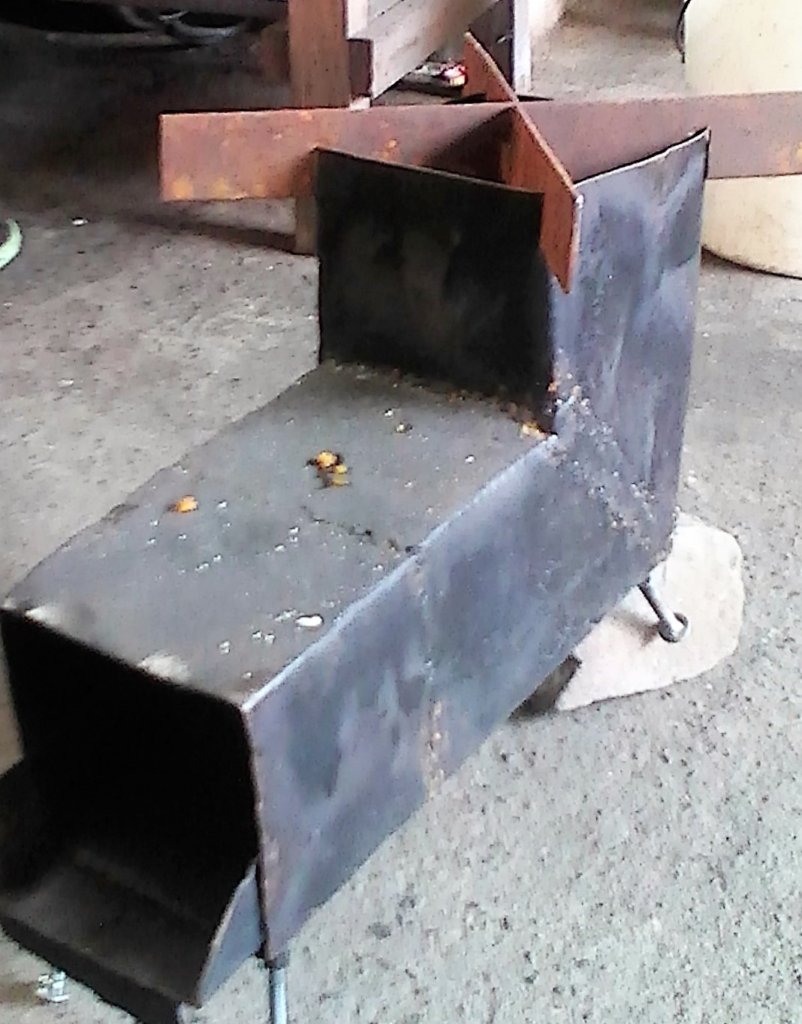
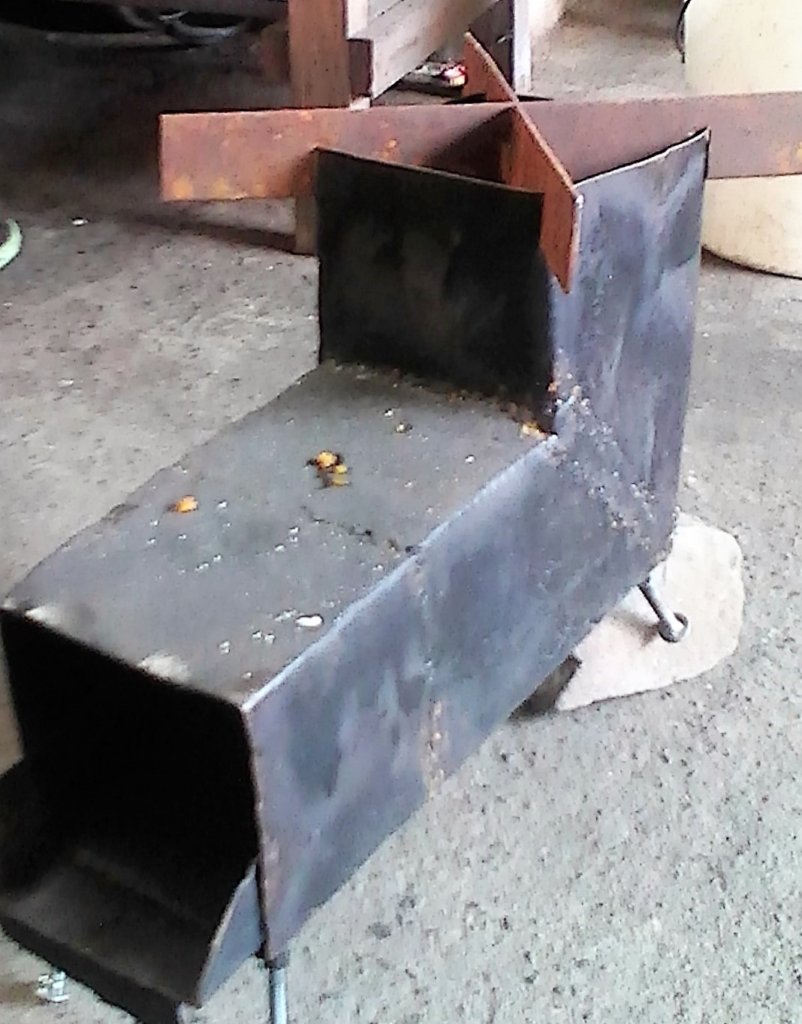
![Sample VIP Liberian-made Rocket Stove]()
Sample VIP Liberian-made Rocket Stove
The past year has been challenging for VIP to make progress with its cook stove project in Liberia. Several grant applications to help launch the project were unsuccessful. Improved cookstove technology is advancing in Ghana with a number of ventures already penetrating the market with locally produced stoves because they have received capital to manufacture and develop a distribution network throughout parts of the country.
Liberia remains an untapped market for improved cookstoves in West Africa. Due to limited financial resources, VIP has been unable to pursue a larger pilot study on improved cookstoves at this time or to advance this enterprise to the manufacturing stage.
We are pursuing new grant opportunities and partnerships that we hope will yield positive results in 2017. We want to be one of the first to introduce new technology in cooking that has the potential of reducing household air pollution and reducing deforestation caused by a high demand for charcoal and firewood.
We note with gratitude the ongoing support we are receiving from you, our donors. The funds you have provided have allowed us to purchase a sample rocket stove being used in Liberia and to locally produce a sample rocket stove in Liberia for field testing.
![Share on Twitter]()
![Share on Facebook]()
Oct 17, 2016
Building a Minimum Viable Product
By Dr. LeRoy Boikai | President/CEO
Countries like Ghana, Nigeria and the Ivory Coast are adopting clean cookstoves more quickly than Liberia in the West African region. Unfortunately, the widespread use of charcoal and firewood in Liberia continue to negatively impact its virgin rainforest through rapid deforestation.
Village Improvement Project aims to contribute to the adoption of clean cookstoves in Liberia by placing a few prototype rocket cookstoves in use with two families in a village.
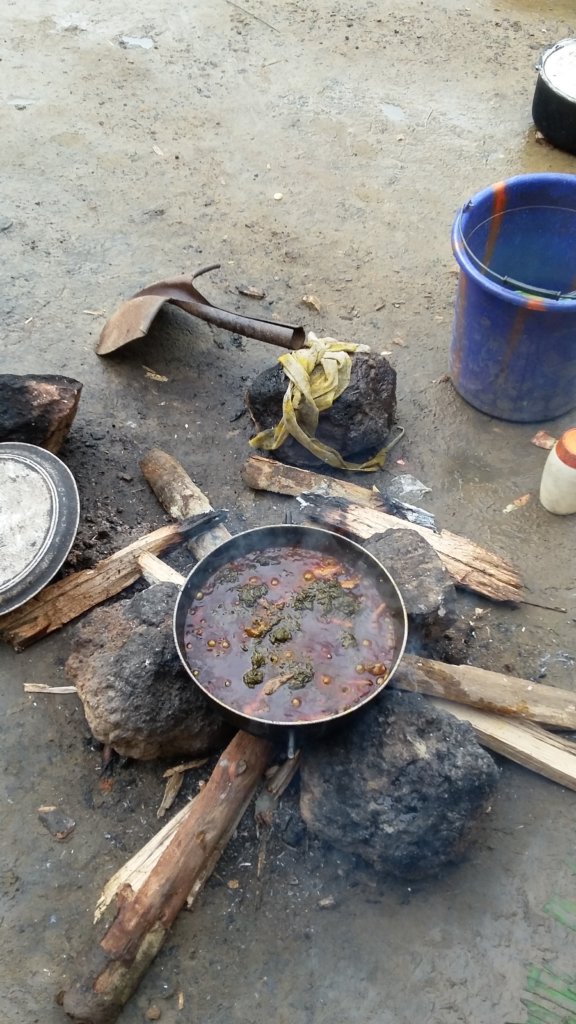
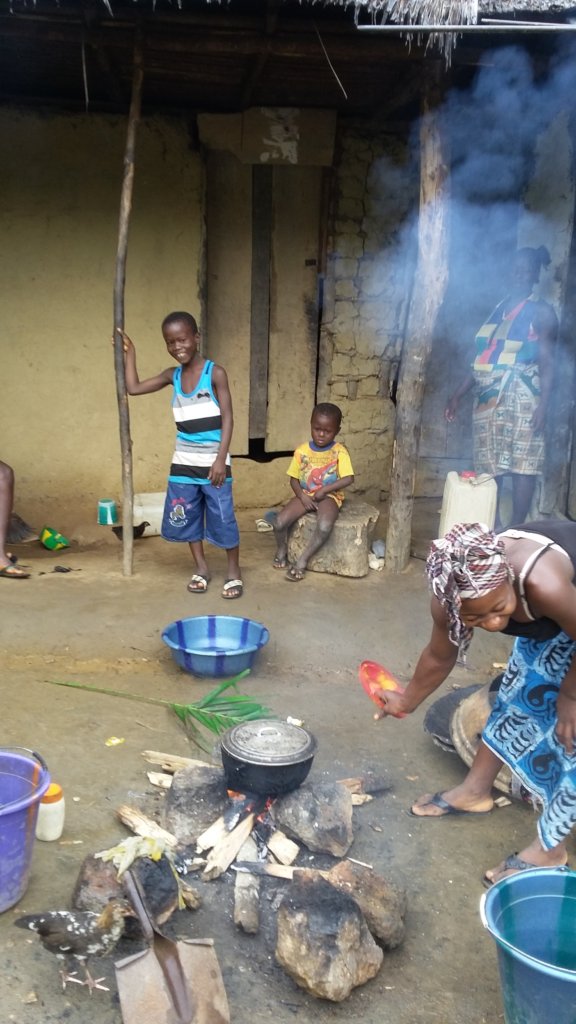
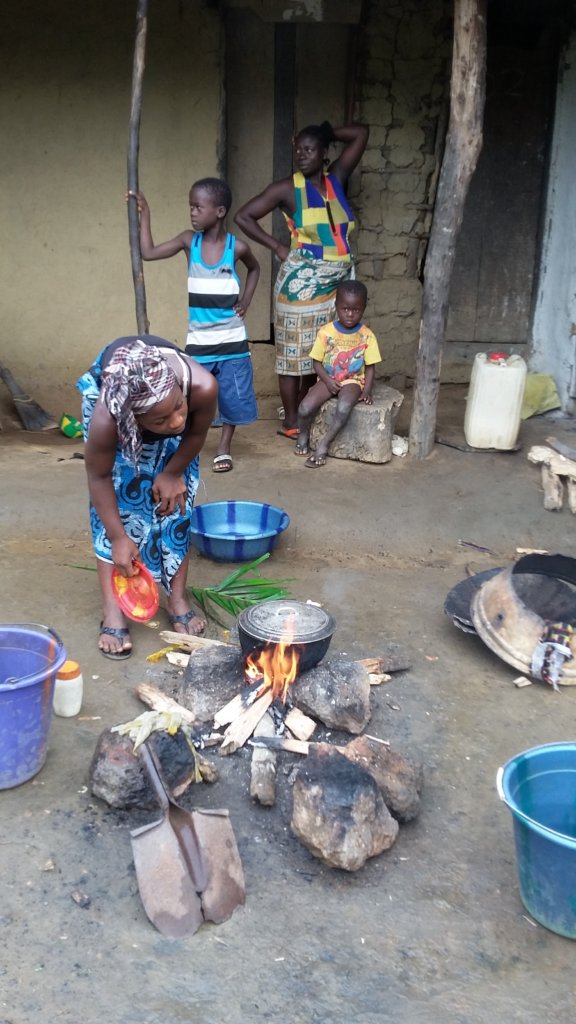
Results from the limited field test so far have shown markedly better results for the rocket stoves compared to coal pots and three-stone fire pits. Participants used very little wood, experienced lower levels of smoke and faster cooking time.
The next step in our plan is to obtain funds to expand the field test to more village families. With support from donors and securing grant funding will allow us to build additional rocket stoves to donate to additional families for a more comprehensive field study to determine how adoptable clean cookstoves are for the Liberian market.
Thanks to all our donors for the continued support to enable village communities in Liberia to transition to a more sustainable and improved cooking method which provides a range of potential positive effects such as better health outcomes, less deforestation, and improving gender equality by preventing women and girls from spending much of their time gathering wood for fuel.
Links:
![Share on Twitter]()
![Share on Facebook]()
Jul 19, 2016
Cookstove Prototype for Rural Liberia
By Dr. LeRoy Boikai | President
![]()
Wood and other solid fuels that most people use for cooking in Liberia create smoky conditions that are associated with poor health outcomes. These cooking methods result in incomplete burning of biomass that cause more than half of emissions of particulate matter.
VIP has produced a minimum viable product rocket stove prototype in Liberia and gave it to a family for testing. Initial test results show the following results:
- Water boiled in 8 minutes on rocket stove with little to no smoke
- Water boiled in 14 minutes on a coal pot
- A bag of coal costs US $5 during the rainy season which lasts for 7 months and US $4 during the 5 months of dry season
- A bag of coal lasts approximately 10 days
The next phase of the cookstove project is identifying reliable suppliers of mild steel in Liberia for a production run for field testing.
Using a rocket stove in place of a coal pot or traditional three-stone fire has the potential to reduce health risks from smoke inhalation and increase family incomes.
VIP thanks you for all you have done in support of this project and our mission.
Links:
![Share on Twitter]()
![Share on Facebook]()