By Sama Rabia | Project Leader
Project Title: “Promoting Traditional Water Conservation and Sustainable Farming Practices in Umerkot, Sindh”
Project Location: District Umerkot, Sindh, Pakistan
Background of the Project
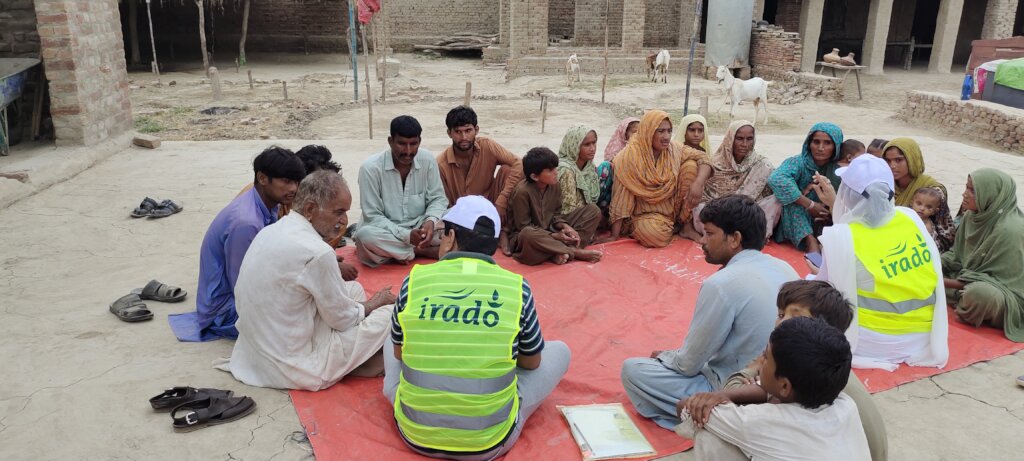
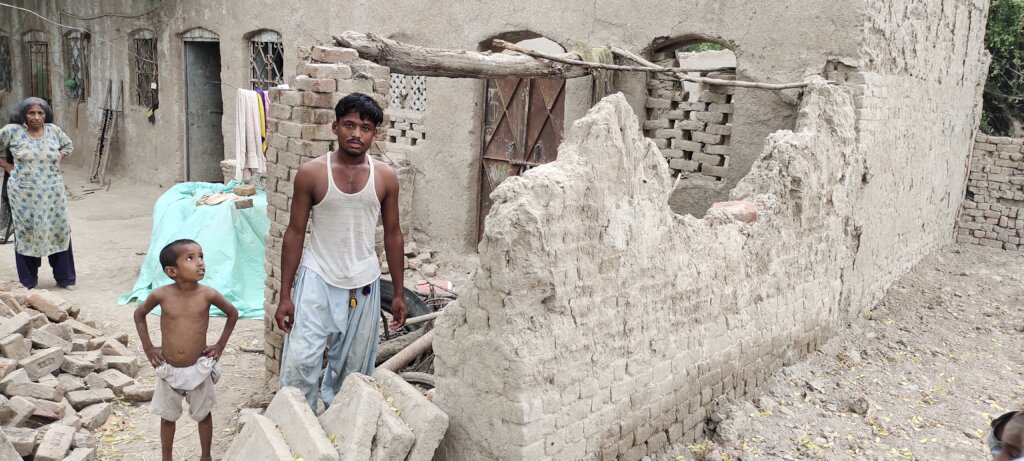
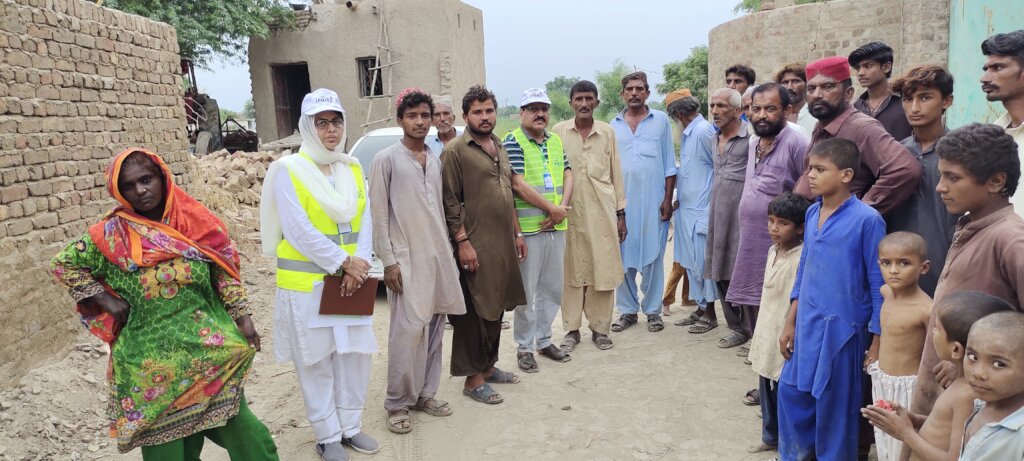
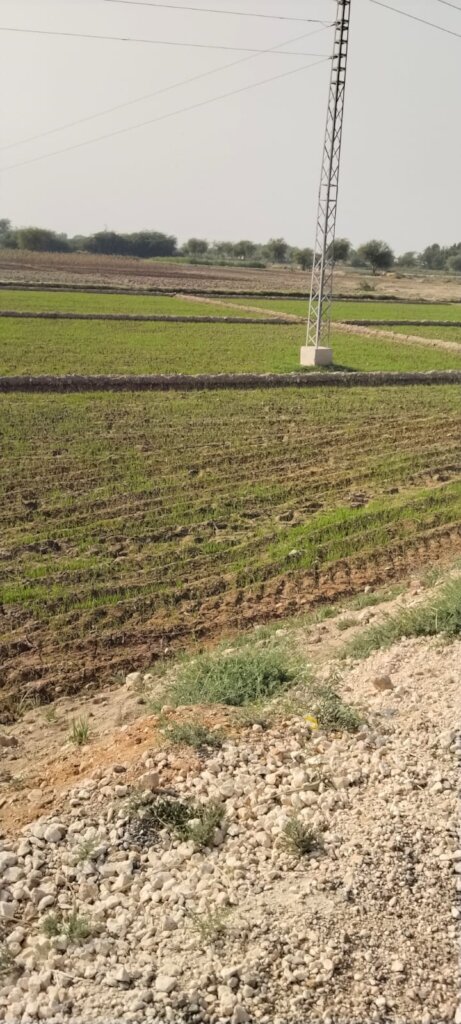
Umerkot is a drought- and climate-vulnerable district where rural communities face increasing water scarcity, irregular rainfall and declining agricultural productivity. Local communities possess valuable traditional knowledge for conserving rainwater, improving soil moisture and managing natural resources. However, many of these indigenous practices are gradually declining due to climate change, water shortages and limited technical support.
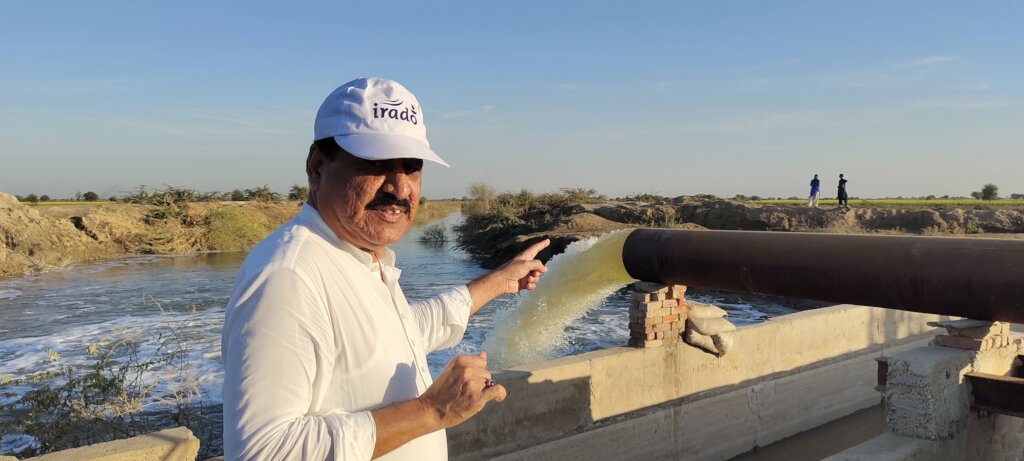
IRADO has experience in climate change adaptation, water resource management, sustainable agriculture and rainwater harvesting. Its previous rainwater harvesting initiative in Tharparkar benefited more than 500 households and provides relevant experience for community-based water conservation.
Project Objectives
Key Activities
Expected OutcomesSustainability
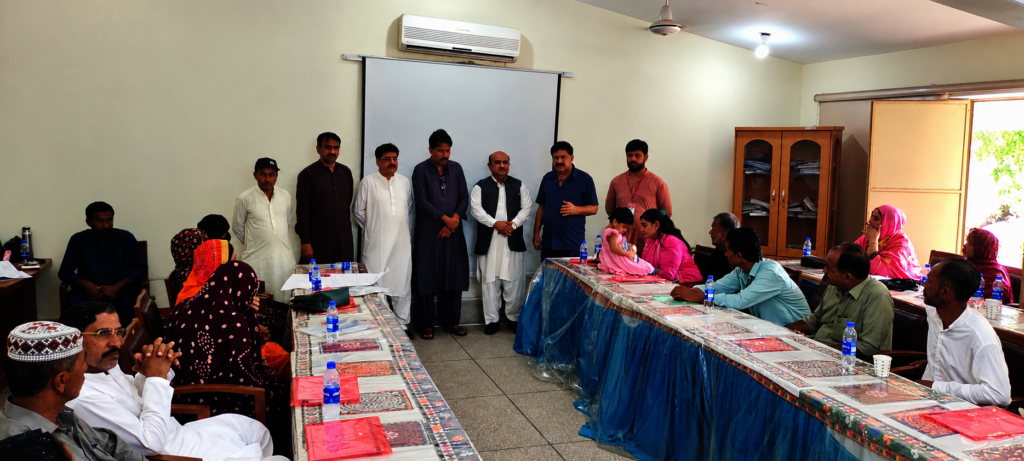
The project will build on existing indigenous knowledge and community practices rather than introducing approaches that are difficult or costly to maintain. Local farmers and community groups will be trained to manage water conservation structures and continue sustainable farming practices beyond the project period. Community ownership, local participation and the use of locally available resources will support the long-term sustainability of the intervention.
Conclusion
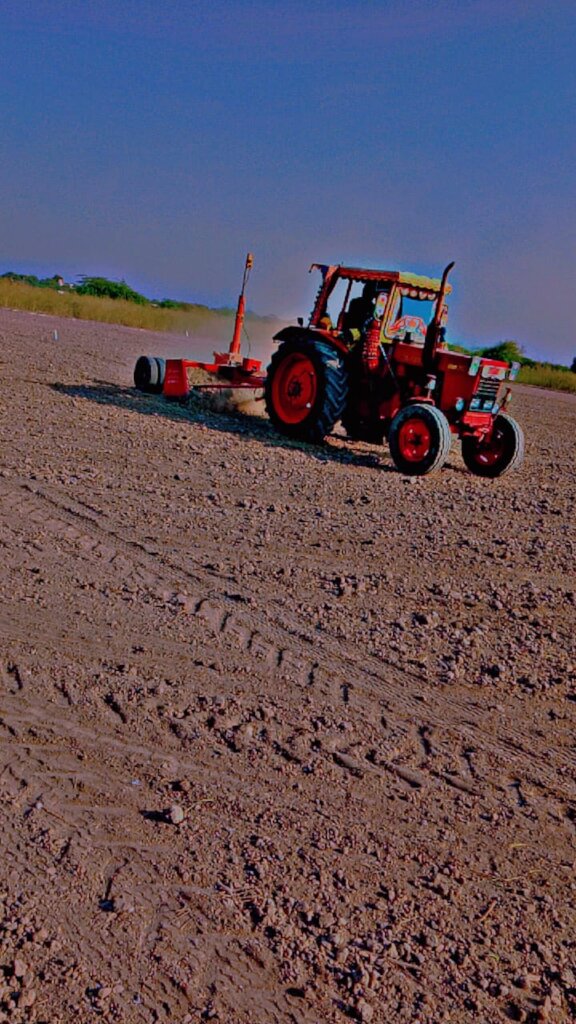
The project will combine traditional water conservation knowledge with sustainable and climate-smart farming practices to improve water security, food production and livelihoods in vulnerable communities of Umerkot. Through community participation and practical capacity building, the initiative will contribute to long-term climate resilience and sustainable natural resource management.
By Sama Rabia | Project Leader
By Sama Rabia | Project Leader
Project reports on GlobalGiving are posted directly to globalgiving.org by Project Leaders as they are completed, generally every 3-4 months. To protect the integrity of these documents, GlobalGiving does not alter them; therefore you may find some language or formatting issues.
If you donate to this project or have donated to this project, you can receive an email when this project posts a report. You can also subscribe for reports without donating.



Support this important cause by creating a personalized fundraising page.
Start a Fundraiser