By Dungrila Pascal Mbimenyuy. | I.A.A Director/Project Leader.
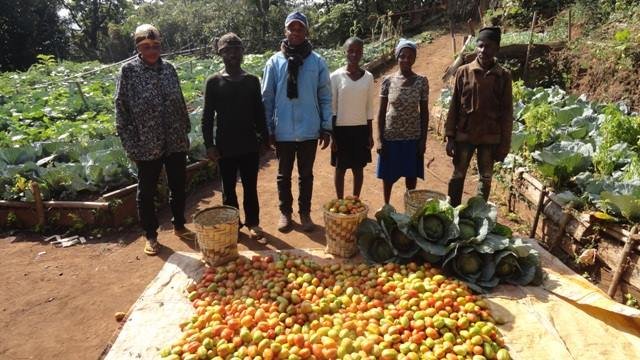
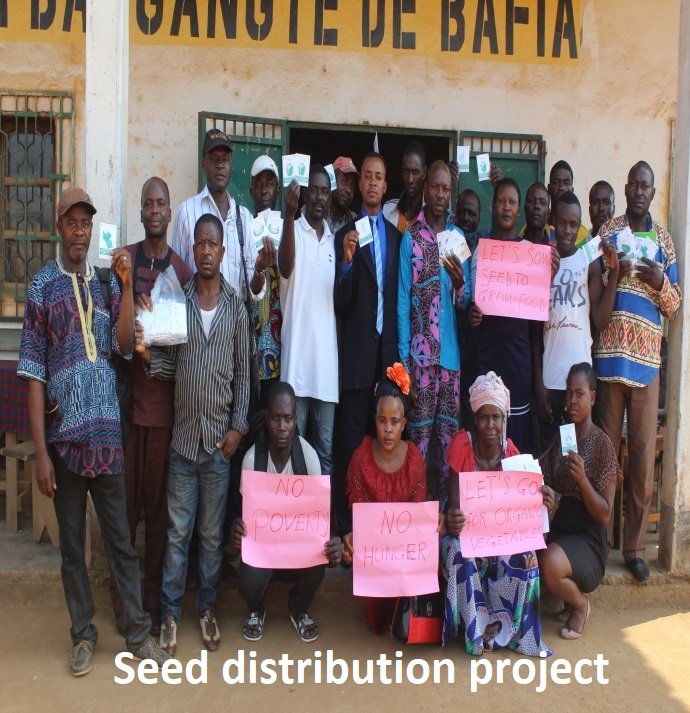
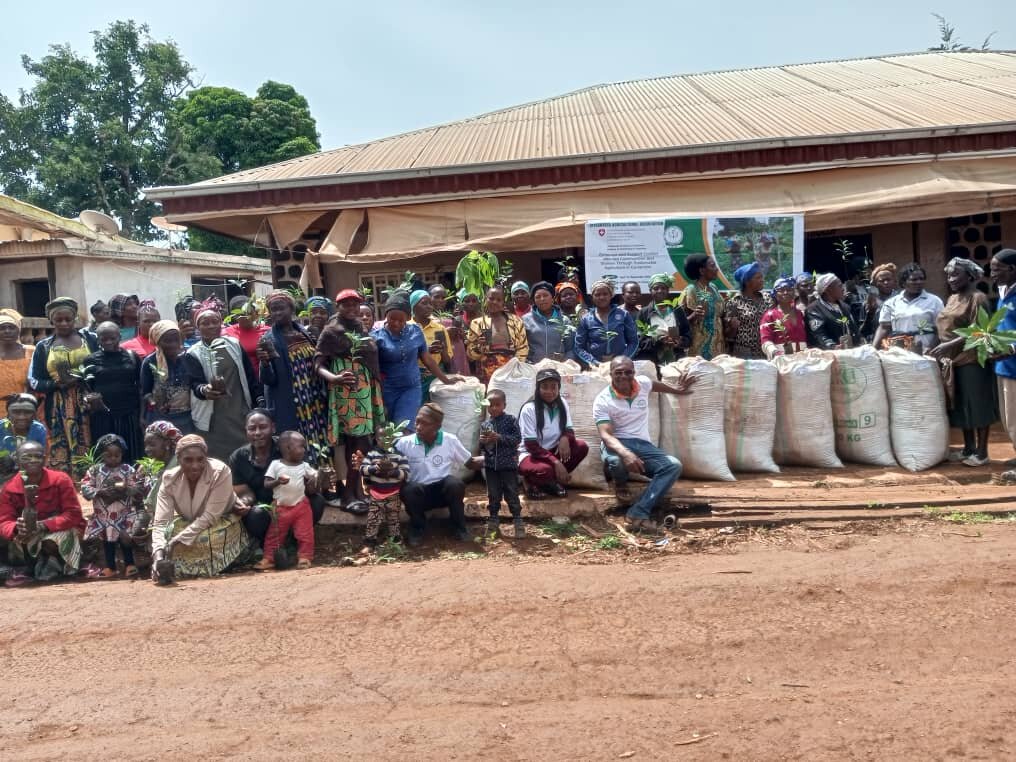
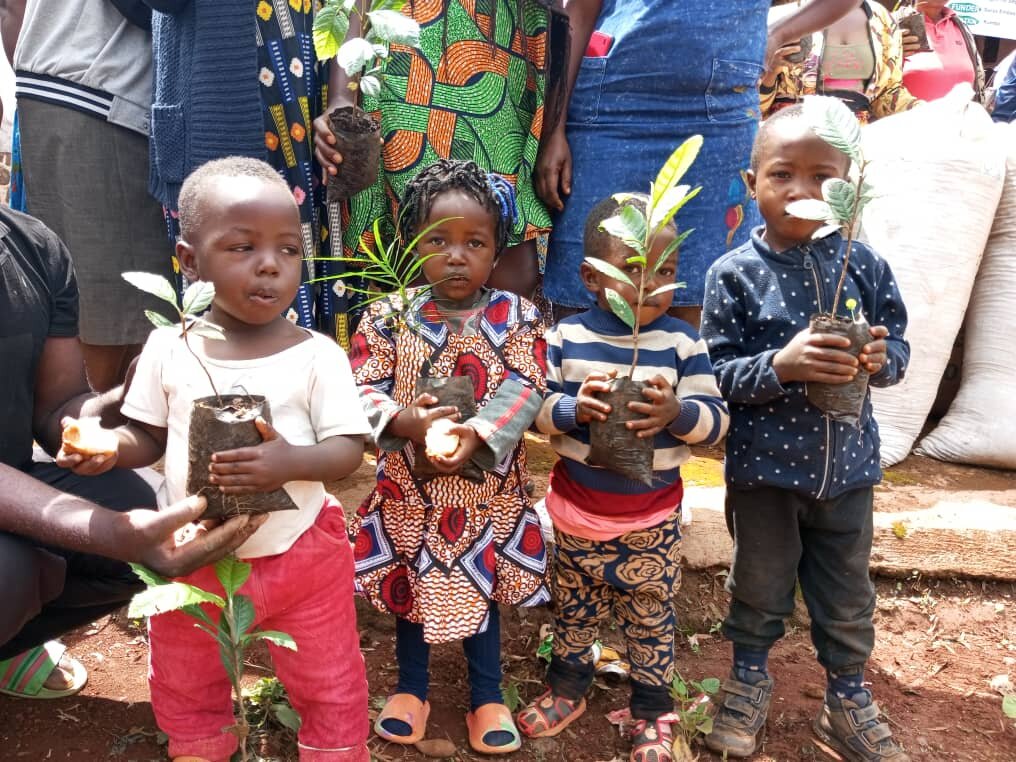
Integrated Agricultural Association (IAA) designed this project to empower 10,000 Refugees and Victims of armed conflict and their host communities through sustainable agriculture and social services in Cameroon. It aimed at providing a set of agronomic practices to suit the agro-ecology of the farming communities and ensure food security and community buy-in and better productivity, focussed on agroforestry, home gardens and hygiene and sanitation, aiming to reach 10000 Refugees and Internally Displaced Persons directly in 10 years.
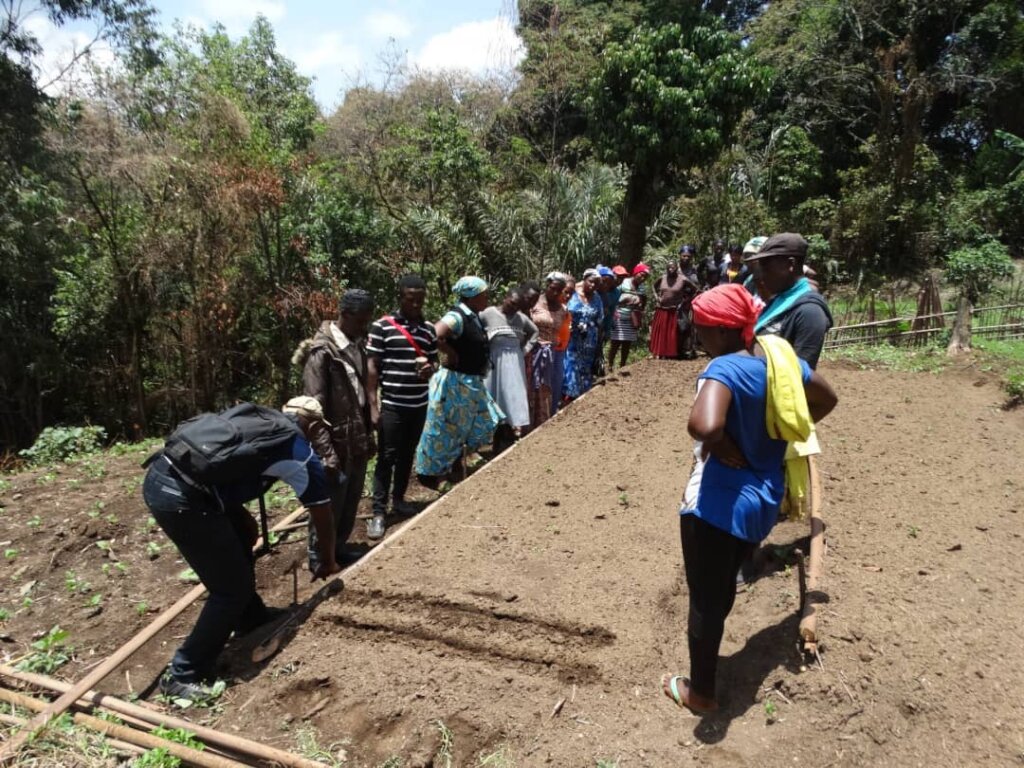
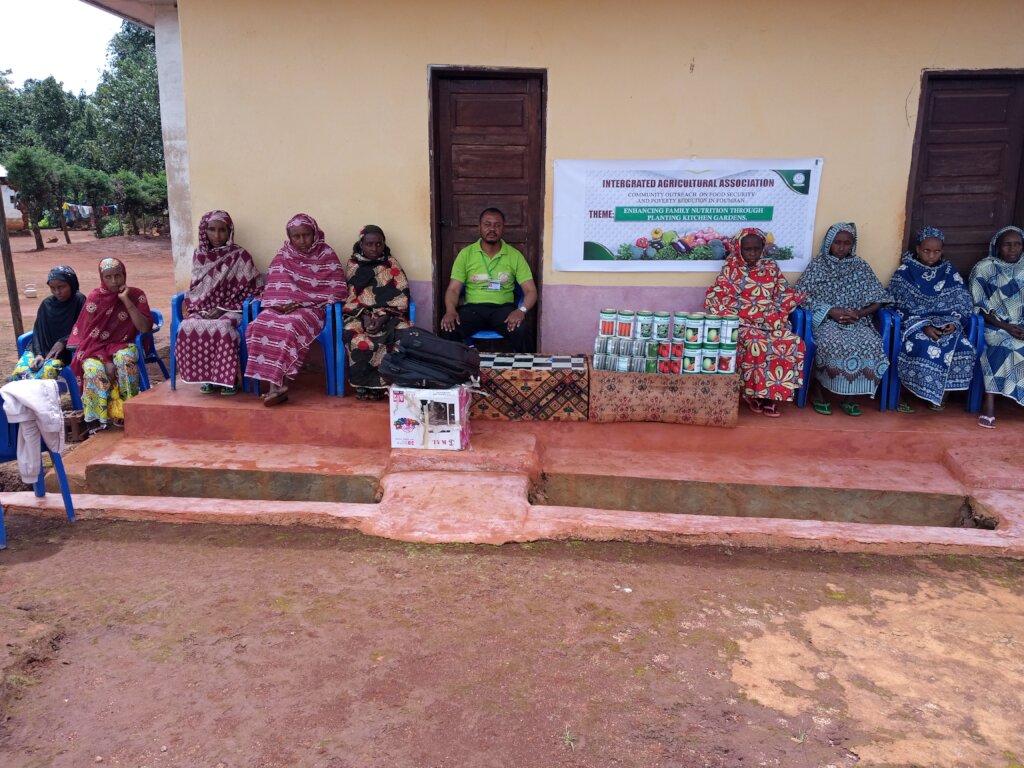
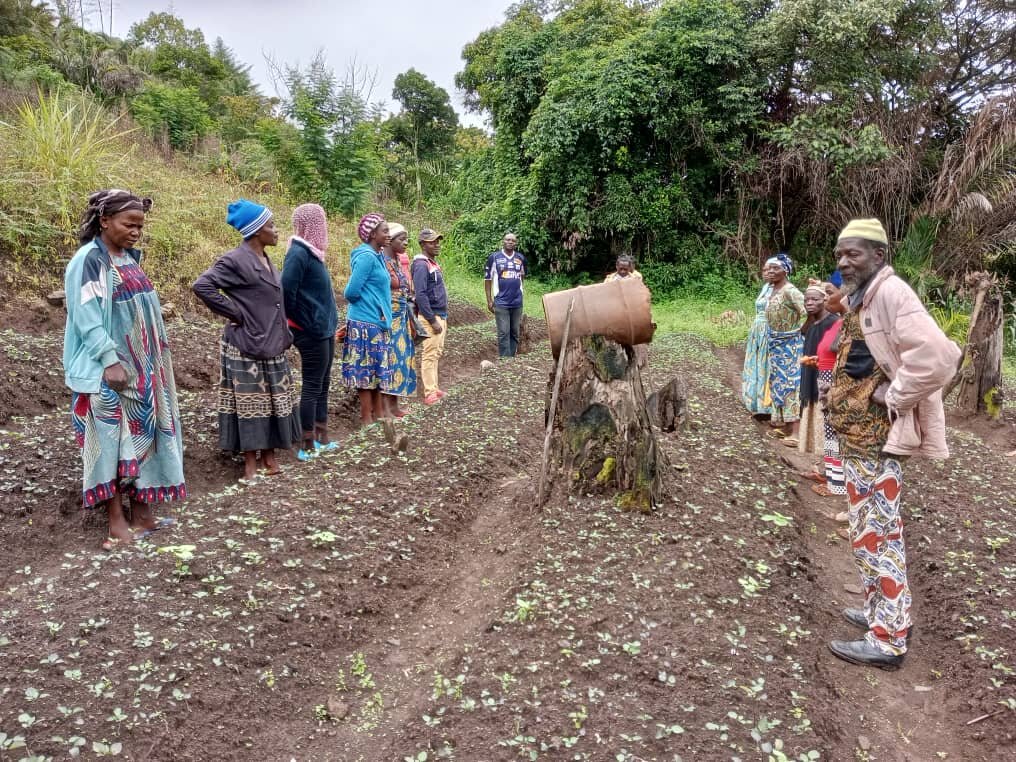
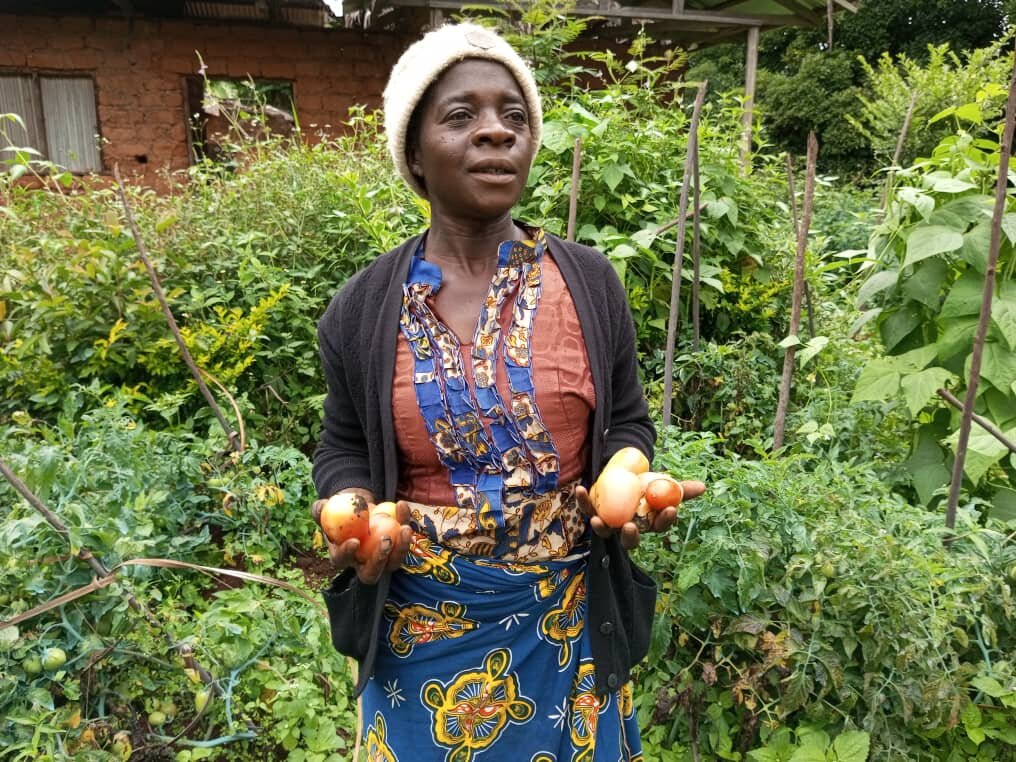
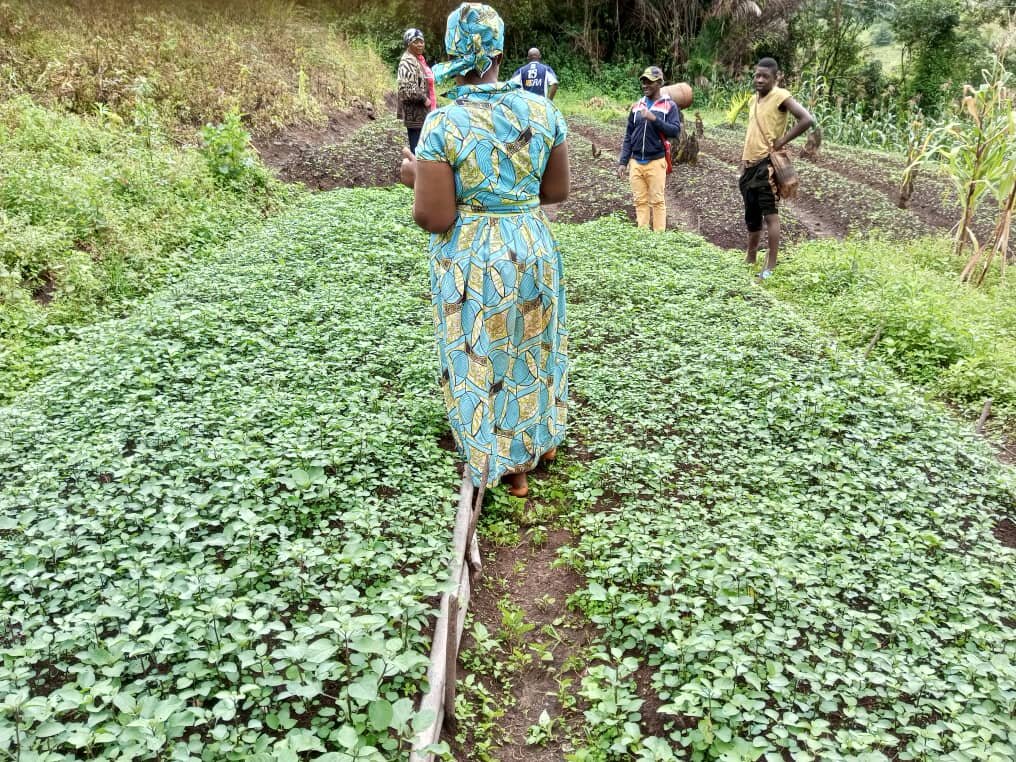
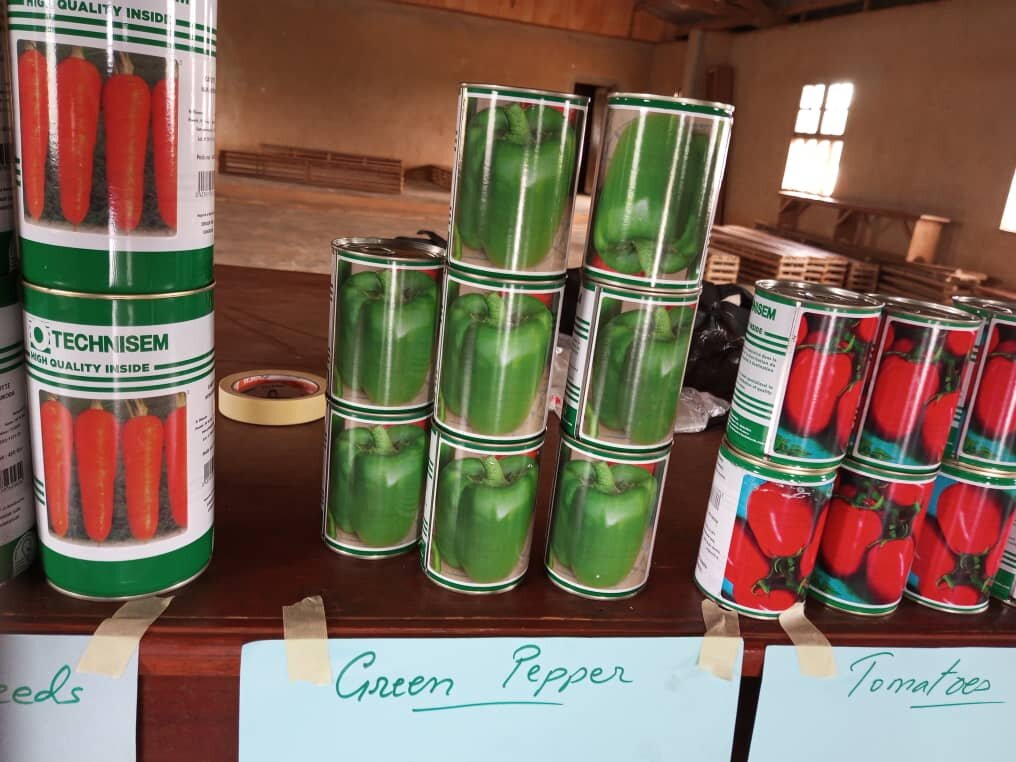
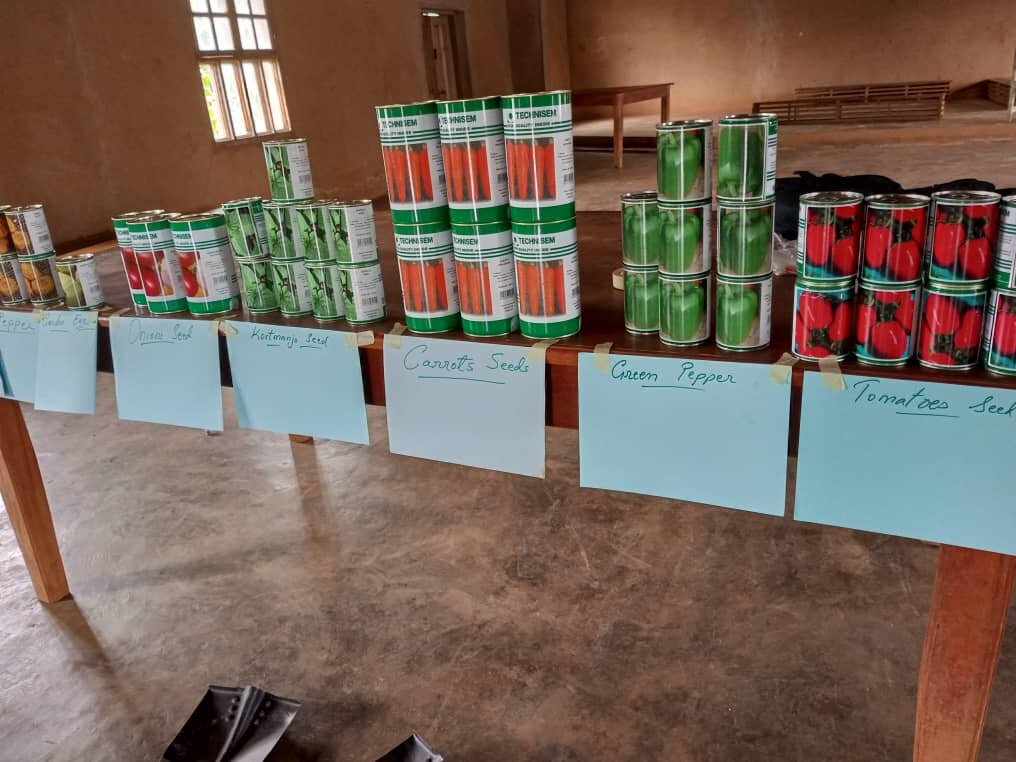
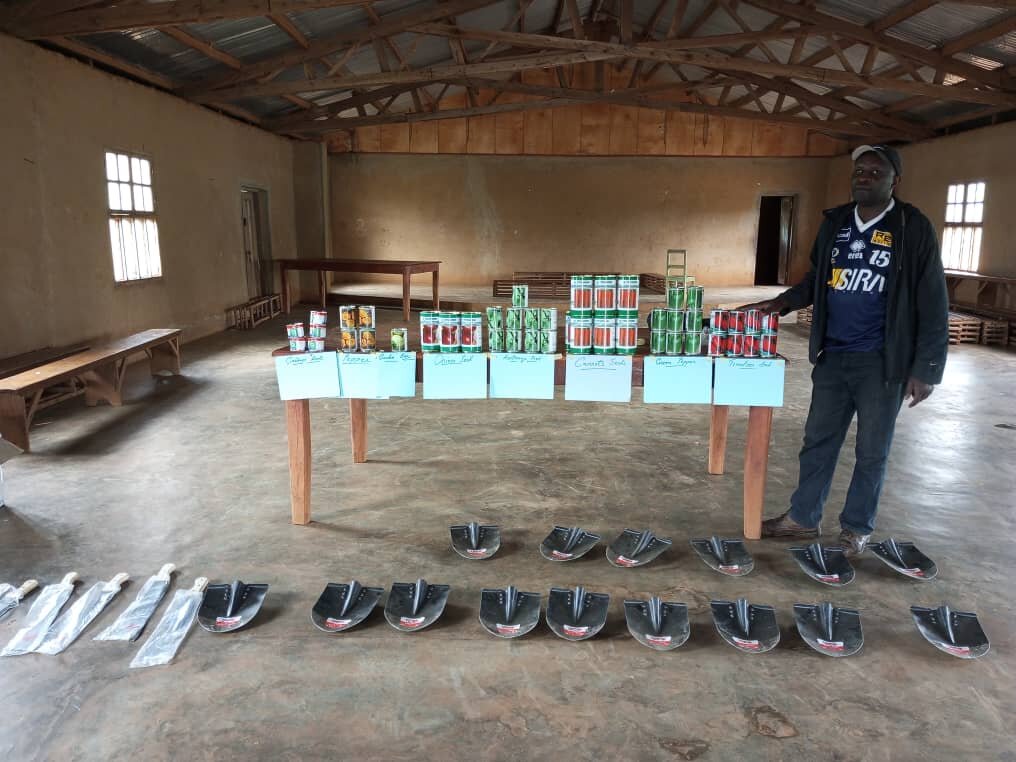
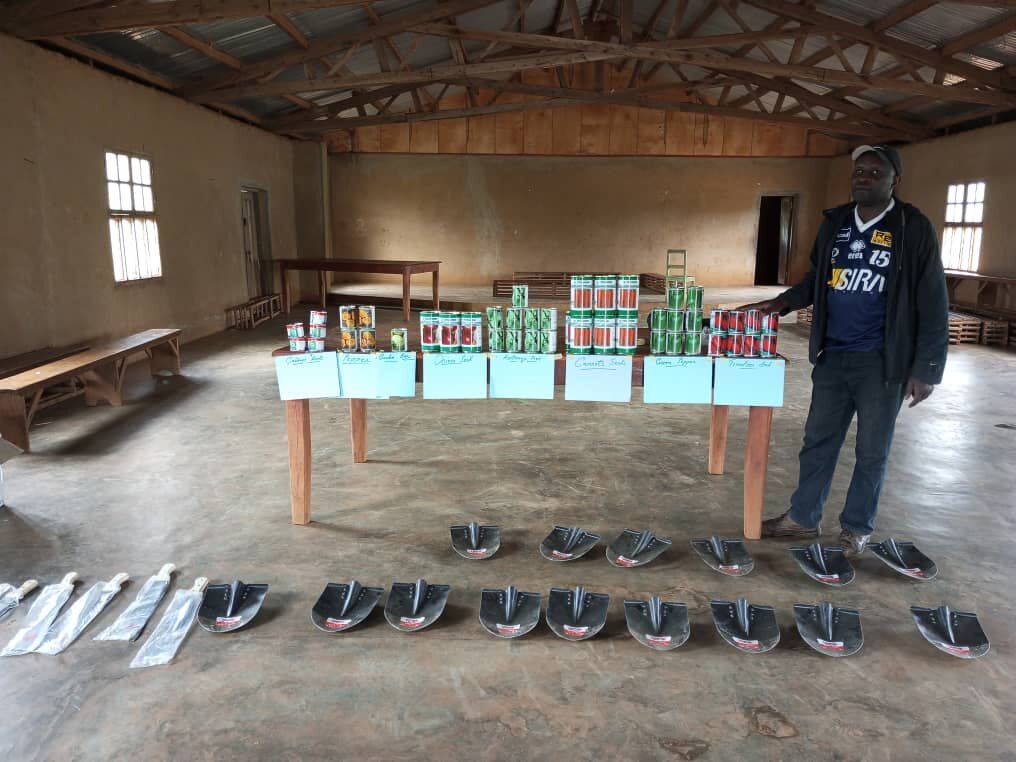
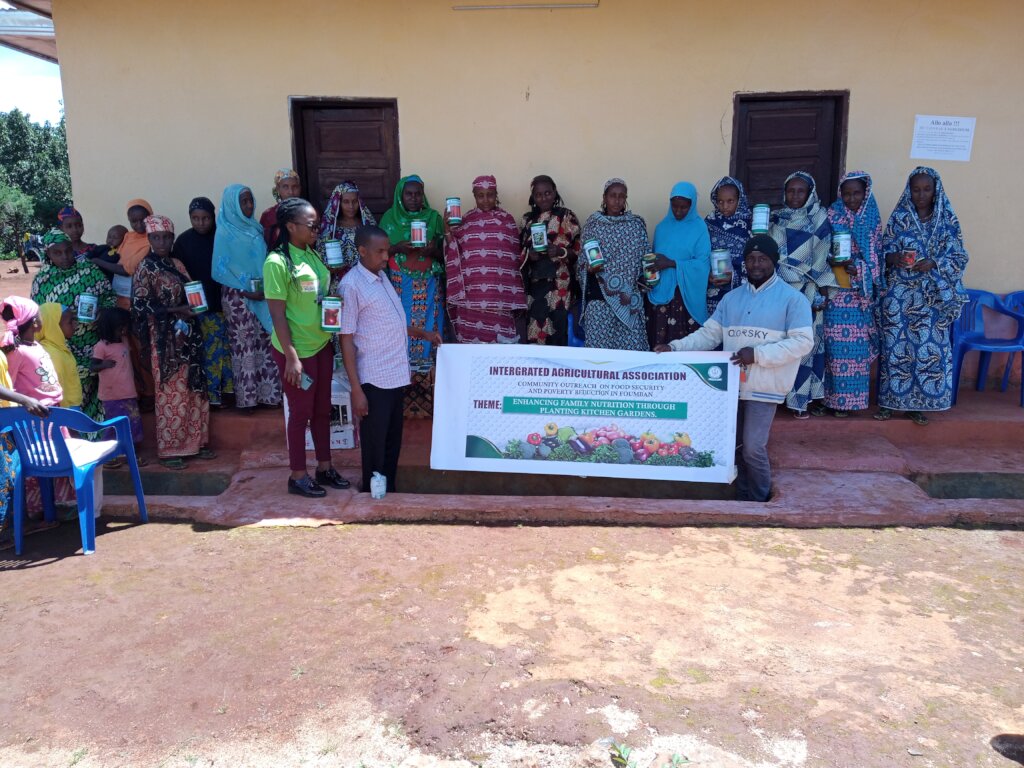
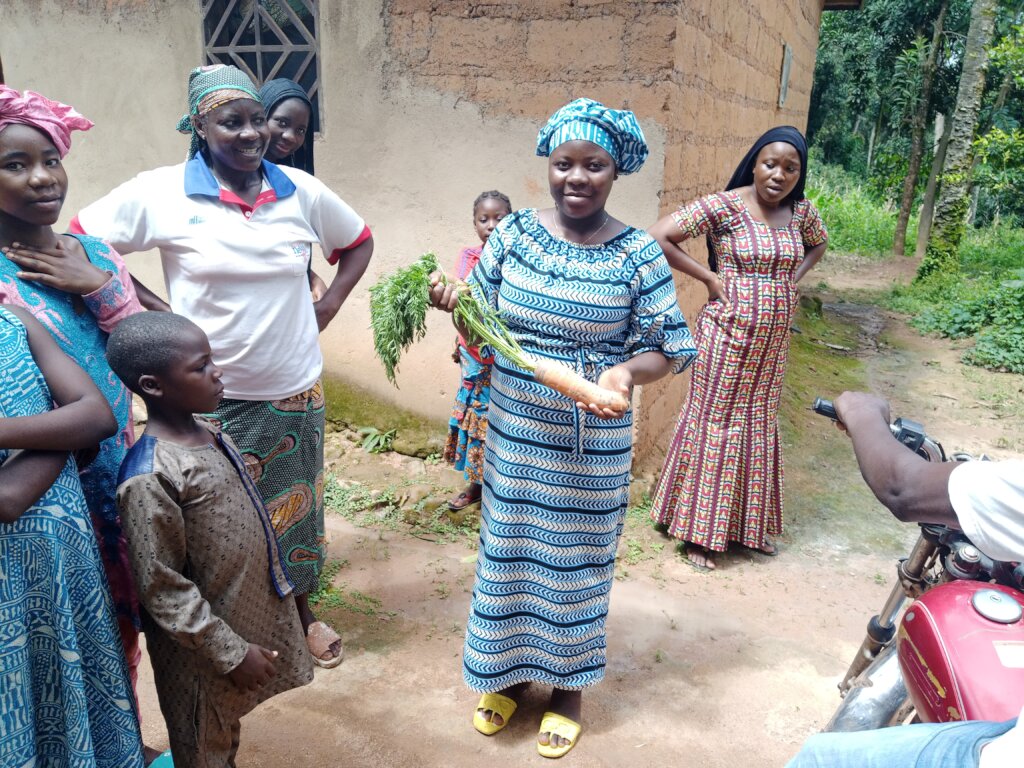
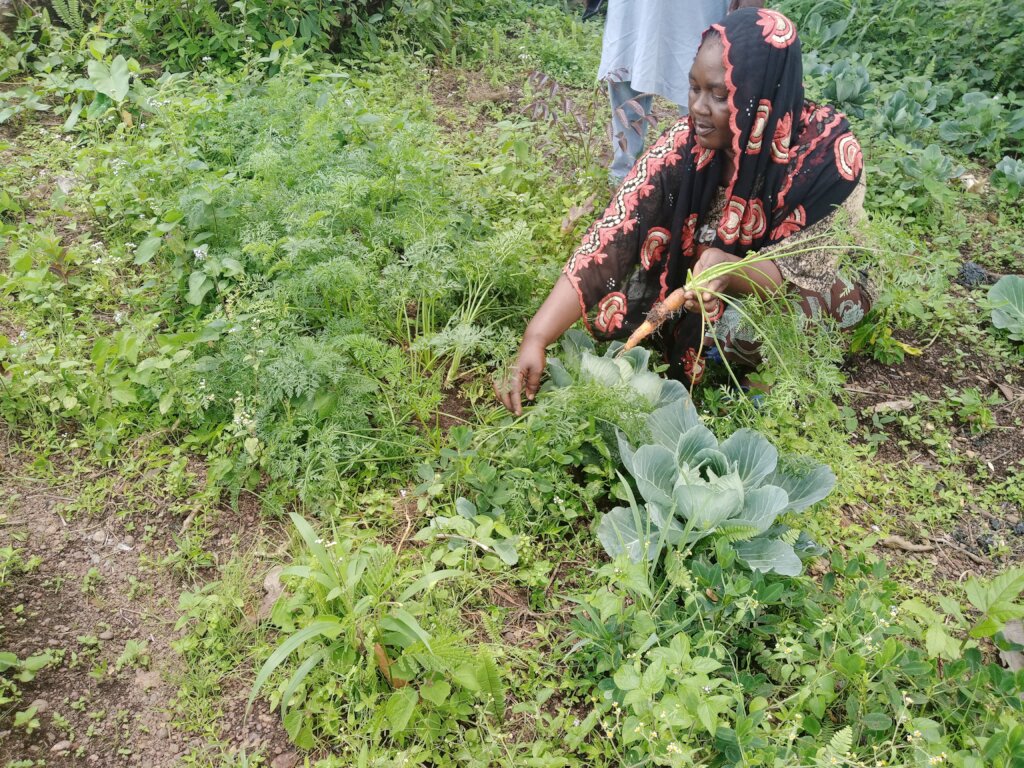
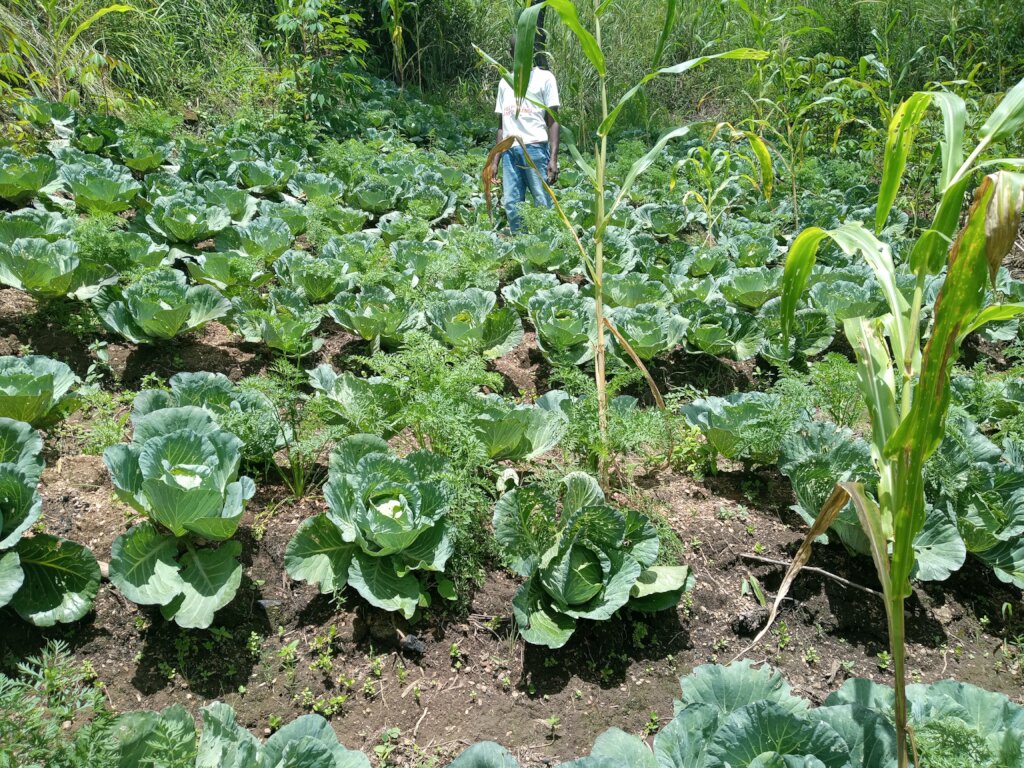
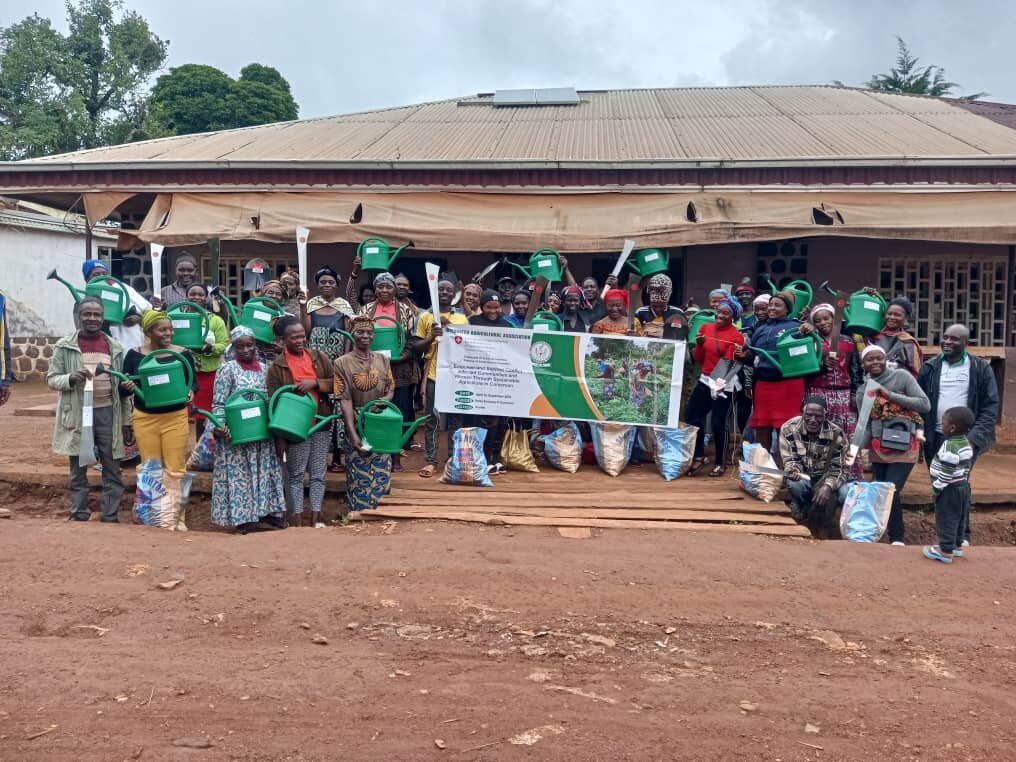
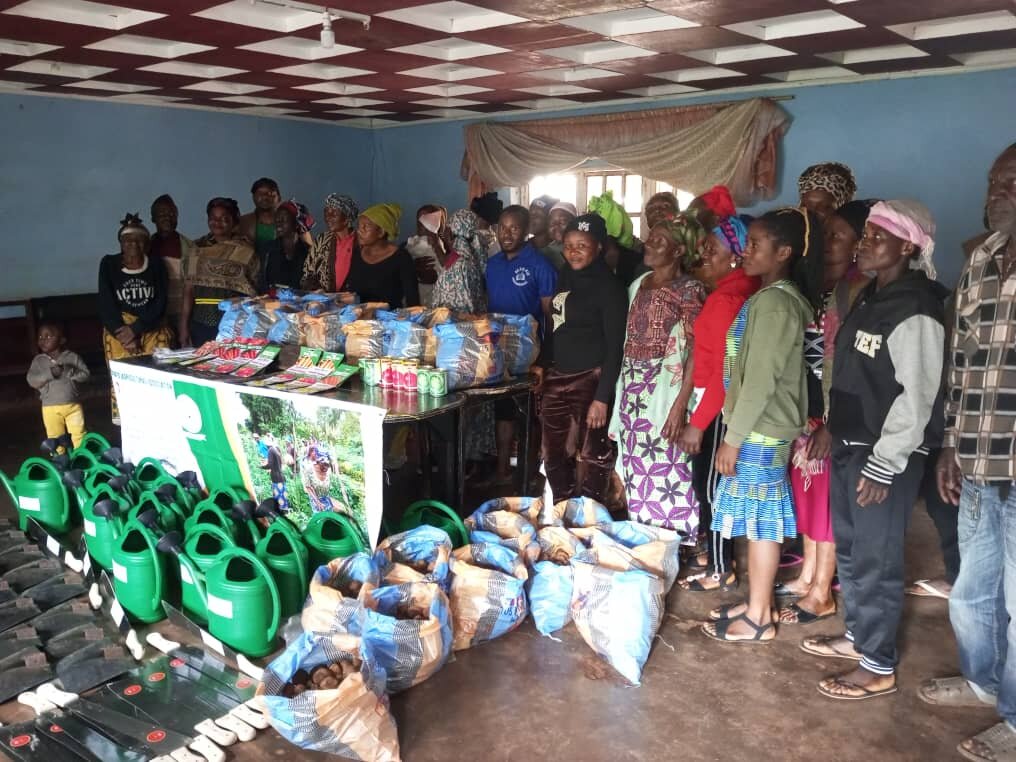
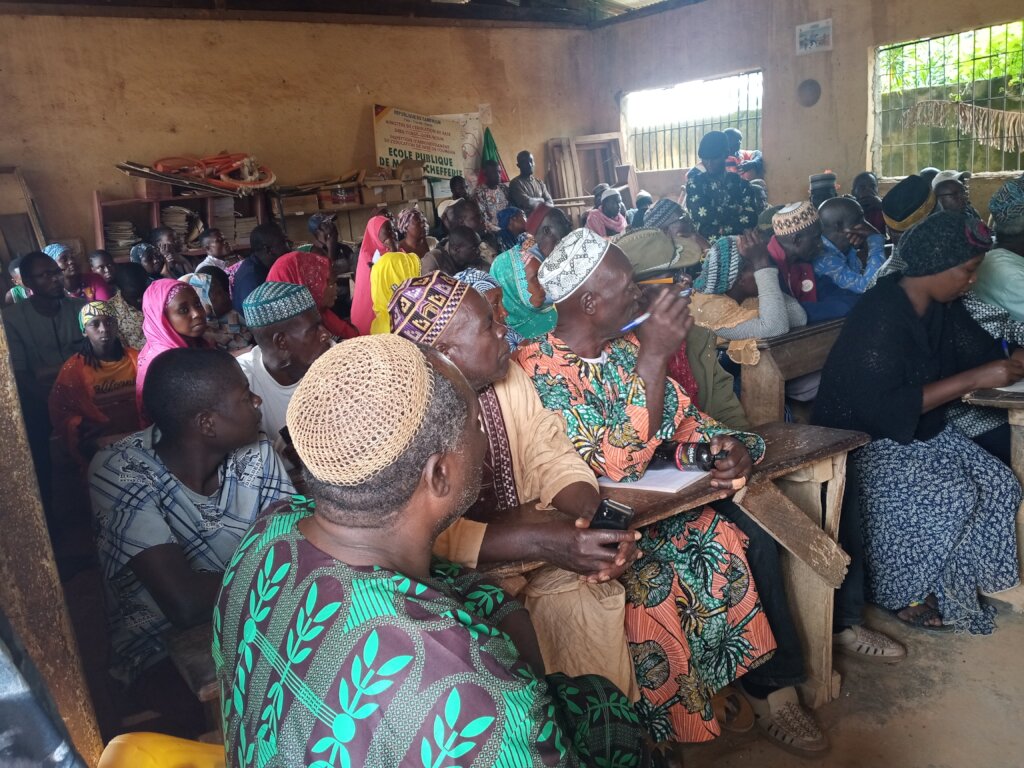
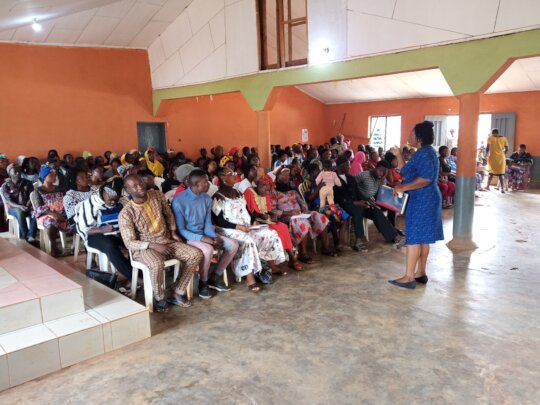
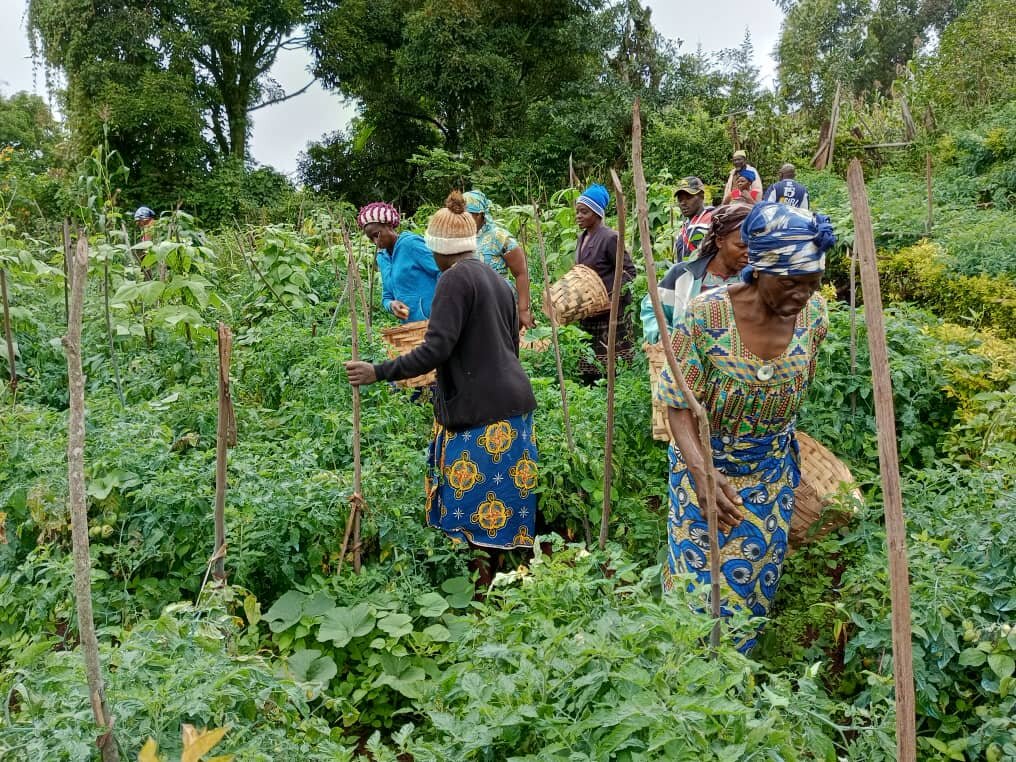
We are pleased to announced a $3000 donation received from Seed Program International. This partnership will train 100 women IDPs on Market gardening and business management and build the capacity of 50 trainers (extension workers) to support smallholder farmers by providing comprehensive training on efficient irrigation techniques, climate-smart agriculture, and water conservation practices, and establish 250 kitchen gardens for 250 IDP households in Galim Sub-Division of the West Region of Cameroon. The aim is to facilitate livelihood skills development for 100 women by training them using appropriate Micro Entrepreneurship skills in the agriculture sector that strengthens off-season vegetable production and business development, and supporting them with material resources to increase income and food security by the end of 2025.
The persistent lack of access to productive resources—especially seeds and water—has contributed to widespread poverty and chronic food insecurity among smallholder households in Galim, a host community to over 10,000 IDPs. Many families struggle to produce enough food for subsistence, let alone surplus for sale or storage. Crop losses due to drought or delayed rains often result in hunger, malnutrition, and increased reliance on food aid or costly market purchases. Limited economic opportunities outside of agriculture further constrain household incomes, while high input costs and poor market access reduce profitability even when harvests are successful. Farmers often have to travel long distances to access inputs, extension services, or marketplaces, leading to high transaction costs and limited engagement with modern agricultural practices. The absence of localized technical support and poor access to financial services also hinder innovation and adoption of improved technologies. These structural limitations prevent farmers from realizing their full productive potential and make it difficult for development interventions to achieve lasting impact.
This is where Seep Program International comes in, our goal is $500000 and we have $499,945 to go. Consider making a donation today through GlobalGiving, as it will even increase your impact by empowering newer communities. Thank you for your continued support!
With gratitudes!
By Dungrila Pascal Mbimenyuy. | I.A.A Director/Project Leader.
By Dungrila Pascal Mbimenyuy. | I.A.A Director/Project Leader.
Project reports on GlobalGiving are posted directly to globalgiving.org by Project Leaders as they are completed, generally every 3-4 months. To protect the integrity of these documents, GlobalGiving does not alter them; therefore you may find some language or formatting issues.
If you donate to this project or have donated to this project, you can receive an email when this project posts a report. You can also subscribe for reports without donating.