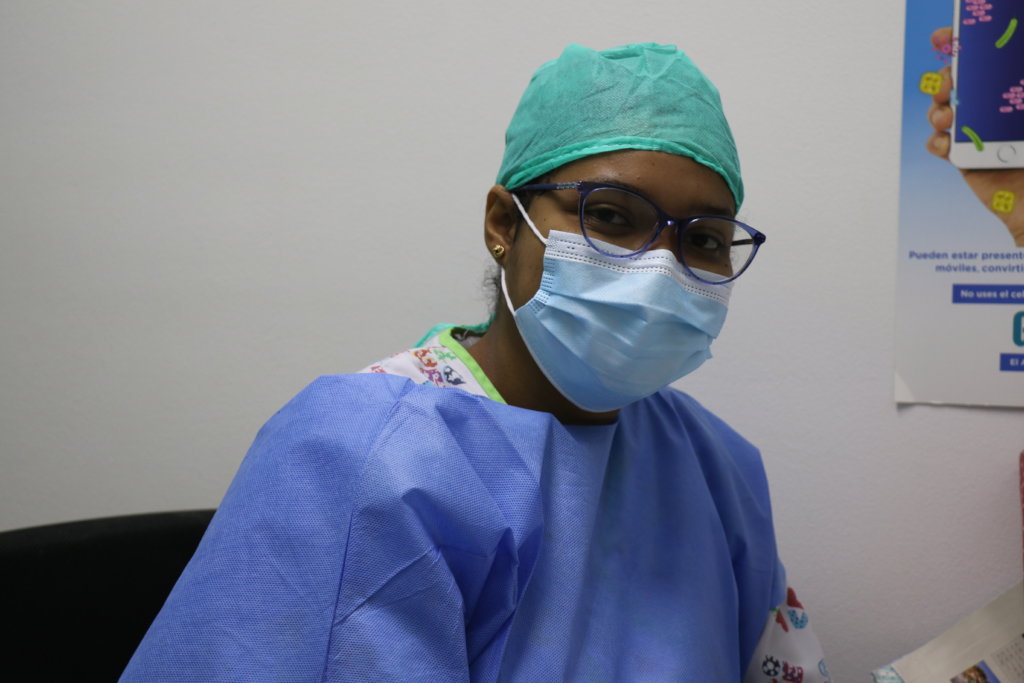
Panama has high economic growth, but it is one of the most unequal countries in the world, disproportionately affecting girls and women, especially indigenous, afro-descendant, migrant, disabled, and those from impoverished or rural backgrounds. Adolescent pregnancies highlight structural inequality. The "I Decide" Project will enable more women to access sexual and reproductive health, empowering them to make decisions about their lives, while also involving men in family planning.
1 in 4 Panamanians is poor, and 1 in 10 is indigent or lives in extreme poverty. This situation is directly related to the multiple barriers to accessing sexual and reproductive health services. In Panama, the number of women with unmet needs for family planning reached 94,390 (2013); every day, 24 girls become mothers (2023); and the fertility rate among girls under 15 remains constant.
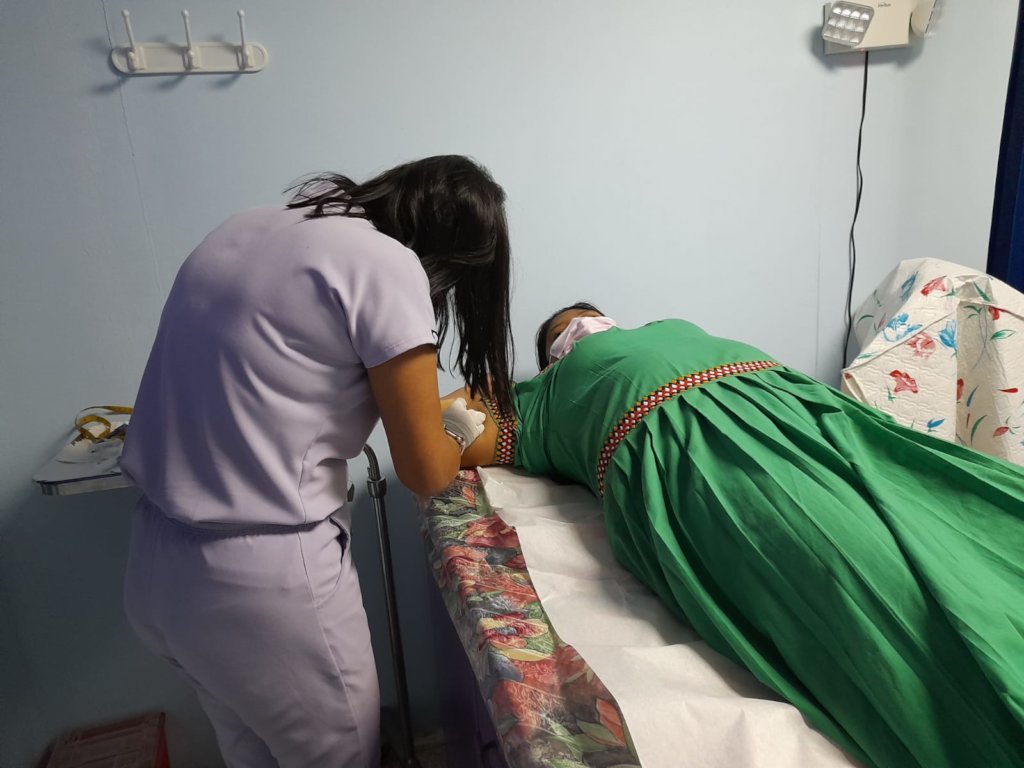
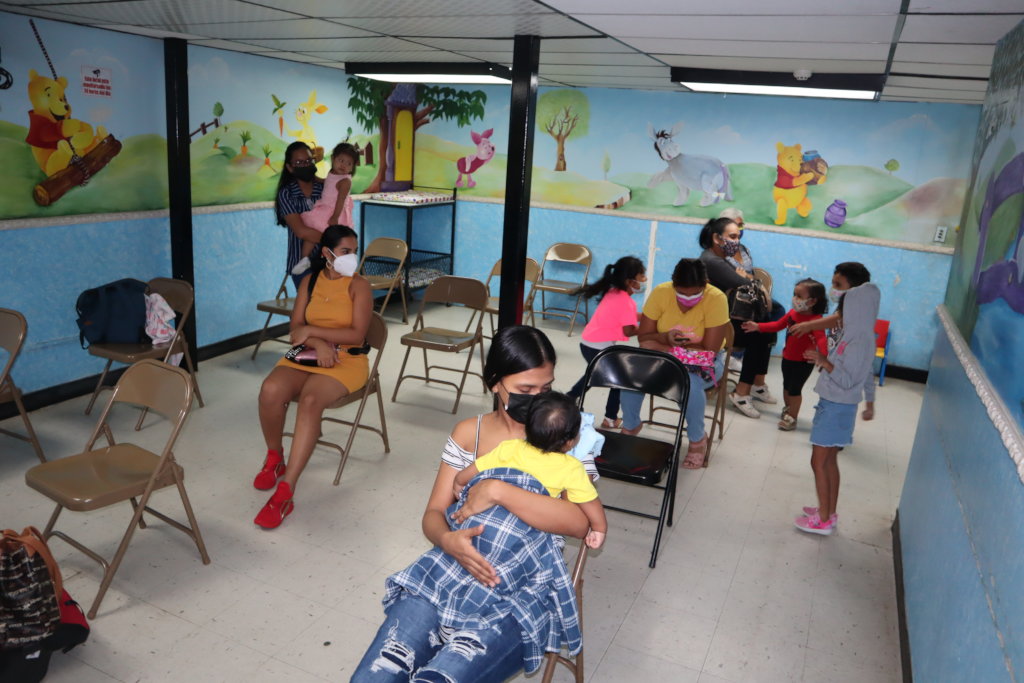
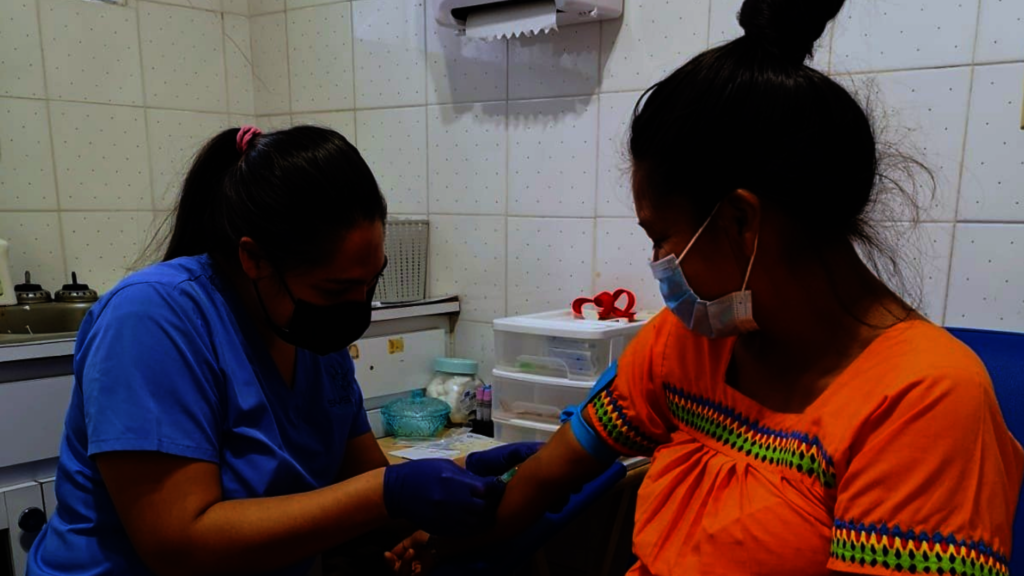
The project "I Decide" will allow APLAFA to expand coverage of sexual and reproductive health services, for women facing the greatest barriers. This will be achieved through APLAFA's seven locations nationwide, several of which are in areas with significant social vulnerability. The project will cover gynecological consultations, pregnancy tests, long-acting contraceptive methods, and male sterilization procedures, recognizing that family planning is also a matter for men.
Considering that 40 people can donate once for each service, by the end of the "I Decide" project, over 300 vulnerable women and men will have benefited. Moreover, beyond the impact on access to services, providing permanent or long-acting contraceptives will improve the quality of life for the beneficiaries, allowing young people to continue with their life projects and reducing the risk of unintended pregnancies and unsafe abortions.