By Masongole Fredrick | Head of Programs
1. Project Overview
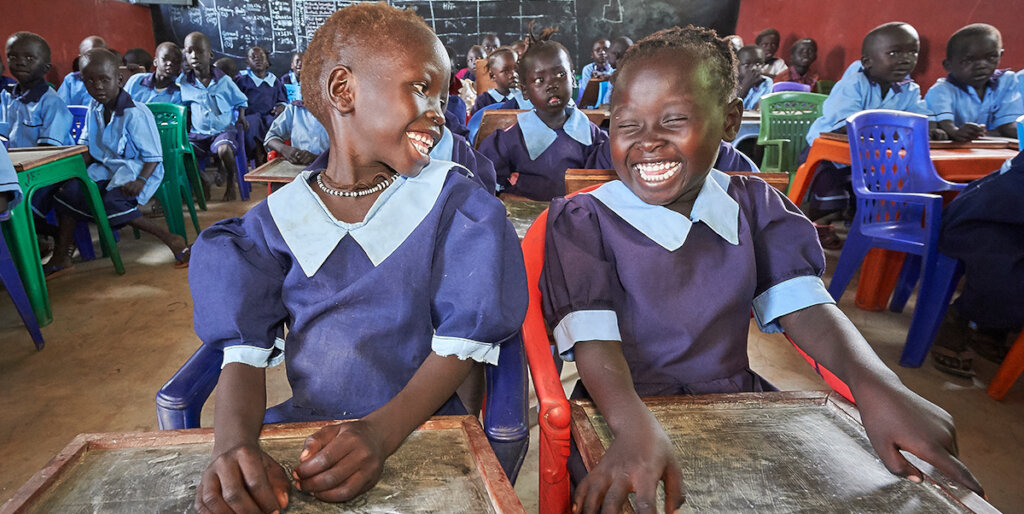
The “Educate 200 Street Children in South Sudan” project continued to support vulnerable street-connected children to access education, protection, psychosocial support, and opportunities for positive social reintegration during the June–August 2026 reporting period.
The project focuses on addressing the multiple barriers that prevent street-connected children from accessing and remaining in education. Through outreach, education support, provision of scholastic materials, psychosocial support, life skills development, community engagement, and collaboration with caregivers, schools, community leaders, and child protection actors, TGCDA continued to promote the safety, dignity, well-being, and educational development of vulnerable children.
During the reporting period, emphasis was placed on supporting the continued participation and retention of children in learning programmes, monitoring attendance, providing psychosocial and mentorship support, strengthening engagement with caregivers and communities, and promoting awareness of child rights and child protection.
The project continues to demonstrate that integrated education and protection support can contribute significantly to restoring hope and improving opportunities for street-connected children. Continued engagement with communities and caregivers remains essential to ensuring that children are supported not only to enrol in school but also to remain in safe and supportive learning environments.
2. Project Background
Street-connected children in South Sudan continue to face serious challenges, including poverty, displacement, family separation, child labour, violence, neglect, and limited access to education and essential protection services.
Many children living or working on the streets face heightened exposure to exploitation, abuse, violence, substance misuse, and other protection risks. Their mobility and unstable living conditions can also make consistent participation in education difficult.
The project was designed to address these challenges through an integrated approach combining education, child protection, psychosocial support, life skills development, and community engagement. By supporting children to access formal and non-formal learning opportunities and strengthening the protective environment around them, the project seeks to promote their safety, dignity, resilience, and future opportunities.
3. Project Goal and Objectives
Goal
To improve access to quality education and protection services for 200 street-connected children in South Sudan.
Specific Objectives
4. Target Beneficiaries
The project directly targets 200 vulnerable street-connected children, including boys and girls between the ages of 6 and 17 years.
Beneficiary Category
Target
Boys
120
Girls
80
Children aged 6–12 years
90
Children aged 13–17 years
110
Total Direct Beneficiaries
200
Indirect beneficiaries include caregivers, teachers, community leaders, local authorities, and community-based child protection structures engaged through project activities.
5. Activities Implemented During the Reporting Period
5.1 Follow-Up and Monitoring of Children in Learning Programmes
During the June–August reporting period, the project continued to follow up on children supported through the intervention. Regular engagement with children and learning institutions helped to monitor participation, attendance, adjustment to structured learning environments, and emerging challenges affecting school retention.
Follow-up support remains particularly important for street-connected children because many face unstable living arrangements, economic hardship, mobility, and limited family support.
The project continued to encourage regular attendance and participation while strengthening communication with schools, caregivers, and other relevant stakeholders.
5.2 Education and Learning Support
The project continued to promote access to education for vulnerable children by supporting their participation in formal and non-formal learning opportunities.
Educational support remains a critical intervention in reducing barriers that prevent street-connected children from participating in education. The project promotes an inclusive and supportive learning environment that recognizes the different educational backgrounds and needs of children transitioning from street situations.
Collaboration with schools and learning centres continued to be an important part of the project approach, supporting efforts to promote attendance, participation, and retention.
5.3 Psychosocial Support and Counselling
Psychosocial support remained a central component of the intervention during the reporting period.Street-connected children often experience emotional distress associated with family separation, displacement, violence, poverty, and difficult living conditions. The project therefore continued to promote child-friendly psychosocial support through counselling, peer interaction, recreational activities, mentorship, and supportive engagement.
These interventions help children develop confidence, improve social interaction, strengthen coping skills, and feel more secure within learning and community environments.
Where children require additional protection or specialised support, referral pathways and coordination with relevant child protection actors remain important components of the response.
5.4 Life Skills Development
The project continued to promote life skills among older children and adolescents.
Key areas of focus included:
Life skills development contributes to children's ability to make informed decisions, manage relationships, improve self-confidence, and develop positive aspirations for their future.
5.5 Community Awareness and Child Protection Engagement
Community engagement continued to play an important role during the reporting period.The project promotes awareness among caregivers, community members, and local leaders on issues affecting street-connected children, including:
Community involvement remains essential to supporting the long-term reintegration and protection of children. Strengthened engagement with local leaders, caregivers, schools, and child protection actors contributes to creating a more supportive environment around vulnerable children.
6. Measurable Results for the June–August 2026 Reporting Period
During the June–August 2026 reporting period, the project continued to build on the achievement of reaching and supporting 200 street-connected children through integrated education, protection, psychosocial support, and community engagement interventions.
Key Results Achieved
The project maintained 100% achievement of its target of reaching 200 street-connected children, comprising 120 boys and 80 girls. All targeted children had been identified, registered, and supported to access formal or non-formal learning opportunities.
A total of 200 children received scholastic materials and education support, helping to reduce barriers to participation in learning. The project also conducted 20 counselling sessions, providing vulnerable children with psychosocial support, mentorship, and opportunities to improve emotional well-being and confidence.
Community engagement remained an important component of the intervention. A total of 10 community awareness sessions were conducted, reaching 520 caregivers and community members, exceeding the project target of 500 people by 20 individuals, equivalent to 104% achievement.
The project therefore sustained its core achievements during the reporting period while continuing to focus on the longer-term outcomes of school retention, regular attendance, psychosocial well-being, child protection, and social reintegration.
Overall Results Summary
By the end of the June–August 2026 reporting period, the project had maintained the following cumulative results:
7. Challenges Encountered
Several challenges continued to affect the implementation environment during the reporting period.
8. Mitigation Measures
To address these challenges, TGCDA continued to apply and strengthen the following measures:
9. Lessons Learned
Several important lessons continue to emerge from the implementation of the project.
10. Sustainability Measures
The project continues to promote sustainability through:
These measures are intended to contribute to a supportive environment in which children can continue their education and access protection beyond the direct period of project support.
11. Success Story One: From Isolation to Confidence
Finding Her Way Back to Learning
Before joining the “Educate 200 Street Children in South Sudan” project, Achol a 14-year-old girl had spent much of her time on the streets, where she faced uncertainty and limited access to education. Her difficult circumstances had gradually separated her from regular learning and reduced her confidence in interacting with other children.
Through TGCDA's outreach activities, she was identified as a vulnerable street-connected child and enrolled in a learning programme. She received educational support and was also encouraged to participate in counselling, peer-support activities, and other child-friendly sessions.
At first, she was quiet and hesitant to participate. With continued encouragement from project staff and interaction with other children, she gradually became more confident and comfortable in the learning environment. The supportive activities provided her with an opportunity to express herself, build friendships, and develop a greater sense of belonging.
Over time, her participation in learning and psychosocial activities improved. She became more engaged in classroom activities and began interacting more positively with her peers. The support also strengthened her confidence and encouraged her to take a more active interest in her education.
For her, the project provided more than scholastic support. It created an opportunity to move from isolation towards participation and from uncertainty towards renewed confidence.
Her experience demonstrates the importance of providing integrated education, psychosocial, and protection support to street-connected children. When children are given a safe environment, encouragement, and an opportunity to learn, they can rebuild their confidence, develop positive relationships, and begin to imagine a better future.
12. Success Story Two: Finding Confidence Through Education and Support
15-year-old Melinda, one of the girls supported through the project had experienced significant barriers to education and protection. Like many street-connected children, her circumstances had limited her opportunity to participate consistently in a safe and structured learning environment.
Through the project's integrated support, she was able to access educational assistance and participate in a more supportive environment. Psychosocial support and interaction with peers provided an important opportunity for her to build confidence, develop social connections, and participate more actively in learning.
Over time, her participation in educational and child-friendly activities contributed to improved confidence and engagement. The support also helped reinforce the importance of education and encouraged her to develop positive aspirations for her future.
Her story reflects the broader importance of combining education with psychosocial care and protection support. For vulnerable children, access to school is not only an opportunity to learn; it can also provide a sense of safety, belonging, routine, and hope.
Through continued support from caregivers, schools, communities, and child protection actors, children facing difficult circumstances can be supported to move away from harmful situations and toward safer and more positive futures.
13. Conclusion
During the June–August 2026 reporting period, the Educate 200 Street Children in South Sudan project continued to promote the education, protection, psychosocial well-being, and social reintegration of vulnerable street-connected children.
The project recognizes that children living or working on the streets face interconnected challenges that require an integrated response. Continued education support, psychosocial care, life skills development, caregiver engagement, community awareness, and coordination with child protection actors remain central to supporting positive outcomes.
The experiences of children such as Peter demonstrate the potential of integrated education and protection interventions to restore confidence, dignity, and hope. Continued investment in child-centred programming is essential to ensure that vulnerable children are not only supported to access education but are also provided with the protection and supportive environment needed to remain safe, learn, and build positive futures.
14. Recommendations
Links:
By Masongole Fredrick | Head of Programs
By Aguek Morris Ater | Operations Manager
Project reports on GlobalGiving are posted directly to globalgiving.org by Project Leaders as they are completed, generally every 3-4 months. To protect the integrity of these documents, GlobalGiving does not alter them; therefore you may find some language or formatting issues.
If you donate to this project or have donated to this project, you can receive an email when this project posts a report. You can also subscribe for reports without donating.



Support this important cause by creating a personalized fundraising page.
Start a Fundraiser