By Masongole Fredrick | Head of Programs
1. Project Overview
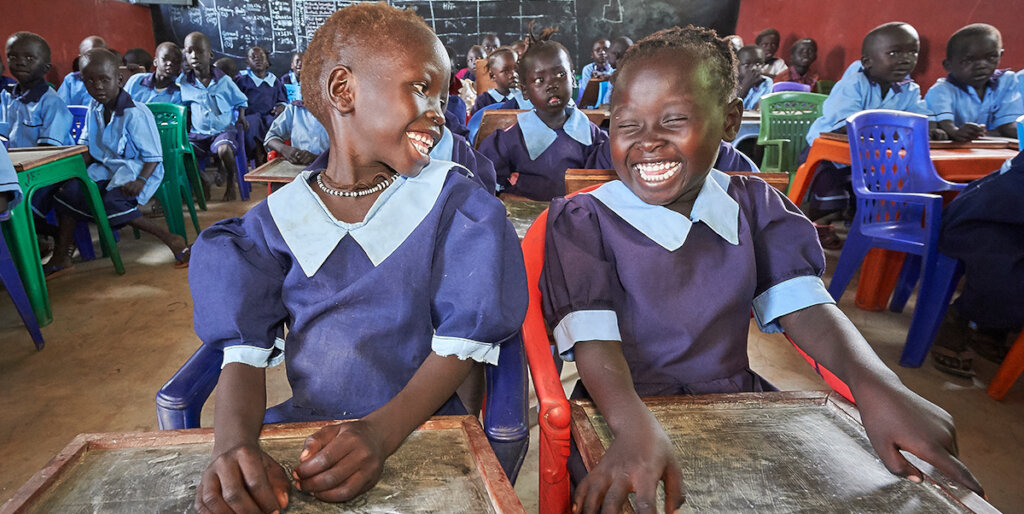
The “Educate 200 Street Children in South Sudan” project was implemented to improve access to education, protection, and psychosocial support for vulnerable street-connected children in South Sudan. During the reporting period, the project focused on identifying and enrolling out-of-school street children into formal and non-formal education programs while providing essential scholastic materials, life skills training, psychosocial support, and community awareness activities.
The project successfully reached 200 street children, including boys and girls living in highly vulnerable conditions within urban centres. Through collaboration with community leaders, schools, caregivers, and local authorities, the project contributed to reducing child vulnerability, improving school attendance, and strengthening child protection mechanisms.
Key achievements during the reporting period include:
Despite challenges such as economic hardship, mobility of street children, and limited household support systems, the project demonstrated positive progress toward improving educational opportunities and social reintegration of vulnerable children.
2. Project Background
Street-connected children in South Sudan face multiple challenges, including poverty, displacement, family separation, child labor, violence, and limited access to education. Many children survive on the streets without adequate protection, exposing them to exploitation, abuse, substance misuse, and criminal activities.
The project was designed to address these challenges by providing inclusive educational opportunities and strengthening psychosocial and protection support systems for vulnerable street children. The intervention aimed to support children’s reintegration into learning environments while promoting their dignity, safety, and future opportunities.
3. Project Goal and Objectives
Goal
To improve access to quality education and protection services for 200 street children in South Sudan.
Specific Objectives
4. Target Beneficiaries
The project directly targeted 200 street-connected children living in urban centers in South Sudan.
Beneficiary Category Target Reached
Boys 120 120
Girls 80 80
Children aged 6–12 years 90 90
Children aged 13–17 years 110 110
Total Direct Beneficiaries 200 200
Indirect beneficiaries included caregivers, teachers, community leaders, and local child protection structures.
5. Activities Implemented
5.1 Identification and Registration of Street Children
Project staff conducted outreach activities in markets, bus parks, streets, and informal settlements to identify vulnerable street-connected children. Registration and vulnerability assessments were completed in coordination with local authorities and child protection actors.
Achievements
5.2 School Enrollment and Reintegration
The project supported children’s enrollment into formal schools and non-formal learning centers. Coordination meetings were held with school administrations to facilitate admission and retention.
Achievements
5.3 Distribution of Educational Materials
Educational materials were distributed to support learning continuity and reduce barriers to school participation.
Materials Distributed
Achievements
5.4 Psychosocial Support and Counselling
The project provided psychosocial support through individual counselling, group sessions, recreational activities, and mentorship.
Achievements
5.5 Community Awareness and Child Protection Campaigns
Community awareness campaigns were conducted to promote child rights, education, and the protection of vulnerable children.
Topics Covered
Achievements
5.6 Life Skills and Vocational Orientation
Older children and adolescents participated in life skills sessions focusing on personal development, communication, hygiene, conflict resolution, and future planning.
Achievements
6. Project Achievements and Results
Indicator Target Achieved
Street children identified and registered 200 200
Children enrolled in school 200 200
Children receiving scholastic materials 200 200
Counselling sessions conducted 20 20
Community awareness sessions were conducted 10 10
Caregivers/community members reached 500 520
Key Results
7. Challenges Encountered
The project faced several implementation challenges, including:
8. Mitigation Measures
To address implementation challenges, the project adopted the following measures:
9. Lessons Learned
Several lessons emerged during implementation:
10. Sustainability Measures
The project promoted sustainability through:
11. Success Story
A New Beginning for Peter
Peter, a 13-year-old boy, had spent over two years living on the streets after losing contact with his family during displacement. He survived by collecting plastic bottles and performing casual work in local markets.
Through the project outreach activities, Peter was identified and enrolled in a non-formal learning program. He received school supplies, counselling support, and mentorship. Over time, Peter regained confidence, improved his literacy skills, and expressed interest in continuing formal education.
Today, Peter regularly attends classes and actively participates in school activities. His story demonstrates how access to education and psychosocial support can transform the lives of vulnerable street-connected children.
12. Conclusion
The “Educate 200 Street Children in South Sudan” project made significant progress in improving educational access, psychosocial well-being, and protection of vulnerable street children. The project successfully enrolled and supported 200 children through education, counselling, and community engagement interventions.
Despite operational challenges, the intervention contributed positively to restoring hope, dignity, and opportunities for vulnerable children living in difficult circumstances. Continued investment in child education and protection programs remains essential to ensuring sustainable social reintegration and long-term development outcomes for street-connected children in South Sudan.
13. Recommendations
Project reports on GlobalGiving are posted directly to globalgiving.org by Project Leaders as they are completed, generally every 3-4 months. To protect the integrity of these documents, GlobalGiving does not alter them; therefore you may find some language or formatting issues.
If you donate to this project or have donated to this project, you can receive an email when this project posts a report. You can also subscribe for reports without donating.



Support this important cause by creating a personalized fundraising page.
Start a Fundraiser