By Noah Ssempijja | Program Director
What If Setting Up Your Own Tree Nursery Could Save Your Organisation Thousands of Dollars?
With the funding we have received from our donors to support regenerative agriculture activities in Nakivale Refugee Settlement, one of our commitments was simple: provide each of the 200 participating farmers with three fruit tree seedlings.
On paper, this seemed straightforward. In reality, it presented several challenges.
Purcasing and distributing 600 fruit tree seedlings would have cost our project close to USD 2,000. Beyond the cost, we faced important questions. What if the seedlings did not survive after planting? What if we could not find quality seedlings when we needed them? How would we transport hundreds of delicate seedlings across a large refugee settlement without damaging them?
As we engaged communities during project mobilization, another reality emerged. Demand for trees was far greater than we had anticipated. While the project targeted 200 farmers, more than 1,000 people expressed interest in receiving fruit trees.
Their interest was understandable.
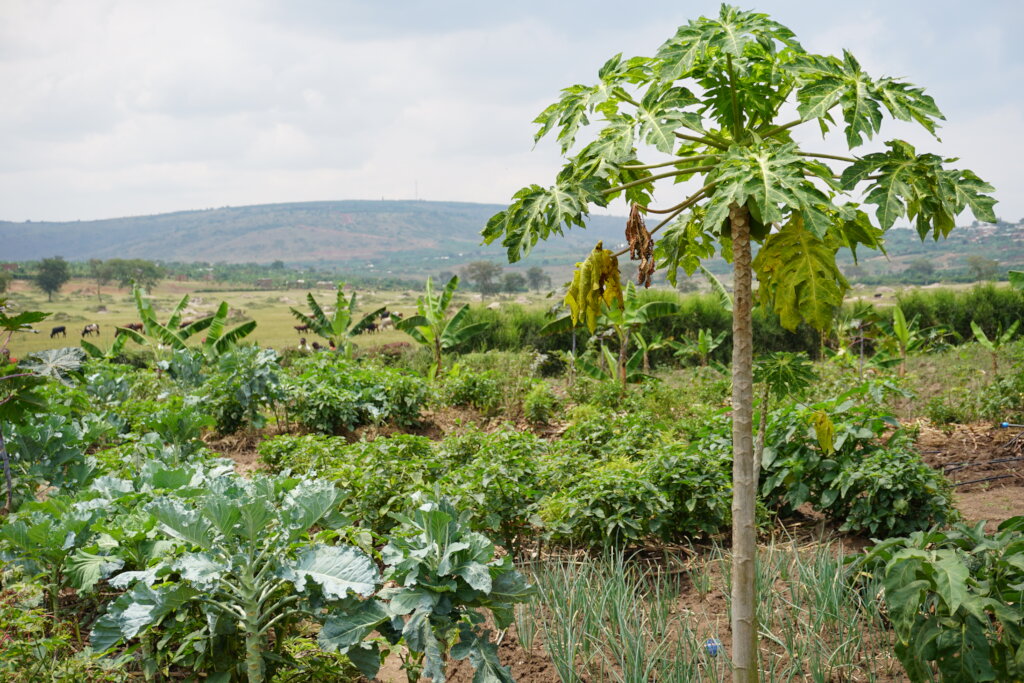
Over the years, many trees in refugee settlements have been cut down for firewood, construction materials, and charcoal production. The result has been increasing environmental degradation, loss of biodiversity, declining soil fertility, and reduced resilience to climate shocks. Communities understand these challenges and increasingly recognize the value of planting trees for food, income, shade, and environmental restoration.
Faced with this growing demand, we began asking ourselves a different question:
What if, instead of buying seedlings, we invested in producing them ourselves?
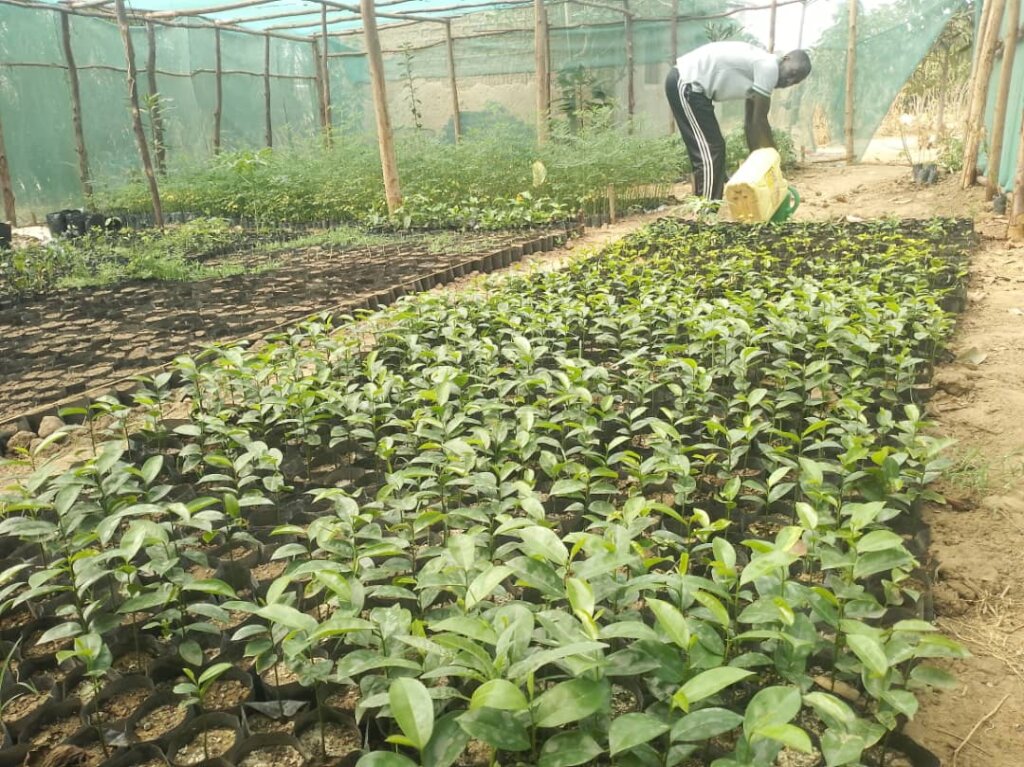
The answer led us to establish our own fruit tree nursery.
Rather than spending thousands of dollars purchasing seedlings from external suppliers, we used project resources to establish a community-based nursery that could supply our beneficiaries while creating a long-term asset for the organization.
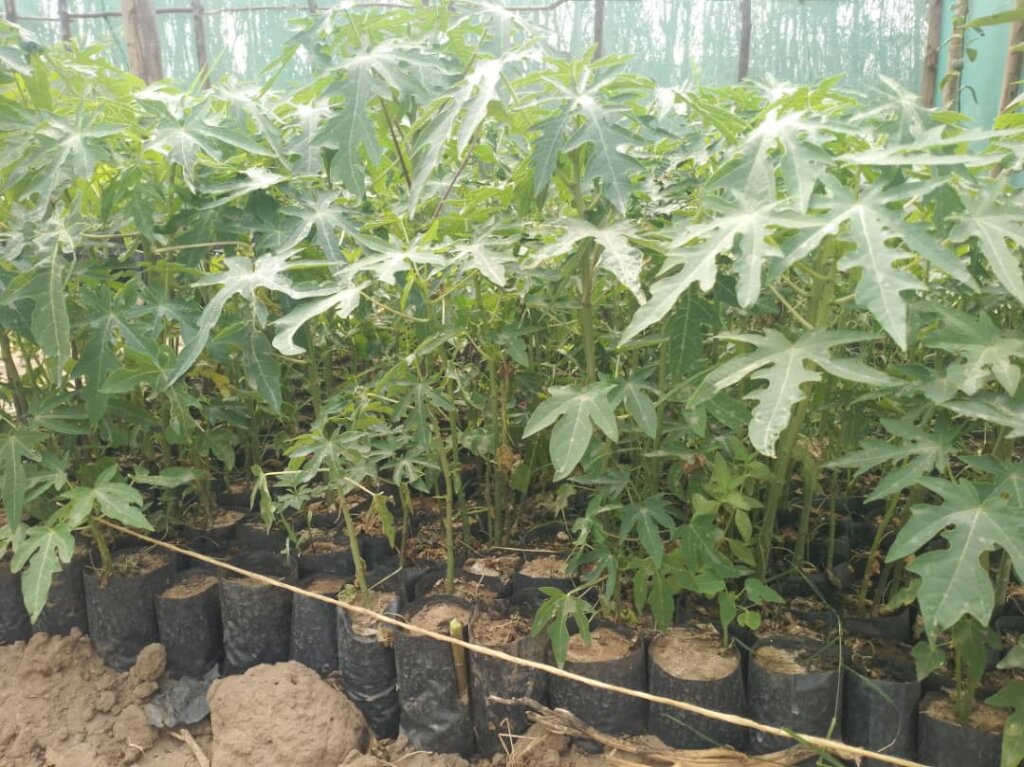
Today, our nursery contains approximately 6,500 fruit tree seedlings, including soursop, neem, tree tomato, moringa, jackfruit, and papaya. The seedlings are expected to be ready for planting by October 2026.
The benefits of this decision have gone far beyond cost savings.
First, the nursery gives us greater control over quality. We can monitor seedling growth, ensure proper management, and distribute healthy trees that are more likely to survive and thrive once planted.
Second, we have reduced the logistical challenges associated with purchasing and transporting seedlings from distant suppliers. The trees are grown close to the communities that will receive them, reducing transportation costs and minimizing damage during handling.
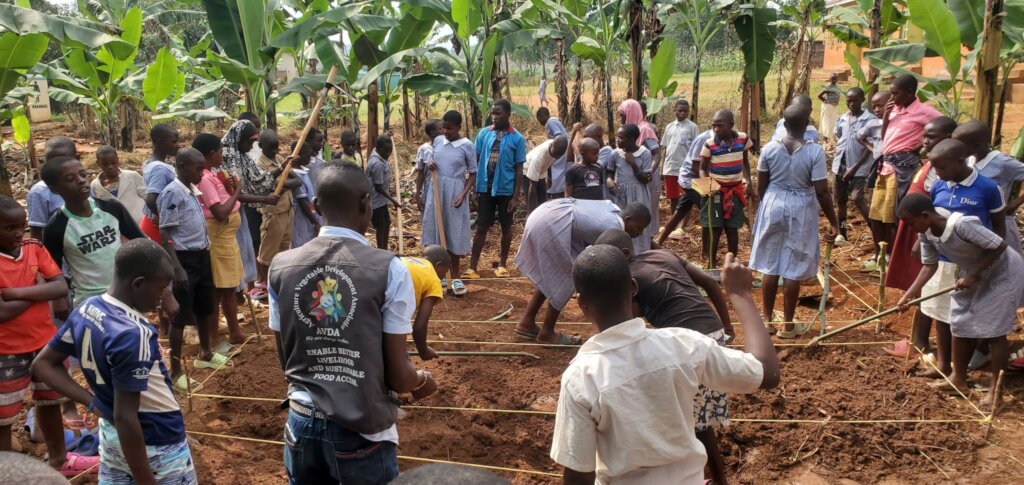
Third, the nursery has become an important learning site. Farmers regularly visit the nursery, learn about tree propagation, and gain practical skills that they can apply in their own communities.
Most importantly, the nursery creates a pathway toward sustainability.
The seedlings required by the project represent only a fraction of what the nursery can produce. Once participating farmers receive their trees, the remaining seedlings can be sold to households, institutions, and organizations within the community. The income generated can then be reinvested into expanding the nursery, supporting more farmers, and sustaining regenerative agriculture activities long after the original project funding has ended.
For many organizations working in agriculture, climate resilience, conservation, and livelihoods, tree distribution has become a common project activity. Yet few organizations stop to consider whether establishing their own nursery could deliver greater value than purchasing seedlings every season.
A well-managed nursery is more than a source of seedlings. It is a business opportunity, a learning centre, a conservation tool, and a long-term investment in organizational sustainability.
As development funding becomes increasingly competitive, organizations must think beyond project implementation and invest in systems that continue generating impact after grants end.
For us, the lesson is clear.
Sometimes the most sustainable solution is not buying what you need. It is growing it yourself.
If more organizations invested in local tree nurseries, we could restore degraded landscapes, improve food security, create local income opportunities, and reduce project costs at the same time.
That sounds like a win for communities, a win for organizations, and a win for the planet.
By Noah Ssempijja | Program Director
By Noah Ssempijja | Program Director
Project reports on GlobalGiving are posted directly to globalgiving.org by Project Leaders as they are completed, generally every 3-4 months. To protect the integrity of these documents, GlobalGiving does not alter them; therefore you may find some language or formatting issues.
If you donate to this project or have donated to this project, you can receive an email when this project posts a report. You can also subscribe for reports without donating.



Support this important cause by creating a personalized fundraising page.
Start a Fundraiser