Project Report
| Oct 15, 2025
Expanding Our Projects
By Mitch Lewis | Executive Director
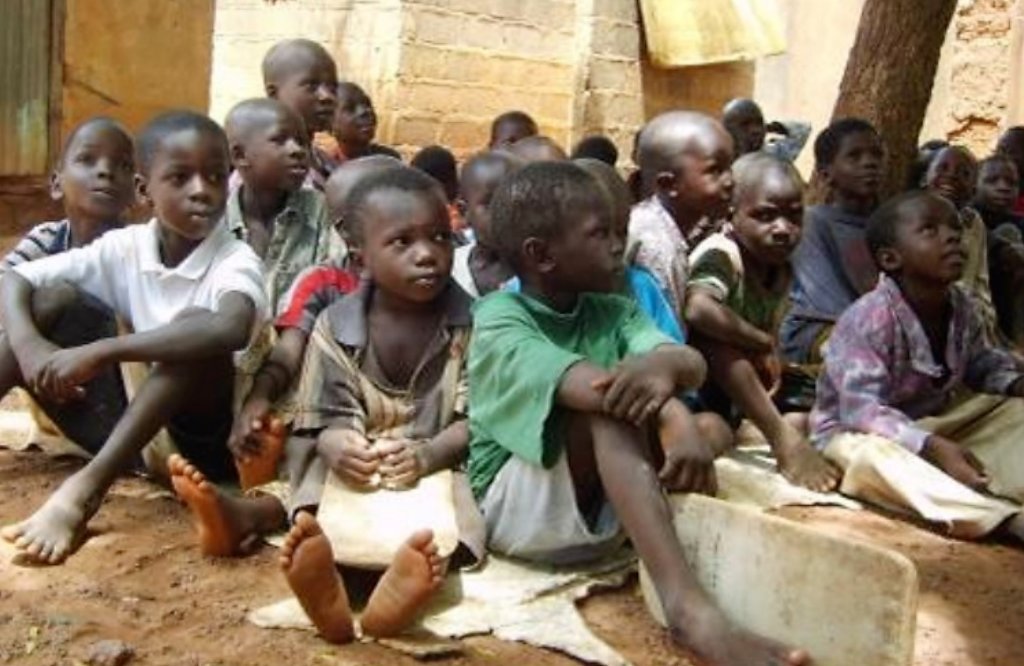
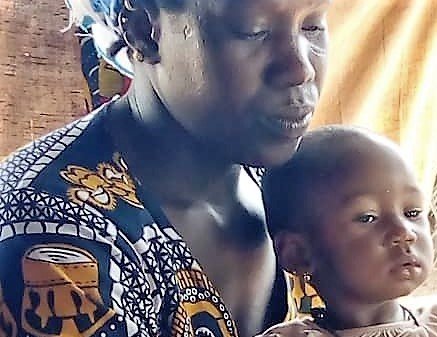
For the past half dozen years ATEG has been helping the vulnerable women and children at the Faladje IDP Camp. We have run many life saving programs aimed at improving their quality of life and bring them hope for the future. One program that has impacted and improved so many lives is the Women’s Skills Training program. It began with a group of women learning to sew. They are now running a successful business selling many products locally as well as for export. They produce items such as handbags, wallets and backpacks as well as clothing for weddings and school uniforms. Other vocations that they were taught were milk processing, henna and saponification. All have resulted in successful businesses and economic empowerment for the women.
The latest venture that the women have asked for our help with is to open a food cart. ATEG has committed to purchasing a cart and stocking it with food. This venture will be run by 6 women. We also have a request from additional women for 2 more carts. Before we agree to this we need to do M&E on the initial cart operation so that we can tweak our business plan for the success of additional carts. Another group of women has also asked us to help them start an Animal Fattening business.
It is so rewarding to see these women, living in a patriarchal society, seize this opportunity that ATEG has given them to fulfill their potential and have a voice in the running of their community.
![Share on Twitter]()
![Share on Facebook]()
Jun 22, 2025
Filling the Void
By Mitch Lewis | Executive Director
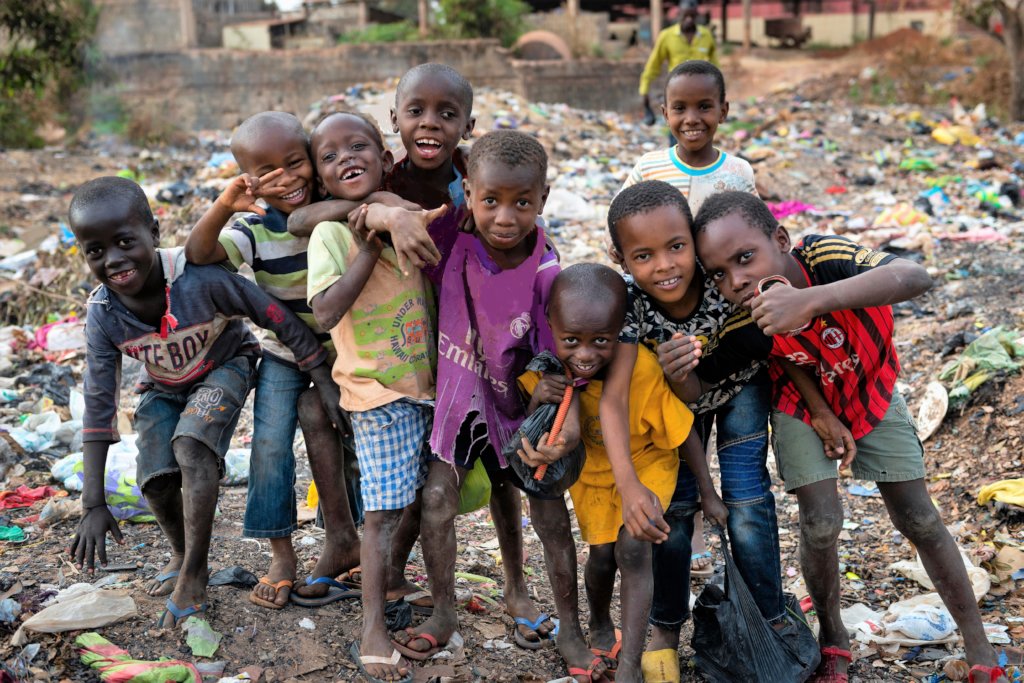
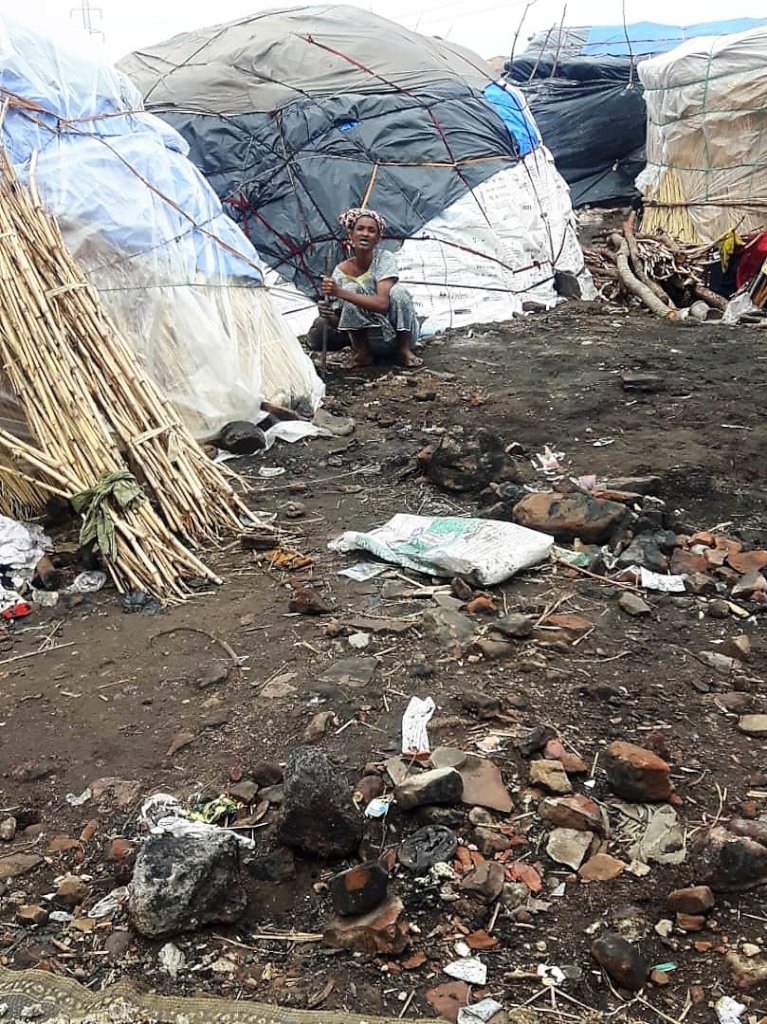
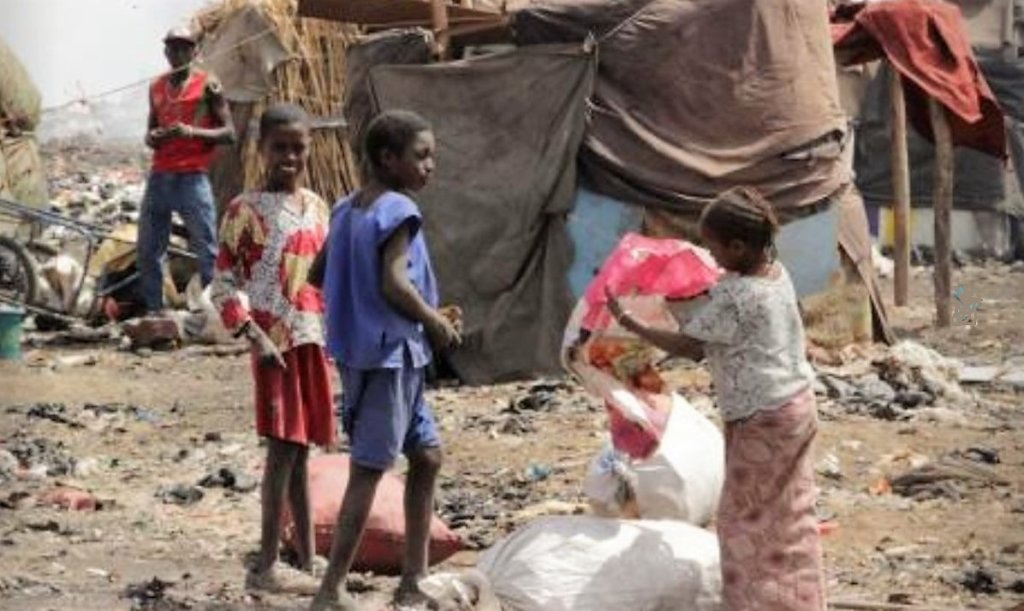
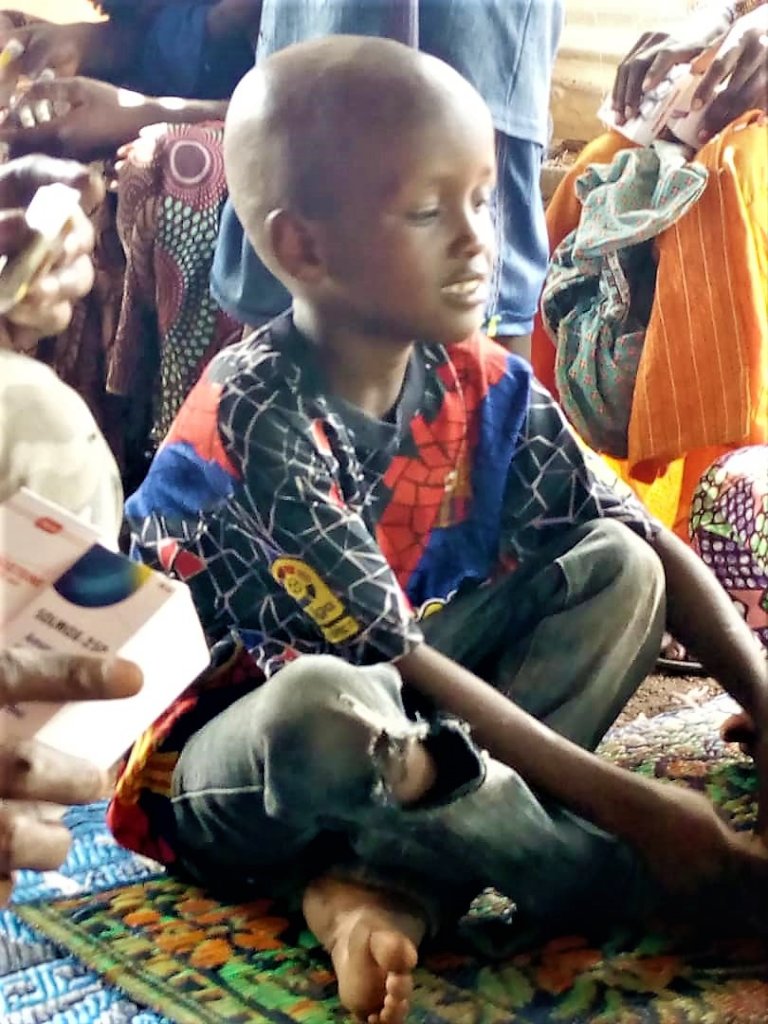
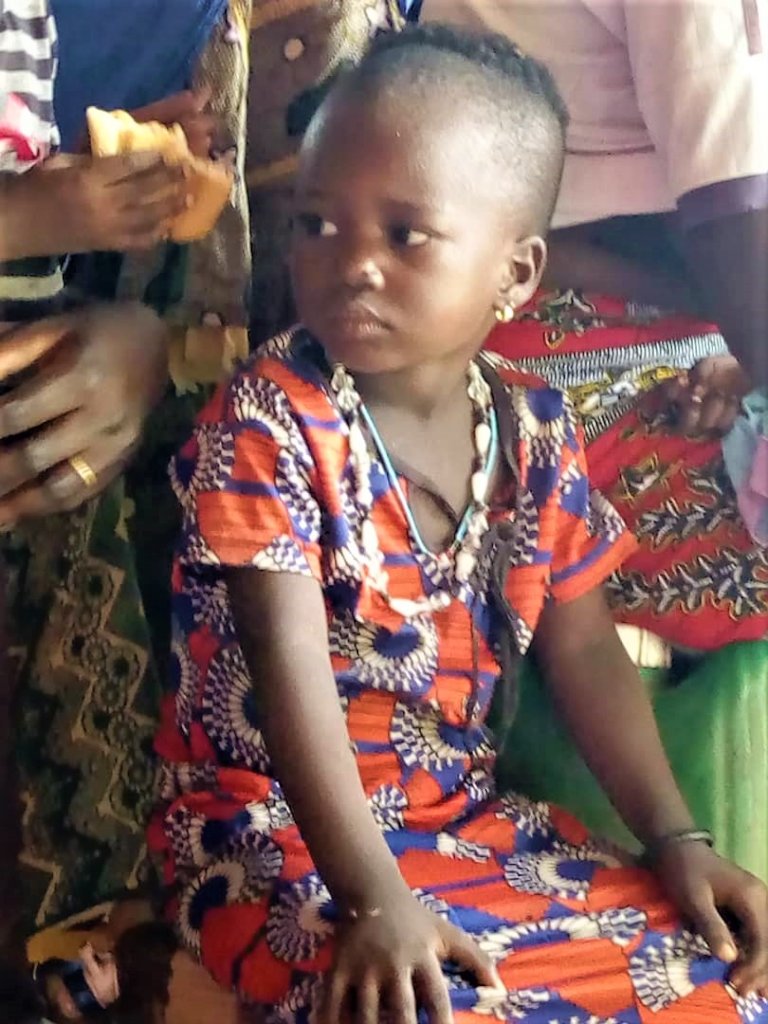
We have all heard about the USAID funding freeze. Although Arts To End Genocide (ATEG) receives no direct assistance from USAID, it has had a major impact on the community that we serve. For the past half dozen years we have been active in the Flade IDP Camp which is home to over 1,200 IDPs who fled terrorism in Central Mali. ATEG has been providing food, healthcare, women’s skills training and childhood education. Before the freeze there were 30 active partners at the camp. These were NGOs who met monthly to coordinate assistance for the beneficiaries. After the freeze went into effect, of the 30 partners, 27 ceased their operations at the camp. Only ATEG and 2 others remain. One provides phycological counseling and the other helps with sanitation through the WASH program. ATEG is the only remaining NGO committed to a food distribution program. Every month we have been distributing rice to about 1/3 of the camp’s population. It is an amount sufficient enough to last them until the next monthly distribution. Other partners were providing for the balance of the population. When the freeze went into effect, and the other partners left, their beneficiaries were left to fend for themselves. At our March food distribution, people showed up who were not on our list asking for rice. Among them were elderly and disabled persons. It broke our hearts to say no, but we were not prepared for this contingency. So where do these people find food? The Flade camp is built on an active garbage dump. The IDPs are left to scavenge through the garbage searching for scraps of food. So, residents of the camp have been looking to ATEG to fill the void. This is an enormous ask of a small NGO. ATEG has reached out to our wonderful donors and they have been responding. They understand that we all share a common humanity and are responsible for our brothers and sisters around the world. We have increased the amount of beneficiaries and are now feeding more then half the camp. Among this new group are the most vulnerable. However, there are many still going hungry. With the support of our donors we hope to expand our program to bring much needed assistance.
![Share on Twitter]()
![Share on Facebook]()
Mar 2, 2025
Agriculture Skills Training
By Mitch Lewis | Executive Director
![]()
At this time I am glad to report the government has not closed the Faladje IDP Camp and ATEG is continuing our activities to help the women and children at the camp.
We have also provided skills training to another group of IDPs who are located in another area of Bamako. ATEG helped establish an agricultural program for over 50 IDP women of KOLA. We drilled a borehole and installed a solar powered pump to draw water to irrigate the crops. We took a sample of the borehole water to send it for analyses at the National Water Laboratory. The result of the water analyses came back to us with a satisfactory response which guarantees that the water is good to drink and to use for both animal and agriculture use. We did it because, we anticipate that women will be not only using the borehole for agricultural purposes but they will also use it for consumption. The beneficiaries are very thankful that the project allowed them to have potable water to drink and that will guarantee them better health and less water born diseases.
After we fenced in the area we organized with the local Agriculture Service a two day training session on improved agricultural practices. More than 50 women participated and learned about many practices including the use of organic manure and techniques how to fight farming pests.
This project has resulted in the women now having a bountiful garden which provides both food for their families as well as income from selling the crops at local markets.
![]()
![Solar tower operates borehole pump]()
Solar tower operates borehole pump
![Share on Twitter]()
![Share on Facebook]()