By Abdullah Ammura | Projects Managers
1. Executive Summary
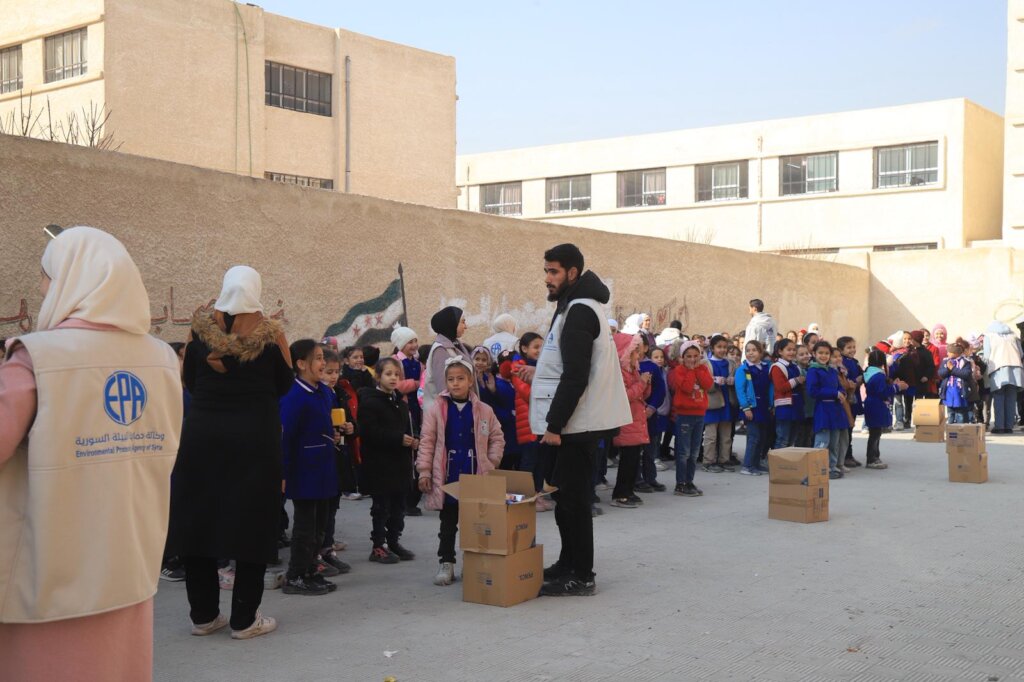
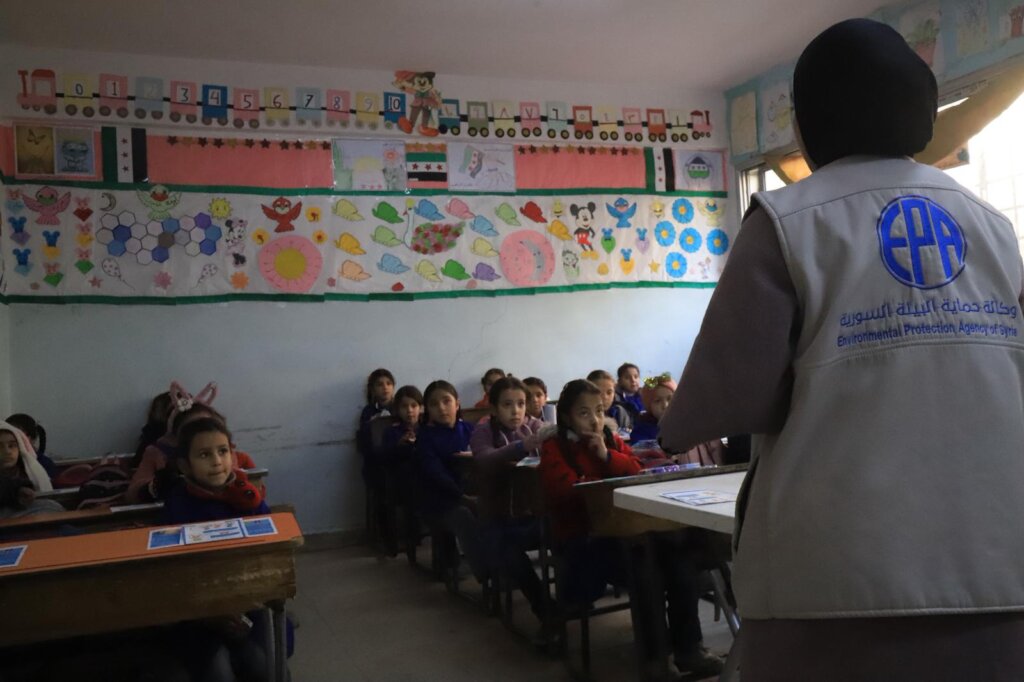
The Integrated Community-Based Health and Psychosocial Support Project was implemented to address critical gaps in access to health and psychosocial services among vulnerable populations affected by the protracted crisis in Syria. Years of conflict, displacement, and economic hardship have significantly reduced access to healthcare and psychosocial support, particularly for internally displaced persons (IDPs), women, children, older persons, and other vulnerable groups.
Through an integrated, community-based approach, the project provided essential health and psychosocial support services while generating practical learning to strengthen future interventions. The project successfully improved access to community-based services, increased awareness of health and wellbeing issues, enhanced referral pathways, and strengthened community engagement in addressing health and psychosocial needs.
2. Project Background
Communities across Syria continue to face substantial challenges in accessing quality health and psychosocial support services. The prolonged humanitarian crisis has negatively affected physical health, mental wellbeing, and social cohesion, particularly among vulnerable groups.
In response, EPA implemented this project to improve access to integrated health and psychosocial support services through community-level interventions that combine direct service delivery, outreach, awareness-raising, referrals, and evidence generation.
3. Project Objective
Overall Objective
To improve access to essential health and psychosocial support services for vulnerable populations through integrated community-based interventions and evidence-based learning.
Specific Objectives
4. Activities Implemented
Health Service Delivery
Psychosocial Support Services
Community Engagement
Learning and Evidence Generation
5. Key Achievements
The project achieved the following results:
Access to Health Services
Psychosocial Wellbeing
Community Participation
Learning and Adaptation
6. Results and Impact
The project contributed to improving access to essential services for vulnerable populations who face significant barriers to healthcare and psychosocial support.
Community members benefited from services delivered closer to their areas of residence, reducing obstacles related to distance, transportation costs, and limited-service availability. The integration of health and psychosocial support allowed project teams to address multiple needs simultaneously, supporting a more holistic response to community challenges.
The project also strengthened local understanding of health and wellbeing issues while enhancing referral mechanisms for individuals requiring additional support.
7. Beneficiary Feedback
Beneficiary feedback was collected through community consultations, monitoring visits, and satisfaction exercises.
Key findings included:
Illustrative Feedback
“The activities helped us better understand how to care for our families and where to seek support when needed.”
“Access to community-based support has been very important, especially for vulnerable families.”
8. Challenges Encountered
Several challenges affected implementation:
Despite these challenges, project activities were successfully implemented through adaptive management and strong community engagement.
9. Lessons Learned
The project generated several important lessons:
10. Sustainability and Future Programming
EPA will continue building on the results of this project by:
The project experience demonstrates the importance of sustained community-based support models in addressing ongoing health and psychosocial needs in Syria.
11. Conclusion
The Integrated Community-Based Health and Psychosocial Support Project successfully improved access to essential services for vulnerable populations affected by the prolonged crisis in Syria. By combining health support, psychosocial services, community engagement, and evidence generation, the project contributed to improved wellbeing, strengthened resilience, and enhanced the capacity of communities to respond to ongoing challenges.
EPA remains committed to supporting vulnerable populations through integrated, inclusive, and sustainable interventions that promote health, dignity, protection, and resilience.
Project reports on GlobalGiving are posted directly to globalgiving.org by Project Leaders as they are completed, generally every 3-4 months. To protect the integrity of these documents, GlobalGiving does not alter them; therefore you may find some language or formatting issues.
If you donate to this project or have donated to this project, you can receive an email when this project posts a report. You can also subscribe for reports without donating.


Support this important cause by creating a personalized fundraising page.
Start a Fundraiser