By Ayu Ratna | Project Leader
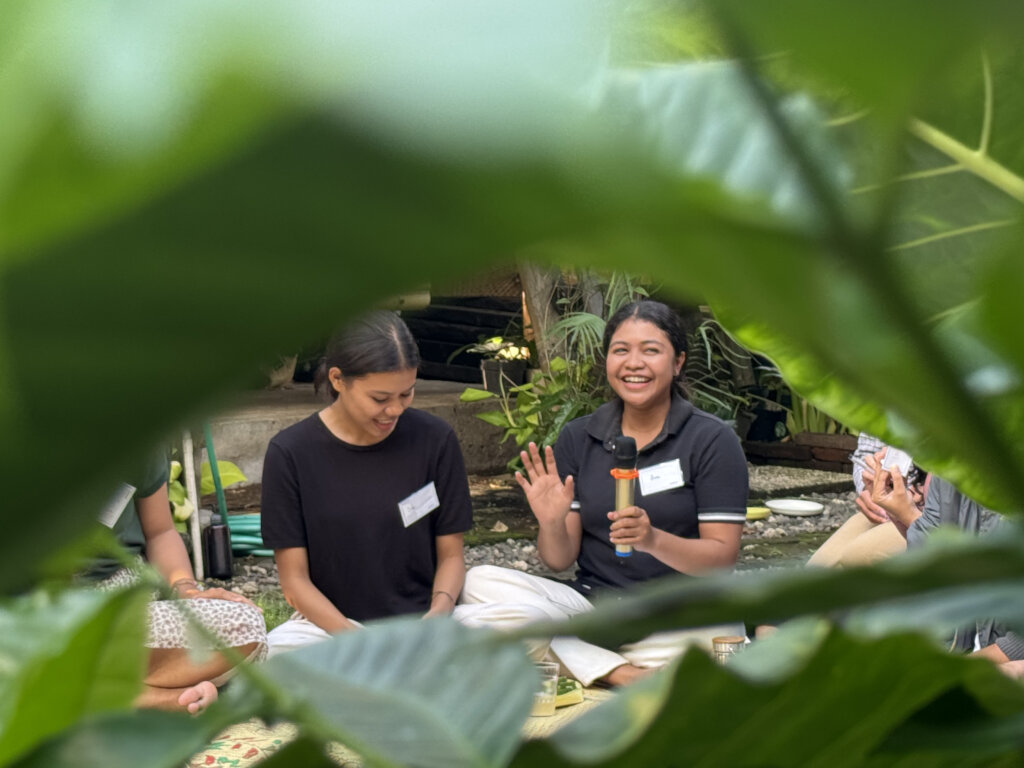
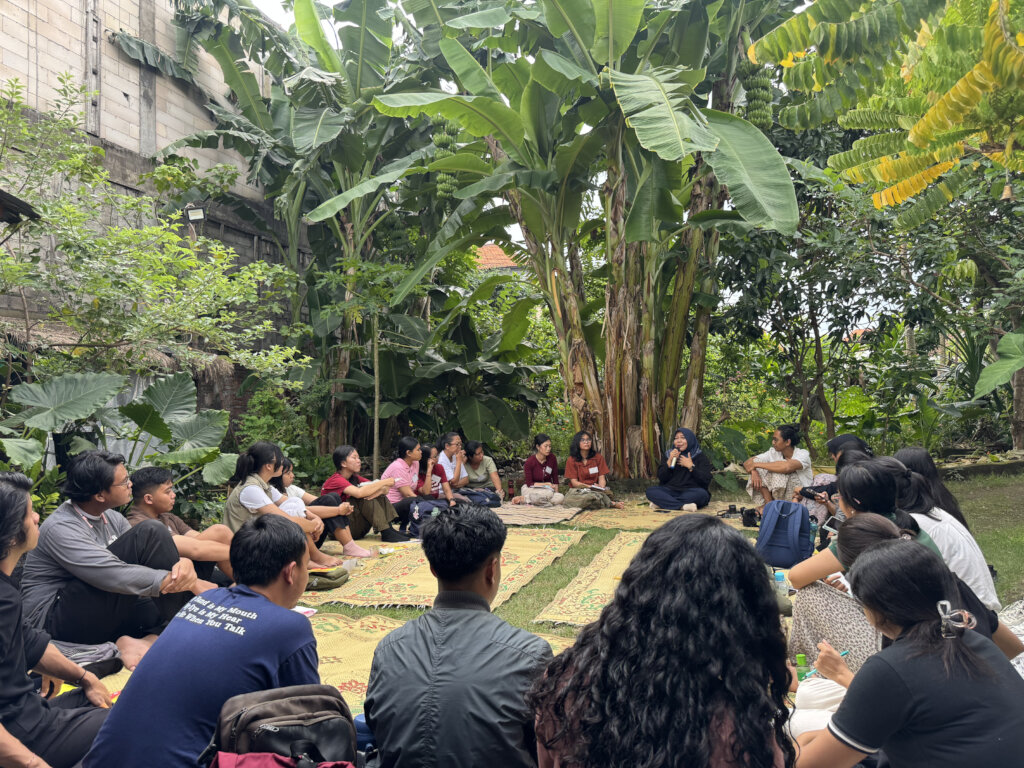
On December 21st, Kisara PKBI Bali gathered young people at Teman Sayur, a small urban garden tucked away in the busy heart of Denpasar. Among the tightly packed buildings and the rush of city life, Kisara invited teenagers to do something rare: to pause. To look back on the year, to breathe deeply, to let feelings settle, and to strengthen one another.The event, titled “A Moment to Pause: Capturing Strength and Building Collective Care for Youth in Times of Disaster”, became a safe space for around 40 teenagers to reflect together.
This pause was born out of a difficult year for Bali. Disaster after disaster left not only physical scars but also psychological ones—especially for young people. Uncertainty, fear, anxiety about the future, and emotional exhaustion are experiences often invisible, yet deeply felt. In such times, pausing is not a luxury, but a necessity.
Teman Sayur was chosen as the gathering place—a garden in the middle of the city offering a calmer, warmer, more alive atmosphere. Participants sat on mats, shared homemade meals prepared from fresh plants, and drank directly from the garden’s harvest. This simplicity created safety and closeness, reminding everyone that caring for ourselves and each other can begin with the most basic acts.
Guiding the session were two facilitators with complementary backgrounds: Anggara, a photographer, and Zahrah, a psychologist. Together, they encouraged participants to see life through a slower, more mindful lens.
Through photography, Anggara showed that a camera is not just a tool for documentation, but a medium for therapy. Each participant was asked to take one photo that represented their strength, then share the story behind it. Photography became a mindfulness exercise—an invitation to be fully present in the moment.
“We often rush to see things, but when we slow down, so much meaning can be captured,” he reminded them. Each photo was not about technical perfection, but about the personal relationship between the photographer and the subject. What draws our attention? Why do we choose a certain angle? What do we feel when pressing the shutter?
This opened a deep space for reflection. Participants realized that what they photographed often mirrored their inner state. Photography became an alternative language to express emotions too difficult to put into words.
Zahrah then deepened the reflection with a psychological perspective. She explained that recording experiences—through writing, images, or memory—is an important part of understanding oneself. Emotions, she emphasized, are not to be erased or suppressed. Each emotion carries a function and a message.
“Emotions cannot be deleted, but they can be validated and felt,” she said. By learning to sort through what they experience and feel, teenagers build the ability to recognize themselves and care for their mental health. Reflection helps them see that fear, anxiety, sadness, or fatigue are human responses—especially in times of disaster and uncertainty.
Beyond individual reflection, the event highlighted the importance of collective care—care practiced together. In crisis, collective strength becomes a vital support. By sharing stories, listening, and being present without judgment, participants felt they were not alone.
As the year drew to a close, this moment became a gentle reminder: in the midst of productivity demands and city chaos, we are allowed to pause. That stepping into a small garden between tall buildings can be a quiet act of resistance against collective exhaustion. That strength does not always come from moving fast, but from the courage to slow down and feel.
Kisara PKBI Bali believes that the struggle for humanity and youth rights is a long journey—sometimes tiring, sometimes frustrating. Yet by coming together, sharing space and stories, we can create collective strength. Collective care becomes a safe place to recognize vulnerability, weakness, and also the power we hold.
As the year ends, we celebrate resilience. Tomorrow, we begin again. Happy New Year 2026!
Project reports on GlobalGiving are posted directly to globalgiving.org by Project Leaders as they are completed, generally every 3-4 months. To protect the integrity of these documents, GlobalGiving does not alter them; therefore you may find some language or formatting issues.
If you donate to this project or have donated to this project, you can receive an email when this project posts a report. You can also subscribe for reports without donating.



Support this important cause by creating a personalized fundraising page.
Start a Fundraiser