By Mayanja Abudurazake | Project Leader
Introduction
Following our previous report, "From Awareness to Early Action: Strengthening Community Participation," this update reflects the current status of the Green Is Gold Project.
The previous reporting period demonstrated encouraging progress in community awareness, increased household engagement, growing youth participation, and stronger collaboration with local leaders. These achievements established a solid foundation for advancing practical waste management initiatives.
During the current reporting period, however, the project has experienced limited operational progress due to financial and logistical constraints. As a result, many of the planned implementation activities have been temporarily postponed. Despite these challenges, African Soul Initiative remains committed to the project's long-term vision and continues to preserve the relationships, knowledge, and community interest developed through earlier engagements.
Current Project Status
The Green Is Gold Project remains in an active planning and resource mobilization phase.
No large-scale field activities, demonstrations, or infrastructure developments have been implemented during this reporting period due to the absence of sufficient funding. Consequently, the project's physical implementation has remained at the same stage as reported previously.
Nevertheless, the project continues to be recognized as one of African Soul Initiative's priority environmental initiatives, and preparations remain in place for implementation once resources become available.
Activities Undertaken During This Reporting Period1. Continued Stakeholder Engagement
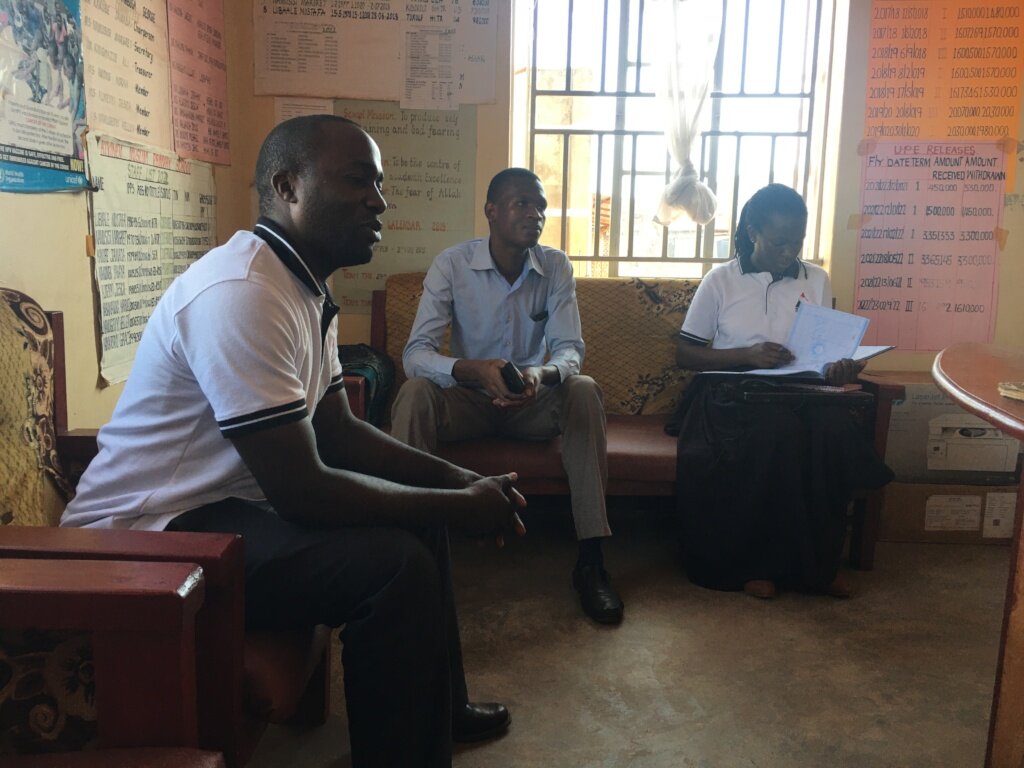
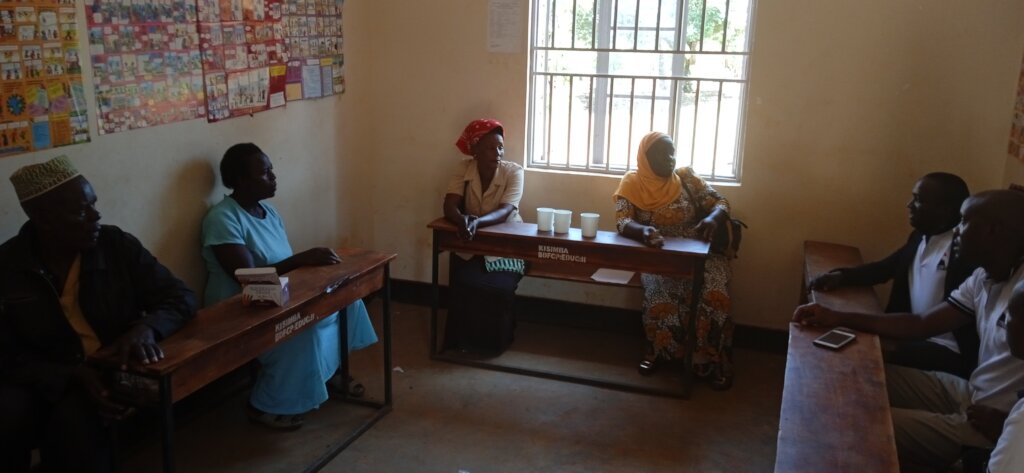
Although community mobilization activities were limited, communication with local leaders and community representatives was maintained to ensure continued awareness of the project's objectives and future direction.
These engagements have helped preserve community confidence in the initiative while reinforcing the importance of responsible waste management.
2. Resource Mobilization Efforts
The project team continued exploring opportunities for partnerships and financial support from development partners, environmental organizations, corporate institutions, and individual well-wishers.
Efforts remain focused on securing the resources required to move the project from awareness to practical implementation.
3. Project Planning and Documentation
Existing project plans, educational materials, and implementation strategies were reviewed and updated where necessary to ensure they remain relevant and ready for immediate use once funding is secured.
The team also continued documenting lessons learned from previous community engagements to strengthen future implementation.
Challenges Encountered1. Limited Financial Resources
The absence of adequate funding remains the project's greatest challenge.
Insufficient financial resources have delayed activities including:
2. Delayed Practical Demonstrations
While awareness levels remain encouraging, practical demonstrations that would reinforce behavioural change have not yet been implemented.
This presents a risk of reduced community momentum if implementation delays continue for an extended period.
3. Logistical Constraints
The project continues to require equipment, educational materials, transport, and operational support necessary for regular community engagement activities.
Opportunities Ahead
Despite current limitations, several opportunities remain promising:
These opportunities provide a strong foundation for restarting project activities once resources become available.
Next Phase Priorities
Upon securing funding, African Soul Initiative intends to prioritize the following activities:
Project Outlook
Although implementation has slowed during this reporting period, the long-term vision of the Green Is Gold Project remains unchanged.
African Soul Initiative remains committed to promoting environmental stewardship, improving community sanitation, and demonstrating that waste can become a valuable resource when managed responsibly.
The organization is confident that, with renewed financial support and strategic partnerships, the project will transition from community awareness to practical, measurable environmental action.
Message from the Project Leader
"Transforming community behaviour is a gradual process that requires both patience and consistent support. While funding limitations have temporarily slowed our activities, they have not diminished our commitment. The awareness created within our communities remains a valuable asset, and we are prepared to build upon it as soon as resources become available. We remain grateful to every partner and supporter who continues to believe in this vision of turning waste into opportunity."
— Mayanja Abudurazak
Project Leader, Green Is Gold Project
Conclusion
During this reporting period, no significant field implementation activities were undertaken due to financial and logistical constraints. However, African Soul Initiative has continued to safeguard the project's progress through stakeholder engagement, project planning, and ongoing resource mobilization.
The foundation established through previous awareness campaigns remains intact, and the organization is committed to resuming practical implementation as soon as funding is secured.
We extend our sincere appreciation to GlobalGiving, our partners, and all supporters whose continued encouragement keeps this vision alive. Together, we remain committed to building cleaner communities, protecting the environment, and transforming waste into opportunity for future generations.
By Mayanja Abudrazak | Project leader
By Mayanja Abudurazak | Project Leader
Project reports on GlobalGiving are posted directly to globalgiving.org by Project Leaders as they are completed, generally every 3-4 months. To protect the integrity of these documents, GlobalGiving does not alter them; therefore you may find some language or formatting issues.
If you donate to this project or have donated to this project, you can receive an email when this project posts a report. You can also subscribe for reports without donating.



Support this important cause by creating a personalized fundraising page.
Start a Fundraiser