By Robert Kyobe | Project leader
Introduction
We are pleased to present this update on our Green is Gold project, a community-driven initiative aimed at transforming waste management practices into sustainable and income-generating opportunities. This phase of the project focused on waste separation training, stakeholder engagement, and implementing a functional recycling cycle within the community.
Our approach aims not only to improve sanitation and health conditions but also to create economic value from waste through recycling and composting—turning what was once a burden into a community asset.
Community Training and Waste Sorting Campaign
This reporting period witnessed a massive community training exercise focused on educating residents on how to properly separate disposable waste. The training emphasized three core waste categories:
To incentivize participation, a commission-based reward system was introduced, where households that best sorted their waste were recognized and compensated. This approach was well-received and appreciated, especially compared to the previous system, which required residents to pay for garbage collection with no regard to proper waste handling.
Transition to a Recycling-Focused Model
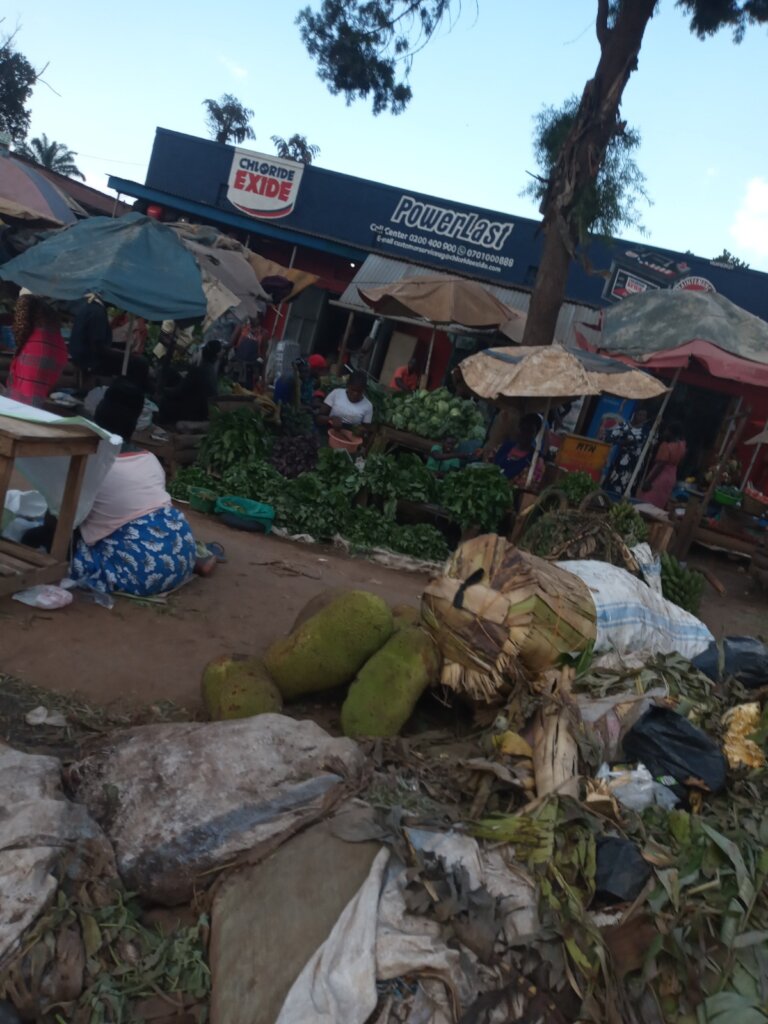
Our initiative marks a shift from the traditional profit-only garbage collection model to a recycling-focused community system. The old system resulted in uncontrolled garbage accumulation, unbearable odors, and dangerous waste slides—such as the tragic incident in Kiteezi, where unmanaged garbage caused fatalities.
Under the Green is Gold model:
This strategy not only protects the environment but also fosters economic empowerment and community ownership.
Waste Management Structure and Flow
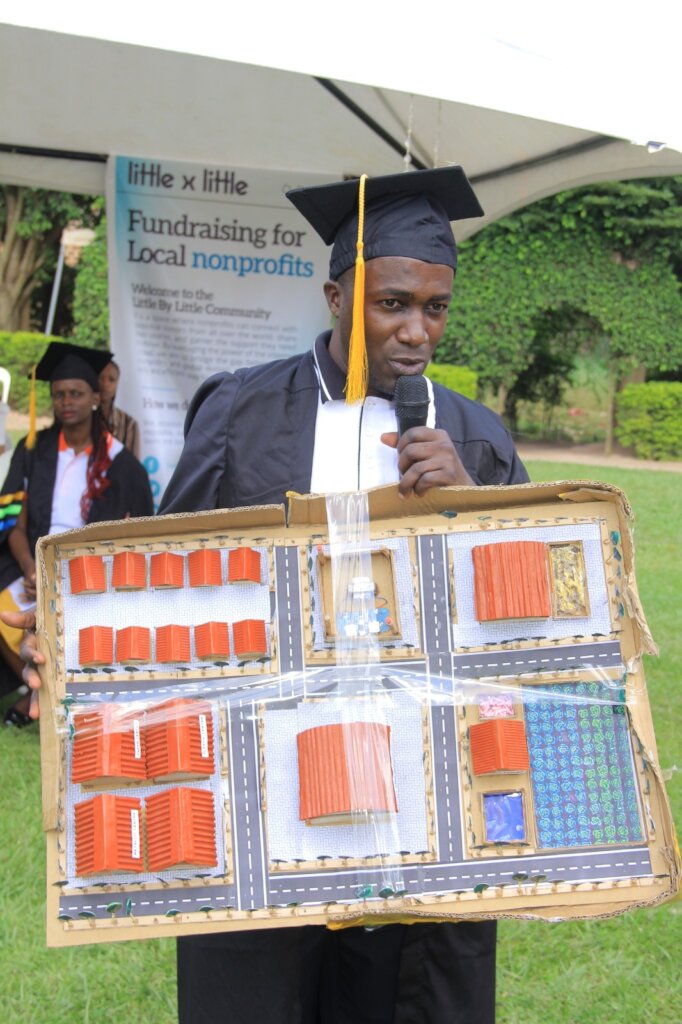
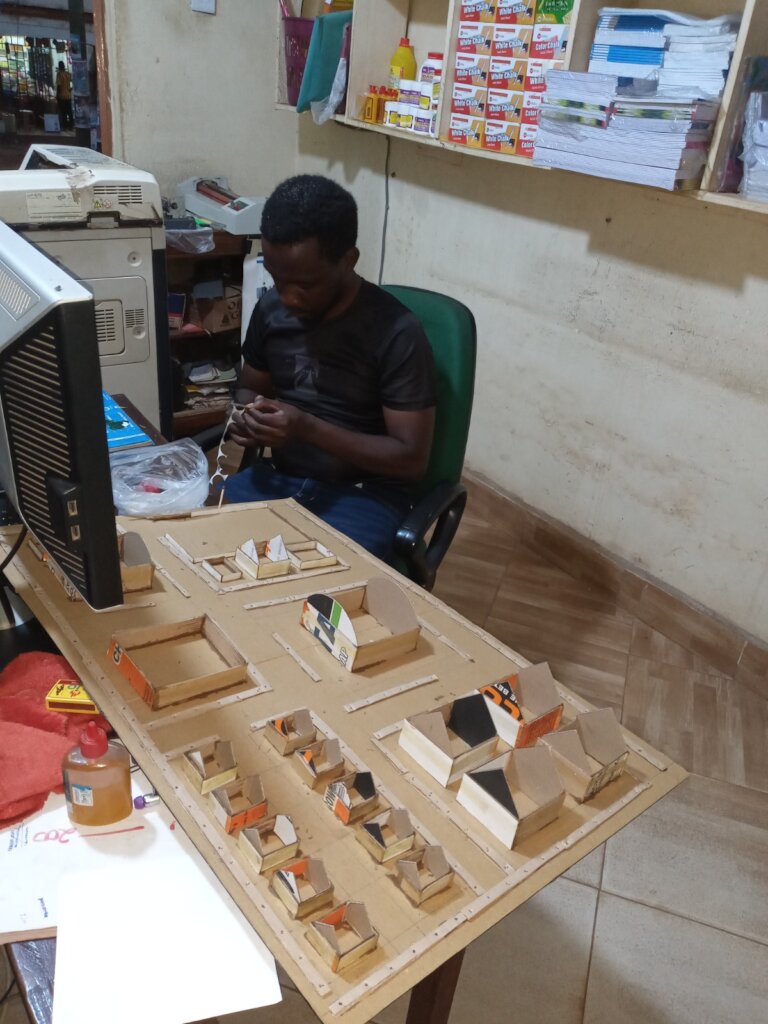
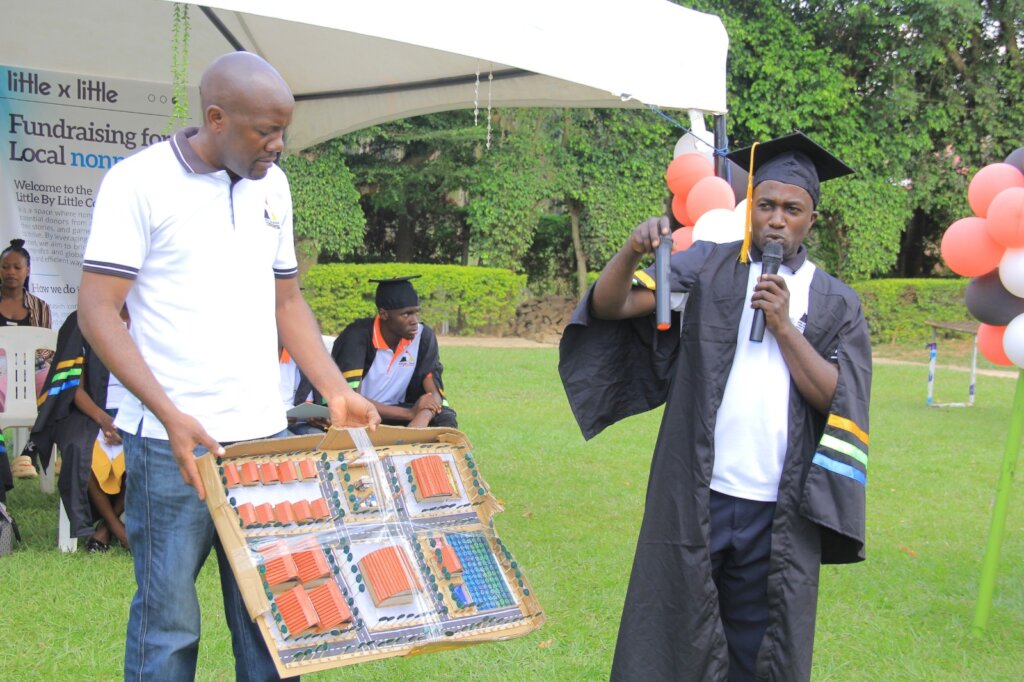
Our environmental team developed a comprehensive structural plan for waste collection and processing, which was shared with stakeholders and the public through visual presentations and practical demonstrations. The plan outlines:
This structure ensures an efficient and transparent cycle, reducing environmental risks and maximizing resource utilization.
Stakeholder Engagement and Community Support
During this phase, significant effort was dedicated to engaging stakeholders, including:
We used interactive sessions and live demonstrations to illustrate the waste cycle, answer questions, and foster buy-in from all community sectors. The feedback has been overwhelmingly positive, with many expressing their readiness to be part of the long-term solution.
Conclusion
The Green is Gold initiative is making tangible progress toward creating a cleaner, healthier, and more economically vibrant community through sustainable waste management practices. Our transition from a collection-centered model to a circular, recycling-based system is gaining momentum and support from the community and partners alike.
We are grateful to GlobalGiving and all our supporters for making this transformation possible. Your contributions are directly impacting lives and setting the foundation for an environmentally sustainable and economically empowered future.
Links:
Project reports on GlobalGiving are posted directly to globalgiving.org by Project Leaders as they are completed, generally every 3-4 months. To protect the integrity of these documents, GlobalGiving does not alter them; therefore you may find some language or formatting issues.
If you donate to this project or have donated to this project, you can receive an email when this project posts a report. You can also subscribe for reports without donating.



Support this important cause by creating a personalized fundraising page.
Start a Fundraiser