By Arpita Panda | Project Contributor
Team Goonj has been working on the menstrual health issues of women working in the tea gardens of Alipurduar district in the north eastern state of West Bengal, for the last one year. They do back bending work for 6-7 hours every day or work on cultivating the land. Sharing here some major menstrual challenges women face in this region.
The tea gardens don’t usually have any facilities for woman to change or dispose off their pads during menstruation. They end up using just one pad through the day which in turn leads health and hygiene issues like itching, infections etc. Most women use cloth during menstruation because they can’t afford buying the market pads and they use it until it is completely torn. Facing many myths and taboos associated with menstruation women here don’t burn their menstrual cloth because they believe doing so would mean that you can’t be a mother. Women are not allowed to touch their husband, or rice and pickle during this time of the month. The shame and silence is so strong women don’t even disclose any menstrual health issues even to their husbands. Even Accredited Social Health Activist (ASHA) and Auxiliary Nursing Midwifery (ANM) workers who are the primary health workers in rural villages, are uncomfortable talking or in engaging on menstrual health dialogue with the women in the community. As a result there’s a lack of information and awareness on this basic.
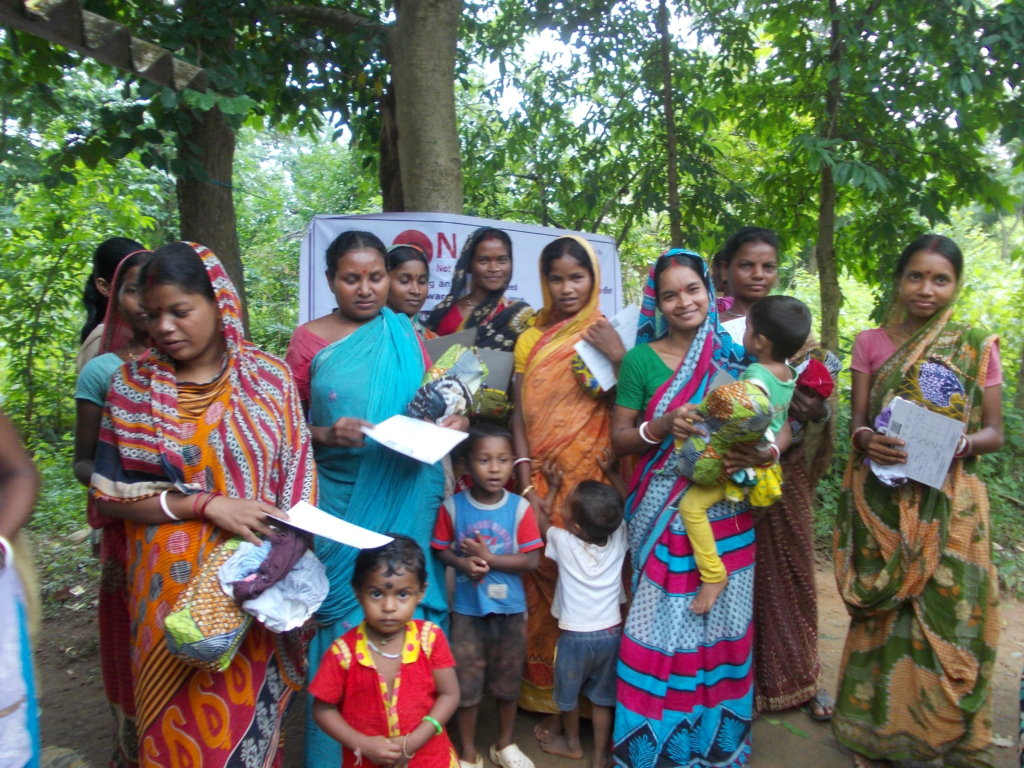
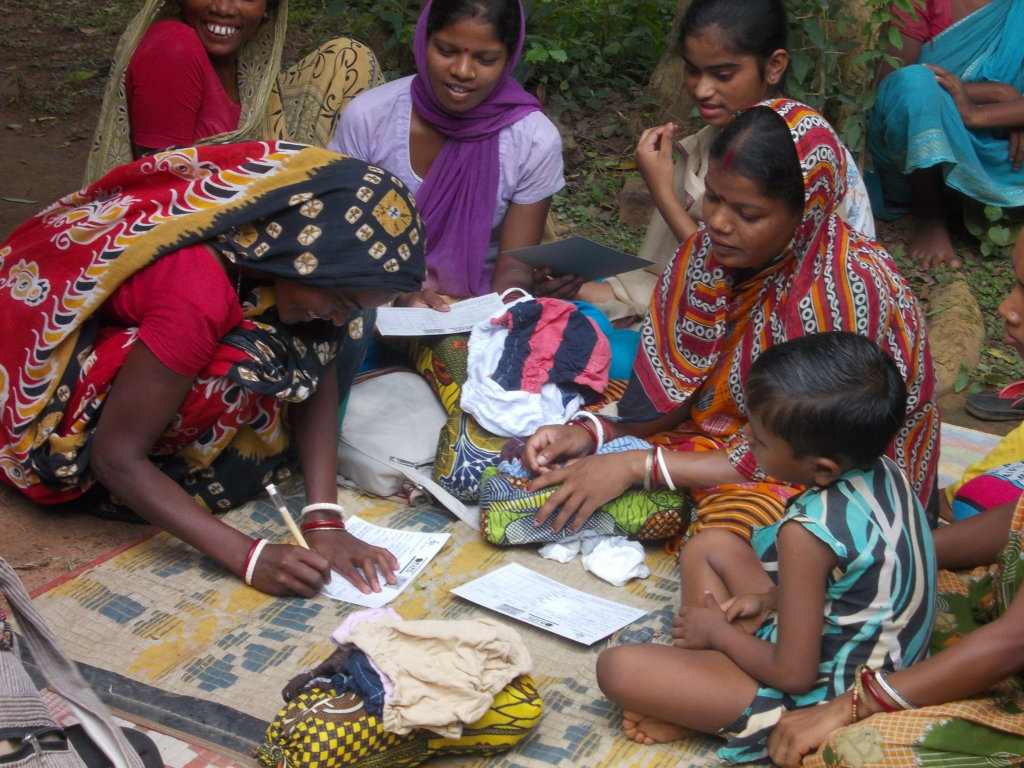
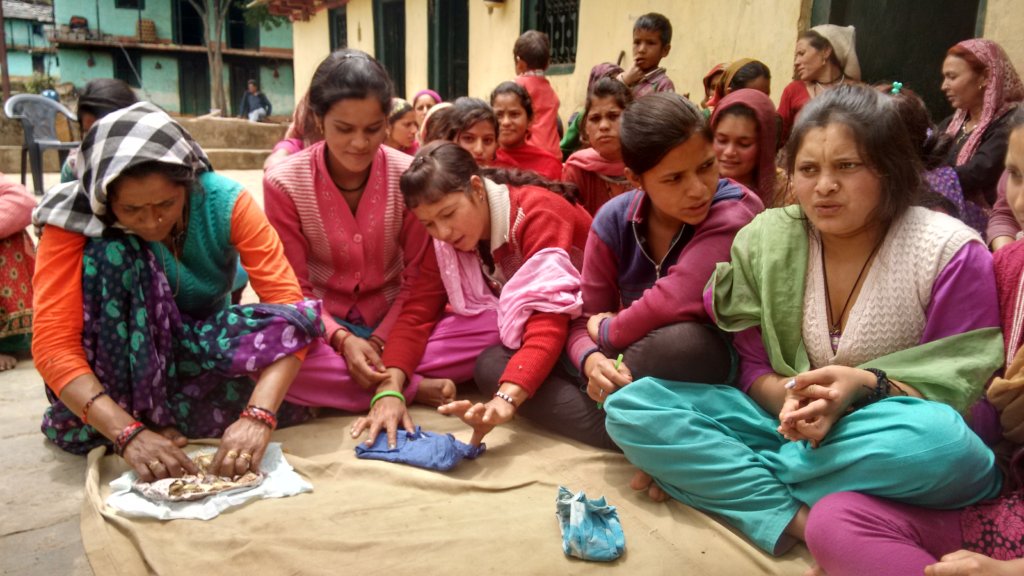
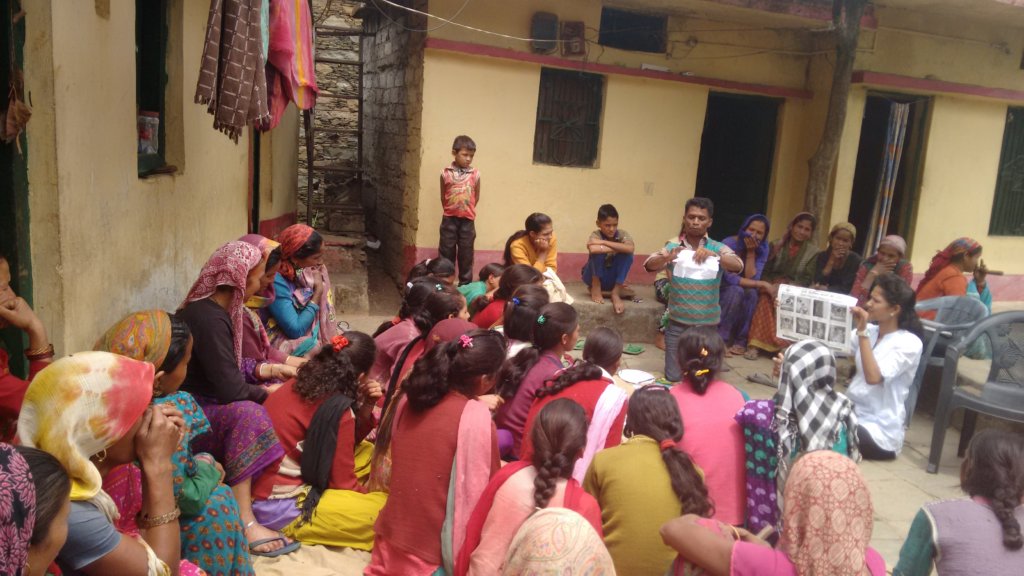
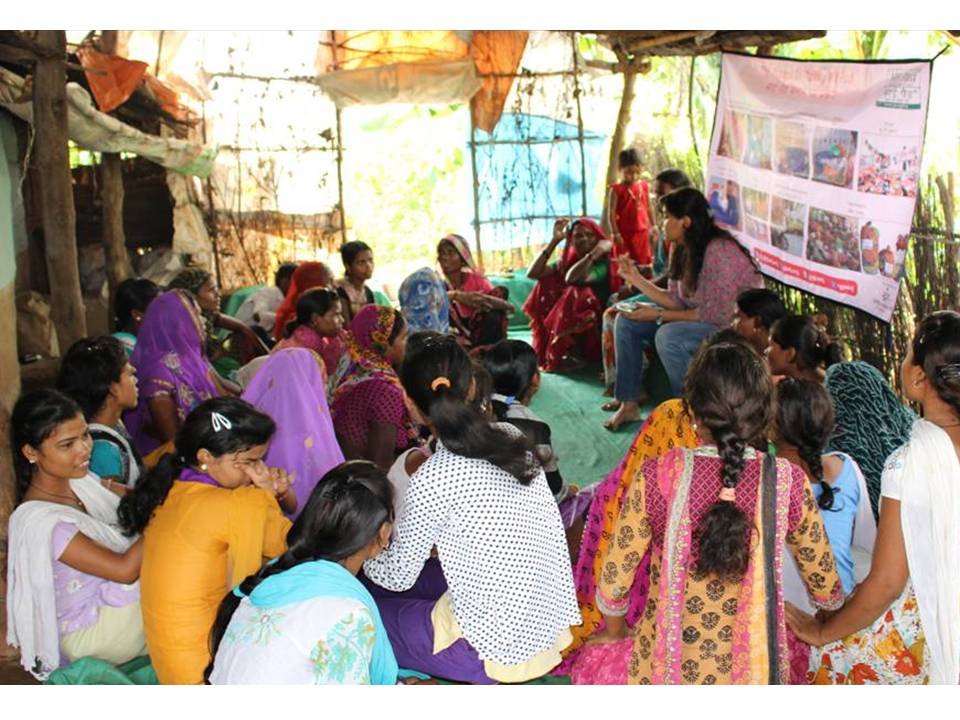
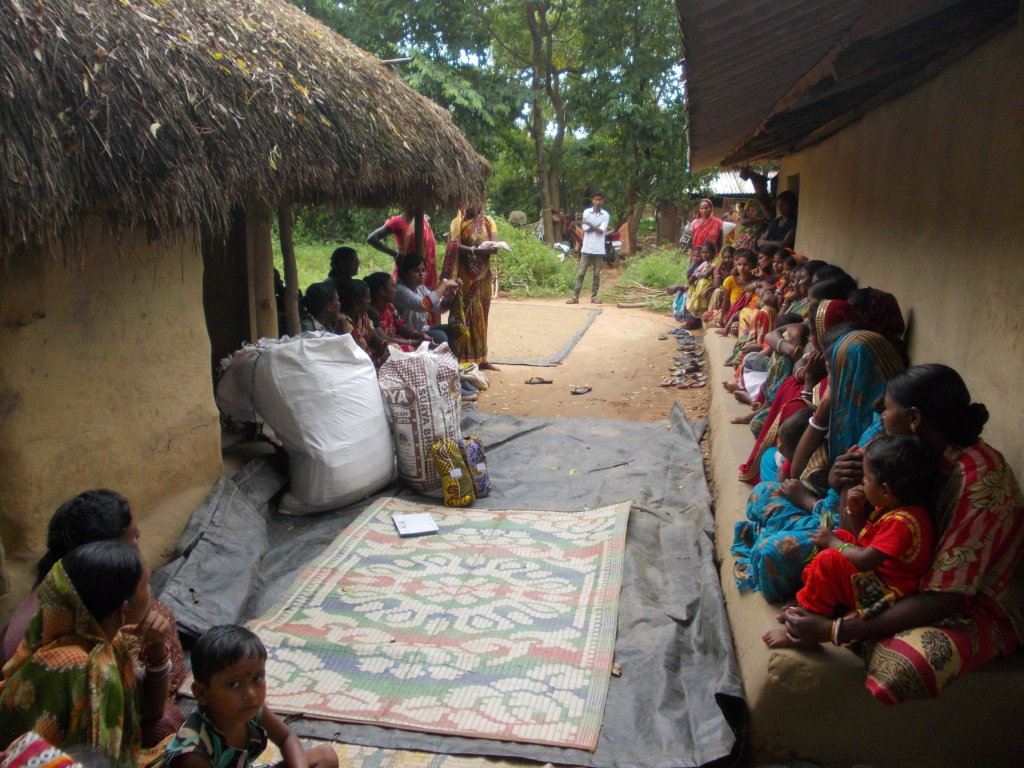
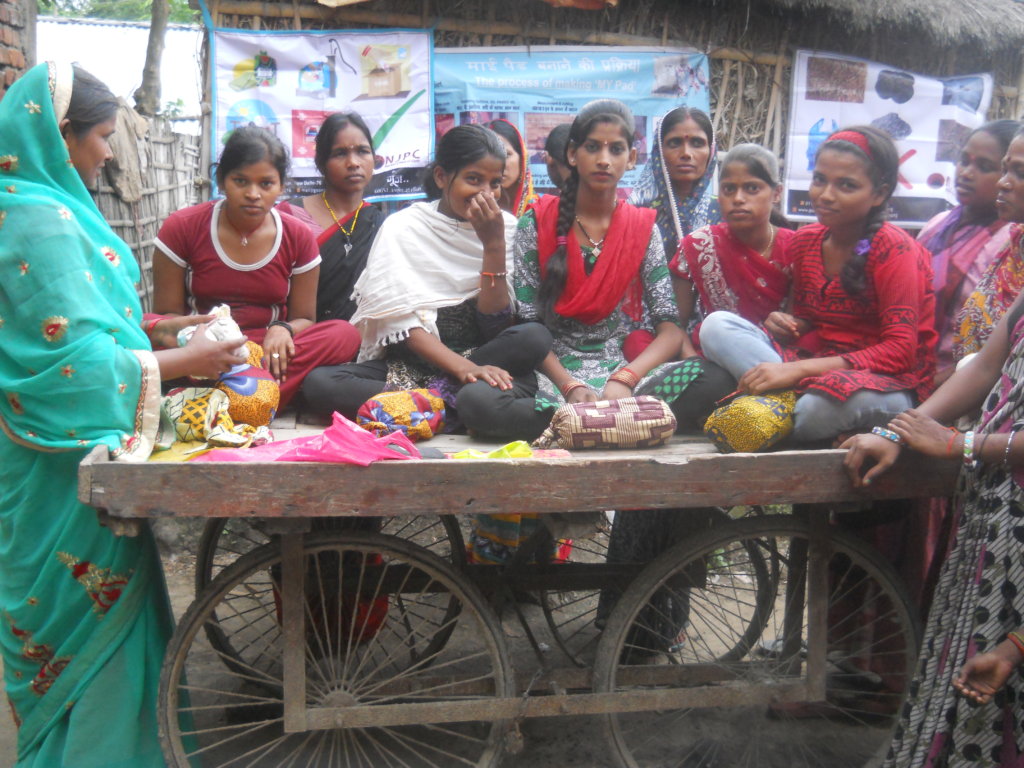
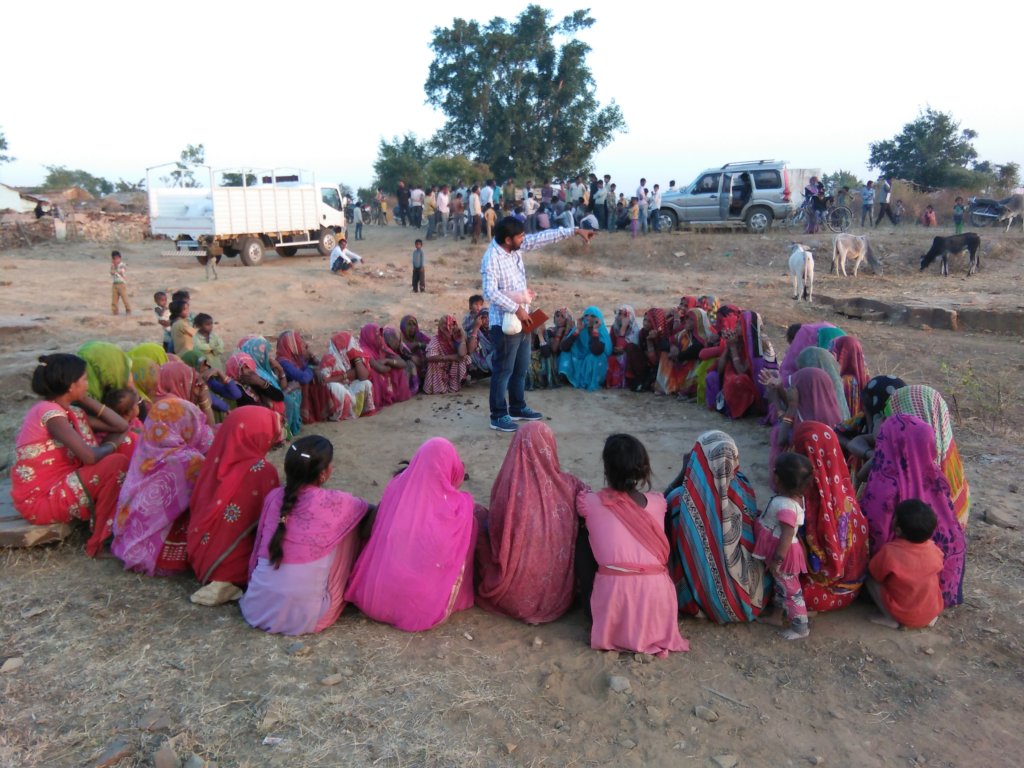
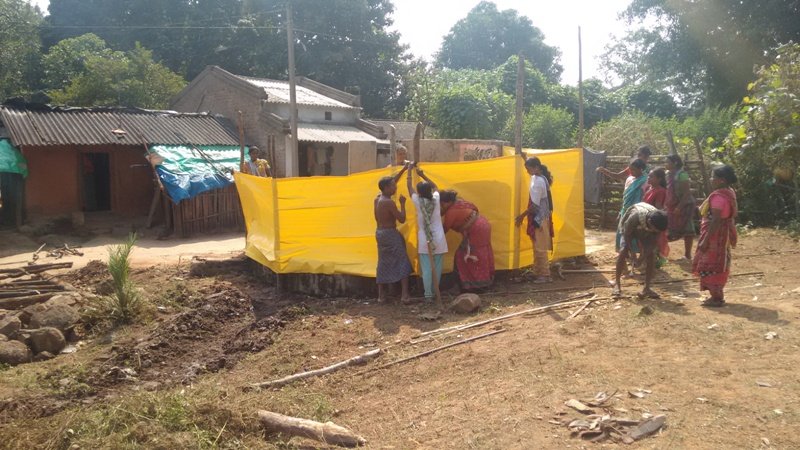
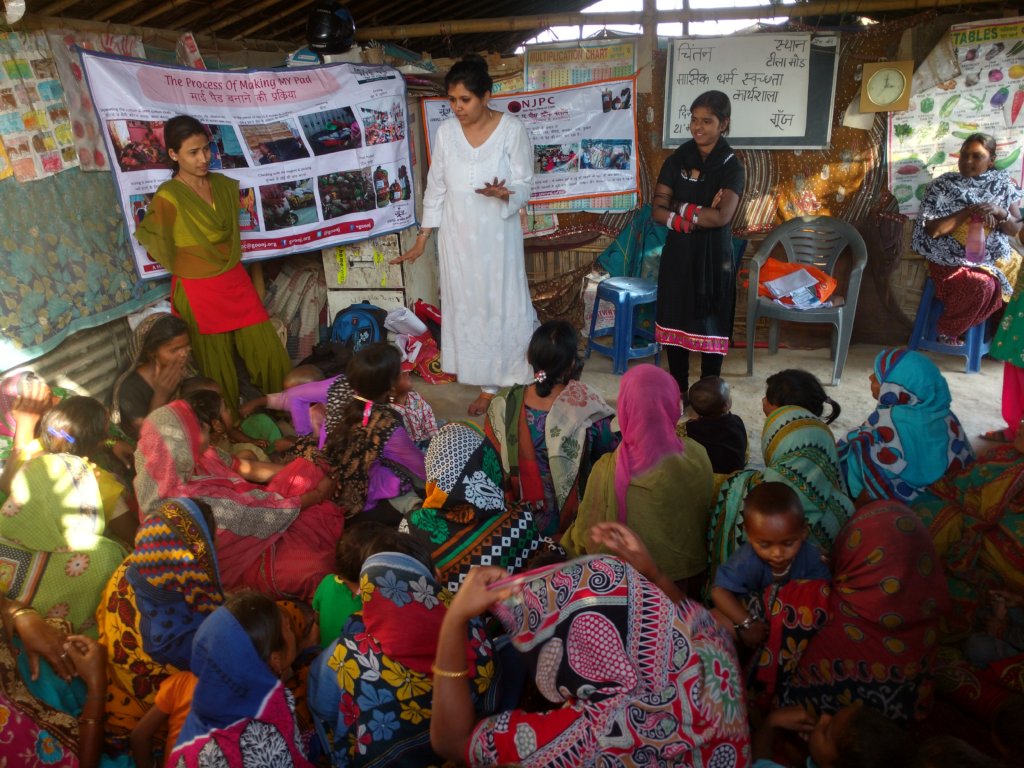
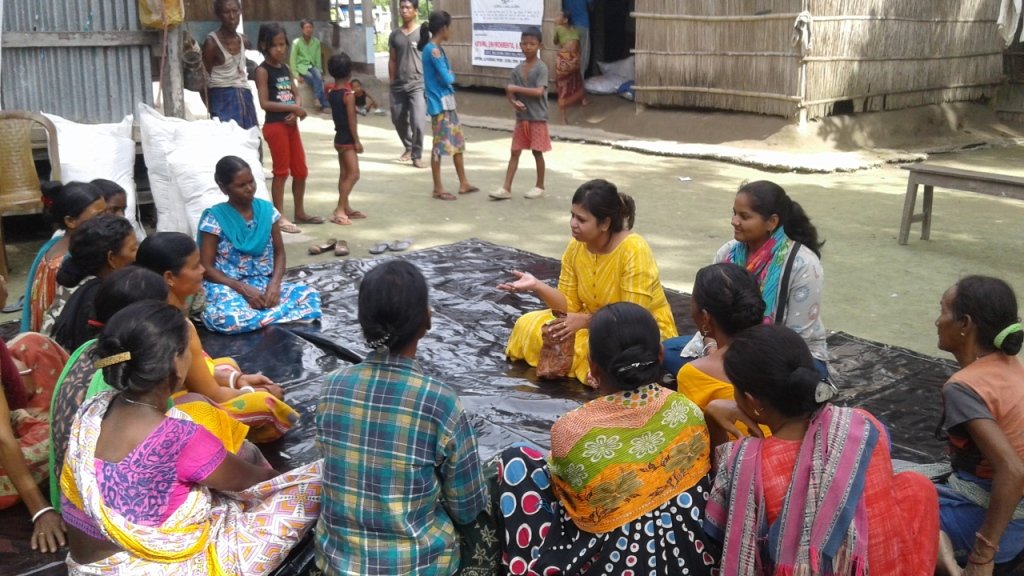
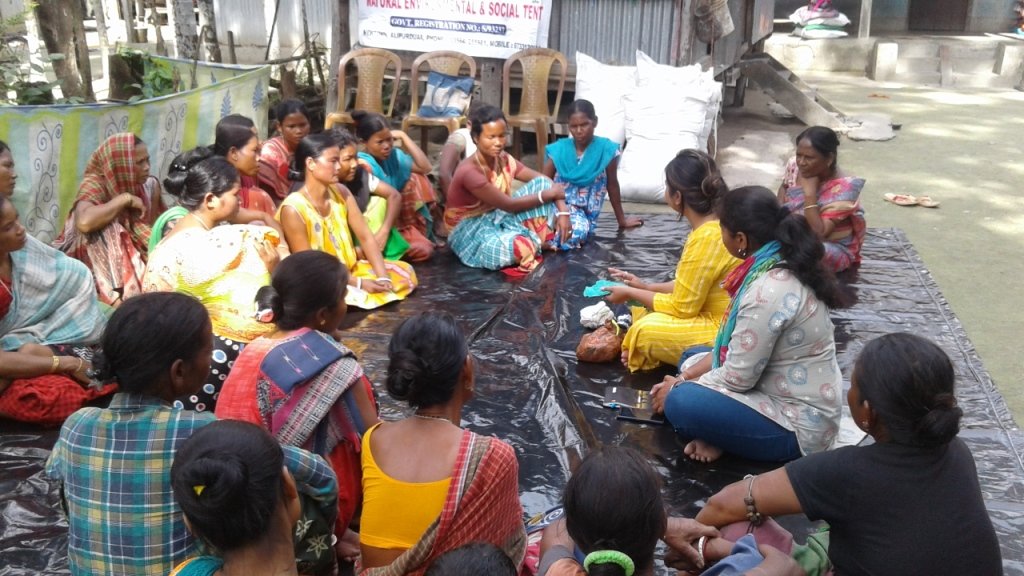
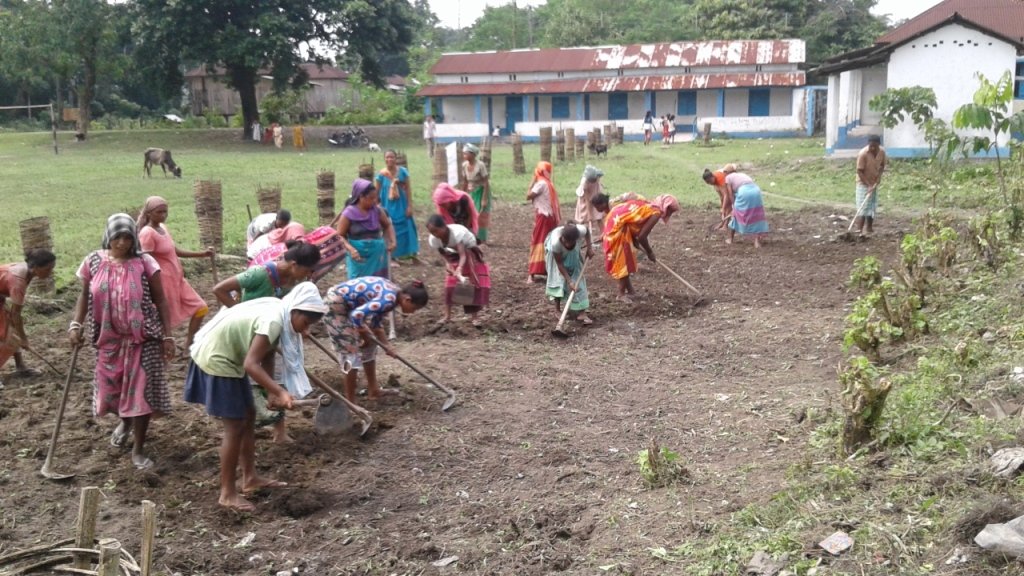
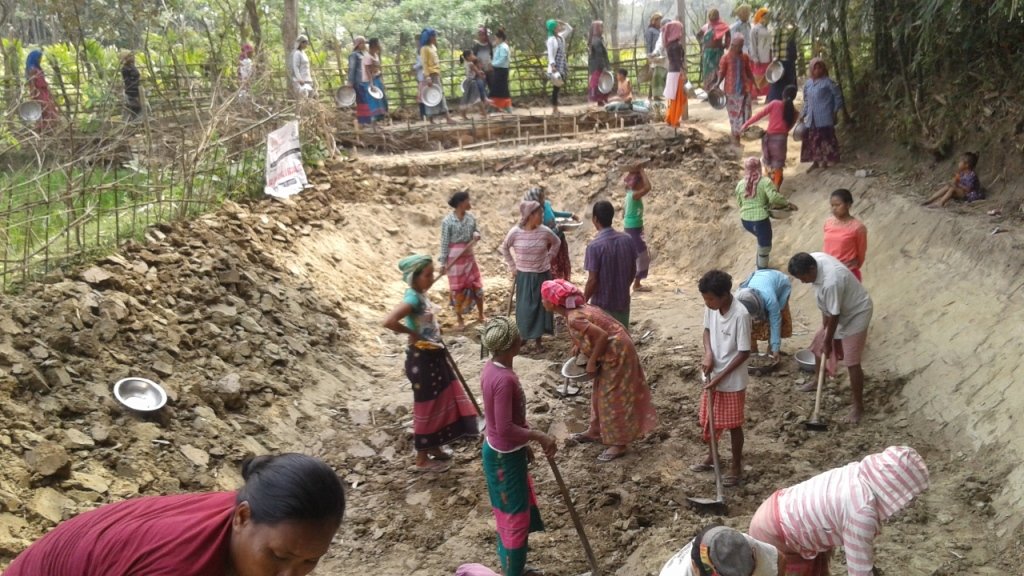
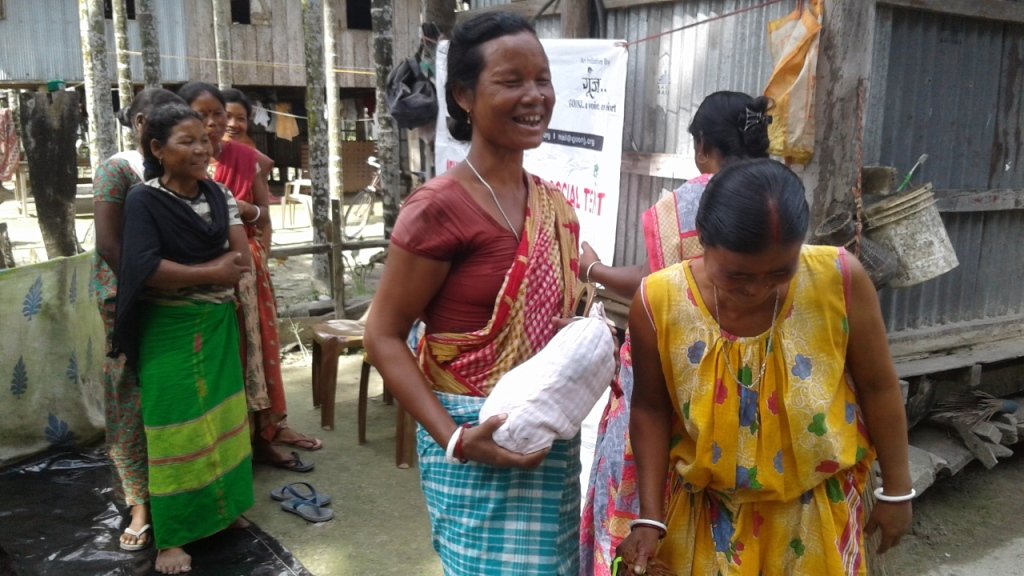
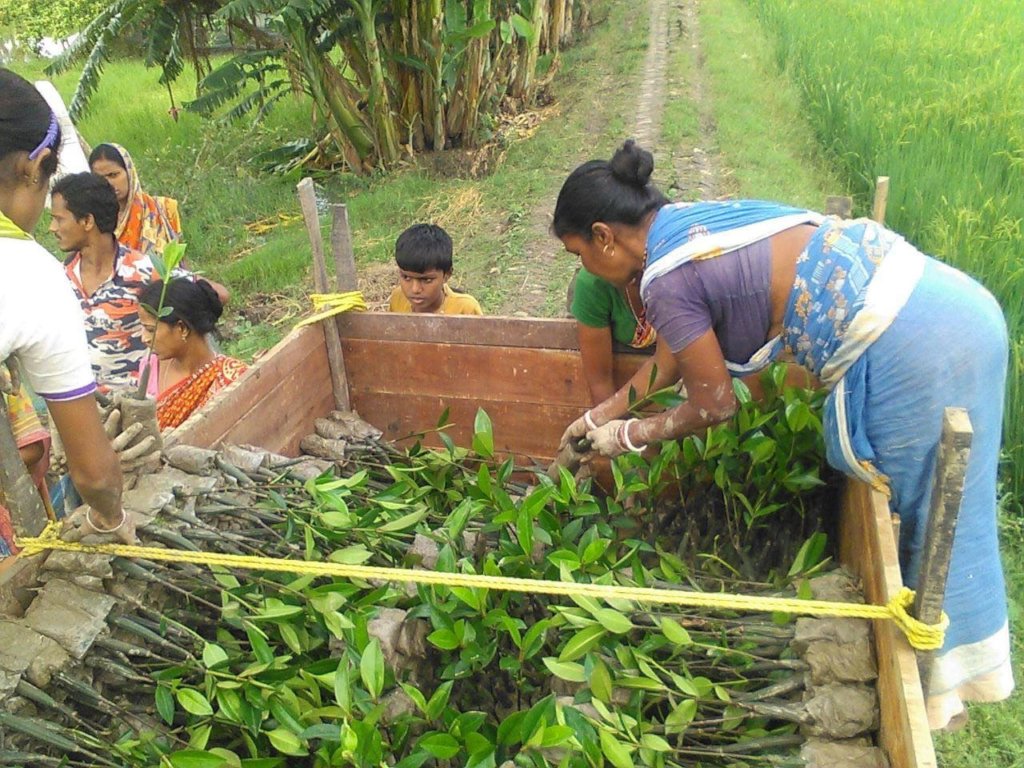
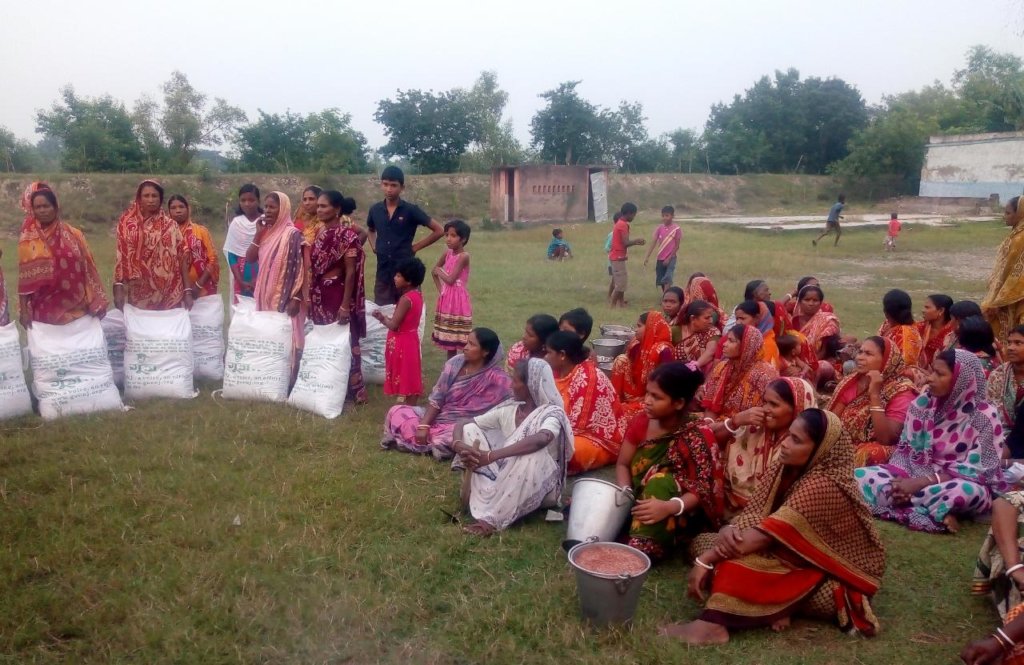
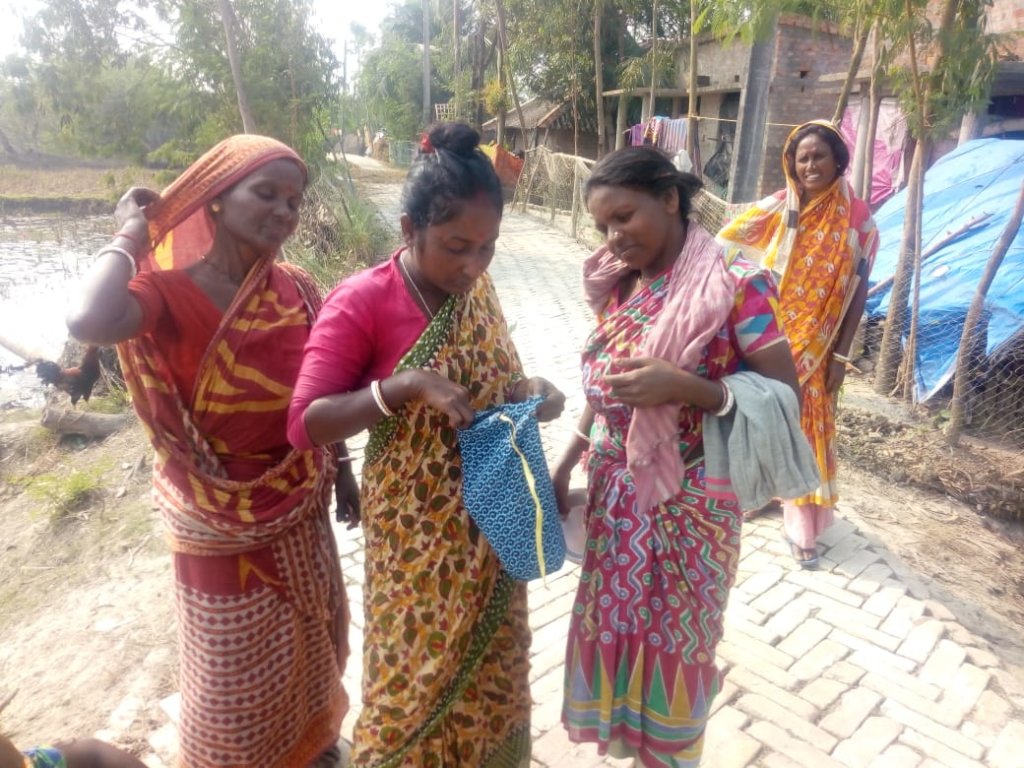
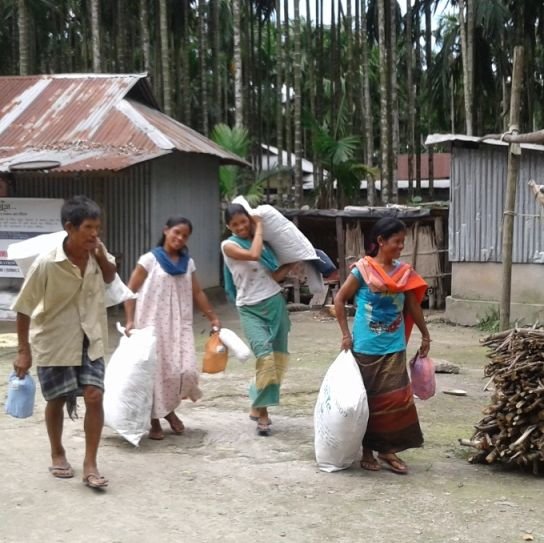
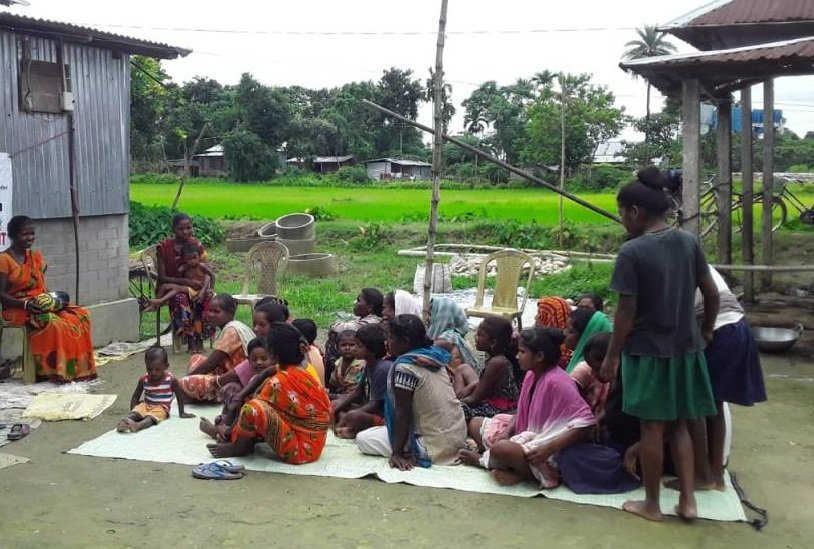
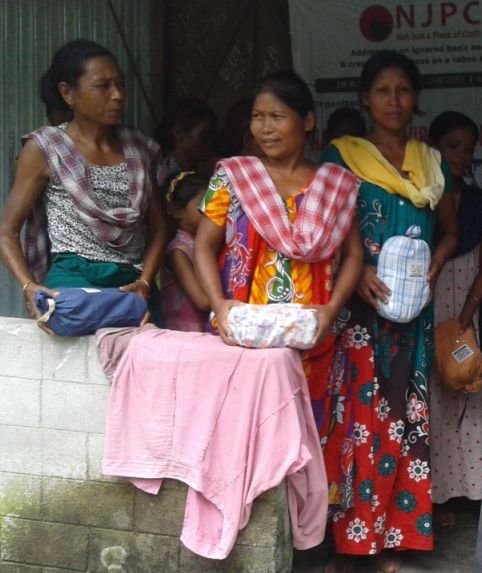
Team Goonj conducted awareness session under its ‘Not Just a Piece of Cloth’ initiative (https://goonj.org/njpc), in Pan Bari, Adadhar, Mandabari, Rajabhatkhawa, Poro Basti, Sadkodali and Foskadanga villages of this area and reached 890 MY Pad Packs (Goonj’s cloth sanitary pads) to the women. Goonj and its local partner organization organization NEST (Natural Environment and Social Tent) is also mobilizing and motivating the villagers here to take up various projects under its ‘Cloth for Work’ initiative (https://goonj.org/cfw/), to bring positive and visible changes in their own health, lifestyle and infrastructure. People have taken up making of community kitchen gardens, pond digging, pond cleaning, etc. where men and women from the communities participated.
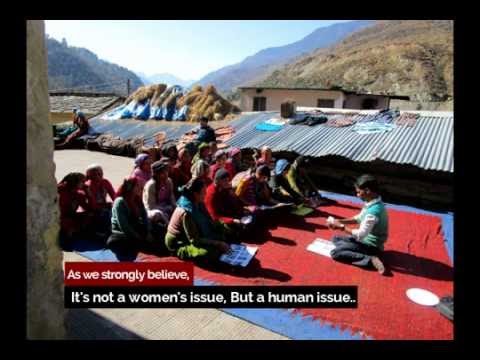
We at Goonj strongly believe that ‘Menstruation is a human issue not a women's issue’ that’s closely connected with availability of water, sanitation, nutrition and access to menstrual products among other aspects. At the end of one year of this intervention we have observed a major difference in the mindset of women here towards menstruation. They are slowly recognizing the superstitions around menstruation and its impacting their health seeking behavior,as they now understand that they should consult a doctor for any health issues. They have learnt hygienic practices around using and disposing cloth pads. Our team and partner organization’s continuous efforts have brought together the village community to take collective action about their health and development.
Moti Sunita Bhagat, one of the tea estate worker women from village Sadkodali said, “During periods earlier we used to stop working but now we change the pad and keep the dirty pad in the pouch in the My-Pad pack. Now we are washing our menstrual cloth with soap and drying it in sunlight. A woman in our village had earlier died because of irregular menstruation but now we have become more conscious about our health and hygiene.”
Links:
By Prachi Jain | Team Goonj
By Chemi Lhmao | Project Contributor
Project reports on GlobalGiving are posted directly to globalgiving.org by Project Leaders as they are completed, generally every 3-4 months. To protect the integrity of these documents, GlobalGiving does not alter them; therefore you may find some language or formatting issues.
If you donate to this project or have donated to this project, you can receive an email when this project posts a report. You can also subscribe for reports without donating.