By Chemi Lhmao | Project Contributor
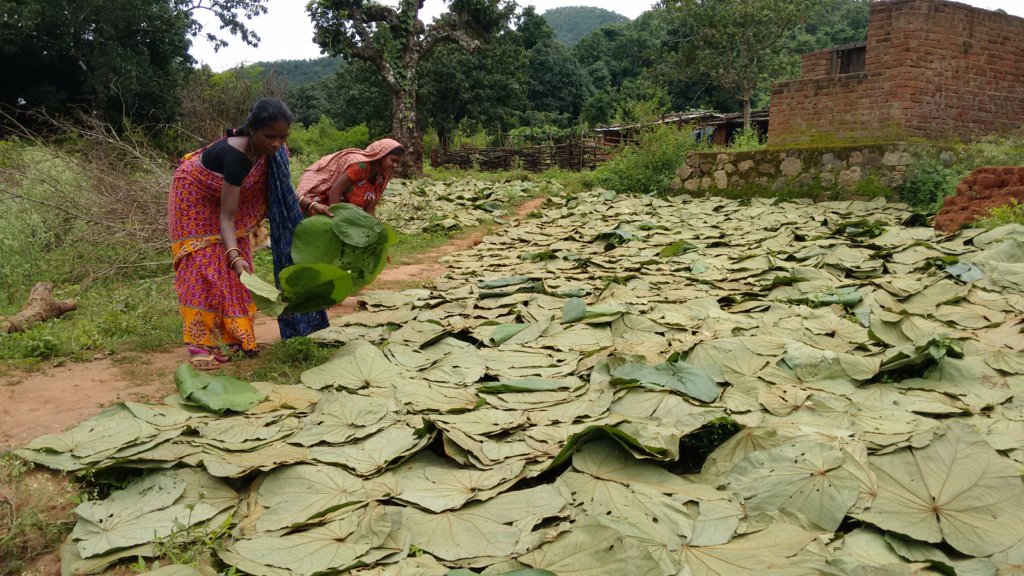
In Sub-Himalayan region of West Bengal’s Alipurduar district, women are the major workforce comprising tea garden estates; they are the primary labour engaged in the process of cultivation and harvesting. While there is huge focus on production, women who toil the whole day, their menstrual hygiene and sanitation take a backseat on most cases. Lack of menstrual health awareness and sanitation implies that women are more susceptible to infections and allergies.
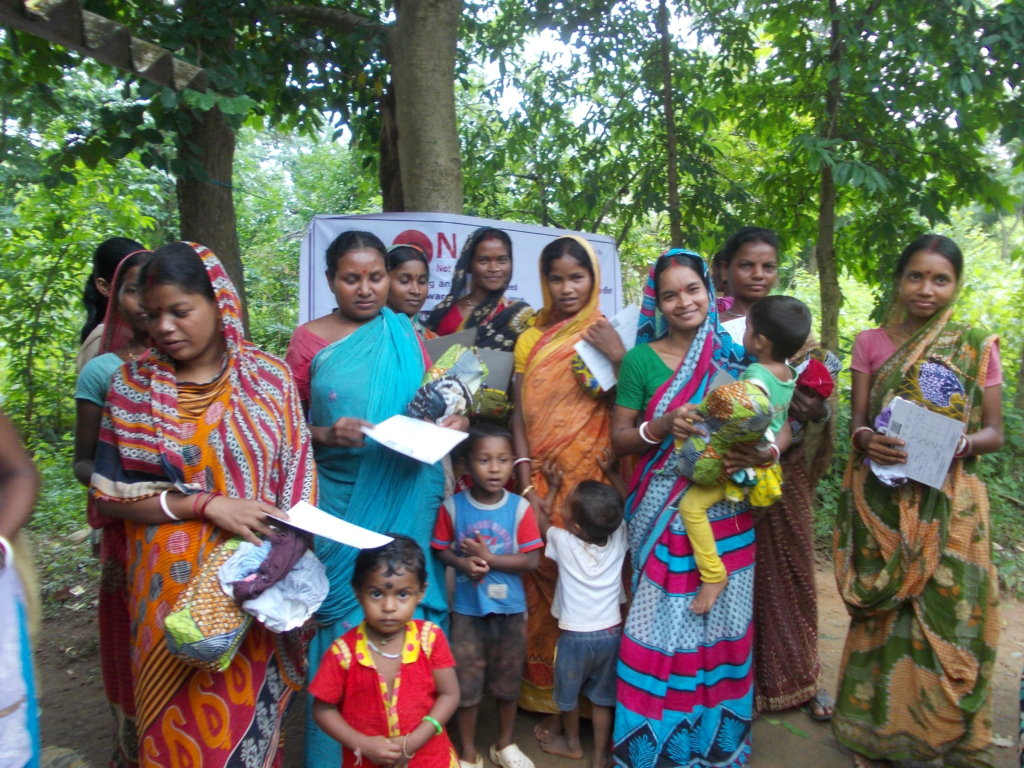
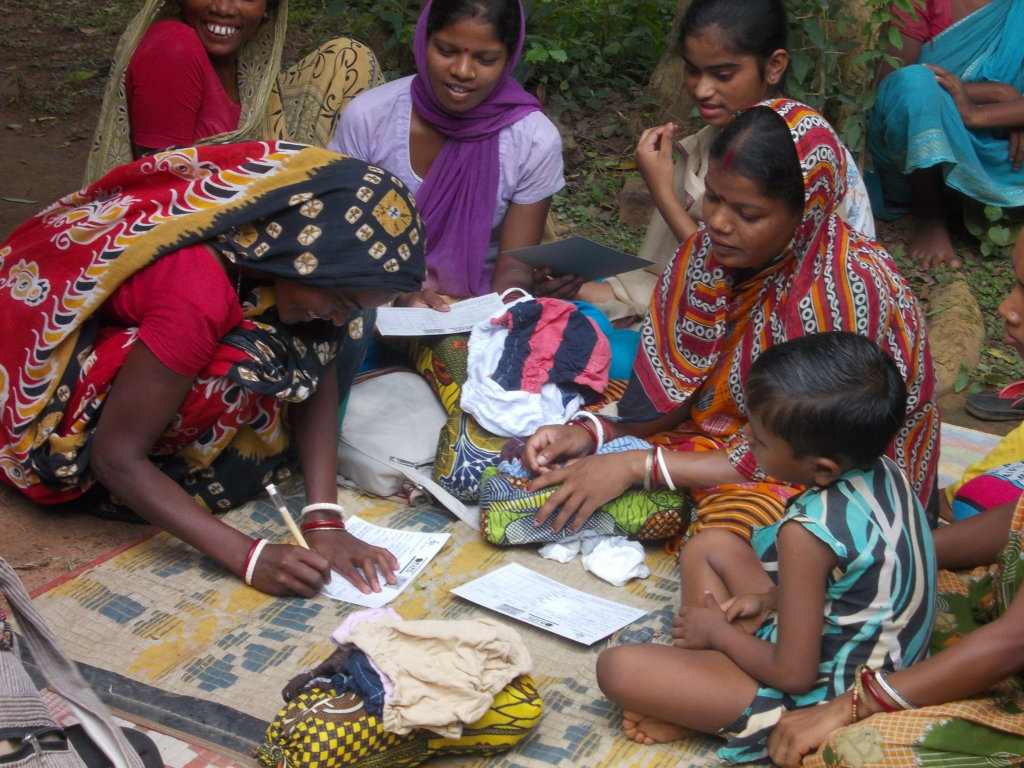
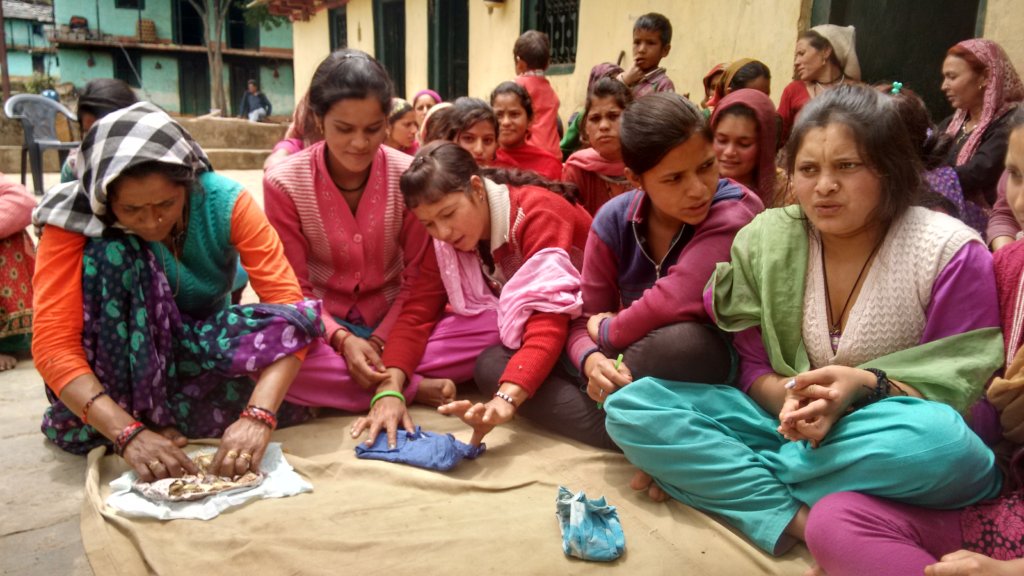
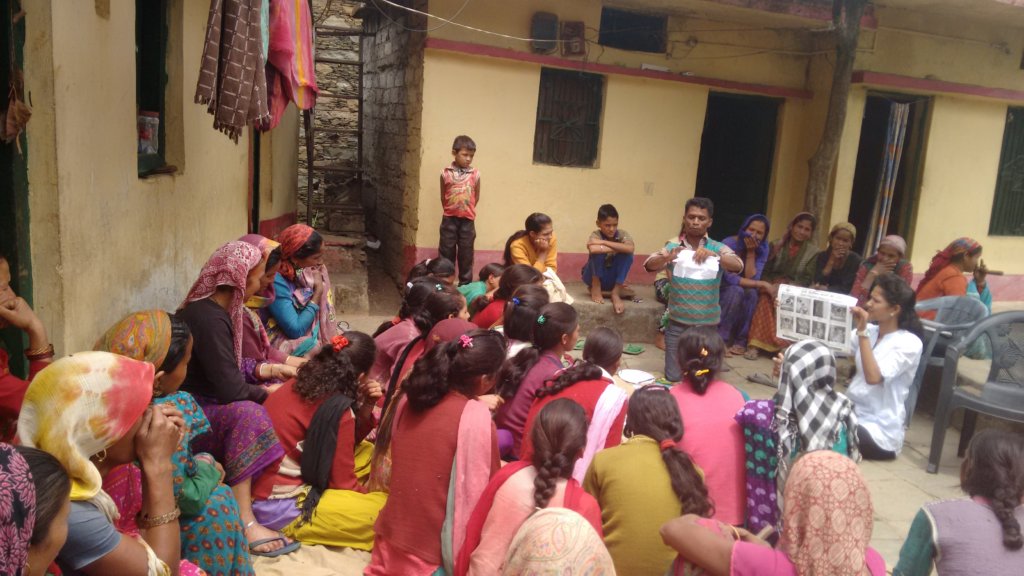
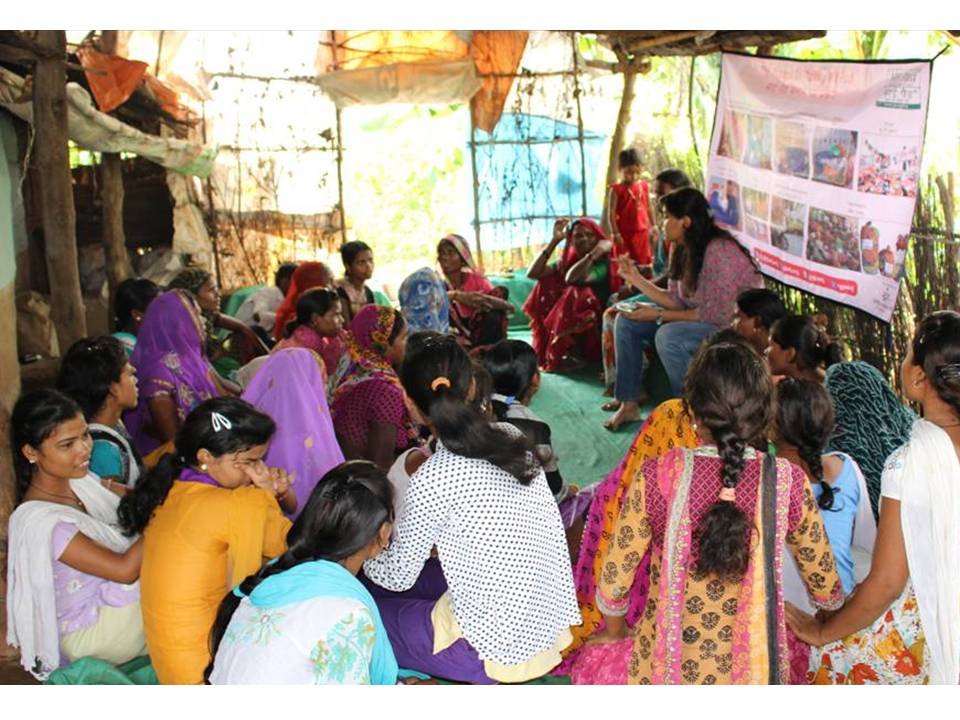
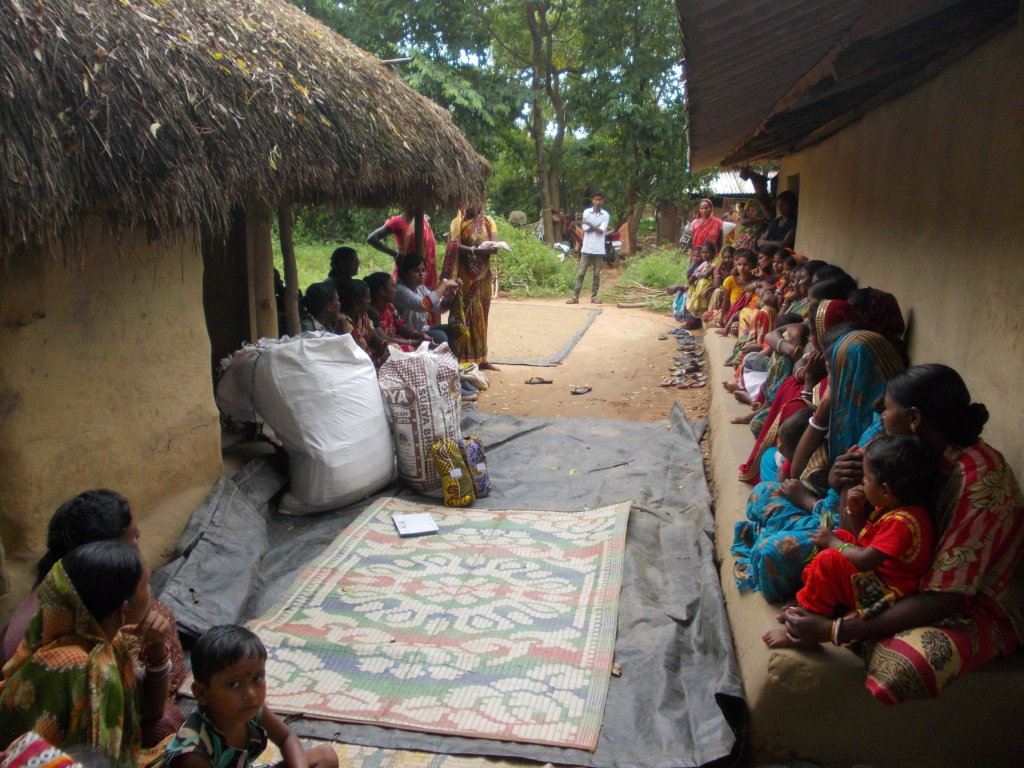
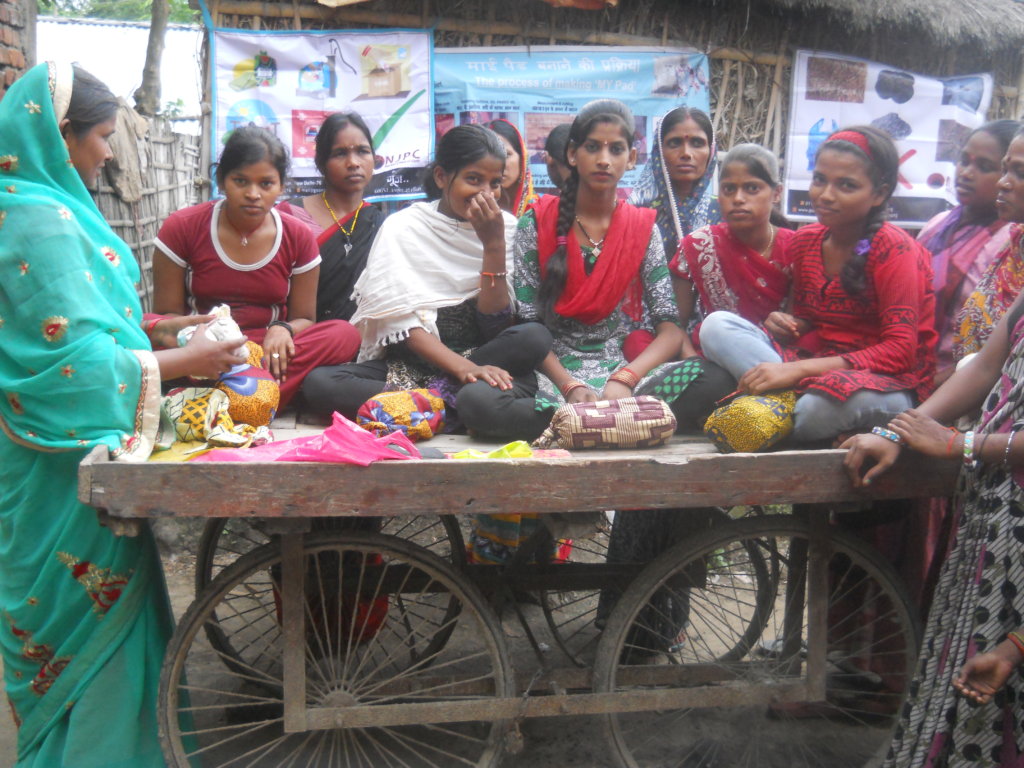
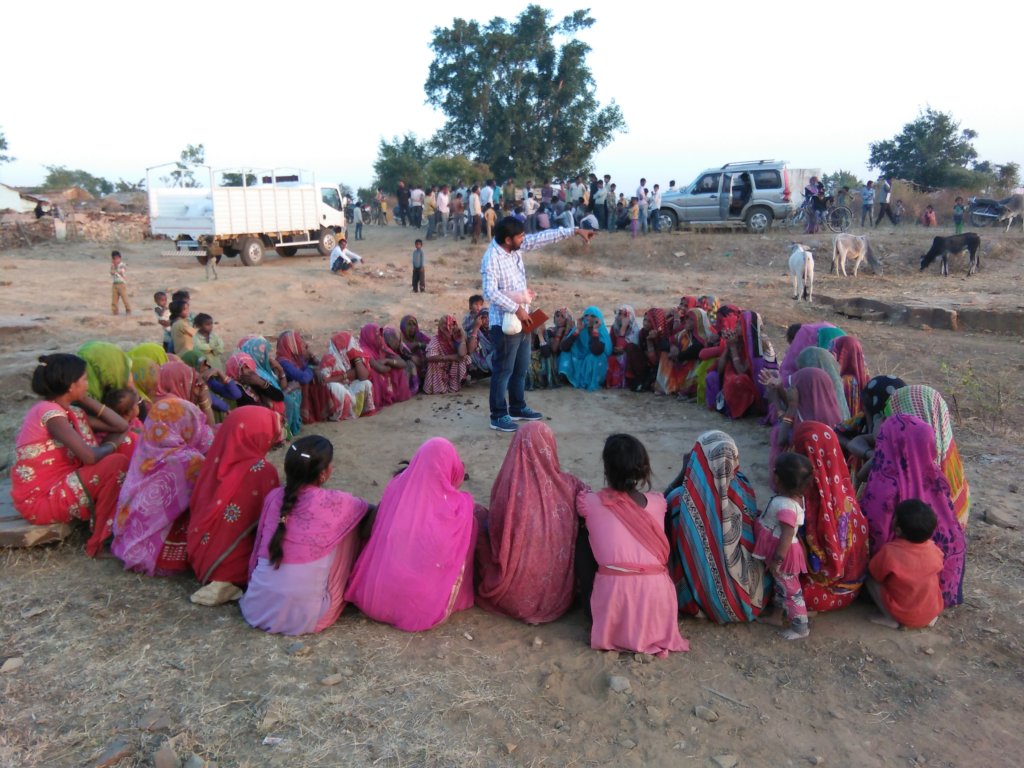
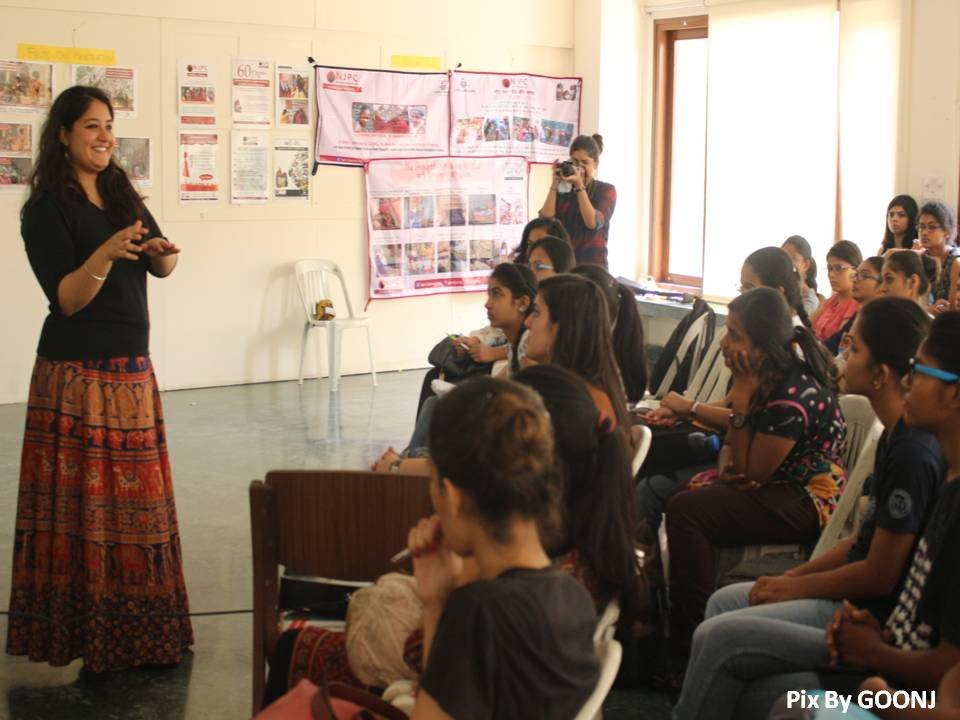
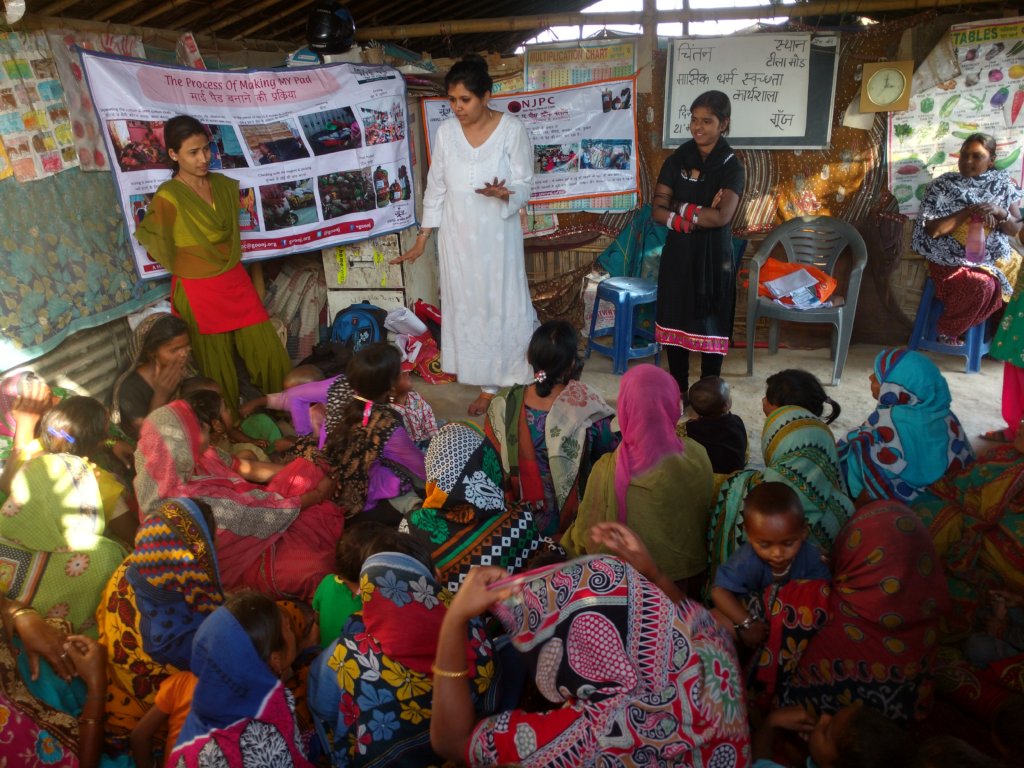
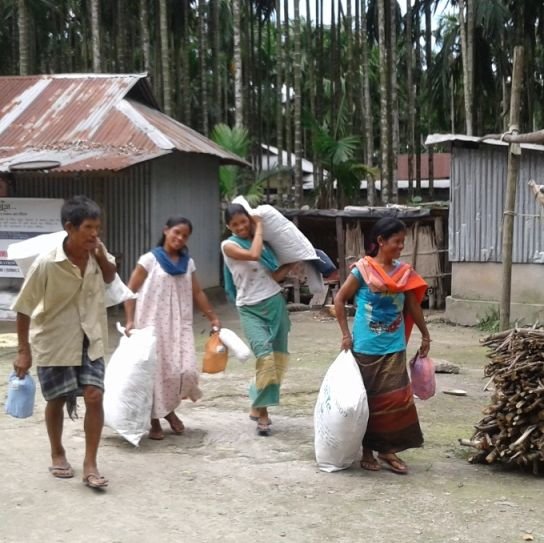
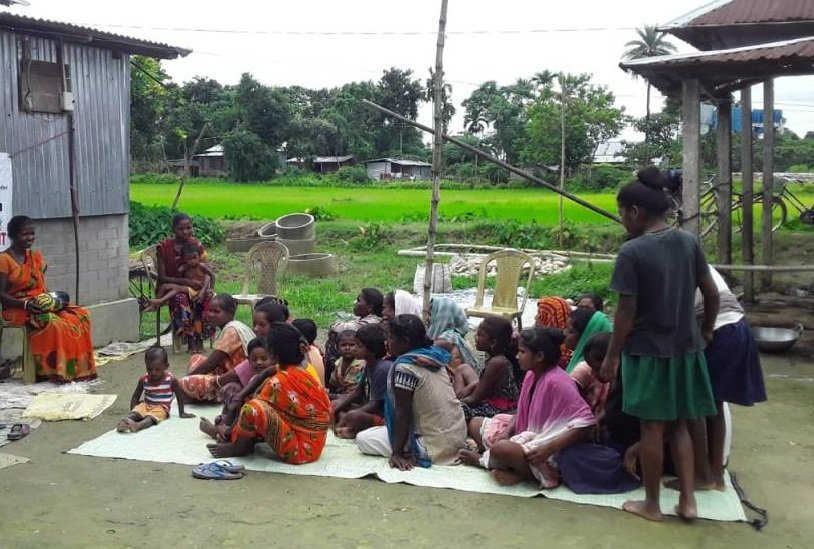
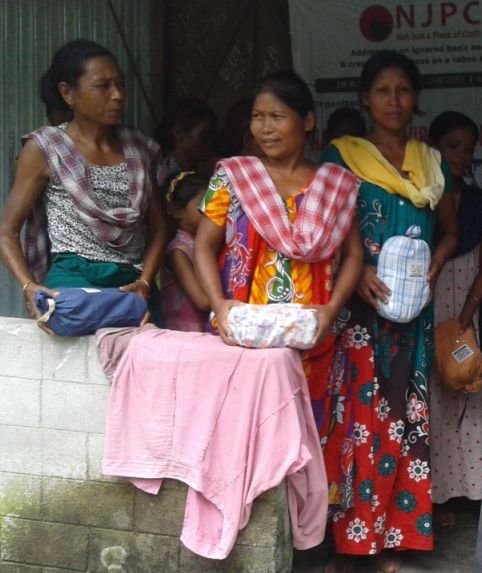
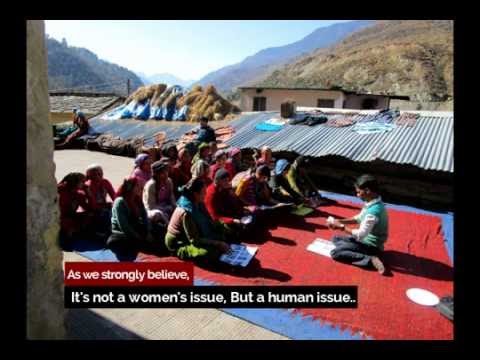
Goonj under its ‘Not Just a Piece of Cloth’ (NJPC) initiative recently reached out to 310 women/adolescent girls in 5 villages (Sadkodali,Poro basti, Panbari, Garobasti and Gadadhar ) of Alipurduar in West Bengal to initiate a dialogue by conducting awareness session on menstrual health and hygiene management. They were also given MY Pads, Goonj’s cloth sanitary pads.
Owing to cultural shame and stigma associated with menstruation, when Goonj local team broached the issue among men, women and adolescent girls gathered for the awareness session, there was stark silence and hesitation to speak up. Gradually, they started sharing about their menstrual health challenges and most of women/girls use cloth to deal with menstruation which they typically use till it’s torn.
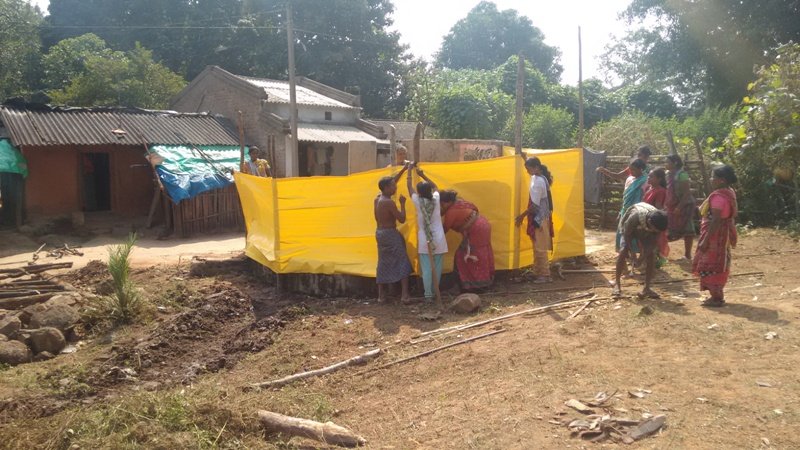
A young woman poignantly shares that she often skips going to field for work due to unavailability of private space/bathroom and water to use during menstruation. This is microscopic reflection of larger structural challenges women in tea-picking community face. As a result, they lose out on a day’s wage. For a community surviving on meager daily wages, this is huge loss impacting them in multifaceted ways. Another one shares that she is not allowed discussing about menstruation and being near her husband during menstruation. As a result, many women confessed not disclosing about infections, allergies and other diseases they have, with their near ones, families, relatives and husbands. The stigma around it so entrenched that even Accredited Social Health Activist (ASHA) and Auxiliary Nursing Midwifery (ANM) workers who are the primary health workers in rural villages, shrug off talking about it and engaging on menstrual health dialogue at grassroots level. Apart from the cultural stigma, lack of informed, evidence based awareness; they also collectively shared the dilemma of menstrual waste disposal. In absence of larger structural menstrual waste disposal system, many women end up throwing it openly in forests.
Goonj’s biodegradable cloth pad MY Pad served as an important tool to bridge the essential resource gap and encouraged them to share about their menstrual health challenges and the painful stories of discrimination. The awareness session triggered many important discussions and at the end, the women told they wanted more awareness sessions of such kind around menstruation and that they will talk to their kids, husbands freely and will try to pass on this message to other women in the community. They further stated that the MY Pad is very important material and catering to a basic need around managing menses for them, due to lack of clothes. Even, few women collectively decided to demand for proper washroom/private space from plantation owners.
Thus, Goonj’s NJPC initiative is reaching clean cloth pads to women in the most far flung villages of India, where they either don’t have access or can’t afford the market sanitary pads. These are women coming from the poorest strata of the society, who don’t even have enough cloth to wear. By spreading awareness about menstrual health and hygiene issues among these women, Goonj is primarily trying to reduce their health risks in using other dirty material in the absence of clean cloth. The bigger impact of our work of taking thousands of village meetings on this taboo issue has been that women are now getting a platform to openly talk on their menstrual challenges.
Links:
Project reports on GlobalGiving are posted directly to globalgiving.org by Project Leaders as they are completed, generally every 3-4 months. To protect the integrity of these documents, GlobalGiving does not alter them; therefore you may find some language or formatting issues.
If you donate to this project or have donated to this project, you can receive an email when this project posts a report. You can also subscribe for reports without donating.