By Jackie Amasse | Program Officer
KCH’s programs promote access to rehabilitation services for children with disabilities including Medical and social rehabilitation, psychosocial support, fabrication and production of assistive devices, Education and Skills Development, and Livelihood support. KCH’s work also focuses on community empowerment, capacity building of partners, partnership, advocacy and networking, Research & documentation.
This narrative report gives an overview of the activities that were implemented by KCH under the Community-Based Rehabilitation Program (CBR) to promote access to assistive devices by children with disabilities in Central and Eastern Uganda. The report also highlights the key achievements of the program, challenges faced during the implementation in the reported period, lessons learned, and recommendations.
1.0. OVERVIEW OF THE KCH COMMUNITY-BASED REHABILITATION (CBR) PROGRAM
Due to the limited number of disability rehabilitation facilities in Uganda especially in hard-to-reach areas, coupled with the high costs of accessing these services, a very small number of children with disabilities are able to access and utilize rehabilitation services including access to assistive devices. KCH bridges this gap by taking free services closer to its beneficiaries in these hard-to-reach communities. These community-based services included; community awareness and sensitization events, capacity-building training in disability-related issues, Advocacy Dialogue meetings, Community Health camps, and home-based care services. Annually KCH reaches approximately 1,200 children with disabilities through its community interventions
Through this approach, KCH also enhances the capacities of households of persons with disabilities, and other community structures including Health facilities, community DPOS, Local NGOs, and local council structures, to manage disability-related issues. Additionally, the program advocates for disability mainstreaming in community mainstream programs. Building the capacity of community members and structures has decreased rehabilitation care and support costs in the long run for people with severe to moderate disabilities. Thus, improving health, well-being, and quality of life outcomes for persons with disabilities and their caregivers
1.1. OVERVIEW OF THE COMMUNITY-BASED REHABILITATION ACTIVITIES IMPLEMENTED IN THIS REPORTING PERIOD
In this reporting period, KCH engaged the communities of Central and Eastern Uganda through the following activities;
1.1.1. COMMUNITY HEALTH CAMPS
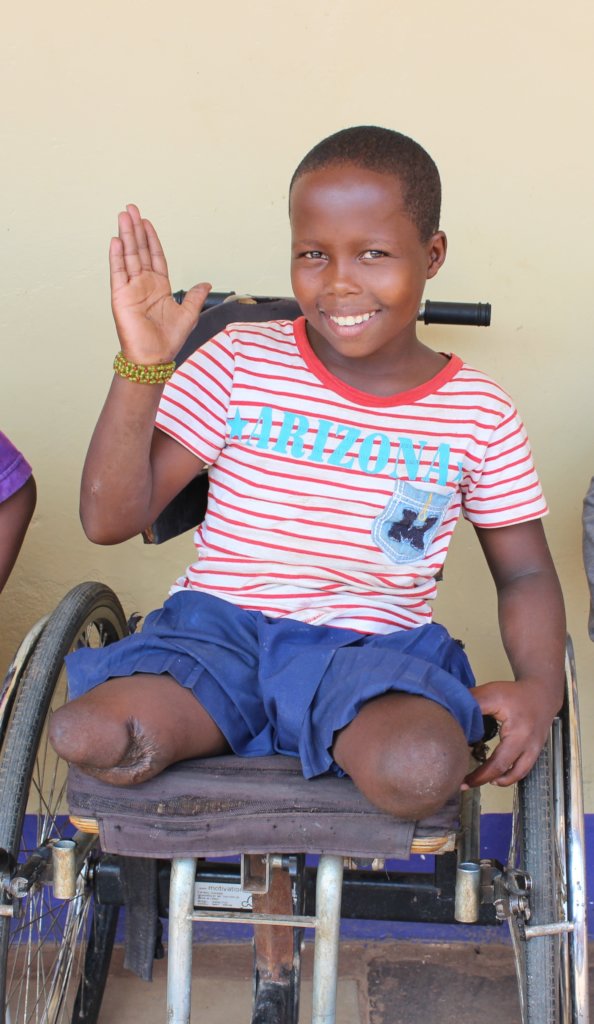
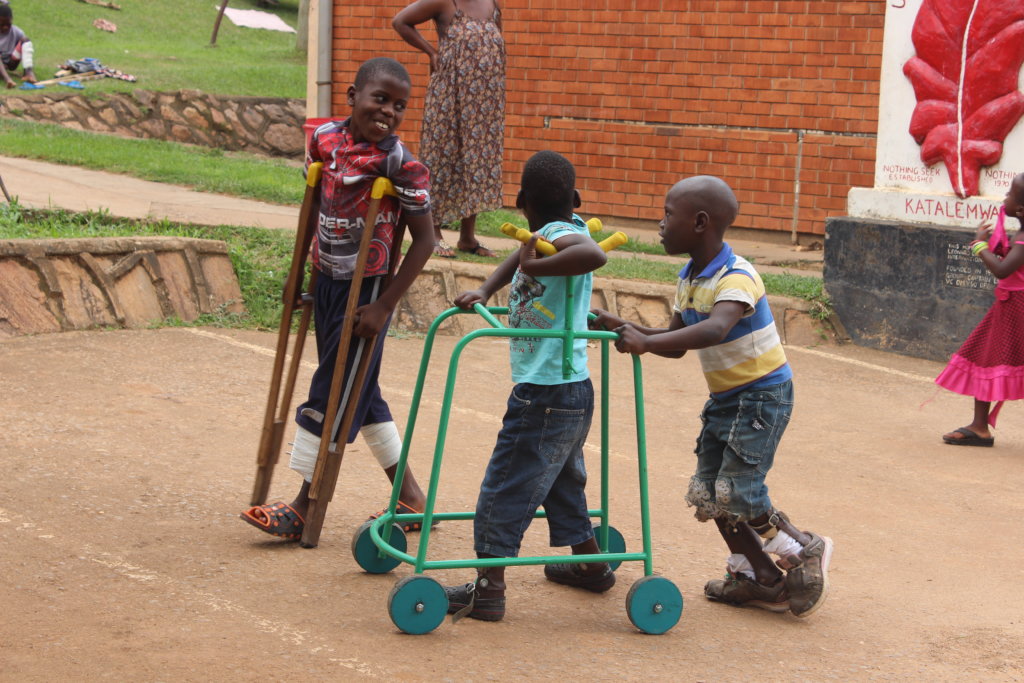
To increase access and utilization of disability assistive devices by Children with disabilities in the selected districts of East and Central Uganda, KCH organized 6 community Health camps in 6 districts of these two regions. A total of 343 (177 male; 166 female) children with disabilities were assessed and provided with appropriate services including taking measurements, fitting, and training on the use of assistive devices.
Objectives of Organizing the Health Camp
Activities Carried Out in the Health Camp
Disability Health education: Parents/caregivers of children with disabilities and other community members were educated on childhood disability. Information was provided on types of disabilities, their causes, prevention, and management. The importance of early identification and interventions was emphasized. Information on institutions that manage different disability conditions was also shared with the community, KCH being one of the institutions.
Assessments for assistive devices and other medical rehabilitation needs: All children with disabilities were assessed to ascertain their medical rehabilitation needs and based on the need they received a range of services including;
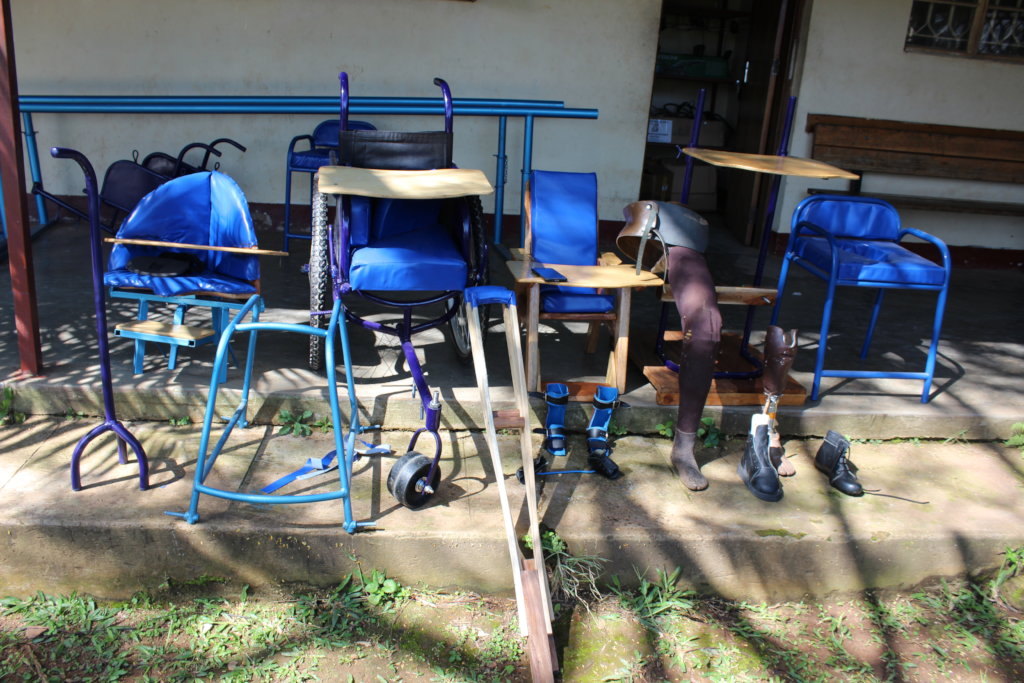
- Measurement of children for assistive devices, fitting and training on assistive devices usage, repairs of previously issued assistive devices
- Provision of therapeutic service (occupational therapy, physiotherapy, counseling.
- Provision of drugs especially anti-epileptic drugs to epileptic children
- Training caregivers on how to perform therapies
Referrals: children with disabilities that came with conditions that needed further management or specialized services like ENT services, surgeries, and assistive devices were referred to different facilities for appropriate management. Referrals were made to KCH for appliances, to CORSU for surgeries, and to other health facilities for other medical medications
1.1. 2 HOME-BASED CARE
The monthly target of KCH is to visit at least 20 children with disabilities, especially those under the care of grandparents and those from financially disadvantaged families, to provide rehabilitation care and support. In this reporting period, KCH was able to visit at least 73 (43 male: 30 female) children with disabilities from their homes. During Home visits, a number of activities were carried out including assessment of the home environment and providing necessary adaptations, repair of assistive devices, provision of drugs especially antiepileptic drugs, provision of therapeutic service, counseling and training of caregivers in rehabilitation care, sensitization of household and community members to improve their participation in the rehabilitation.
Objectives of Home-based care
The objectives of Home-based care are quite similar to those of the health camp, the only difference is that in Home-based care, a single household is reached as compared to the entire community in reached during the Health camp.
The objectives included;
ACHIEVEMENTS IN THE REPORTING PERIOD
CHALLENGES FACED IN IMPLEMENTATION IN REPORTING PERIOD
Even with the subsidized costs of assistive devices produced by KCH, most parents still can’t afford to contribute towards the recommended assistive devices
LESSONS LEARNED:
Working with village health workers empowers them to respond to disability-related issues and increase community awareness, thus improving community attitudes.
Community leaders and organizations are very receptive and willing to promote disability inclusion, the challenge however is that they lack knowledge on how to streamline disability in their programs.
GENERAL RECOMMENDATIONS
Continue with resource mobilization to facilitate a considerable percentage of Children with disabilities from very Vulnerable households to have access to free disability rehabilitation services including assistive devices.
Increase the coverage of community health camps and home-based care to extend rehabilitation services closer to Children with disabilities in other districts.
Conduct more awareness-raising events in the communities to increase knowledge on childhood disability, especially on prevention and the need for early interventions.
Build capacities of more community resource persons to follow -up on children seen in these community activities
CONCLUSION
The gap between the number of children in rural communities accessing rehabilitation care services and those in urban settings is still big; as earlier noted this is caused by limited rehabilitation facilities in the communities and other associated costs of accessing these services. KCH’s Community-based rehabilitation program has the potential of reaching more children with disabilities in these rural communities with extra financial support.
By Jackline Ogalai Amasse | Project Leader
By Namudope Barbara | Project leader
Project reports on GlobalGiving are posted directly to globalgiving.org by Project Leaders as they are completed, generally every 3-4 months. To protect the integrity of these documents, GlobalGiving does not alter them; therefore you may find some language or formatting issues.
If you donate to this project or have donated to this project, you can receive an email when this project posts a report. You can also subscribe for reports without donating.



Support this important cause by creating a personalized fundraising page.
Start a Fundraiser