Report on Give Water Save Life Project Advocacy Activities in Rural Communities
Introduction:
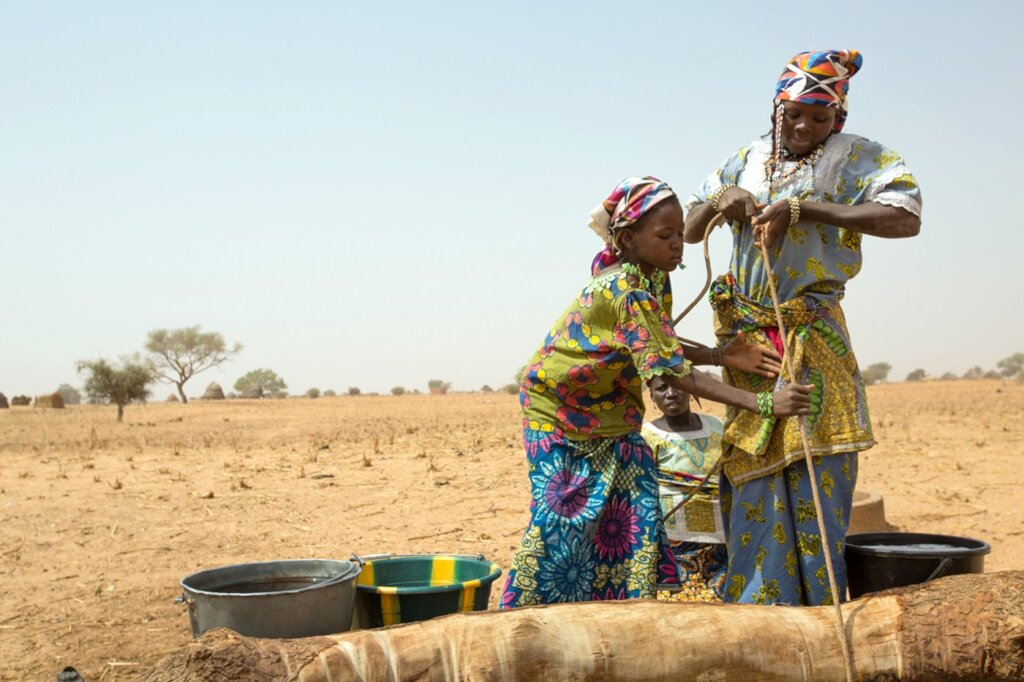
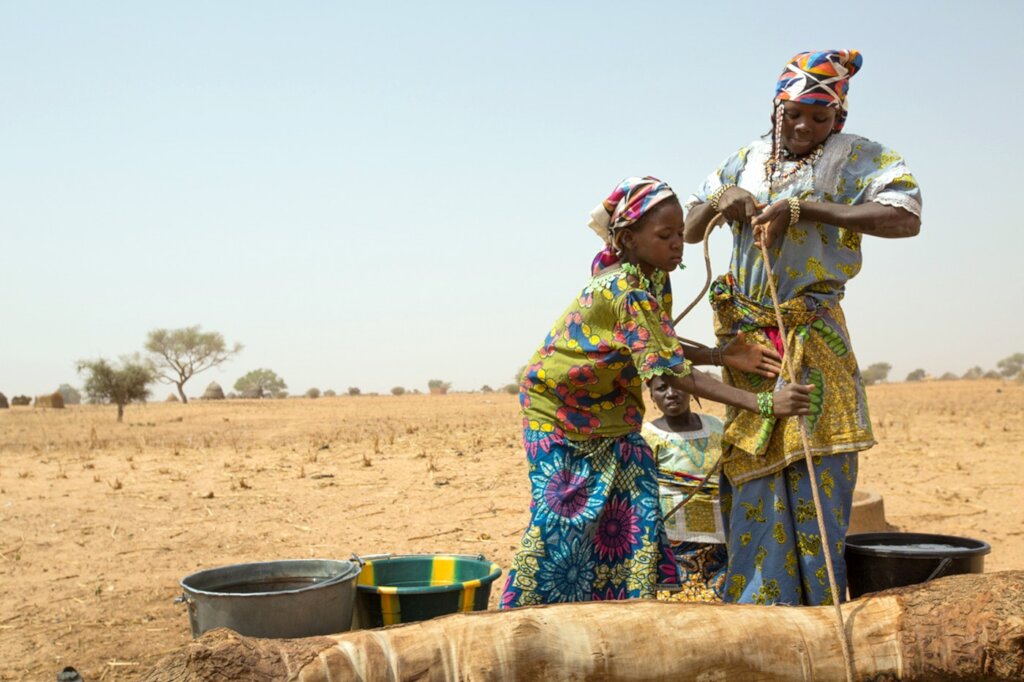
The Give Water Save Life project aims to address water scarcity issues in rural communities through advocacy, awareness, and implementation of sustainable water solutions. This report outlines the project's recent advocacy activities conducted in two rural communities.
Objective:
The primary objective of the advocacy activities was to raise awareness about the importance of clean water access and to mobilize community members towards sustainable water management practices.
Target Communities:
The advocacy activities were conducted in two rural communities: Alasawa Village and Kagara Village, both located in Zamfara, Nigeria.
Activities Conducted:
1. Community Meetings: The project team organized community meetings in both villages to engage with local residents and discuss water-related challenges faced by the communities. These meetings provided a platform for dialogue and exchange of ideas.
2. Educational Workshops: Interactive workshops were conducted to educate community members about the significance of clean water, proper sanitation, and hygiene practices. These workshops included demonstrations and discussions on water purification techniques and methods to prevent waterborne diseases.
3. Distribution of Educational Materials: Informational pamphlets, posters, and flyers were distributed among community members to reinforce key messages related to water conservation, sanitation, and hygiene.
4. Demonstration of Water Solutions: Practical demonstrations of water purification methods, such as filtration and solar disinfection, were conducted to showcase low-cost and sustainable approaches to improve water quality.
5. Advocacy Campaigns: The project team launched advocacy campaigns to advocate for improved water infrastructure and policies at the local government level. This involved writing petitions, organizing rallies, and engaging with local authorities to highlight the urgency of addressing water scarcity issues.
6. Capacity Building: Training sessions were conducted to empower community members with the knowledge and skills needed to manage water resources effectively. This included training on rainwater harvesting, well maintenance, and water quality testing.
Outcomes:
1. Increased Awareness: Community members demonstrated a heightened awareness of water-related issues and their impact on health and livelihoods.
2. Behavioral Change: There was evidence of positive behavioral change, with many community members adopting improved sanitation and hygiene practices.
3. Community Mobilization: The advocacy activities fostered a sense of community mobilization, with residents actively participating in discussions and initiatives to address water scarcity.
4. Policy Engagement: The project succeeded in initiating dialogue with local authorities, leading to discussions on potential policy reforms and investments in water infrastructure.
Challenges Faced:
1. Limited Resources: The project faced challenges due to limited financial resources, which affected the scale and reach of advocacy activities.
2. Cultural Barriers: Cultural beliefs and practices related to water usage presented challenges in promoting behavioral change and adoption of new technologies.
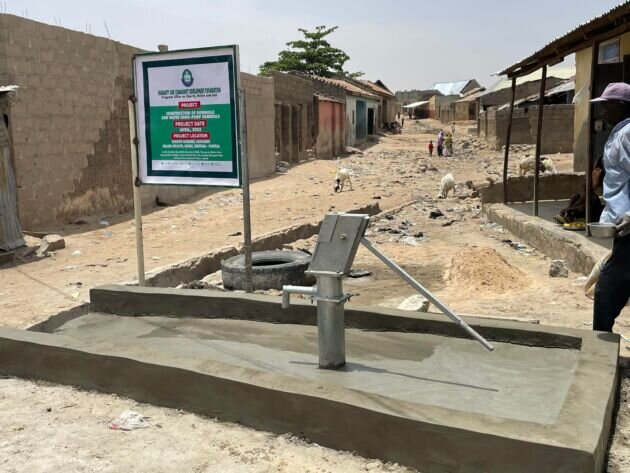
3. Infrastructure Constraints: Inadequate water infrastructure in the target communities posed challenges in implementing sustainable water solutions.
Conclusion:
The advocacy activities conducted by the Give Water Save Life project in rural communities have made significant strides in raising awareness, promoting behavioral change, and engaging stakeholders towards sustainable water management. Despite challenges, the project has laid the groundwork for continued efforts to address water scarcity and improve water access for rural populations.
Recommendations:
1. Sustained Engagement: Continued engagement with communities and stakeholders is essential to maintain momentum and drive long-term change.
2. Capacity Building: Further investment in capacity-building initiatives will empower communities to take ownership of water management solutions.
3. Partnerships: Collaboration with local organizations, government agencies, and private sector entities can enhance the impact and sustainability of advocacy efforts.
![Share on Twitter]()
![Share on Facebook]()