PROPOSAL SUMMARY
What if every Copperbelt youth—regardless of their economic background, could access real opportunities at the tap of a button? This is the question we have been pondering at the Luanshya Information and Learning Center since its inception. That is why we have created Ikatika – Get Connected!, a mobile app that curates and delivers up-to-date, verified entrepreneurship and business opportunities to youth in Luanshya and the entire Copperbelt. The app is tailored for Zambia’s digital realities: light on data, available in ChiBemba and designed with both urban and rural users in mind. The app is aptly designed with scalability and sustainability in mind. The user can filter by age, location, and interests—making the app deeply personal and relevant. The App will provide access to a database of opportunities, personalized recommendations based on youth interests and skills, mentorship and support services. Our goal is to drive change in youths’ broader life trajectory: Increased entrepreneurship and business development and ultimately improved economic stability, enhanced community involvement, and successful transitions to adulthood.
INTRODUCTION TO THE ORGANIZATION
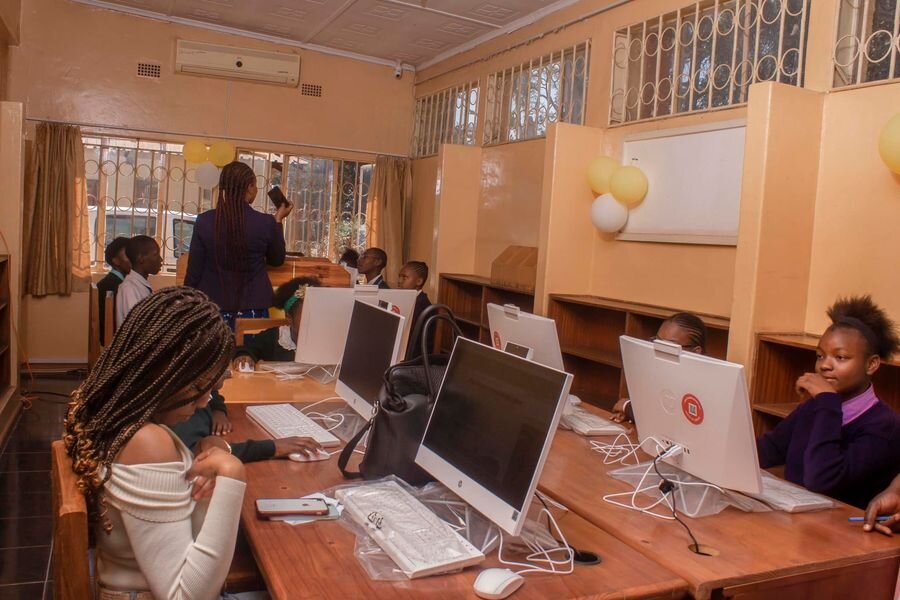
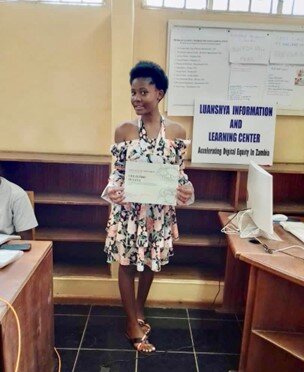
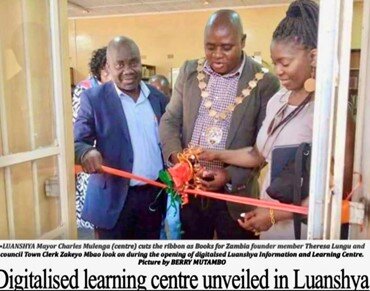
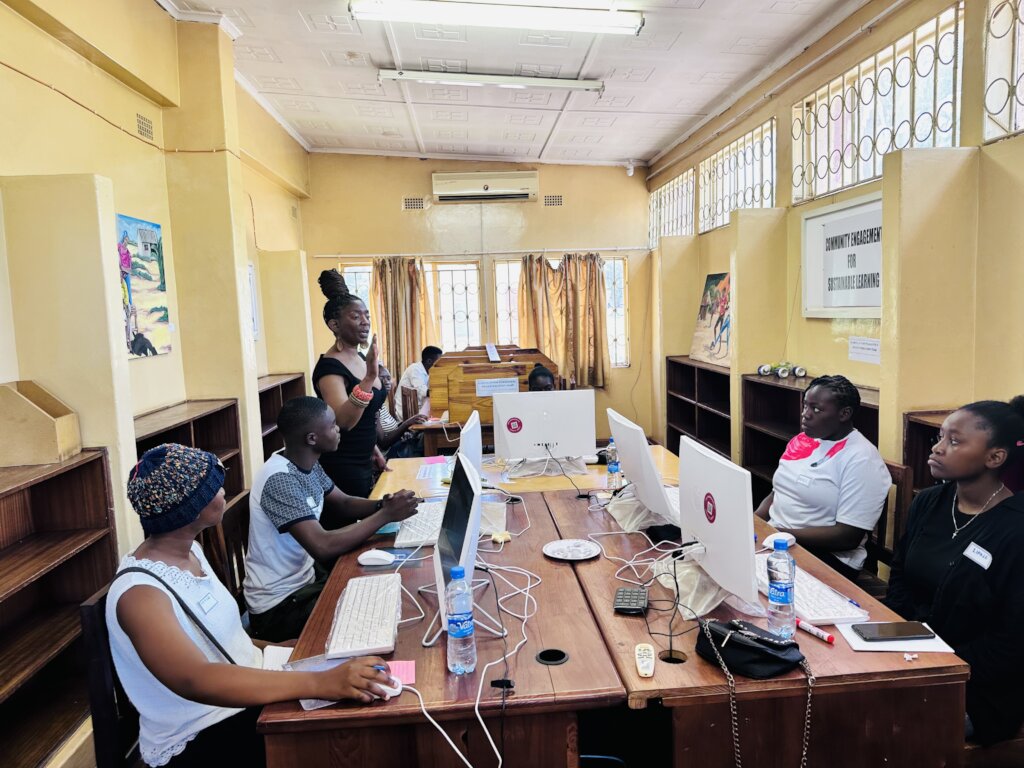
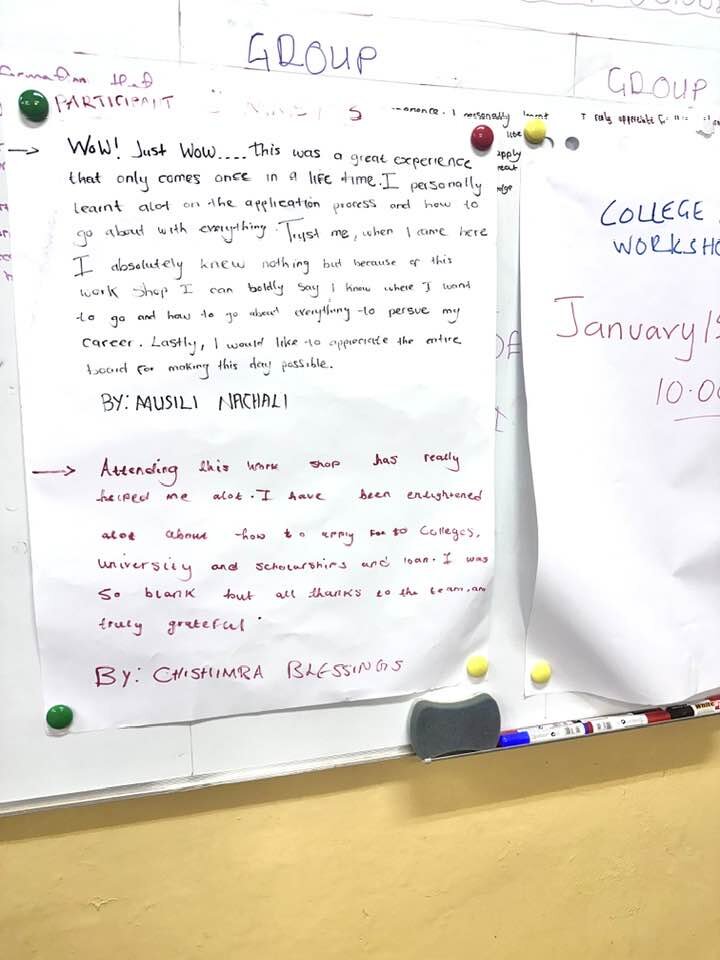
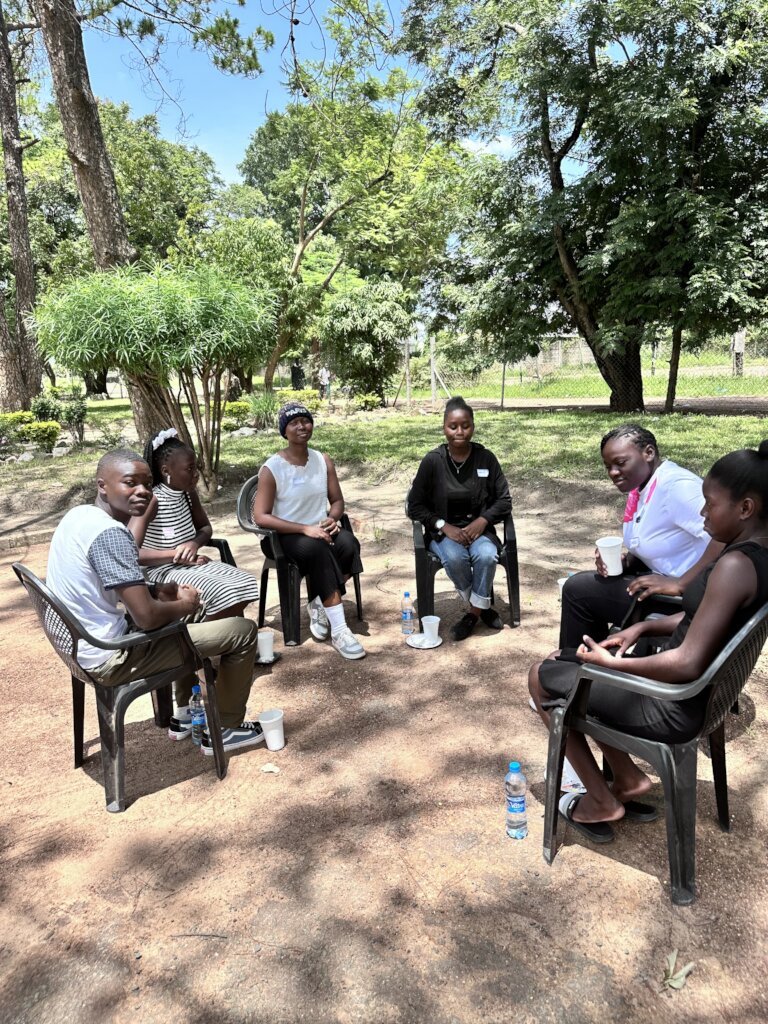
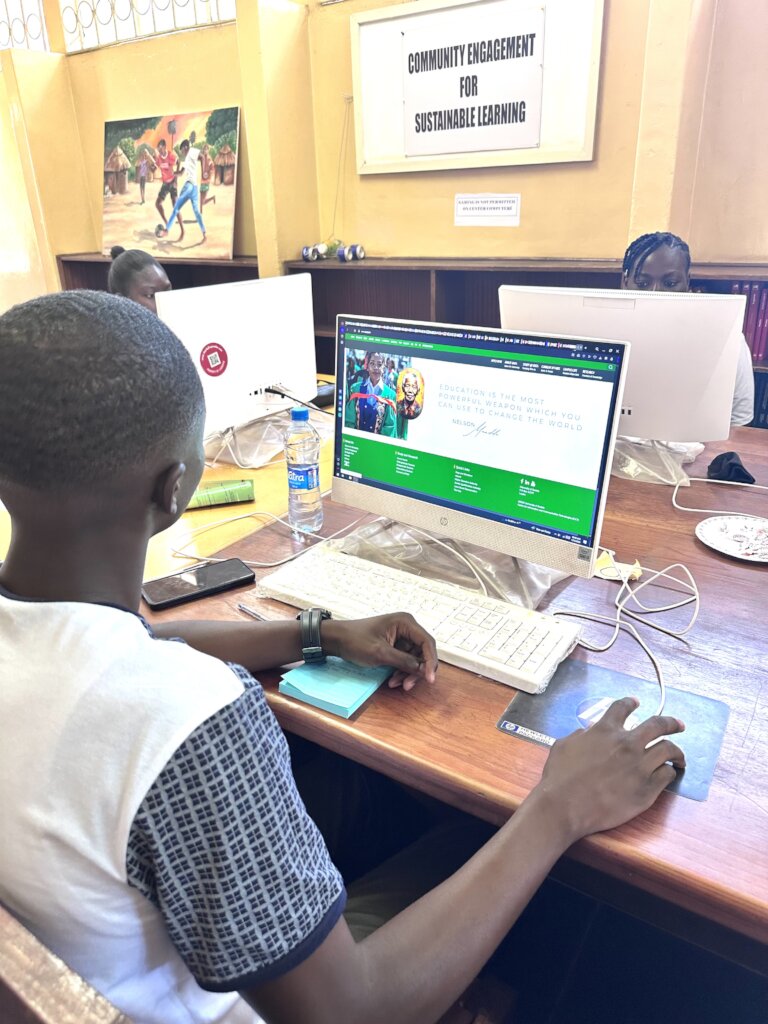
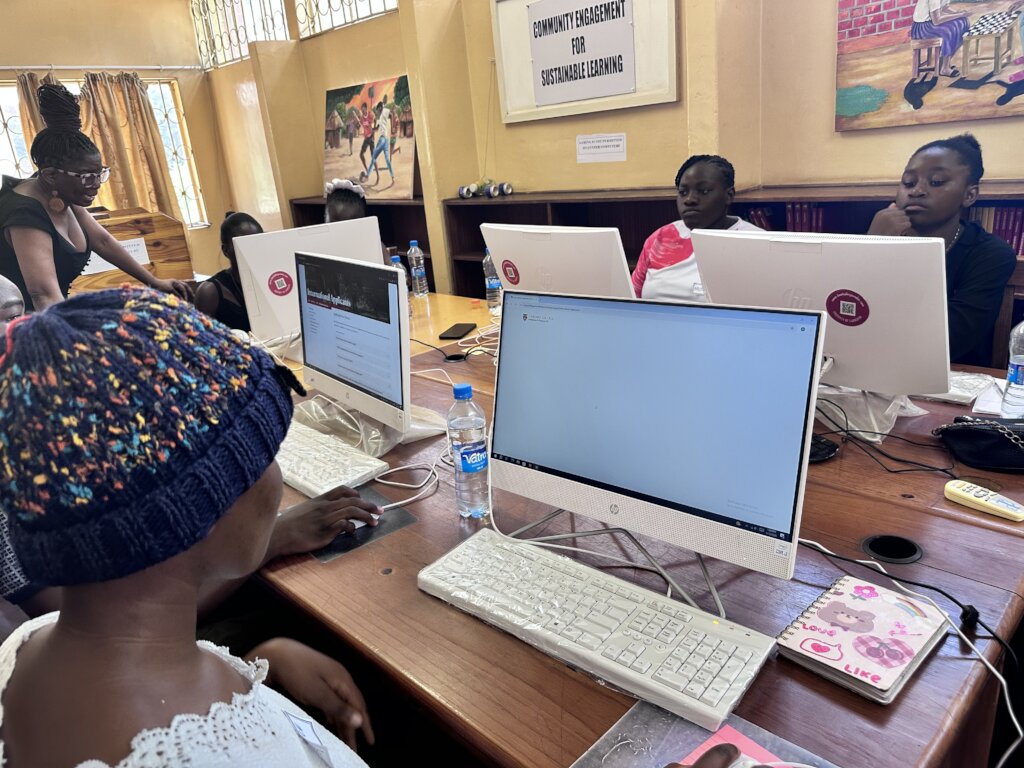
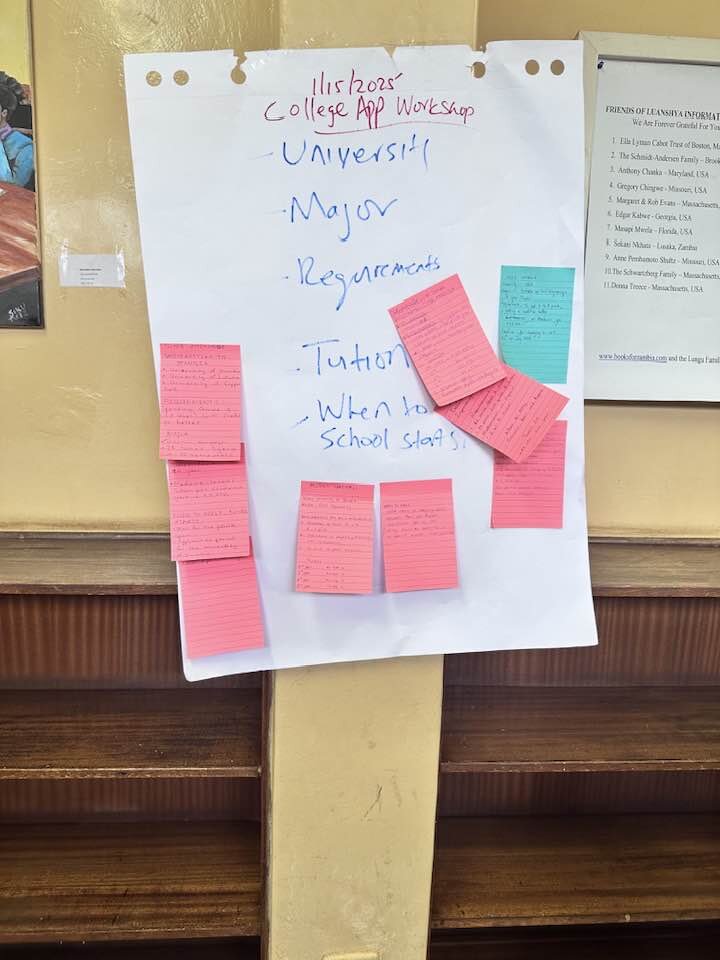
The Luanshya Information and Learning Center (LINC)is a Zambian registered non-profit organization based on the Copperbelt. The Center was founded in 2023 by Theresa Lungu, through a personal grant from the Ella Lyman Cabot Trust of Boston, Massachusetts. Theresa grew up in Luanshya and is a strong advocate of youth development, having come from an underprivileged family herself. Before founding the center, she was actively supporting Luanshya Library, that houses the center, with book donations and strove to innovate when the library started losing readership. The Center has deep community engagement and trust, proven impact, and a commitment to youth empowerment. The Center’s goal is to equip Luanshya’s youth in the 16–25-year age group, with essential skills and resources for a successful transition to higher education, employment, or entrepreneurship and to create opportunities for learning, support literacy and education, and help shape new ideas and perspectives that are central to a creative and innovative community. The center, the first of its kind on the Copperbelt, is a growing community hub with free computer access that leverages digital equity to empower young people in Luanshya through access to technology and skills development opportunities. Since its founding, the Luanshya Information and Learning Center, has reached over 1,000 young people through our college and employment readiness workshops.
PROBLEM STATEMENT
“Youth unemployment in Zambia is over eighty percent and much higher in provinces outside Lusaka. Opportunities exist—but they are scattered, inaccessible, or simply unknown to most young people. There’s no single platform where Zambian youth can easily discover, apply for, and benefit from programs. Zambia’s youth population is surging — digitally connected, resourceful, and ready to lead. But the opportunity gap remains wide, and traditional systems aren’t keeping pace. This disconnect is costing potential and we need to bridge the gap between potential and opportunity.
An example of this disconnect is the case for Luanshya. Luanshya’s Roan Antelope mine is considered Zambia’s first modern commercial copper mine commissioned in 1909. To compliment the mining, the Zambia Metal Fabricators, (ZAMEFA) company was established in Luanshya in 1968. ZAMEFA was a key player in the manufacturing sector, producing copper products that included low-voltage cables, flexible wires, aerial bundle conductors, and aluminum overhead conductors. Essentially, for over 100 years Luanshya has robustly contributed to the economy of Zambia and yet still lacks in the most basic development such as specialized healthcare or youth recreational facilities. Closed since 2008, the Luanshya copper mine is scheduled to reopen later in 2025. There is exciting anticipation in the town at the prospect of jobs. Unemployed youth that we surveyed at the Center don’t know how to apply for the prospective jobs at the mine nor do they know how to go about doing business with the mines as contractors. This information is not advertised anywhere in Luanshya and there are increasing instances of unscrupulous people taking money from youth with promises of jobs.
PROGRAM GOALS AND OBJECTS
We are looking at long term outcomes such aschanges in youth's broader life trajectory; increased entrepreneurship and business development, improved economic stability, enhanced community involvement and overall successful transitions into adulthood.
Our goal is to have Ikatika deliver opportunities in:
- Entrepreneurship and business development: with information on business loans, grants, community development funds, mentorship and accelerator programs.
- Employment: job boards and internships
- Education: scholarships, skills training, bursaries.
- Life Skills: mental health access, civic engagement, and more.
PROJECT ACTIVITIES
All of the Center’s activities take place in a Wi-Fi enabled, welcoming space that gives participants the resources and encouragement to imagine bigger futures. Hands-On Training and Demonstration Workshops on how to use the Ikatika app will be provided as follows:
- App Exploration: Demonstration on how to download and install the app and a walk through of the app's interface, explaining how to navigate and use its features.
- Practical Application: Show youth how to use the app to find relevant opportunities.
- Skill-Building: Guide youth in using app features to improve their job search and business development skills. For instance, teach them how to connect to community development funds or obtain micro loans to start and register business.
- Sharing and Learning from Peers: Create and foster a learning environment where youth can share their experiences with using the Ikatika app, learning from each other.
- Emphasize Safety and Digital Literacy:
o Online Safety: Teach youth about online safety and responsible app usage, including privacy settings, passwords, and avoiding scams.
o Digital Literacy: Equip youth with the skills to critically evaluate online information and avoid misinformation.
o Cyberbullying Prevention: Teach youth about cyberbullying and how to report and prevent it.
PROJECT METHODS AND DESIGN:
While most apps in Africa focus on one vertical—jobs, or school—Ikatika brings it all together. It’s tailored for Zambia’s digital realities: light on data, available in multiple languages, and designed with both urban and rural users in mind.”
Logic Model:
Inputs: Funding for app development, staff time for content creation, partnerships with local businesses, both private and government organization.
Activities: Actions the app facilitates or provides.
- Providing access to a database of opportunities, personalized recommendations based on youth interests and skills, mentorship or support services, online workshops and training
Outputs: Direct services from the activities.
- Number of app users, number of opportunities accessed, number of youth engaged in online activities, number of referrals to support services.
Short-term Outcomes: Observable changes in youth knowledge, skills, or attitudes.
- Increased awareness of available opportunities, improved self-efficacy, enhanced entrepreneurship readiness, increased access to resources.
Intermediate Outcomes: Changes in behavior or engagement.
- Increased application for opportunities, participation in online learning or workshops, seeking help with job searching or resume writing, networking with peers or mentors.
Long-term Outcomes: Changes in youth's broader life trajectory.
- Increased entrepreneurship and business development and ultimately improved economic stability, enhanced community involvement, and successful transitions to adulthood.
Key Considerations:
Engagement: Ensure the app is user-friendly and engaging for the target youth population.
Reach: Strategically promote the app to reach the intended audience.
Data: Collect and analyze data on app usage and outcomes to inform improvements.
Collaboration: Build strong partnerships with community organizations to support youth.
Sustainability: Develop a plan for long-term funding and support.
Proposed App Development Timeline: Location: Digital, Virtual
- Research and Planning (2-3 weeks): This involves defining the app's purpose, target audience, and market analysis. (Completed)
- Design and Prototyping (5-7 weeks): Creating wireframes, mockups, and user interface/user experience (UI/UX) designs.
- App Development (3-6 months): This includes coding, backend development, and integrating with third-party services.
- Testing and Quality Assurance (2-3 weeks): Ensuring the app is free of bugs and meets quality standards.
- Deployment and Launch (2-4 weeks initial, then ongoing): Submitting the app to the app stores and post-launch updates.
- Post-launch Maintenance and Updates: Ongoing updates, bug fixes, and feature enhancements.
![Share on Twitter]()
![Share on Facebook]()