By Dungrila Pascal Mbimenyuy | Project Leader.
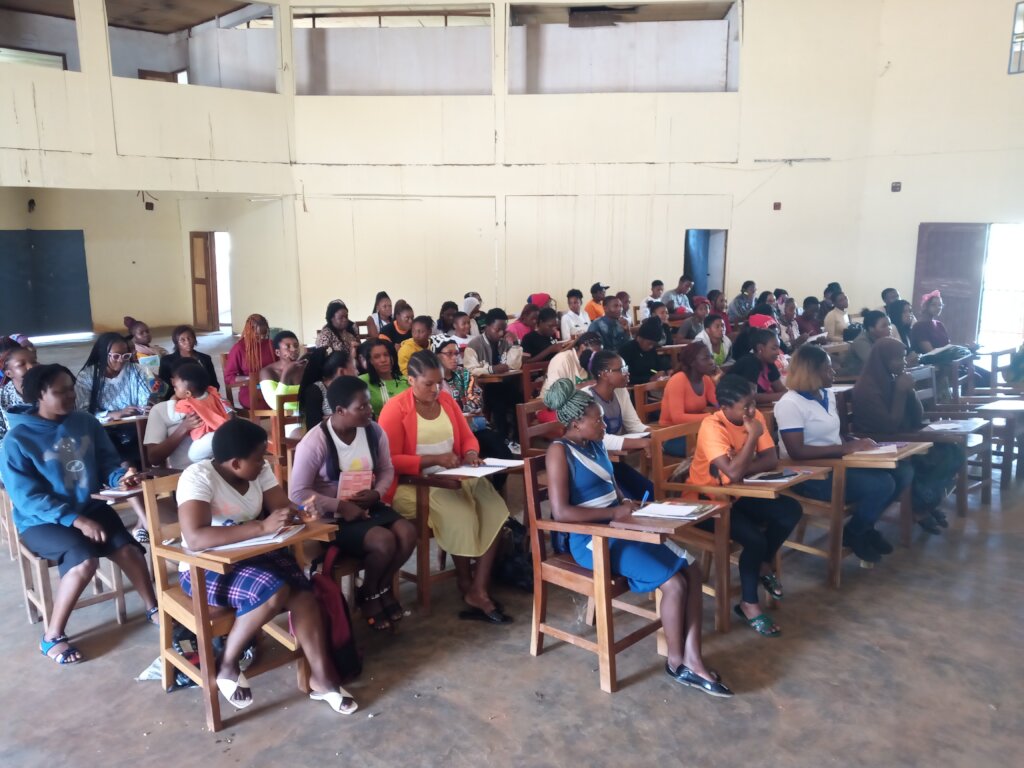
Integrated Agricultural Association (IAA) recently conducted research in rural secondary schools in Western Cameroon to understand the interconnection between access to water and menstrual hygiene in education. The observation was how water scarcity turns menstrual hygiene into a difficult choice.
There are some conversations that girls grow up learning not to have; menstruation is one of them, and this is when water meets the silence.
During our research, an 18 year old girl said; we live in a drought prone community, where water is precious. It is here that I got my first period, in Form Three. By then, all the girls in my class had already started menstruating. Quietly, I had begun to wonder if something was wrong with me. Was I abnormal? I could not ask. Menstruation was private, embarrassing, and not something we openly discussed.
When my period finally came, I felt relieved. I was not abnormal after all. But that relief quickly met a reality I had already watched my classmates struggle with: water scarcity. Maintaining hygiene was a big challenge, said the respondent.
The contradicting choice: hydration or hygiene:
In our community, every drop of water mattered. We had to make careful choices about how we used the little that was available. Drinking water was essential, but we also needed water for bathing, washing our hands, cleaning ourselves during menstruation, and washing our clothes. I remember how we learned to share water because we knew it was precious. One basin could be shared by more than five girls for bathing. We understood the importance of hygiene, but water scarcity caused us to compromise. Sometimes the choice felt like this: do I use this precious water to drink, or do I use it to maintain my hygiene?
At the time, I did not have the language to describe what we were experiencing. Today, I do. It was a WASH issue. Menstrual hygiene cannot be separated from access to safe and sufficient water.
IAA is using the findings to interact with communities from the very beginning: conducting needs assessments and vetting potential project sites, making proposal development, facilitating hygiene and sanitation trainings, and returning for long-term monitoring and evaluation. The team have been in schools, health centers, and community trainings, facilitating open conversations about hygiene and sanitation, including Menstrual Hygiene Management (MHM).
Through this field work, we have come to understand something critical: providing menstrual products is only part of the solution. A girl may have a sanitary pad, but she also needs a safe and private place to change it and manage her period with dignity. She needs clean, running water to wash her hands, and she needs accurate information about Menstrual Hygiene Management.
Would you like this work to continue? make a donation today, to help us increase our impact in the communities most in need.
With gratitude!
,
By Dungrila Pascal Mbimenyuy | Project Leader.
By Dungrila Pascal Mbimenyuy. | I.A.A Director/Project Leader.
Project reports on GlobalGiving are posted directly to globalgiving.org by Project Leaders as they are completed, generally every 3-4 months. To protect the integrity of these documents, GlobalGiving does not alter them; therefore you may find some language or formatting issues.
If you donate to this project or have donated to this project, you can receive an email when this project posts a report. You can also subscribe for reports without donating.


Support this important cause by creating a personalized fundraising page.
Start a Fundraiser