Girls Wanna Run! Training Nepal's Generation Next!

by Women LEAD
Girls Wanna Run! Training Nepal's Generation Next!

Project Report | Jun 2, 2026
Strengthening Young Women's Political Leadership Through Experiential Learning and Advocacy

By Urusha Maharjan | Development and Fundraising Coordinator

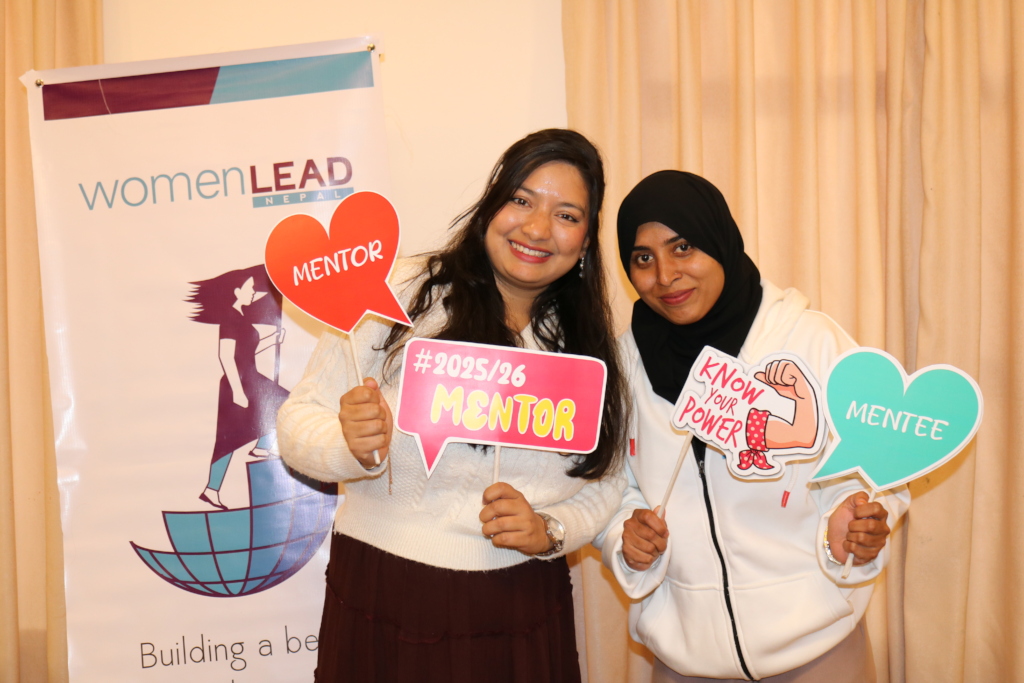
Mentor-Mentee paired

Following the successful completion of the 2025 Politics Institute (PI), Women LEAD Nepal continued investing in the growth of young women leaders through a structured series of mentorship, experiential learning, internship placements, and advocacy initiatives under the Young Women’s Political Leadership Course (YWPLC). These post-PI engagements were designed to deepen fellows’ understanding of political systems, strengthen their leadership skills, and provide practical opportunities to engage with governance, public institutions, and social change efforts.

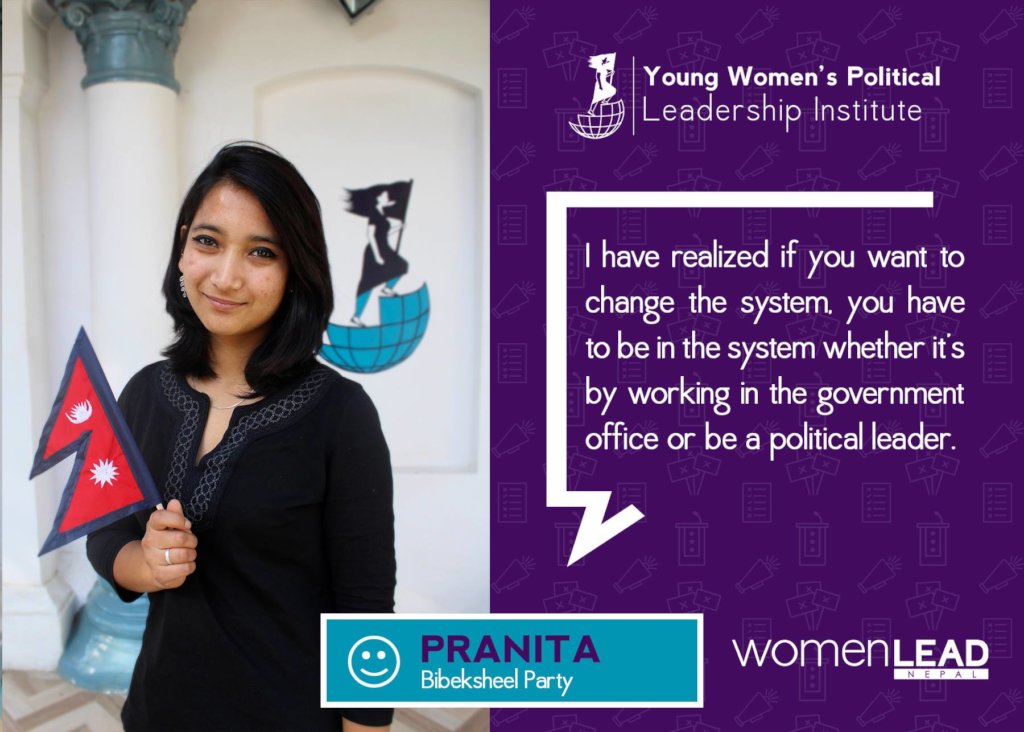
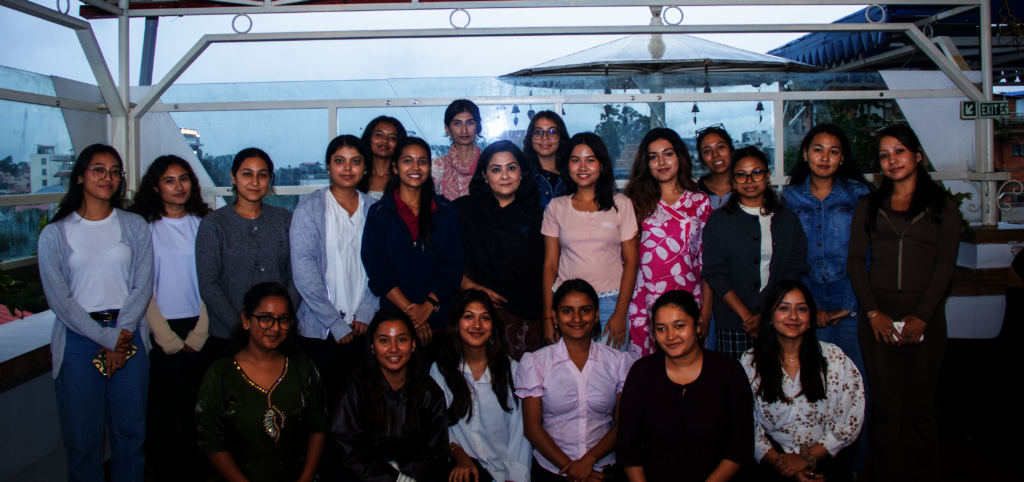
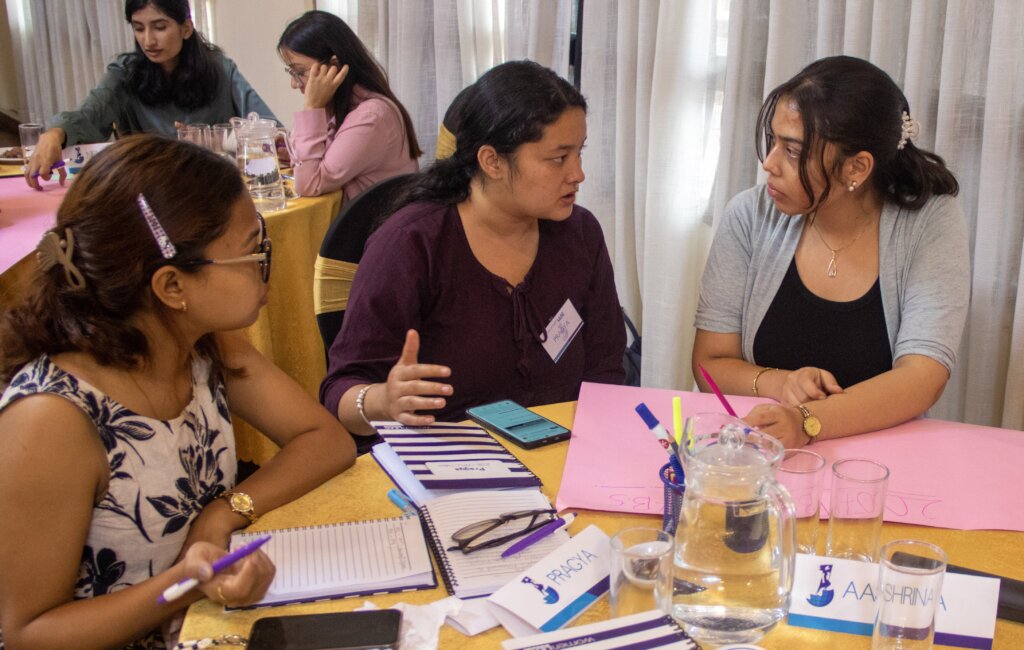
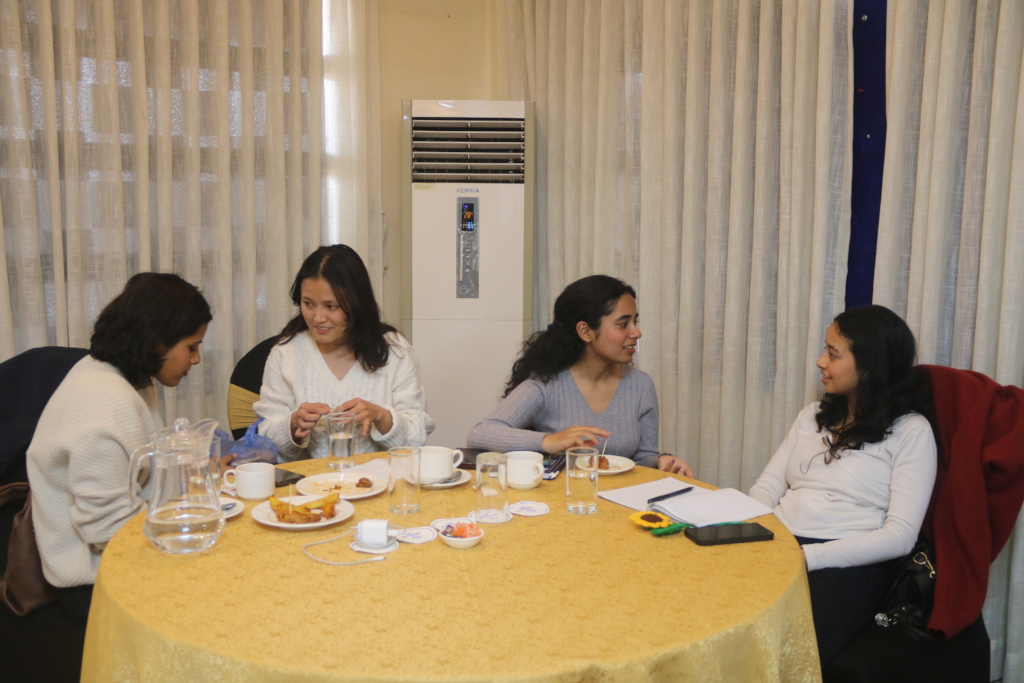
The mentorship journey began in December 2025 with the pairing of 19 fellows with mentors from Women LEAD’s alumni community. These mentor–mentee have relationships provided a supportive space for guidance, reflection, and personal growth as fellows are navigating their leadership journeys. To further strengthen these connections and foster sisterhood among participants, Women LEAD organized mentor–mentee gatherings during Galentine’s Day celebrations in February and at OWN IT Nepal 2026 in April, creating opportunities for meaningful exchanges, peer learning, and community building.

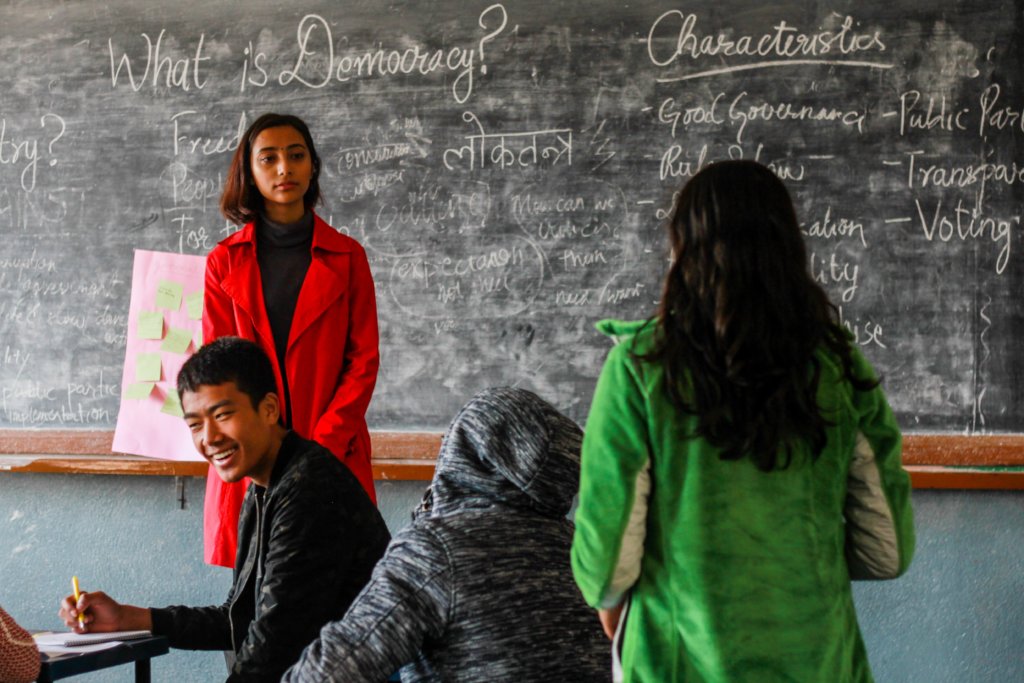
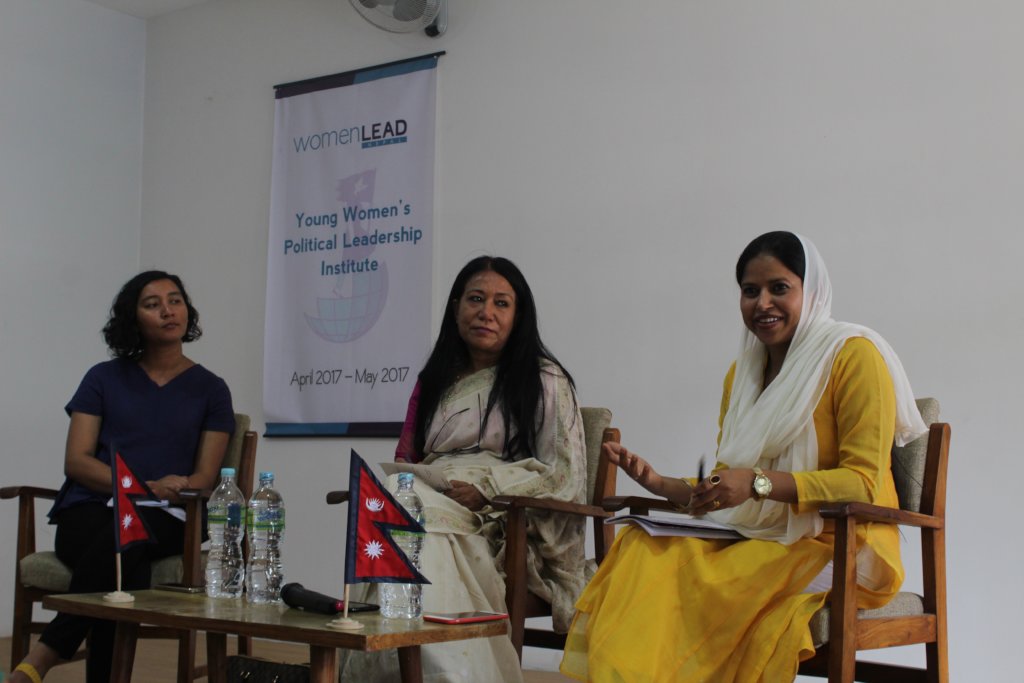
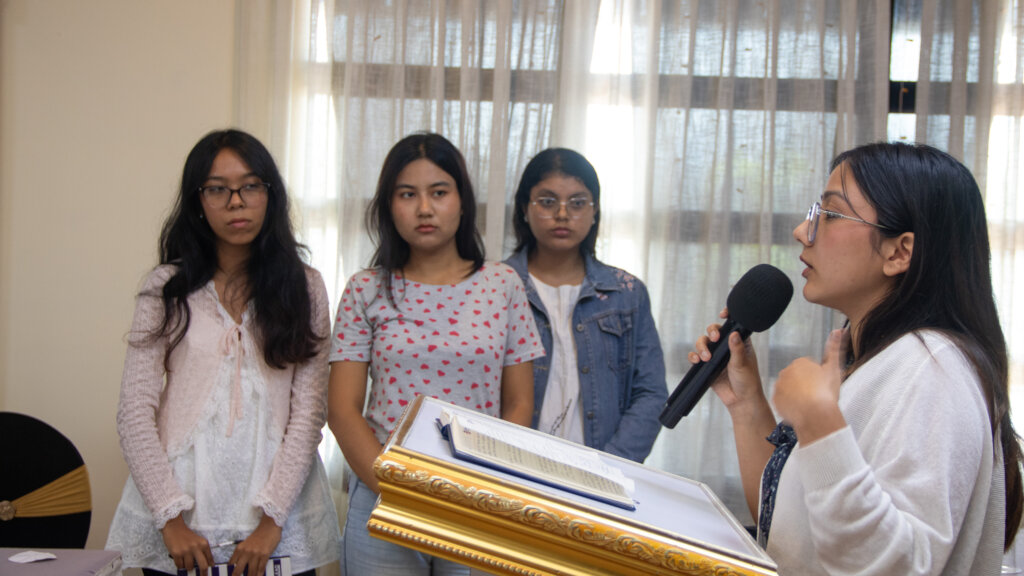
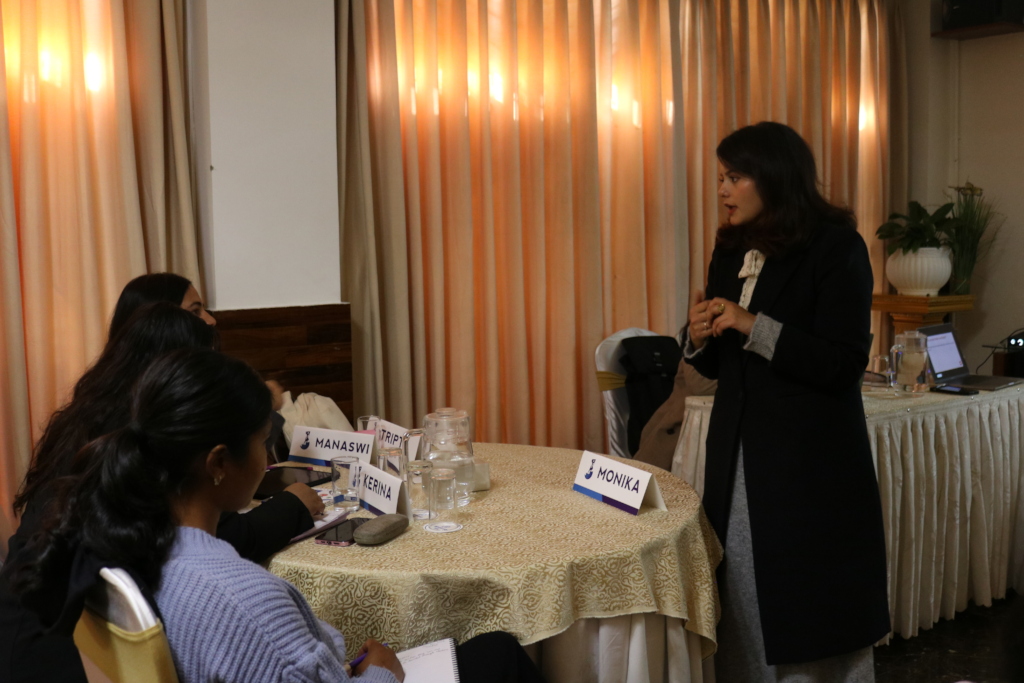
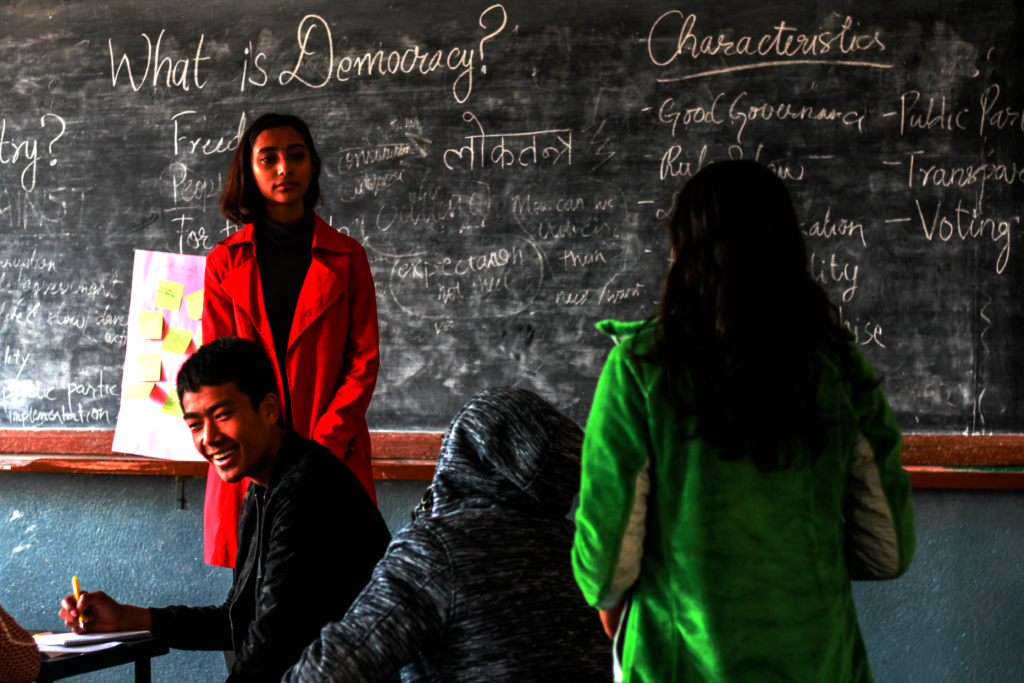
On January 2026, YWPLC conducted its first post-Politics Institute follow-up session, titled Women, Power, and Electoral Politics. Facilitated by a YWPLC alumna and technology policy specialist working at the intersection of governance and politics, the session explored Nepali electoral politics through a feminist lens. Fellows examined the structural, institutional, and social barriers that continue to limit women’s political participation while discussing concepts such as electability, campaign dynamics, political representation, and the role of political parties as gatekeepers. Through critical discussions on Nepal’s electoral systems, grassroots mobilization, and women’s leadership in politics, participants gained a deeper understanding of how advocacy and civic engagement can translate into formal political power. The session also encouraged fellows to critically reflect on contemporary trends and persistent gaps within Nepal’s political system.

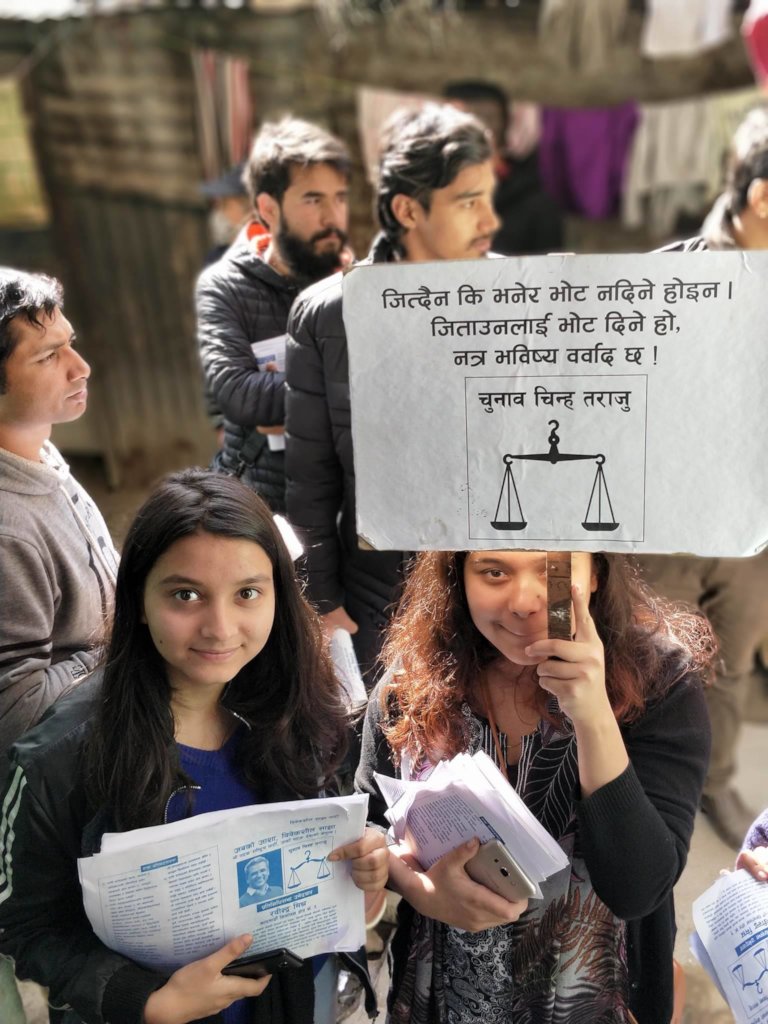
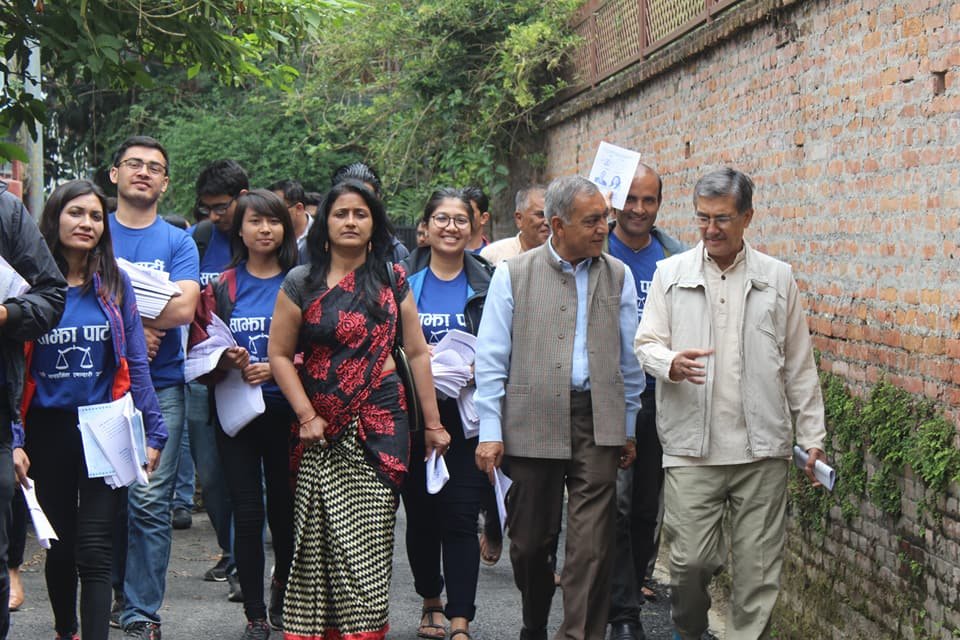
Building on this foundation, fellows participated in internship placements designed to provide hands-on exposure to governance, democratic processes, and public service. Internships were implemented in two phases. During Nepal’s General Election in March 2026, several fellows were placed with electoral candidates and worked directly from campaign secretariat offices. In these roles, they supported campaign activities, community outreach, coordination, communications, and voter engagement efforts, gaining firsthand experience of electoral politics and democratic participation. Several of the candidates they supported were successfully elected, providing fellows with a unique opportunity to witness the electoral process from campaign planning through to election outcomes.

Following the elections, the remaining fellows were placed and are continuing their internships across a range of institutions, including the National Women Commission, Nepal Heritage Documentation Project, ward offices in Kathmandu and Lalitpur Metropolitan Cities, the Office of the Controller of Examinations at Tribhuvan University, Dalit Women Network, and AI and Society Governance Lab. These placements exposed fellows to diverse aspects of governance, public administration, policy implementation, social justice advocacy, research, and community engagement, helping them connect classroom learning with real-world practice.

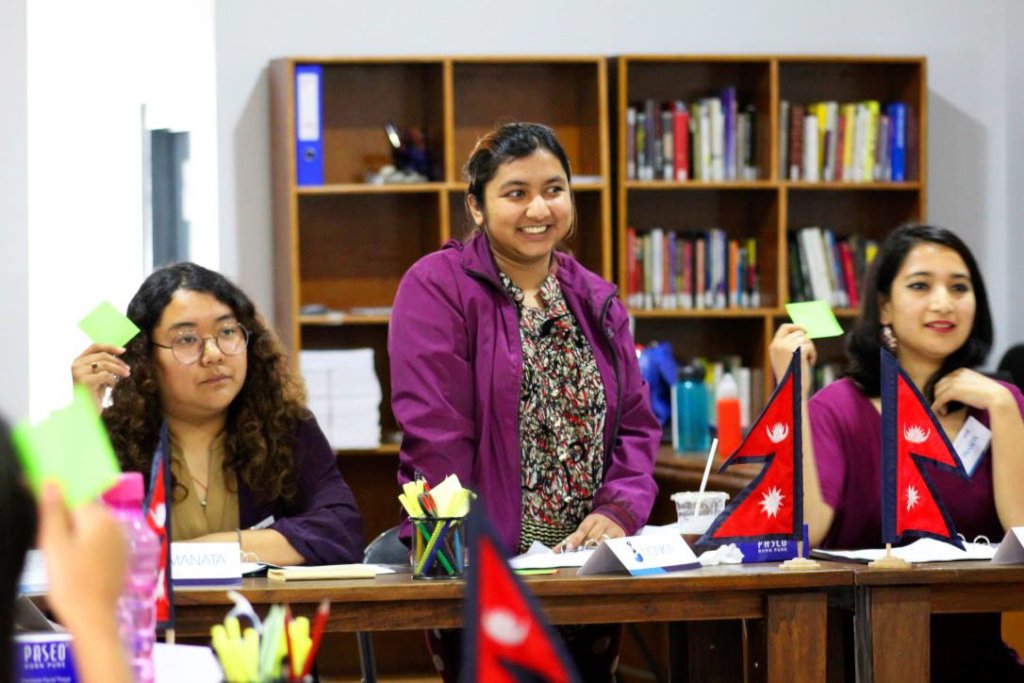
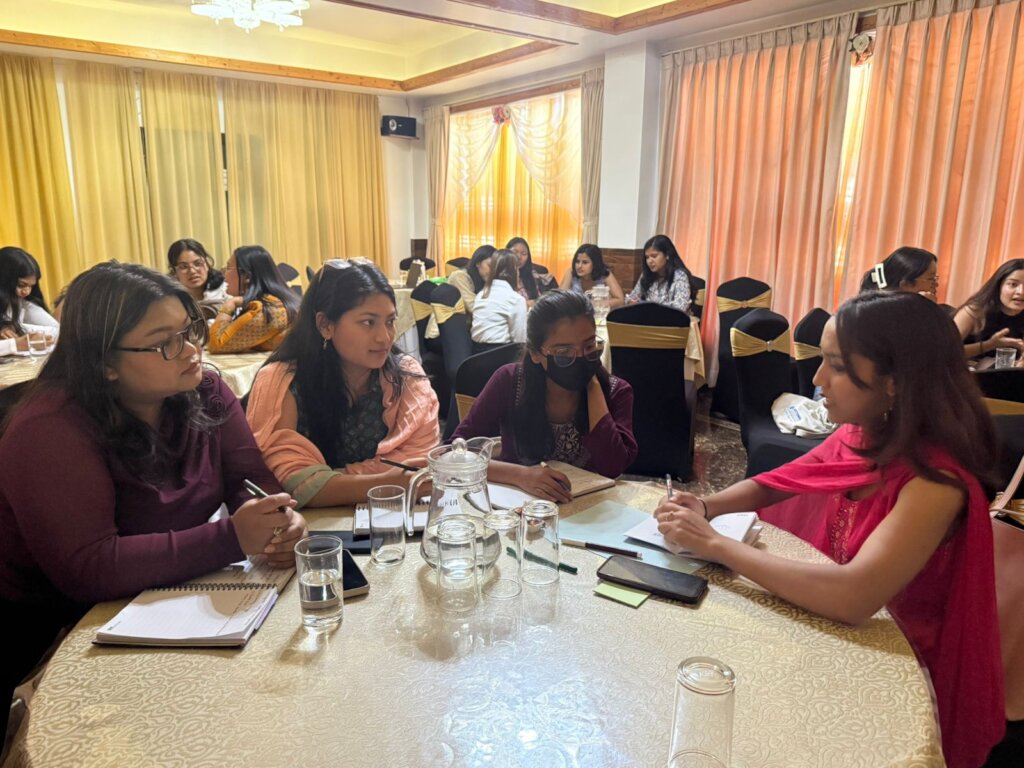
To further strengthen fellows’ ability to drive social change, Advocacy Week provided a four-day experiential learning opportunity focused on advocacy as a tool for influencing systems and creating more inclusive communities. Through interactive workshops, practitioner and alumni sharing sessions, reflection exercises, and activities such as the Human Library, Advocacy Wall, Idea Lab, and Idea Marketplace, fellows identified community issues, developed advocacy goals, mapped stakeholders, and designed strategies for change.

By the end of the week, fellows were well equipped on transforming their ideas into advocacy project proposals while building practical skills in project design, budgeting, monitoring and evaluation, communications, and public engagement. The experience strengthened their confidence and equipped them to move from identifying challenges to implementing solutions in their communities.

Following Advocacy Week, fellows began implementing their own advocacy initiatives focused on issues they identified within their communities. These projects address a range of pressing social concerns, including promoting bodily autonomy and consent education to prevent child grooming, strengthening awareness and access to information on abortion rights among urban youth in Kathmandu, increasing awareness around menopause and women’s health, and addressing digital violence through improved safety practices, reporting mechanisms, and support systems. Fellows are currently finalizing their projects and will present their outcomes and learning in the coming weeks.

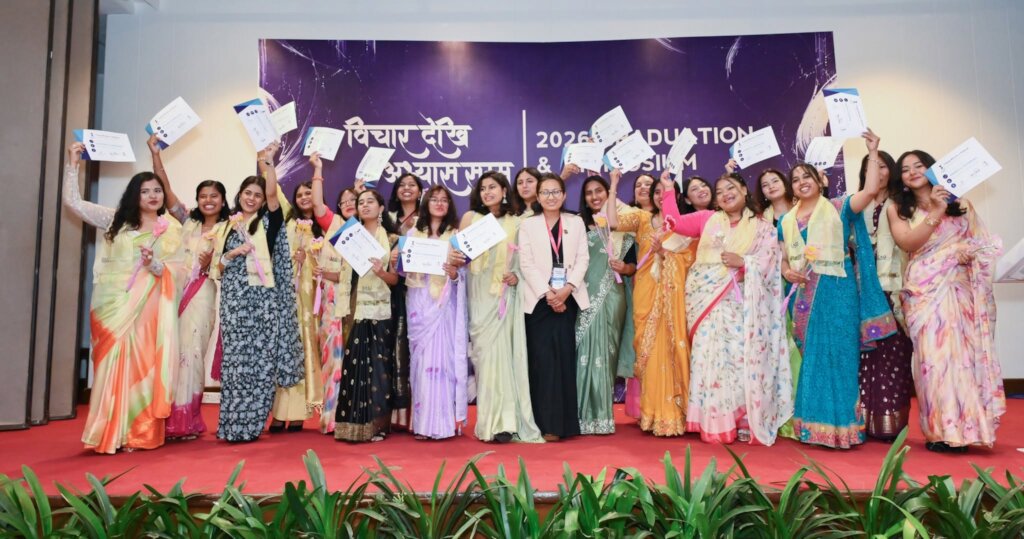
Together, these mentorship, learning, internship, and advocacy experiences have enabled fellows to move beyond theoretical understanding and actively engage with democratic processes, public institutions, and community-led change. Through this continuum of support, Women LEAD Nepal is nurturing a new generation of informed, confident, and socially conscious young women leaders who are equipped to influence decision-making and contribute to a more equitable and inclusive society.

Session on Women, Power,&  Electoral Politics
Session on Women, Power,& Electoral Politics
Mentor & Mentee delved into thoughtful discussions
Alumni Experience Sharing during Advocacy Week
Share on Twitter Share on Facebook

Feb 3, 2026
Strengthening Young Women's Political Leadership in Nepal: YWPLC 2025-26 Kicks Off

By Urusha Maharjan | Development and Fundraising Coordinator

Oct 8, 2025
Fellows Learning in the Real World

By Stuti Reuben Rai | MEAL & Development Associate

About Project Reports

Project reports on GlobalGiving are posted directly to globalgiving.org by Project Leaders as they are completed, generally every 3-4 months. To protect the integrity of these documents, GlobalGiving does not alter them; therefore you may find some language or formatting issues.

If you donate to this project or have donated to this project, you can receive an email when this project posts a report. You can also subscribe for reports without donating.


Sign up for updates

Organization Information

Women LEAD

Location: Washington, DC - USA
Website:
Facebook: Facebook Page
X / Twitter: Profile
Project Leader:
Urusha Maharjan
Washington , DC United States

Learn more about GlobalGiving

Teenage Science Students
Vetting +
Due Diligence

Snorkeler
Our
Impact

Woman Holding a Gift Card
Give
Gift Cards

Young Girl with a Bicycle
GlobalGiving
Guarantee

Get incredible stories, promotions, and matching offers in your inbox

WARNING: Javascript is currently disabled or is not available in your browser. GlobalGiving makes extensive use of Javascript and will not function properly with Javascript disabled. Please enable Javascript and refresh this page.