Support4Reusable Sanitary, EmPower Girls Education

by Centre for Girls and Interaction (CEGI)
Support4Reusable Sanitary, EmPower Girls Education

Project Report | Sep 24, 2026
Support4Reusable Sanitary, EmPower Girls Education

By Sarah Nyirenda | Project Officer

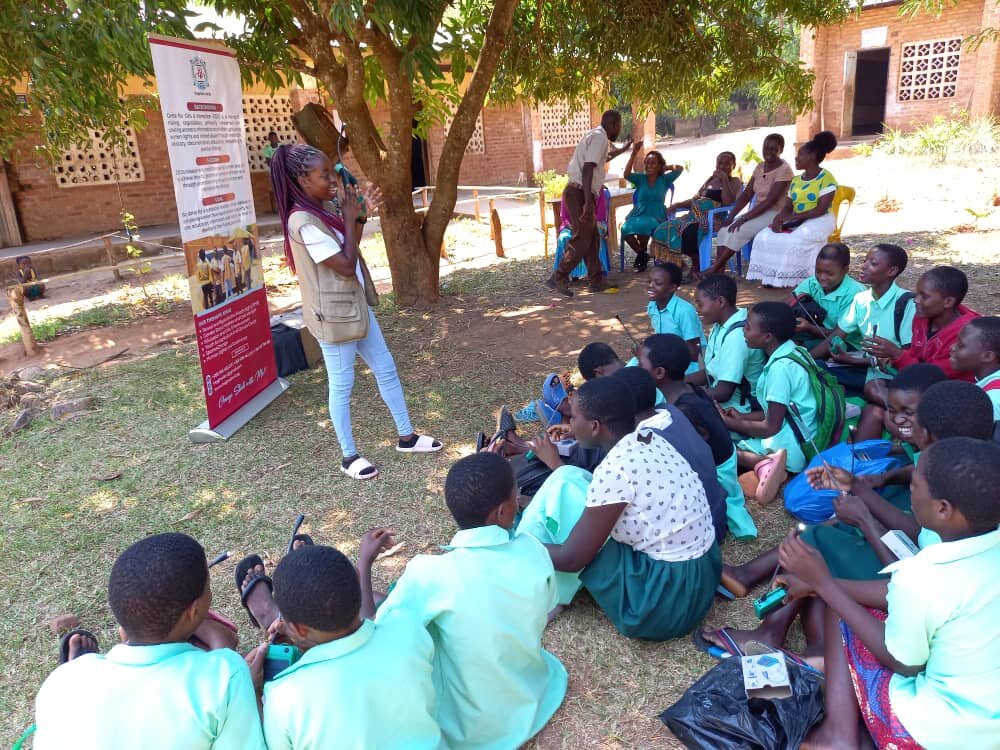
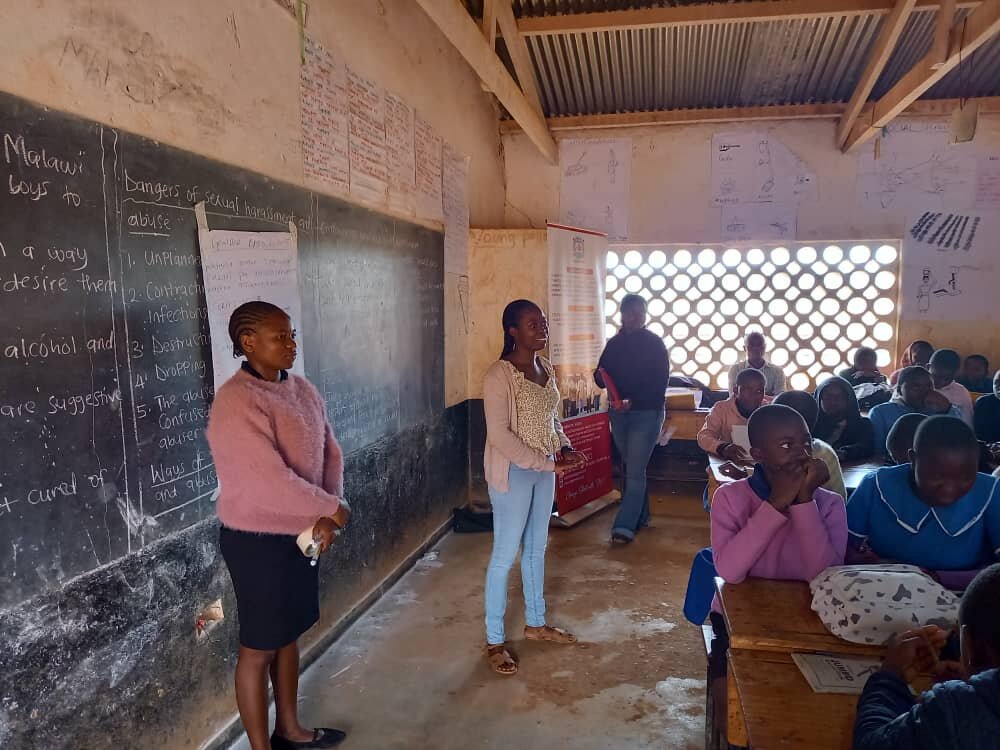
The report focuses on human trafficking undermines human dignity, security and development, making it a critical issue for governments, organizations and communities to address through prevention, protection, prosecution and partnership. CEGI realized that many of the same vulnerabilities that drive gender-based violence GBV, such as gender discrimination, poverty and lack of education, also serve as root causes of human trafficking globally. GBV not only drives trafficking but also acts as a tool used by traffickers to manipulate and control individuals, especially, especially women and children into both sex and forced labour. The report is contributing to the last activities conducted by CEGI in communities and schools on efforts to address the gender dimensions of the problem of trafficking in persons and contains recommendations on the strengthening of human rights–based, victim-centred, and gender- and age-sensitive approaches.

CEGI found out that lower levels of digital literacy among older women, combined with limited access to technology and the absence of age and gender-responsive outreach, have further restricted awareness of rights, access to information, and the ability to seek support or redress through formal systems to prevent trafficking through use of technologies.

ACHIVEMENTS

  • CEGI managed to improve reporting and referral system for reporting of cases from communities and individuals who are experiencing abuse and dangers of trafficked
  • Working with community structures and schools has been improved and number of activities on awareness raising done
  • Implementation of community awareness campaigns through radio, social media and community dialogues
  • Formation of community task forces to monitor and report trafficking activities or any related suspicious activities.
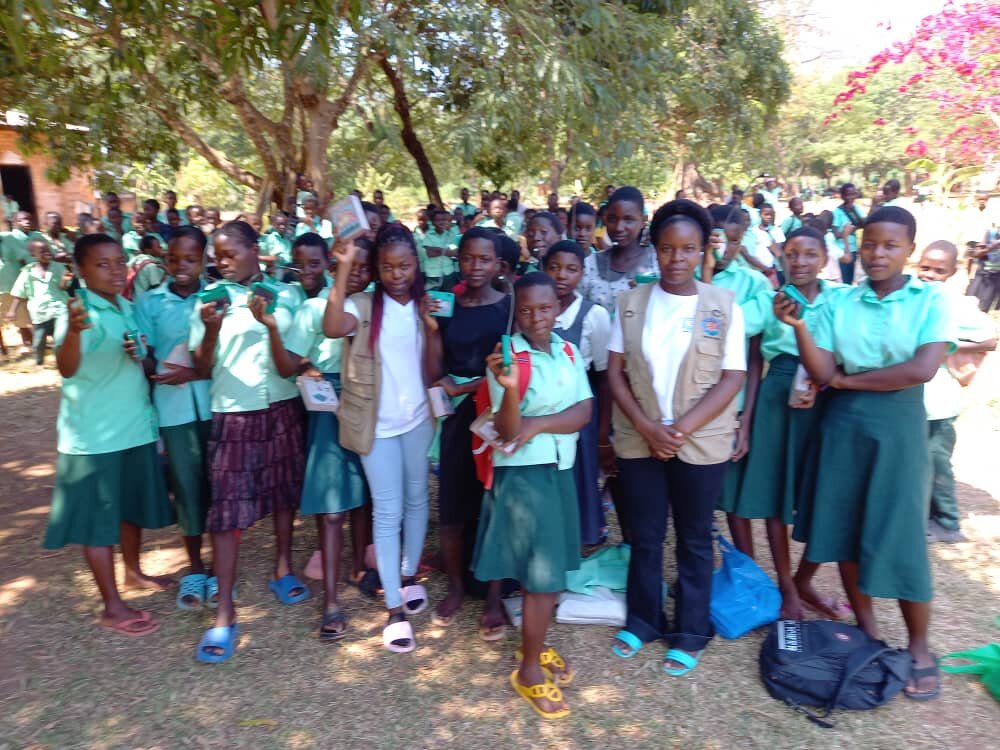
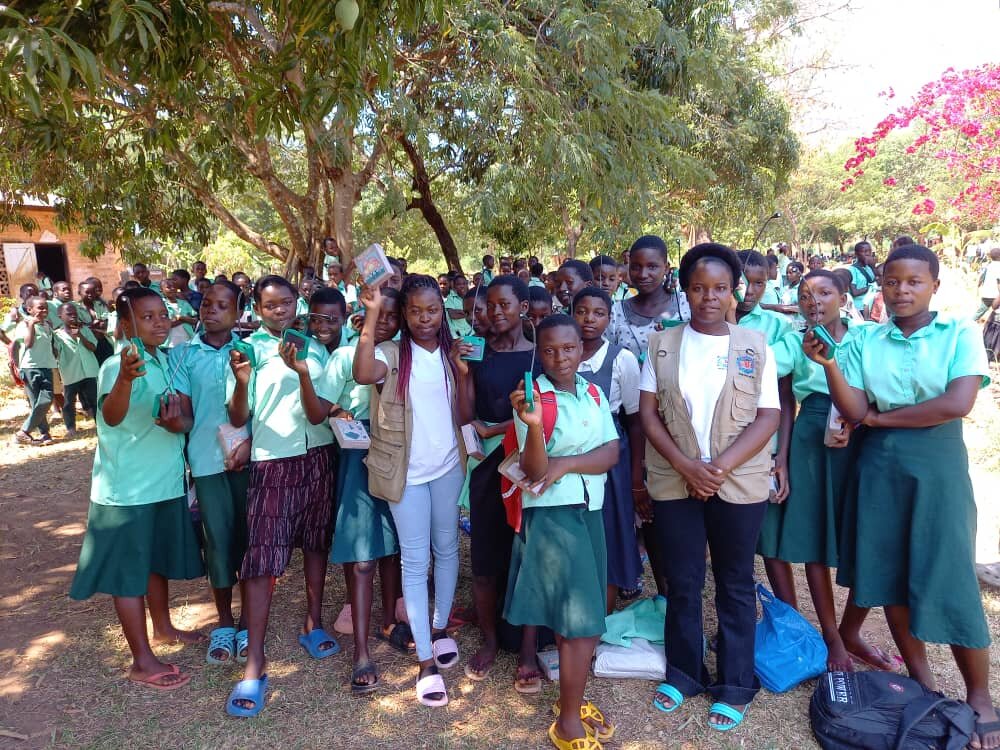
  • Through educatingyoung people about digital safety, monitor their online interactions, and warn them about online predators who use social media and gaming platforms to groom victims has managed to reach out to 1000+ beneficiaries


CHALLENGES

  • Corruption still remain at the point of everything among law enforcement officers that allows traffickers to operate
  • Insufficient funding for prevention, rescue , rehabilitation programs across different communities
  • Victims unaware of their rights, making them reluctant to seek help
  • Communities unaware of trafficking risks, especially in rural areas
  • Lack of poor mobility in hard to reach areas due to rains and poor roads


WAY FORWARD

  • Advocacy continues to demand strict accountability for traffickers and better survivor support systems
  • Scale up community education campaigns targeting rural and high risk areas
  • Integrate human trafficking prevention and awareness into school curricula and youth programs
  • There is a need to strengthen collaboration of organizations and mobilize communities in supporting advocacy work to end trafficking


LESSONS LEARNED


  • Strong partnerships between government agencies, NGO’s and international organizations improve response and victim support
  • Empowering community leaders and youth creates sustainable awareness
  • Respecting survivors rights and dignity increases trust and cooperation
  • Awareness campaigns must be combined with livelihood programs to address root causes like poverty and unemployment and there is a need to come up with some ideas to come up with a livelihood fundraising
Share on Twitter Share on Facebook

May 27, 2026
Project Report on Support4Reusable Sanitary Pads

By Chancy Simwela | Project Officer

About Project Reports

Project reports on GlobalGiving are posted directly to globalgiving.org by Project Leaders as they are completed, generally every 3-4 months. To protect the integrity of these documents, GlobalGiving does not alter them; therefore you may find some language or formatting issues.

If you donate to this project or have donated to this project, you can receive an email when this project posts a report. You can also subscribe for reports without donating.


Sign up for updates

Organization Information

Centre for Girls and Interaction (CEGI)

Location: Mzuzu, Northern region - Malawi
Website:
Facebook: Facebook Page
Project Leader:
Pearson Malisau
Mzuzu , Northern region Malawi
$1 raised of $34,500 goal
 
2 donations
$34,499 to go
Donate Now
lock
Donating through GlobalGiving is safe, secure, and easy with many payment options to choose from. View other ways to donate

Centre for Girls and Interaction (CEGI) has earned this recognition on GlobalGiving:

Help raise money!

Support this important cause by creating a personalized fundraising page.

Start a Fundraiser

Learn more about GlobalGiving

Teenage Science Students
Vetting +
Due Diligence

Snorkeler
Our
Impact

Woman Holding a Gift Card
Give
Gift Cards

Young Girl with a Bicycle
GlobalGiving
Guarantee

Get incredible stories, promotions, and matching offers in your inbox

WARNING: Javascript is currently disabled or is not available in your browser. GlobalGiving makes extensive use of Javascript and will not function properly with Javascript disabled. Please enable Javascript and refresh this page.