By Yu Miyazaki | Director of External Affairs
Hello from Japan!
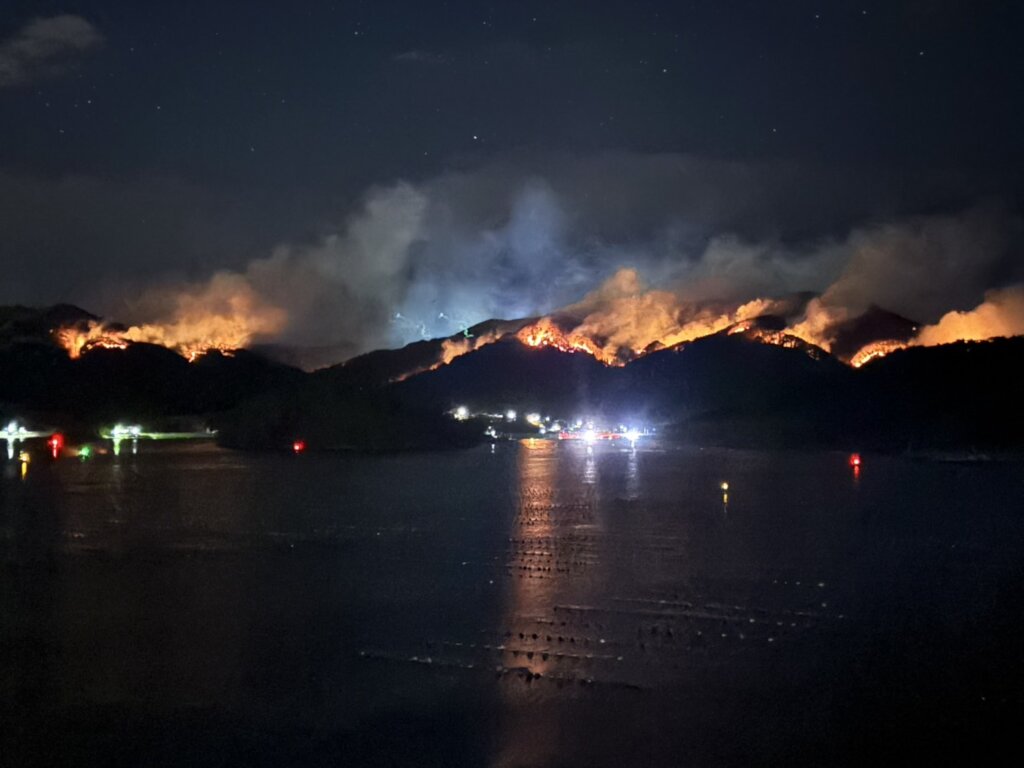
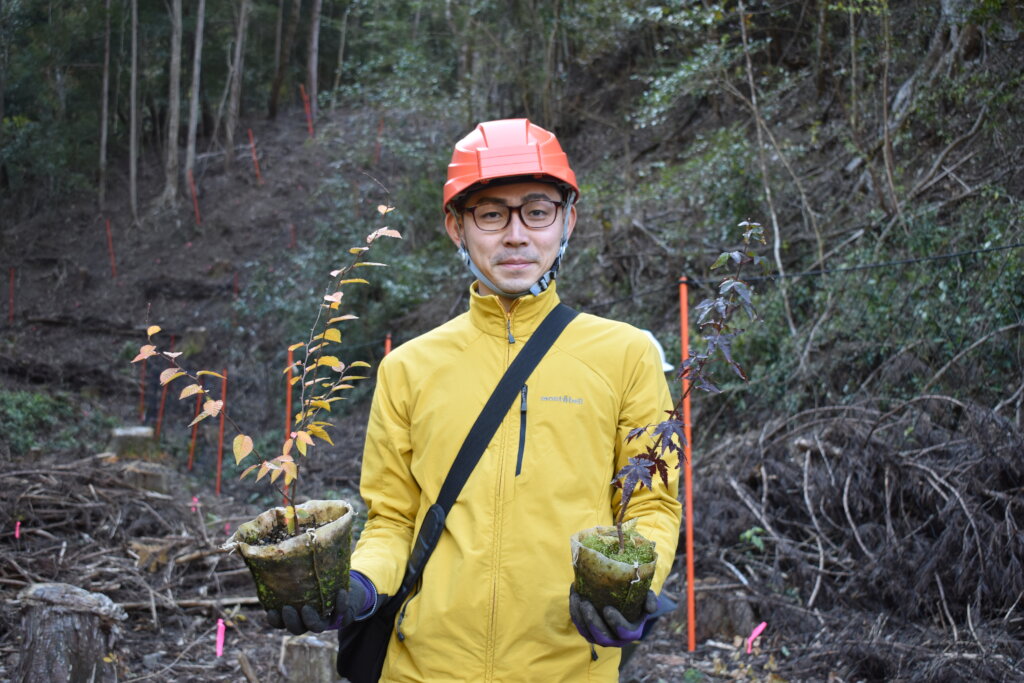
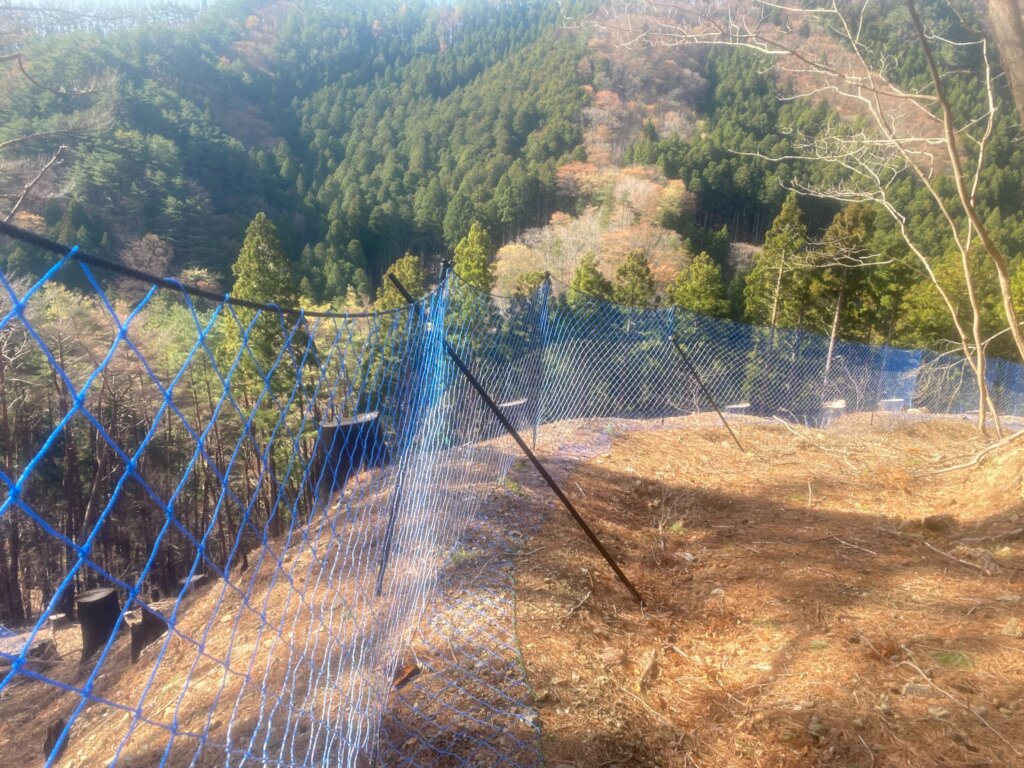
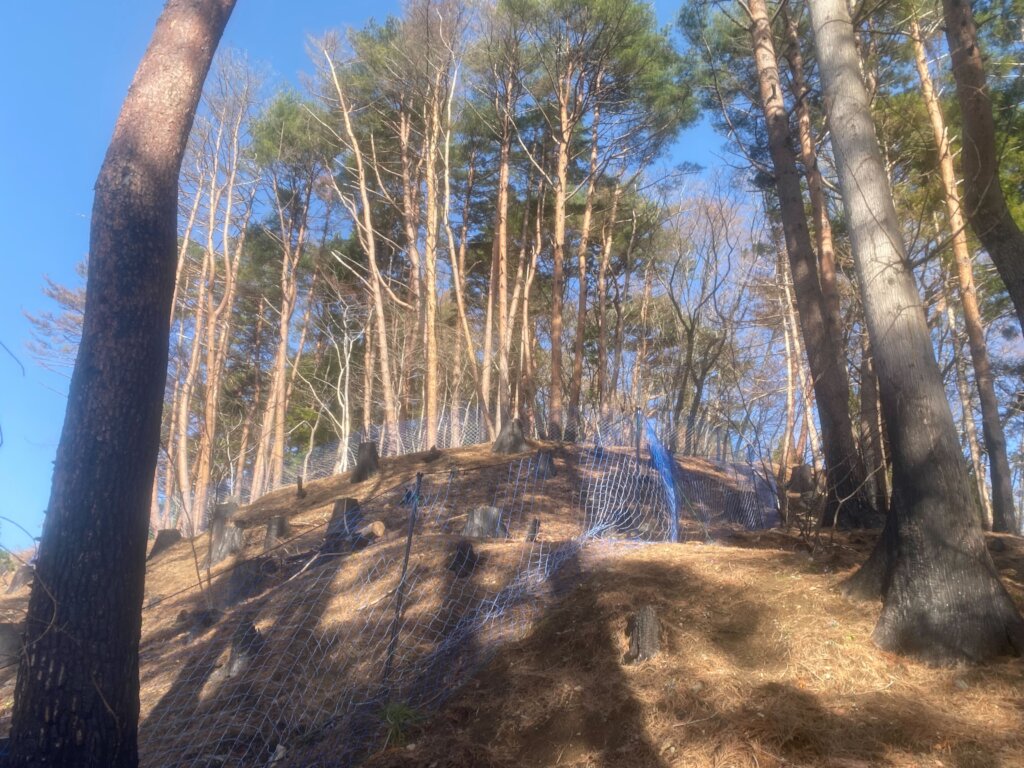
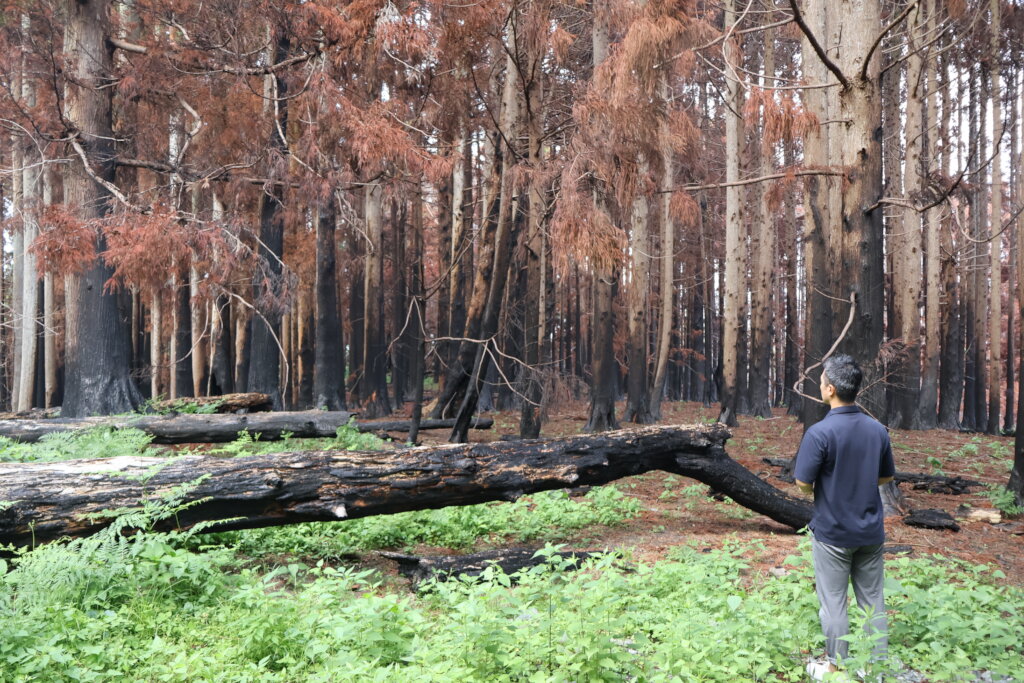
Thank you so much for your unwavering support of More Trees. We are delighted to share a major milestone: the first planting at our Ryori site is now complete. What began as a fire-scarred hillside is taking its first steps toward becoming a vibrant broadleaf forest — thanks to you.
Planting Complete: 2,215 Trees in the Ground
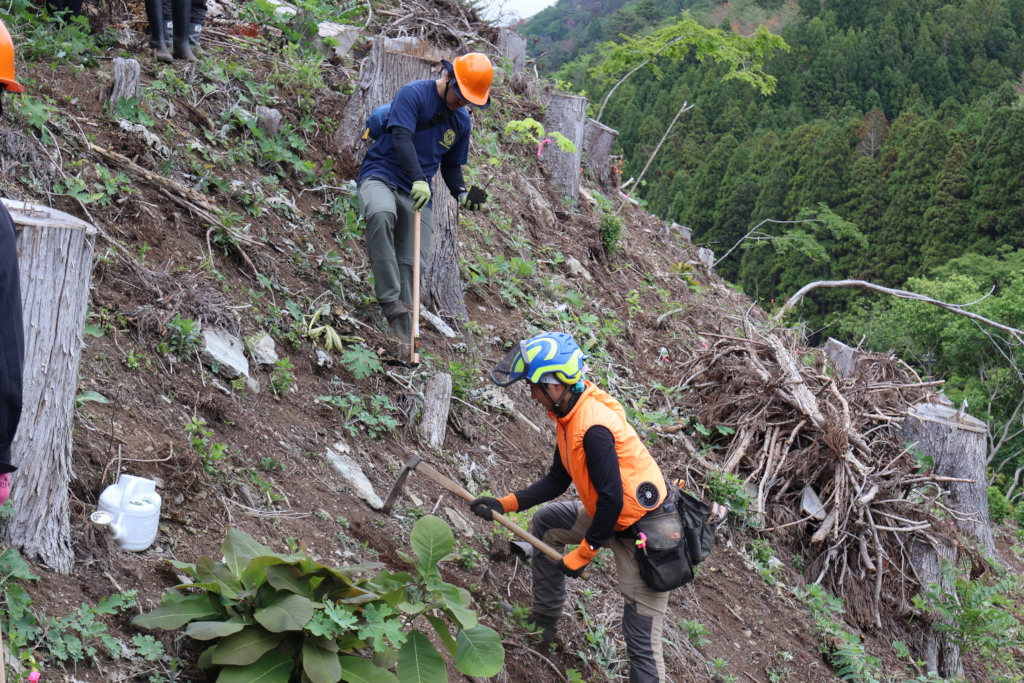
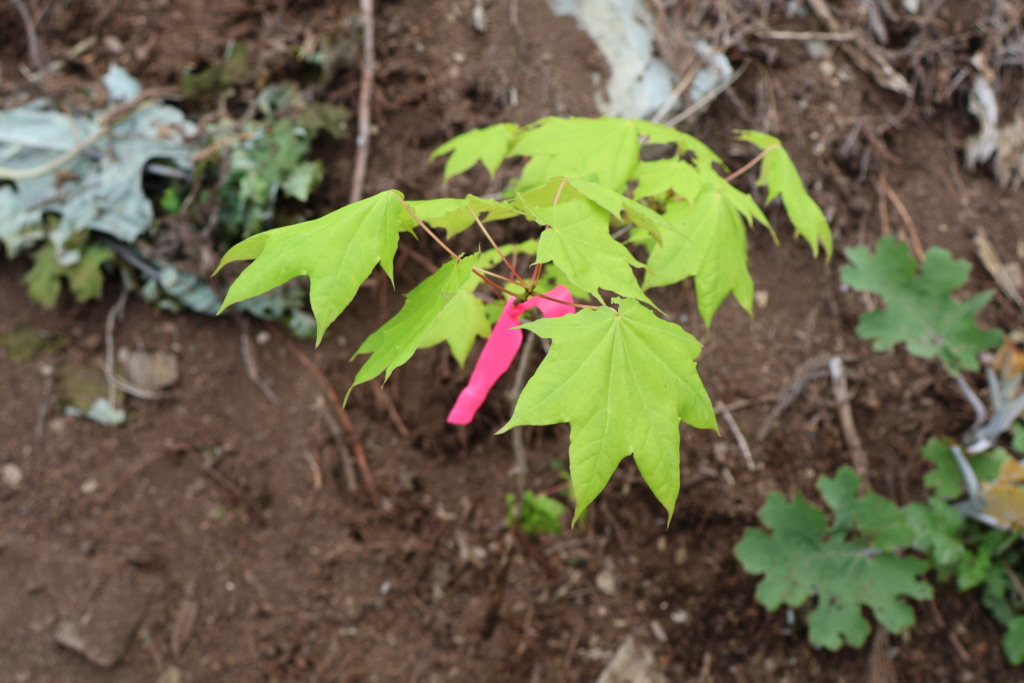
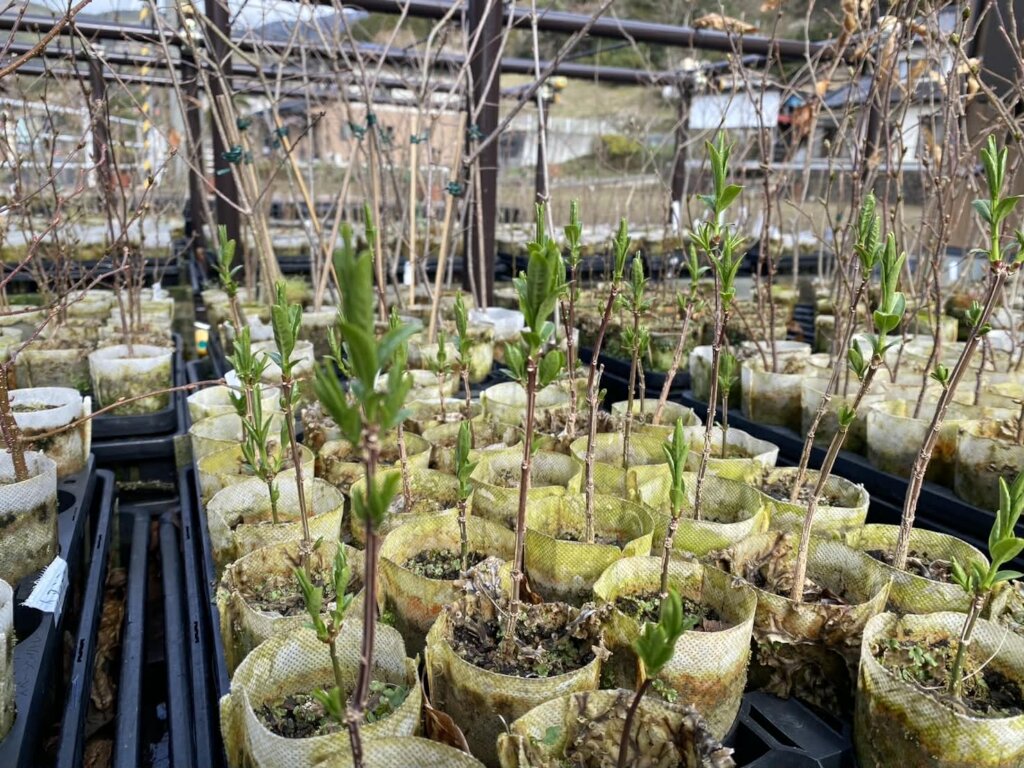
As we reported last time, our first reforestation site is a 2.2-hectare plot in the Ryori district of Ofunato City. We are pleased to announce that planting was completed in May, with a total of 2,215 local seedlings now in the ground.
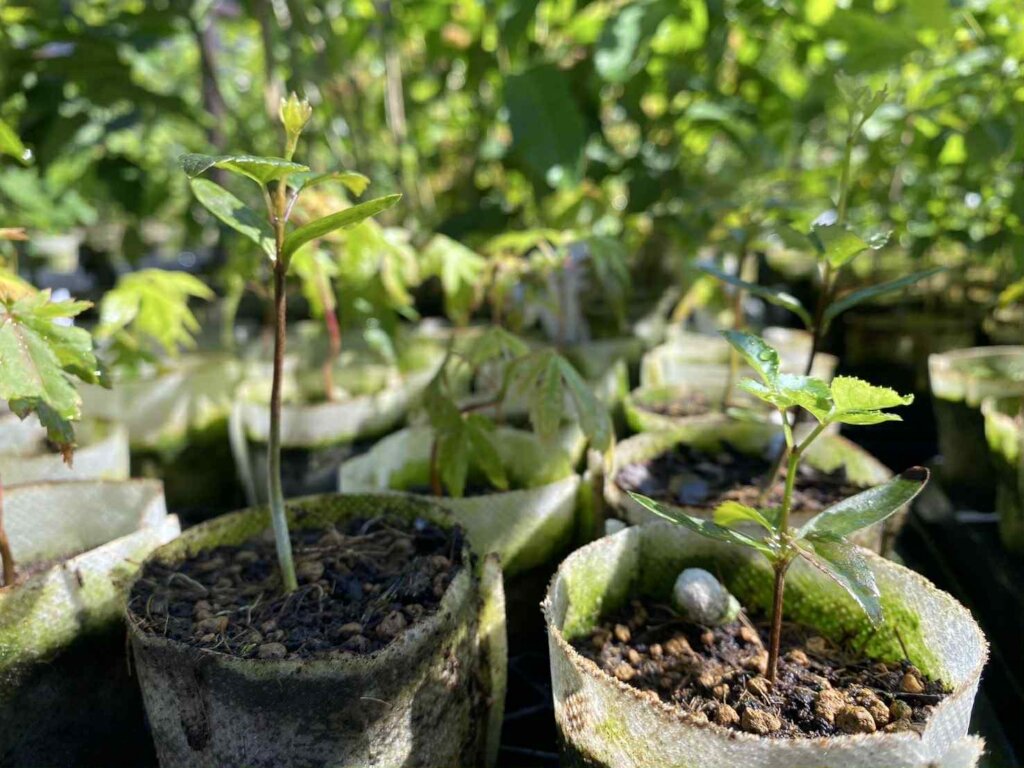
The species planted are as follows:
Quercus serrata: 1,700
Acer rufinerve: 500
Acer pictum: 10
Styrax japonicus: 5
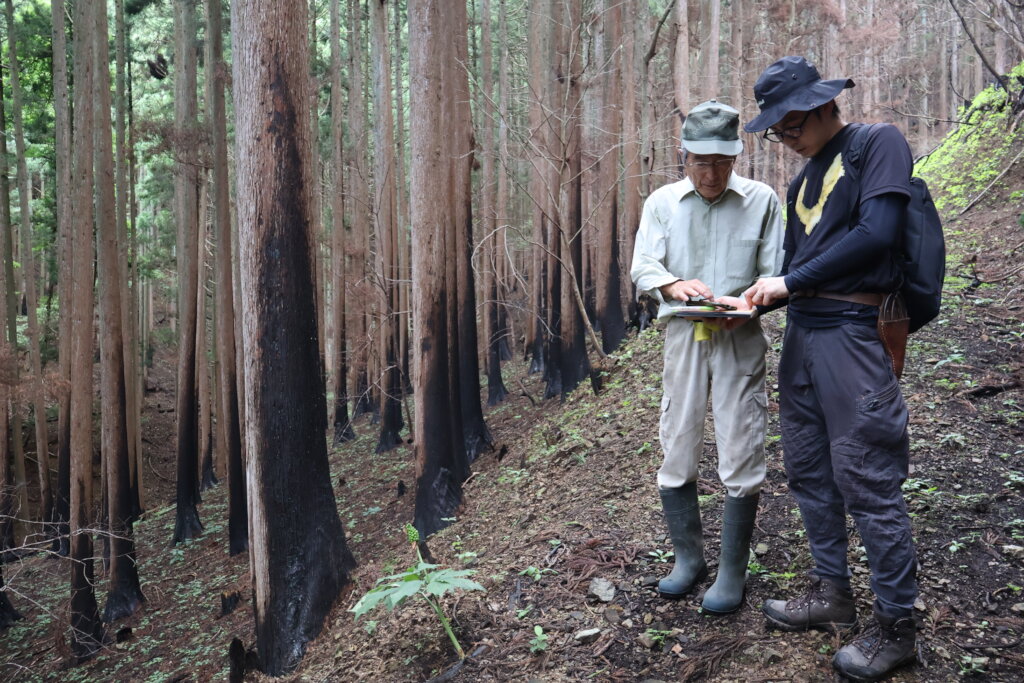
At this site, the planting density was set at 1,000 trees per hectare — somewhat lower than the 2,000–3,000 trees per hectare typical at our other sites. This was a deliberate choice. As we mentioned in our previous report, a portion of broadleaf forest remains along the ridgeline above the planting area, and we expect seeds from these trees to naturally disperse into the site over time. By leaving room for this natural regeneration, we are inviting the surrounding forest to participate in its own recovery.
Caring for the Young Forest: Ongoing Management
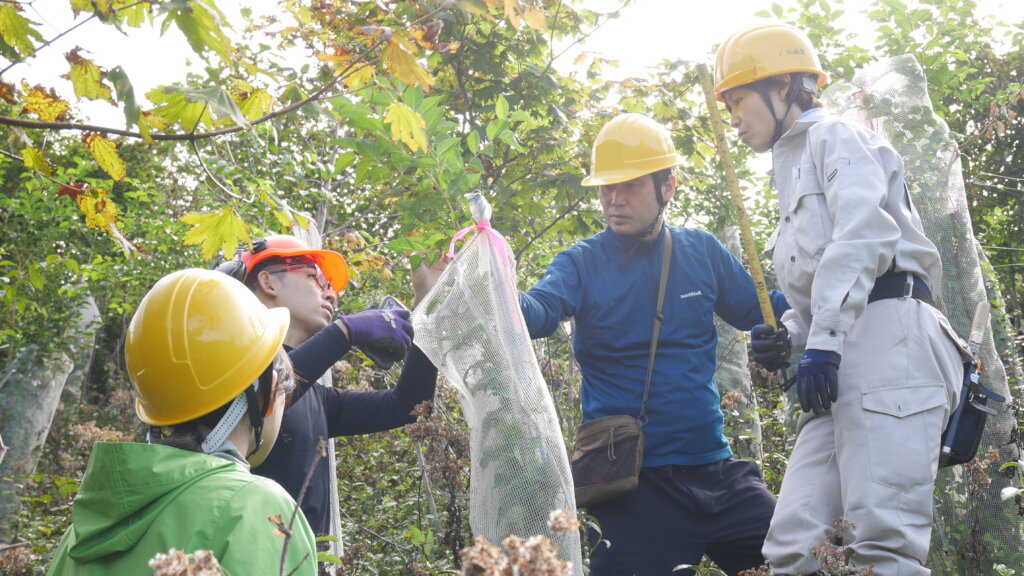
Planting the seedlings is only the beginning. Over the coming years, as the trees establish themselves and grow, our team will carry out regular maintenance work including grass cutting to reduce competition from ground vegetation, and supplementary planting to fill in any gaps where seedlings may not have taken root. Nurturing a forest takes patience, and we are committed to seeing these trees through their earliest, most vulnerable years.
Looking Ahead: A Second Site in Ryori
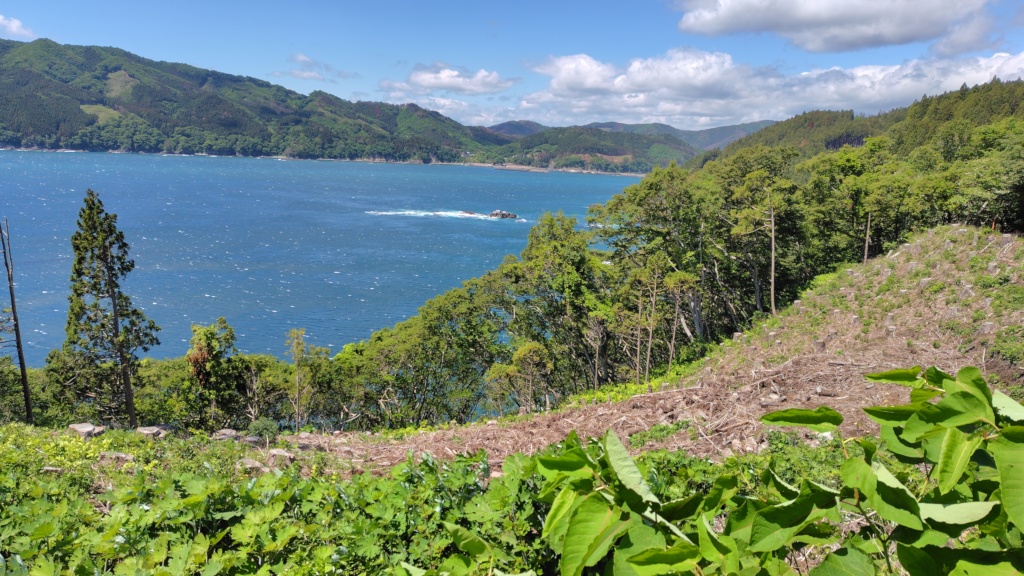
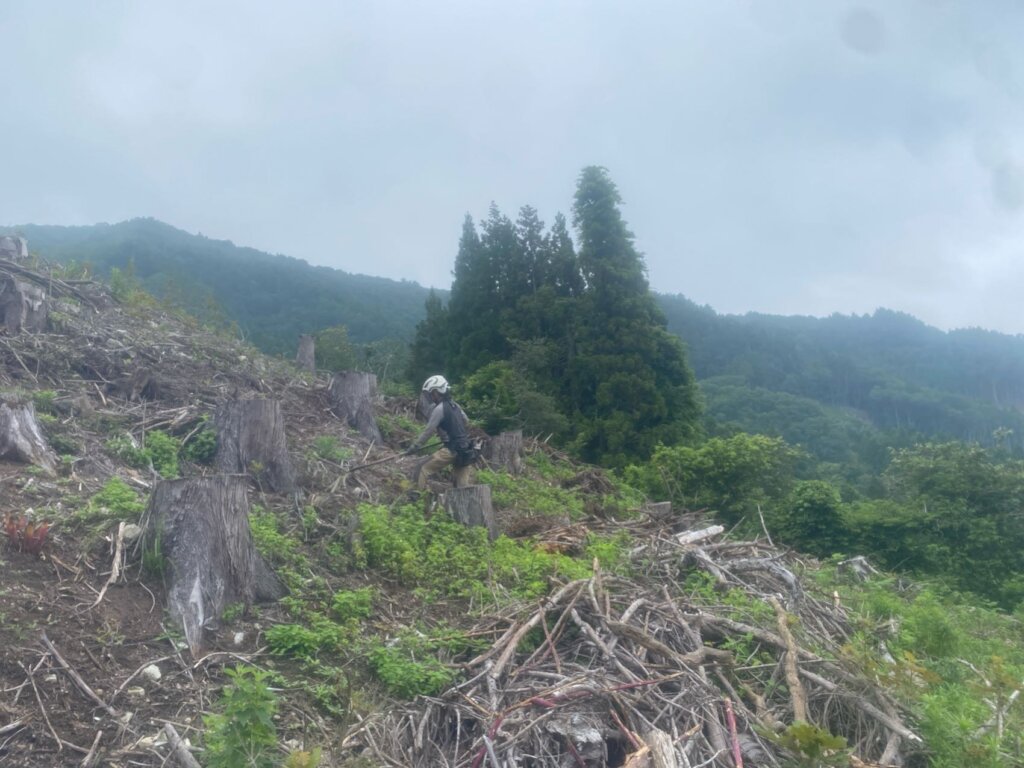
Even as the ink dries on our first planting, preparations for the next site are already underway. Our second reforestation area is also located in the Ryori district — a 1.67-hectare plot where artificial conifer forest, burned in the same fire, has since been cleared.
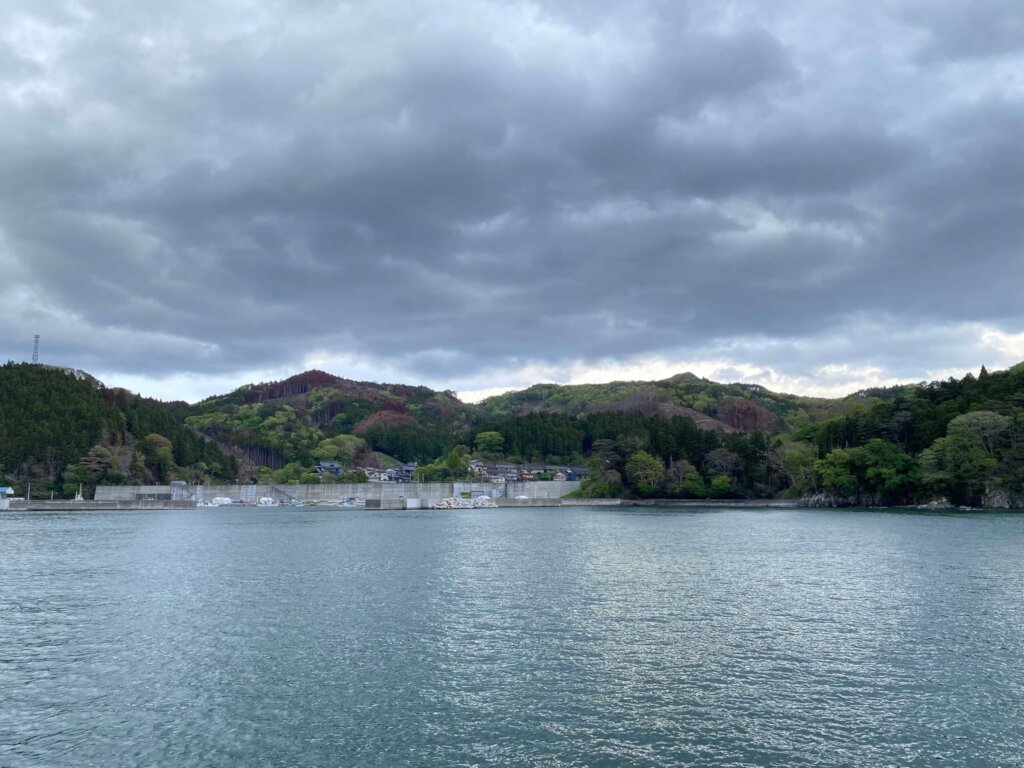
Unlike the first site, this plot faces the sea, bringing a notably different set of environmental conditions — stronger winds, salt-laden air, and soils shaped by coastal exposure. These differences mean that the tree species we plant here will need to be carefully reconsidered to match the harsher coastal environment. We are currently working on species selection that reflects these conditions.
Site preparation work was completed by July, and the area is now ready and waiting for autumn planting. We look forward to sharing more details about this next phase in our upcoming reports.
With every seedling planted, the recovery of Ofunato's forests moves one step closer to reality. We could not do this without you.
Thank you, from the bottom of our hearts, for your continued support.
By Yu Miyazaki | Director of External Affairs
By Yu Miyazaki | Director of External Affairs
Project reports on GlobalGiving are posted directly to globalgiving.org by Project Leaders as they are completed, generally every 3-4 months. To protect the integrity of these documents, GlobalGiving does not alter them; therefore you may find some language or formatting issues.
If you donate to this project or have donated to this project, you can receive an email when this project posts a report. You can also subscribe for reports without donating.



Support this important cause by creating a personalized fundraising page.
Start a Fundraiser