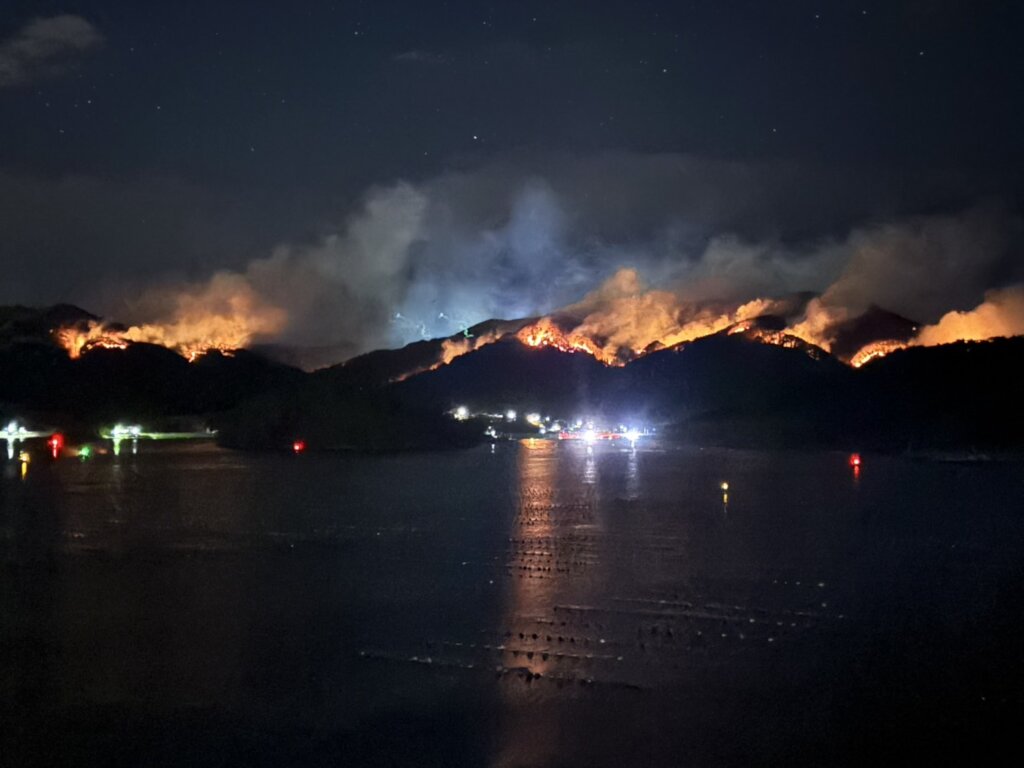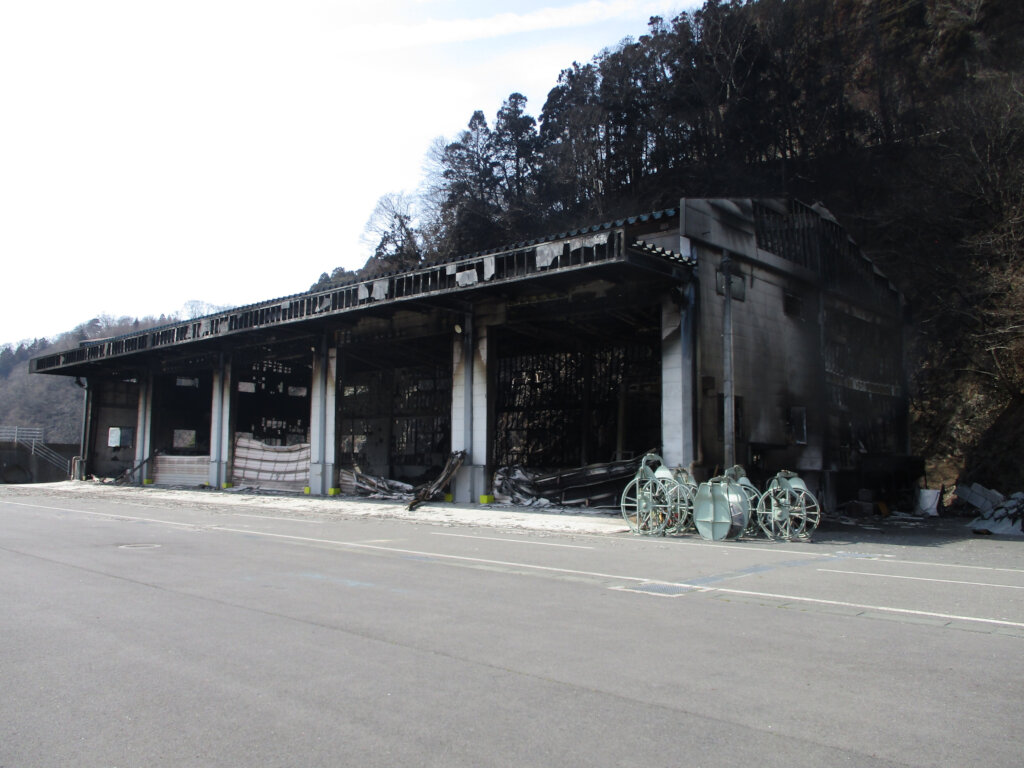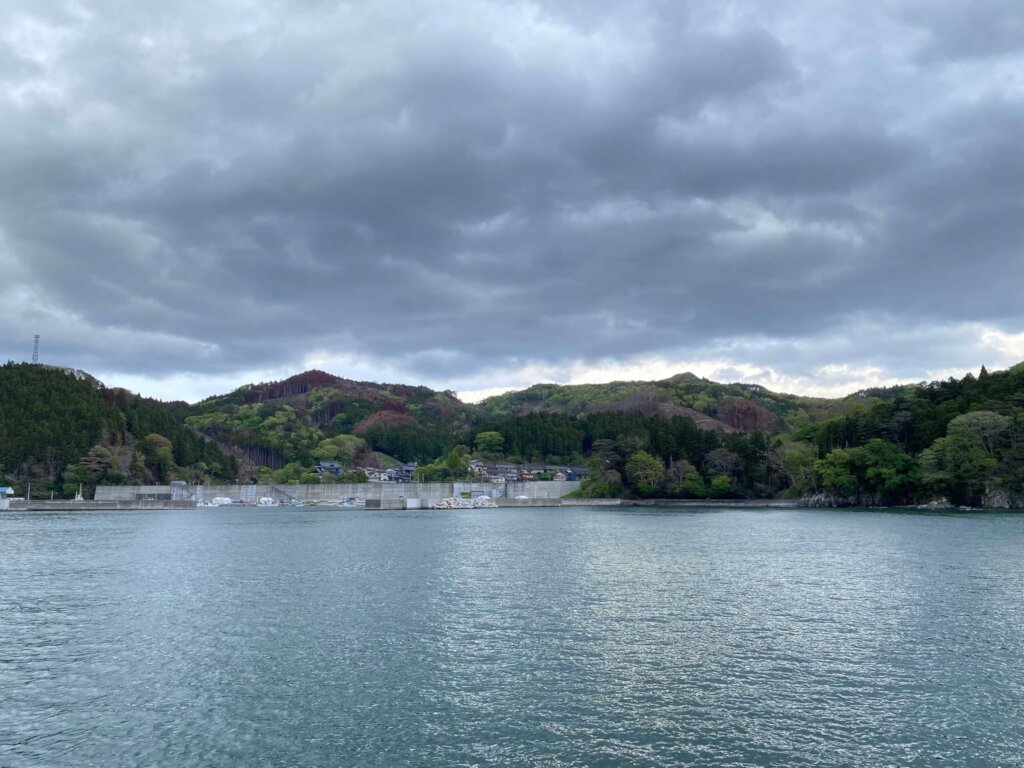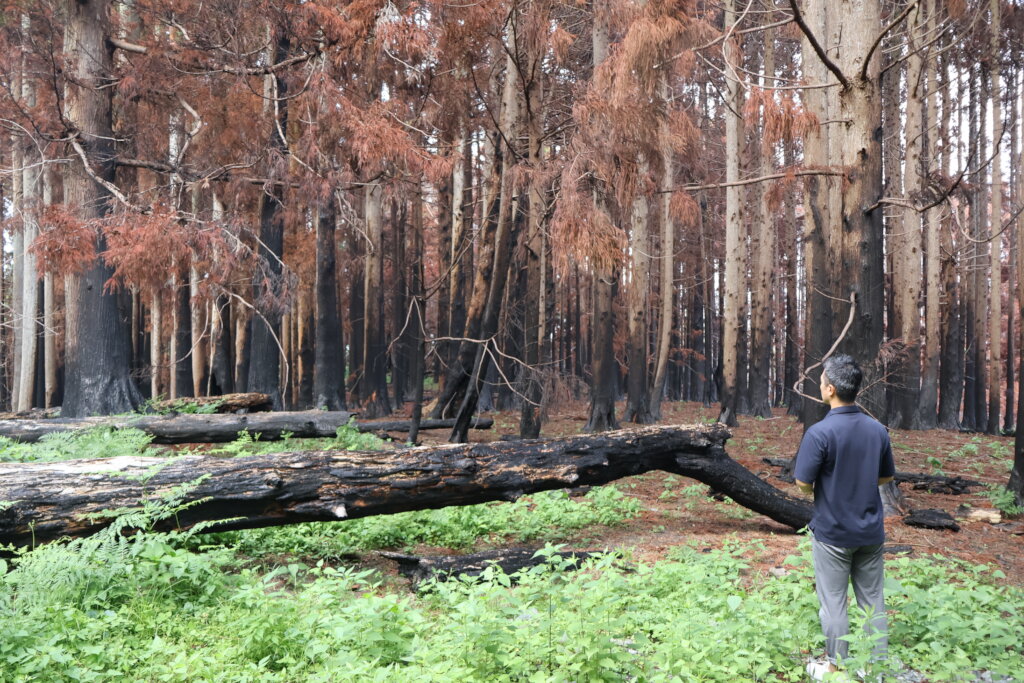
Ofunato in Iwate Prefecture faced a record wildfire in early 2025, burning 3,370 hectares- around 9% of the city's total area. Ofunato had already endured the 2011 Great East Japan Earthquake and tsunami, suffering heavy loss of life and homes. Struck by two historic disasters in just 14 years, this community is now working toward recovery. We will work with local communities to plant 10,000 native broadleaf trees to restore forests, lower fire risks, and support coastal ecosystems.
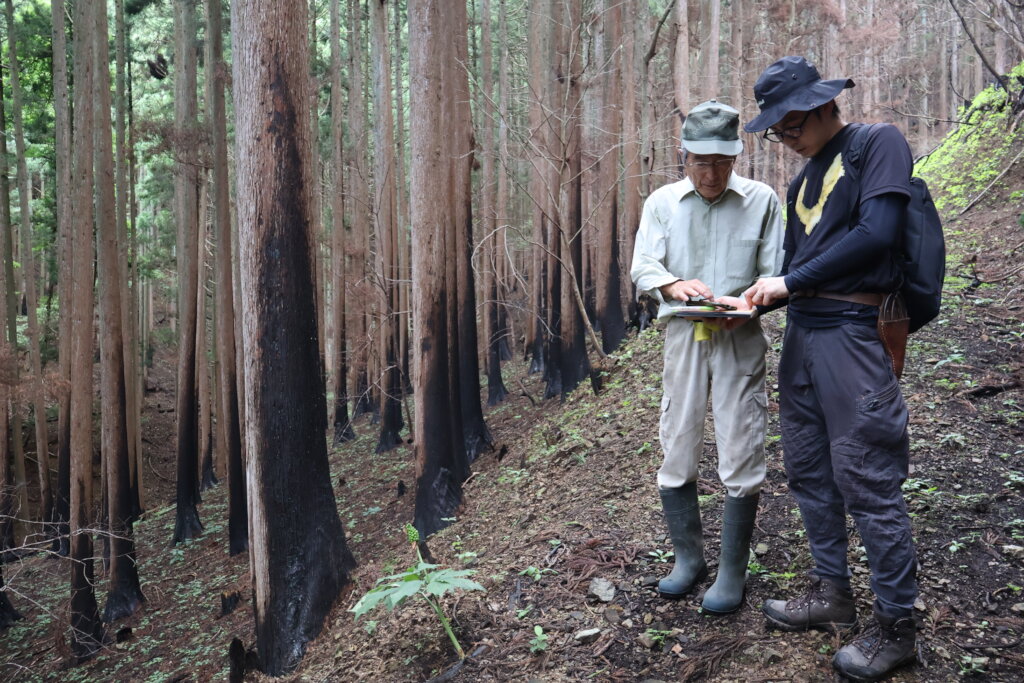
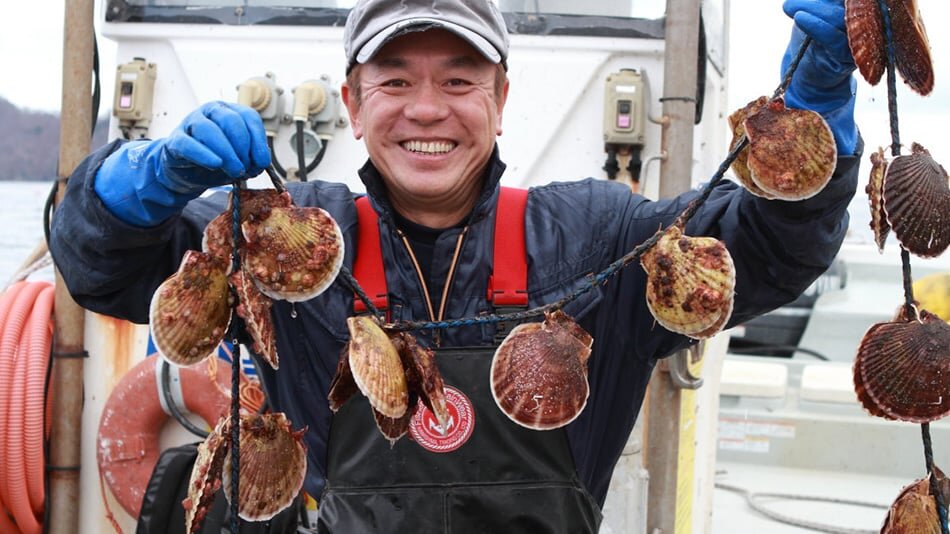
In Iwate Prefecture, large areas of forest are covered by single-species conifer plantations, such as cedar and pine, which are more flammable than broadleaf trees. These forests were heavily affected by the recent wildfire. Because many of the damaged forests are located along the coast, the loss of vegetation has disrupted the flow of nutrients into the sea and worsened water quality, which poses a serious threat to local fisheries-the primary industry in Ofunato City.
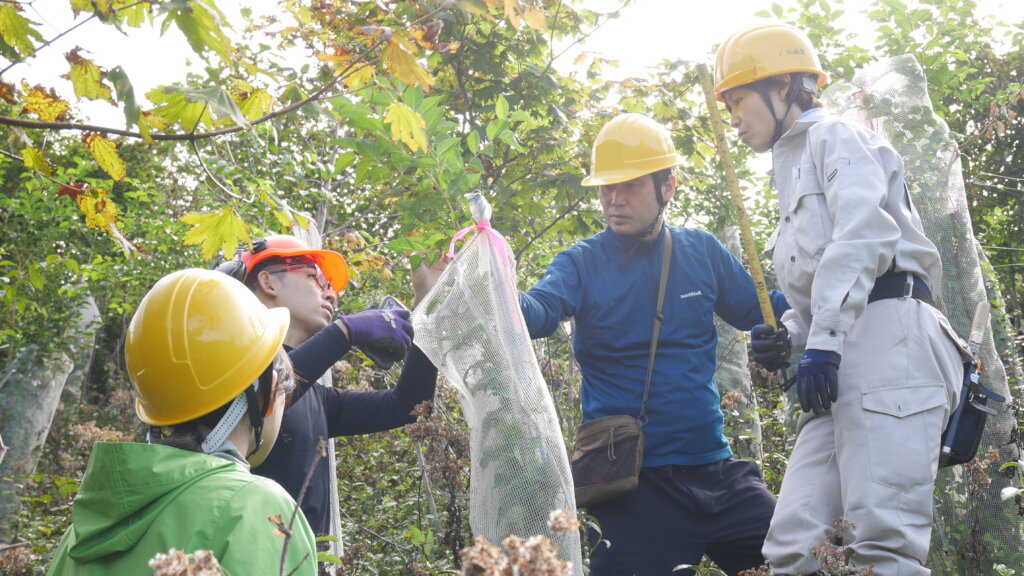
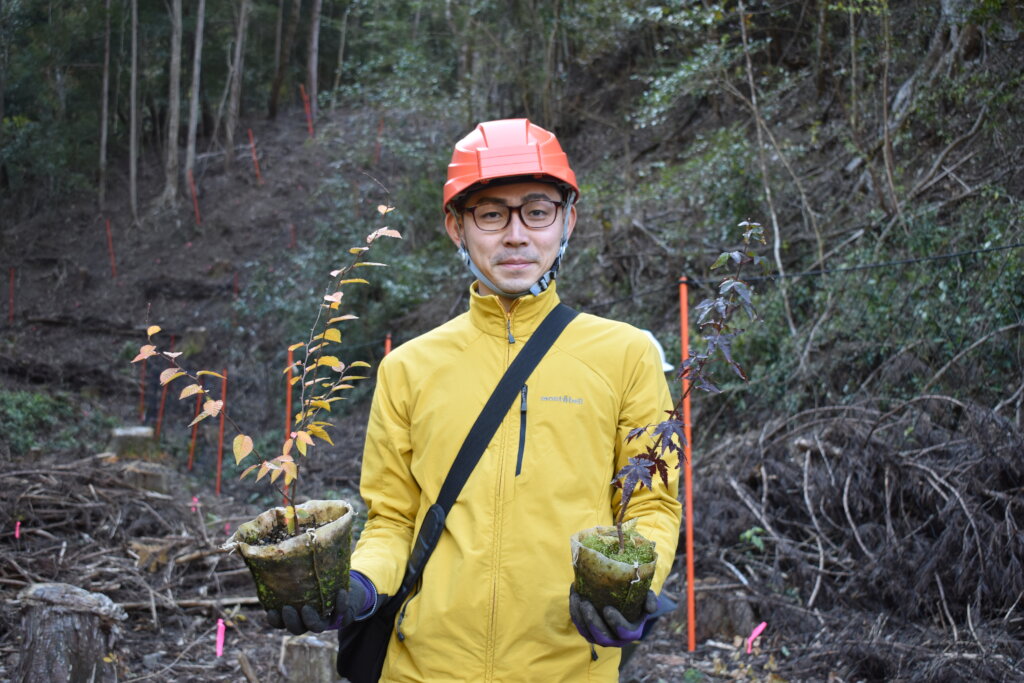
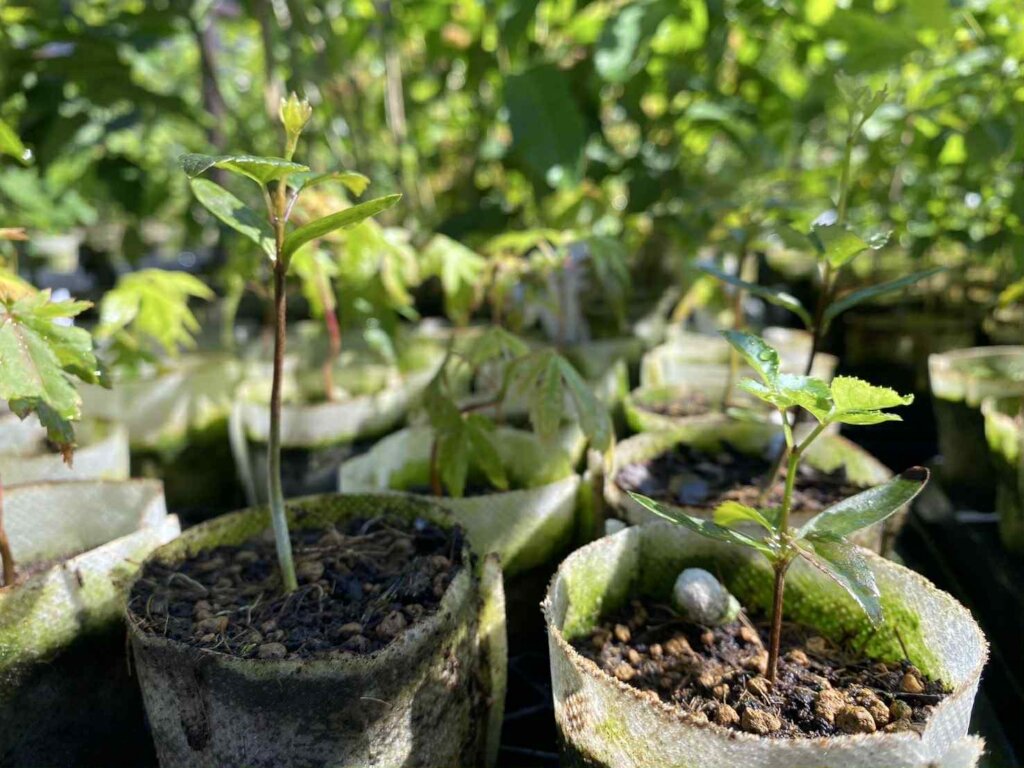
To restore the burned conifer plantations, we will replant native broadleaf species that originally grew in the area. To protect young trees from wild animals such as overpopulated deer, we will install fencing around each planting site. We will also maintain the sites for several years through activities such as weeding. To preserve local genetic diversity, we aim to avoid purchasing seedlings from outside the region and instead collect seeds locally and grow our own nursery stock.
By removing dead trees and replanting native seedlings, we can restore the burned forests more quickly and reduce the risk of falling trees and landslides. Establishing a forest with multiple native species will provide habitat for a wide range of wildlife and help recover local biodiversity. Also, using seeds collected from the area ensures the genetic integrity of the forest. Ultimately, our goal is to cultivate a mature, broadleaf-dominated forest that contains a rich variety of tree species.



Support this important cause by creating a personalized fundraising page.
Start a Fundraiser