By GEOFFREY ANGUYO | PROJECT LEADER
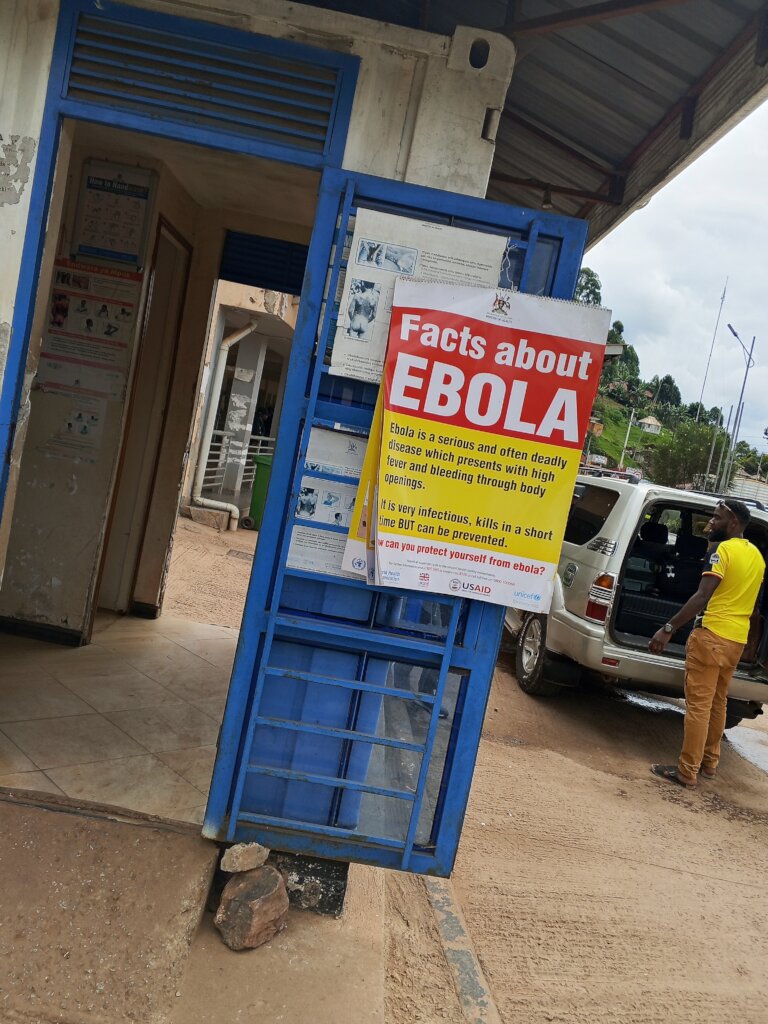
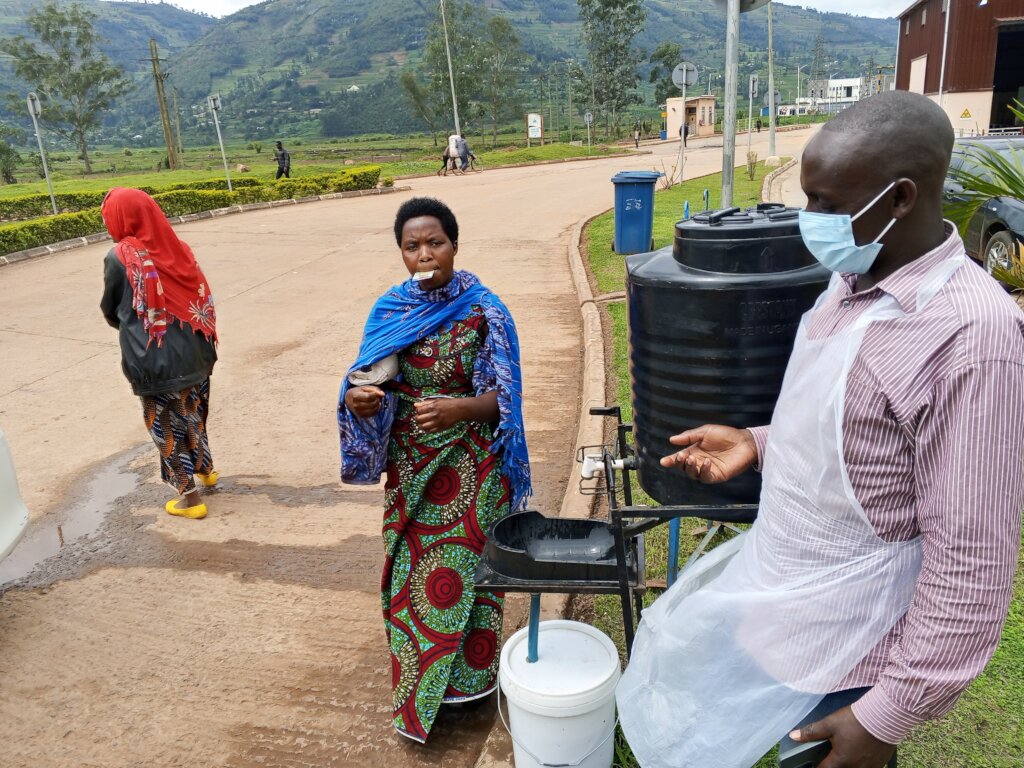
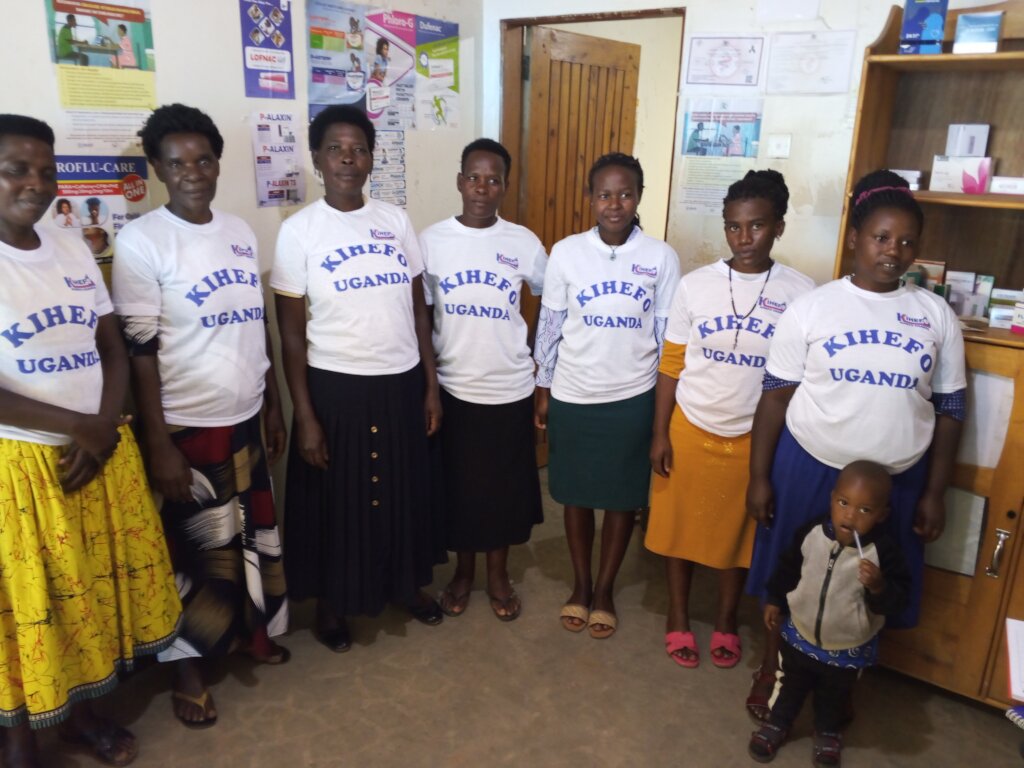
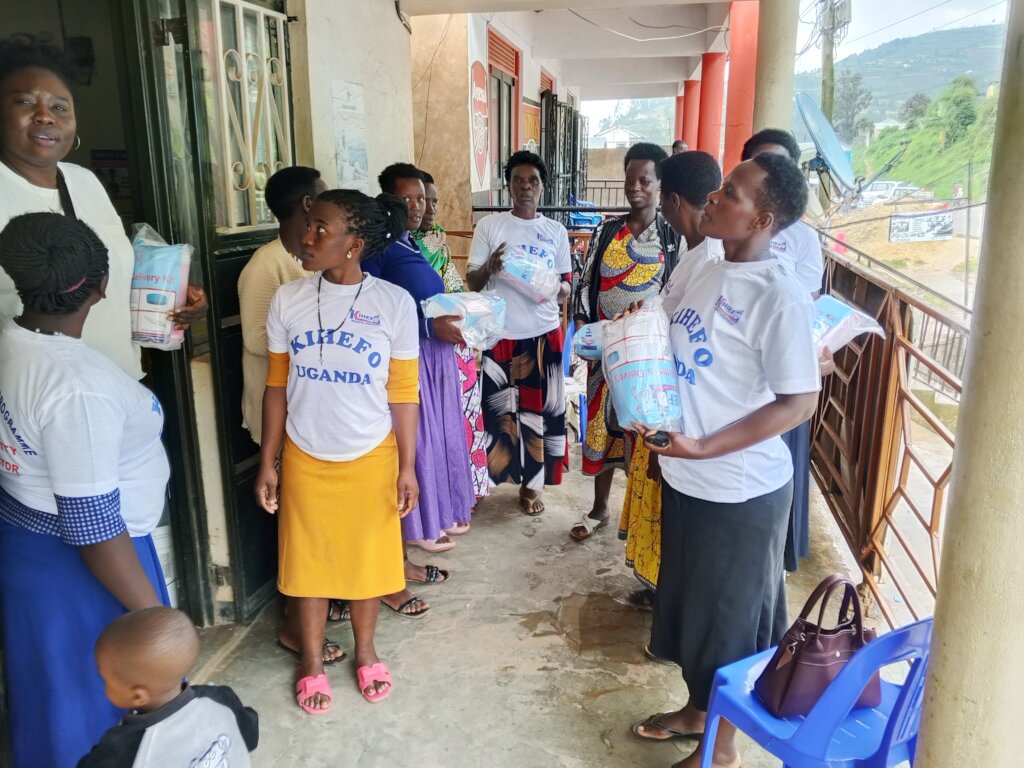
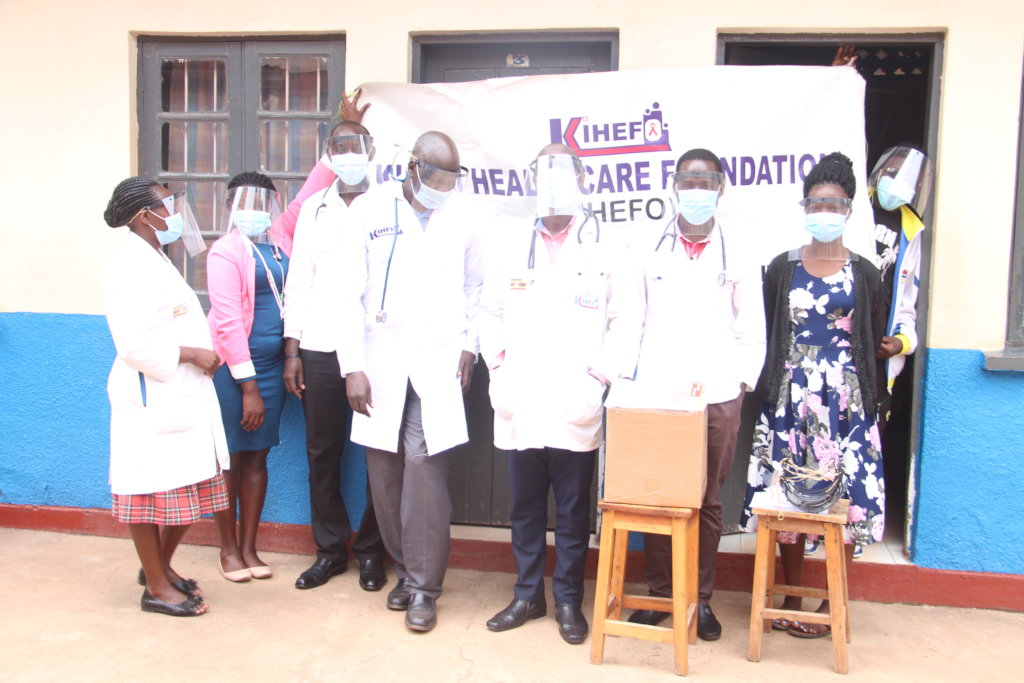
Currently there is an outbreak of Ebola in Democratic Republic of Congo and some cases have been imported into Uganda where about five health workers have been infected Ebola disease (formerly known as Ebola hemorrhagic fever) is a severe, often fatal viral illness in humans and non-human primates. Caused by a group of viruses, it primarily affects multiple organs, damages blood vessels, and disrupts the body's ability to clot, leading to internal and external bleeding. It spreads through direct contact with the blood, secretions, organs, or other bodily fluids of infected people or animals (such as fruit bats and non-human primates). You cannot catch it by breathing the air or from simply being near an infected person. Mortality rates range between 25% to 90% depending on the specific virus strain and access to early supportive care Symptoms usually appear 2 to 21 days after exposure, with an average of 8 to 10 days. The illness typically progresses in two stages, Sudden onset of high fever, intense fatigue, muscle pain, headache, and a sore throat and then Progresses to vomiting, diarrhea, a rash, and impaired kidney and liver function. In severe cases, patients experience unexplained internal and external bleeding (e.g., bleeding from the gums or blood in stool There is no single standard cure for all strains of the virus, though approved treatments and vaccines exist for specific variants (like the Zaire virus). Medical care heavily relies on supportive therapy—such as providing intravenous fluids, maintaining blood pressure, and treating other infections to help patients. The easiest way to screen people for Ebola disease before it becomes advanced is through temperature screening because the patients have persistent high fever. Our team is helping to screen people at the boarder crossings but we lack logistical support. Limited sanitizers inadequate hand washing facilities. We are appealing for more support to help us to scale up the screening.
By KEZZY ADANIA | project Leader
By KEZZY ADANIA | project Leader
Project reports on GlobalGiving are posted directly to globalgiving.org by Project Leaders as they are completed, generally every 3-4 months. To protect the integrity of these documents, GlobalGiving does not alter them; therefore you may find some language or formatting issues.
If you donate to this project or have donated to this project, you can receive an email when this project posts a report. You can also subscribe for reports without donating.



Support this important cause by creating a personalized fundraising page.
Start a Fundraiser