Project Report
| Jun 27, 2024
20 HEALTH WORKERS TRAINED IN CANCER SCREENING
By AINEMUKAMA PROSPER | Project Leader
![]()
Uganda has a population of more than 13 million of both men and women at a risk of developing cervical and prostate cancer with the ages at risk being 15 to 44 years in women for cervical cancer and the age of 40 and above in men for prostate cancer.
In different rural communities, there is a huge shortage of skilled health workers to do the screening so that detected stages may be managed before they hit advanced levels.
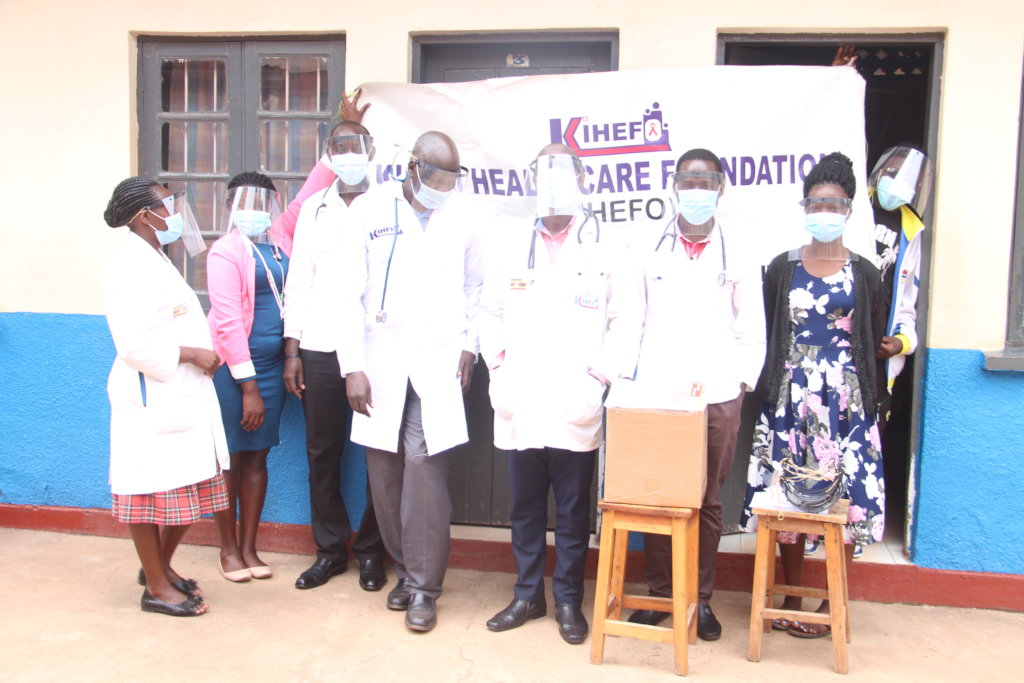
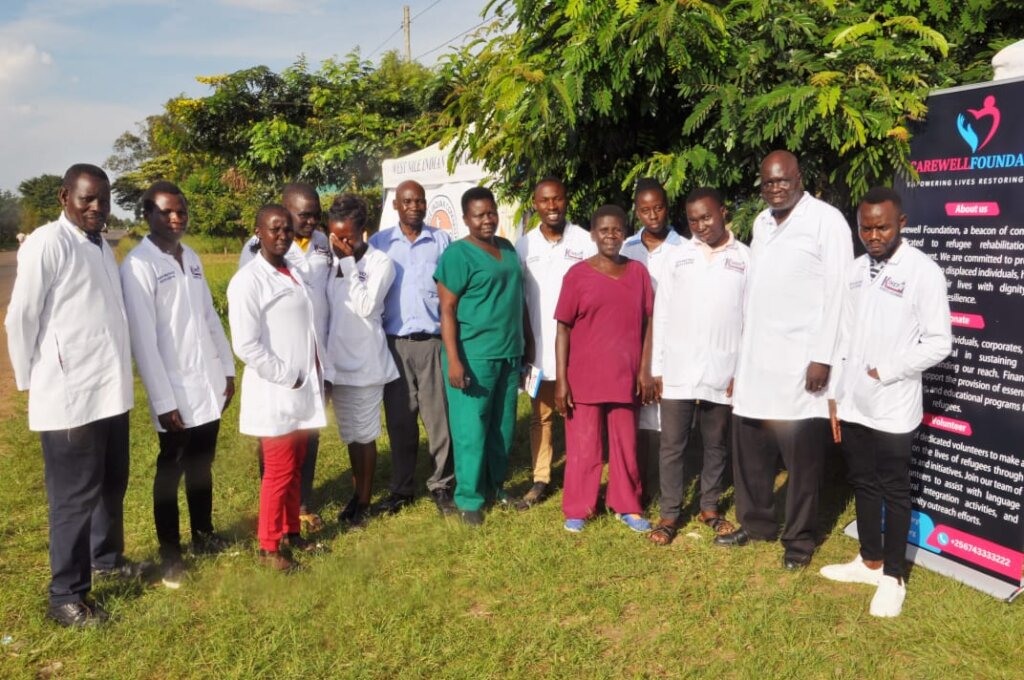
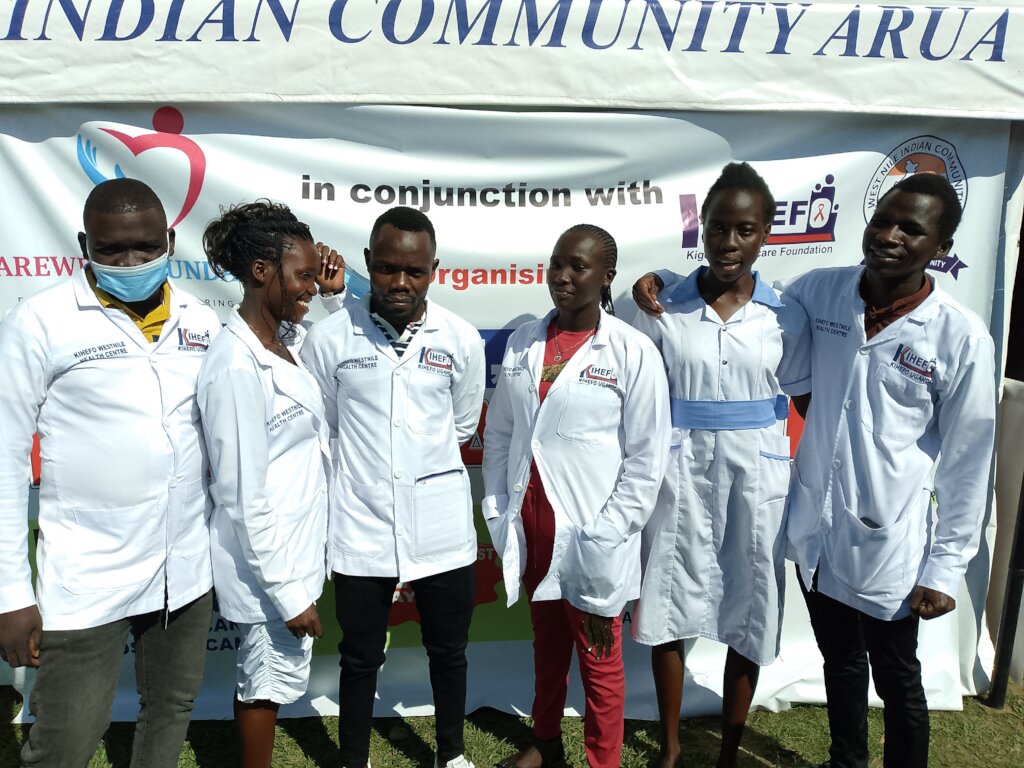
Kigezi Healthcare Foundation in May, in effort to aid the community triumph over these challenges, conducted a two-week mobile clinic in the northwest region of the country known as West Nile where;
- 20 health workers were trained in cervical and prostate cancer screening with the support of Arua Regional Referral Hospital that facilitated five trainers.
- people got to enjoy the services of cervical cancer screening for women as cervical cancer is one of the leading causes of death amongst women in Uganda.
- Prostate cancer screening for men above the age of 40. This was the first-time men in that region were being screened for prostate enlargement.
- In total, 1242 people were screened with women taking up the highest percentage (75% ~ 932) and men (25% ~ 310).
There was also a host of other services where people had their blood pressures checked, blood sugar levels checked and people with depression counselled in stepwise sessions. These services have improved the health of communities as we go ahead to plan accordingly as climate change and its far-reaching effects is now upon us.
We want to appreciate the efforts of all those that support us and we call upon more support as the health system needs to be ready to tackle effects of climate change.
![]()
![Share on Twitter]()
![Share on Facebook]()
Feb 27, 2024
63 RELIGIOUS LEADERS TRAINED ON PRIMARY HC
By GEOFFREY ANGUYO | PROJECT LEADER
![]()
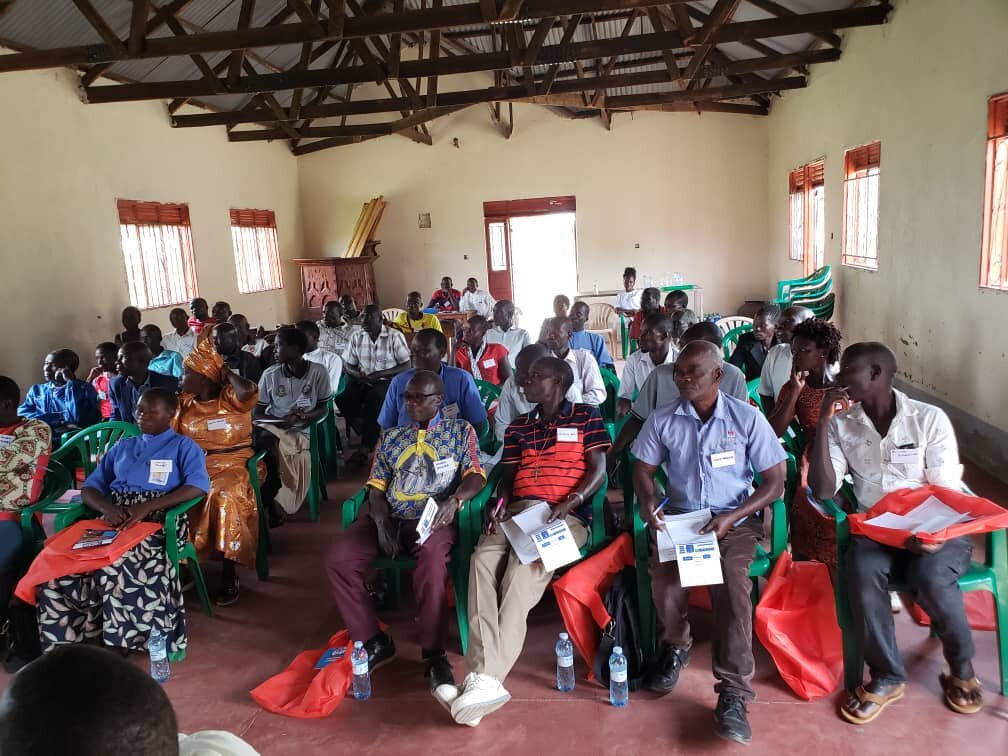
63 Religious leaders and faith communities were trained to mobilize their follower to participate in wellness clinics and primary Health Care. Religious leaders and faith communities are the largest and best organized civil institution in the world. They are attached to billion of believers that brings different races social classes and nationalities more than any other civil society groups. Religious leaders have the experience of establishing and working with different patterners in primary health care setting because one of the biggest challenges faced by their followers is disease and poverty by their followers is disease and poverty .Religious leaders are often highly respected figures in their communities because community members and political leaders listen to them at the family and community levels, religious leaders can mobilize people for regular health check up such as diabetes, high blood pressure, cancer, HIV,TB and many others.
In this particular training each religious institution was tasked with forming health teams that can coordinate with health teams to mobilize people for mobile clinics and make follow up on those that need continuous monitoring and those that need palliative care services. The health teams will receive specific training on primary healthcare similar to those that are received by the community health workers. This training will help the communities catch up with the gaps created by the COVID19 pandemic.
![Share on Twitter]()
![Share on Facebook]()
Oct 31, 2023
25 youth receive vocational skills
By GEOFFREY ANGUYO | PROJECT LEADER
![]()
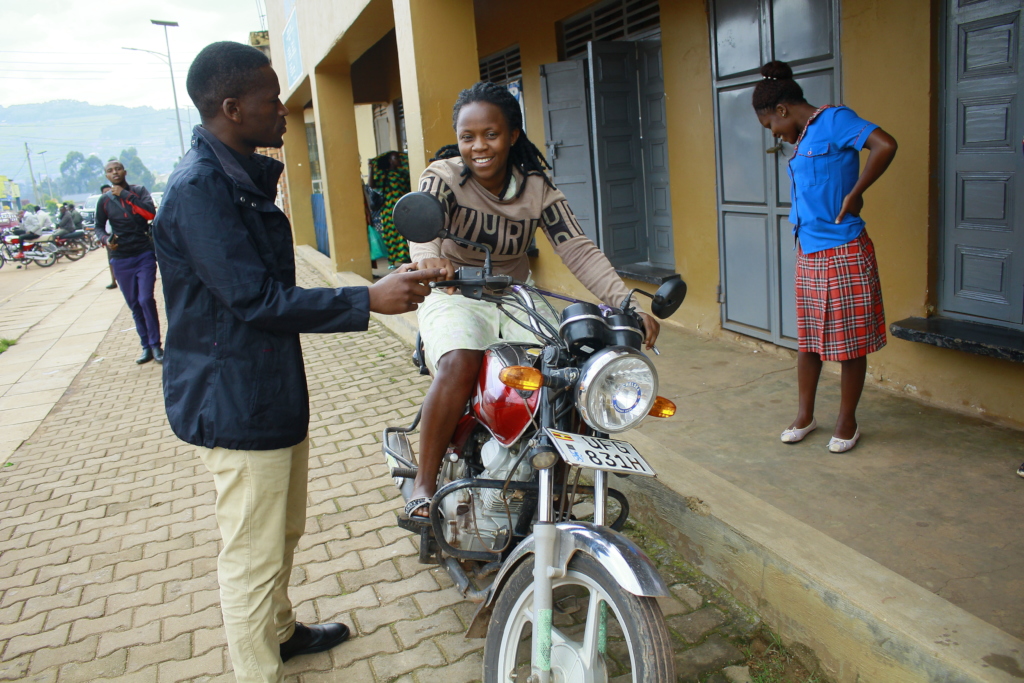
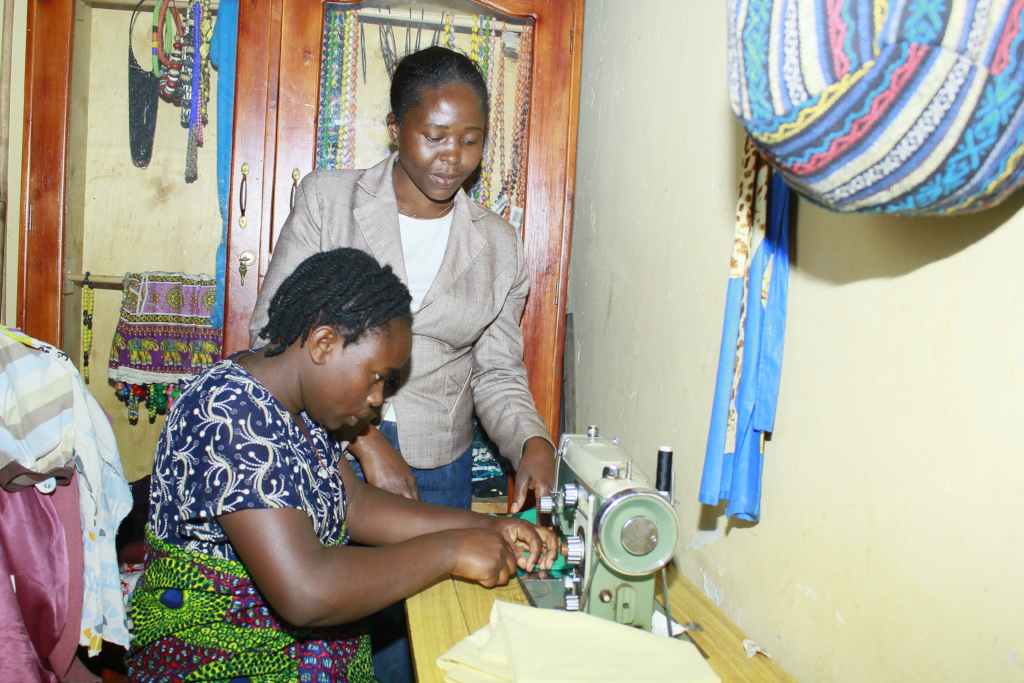
The Uganda education system is highly academic, a lot of effort is being put to change the learning system so that young people leave school with skills that they can use to earn a living. In the current system students are forced to internalize and cram a lot of theoretical content which has not been related to real life experiences. So if a student at any one point in the Uganda formal education system, drops out of school they are most likely unable to support their entry into the world of work. This goes for both practical and soft 21st century skills which they have not been taught. schools are so busy covering the content and preparing students to pass exams rather than finding time for curricular actives that enhance practical and soft skills. Now that they are faced with a dilemma of earning a living due to the long span of time they have not been in schools and the economic pressure that COVID-19 has placed on families. It is only prudent that a plan is made to skill them throughout their formal education and more so there is need to support the students dropping out as a result of the pandemic, with skills so that they can blend in well in the world of work and make meaningful contributions to their societies. Students are more likely to complete primary school in urban areas (approximately 91%) as opposed to rural areas (approximately 85%). Research by Human Rights Watch found out that school closures caused by the pandemic exacerbated previously existing inequalities, and children who were already at risk of being excluded from quality education have now been most affected . The inequalities in education between rural and urban students in Uganda during the COVID-19 pandemic range from lack of medium through which students can assess home learning to lack of sources of power to run these mediums, lack of funds to access different learning platforms, lack of internet connectivity, generally the social economic background of the children played a big role in determining their continued learning during the school break. This dictates whether or not they can concentrate on studies or have to work to contribute to the family livelihood or are affected by cultural and traditional practices that threaten their safety like child marriages, coupled with this is the lack of lighting and space to do their study. Only 20% of the children had access to enabling technology for online learning while most of the remaining 80% couldn’t even access the reading materials which were posted to the schools. We have initiated 25 young people in a rural community 15 girls and 10 boys to learn vocational skills that include tailoring, computer skills, knitting, driving skills that includes riding motorcycles. The success stories of these young people will stimulate others to join in the next phase. We call this phase one cohort.
![]()
![Share on Twitter]()
![Share on Facebook]()