By Nicolas A. Fiedotin | International Cooperation Manager
What are our concerns?
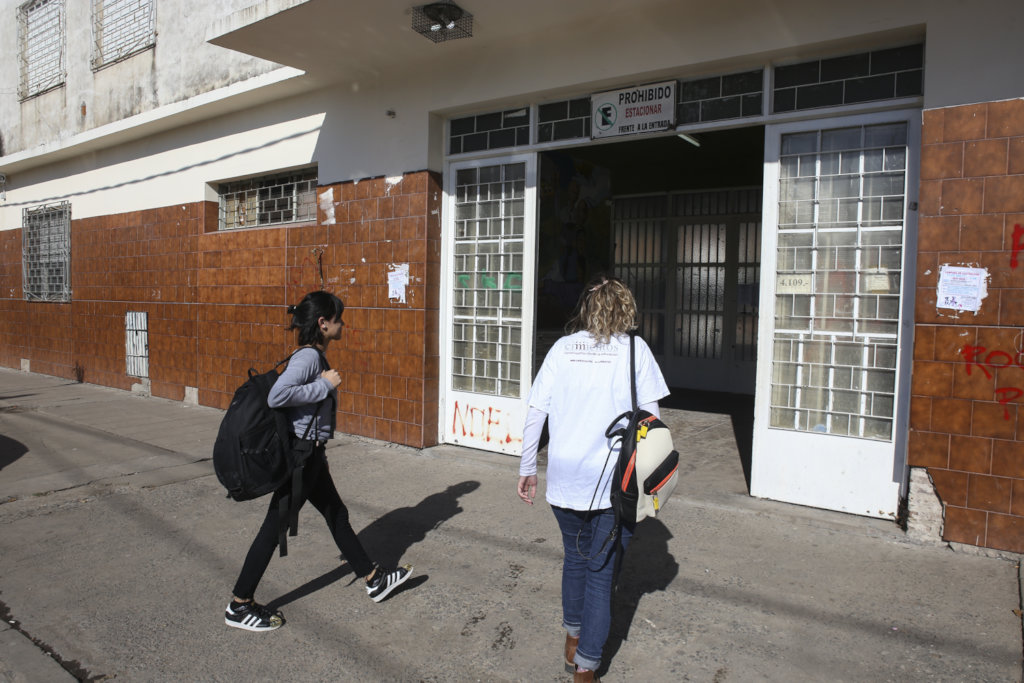
In Argentina, 4 out of 10 young people do not complete secondary school within the expected timeframe. In contexts of socioeconomic vulnerability, this figure rises to 7 out of 10.
School dropout is rarely the result of a single cause. It is the accumulation of multiple structural and individual factors, including low engagement with school, grade repetition, economic hardship, the need to enter the labor market at an early age, teenage pregnancy, and caregiving responsibilities within households. These conditions often interrupt educational trajectories and significantly reduce future opportunities.
This context continues to guide the urgency and relevance of Cimientos’ work with adolescents across the country.
What is our proposal?
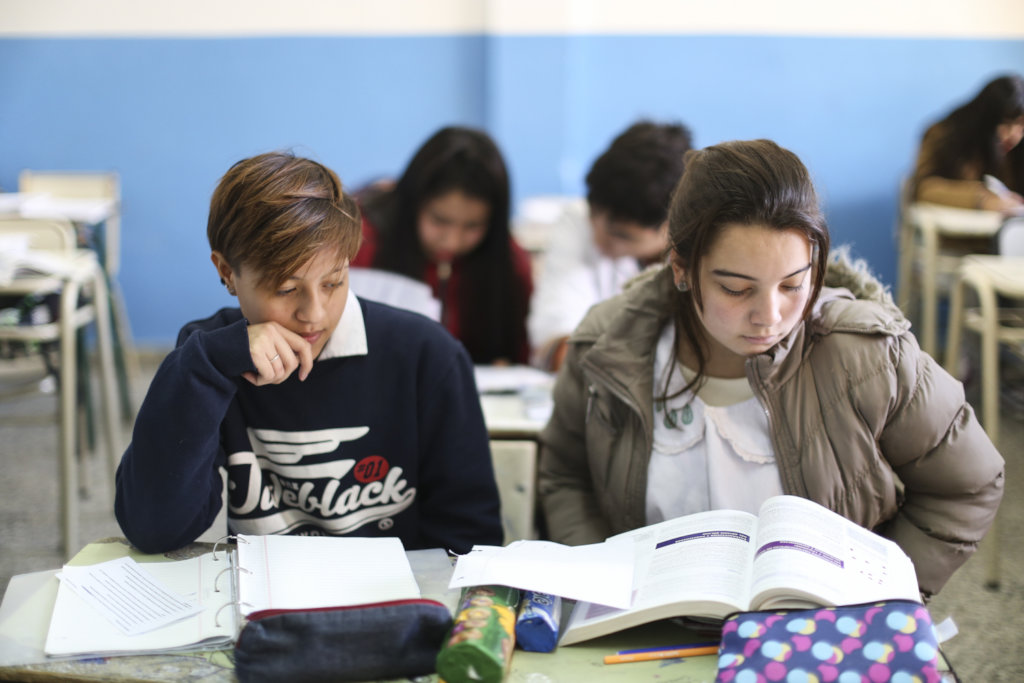
The Futuros Egresados Program proposes to accompany students between 12 and 18 years old in vulnerable socioeconomic contexts so they can progress through secondary school and complete their studies.
The Program is based on the understanding that sustained educational trajectories require not only academic support, but also the development of socio-emotional skills, economic stability, and spaces for reflection and peer exchange.
Through individualized accompaniment, Futuros Egresados strengthens students’ ability to remain in school, complete secondary education, and build informed pathways towards further study or employment.
Futuros Egresados Program (PFE): our core intervention model
Futuros Egresados, created in 1997, is implemented through three integrated pillars:
1. Personalized educational support
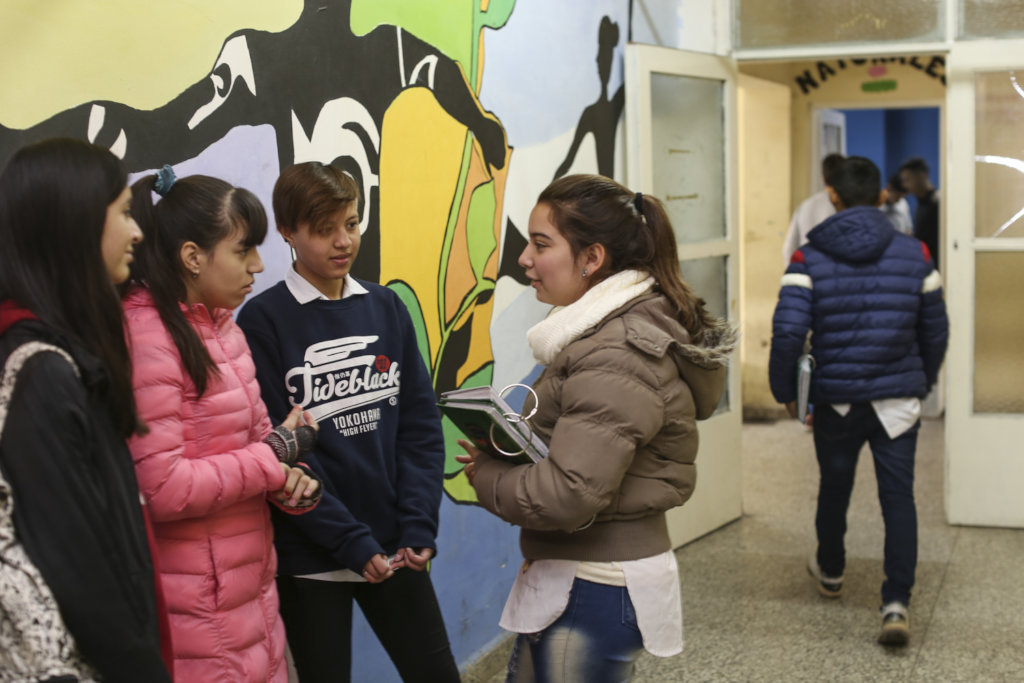
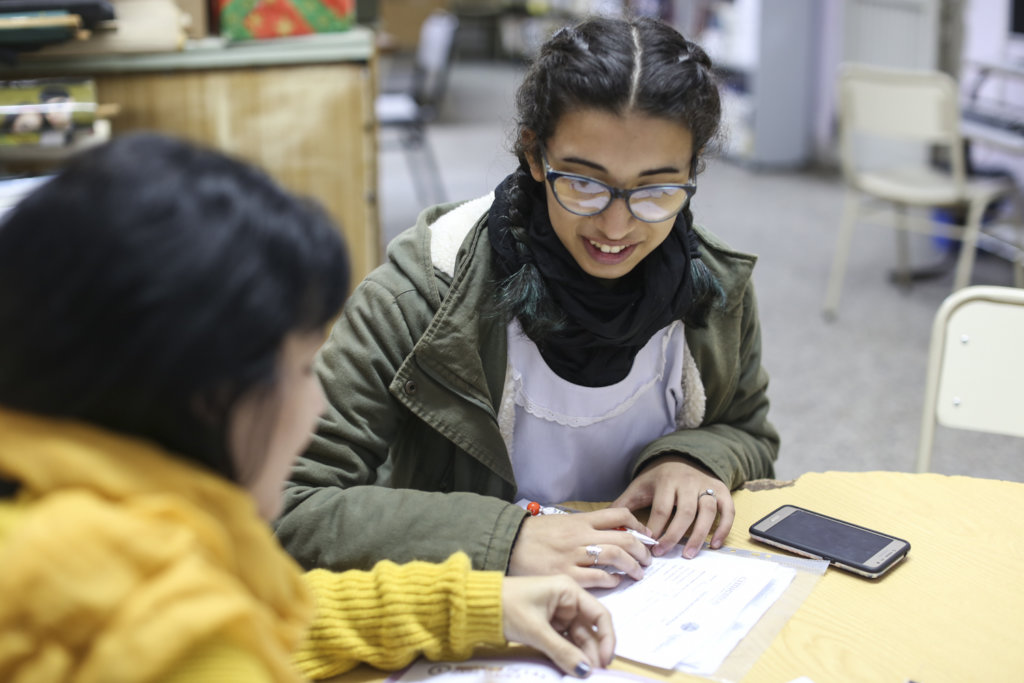
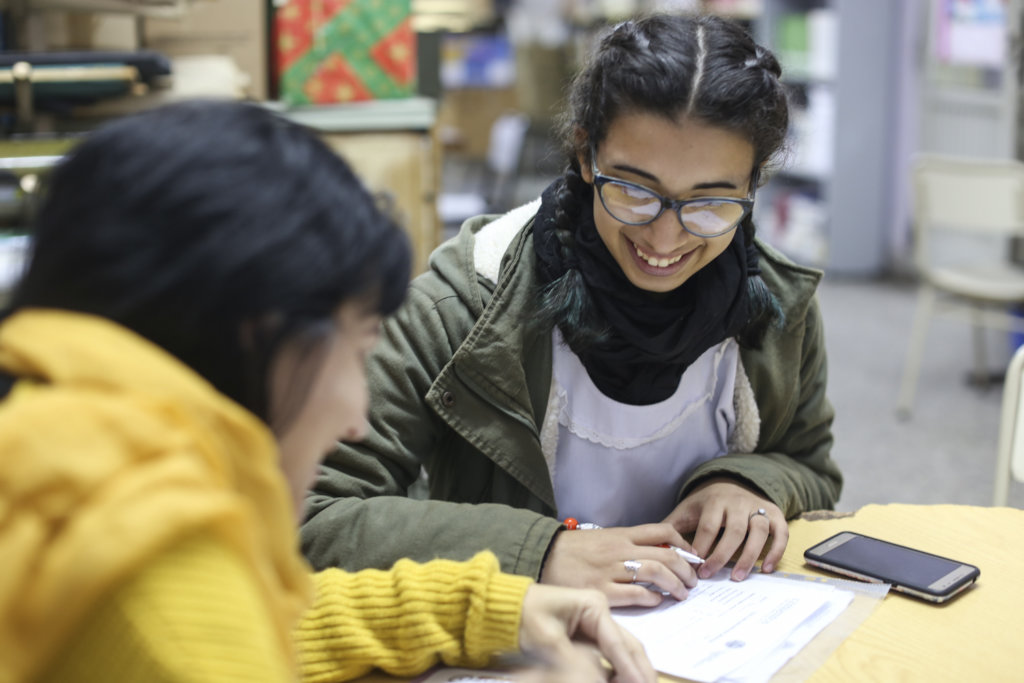
Each student is accompanied by a dedicated tutor who conducts monthly individualized meetings. These spaces are designed to set small, achievable goals that strengthen socio-emotional skills and support school continuity and performance.
2. Economic support
Families receive a monthly stipend aimed at reducing financial barriers that directly affect school attendance, performance, and continuity.
3. Exchange of experiences
Students participate in group spaces, workshops, and peer exchange activities that allow them to reflect on their school experience, share challenges, and strengthen a sense of belonging.
Our differential approach
The program’s distinguishing feature is its personalized accompaniment methodology, focused on strengthening key socio-emotional skills that enable successful educational trajectories. These include self-concept, decision-making, interpersonal relationships, responsibility and autonomy, and time management and planning.
This methodology has been built and refined over more than two decades of implementation and is supported by evaluation studies that confirm its effectiveness. The program is delivered nationwide within schools by trained professionals hired by Cimientos, ensuring consistency, proximity, and contextual relevance.
2026 in Action: Progress and Opportunities
For many young people, completing secondary school represents an important achievement, but it also raises a fundamental question: what comes next? Choosing a career, pursuing higher education, or entering the labor market can be particularly challenging for students from vulnerable socioeconomic backgrounds, who often have limited access to professional networks, career guidance, and information about available opportunities.
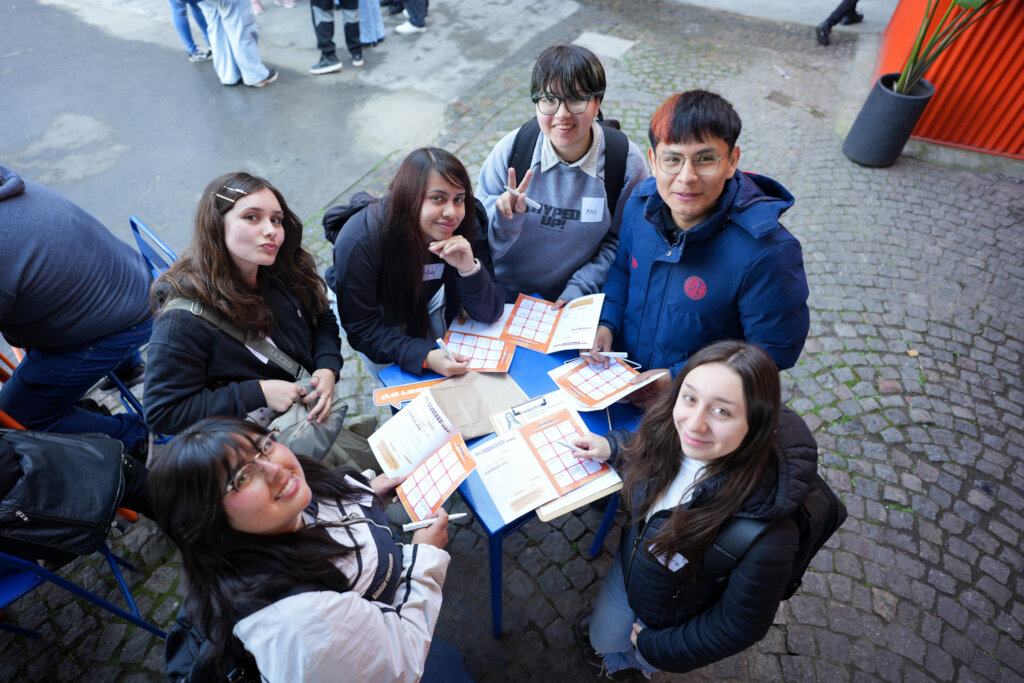
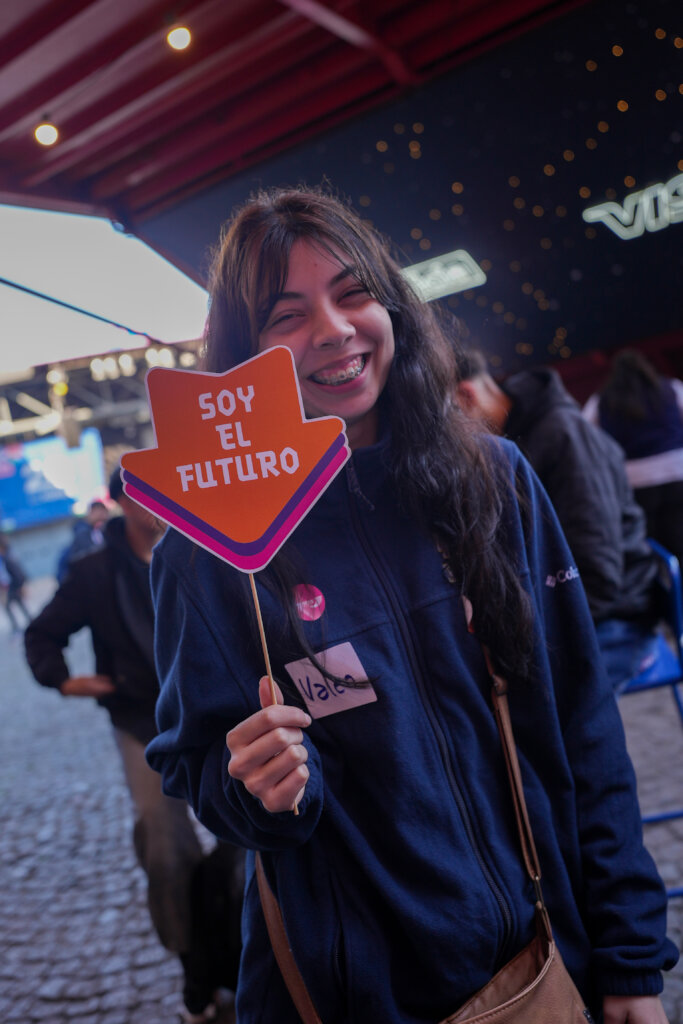
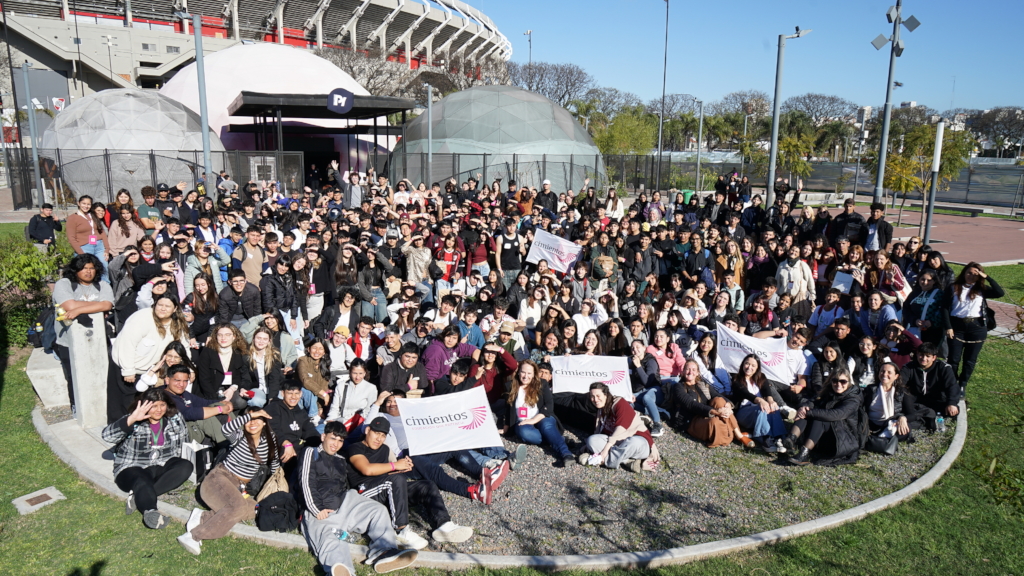
To help bridge this gap, Fundación Cimientos organized “Potenciá tu futuro” (Empower Your Future), an in-person event held at Ciudad Cultural Konex in Buenos Aires. The initiative brought together 350 young people from 21 neighborhoods and localities across the Buenos Aires Metropolitan Area (AMBA), offering them a dedicated space to explore their interests, discover educational and employment opportunities, and begin shaping their life projects beyond secondary school.
Throughout the six-hour event, participants engaged in employability workshops, mock job interviews, professional panels, and activities designed to bring them closer to the academic and professional worlds. More than 100 volunteers from companies, universities, and civil society organizations shared their professional experiences, answered questions, and provided practical guidance to help students make informed decisions about their next steps. These exchanges offered young people an opportunity to connect with professionals, explore different career paths, and gain confidence as they prepare for the transition from school to further education or employment.
Links:
By Nicolas Fiedotin | International Cooperation Manager
By Nicolas Fiedotin | International Cooperation Manager
Project reports on GlobalGiving are posted directly to globalgiving.org by Project Leaders as they are completed, generally every 3-4 months. To protect the integrity of these documents, GlobalGiving does not alter them; therefore you may find some language or formatting issues.
If you donate to this project or have donated to this project, you can receive an email when this project posts a report. You can also subscribe for reports without donating.



Support this important cause by creating a personalized fundraising page.
Start a Fundraiser