By Dr. Gladys Kalema-Zikusoka | Founder and CEO
This report provides an update on Conservation Through Public Health’s (CTPH) initiative (#67801) on GlobalGiving, titled “Family Planning Services in Bwindi. “The project has so far received 9 donations totalling $710 raised of $50,000 goal.”
Background
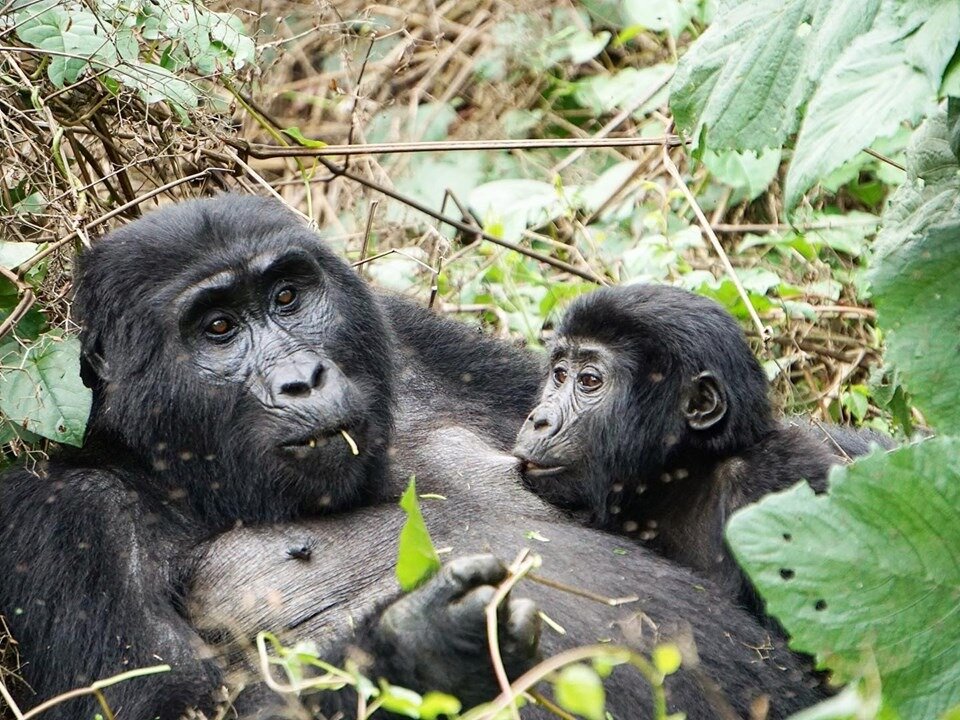
Bwindi Impenetrable National Park (BINP) hosts 43% of the remaining mountain gorillas worldwide, highlighting its importance for conservation efforts. Nonetheless, the local communities encounter considerable difficulties, such as rapid population growth and insufficient access to family planning resources. In 2020, Uganda's modern contraceptive prevalence rate (mCPR) for women stood at 30.4%, with a national aim to raise it to 39.6% by 2025. The unmet need for family planning was reported at 17% in 2020, with a target to decrease it to 15% by 2025. This restricted access leads to increased poverty, greater strain on natural resources, encroachment on habitats, and the transmission of zoonotic diseases.
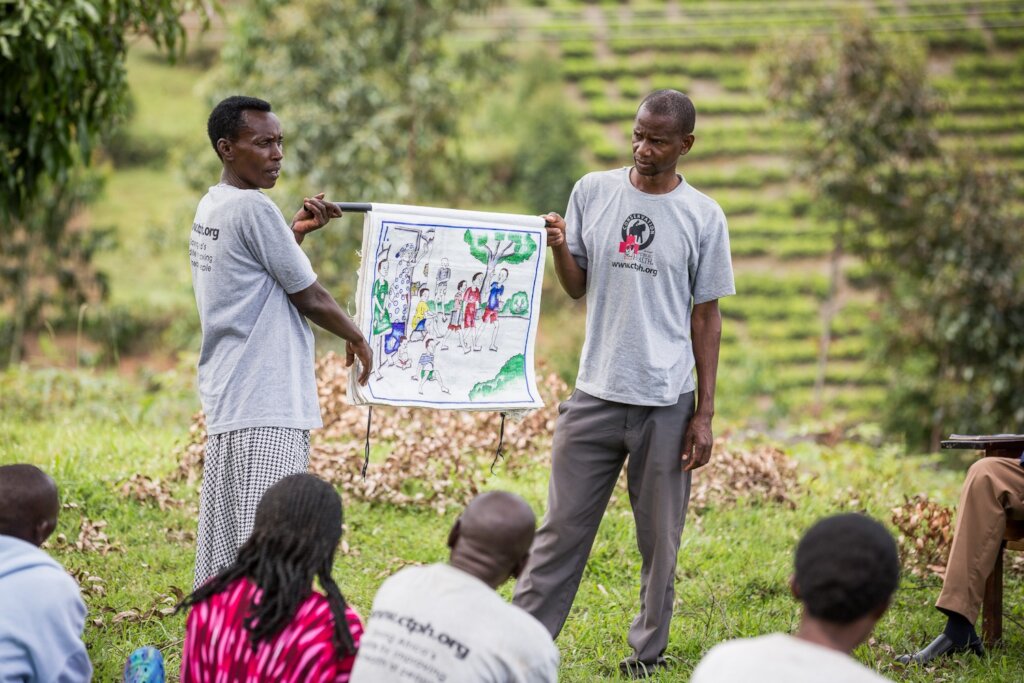
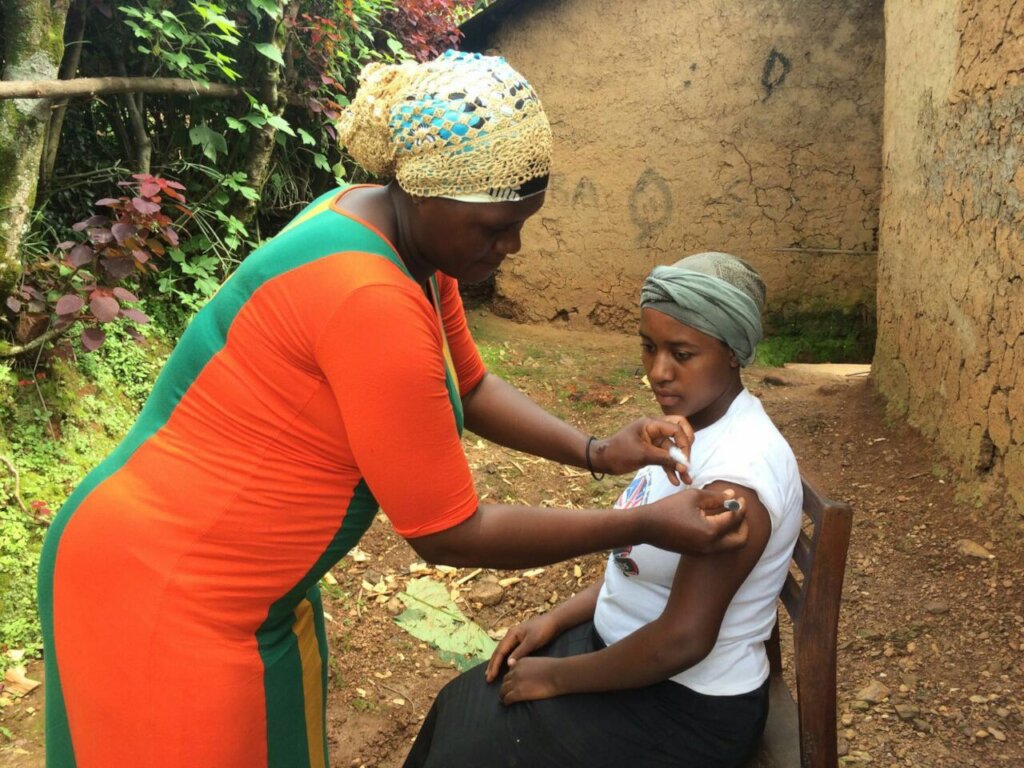
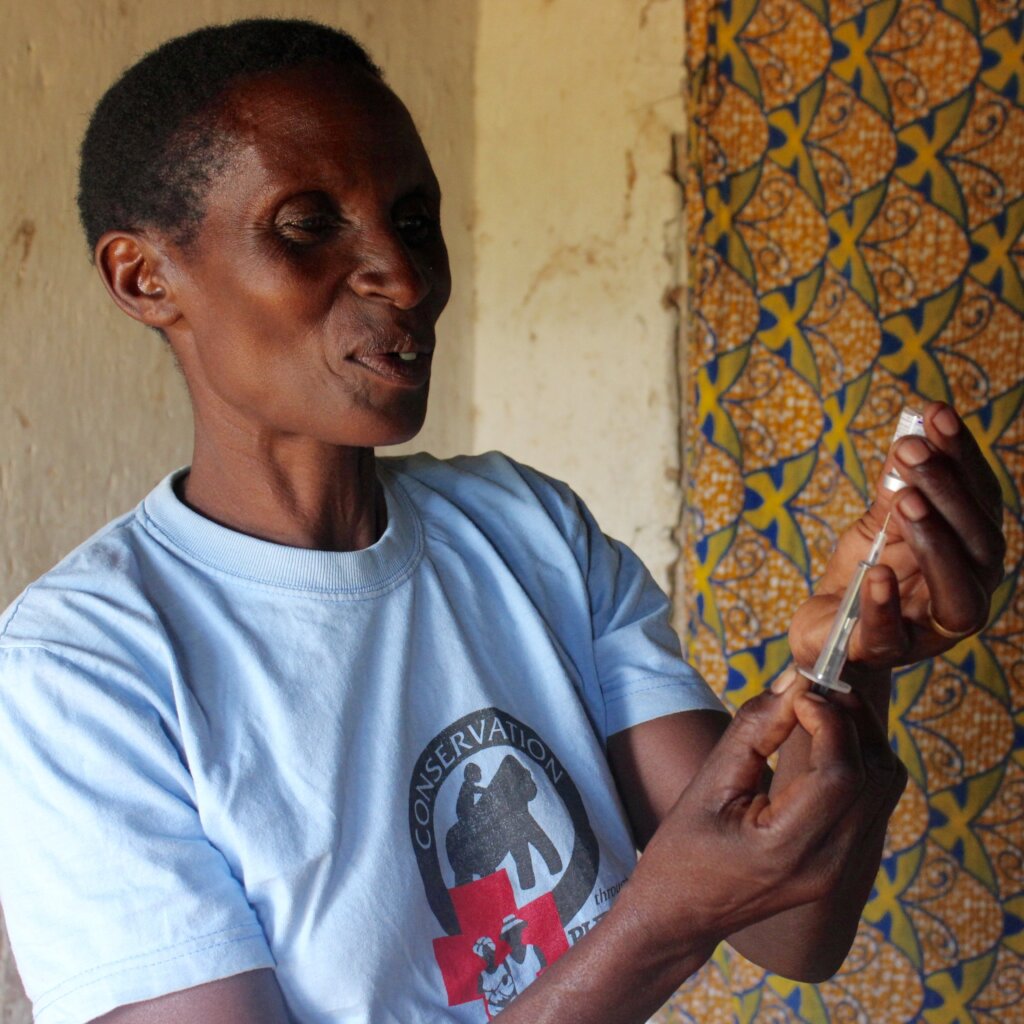
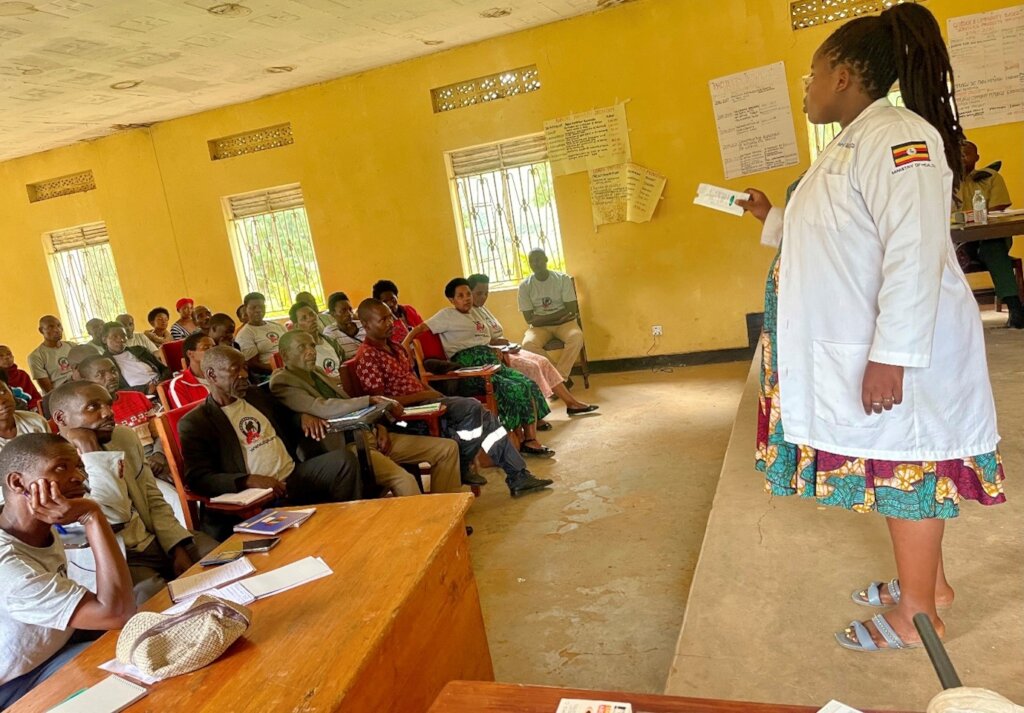
CTPH integrates the One Health and Population, Health, and Environment (PHE) approaches in all its work around protected areas. PHE projects recognize the interconnections between human health, animal health and the environment, recognizing the need for sustainable resource management. By improving access to health services, including family planning, while promoting environmental conservation, these projects help communities adjacent to protected areas like BINP achieve better health outcomes, manage natural resources effectively, and reduce population pressures on ecosystems. Therefore, the Family Planning Services in Bwindi initiative was launched to tackle these issues by training community volunteers, known as the Village Health and Conservation Teams (VHCTs), to deliver voluntary family planning services directly to households. By employing this strategy, the project seeks to enhance reproductive health, reduce poverty, and strengthen conservation initiatives.
Project Progress
The percentage of families/households voluntarily taking up family planning services is gradually increasing from only 42% in 2022 to 50% in 2023 and 51% in 2024, implying that the majority of the households (5,406) in the 8 frontline parishes around BINP now use family planning services despite limited supply in the area.
Challenges
Next Steps
Long-Term Impact
This initiative contributes to reducing human-wildlife conflict by managing population growth, mitigating resource competition, and improving health outcomes for communities. It also plays a crucial role in conserving the mountain gorilla population by addressing the root causes of habitat encroachment and poaching.
Call for Support
We still need $49,290 to reach our project goal, and securing additional funding is essential for the successful implementation of VHCT training, family planning activities, and expanded community outreach. Your continued support will improve reproductive health services while also promoting conservation efforts in Bwindi.
Links:
Project reports on GlobalGiving are posted directly to globalgiving.org by Project Leaders as they are completed, generally every 3-4 months. To protect the integrity of these documents, GlobalGiving does not alter them; therefore you may find some language or formatting issues.
If you donate to this project or have donated to this project, you can receive an email when this project posts a report. You can also subscribe for reports without donating.



Support this important cause by creating a personalized fundraising page.
Start a Fundraiser