By Seth Mwangi | Programs Manager
Overview
In the reporting period, Macheo Children’s Organization continued to implement its Economic Empowerment intervention with the aim of building resilient households, particularly those caring for malnourished or vulnerable children. The primary goal is to enable caregivers to generate sustainable income, improve their household stability, and reduce dependency on external aid.
Approach
Macheo’s model focuses on holistic, hands-on support for caregivers through the following steps:
Key AchievementsSuccess Story: Rebecca’s Journey from Struggle to Stability
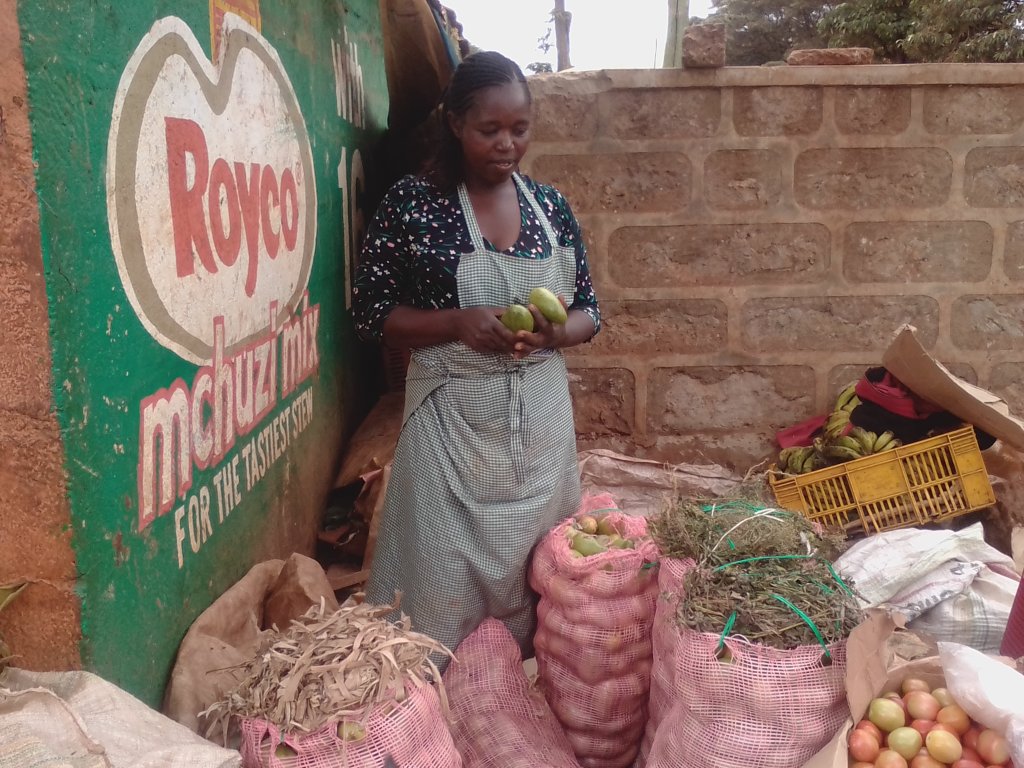
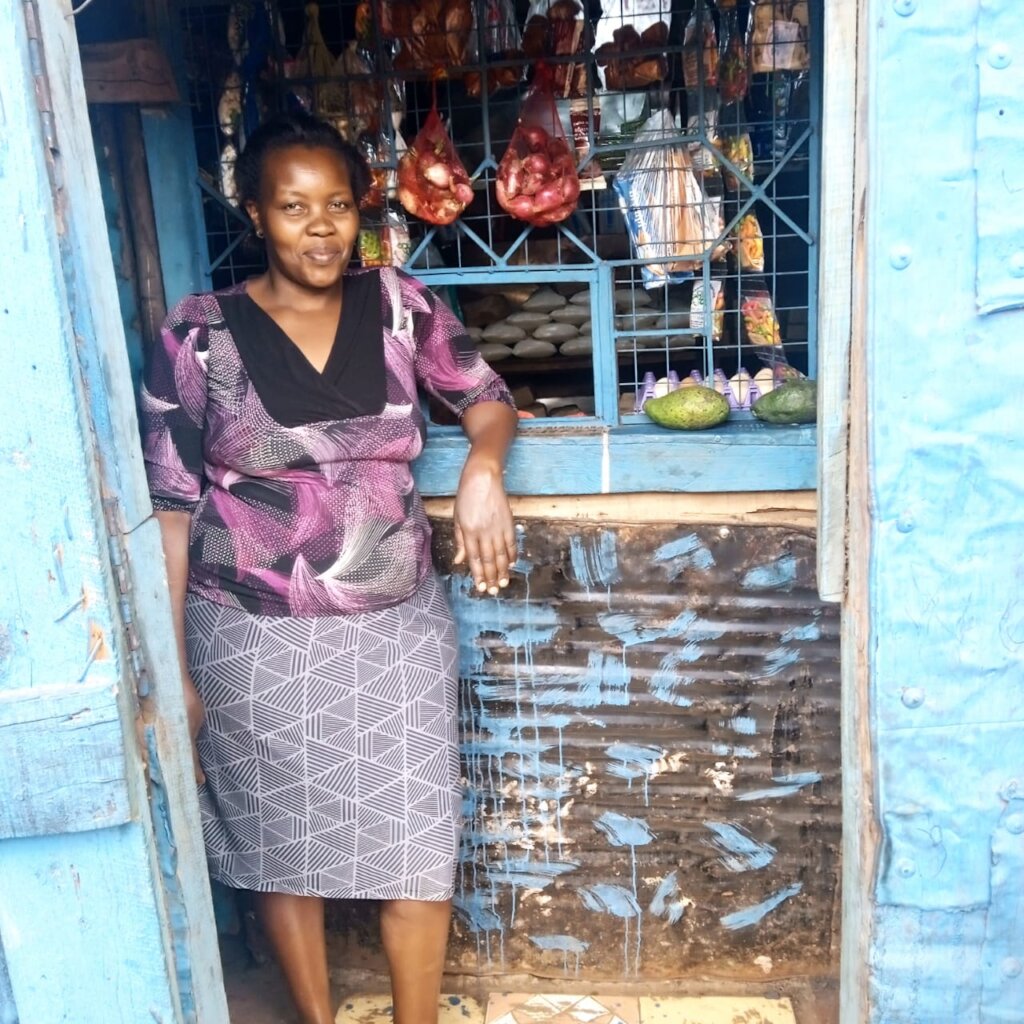
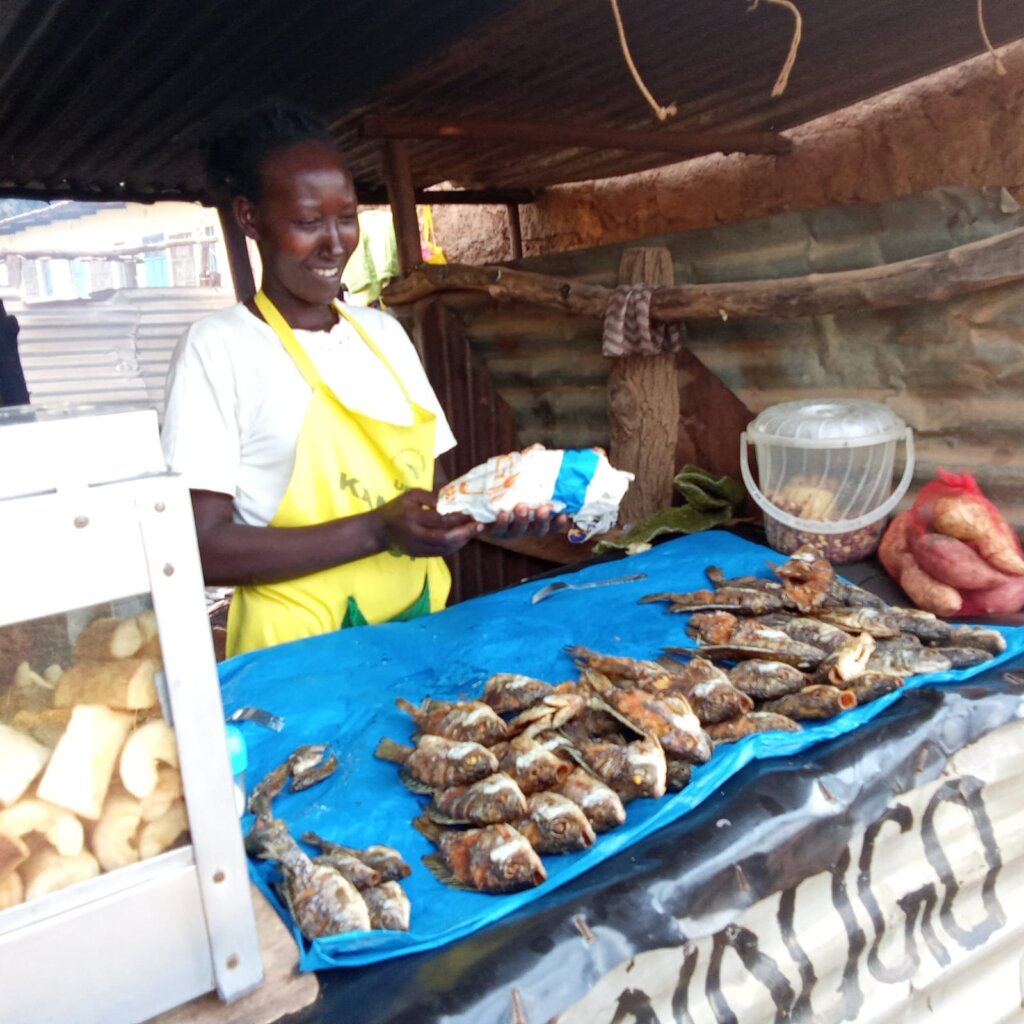
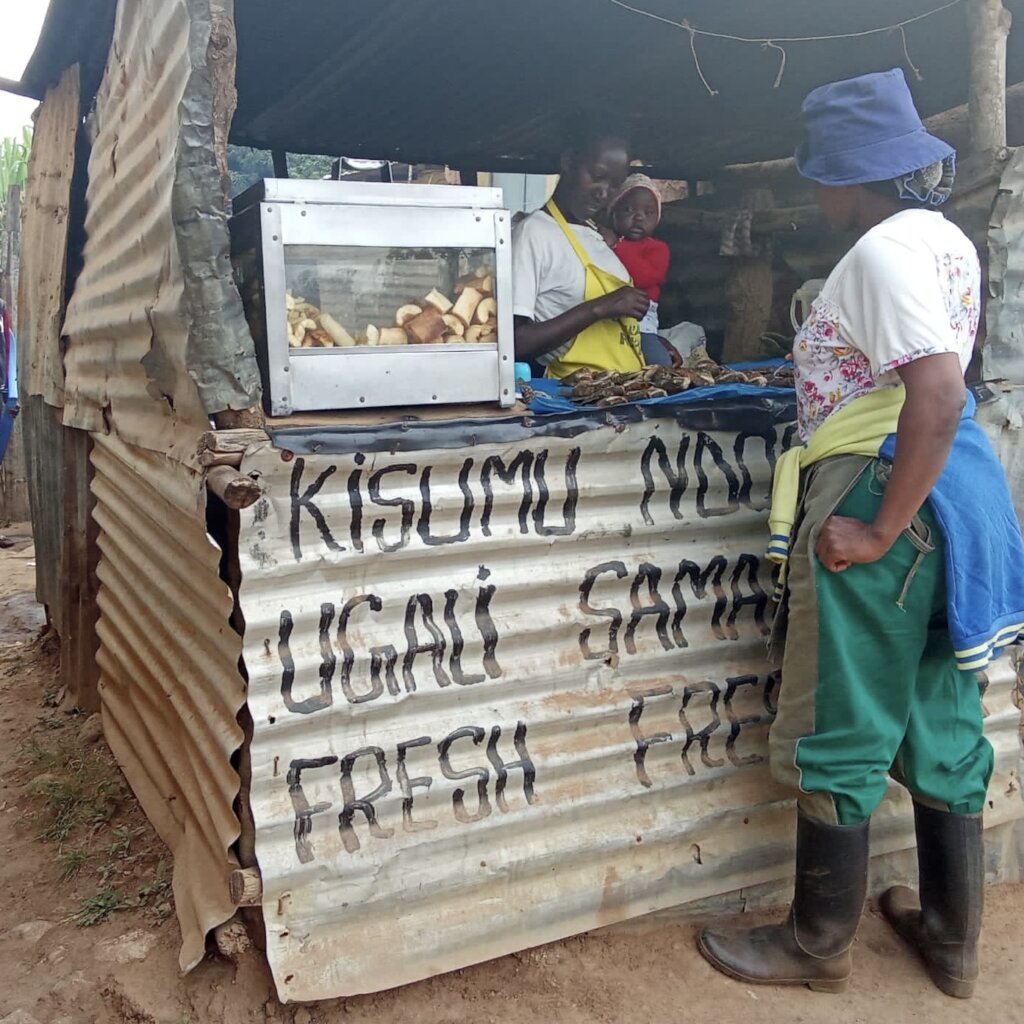
Rebecca Katumbi, a single mother of three living in Mackvast, was among the beneficiaries of Macheo’s economic empowerment initiative. Before the intervention, Rebecca faced extreme hardship, struggling with food insecurity and rent arrears. Through the support of the program, she received capital to start a small business selling cooked fish in her neighborhood.
Within the first few months, Rebecca showed strong financial discipline—using her profits to pay KES 4,000 toward rent, reducing her arrears from KES 16,000 to KES 12,000. She also ensured her children were fed regularly and had basic essentials. The business continues to grow steadily, and Rebecca is closely monitored for further support. Once she clears half of her remaining rent arrears, she will be eligible for additional empowerment.
Her determination, combined with tailored support, demonstrates the transformative potential of economic empowerment when paired with trust, follow-up, and mentorship.
Challenges
Lessons LearnedNext StepsConclusion
Economic Empowerment is proving to be a critical pillar in reducing child vulnerability. By equipping caregivers like Rebecca with the tools and confidence to support their families, we are promoting dignity, resilience, and sustainable child well-being.
By Seth Mwangi | Programs Manager
By Seth Mwangi | Programs Manager
Project reports on GlobalGiving are posted directly to globalgiving.org by Project Leaders as they are completed, generally every 3-4 months. To protect the integrity of these documents, GlobalGiving does not alter them; therefore you may find some language or formatting issues.
If you donate to this project or have donated to this project, you can receive an email when this project posts a report. You can also subscribe for reports without donating.



Support this important cause by creating a personalized fundraising page.
Start a Fundraiser